Top 16 Castles around Fußgönheim
Castles around Fußgönheim offer a glimpse into the region's rich history and cultural heritage. The municipality is home to the Hallbergsches Schloss, a significant Baroque palace complex constructed between 1728 and 1731. This site uniquely integrated a church wing, re-establishing a Catholic parish in 1742. Today, the castle houses the Heimatmuseum, documenting local history from archaeological finds to the 20th century, and features a restored castle garden.
Best castles around Fußgönheim
- The most popular castles is Heidenlöcher - 9th-10th century…
Last updated: October 9, 2026
Wachtenburg Castle Ruins
Highlight • Castle
"Friends of the Wachtenburg Ruins Conservation Association"
looked after and maintained by committed members in their free time.
Tasks and goals:
The most …
Translated by Google •
Tip by

Heidenlöcher - 9th-10th century refuge (with knight's stone no. 260)
Highlight • Historical Site
Translated by Google •
Tip by

Sign up now to discover places like this
Get recommendations on the best single tracks, peaks, & plenty of other exciting outdoor places.
Andreas Fountain, Deidesheim Market Square
Highlight • Monument
Translated by Google •
Tip by

Historic Old Town of Freinsheim
Highlight • Historical Site
Translated by Google •
Tip by

Schloss Wachenheim Sparkling Wine Cellar
Highlight • Castle
Translated by Google •
Tip by

Sign up for free to discover even more castles around Fußgönheim.
Already have an account?
Start today with a free account
Your next adventure awaits.
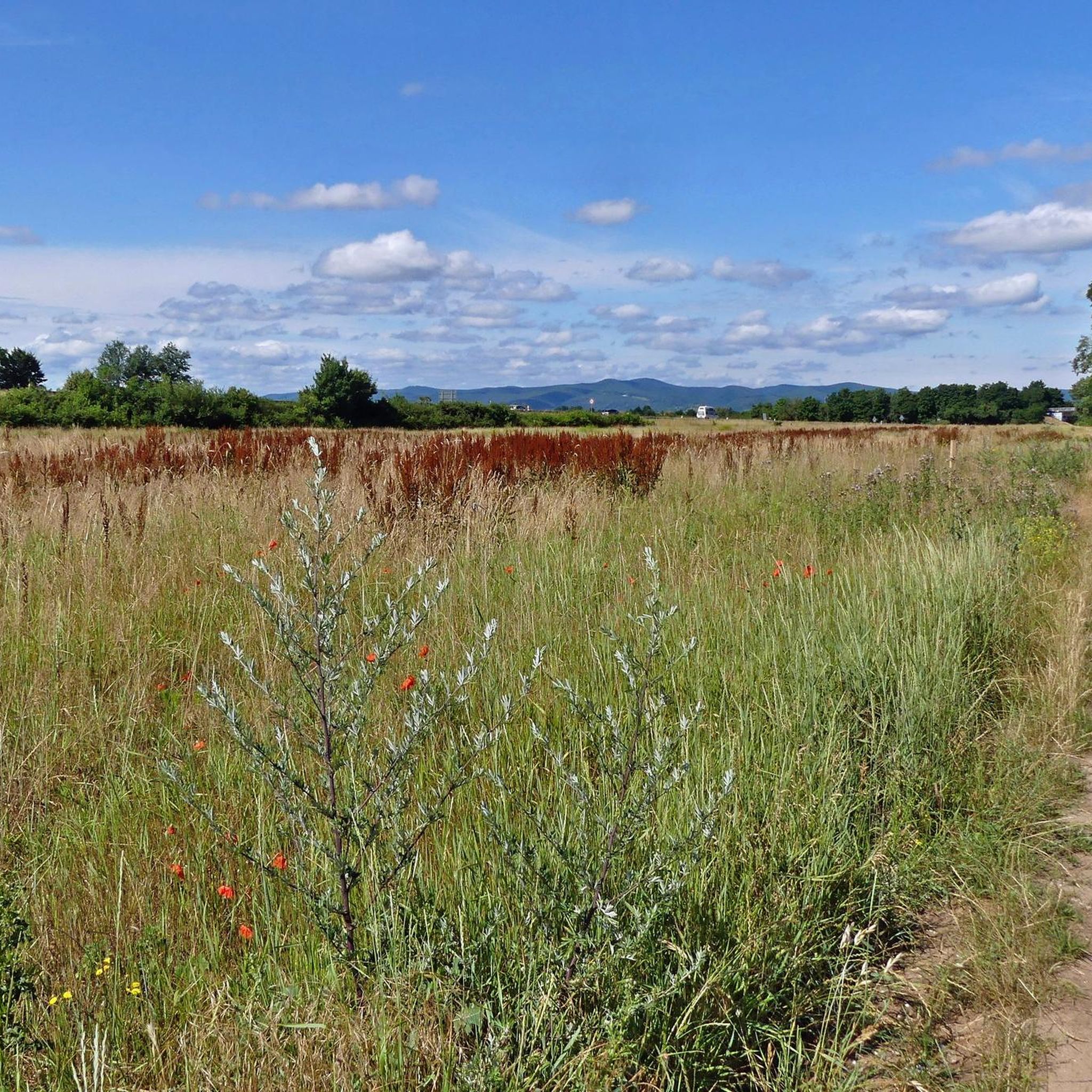
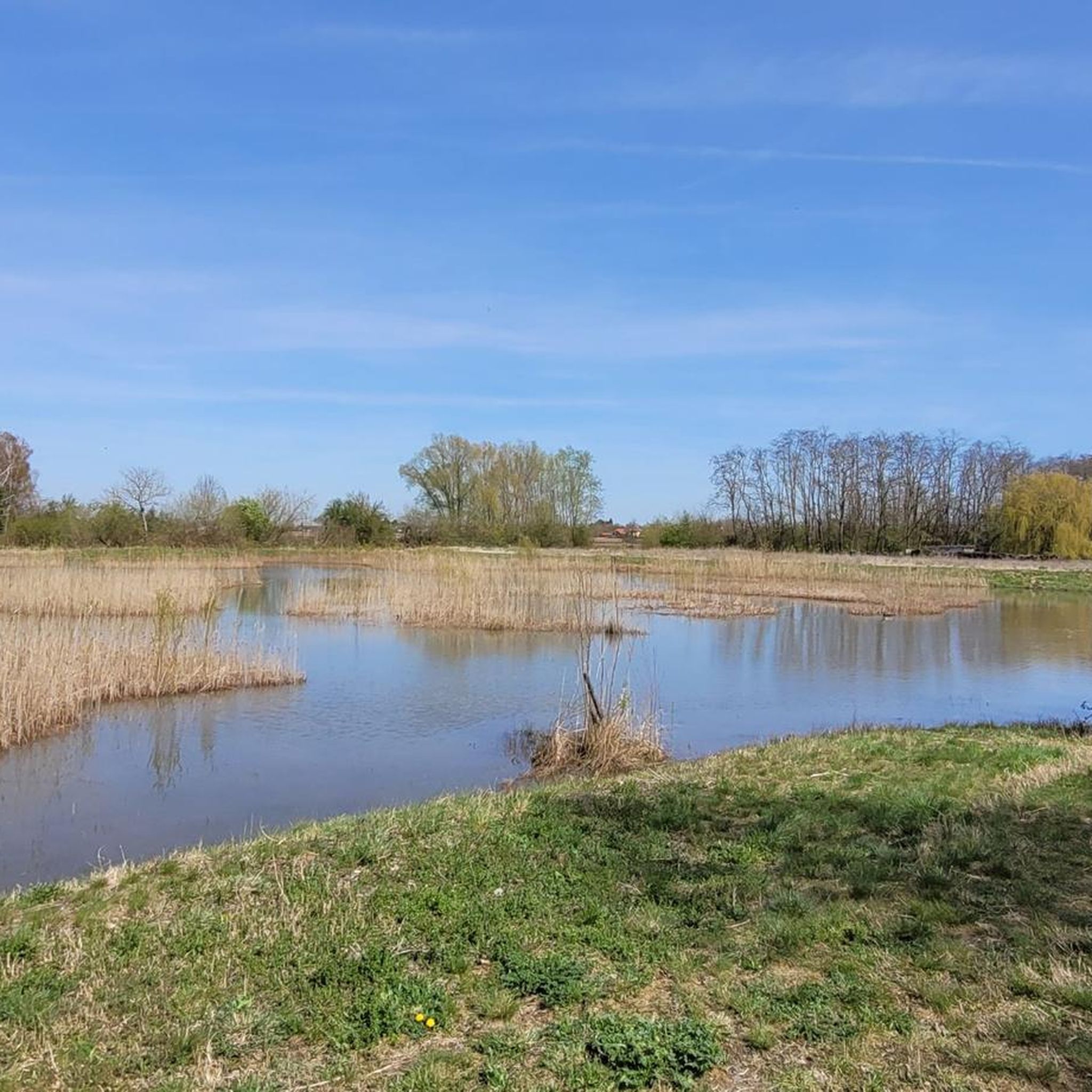
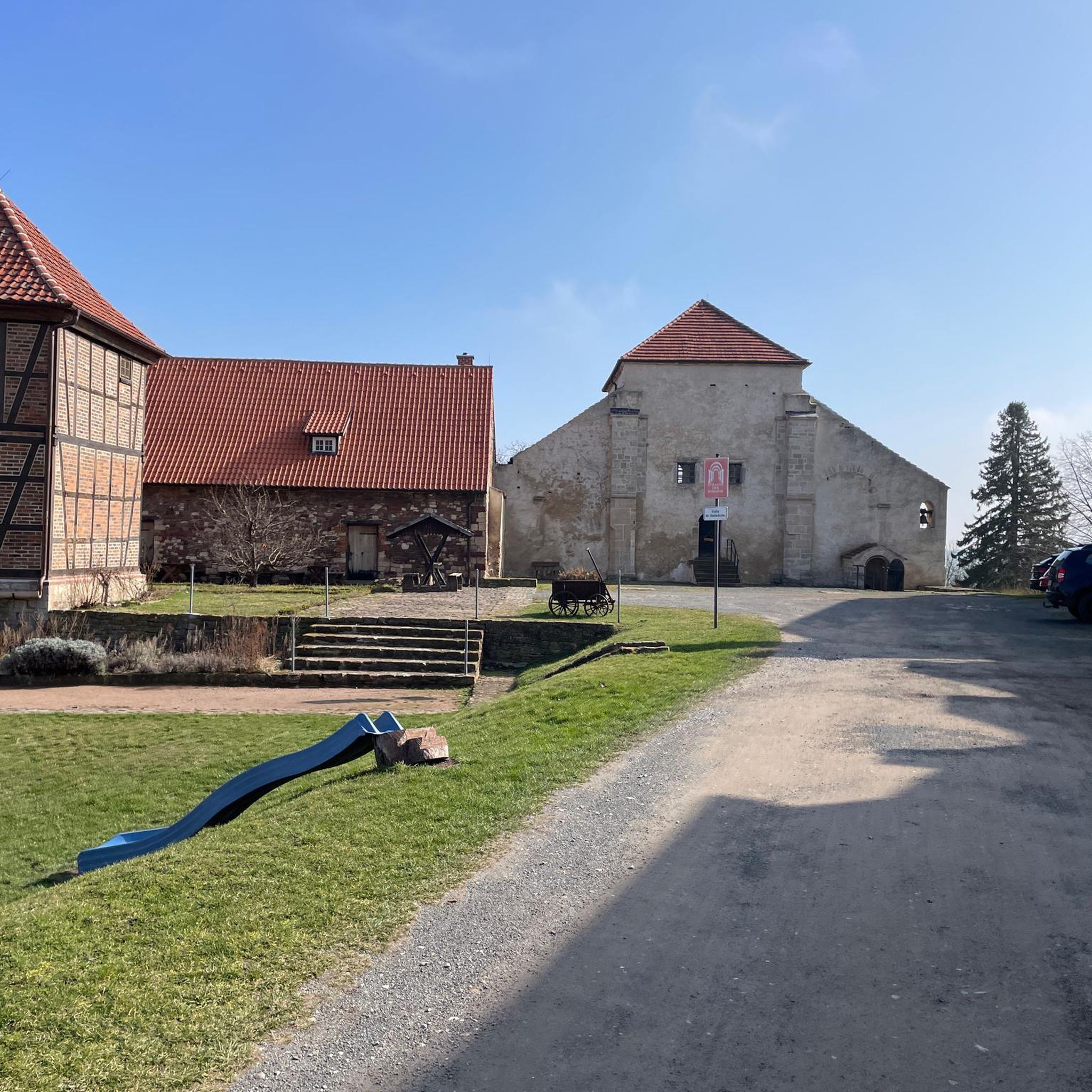
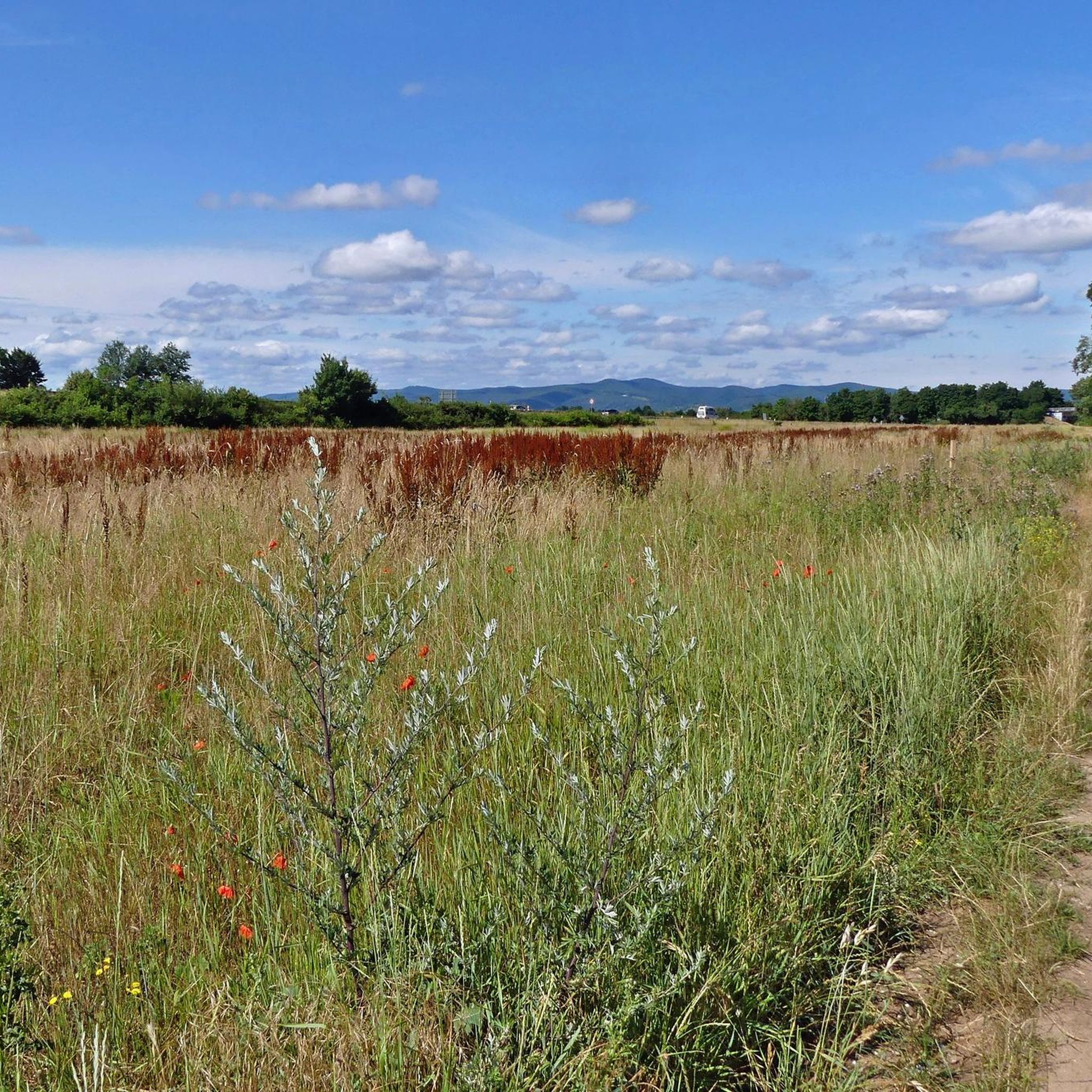
Tips from the Community

Today, Wachenheim Castle is home to the Schloss Wachenheim AG sparkling wine cellar named after him, a top address for international, first-class sparkling wine and other (alcoholic) delicacies https://www.schloss-wachenheim-pfalz.de
4
0
Wachenheim Castle has existed since 1888 and is considered a cultural monument worth seeing right on the Wine Route in Wachenheim. The vaulted cellar in particular is worth a visit, and not just for wine enthusiasts.
4
0

Wachenheim Castle is a castle in the small Palatinate town of Wachenheim on the Wine Route, which is considered a cultural monument. It now houses Schloss Wachenheim AG, which is named after him. You shouldn't be traveling by car here. Very tasty sparkling wines!
5
0
The market square of Deidesheim marks the center of the wine town. In its center is the Andreasbrunnen, donated by the Jordan family in 1851.
8
0

We had a guided tour
4
0

Would you like a glass of champagne and a tarte flambée in the courtyard or indoors? One really! great, informative tour with sparkling wine tasting.
4
0

Right in the heart of Wachenheim with great sparkling wines, the courtyard invites you to take a tour and the occasional venue for various events (oldtimer/Vespa meeting and/or the Wachenheim Wine Festival)
8
0

In the castle museum there are exhibits of life from earlier times. Arrowheads, bullets and other paraphernalia are on display, as well as pottery and stove tiles. Traces of tools on the crockery reveal that the oldest find can be dated back to 1180. The imposing model of the castle is also on display. It shows the castle founded around 1200. The support group for the preservation of the ruins of Wachtenburg has set itself the goal of preserving the Wachtenburg. Many thanks from my side for your commitment.
19
0
Frequently Asked Questions
What is the primary castle located directly within Fußgönheim?
The main castle in Fußgönheim is the Hallbergsches Schloss, also known as Hallberg Castle. This Baroque palace complex, built between 1728 and 1731, uniquely integrated a church wing that re-established a Catholic parish. Today, it houses the Heimatmuseum, which documents local history, and features a restored castle garden. The original castle church, with its Baroque interior, now serves as a side chapel to the current St. Jakobus Church within the complex.
What historical insights can I gain at the Hallbergsches Schloss in Fußgönheim?
The Hallbergsches Schloss offers a deep dive into local history through its Heimatmuseum. The museum, spread across four castle buildings, showcases artifacts from archaeological finds, Celtic, Roman, and Frankish periods, up to the 20th century. You can explore historical textiles, agricultural tools, military objects, and learn about the castle's own history and the Barons and Counts of Hallberg. Admission to the Heimatmuseum is free and it is typically open on the first Sunday of every month.
Are there any castle ruins near Fußgönheim that offer scenic views?
Yes, the Wachtenburg Castle Ruins are an excellent choice. Located on the Palatinate Wine Trail, these impressive ruins provide fantastic views of the Rhine valley. You can also find a castle tavern there for refreshments and climb the tower ruins for an even better panorama.
What kind of historical site are the Heidenlöcher near Deidesheim?
The Heidenlöcher are the remains of a refuge castle from the Carolingian or Ottonian times, dating back to the 9th-10th century. It served as protection against warring Normans and Hungarians. Visitors can explore the foundations of two gate structures, numerous stone houses, and a 450-meter-long curtain wall. A Ritterstein (memorial stone) marks this significant historical site.
What outdoor activities can I do near the castles around Fußgönheim?
The region around Fußgönheim offers a variety of outdoor activities. You can find numerous cycling routes, including road cycling, mountain biking, and touring bicycle options. For example, there are touring bicycle routes like the 'Historic Town Hall, Deidesheim – Wachtenburg Castle loop' which passes by historical sites. You can explore more options on the Cycling around Fußgönheim guide, the Road Cycling Routes around Fußgönheim guide, or the MTB Trails around Fußgönheim guide.
Are there family-friendly castles or historical sites to visit near Fußgönheim?
Yes, several sites are considered family-friendly. The Heidenlöcher refuge castle is suitable for families, offering an interesting historical exploration in a natural setting. Additionally, the Andreas Fountain in Deidesheim Market Square and the Historic Old Town of Freinsheim are also noted as family-friendly, providing charming environments to explore.
What is the best time of year to visit castles in the Palatinate region?
While castles can be visited year-round, spring and autumn are particularly pleasant. Spring offers blooming landscapes, especially along the Palatinate Wine Trail, while autumn provides vibrant fall foliage and comfortable temperatures for exploring. Many sites, like the Hallbergsches Schloss, host regular exhibitions, readings, and concerts, so checking their schedules can enhance your visit.
Are there dog-friendly trails or castle areas around Fußgönheim?
Yes, the Heidenlöcher refuge castle is noted as dog-friendly, allowing you to explore the historical ruins with your canine companion. Many natural trails in the Palatinate Forest surrounding the castles are also suitable for dogs, provided they are kept on a leash.
Where can I find cafes, pubs, or accommodation near the castles?
For cafes, pubs, and accommodation, consider visiting nearby towns. Deidesheim, for example, is a charming wine town with many cozy restaurants and wine taverns, some in idyllic backyards. Freinsheim's historic old town also offers numerous inviting eateries and places to stay. Fußgönheim itself has local restaurants and cafes.
What natural features can I expect to see when visiting castles near Fußgönheim?
The castles around Fußgönheim are often nestled within or near natural landscapes. For instance, the Heidenlöcher are located in a forest setting, offering a blend of history and nature. The Wachtenburg Castle Ruins provide views over the Rhine valley, showcasing the region's scenic beauty. The restored castle garden at Hallbergsches Schloss also offers a pleasant green space.
How can I get to the Hallbergsches Schloss in Fußgönheim using public transport?
Fußgönheim is generally accessible by public transport. You can typically reach Fußgönheim via bus connections from larger nearby towns. Once in Fußgönheim, the Hallbergsches Schloss is centrally located and usually within walking distance from local bus stops. For specific routes and schedules, it's best to check local transport provider websites.
Are there any viewpoints offering unique perspectives of the castles?
Yes, the View of Wachtenburg Castle from the Pfälzer Mandelpfad is a highly recommended viewpoint. From this spot on the Palatinate Almond Trail, hikers can enjoy a beautiful and romantic view of Wachenheim and the Wachtenburg Castle, offering a picturesque photo opportunity.
Most popular routes around Fußgönheim
Most popular attractions around Fußgönheim

Get inspired with the komoot mobile app


Explore more
Looking for the best castles somewhere else? Discover other guides around Fußgönheim:
