Top 20 Castles around Nuthetal
Best castles around Nuthetal include historical estates and sites that reflect the region's past. Nuthetal, a municipality near Potsdam, features the 19th-century Schloss Saarmund, a renovated royal outwork with a rich history of ownership. The area also holds the historical significance of Burg Saarmund, a vanished medieval castle site. These locations offer insights into the architectural evolution and historical land ownership of the Brandenburg region.
Best castles around Nuthetal
- The most popular castles is Sanssouci Palace, a castle built…
Last updated: October 9, 2026
Sanssouci Palace
Highlight • Castle
Translated by Google •
Tip by

New Palace and Colonnades, Sanssouci Park
Highlight • Castle
Showing Translation
Tip by

Sign up now to discover places like this
Get recommendations on the best single tracks, peaks, & plenty of other exciting outdoor places.
Marble Palace
Highlight • Castle
Translated by Google •
Tip by

Sacrow Palace
Highlight • Castle
The castle has emerged from a former mansion of …
Translated by Google •
Tip by

Haussee in Petzow Palace Park
Highlight • Lake
Translated by Google •
Tip by

Sign up for free to discover even more castles around Nuthetal.
Already have an account?
Start today with a free account
Your next adventure awaits.
Popular around Nuthetal
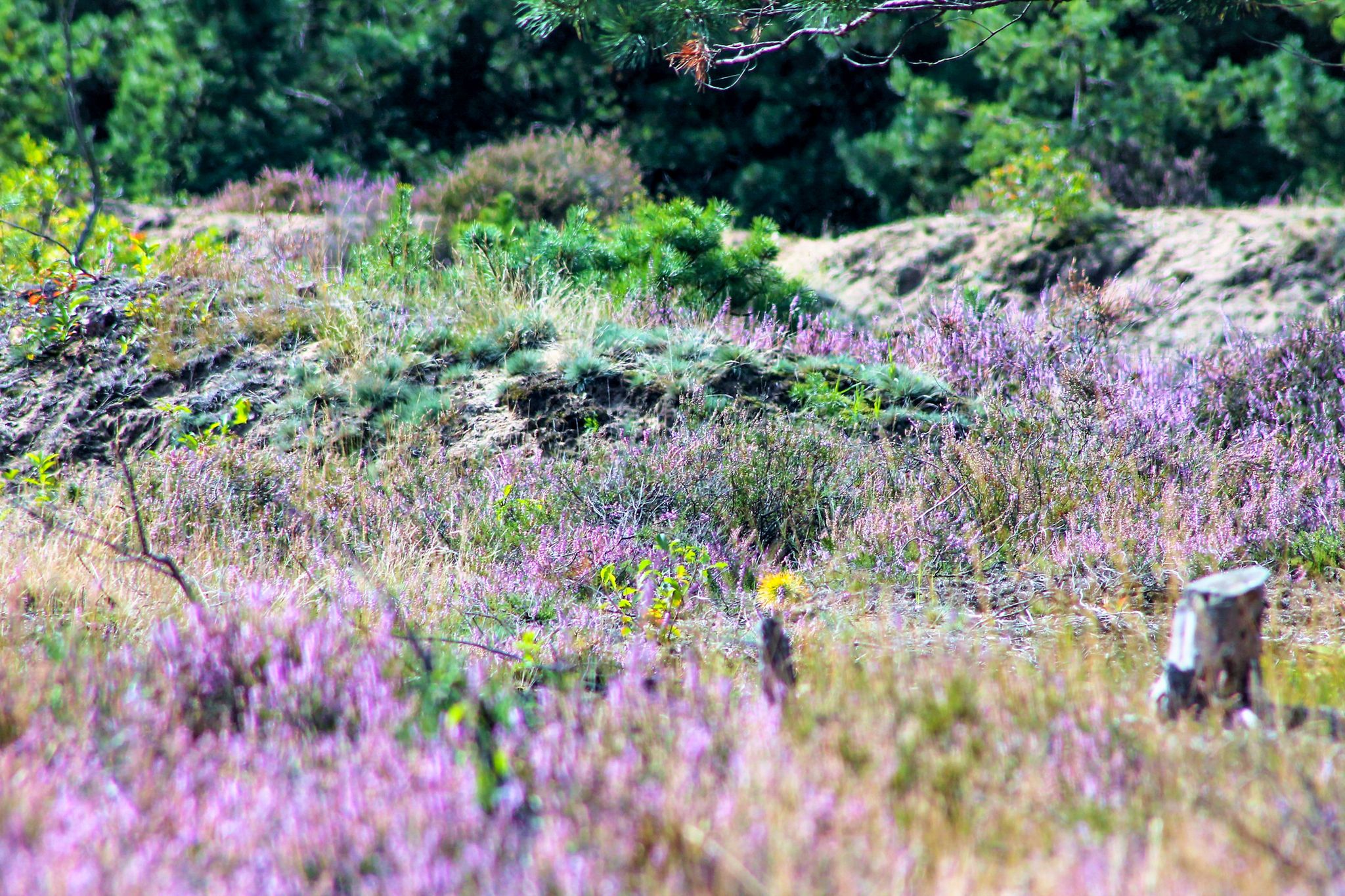
Purple splendour – by S-Bahn into the heath
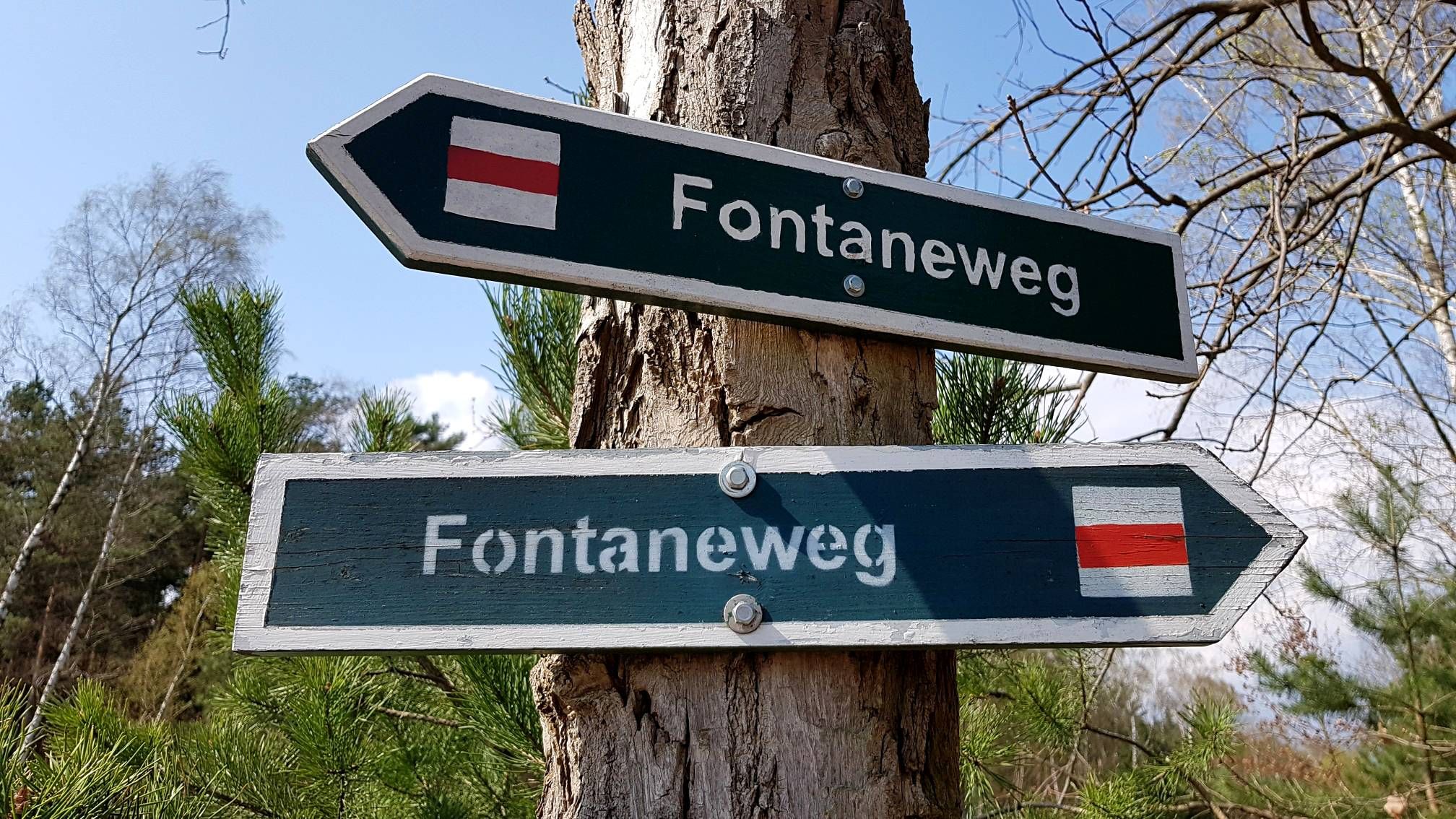
200 years - 200 km: On the long Fontaneweg trail from Köpenick to Potsdam
Stadt aus, Natur an um Berlin – Mit Magnesium-Diasporal®
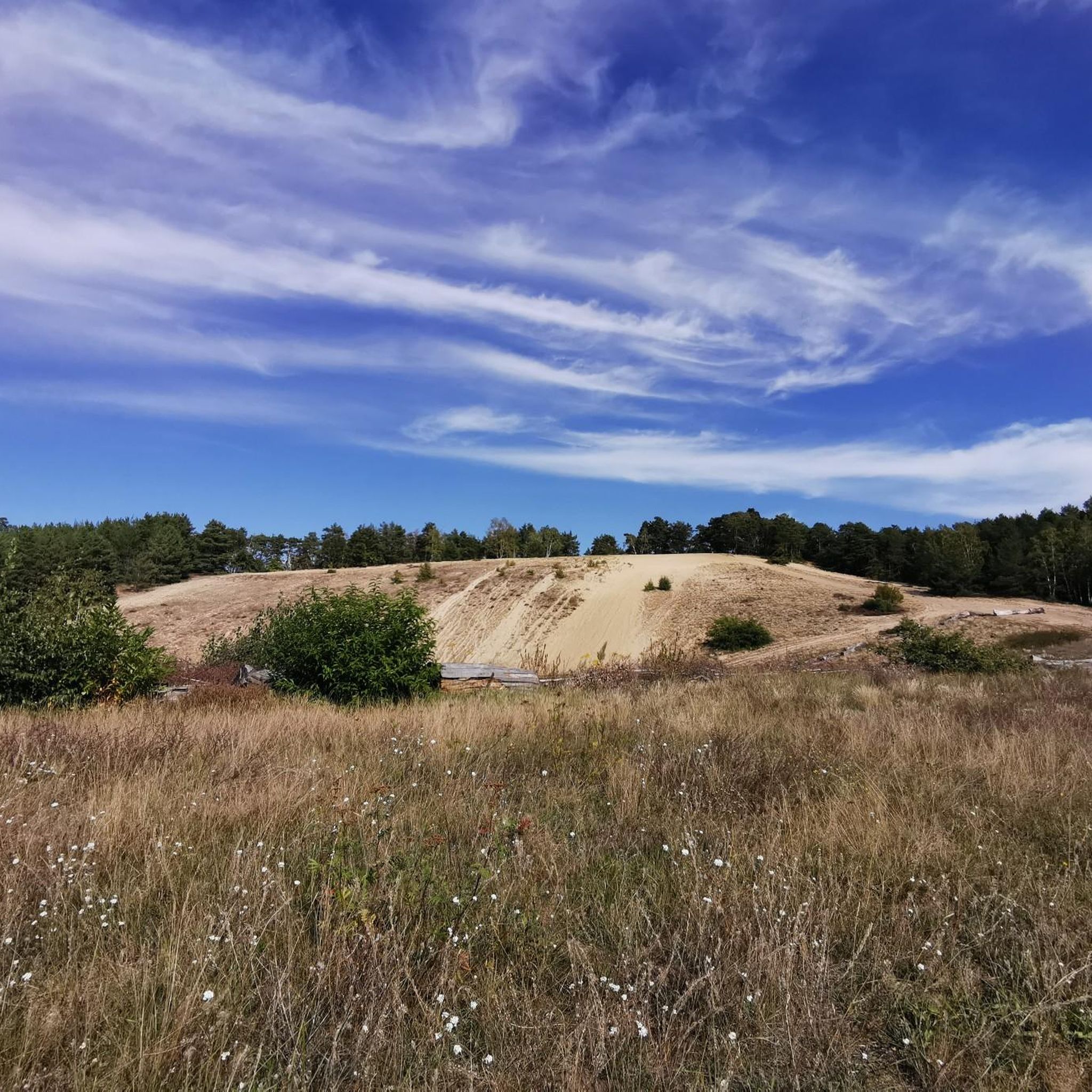
Cycling around Nuthetal
Hiking around Nuthetal
Road Cycling Routes around Nuthetal
Running Trails around Nuthetal
Gravel biking around Nuthetal
MTB Trails around Nuthetal
Other adventures around Nuthetal


Tips from the Community

Beautifully situated on the water. It's definitely worth taking a look at the complex from the outside.
7
0

Beautiful garden where events such as markets are regularly held. You can find more information at https://schlossgarten-petzow.de/.
0
0

Really beautiful, with lots of nature around and cool design
2
0

Very nice location and good paths.
1
0

Here you have a wonderful view of Lake Schwielowsee. The park is a Lennèpark, pretty and original at the same time.
0
0

The Marble Palace is romantically situated on a terraced complex directly on the lake shore in the New Garden. King Friedrich Wilhelm II had the building clad in Silesian marble built as a summer residence between 1787 and 1793. Its architect Carl von Gontard created the first and only Prussian royal palace in the style of early classicism. The king, who was artistically inclined and associated with the ideas of the Rosicrucians, used the palace and garden as a private retreat. The vestibule made entirely of different colored marble, the grotto hall located directly on the water and the impressive concert hall are the highlights of the early classical rooms of the castle, most of which are still in their original form. https://www.spsg.de/schloesser-gaerten/objekt/marmorpalais/
3
0

The castle park invites you to linger and relax on a tour. There are also some old buildings to be discovered here, where information boards on the history of the "Petzow Ensemble" and the Kähne family - the former residents of the castle - are available. Around the Haussee you can visit the arched bridge, the family crypt, an obelisk, the wash house, the fisherman's house, a bust of Peter Joseph Lenné and the old smithy. From 2022 the palace park will be open to the public again. After the decreed parcelling in 1946 and the neglect in the 90s, a paradise has emerged again. If you step through the ruin-like entrance gate, you will find yourself in the middle of the 250m long listed brick wall. Here visitors can expect a 1500 square meter vegetable garden surrounded by an apple hedge, a rose garden planted with 300 English roses and an apiary with 9 colonies. The fairy garden, a wide orchard with apple and pear trees - all varieties from the original time of the garden over 200 years ago, which served to provide for the residents and workers of the castle - invite you to marvel. https://www.visit-pm.de/schloss-petzow/
3
4

Sanssouci Palace Sanssouci (from French sans souci 'without worry') is an ensemble of palaces and gardens in the former residential city of Potsdam. From 1747 to 1918 it served as the summer residence of the Prussian kings and German emperors. From 1745, Sanssouci Palace, the Picture Gallery, the New Chambers and the New Palace were built in the style of Frederician Rococo by Knobelsdorff, Unger and Gontard on behalf of and based on the ideas of Frederick II. From 1825, Schinkel, Stüler and Persius built the Charlottenhof Palace, the Roman Baths, the Church of Peace and the Orangery Palace in the classicist style on behalf of and based on the ideas of Friedrich Wilhelm IV. Lenné transformed the approximately 300 hectare Sanssouci Park with the historic mill, the Chinese House, the Dragon House and the Belvedere from a French architectural garden into an English landscape garden. The ensemble managed by the Prussian Palaces and Gardens Foundation Berlin-Brandenburg has been a UNESCO World Heritage Site since 1990. Sanssouci is also called the Prussian Versailles because of its art-historical importance. Text/Source: Wikipedia https://de.wikipedia.org/wiki/Sanssouci
23
6
Frequently Asked Questions
What historical castles can I visit in Nuthetal itself?
Within Nuthetal, the most notable historical estate is Schloss Saarmund. While its current appearance dates to a 19th-century renovation, it has a rich history as a royal outwork from the 16th century. The site of the vanished Burg Saarmund, a medieval castle, also holds historical significance, though no physical structure remains today.
Which are the most popular castles to visit around Nuthetal?
Visitors frequently enjoy several grand palaces near Nuthetal. Among the most popular are Sanssouci Palace, known for its Rococo style and vineyard terraces; Cecilienhof Palace, famous as the site of the Potsdam Agreement; and Babelsberg Palace (Schloss Babelsberg), a former summer residence of Emperor Wilhelm I built in Tudor style.
Are there family-friendly castles or palaces to visit near Nuthetal?
Yes, several palaces around Nuthetal are considered family-friendly. Sanssouci Palace, Cecilienhof Palace, Babelsberg Palace (Schloss Babelsberg), and the New Palace (Neues Palais) in Sanssouci Park are all categorized as family-friendly, offering extensive grounds and historical insights suitable for all ages.
What kind of outdoor activities can I do near these castles?
The region around Nuthetal offers various outdoor activities. You can find numerous hiking, gravel biking, and running trails. For example, there are easy hiking routes like the 'Eichberg summit – View from Saarmunder Hill loop' or more challenging gravel biking routes such as the 'Golm – Großer Zernsee Cycle Path – New Palace (Neues Palais), Sanssouci Park loop'. You can explore more options on the hiking guide, gravel biking guide, and running trails guide for Nuthetal.
Are there hiking trails that include castles or historical sites?
Yes, many hiking trails in the area incorporate historical sites. For instance, the 'Eichberg summit – View from Saarmunder Hill loop' is an easy 4.5 km hike starting from Nuthetal. While not directly passing through the grand palaces, these trails often lead through scenic landscapes connected to the region's history. For more options, check the Hiking around Nuthetal guide.
What is the best time of year to visit the castles around Nuthetal?
The summer months are particularly beautiful for visiting the palaces, especially for enjoying the vineyard terraces at Sanssouci Palace and the extensive parks. However, to avoid crowds, it's often recommended to visit early in the morning or during the evening hours in summer. Spring and autumn also offer pleasant weather for exploring the grounds.
Can I find cafes or restaurants near the castles?
Yes, some palaces offer dining options. For example, the Little Palace Babelsberg has a cafe and restaurant, though it's currently undergoing renovations with services relocated to the lawn next to the main palace. Many other palaces are situated within larger parks, where you can often find nearby cafes or restaurants.
What makes Schloss Saarmund historically significant?
Schloss Saarmund's historical significance lies in its evolution from a 16th-century royal outwork to its 19th-century renovated form. It has been owned by various prominent figures, including a Potsdam liqueur manufacturer and Prince Leopold of Prussia, reflecting the changing social and economic landscape of the region. Its architectural transformation also showcases different historical influences.
What do visitors enjoy most about the castles around Nuthetal?
Visitors particularly enjoy the rich history and architectural beauty of the palaces. The extensive parks, like those surrounding Sanssouci Palace, are highly praised for long walks. The historical events that took place at sites like Cecilienhof Palace also draw significant interest, offering a glimpse into world-changing moments.
Is there a castle that served as a summer residence for German royalty?
Yes, Babelsberg Palace (Schloss Babelsberg) was the former summer residence of German Emperor Wilhelm I. Additionally, Sanssouci Palace served as King Friedrich II's summer residence, and the New Palace (Neues Palais) was Kaiser Wilhelm II's summer residence from 1888 to 1918.
Are there any castles known for their unique architectural style?
Absolutely. Sanssouci Palace is a prime example of Rococo architecture, designed by King Friedrich II himself. Babelsberg Palace (Schloss Babelsberg) stands out with its distinctive Tudor style, inspired by English Windsor Castle. The New Palace (Neues Palais) is considered the last significant Baroque palace complex in Prussia.
Can I visit the interior of these palaces, or are they only for exterior viewing?
Many of the grand palaces, such as Sanssouci Palace, Cecilienhof Palace, and the New Palace (Neues Palais), offer tours of their interiors. These tours often include audio guides and allow visitors to see the magnificent halls and historical furnishings. It's always advisable to check their official websites for current opening times and ticket information.
Most popular routes around Nuthetal
Most popular attractions around Nuthetal

Get inspired with the komoot mobile app


Explore more
Looking for the best castles somewhere else? Discover other guides around Nuthetal:
