The best road cycling routes in Großes Fürstenholz
4.7
(97)
1,150
riders
191
rides
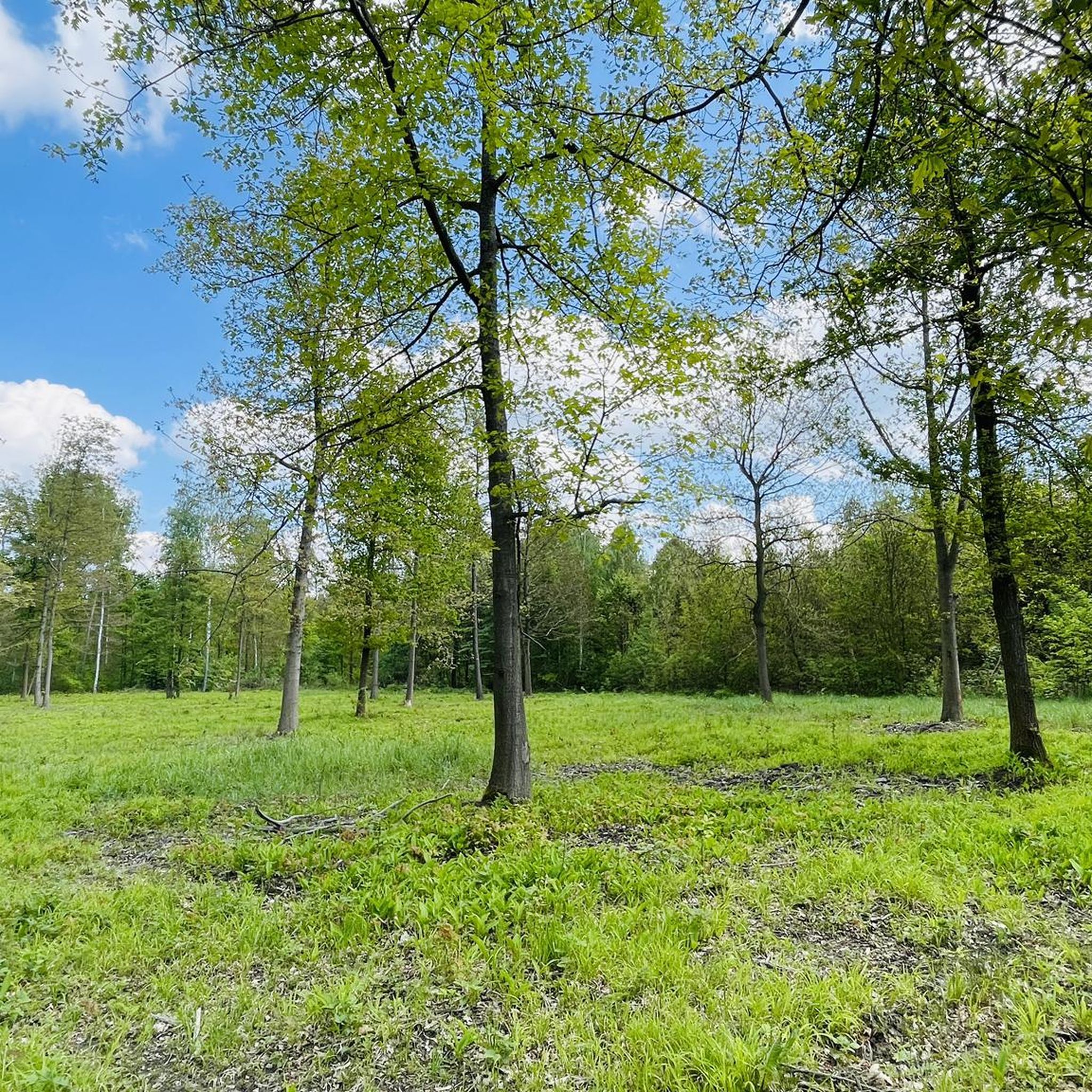
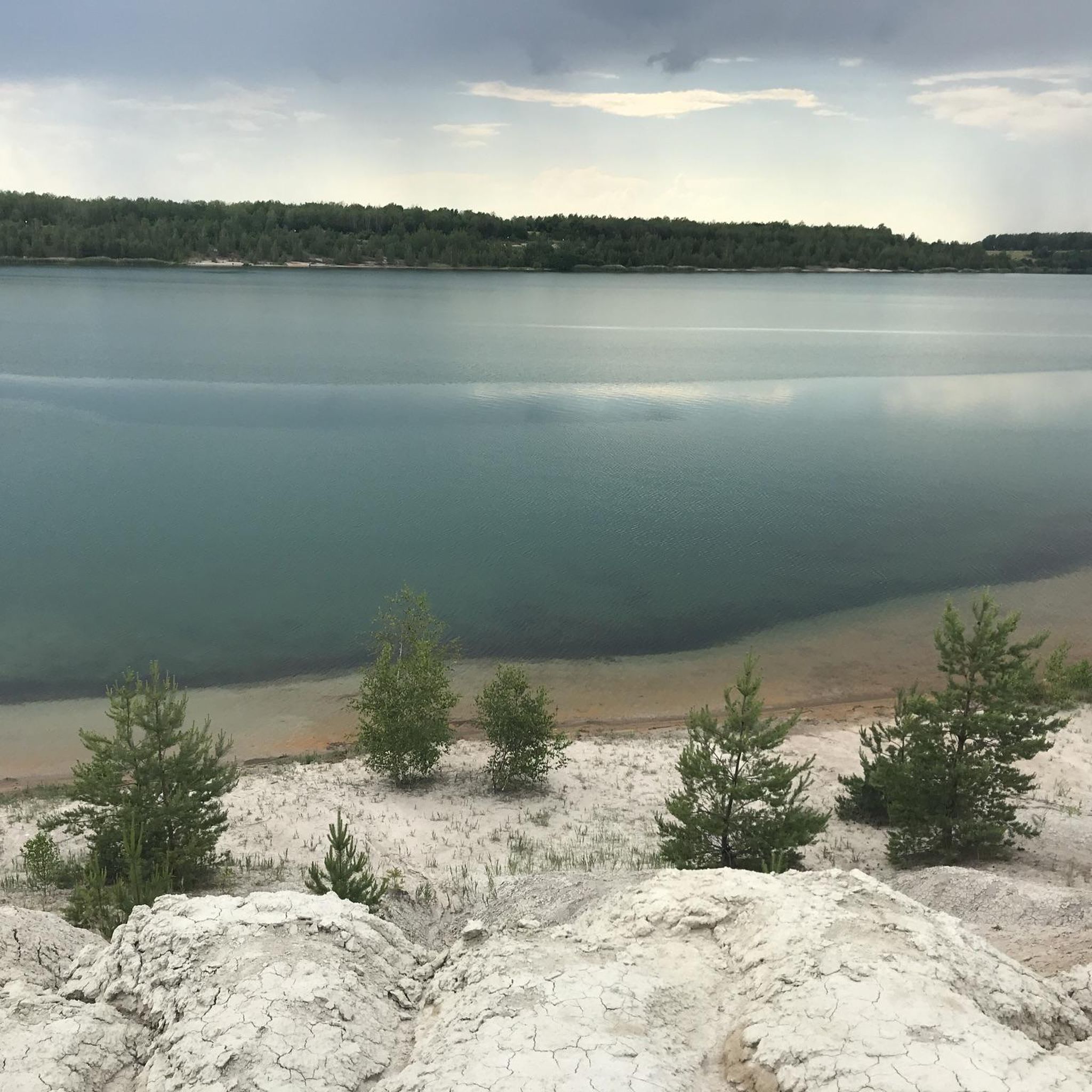
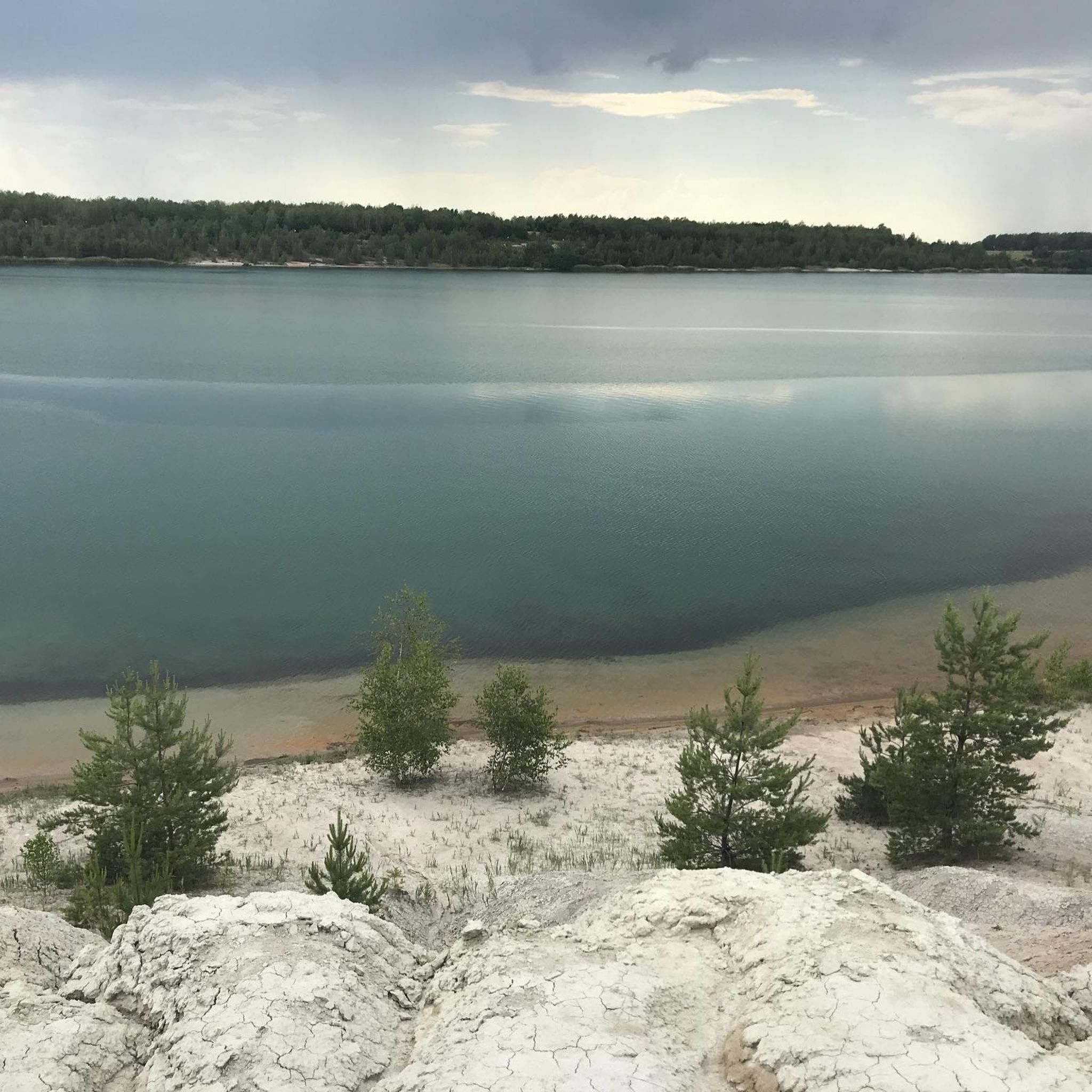
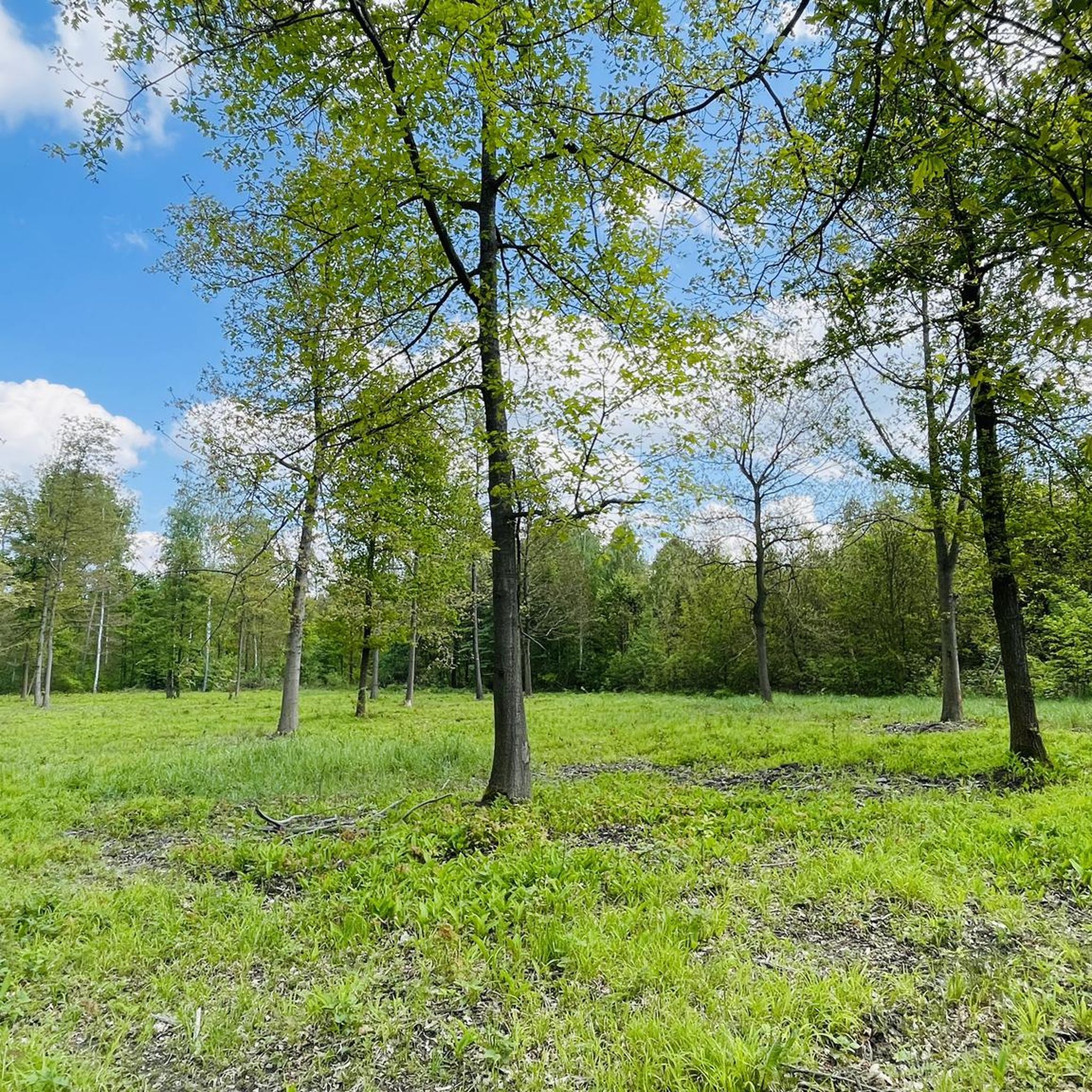
Road cycling routes in Großes Fürstenholz traverse a picturesque forest environment within the Landkreis Leipzig. The region is characterized by a network of paths, often featuring paved sections around scenic lakes such as Harald-Krug Lake and Bockwitzer Lake. This landscape, shaped by former lignite open-cast mines now transformed into artificial lakes, offers varied lakeside scenery and forested areas.
Best road cycling routes in Großes Fürstenholz
- The most popular road cycling route is Scenic Rural Road Section – Prießnitz Farmers' Town…
Last updated: July 8, 2026
3
riders
50.2km
02:05
340m
340m
Moderate road ride. Good fitness required. Some segments of this route may be unpaved and difficult to ride.
5.0
(3)
14
riders
28.1km
01:06
100m
100m
Easy road ride. Great for any fitness level. Mostly well-paved surfaces and easy to ride.

Sign up for free
5
riders
54.1km
02:11
250m
250m
Moderate road ride. Good fitness required. Mostly well-paved surfaces and easy to ride.
5.0
(1)
11
riders
Moderate road ride. Good fitness required. Some segments of this route may be unpaved and difficult to ride.
4.7
(3)
11
riders
Easy road ride. Great for any fitness level. Mostly well-paved surfaces and easy to ride.
Get access to more routes and recommendations from other explorers.
Sign up for free
Already have an account?
Our route recommendations are based on thousands of hikes, rides, and runs completed by other people on komoot.
Start today with a free account
Your next adventure awaits.
Login or Signup

Tips from the Community

Since 1233, the church, first mentioned, has been part of the town of Frohburg. The oldest part of the church, presumably the sacristy, dates from this period. In 1582, the pastor at the time handed over the church's rich landed property to the patrons. In 1877, the church was completely redesigned inside and out in the Neo-Gothic style. Only the organ from 1806 was preserved. In 2002, the chancel was painted and the spire was renovated and re-roofed. A valuable bronze epitaph can be seen at the church's tower entrance. It shows the builder of Frohburg Castle, the jurist Dr. Melchior von Kreutzen. Together with the reformers around Luther, he organized the legal affairs of the Reformation in the region. The chancel contains nine oil paintings of the Frohburg pastors from 1613 - 1849. The largest oil painting hangs on the south wall of the nave and depicts the "Resurrection of Christ". It is by the painter Thieme (1869 - 1877). The Paschal candlestick next to the altar is by the famous ceramic artist Kurt Feuerriegel.
0
0

St. Michael Church in Frohburg. A widely visible, three-nave Gothic hall church. Choir: built 1425, nave: 1475. The tower was altered in the 17th century. A restoration and a neo-Gothic furnishing took place in 1877.
2
0
Church in Benndorf and War Memorial - World War I. Information: It was built around the year 1500. The interior of the church underwent extensive renovations in 1863. Further renovations took place between 1980 and 1983.
1
0

Charming old listed building in the village center of Prießnitz. A type of timber-framed house, rarely found in the region anymore, combining elements of log and half-timbered construction.
1
0
1380-1918 The von Einsiedel family at Prießnitz Manor In 1605/06, the so-called Prießnitz Castle was built on the old foundations and cellars of a predecessor house, in the style of Dutch Mannerism. 1918 Change of ownership – the castle and manor passed into the possession of the industrialist Fritz Vogel. 1920/21 Structural alterations to the castle. Reconstruction of the entrance hall. Alterations to the courtyard or north facade. Construction of a projecting gable. Construction of the roof turret. 1947-1950 Conversion of the second floor into small apartments. 1976/77 Renovation work throughout the building and the facades. 1993 The castle became the property of the then independent municipality.
1
0

Nicely developed, perfect for cycling on a racing bike.
0
0

The river's catchment area encompasses large parts of Saxony and, in particular, the vast majority of the northern slopes of the Ore Mountains. With a water flow of approximately 73 m³/s at its mouth,[8] it is the fourth largest tributary of the Elbe.
0
0
The Mulde, also known as the United Mulde or Vereinigte Mulde, is a left-hand, non-navigable tributary of the Elbe. It originates southeast of Leipzig near Sermuth, through the confluence of two major source rivers: the longer Zwickauer Mulde and the Freiberger Mulde, which has a larger discharge and drains a larger catchment area.
0
0
Frequently Asked Questions
How many road cycling routes are available in Großes Fürstenholz?
There are nearly 200 road cycling routes in Großes Fürstenholz, providing a wide range of options for various skill levels and preferences. This includes 78 easy routes, 112 moderate routes, and 5 more challenging options.
What kind of terrain can I expect on road cycling routes in Großes Fürstenholz?
Road cycling routes in Großes Fürstenholz primarily traverse a picturesque forest environment and integrate scenic lake routes. Many paths are predominantly paved, especially around lakes like Harald-Krug Lake and Bockwitzer Lake. While mainly paved, some routes might include sections with loose gravel, offering a varied experience.
Are there road cycling routes suitable for beginners or families with children?
Yes, Großes Fürstenholz offers many easy road cycling routes, with 78 routes specifically categorized as easy. These often feature accessible, predominantly paved paths around the lakes, making them suitable for families and those new to road cycling. An example is the Hainer See – Hainer Lake loop from Kitzscher, which is an easy 17.7-mile path.
What are some notable landmarks or natural features to see along the road cycling routes?
The region is characterized by its beautiful forest and numerous artificial lakes, which were once lignite open-cast mines. You can enjoy scenic views around Harald-Krug Lake and Bockwitzer Lake. Some routes also pass by historic sites, such as the View of Trebsen Castle – Mulde River Cycle Path loop from Kitzscher, which leads through river valleys and past Trebsen Castle.
What do other road cyclists enjoy most about road cycling in Großes Fürstenholz?
The area is highly rated by the komoot community, with an average score of 4.7 stars from over 90 reviews. Cyclists often praise the varied terrain, from quiet forest paths to scenic lakeside loops, and the predominantly paved surfaces that make for a pleasant riding experience.
Are there any long-distance road cycling routes for experienced riders?
Yes, for experienced riders looking for longer distances, there are routes like the Lake Cospuden – East Shore of Lake Störmthaler loop from Neukirchen-Wyhra. This moderate route covers over 100 kilometers (62 miles) and offers a substantial challenge with varied scenery.
Can I find circular road cycling routes in Großes Fürstenholz?
Many of the road cycling routes in Großes Fürstenholz are designed as loops, allowing you to start and end at the same point. Examples include the Scenic Rural Road Section – Prießnitz Farmers' Town Hall loop from Flößberg and the Hainer See – Hainer Lake loop from Kitzscher, providing convenient options for exploration.
Is there infrastructure available for cyclists, such as repair stations?
Yes, the region is supportive of cyclists. For instance, near Bockwitzer See, there is a dedicated 'Bockwitzer See Bicycle Repair Station,' indicating that practical amenities are available for those exploring the area on two wheels.
What is the best time of year for road cycling in Großes Fürstenholz?
While road cycling is enjoyable throughout the warmer months, spring and autumn often offer the most pleasant conditions with milder temperatures and beautiful natural scenery. The forest environment provides shade in summer, and the predominantly paved paths are generally accessible in most seasons.
Are there any road cycling routes that offer a mix of rural landscapes and lake views?
Absolutely. The region's landscape, shaped by former lignite open-cast mines now transformed into artificial lakes, provides diverse and visually engaging routes. You can find routes that combine rural landscapes with picturesque lakeside panoramas, such as the Memorial stone on the main road – Prießnitz Farmers' Town Hall loop from Neukirchen-Wyhra, which offers a journey through varied scenery.
How accessible are the road cycling routes in terms of difficulty?
The routes in Großes Fürstenholz cater to a wide range of abilities. With 78 easy routes, 112 moderate routes, and 5 difficult routes, cyclists can choose paths that match their fitness level. The easy routes are generally flat and well-paved, while moderate and difficult routes may include more elevation changes or longer distances.
Most popular routes in Großes Fürstenholz

Get inspired with the komoot mobile app


Explore more
Browse the best Road cycling routes in other regions.
