Attractions and Places To See in Palinger Heide - Top 12
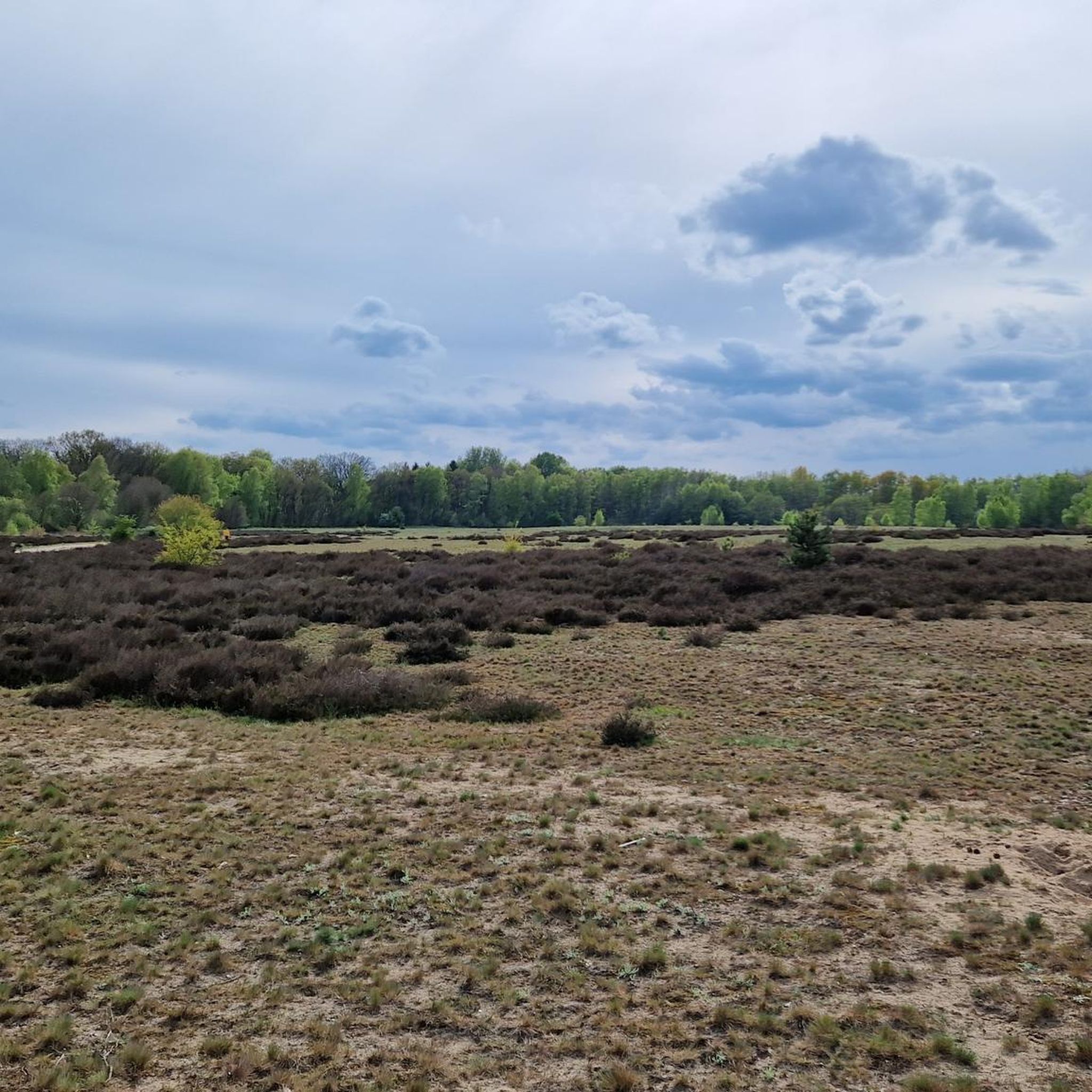
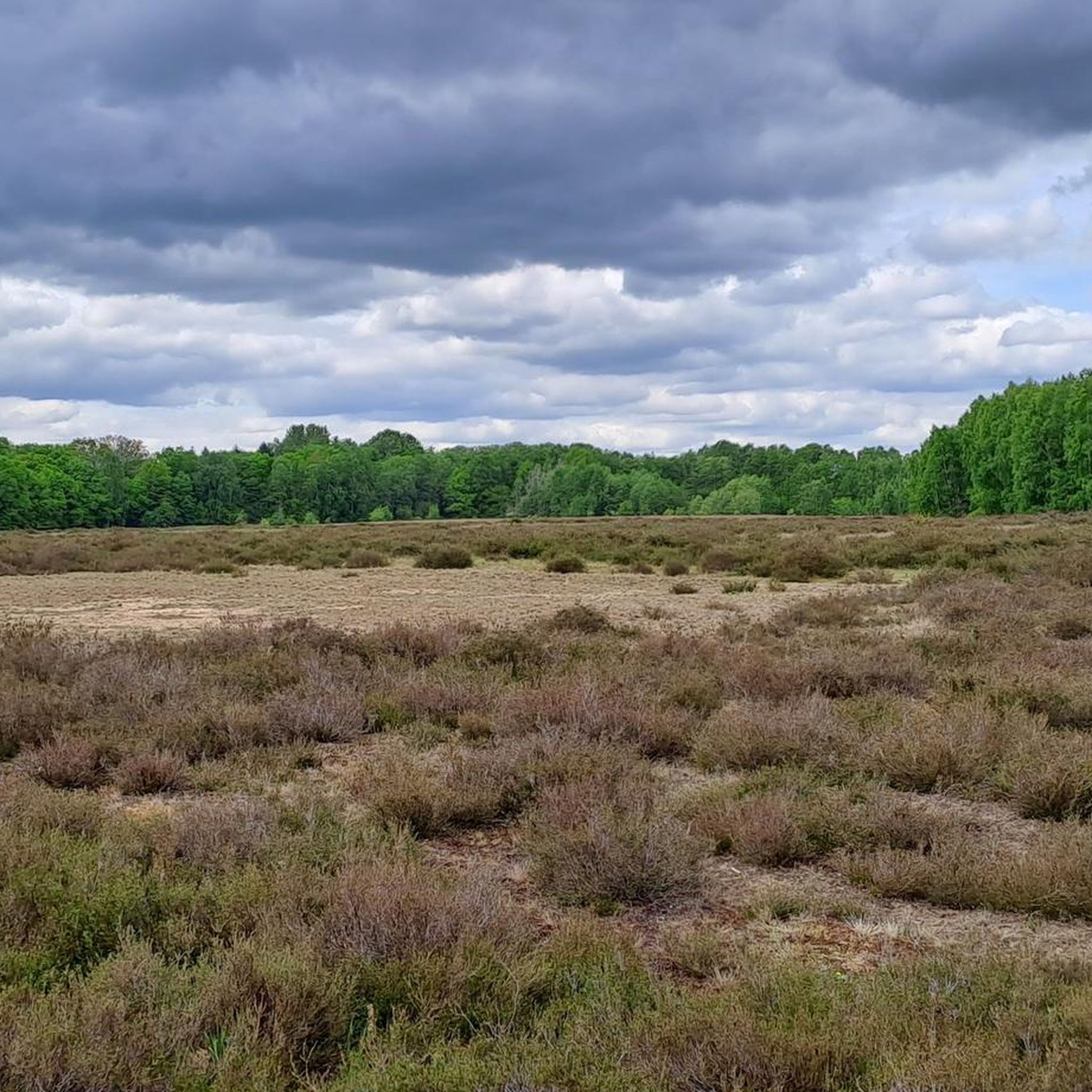
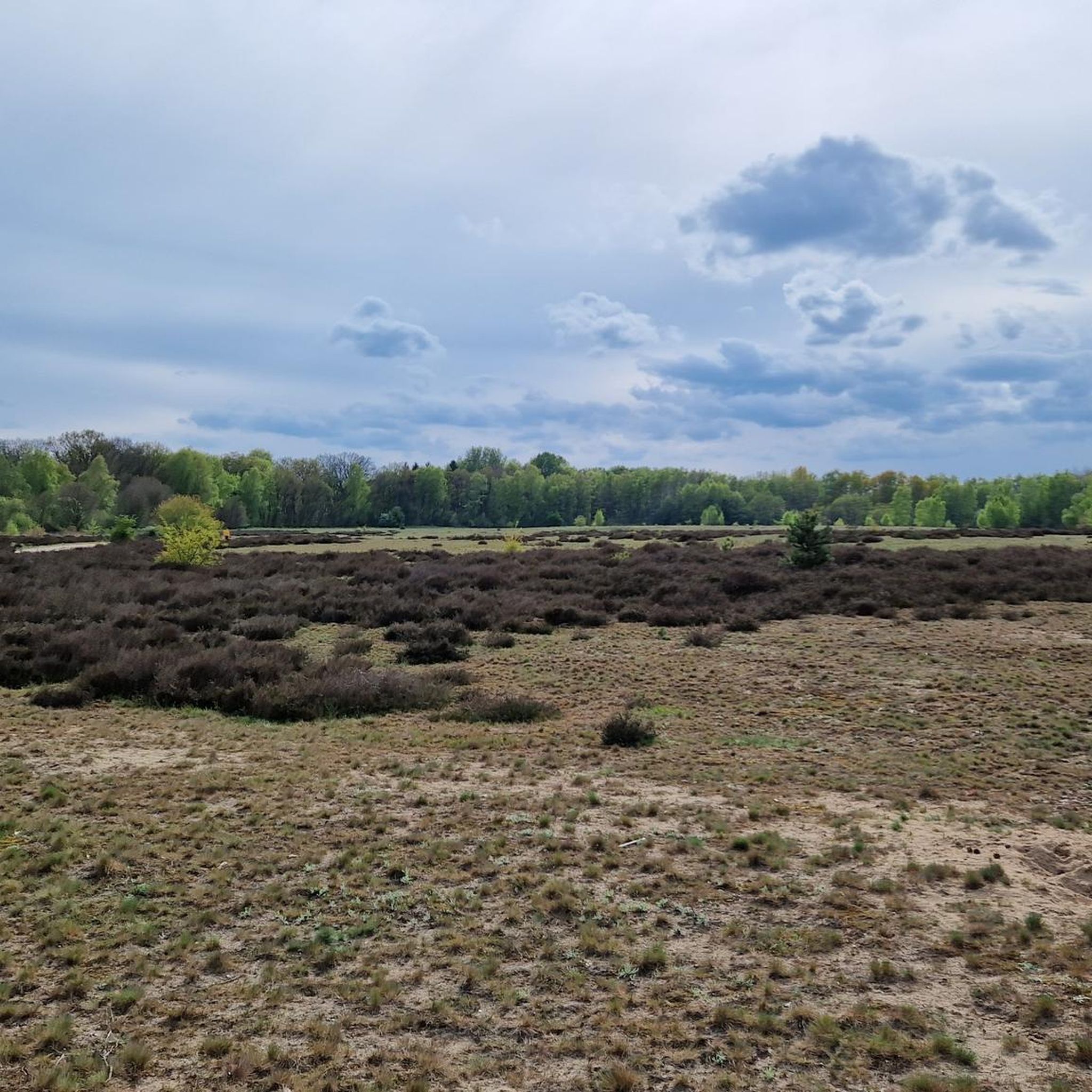
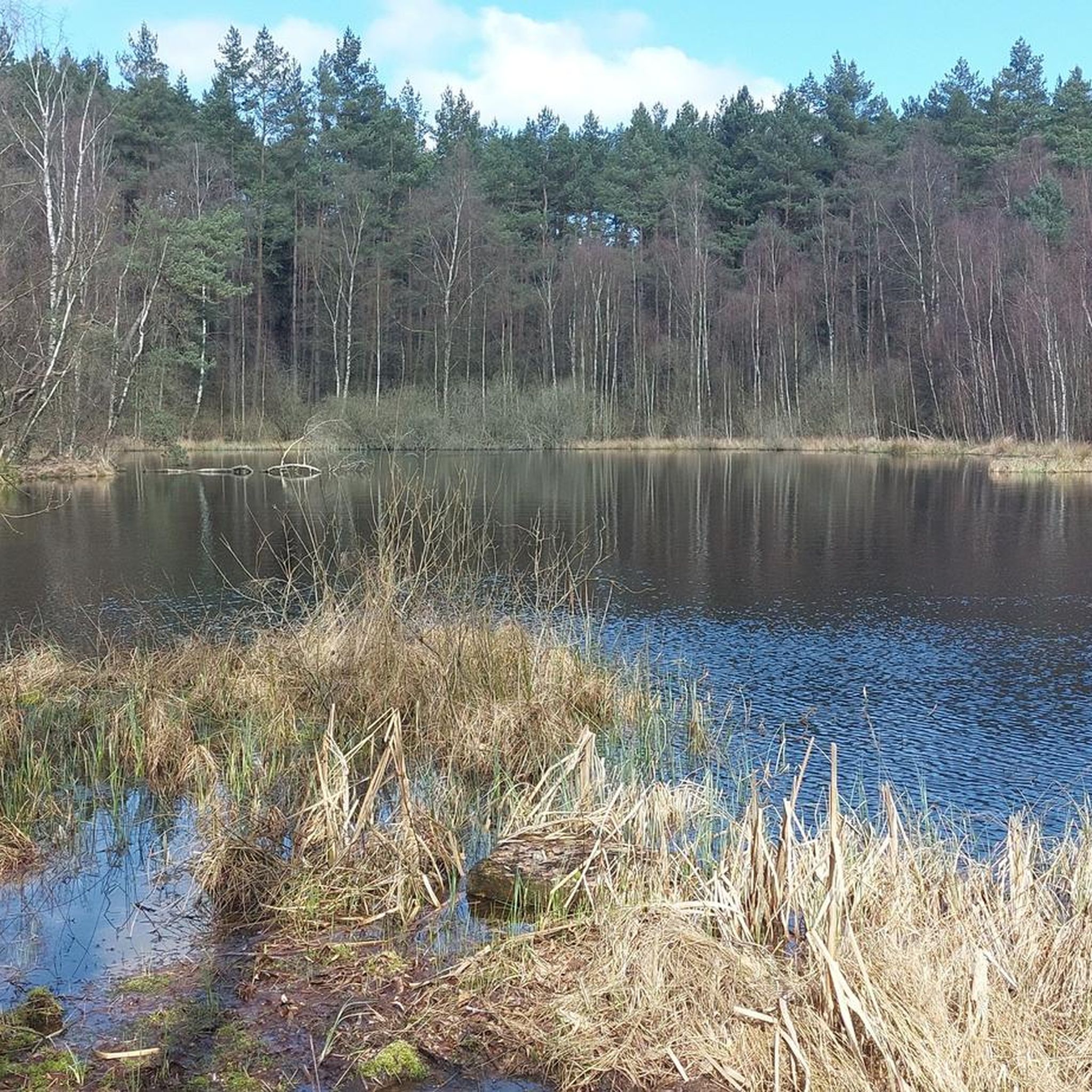
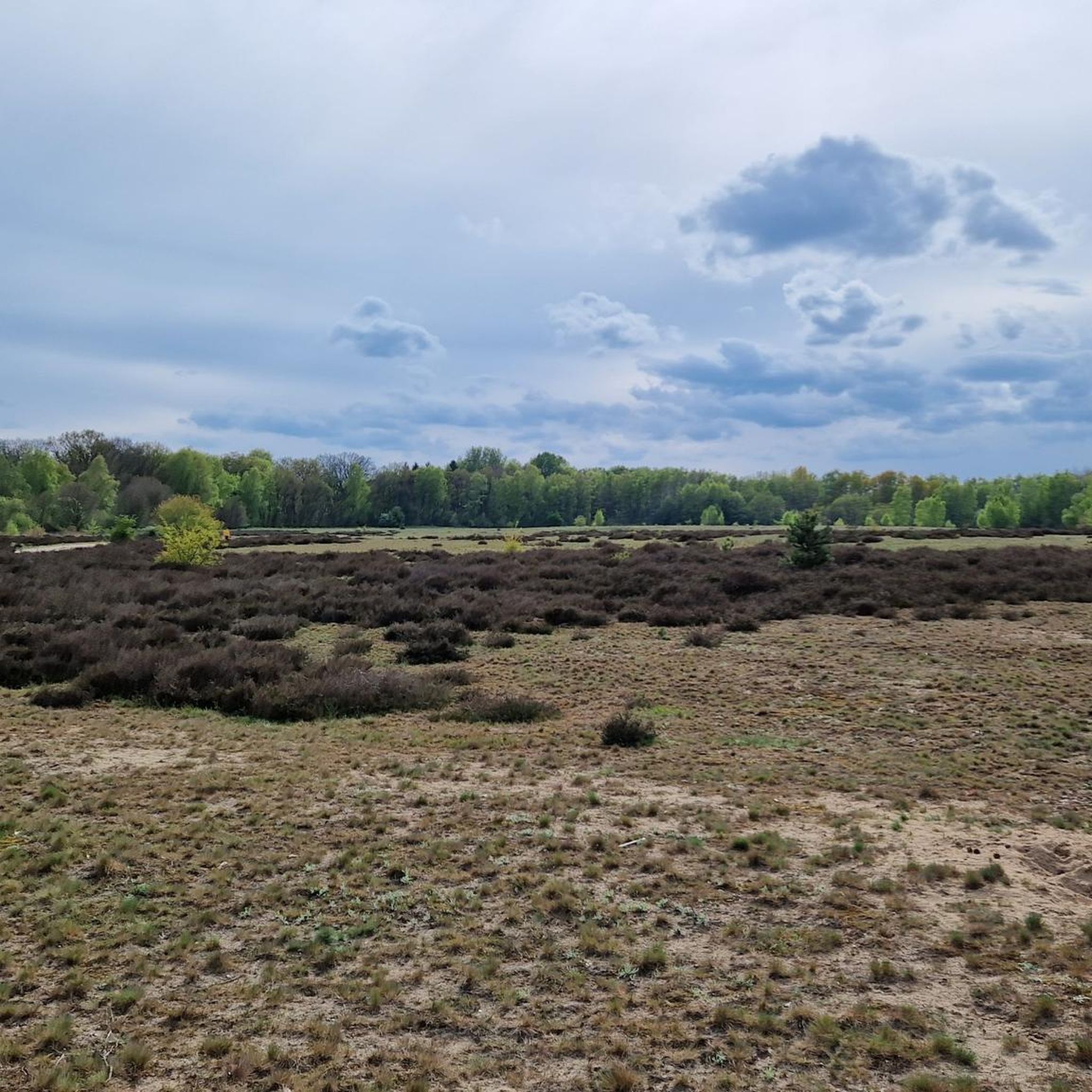
Best attractions and places to see in Palinger Heide include a landscape protection area that is part of the European Green Belt. This region features remnants of the former inner-German border, offering historical insights and diverse natural landscapes. Visitors can explore extensive cycling, hiking, and riding trails, alongside historical landmarks and natural features like heathland and forest lakes. The area provides a blend of historical significance and outdoor recreational opportunities.
Best attractions and places to see in Palinger Heide
- The…
Last updated: October 5, 2026
Siegfried Appotin Memorial
Highlight • Historical Site
Here, in 1950, a fleeing border guard shot and killed his comrade (see picture with the memorial stone).
Translated by Google •
Tip by

Kolonnenweg in the Palinger Heide and Teschow Peninsula
Highlight • Trail
Translated by Google •
Tip by
Sign up now to discover places like this
Get recommendations on the best single tracks, peaks, & plenty of other exciting outdoor places.
Kolonnenweg of the Former Inner German Border
Highlight • Trail
Translated by Google •
Tip by

Heath Trail – without borders
Highlight (Segment) • Trail
Translated by Google •
Tip by

Kolonnenweg Palinger Heide and Teschow Peninsula
Highlight (Segment) • Trail
Translated by Google •
Tip by
Sign up for free to discover even more attractions in Palinger Heide.
Already have an account?
Start today with a free account
Your next adventure awaits.
Tips from the Community

Here the path runs along the former inner-German border... even today you can hike along it on the Green Belt... although very beautiful nature awaits on both sides, hiking on these bumpy concrete slabs is very arduous.
1
0
Here the path runs along the former inner-German border... even today you can hike along it on the Green Belt... although very beautiful nature awaits on both sides, hiking on these bumpy concrete slabs is very arduous.
1
0


The Kolonnenweg (conveyor path) was part of the inner-German border fortifications on the former GDR side. It was constructed from uniform, highly weather-resistant perforated concrete paving stones, most of which were overgrown with vegetation and thus firmly anchored to the ground. In contrast to the rest of the border fortifications, the Kolonnenweg (conveyor path) has largely been preserved even decades after the end of the GDR and today serves as a hiking and cycling path along the former border, although movement on the rather uneven surface caused by the eroding of the concrete cavities is sometimes very difficult. During the GDR era, it served the GDR border troops to reach every point on the border as quickly as possible by vehicle. Between the Kolonnenweg and the actual border were the control strip and the border fence or border wall. https://de.wikipedia.org/wiki/Kolonnenweg
1
0
The Kolonnenweg (conveyor path) was part of the inner-German border fortifications on the former GDR side. It was constructed from uniform, highly weather-resistant perforated concrete paving stones, most of which were overgrown with vegetation and thus firmly anchored to the ground. In contrast to the rest of the border fortifications, the Kolonnenweg (conveyor path) has largely been preserved even decades after the end of the GDR and today serves as a hiking and cycling path along the former border, although movement on the rather uneven surface caused by the eroding of the concrete cavities is sometimes very difficult. During the GDR era, it served the GDR border troops to reach every point on the border as quickly as possible by vehicle. Between the Kolonnenweg and the actual border were the control strip and the border fence or border wall. https://de.wikipedia.org/wiki/Kolonnenweg
2
0
The Kolonnenweg (conveyor path) was part of the inner-German border fortifications on the former GDR side. It was constructed from uniform, highly weather-resistant perforated concrete paving stones, most of which were overgrown with vegetation and thus firmly anchored to the ground. In contrast to the rest of the border fortifications, the Kolonnenweg (conveyor path) has largely been preserved even decades after the end of the GDR and today serves as a hiking and cycling path along the former border, although movement on the rather uneven surface caused by the eroding of the concrete cavities is sometimes very difficult. During the GDR era, it served the GDR border troops to reach every point on the border as quickly as possible by vehicle. Between the Kolonnenweg and the actual border were the control strip and the border fence or border wall. https://de.wikipedia.org/wiki/Kolonnenweg
1
0

A reminder of German history—especially the memorial stone to a very young border guard (there's also information about this online). Currently, the stone is somewhat overgrown and therefore easy to miss. Coming from Herrnburg, it's located to the right of the Kolonnenweg.
2
0
a reminder of German history
2
0
Frequently Asked Questions
What historical sites can I explore in Palinger Heide?
Palinger Heide is rich in history, particularly related to the former inner-German border. You can explore the Kolonnenweg of the Former Inner German Border, a patrol path used by East German border troops, which now serves as a hiking and cycling trail. Other significant historical sites include the Siegfried Appotin Memorial and the Josef Jakubowski Memorial, both commemorating past events. Additionally, you can find the historical earthworks of the Schwedenschanzen im Lauerholz and the Landgraben, which marked the border between German states.
What natural features define the Palinger Heide landscape?
The Palinger Heide is a captivating landscape protection area and part of the European Green Belt. It features extensive cycling, hiking, and riding trails through diverse natural settings. You'll find pockets of original heathland, particularly beautiful during the heather bloom, as well as forested areas like Lauerholz and Schönberg State Forest. Small, hidden forest lakes offer opportunities for swimming in summer, and the Dassower See, a side bay of the Trave estuary, provides another unique aquatic environment.
Are there opportunities for hiking or cycling in Palinger Heide?
Absolutely. Palinger Heide offers extensive trails for both hiking and cycling. The Kolonnenweg of the Former Inner German Border is a popular path for both activities, though its uneven concrete surface can be challenging. The Heath Trail – without borders provides a more natural experience through heathland and forest. For more specific routes, you can find numerous options for hiking in Palinger Heide and road cycling routes in the area.
What is the best time of year to visit Palinger Heide?
The Palinger Heide is beautiful year-round, but it is particularly enchanting during the heather bloom, typically in late summer (August to September), when the landscape turns a vibrant violet. Spring and autumn also offer pleasant temperatures for outdoor activities, with lush greenery or colorful foliage. Even in winter, the area provides serene paths for exploration.
Are there family-friendly activities in Palinger Heide?
Yes, Palinger Heide offers several family-friendly options. The extensive network of trails is suitable for walks with children, and some paths, like those around the Josef Jakubowski Memorial, are noted as family-friendly. The small hidden forest lakes are inviting for swimming during warmer months, providing a fun activity for families. Exploring the historical Kolonnenweg can also be an educational experience for older children.
Can I bring my dog to Palinger Heide?
Yes, Palinger Heide is generally dog-friendly. Many visitors enjoy walking their dogs on the spacious paths, including the Kolonnenweg of the Former Inner German Border. It's always recommended to keep your dog on a leash, especially in protected areas and near wildlife, and to clean up after them to preserve the natural environment for everyone.
What is the significance of the Kolonnenweg in Palinger Heide?
The Kolonnenweg of the Former Inner German Border is a historically significant path that was part of the inner-German border fortifications on the former GDR side. Constructed from concrete slabs, it allowed East German border troops to quickly reach any point on the border by vehicle or on foot. Today, much of it is preserved and serves as a unique hiking and cycling trail, offering a tangible reminder of Germany's division and the European Green Belt's transformation from a barrier to a lifeline of biodiversity.
Are there any specific hiking routes recommended in Palinger Heide?
Yes, Palinger Heide offers a variety of hiking routes for different skill levels. Popular options include the easy "Bridge Over the Landgraben – Heather Field on Kolonnenweg loop" and the "Siegfried Appotin Memorial – Palinger Heath loop." For a moderate challenge, consider the "Schwedenschanzen in Lauerholz – Wesloer Moor Lake loop." You can find more detailed information and routes on the Hiking in Palinger Heide guide.
What kind of running trails are available in Palinger Heide?
Palinger Heide provides several running trails, ranging from easy to moderate difficulty. You can find loops like the "Running loop from Heideweg" or the "Palinger Weg Bridge loop from Gewässersperrzone." These trails often take you through scenic heathland and forest areas, offering a refreshing outdoor running experience. Explore more options on the Running Trails in Palinger Heide guide.
Can I find original heathland in Palinger Heide?
Yes, despite significant afforestation over time, pockets of original heathland can still be found in Palinger Heide. The Heath Trail – without borders is an excellent place to experience this unique natural feature, especially during the heather bloom when the landscape is particularly vibrant.
What do visitors enjoy most about Palinger Heide?
Visitors frequently praise the Palinger Heide for its unique blend of natural beauty and historical significance. The ability to walk or cycle along the former inner-German border on the Kolonnenweg offers a profound historical experience. The serene heathland, especially during bloom, and the extensive, spacious paths for walking and running are also highly appreciated. Many enjoy the opportunity to discover something new on each visit, whether it's a hidden forest lake or a quiet trail.
Are there any lakes or bodies of water for recreation in Palinger Heide?
Yes, within the Palinger Heide, you can discover small, hidden forest lakes that are inviting for swimming during the summer months. Additionally, the Dassower See, a side bay of the Trave estuary, offers a different natural aquatic environment for visitors to enjoy.
Most popular routes in Palinger Heide
Most popular attractions in Palinger Heide

Get inspired with the komoot mobile app


Explore more
Still not found the Highlight you’re looking for? See guides of the top attractions in other regions:
