Attractions and Places To See in Bommerlund Plantage - Top 3
Best attractions and places to see in Bommerlund Plantage include a 700-hectare conifer plantation near Kruså, Denmark, offering a mix of natural features and historic sites. The area is characterized by fine forest paths, small lakes, and open heath and bog areas. It is also traversed by the ancient Hærvejen, providing routes for hiking and cycling. This region features 3 notable attractions for visitors to explore.
Best attractions and places to see in Bommerlund Plantage
- The most popular attractions is…
Last updated: June 4, 2026
Gejlå Bridge (Gejlå Bro)
Highlight • Bridge
Tip by

Bommerlund Memorial Stone and Gejlå Bridge
Highlight • Monument
Translated by Google •
Tip by

Sign up now to discover places like this
Get recommendations on the best single tracks, peaks, & plenty of other exciting outdoor places.
Sign up for free
Pilgrims' Shelter on the Haervej (Ox Road)
Highlight • Mountain Hut
Translated by Google •
Tip by
Gravel Path Through Bommerlund Plantation
Highlight (Segment) • Trail
Bommerlund:
Gejlå Bridge: On the edge of the Bommerlund Plantation is the bridge over the Gejlå of 1818. The special feature of this …
Translated by Google •
Tip by

Start today with a free account
Your next adventure awaits.
Login or Signup

Tips from the Community

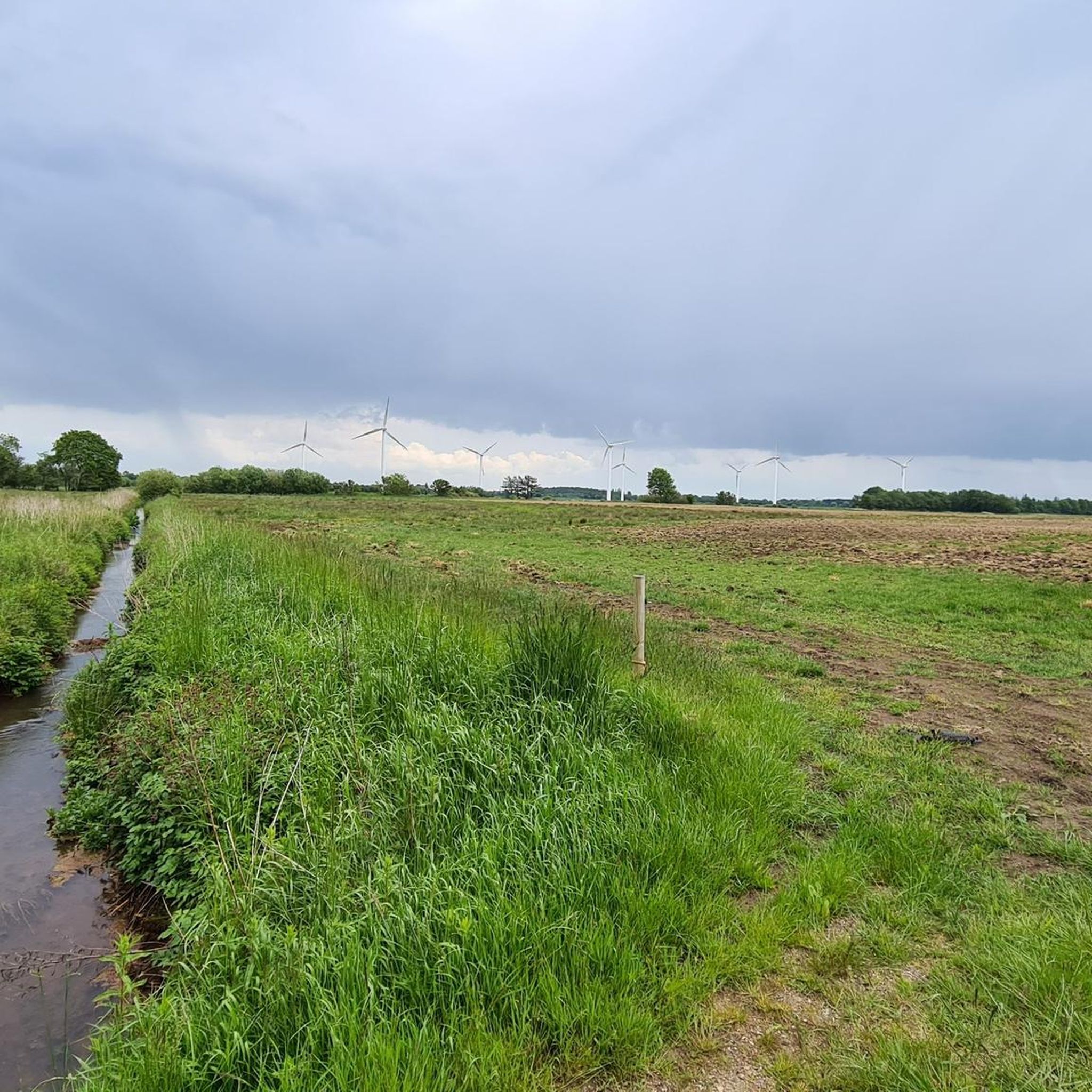
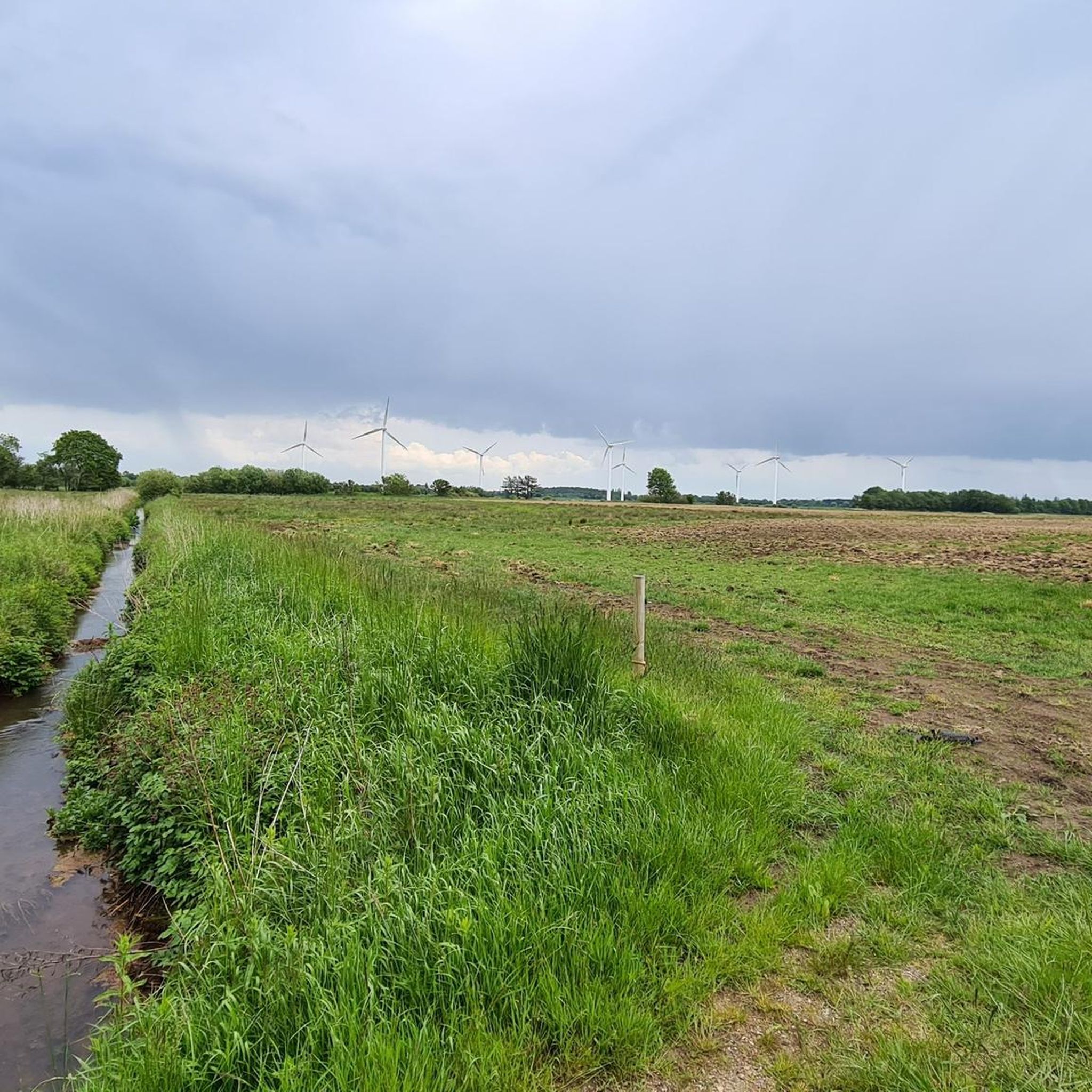
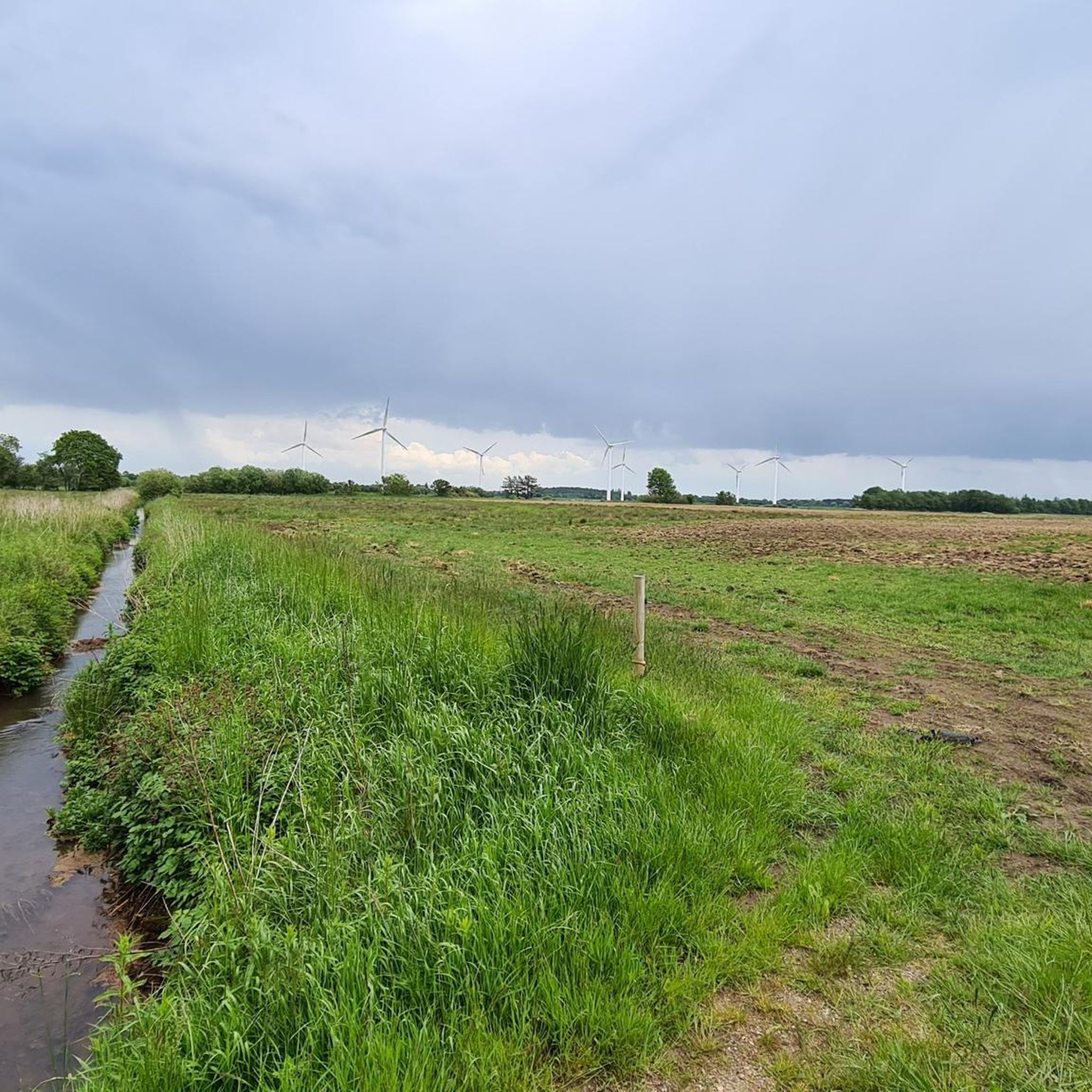
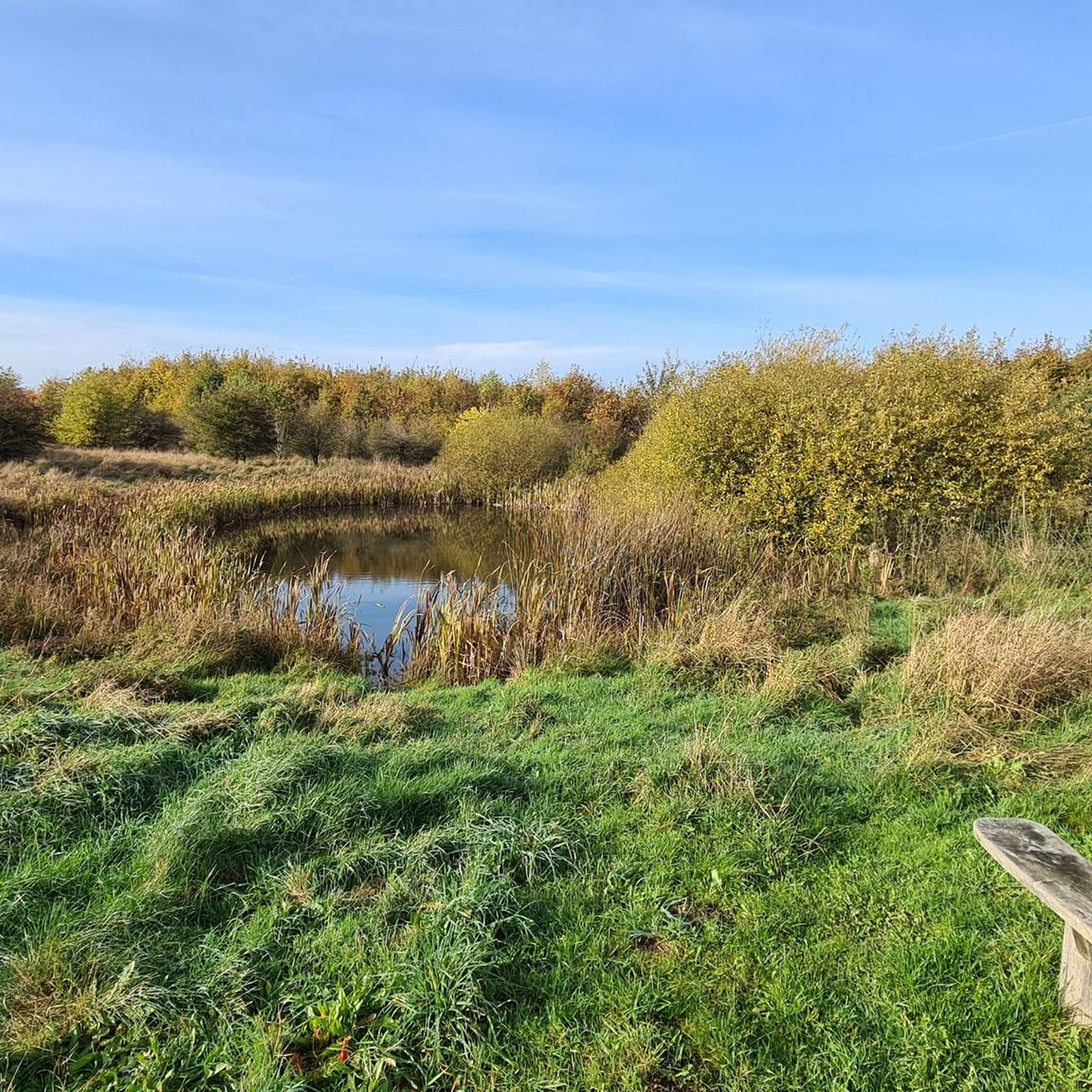
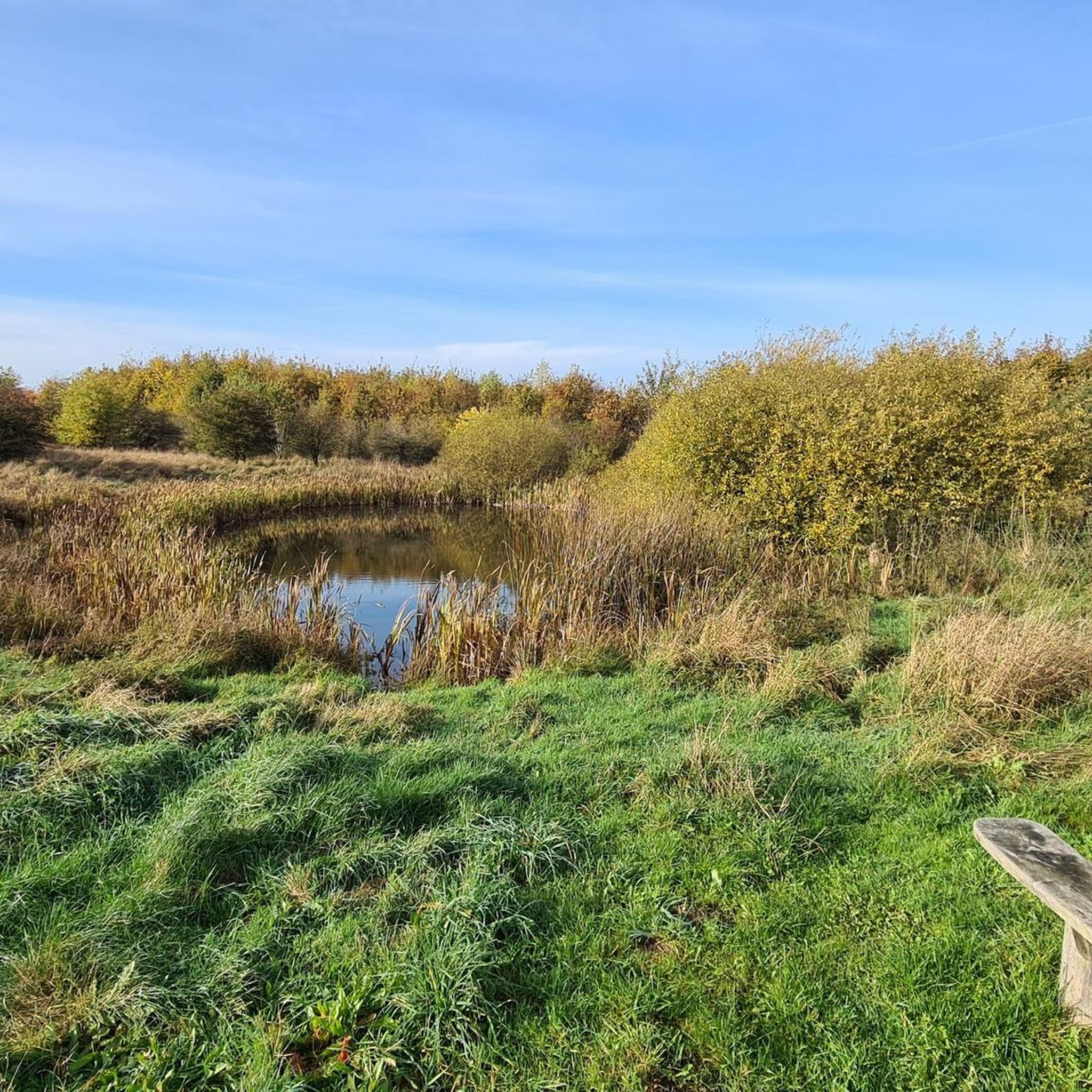
Here you'll find a lovely sunny resting spot right next to the Bommerlund Plantation. From here, you can easily start hiking or cycling tours.
0
0

The Gejlå Bro bridge takes its name from the small stream Gejl Å, which has been crossed on a horse or by foot since centuries before Christ. Apparently the first bridge around here was built between 750 and 1050.
0
0

Gejlå Bridge The bridge takes its name from the small stream Gejl Å (German: Gehlau or Geilau), which it spans in the village of the same name. The village and bridge are located today in the present-day municipality of Bov (German: Bau) in the municipality of Åbenrå (German: Kommune Apenrade).[1] History Edit As early as the Bronze Age (1800–500 BC), there was a stone-fortified ford over the Gejlå River, which was crossed on foot or by horse. The first bridge was built between 750 and 1050. The first written mention of the Gejlå Bridge dates from 1660 and refers to a wooden bridge built by the bailiff J. Møller from Flensburg. Due to its short lifespan, the stone ford soon had to be used again. In 1765, the first stone bridge was built from solid natural stone. The current bridge was built by Thomas Fries from Flensburg and inaugurated on August 21, 1818. His name is also immortalized in one of the railing stones. The total construction costs amounted to 3,030 marks, of which 530 marks were labor costs. Master builder Thomas Fries gave a ten-year "guarantee" on his construction. Some flat stones beneath the bridge are said to be the remains of the old ford.[2]
0
0

Oldest bridge in Denmark. On your way North or South nice stop from the road to see this interesting arch bridge.
2
0

Old bridge over the Gejl Å river. It was built in 1818 by Thomas Fries from Flensburg as a "stone beam bridge", a self-supporting round arch bridge with a double arch made of hewn natural stone and is considered the most beautiful preserved stone bridge in Denmark. There were other bridges in front of her, some of them made of wood. The first written mention of a bridge over Gejl Å is from 1660, but it is assumed that the first bridge existed much earlier (750-1050).
1
0

The Bommerlunder was probably distilled and sold here in earlier times. The memorial stone reminds of this.
2
0
Simple overnight place. You can pitch your tent and camp here for up to two nights free of charge. There is also a fireplace with firewood and fresh water. There is also a garbage can - although it is still desirable to take your garbage with you.
4
0

Bommerlund / Frøslev / Skomagerhus - sights Bommerlund: Gejlå Bridge: On the edge of the Bommerlund Plantation is the bridge over the Gejlå of 1818. The special feature of this is that it consists of two arches of split field stones. Before the bridge was built there was a ford of flat stepping stones. These stones are still under the bridge. Bommerlund stone: The memorial stone was erected in 1960 on the site where once the inn Bommerlund Kro lay. On the stone you can see the relief of a brave knight. According to legend, an exhausted French knight brought the recipe of the famous Bommerlunder schnapps here and thanked the innkeeper for the good treatment. The remaining stones in the forest area are Wegepflichtsteine, which date from the period 1770-1900. They stand at their original locations along the way. In earlier times, the farmers were responsible for maintaining the path. The path had already existed before the planting of the Bommerlund plantation in the open heathland, and the peasants often lived far from the stretch of road they needed to take care of. The waypoints indicate which farm was responsible for which section.
3
1
Frequently Asked Questions
What historical landmarks can I explore in Bommerlund Plantage?
The region is rich in history. You can visit the Gejlå Bridge (Gejlå Bro), a beautiful double-arched stone bridge from 1818, which is part of the ancient Hærvejen. Nearby, you'll find the Bommerlund Memorial Stone, marking the site of the famous Bommerlund Inn, known for its schnapps.
Are there opportunities for hiking or cycling in Bommerlund Plantage?
Absolutely. The ancient Hærvejen (Ox Road) runs directly through Bommerlund Plantage, offering historic routes for both hiking and cycling. The extensive conifer plantation itself features fine forest paths ideal for outdoor activities. For specific routes, you can explore hiking trails in Bommerlund Plantage, including easy loops like 'Gejlå Bridge on the Hærvej – Gejlå Bridge loop from Paradiset'.
What natural features can I discover within Bommerlund Plantage?
Bommerlund Plantage is a 700-hectare conifer plantation with fine forest paths and small lakes. A notable natural area within the plantation is Paradiset (Paradise), a beautiful open heath and bog area with small lakes and diverse plant and animal life. The Gejlå Stream, spanned by the historic Gejlå Bridge, is another significant natural feature.
Can I find family-friendly attractions in the area?
Yes, several attractions are suitable for families. The Gejlå Bridge and the Bommerlund Memorial Stone are accessible and offer interesting historical context. The general forest paths of Bommerlund Plantage and the open areas of Paradiset are also great for family walks and exploring nature.
Where can I stay overnight in Bommerlund Plantage?
For a rustic experience, you can use the Pilgrims' Shelter on the Hærvejen. This simple spot allows you to pitch a tent for up to two nights free of charge and provides a fireplace with firewood, fresh water, and a garbage can. There is also a primitive campsite within the plantation with multi-toilets.
What is the Hærvejen (Ox Road) and how does it relate to Bommerlund Plantage?
The Hærvejen, or Ox Road, is an ancient route that historically connected Jutland with Germany. It runs directly through Bommerlund Plantage, making the area a significant historical and recreational corridor. Many of the hiking and cycling paths in the region follow this historic road.
What kind of wildlife can I expect to see in Bommerlund Plantage?
In areas like Paradiset, which is a beautiful open heath and bog, visitors might spot deer and fallow deer. The diverse plant life, including raspberries, blueberries, lingonberries, and cranberries in late summer, also supports various smaller animals and birds.
Are there any specific running trails in Bommerlund Plantage?
Yes, the area offers several running opportunities. You can find various running trails in Bommerlund Plantage, ranging from moderate to difficult, such as the 'Niehuussee – Niehuus Border Crossing loop from Padborg'.
What do visitors enjoy most about Bommerlund Plantage?
Visitors appreciate the historical significance of sites like the Gejlå Bridge and the Bommerlund Memorial Stone. The opportunity for peaceful walks along the ancient Hærvejen and the natural beauty of the plantation, especially the open heath and bog area of Paradiset, are also highly valued.
When is the best time to visit Bommerlund Plantage?
Late summer is particularly appealing for visitors interested in foraging, as you can find raspberries, blueberries, lingonberries, and cranberries in areas like Paradiset. However, the forest paths are enjoyable for hiking and cycling throughout much of the year.
Are there mountain biking opportunities near Bommerlund Plantage?
Yes, the wider region around Bommerlund Plantage offers mountain biking trails. You can explore various MTB trails in Bommerlund Plantage, including longer routes like the 'Flensburg Fjord – Glücksburg Marina loop from Padborg'.
Is there parking available near the main attractions?
Yes, parking is available near the main attractions. For instance, the Bommerlund Memorial Stone is located near a parking lot by Gejlå, making it convenient to access both the memorial stone and the Gejlå Bridge.
Most popular routes in Bommerlund Plantage

Get inspired with the komoot mobile app


Explore more
Still not found the Highlight you’re looking for? See guides of the top attractions in other regions:
