Top 16 Castles around Zwenkau
Castles around Zwenkau offer a glimpse into the region's rich history and architectural heritage. The town itself features Zwenkau Castle, which now functions as the town hall, showcasing centuries of development. The surrounding area combines historical structures with natural landscapes, providing diverse exploration opportunities. Visitors can discover various types of historical sites, from fortified manors to renovated castles.
Best castles around Zwenkau
- The most popular castles is Dölitz Gatehouse, a historical site that is the structural remains of the former Dölitz Castle. It houses a tin figure museum with one of the world's largest publicly accessible collections.
- Another must-see spot is Knauthain Castle and Castle Park, a castle built in the French-Classicist style on the site of an old moated castle. The surrounding park was later redesigned in the English style.
- Visitors also love Lützen Castle, a castle complex with a 700-year history. It now serves as a museum, preserving its historical significance.
- Zwenkau is known for its historical sites, including former noble seats, moated castles, and renovated manor houses. These structures reflect various architectural styles and historical periods.
- The castles around Zwenkau are appreciated by the komoot community, with more than 370 upvotes and over 200 photos shared.
Last updated: May 9, 2026
Dölitz Gatehouse
Highlight • Historical Site
Translated by Google •
Tip by

Knauthain Castle and Castle Park
Highlight • Castle
Translated by Google •
Tip by
Sign up now to discover places like this
Get recommendations on the best single tracks, peaks, & plenty of other exciting outdoor places.
Sign up for free
Cannonball Pyramid at the Moritzbastei
Highlight • Monument
The Moritzbastei was built as a bastion under the leadership of Hieronymus Lotter in the years 1551-1554 after the destruction of the previous building in the Schmalkaldic War and named after the Elector Moritz of Saxony.
In 1974, the Moritzbastei was handed over to the students of the Karl Marx University Leipzig. In 150,000 unpaid working hours, around 40,000 cubic meters of rubble were removed. 30,000 students worked during the construction phase at the Moritzbastei, including the later German Chancellor Angela Merkel.
Translated by Google •
Tip by

Zwenkau Castle and Town Hall
Highlight • Castle
Translated by Google •
Tip by
Lützen Castle
Highlight • Castle
Source: Wikipedia
Translated by Google •
Tip by
Sign up for free to discover even more castles around Zwenkau.
Sign up for free
Already have an account?
Start today with a free account
Your next adventure awaits.
Login or Signup
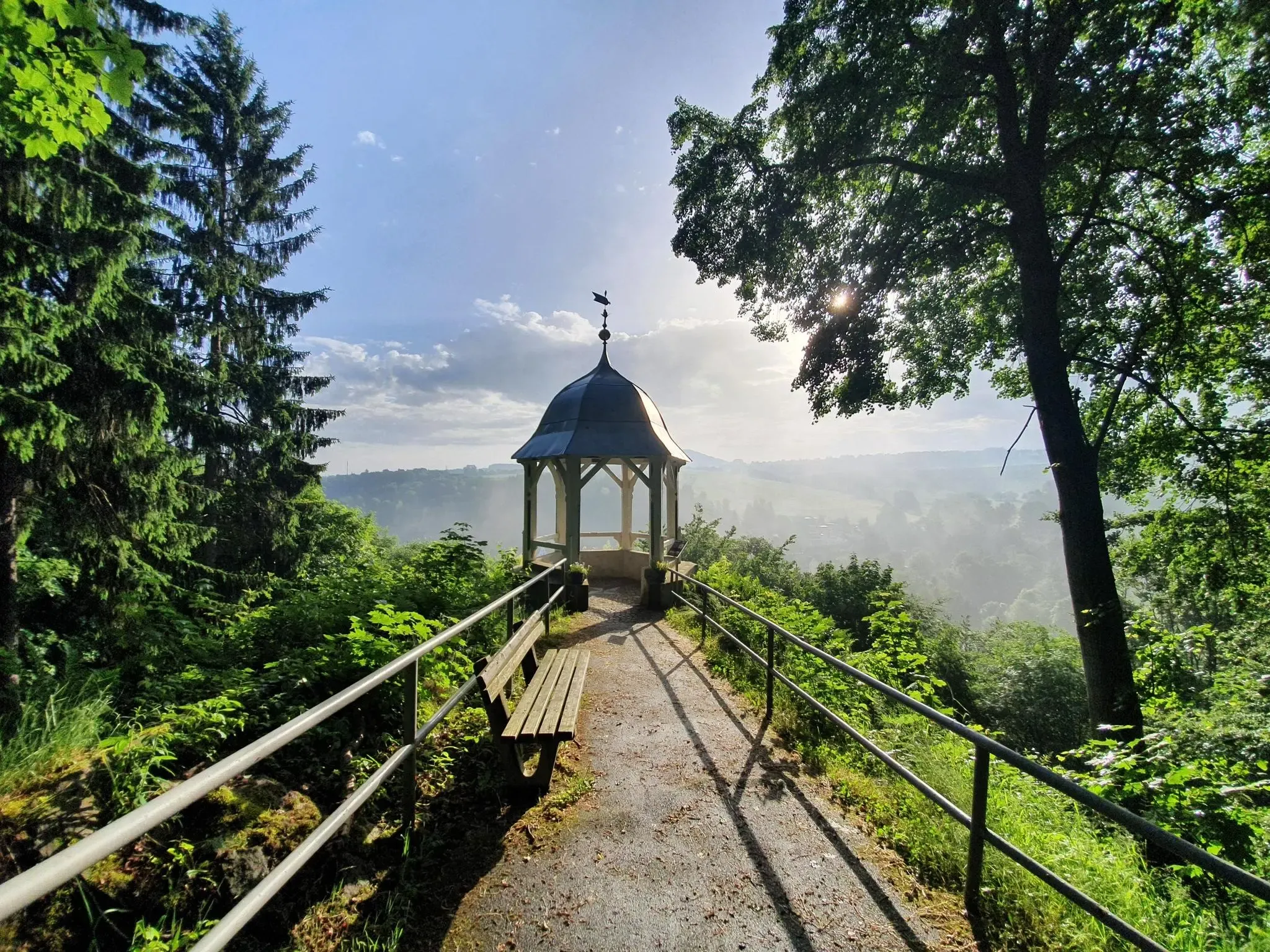
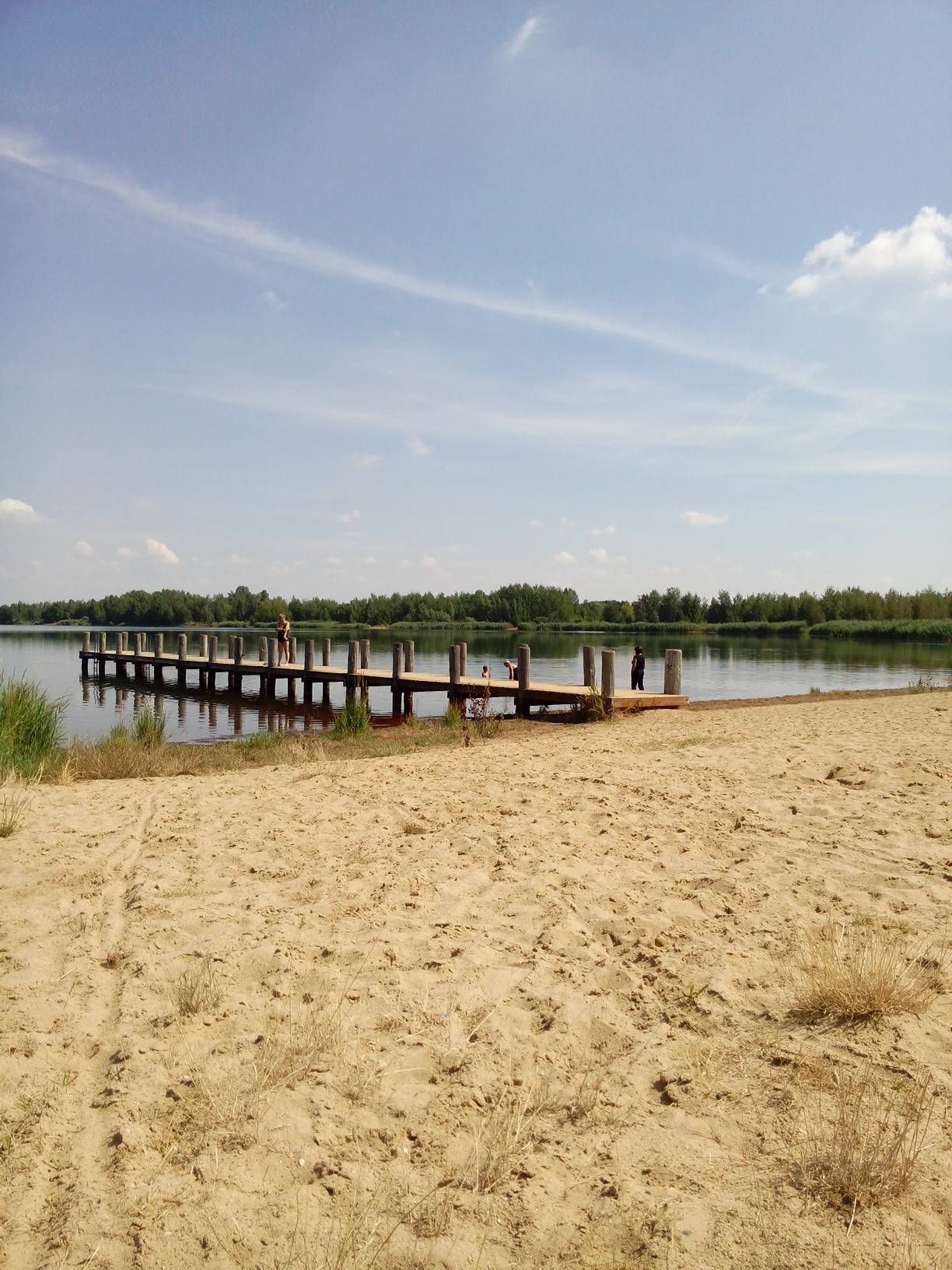
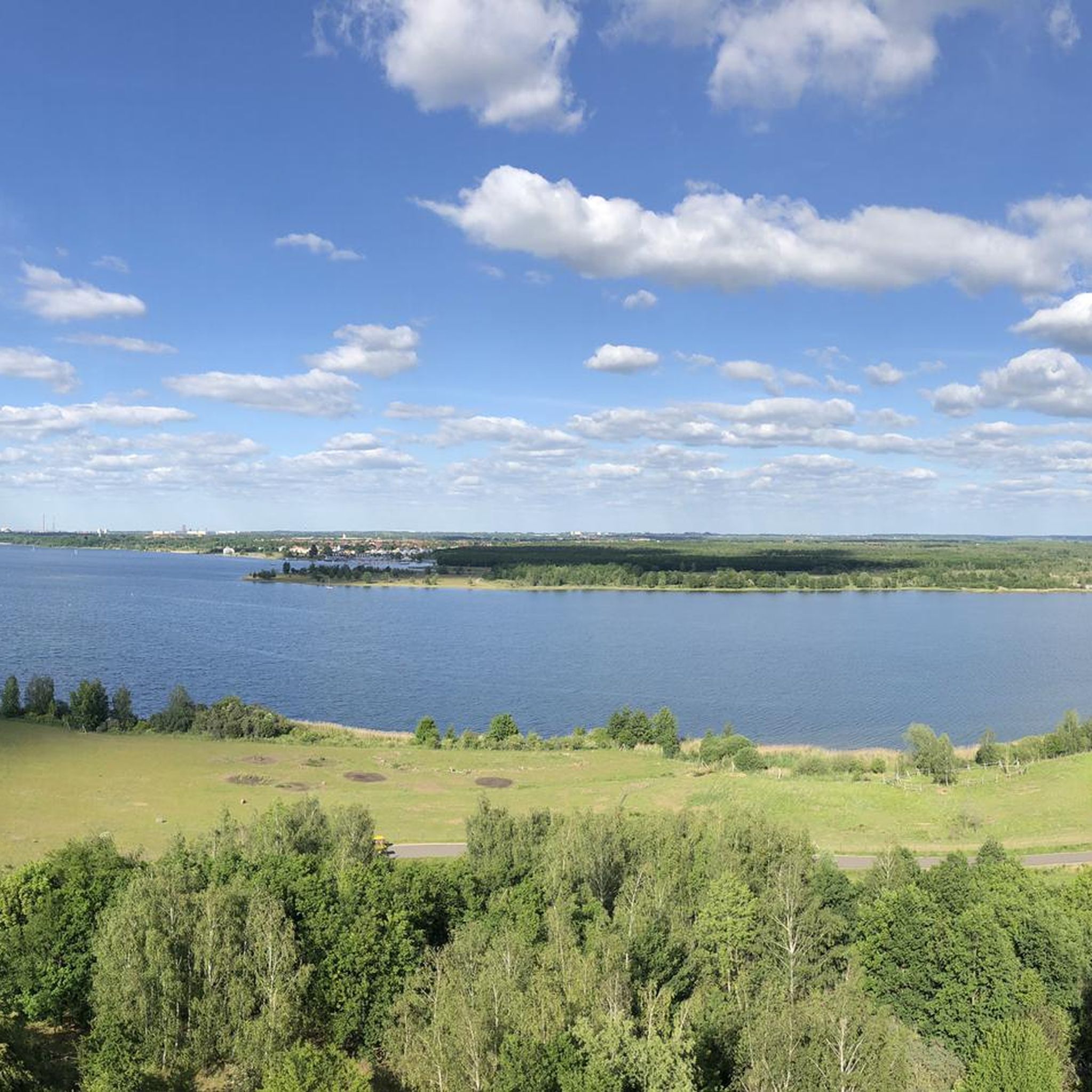
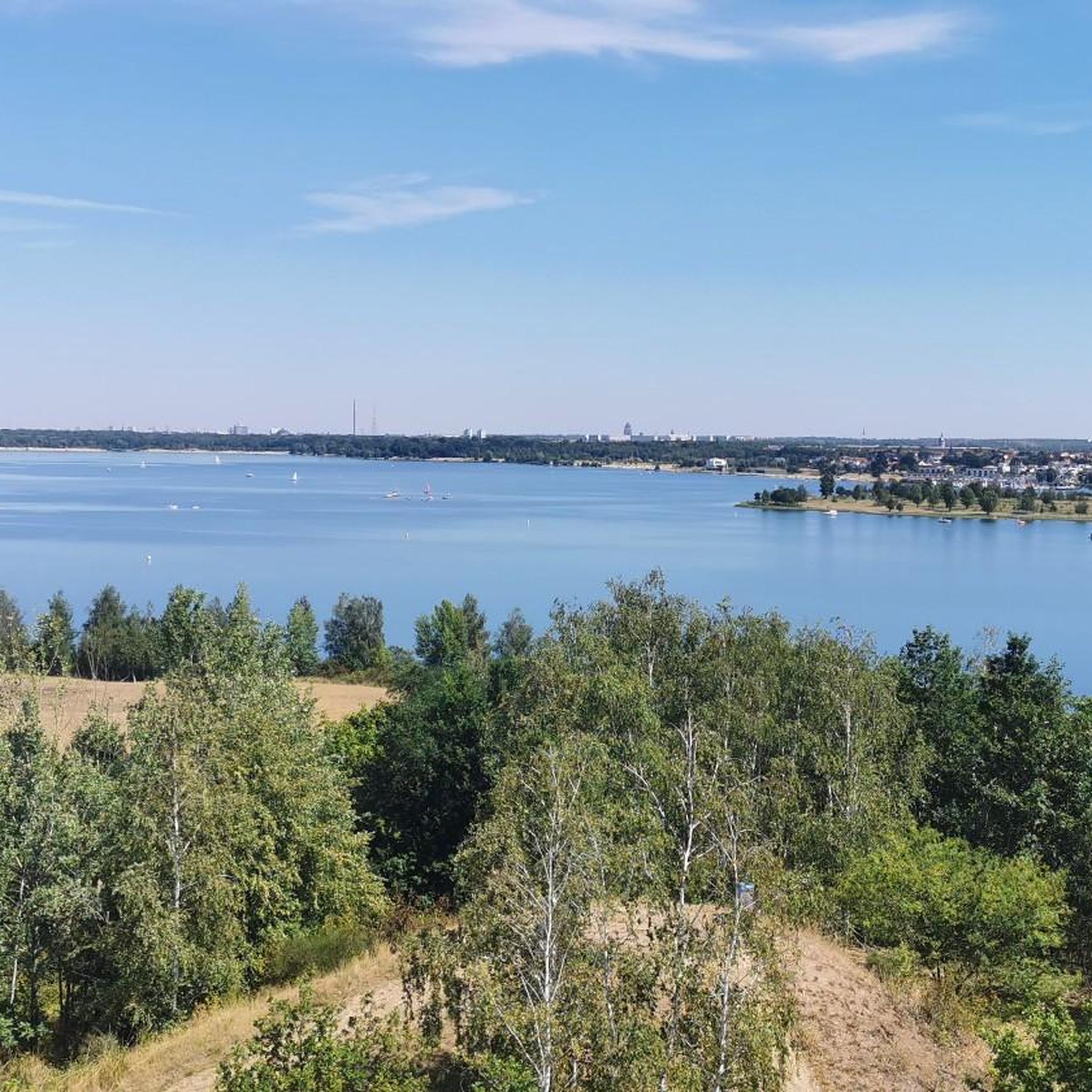


Tips from the Community

The south wing of the building dates from the late 18th or early 19th century. In 1904, the north wing and the gatehouse between the wings were built. It has been used as a town hall since 1945. https://de.wikipedia.org/wiki/Amtsgericht_Zwenkau
0
0

☆ Small park with a castle and on the other side the ice cream parlor 🍨... a short rest... both recommended
3
0

Knauthain Castle is a castle in Knauthain, now a district of Leipzig, which stylistically belongs to the transition period from Renaissance to Baroque architecture. Above the entrance, the following inscription, set into a plaque made of Rochlitz porphyry, provides information in Latin about the castle's origins: The translation is: "Carl Hildebrand, Lord of Dieskau, by inheritance also Lord of Knauthain, Kleinzschocher and Cospuden, must be particularly praised before the world; he, who built this house and decorated it properly, was the founder of this property. Homage should be paid to him daily. May he live! May he be happy. May his ancestor not lose his strength. May he preserve his house, and may God always protect it too. In contrast to the castle, the park is open to the public.
5
0

Very beautifully restored castle. Today the town hall of Zwenkau is located here.
0
0

Zwenkau Castle and Town Hall
0
1

The Dölitz manor was owned by the Leipzig merchant family von Winckler for almost 300 years. The castle was acquired, renovated and rebuilt in 1636 by Georg Winckler (1582–1654), a merchant in Leipzig and progenitor of the family. He was founded in 1650 by Emperor Ferdinand III. ennobled.[1] The family had extensive holdings in the area, including towns and manors. Later she is said to have been elevated to the status of barons of Schwendendorf via Johann Benedict Winckler.[2] The castle's gatehouse was built between 1670 and 1672 by Andreas von Winckler, a son of Georg Winckler. Architecturally, it marks the transition from the Saxon late Renaissance to the Saxon early Baroque. The palace building itself was a three-story-high, four-wing complex with an inner courtyard, which was overlooked by an octagonal roof turret with a baroque hood. The gatehouse was located on an island formed by two branches of the Pleißemühlgraben. Today only the eastern ditch remains. The entrance can be reached from the east via a wooden bridge. During the Battle of Leipzig, Dölitz Castle was a French headquarters and was heavily contested. Austrian troops tried several times to storm the facility, but were repelled by the French until they retreated unhindered on the night of October 18th to 19th, 1813. The gatehouse of the former Dölitz Castle is the last remaining building that played an important role in the Battle of the Nations. Former castle of the Dölitz manor The Dölitz manor was acquired by the city of Leipzig in 1929. During the Second World War, the castle was badly damaged in an air raid in 1944. That's why the main building was blown up and demolished in 1947. The still preserved manor barn fell victim to a fire in 1953. It was located right next to the gatehouse, which was saved from the fire. The building was still inhabited in the 1950s, but was rapidly falling into disrepair. In 1959, the GDR Institute for Monument Preservation began restoring the building. Traces of the Battle of Nations, such as cannonballs, also disappeared under the newly applied external plaster. However, part of it has been visible again since a recent renovation in the 1990s. Source: Wikipedia
2
0
The former Dölitz manor was one of the hotly contested centers of the Battle of Leipzig on October 16, 1813. The Austrian General von Merveldt was also taken prisoner here, and Napoleon sent him back to the allies with an offer of a ceasefire. The Dölitz Gatehouse houses the Tin Figure Museum, which is one of the largest museums of its kind in Europe. Over 100,000 pewter figures are presented on three floors. The artfully designed individual figures and tin figure dioramas invite you to take a journey through the history of humanity. One of the highlights is the approximately 25m² large diorama with thousands of figures. It shows the fighting on the southern battlefield of the Battle of the Nations around the towns of Dölitz, Probstheida and Holzhausen. The gatehouse area is often used as a setting for battle re-enactments. The tents of the pagan village and the large medieval market are pitched here for the annual Wave Gothic meetings. Source: https://www.leipzig.de/freizeit-kultur-und-tourismus/tourismus/gehenswuerdigkeiten/torhaus-doelitz
2
0

Experience nature with its beauties and wonderful buildings.
3
0
Frequently Asked Questions
What is Zwenkau Castle and can I visit it?
Zwenkau Castle, also known as Schloss Zwenkau or Schlossberg, is a historical site in Zwenkau with origins dating back to a 9th-century Slavic ring-fort. It has undergone numerous transformations and now serves as the town hall. While specific visitor tours might be limited due to its municipal use, its historical significance and prominent location make it a central point of interest. You can appreciate its architecture and connection to the town's past.
Are there other historical sites besides Zwenkau Castle in the town itself?
Yes, beyond Zwenkau Castle, the town features other historical structures. These include the "Sattelhof," a nationally important half-timbered building from around 1500, and the Trianon, which are temple ruins from 1790. While not castles, they contribute to Zwenkau's historical charm.
Which castles around Zwenkau are particularly popular with visitors?
Visitors frequently enjoy several castles in the area. The Dölitz Gatehouse is a popular historical site, being the structural remains of the former Dölitz Castle and housing a tin figure museum. Another favorite is Knauthain Castle and Castle Park, known for its French-Classicist style and English-style park. Lützen Castle, with its 700-year history, also serves as a museum and is highly appreciated.
Are there family-friendly castles to visit near Zwenkau?
Many castles in the region offer family-friendly experiences. The Dölitz Gatehouse, Knauthain Castle and Castle Park, and Lützen Castle are all categorized as family-friendly. These sites often provide space for children to explore and learn about history in an engaging way.
Can I combine a castle visit with outdoor activities like hiking or biking?
Absolutely. The castles around Zwenkau are often situated near beautiful natural landscapes, making it easy to combine historical exploration with outdoor activities. For instance, you can find various hiking and gravel biking routes around the area. Check out the Hiking around Zwenkau guide or the Gravel biking around Zwenkau guide for routes that pass by historical sites and natural features like Lake Zwenkau.
What kind of historical significance do the castles around Zwenkau have?
The castles in this region boast significant historical depth. Zwenkau Castle itself has roots as a Slavic ring-fort and has witnessed centuries of transformations, conflicts, and architectural changes. Lützen Castle has a 700-year history, reflecting its role through various eras. The Dölitz Gatehouse is a remnant of a 17th-century noble seat, and the Cannonball Pyramid at the Moritzbastei in nearby Leipzig is a reminder of the Thirty Years' War.
Are there any castles with unique features or museums?
Yes, several castles offer unique attractions. The Dölitz Gatehouse houses a tin figure museum, which is one of the world's largest publicly accessible collections. Lützen Castle has been fully repurposed as a museum, preserving its extensive history. Additionally, the "Alte Amtskeller" (Old Office Cellar) at Zwenkau Castle is a surviving part of the original complex and is occasionally used for events.
What are the options for easy walks or trails around the castles?
Many castles are integrated into or near walking paths. For example, the red hiking trail leads through the area of the Dölitz Gatehouse. The park surrounding Knauthain Castle also features trails. For dedicated easy walks, consider routes like the "Zwenkau Castle and Town Hall – South Shore of Lake Zwenkau loop from Zwenkau" which is an easy 7.7 km hike, found in the Hiking around Zwenkau guide.
What is the best time of year to visit the castles around Zwenkau?
The castles around Zwenkau can be visited year-round, each season offering a different charm. Spring and autumn provide pleasant temperatures for exploring the castle grounds and nearby parks. Summer is ideal for combining visits with activities around Lake Zwenkau. Even winter can be magical, with some castles offering special events or a serene, snow-dusted atmosphere.
Are there cafes or restaurants near the castles?
Yes, you can find dining options near some of the historical sites. For instance, the Cannonball Pyramid at the Moritzbastei is located at a site that includes a cafe. In Zwenkau itself, there are local cafes and restaurants, particularly around the town center where Zwenkau Castle is located, allowing you to enjoy refreshments after your visit.
Can I visit castles that are still in use or have been repurposed?
Yes, several castles in the area have found new life. Zwenkau Castle now functions as the town hall, integrating centuries of history with modern administrative use. Markkleeberg Castle, while privately owned and extensively renovated, is accessible for exhibitions. Lützen Castle has been fully converted into a museum.
What natural features can I expect to see near these castles?
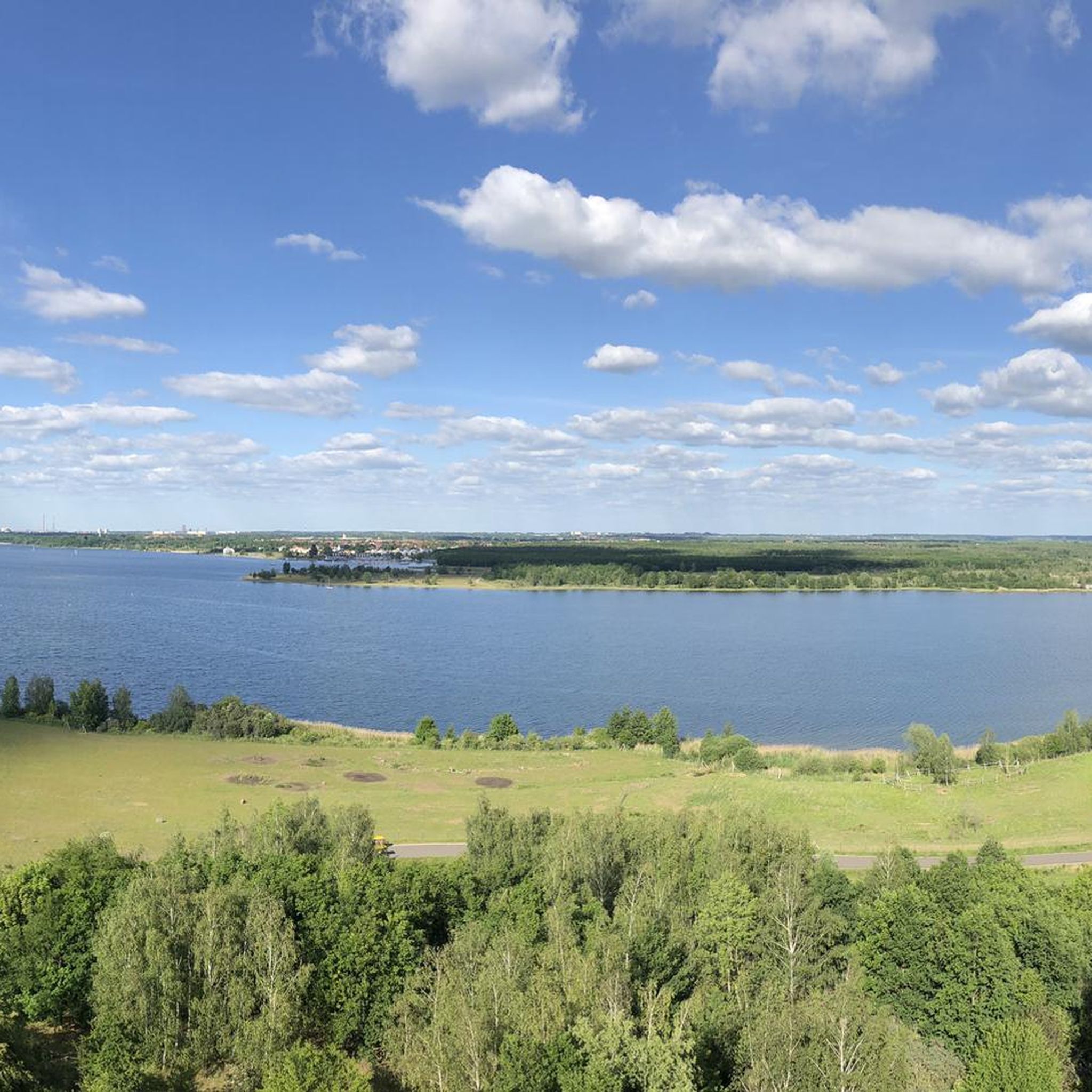
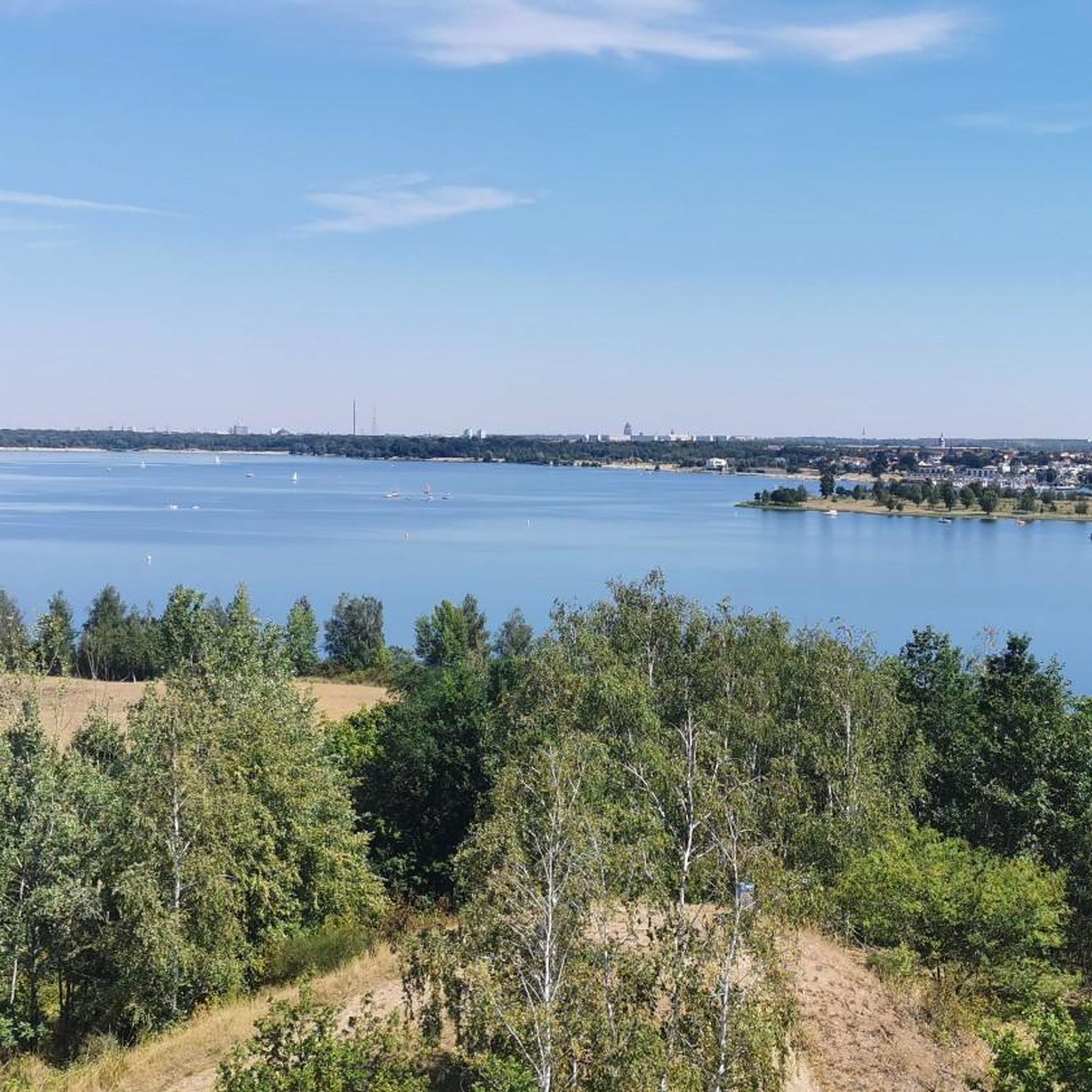
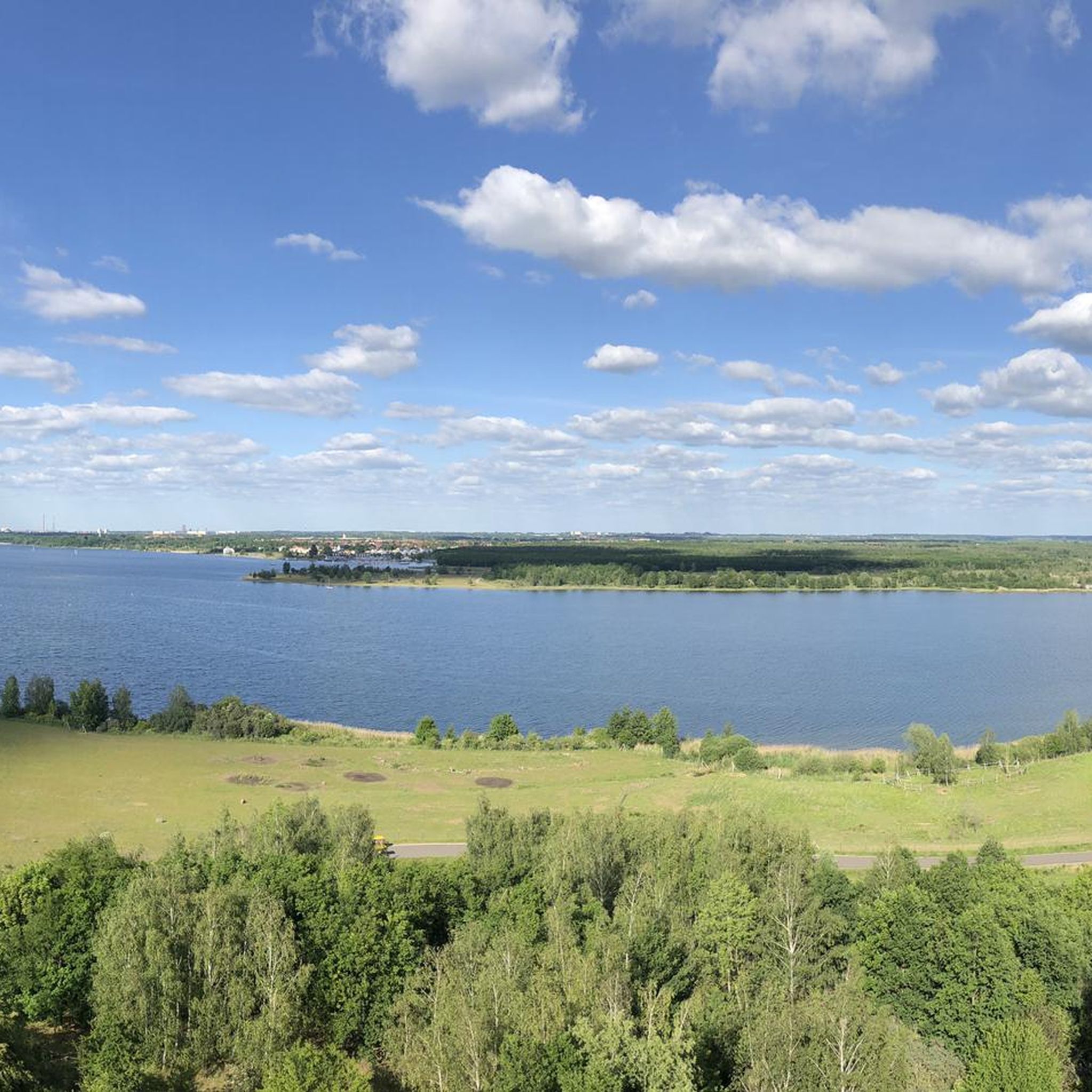
The region around Zwenkau offers a blend of historical sites and natural beauty. Many castles are close to lakes and forests. For example, Knauthain Castle is surrounded by a park with forest elements and is near a lake. The nearby Zwenkauer See and Cospudener See provide opportunities for scenic views, walks, and other outdoor activities, often accessible via trails that connect to the castle areas.
Most popular routes around Zwenkau
Most popular attractions around Zwenkau

Get inspired with the komoot mobile app


Explore more
Looking for the best castles somewhere else? Discover other guides around Zwenkau:
