Top 20 Castles around Usingen
Best castles around Usingen are situated in a region rich with historical structures, from reconstructed Roman forts to medieval castles and neo-Gothic palaces. This area in Germany's Hochtaunuskreis district offers a diverse landscape for exploring centuries of history. Visitors can discover significant Roman military fortifications and traditional castle ruins, providing insight into the region's past. The blend of ancient Roman presence and later medieval and modern architectural transformations makes the area around Usingen a notable destination for historical exploration.
Best…
Last updated: September 26, 2026
Saalburg Roman fort
Highlight • Historical Site
saalburgmuseum.de
Translated by Google •
Tip by

Kapersburg Roman Fort
Highlight • Historical Site
Translated by Google •
Tip by

Sign up now to discover places like this
Get recommendations on the best single tracks, peaks, & plenty of other exciting outdoor places.
Altweilnau — Historic town centre and castle keep
Highlight • Historical Site
Translated by Google •
Tip by

Kransberg Castle
Highlight • Castle
Translated by Google •
Tip by

Keep of Altweilnau Castle
Highlight • Castle
Showing Translation
Tip by

Sign up for free to discover even more castles around Usingen.
Already have an account?
Start today with a free account
Your next adventure awaits.
Popular around Usingen
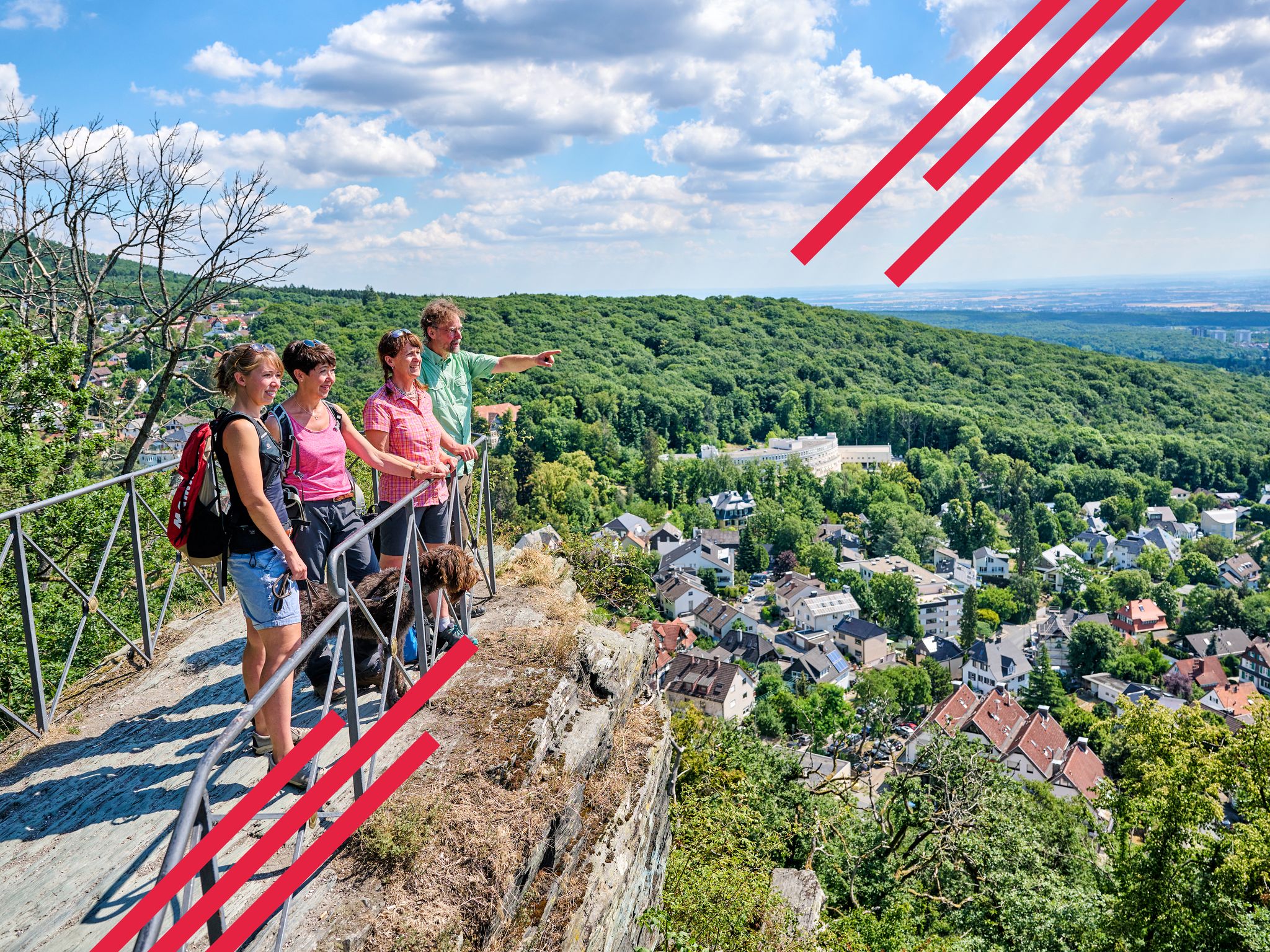
Delightfully scenic hiking in the Taunus range
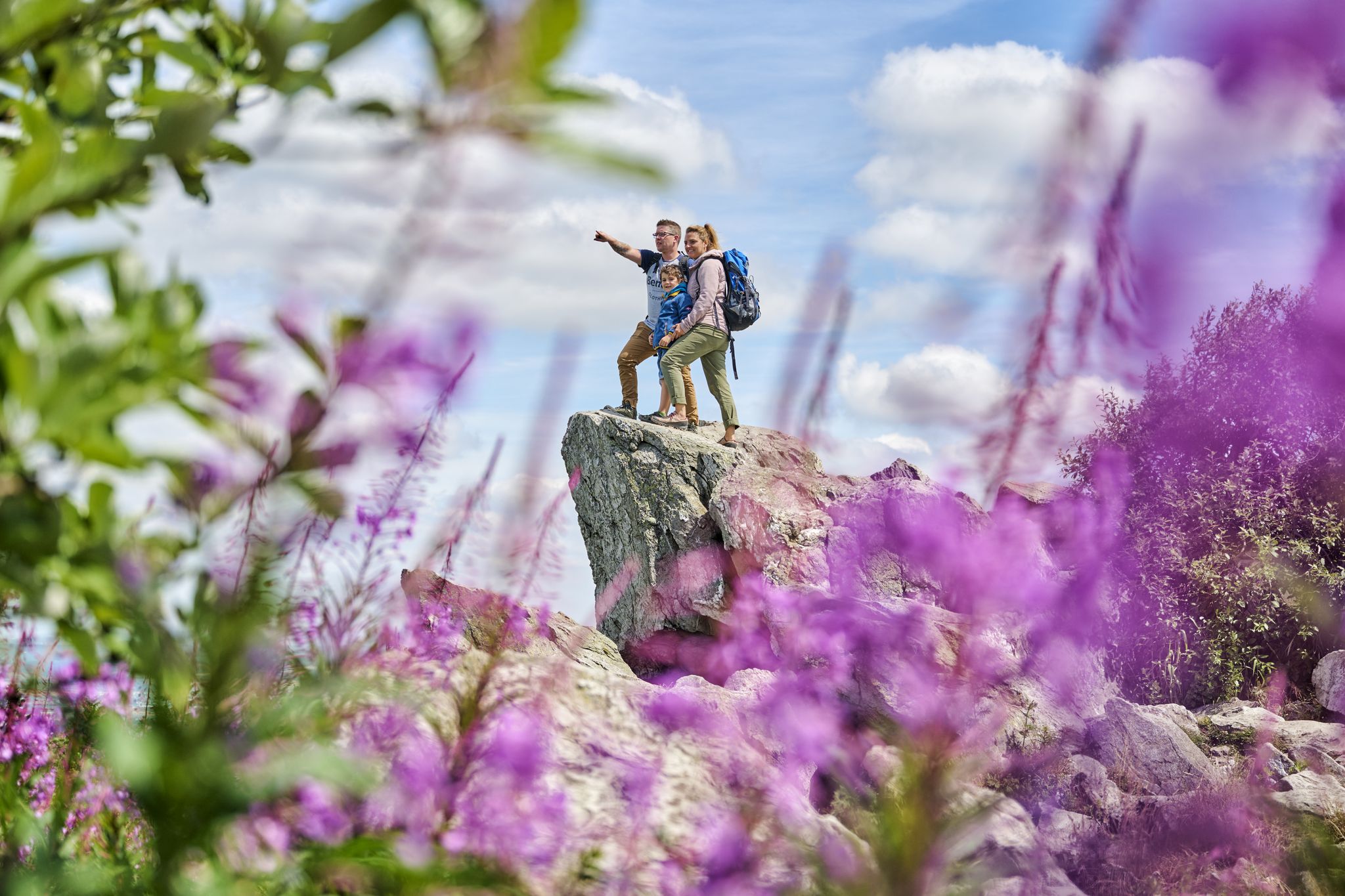
History, forest and gnomes – hiking in Germany’s Hochtaunus region
Spring is here – hiking with family by bus & train in Rhine-Main
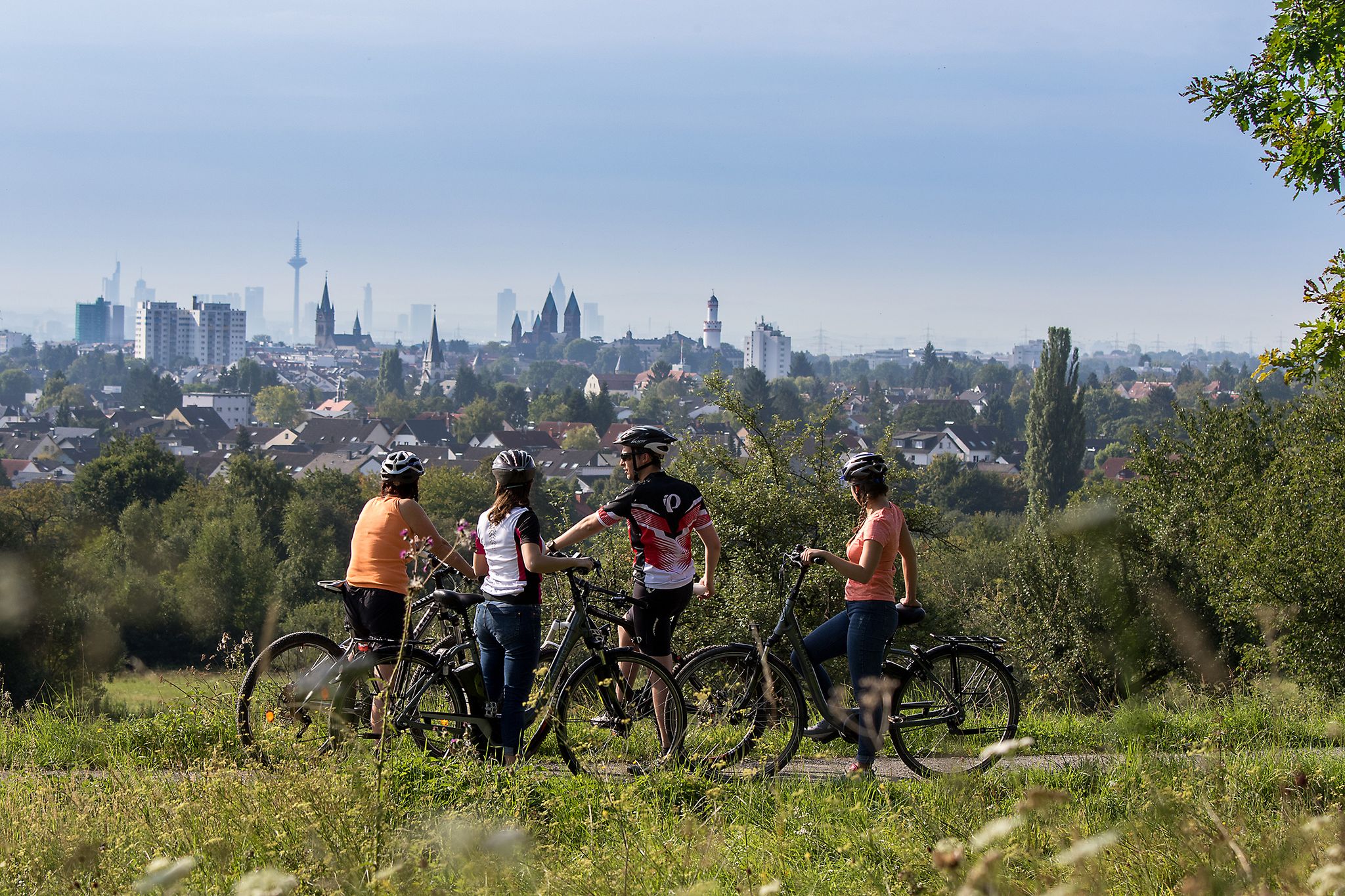
From safari to world heritage — cycling tours in the Taunus region
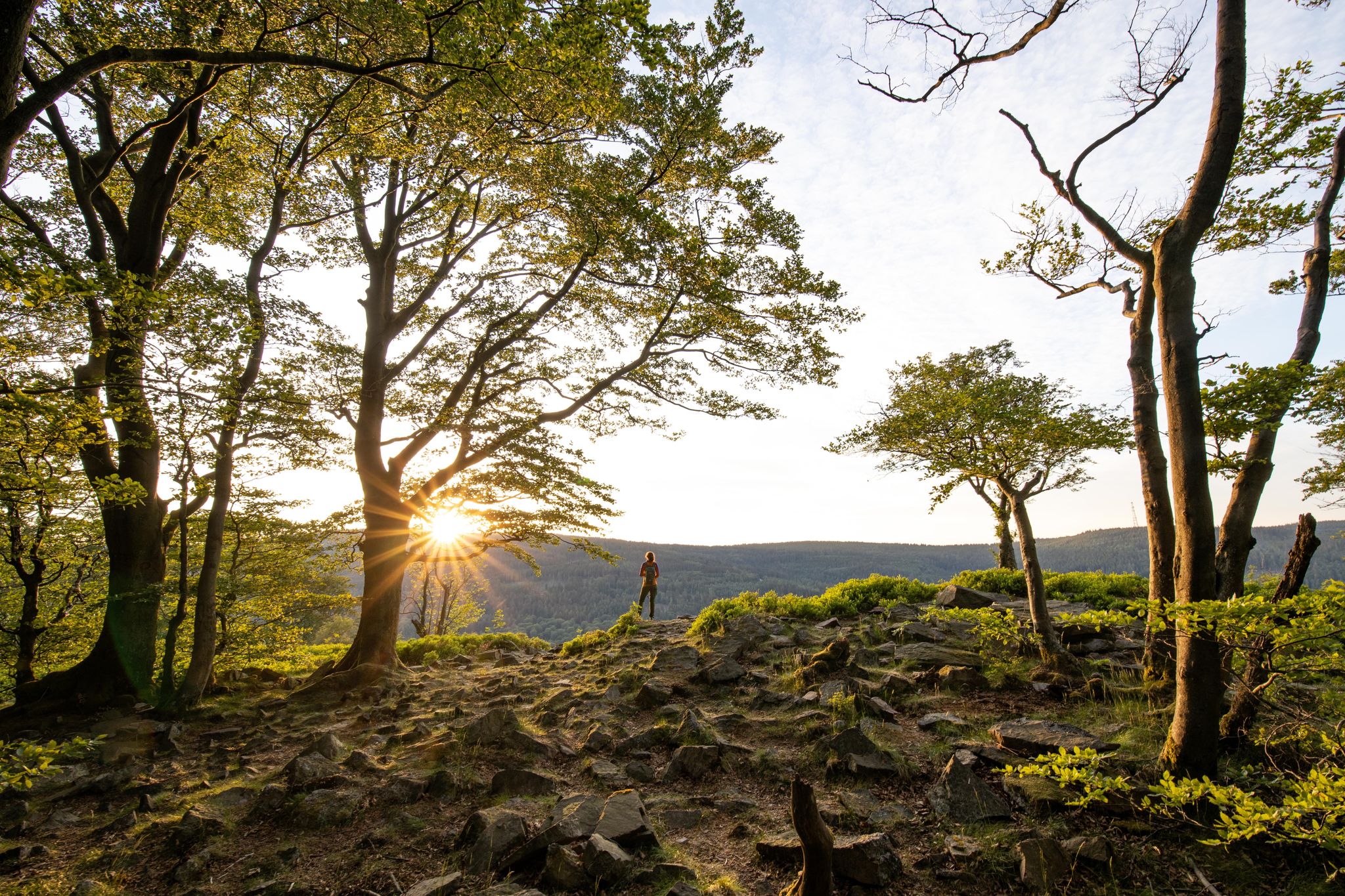
Deep valleys and airy heights – the most beautiful hikes in the Taunus in Germany
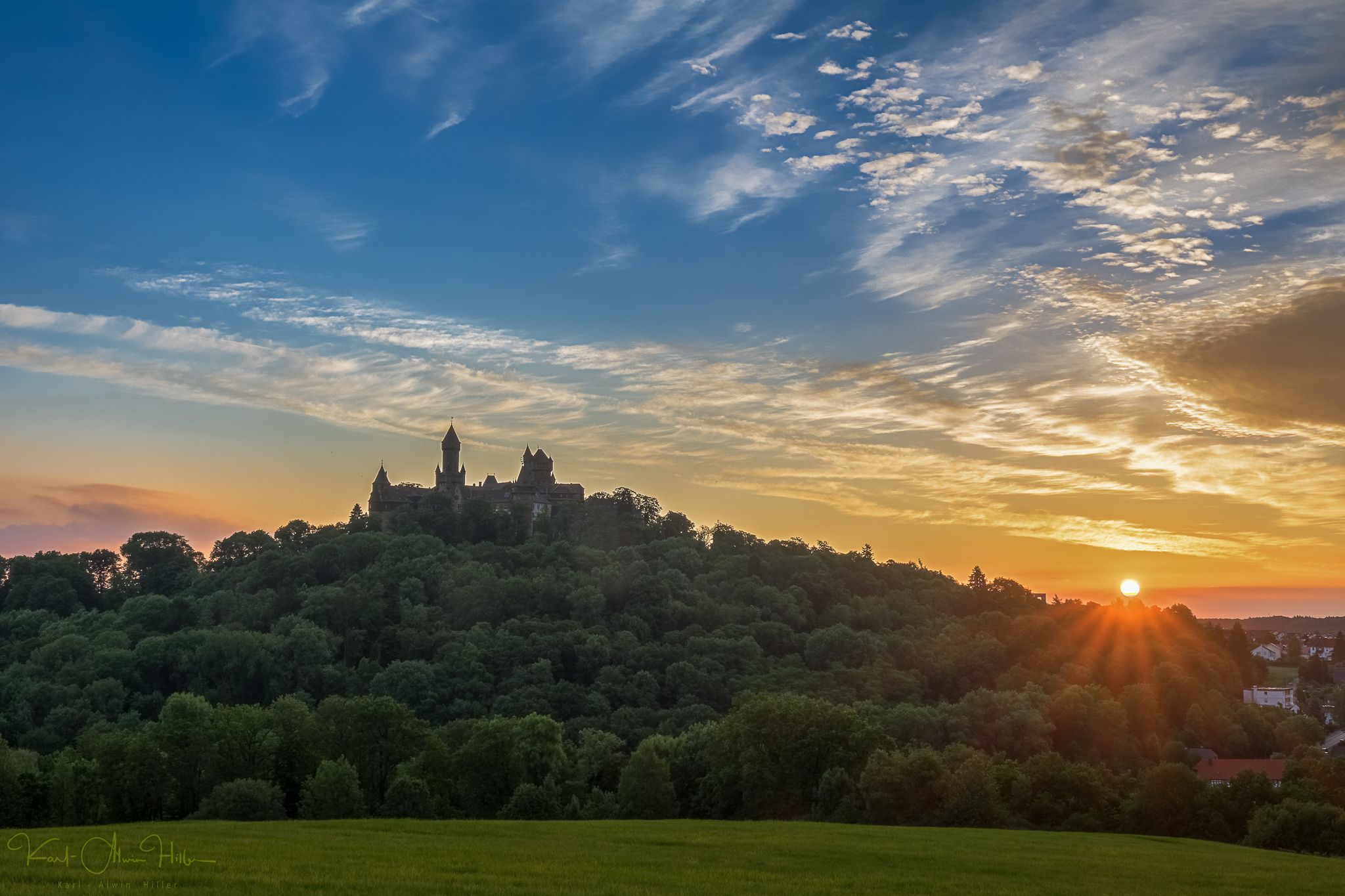
A journey through time – the most beautiful routes in the Taunus Nature Park
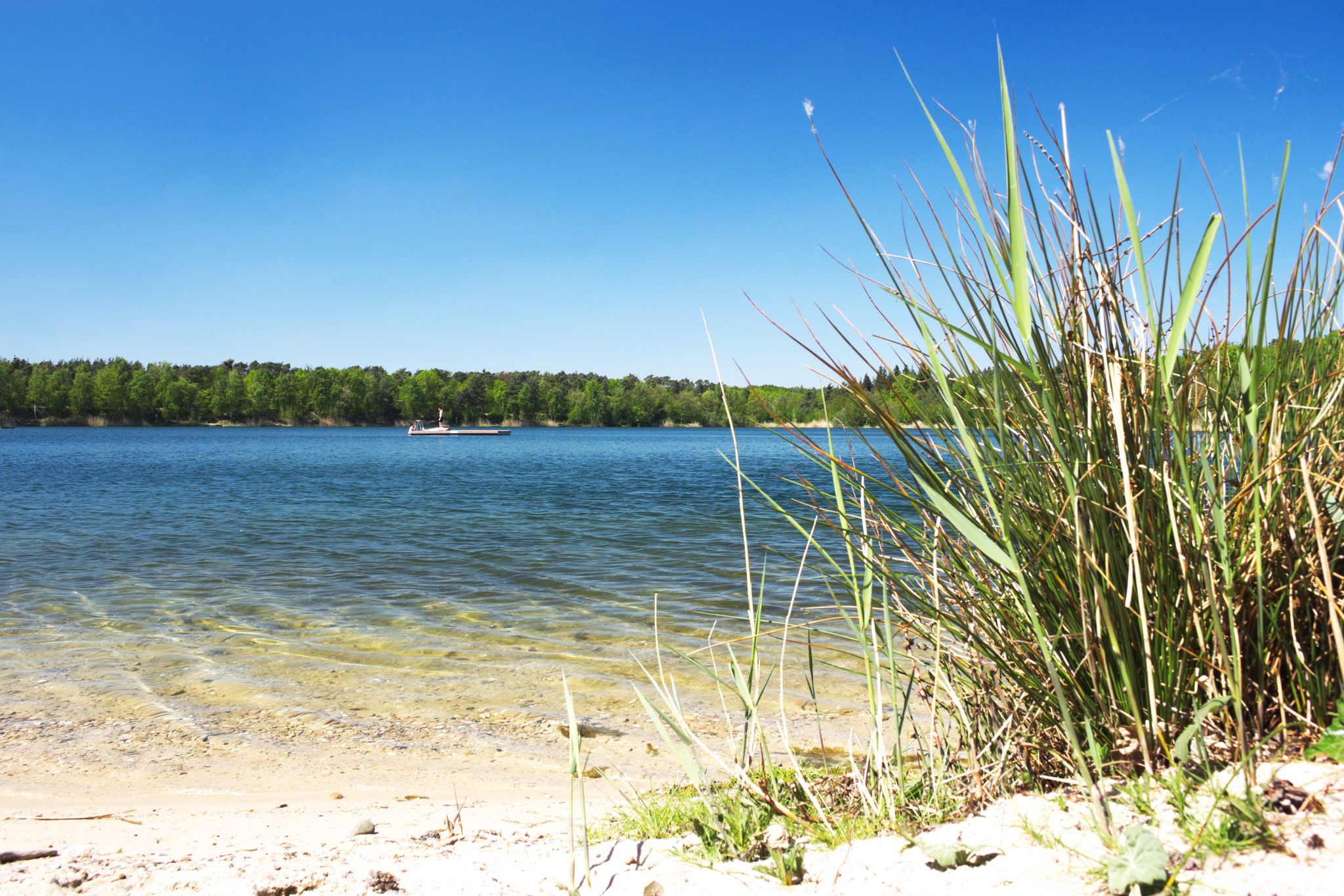
The best swimming lakes around Frankfurt
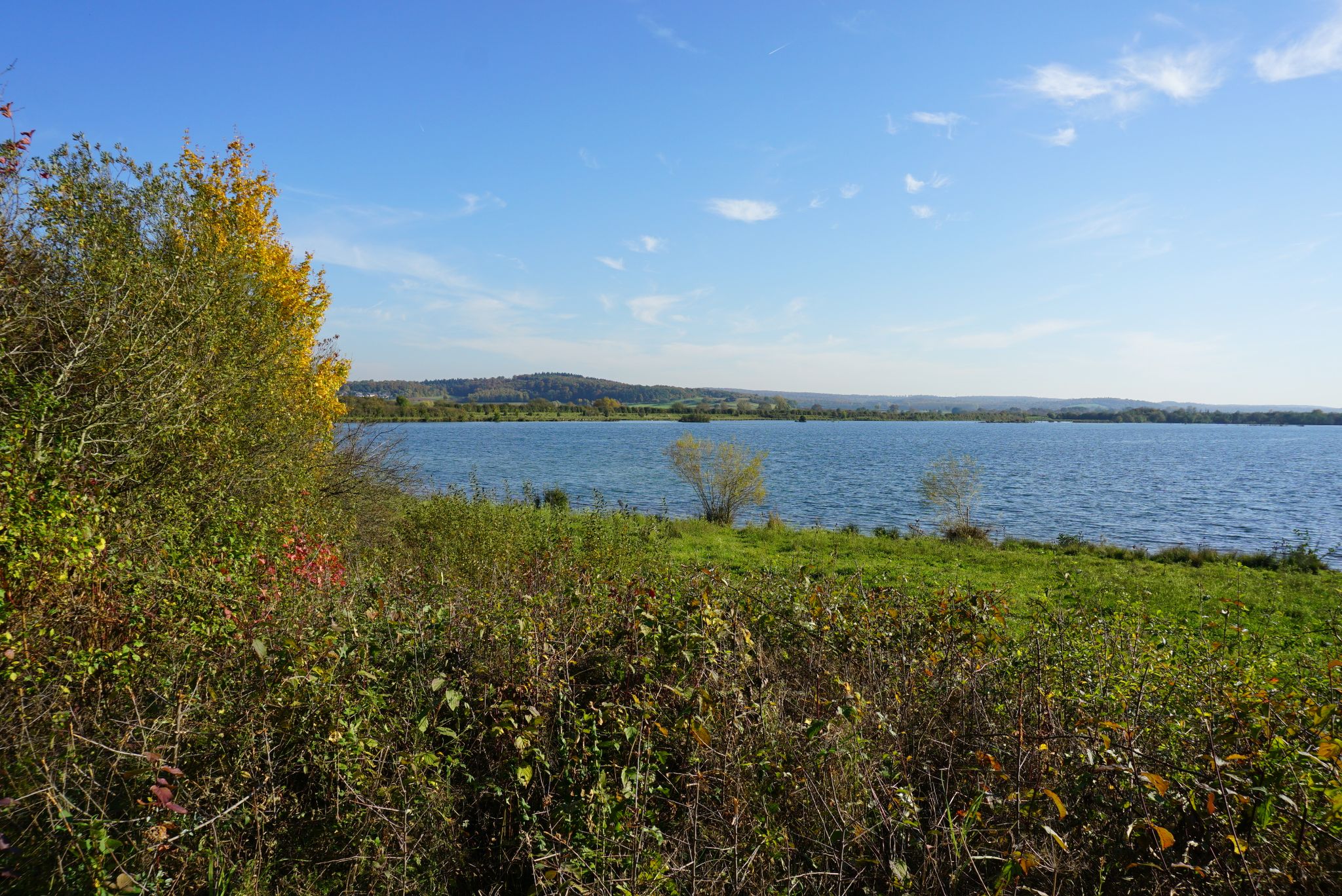
Pack die Badehose ein! – Mit Rad und Öffis zu den schönsten Seen im RMV-Gebiet
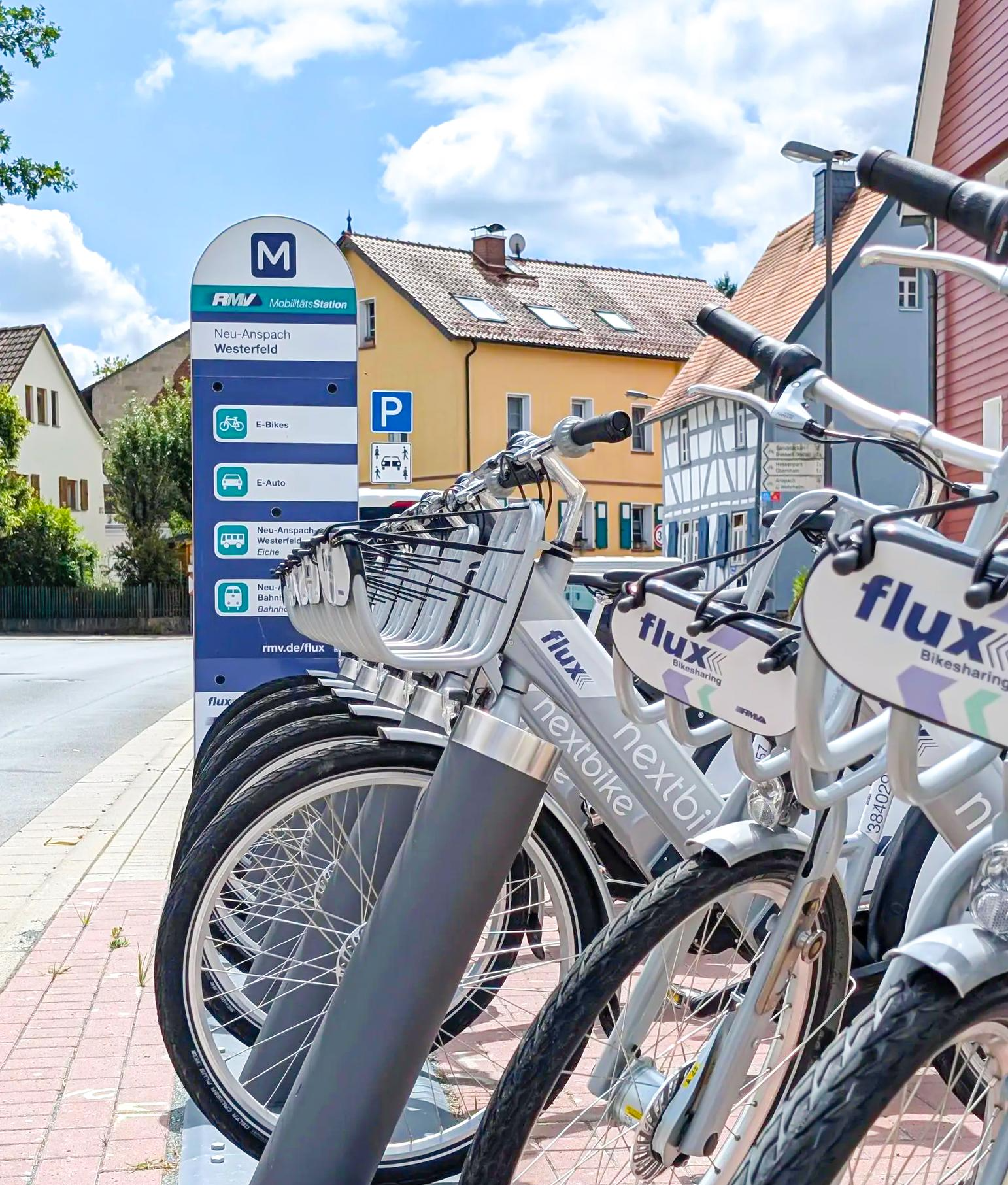
Mit flux & Bahn – Radtouren im Usinger Land
Radfahren im Taunus – Auspowern, genießen, entdecken
Other adventures around Usingen


Tips from the Community

Beautiful small and well-preserved old town center with many beautiful buildings and of course the castle ruins.
3
0

A visit to Altweilnau should include the ascent to Burgberg, including climbing the tower. You will be rewarded with a very beautiful view over the village and the surrounding area.
1
1

Very nice little place
4
0

In 1170, Kransberg was built as one of the first stone castles by the Staufers as part of a defensive chain Friedberg-Kransberg-Königstein-Kronberg to defend against the Limburg bishops. The keep is the only and oldest element of the entire complex that has been preserved from this period. The first separate written mention of the castle dates back to 1220. In 1310 the male line of the von Cransperk family died out and the castle went to the Lords of Falkenstein. 123 years later, in 1433, the castle fell to the Lords of Eppstein and the intermediate building was added. From 1522 to 1533 the castle briefly belonged to the Lords of Königstein and then became the property of the Counts of Stolberg. As a result of the peace in 1590, the complex came into the possession of the Archbishop of Mainz. The residential extension to the main building was built. In 1854, Count Hugo Waldbott sold the property to the Duchy of Nassau. This became Prussian after the lost war against Prussia in 1866. In 1875 the von Biegeleben family bought the property and completely renovated it. The castle now became known as Cransberg Castle. In 1920, Mrs. von Scheitlein bought the property. In 1939 the castle was confiscated by the Nazi regime and again fundamentally expanded and renovated as part of the Adlerhorst complex. The underground bunker, the knight's hall and the garages were built during this time until Kransberg Castle was captured by the American armed forces in 1945. From 1945 onwards, the British armed forces used the complex and operated the Camp Dustbin interrogation center there, where, compared to Camp Ashcan, the top scientific, technical and armaments organizations of the Nazi regime, Albert Speer, Wernher von Braun, Hermann Oberth, Karl-Otto Saur, Hans Kehrl, Fritz Thyssen, Hermann Röchling and others were arrested and questioned. In the summer of 1946, the first conference in world history on biological weapons took place here. As a result, there were changing occupancies, always by military users. The Gehlen organization, the forerunner of the Federal Intelligence Service, also worked here from 1947 to 1961, primarily in the field of telecommunications intelligence. Units of the Bundeswehr and the American armed forces also used the facility.
2
0

Beautiful and historically important tour destination and a great place for the break.
8
0

The construction history of the former castle and today's palace began in the 12th century. Today's appearance is strongly influenced by the modifications from 1875 onwards. However, the castle only gained national importance during and after the Second World War. During the Nazi era it became part of the bunkers of the so-called Führer Headquarters Adlerhorst. After World War II, various British, American and German military institutions were based here until 1990. The subsequent civilian change of ownership through restitution, sale, foreclosure, renewed sales have so far not brought any sustainable use and meanwhile the building fabric is increasingly decaying.
4
0

What fell victim to agriculture elsewhere is well preserved in the forests of the Hessian Taunus. Rome's military fortifications, such as the Kapersburg near Rosbach vor der Höhe, give an idea of the Limes in late antiquity. At that time they were guard and scout posts, today they are cultural monuments within the UNESCO World Heritage "Borders of the Roman Empire".
5
1

Beautiful ways! Idyllic place.
4
0
Frequently Asked Questions
What types of historical sites can I explore around Usingen?
The region around Usingen offers a diverse range of historical sites, including meticulously reconstructed Roman forts like the Saalburg Roman fort and the Kapersburg Roman Fort, both part of the UNESCO Limes World Heritage Site. You can also find medieval castle keeps, such as the one in Altweilnau, and the neo-Gothic Kransberg Castle.
Are there family-friendly castles or historical sites to visit near Usingen?
Yes, several sites are great for families. The Saalburg Roman fort is particularly family-friendly, offering insights into Roman life with reconstructed buildings and archaeological finds. The Kapersburg Roman Fort also provides an engaging historical experience for all ages.
What outdoor activities can I combine with a castle visit in the Usingen area?
The area around Usingen is excellent for outdoor activities. You can find numerous hiking trails, including those around the Roman forts. For more structured routes, explore Mountain Hikes around Usingen. There are also options for MTB Trails and Cycling routes that pass by historical landmarks.
What is the best time of year to visit the castles and forts around Usingen?
The spring, summer, and early autumn months generally offer the best weather for exploring the castles and forts, especially for outdoor activities like hiking. During these seasons, you can fully enjoy the scenic views and outdoor exhibits. Some indoor museums, like the Saalburg, are open year-round, but check their specific opening hours.
Can I find good viewpoints or natural features near the castles?
Absolutely. The Altweilnau castle keep offers a great view over the Weiltal. Many hiking trails in the Taunus region, often near these historical sites, also lead to scenic viewpoints and through natural landscapes.
Is the Usinger Schloss a traditional castle I can visit?
The Usinger Schloss, located in the center of Usingen, is no longer a traditional castle in the sense of a preserved medieval structure. It originated as a 14th-century fortified house and was later rebuilt as a Baroque residence. Today, a new brick building stands on its site, housing the Christian-Wirth-Schule. While its history is significant, it functions as an educational institution rather than a public castle museum. You can learn more about its history on Wikipedia.
What makes the Saalburg Roman Fort unique?
The Saalburg Roman fort is unique because it is a meticulously reconstructed Roman fort, rebuilt around 1900 under Kaiser Wilhelm II. It offers a comprehensive insight into the daily life and work of Roman soldiers and civilians, with complete fortifications, buildings, and archaeological finds. It's considered the most thoroughly researched and completely reconstructed fort of the Obergermanisch-Raetischen Limes.
Are there any castles around Usingen with a more modern history?
Yes, Kransberg Castle, originally mentioned around 1250, was rebuilt as a neo-Gothic palace in 1874. It has a fascinating modern history, having served as a BND (German intelligence) office, parts of the German Air Force, and an American command post with bunkers during the Cold War. Today, it hosts cultural events, weddings, and corporate gatherings.
What should I know about visiting the Kapersburg Roman Fort?
The Kapersburg Roman Fort, located in the forests of the Hessian Taunus, is another significant Roman military fortification and part of the UNESCO World Heritage "Borders of the Roman Empire." It provides valuable insights into the Limes in late antiquity, serving as guard and scout posts. Information signs on site detail its history and significance.
Are there cafes or accommodation options near the castles?
While some larger sites like the Saalburg Roman Fort may have on-site cafes, options directly adjacent to all castles can vary. The historic town center of Altweilnau, for example, has charming buildings but local restaurants may have closed. For broader options, you'll find cafes, pubs, and accommodation in the main town of Usingen and surrounding villages.
What kind of historical experience does Altweilnau offer?
Altweilnau offers a charming historical experience centered around its well-preserved old town and castle keep. You can explore half-timbered houses from the 16th century, remnants of the city wall, and winding alleys. The castle keep provides a wonderful panoramic view over the Weiltal, making it a pleasant visit for those interested in local history and architecture.
Most popular routes around Usingen
Most popular attractions around Usingen

Get inspired with the komoot mobile app


Explore more
Looking for the best castles somewhere else? Discover other guides around Usingen:
