Top 20 Castles around Wehrheim
Best castles around Wehrheim are situated in the Hochtaunus district of Hesse, Germany, offering access to notable historical sites. This region is characterized by its rolling hills and historical significance, including Roman forts and medieval castle ruins. Visitors can explore a variety of historical structures that provide insight into Roman life and medieval fortifications. The area's landscape offers scenic views alongside these historical landmarks.
Best castles around Wehrheim
- The most popular castles is Königstein castle ruins, a castle that…
Last updated: September 25, 2026
Ruins of Falkenstein Castle
Highlight • Castle
Translated by Google •
Tip by

Saalburg Roman fort
Highlight • Historical Site
saalburgmuseum.de
Translated by Google •
Tip by

Sign up now to discover places like this
Get recommendations on the best single tracks, peaks, & plenty of other exciting outdoor places.
Königstein castle ruins
Highlight • Castle
Showing Translation
Tip by
Kronberg Old Town
Highlight • Settlement
Translated by Google •
Tip by

Kapersburg Roman Fort
Highlight • Historical Site
Translated by Google •
Tip by

Sign up for free to discover even more castles around Wehrheim.
Already have an account?
Start today with a free account
Your next adventure awaits.
Popular around Wehrheim
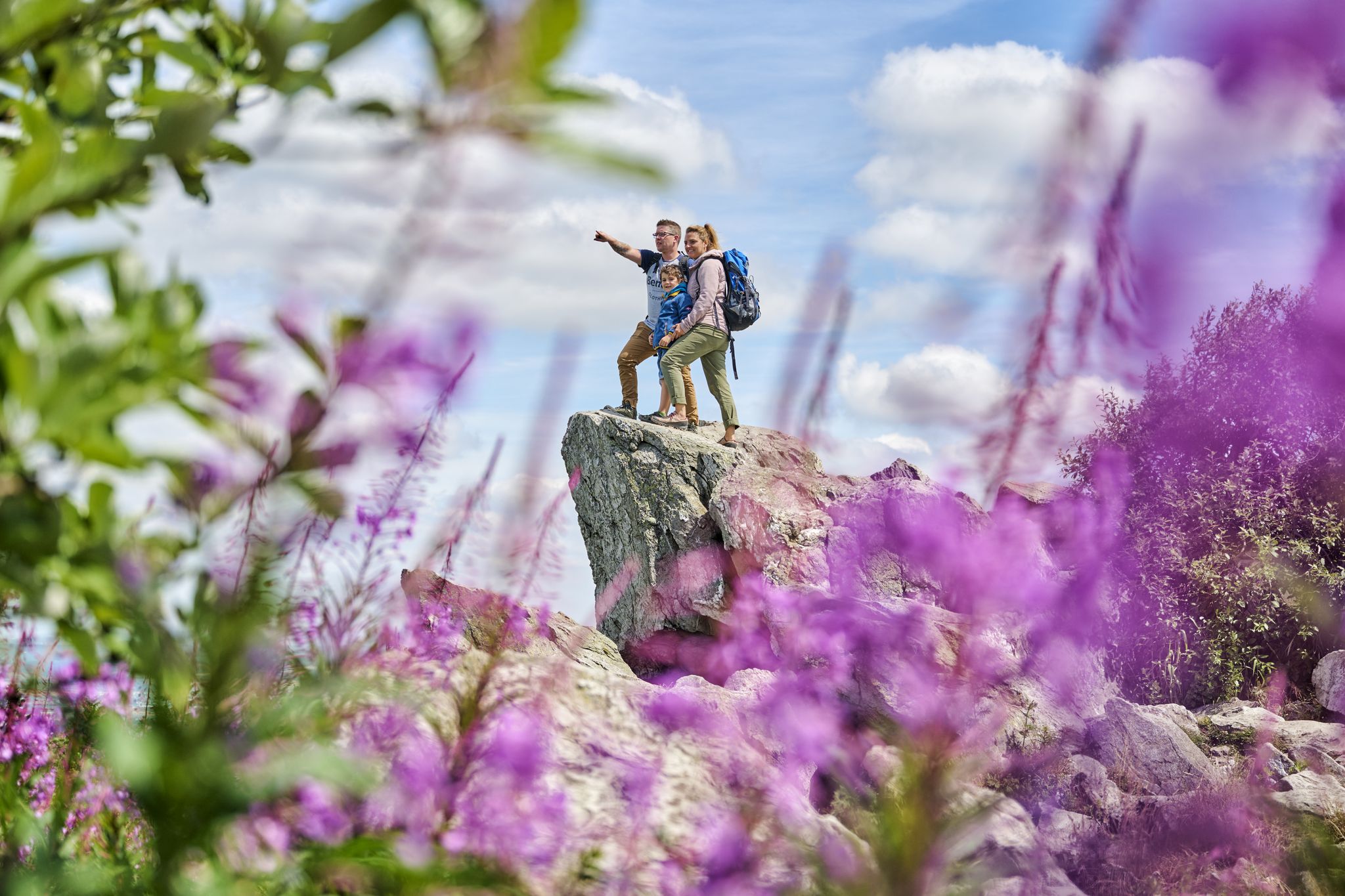
History, forest and gnomes – hiking in Germany’s Hochtaunus region
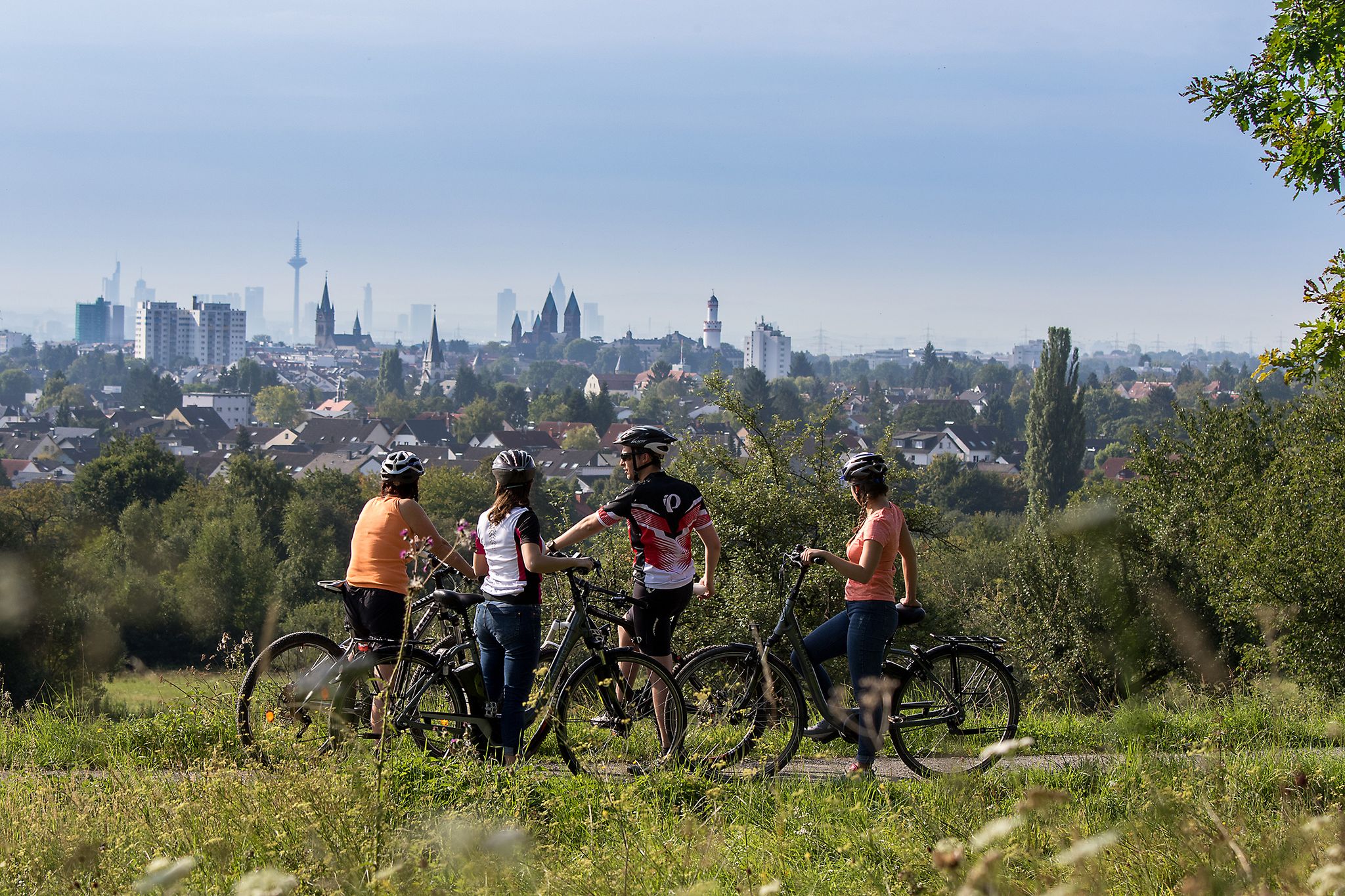
From safari to world heritage — cycling tours in the Taunus region
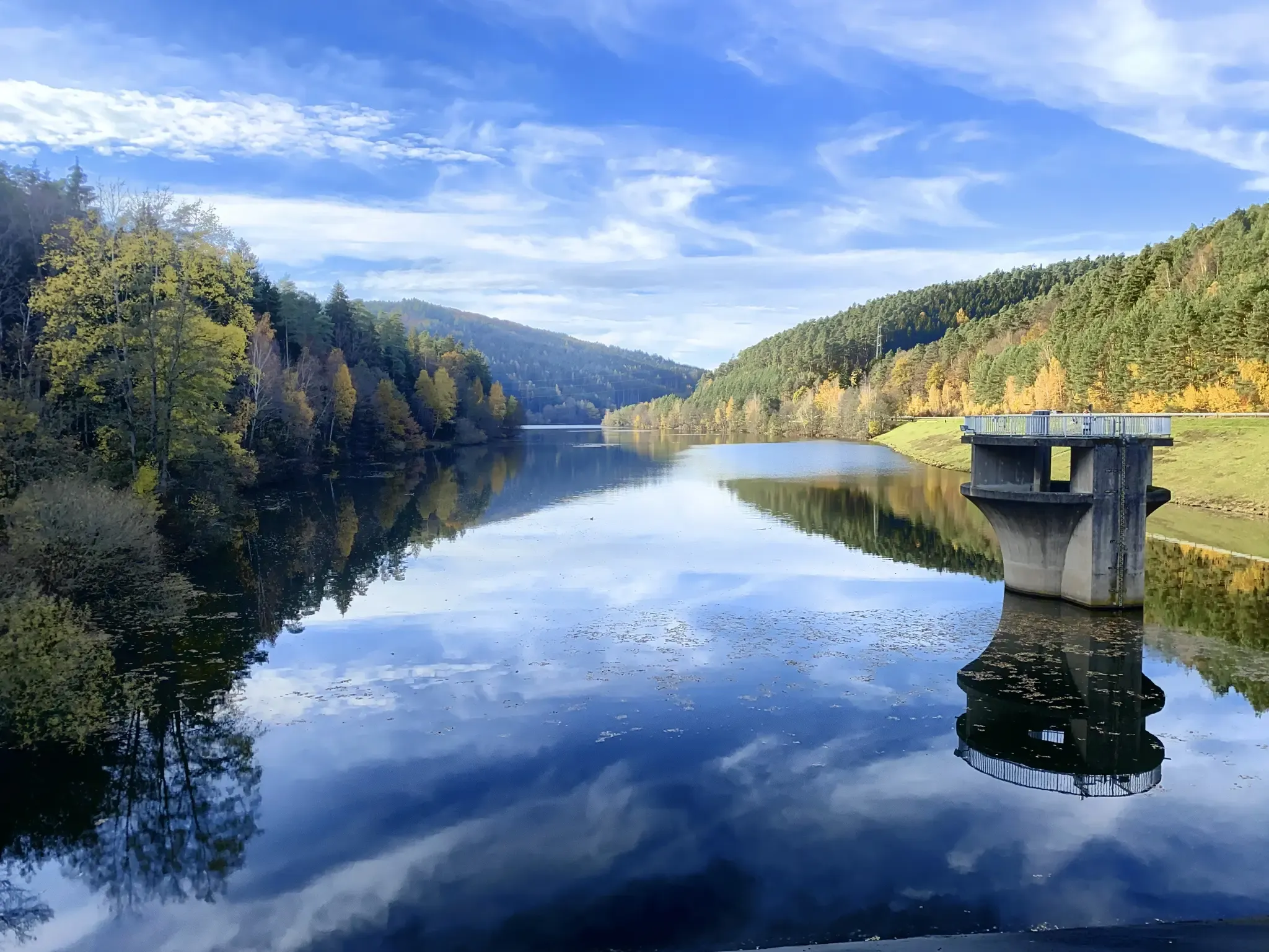
Mit Rosbacher auf Tour im Rhein-Main-Gebiet
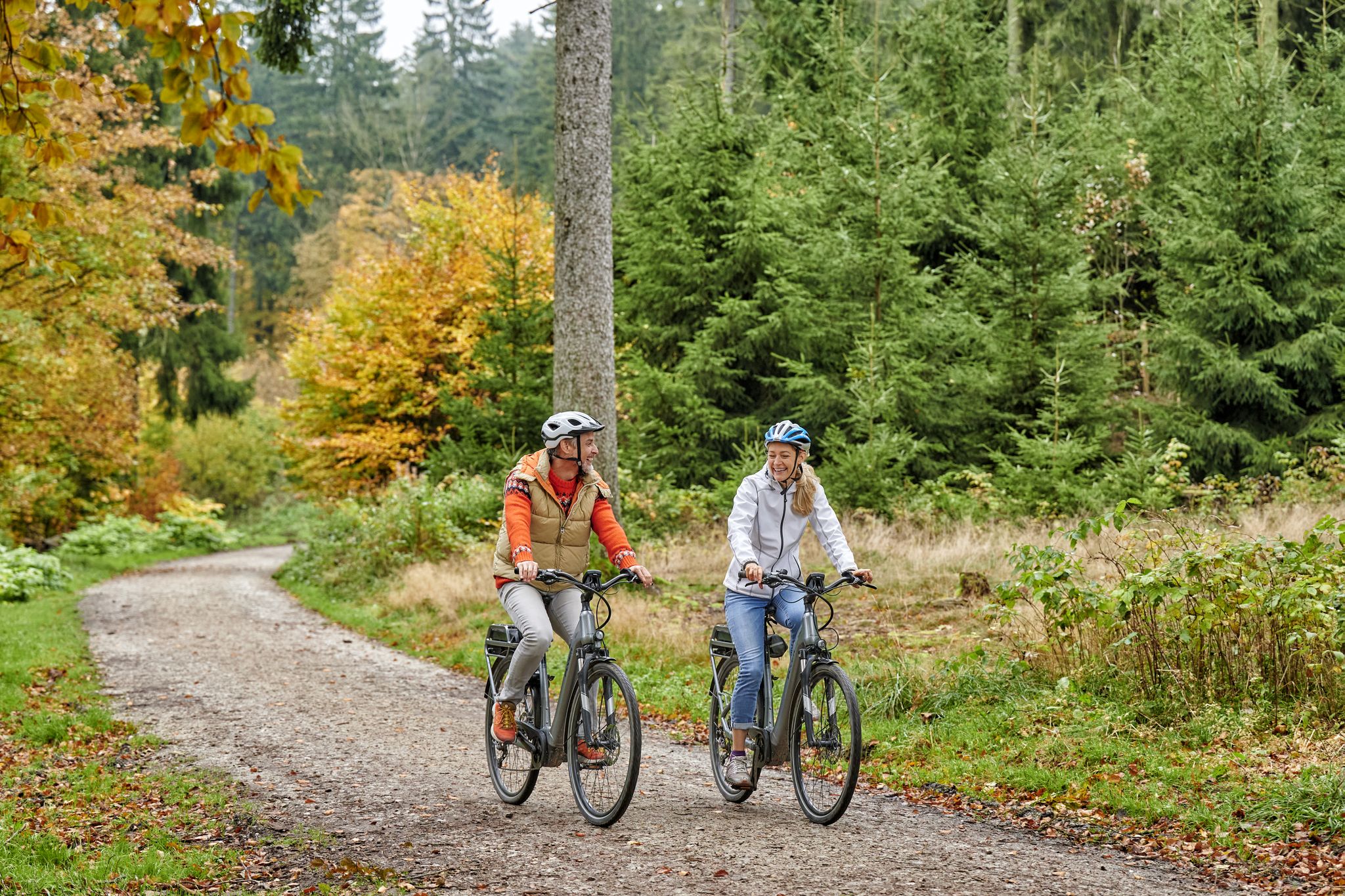
Radfahren im Taunus – Auspowern, genießen, entdecken
Hiking around Wehrheim
Road Cycling Routes around Wehrheim
Cycling around Wehrheim
MTB Trails around Wehrheim
Running Trails around Wehrheim

Gravel biking around Wehrheim
Other adventures around Wehrheim


Tips from the Community

The Falkenstein castle ruins (historically also called Neu-Falkenstein) are located at an altitude of around 450 meters in the Falkenstein district of Königstein in the Taunus region. It is considered a striking landmark, visible from afar, and boasts a turbulent history. The fortress was built in the mid-14th century by the Lords of Bolanden-Falkenstein immediately next to the older foundations of Nürings Castle and was first mentioned in a document in 1364. After a rapid succession of various noble families – including the Counts of Nassau and Cronberg – the complex underwent a comprehensive modernization phase around the year 1500. During this time, modern defensive structures, two cannon towers, and the 18-meter-high keep, preserved to this day in the distinctive "butter barrel" style, were erected. After the Thirty Years' War, the fortification gradually lost its strategic importance. From around 1780 onwards, it was finally abandoned and gradually fell into ruin, as parts of the buildings were used as a quarry. The deliberate demolition of the historic walls could only be stopped in 1842. Since 1945, the protected area has been owned by the municipality (now the town of Königstein) and has since been continuously maintained and renovated with significant financial commitment from the local historical society. Today, the castle's elevated core is a popular excursion destination, offering visitors during the opening months (March to October) an impressive panoramic view over the Rhine-Main plain and the Taunus.
8
0

Kronberg im Taunus is a charming town with a historic old town, half-timbered houses and impressive sights such as Kronberg Castle. Surrounded by forests and with a view of the Frankfurt skyline, it is an ideal destination for hiking and exploring.
6
0
From Falkenstein Castle you have an impressive view of Frankfurt. On a clear day, the view extends to the skyline and far into the surrounding area. A worthwhile stop on the hike.
7
0

Kronberg im Taunus is a charming town in the Hochtaunus district in Hesse. It lies on the southeast slope of the Altkönig, the third highest mountain in the Taunus, and is known for its picturesque old town, the impressive Kronberg Castle and its idyllic location in the countryside.
9
0

Monster view not only of the skyline of Mainhattan!!!
7
0

The entrance fee of 2 euros is definitely worth it, as you can enjoy a great view from here. Unfortunately the tower is currently closed.
8
0

Beautiful and historically important tour destination and a great place for the break.
8
0

What fell victim to agriculture elsewhere is well preserved in the forests of the Hessian Taunus. Rome's military fortifications, such as the Kapersburg near Rosbach vor der Höhe, give an idea of the Limes in late antiquity. At that time they were guard and scout posts, today they are cultural monuments within the UNESCO World Heritage "Borders of the Roman Empire".
5
1
Frequently Asked Questions
What are some of the most notable castles and historical sites around Wehrheim?
The region offers a variety of significant historical sites. You can explore the impressive Königstein castle ruins, one of Germany's largest fortifications. Another must-see is the Ruins of Falkenstein Castle, known for its spectacular views. For a deep dive into Roman history, the Saalburg Roman fort, a UNESCO World Heritage site, offers vivid insights into Roman life.
Are there family-friendly options among the castles near Wehrheim?
Yes, several sites are great for families. The Saalburg Roman fort is particularly family-friendly, offering staged rooms, models, and archaeological finds that illustrate Roman daily life. The Königstein castle ruins and Kronberg Old Town (which includes Kronberg Castle) are also categorized as family-friendly.
What kind of historical insights can I gain from visiting these sites?
You can delve into various historical periods. The Saalburg Roman fort provides a unique insight into Roman military presence and daily life on the Limes. Medieval history comes alive at the Königstein castle ruins and the Ruins of Falkenstein Castle, showcasing medieval fortifications and their strategic importance. Fort Kapersburg, another well-preserved Limes fort, also offers a glimpse into Roman frontier life.
What are the parking options available at these castles?
Parking is generally available at or near the main historical sites. For instance, the Saalburg Roman fort has dedicated parking. For other sites like Königstein castle ruins and Ruins of Falkenstein Castle, parking is typically available in nearby towns or designated areas, though specific details may vary.
How can I reach the castles around Wehrheim using public transport?
Public transport options exist for some locations. The Saalburg Roman fort is roughly halfway between Bad Homburg vor der Höhe and Wehrheim, and can be accessed via public transport connections to Bad Homburg. Kronberg Castle, located in Kronberg im Taunus, is also accessible via public transport to the town. For other ruins, a combination of public transport and a walk might be necessary.
Are there hiking or cycling routes connecting the castles or nearby?
Absolutely! The region is excellent for outdoor activities. You can find numerous routes, including MTB trails like the 'Kapersburg Roman Fort – Steinkopf TV Tower loop from Wehrheim' or cycling routes such as the 'Saalburg Roman Fort and Museum – Jupiter Column near Saalburg loop from Römischer Limes'. For more options, explore the MTB Trails around Wehrheim, Cycling around Wehrheim, and Road Cycling Routes around Wehrheim guides.
What is the best time of year to visit the castles around Wehrheim?
The spring to autumn months (April to October) are generally ideal. During this period, sites like the Ruins of Falkenstein Castle and Königstein castle ruins are typically open daily, offering pleasant weather for exploration and clear views. Some sites, like the Saalburg Roman fort, have extended hours during these months.
Are the castles around Wehrheim dog-friendly?
Policies vary by site. While outdoor areas and trails around many ruins are often dog-friendly, specific rules for entry into reconstructed buildings or museums, like at the Saalburg Roman fort, may restrict dogs. It's advisable to check individual site regulations before your visit.
Where can I find refreshments or accommodation near the castles?
The towns surrounding the castles, such as Wehrheim, Königstein im Taunus, and Kronberg im Taunus, offer various options. The Saalburg Roman fort itself has a cafe and restaurant. In Kronberg Old Town, you'll find many nice restaurants and cafes, along with accommodation options.
Are there any castles that offer spectacular views?
Yes, several castles are renowned for their panoramic vistas. The Ruins of Falkenstein Castle provides a spectacular view over the rolling hills of the Taunus and into the Rhine-Main plain, including the Frankfurt skyline on clear days. Similarly, the Königstein castle ruins offer fantastic views over the Rhine-Main plain and into the Taunus forests.
Which castles are particularly well-preserved or reconstructed?
The Saalburg Roman fort is exceptionally well-preserved and completely reconstructed, offering a vivid and unique insight into Roman life with its complete fortifications and reconstructed buildings. Fort Kapersburg is also recognized as one of the best-preserved Limes forts in Hesse, with clearly visible ruins and fortification gates.
How long should I plan for a visit to these castles?
For a comprehensive visit to a major site like the Saalburg Roman fort, you might want to allocate 2-3 hours, especially if you opt for a guided tour. Exploring the Königstein castle ruins or Ruins of Falkenstein Castle could take 1-2 hours each, allowing time to enjoy the views and explore the grounds. A visit to Kronberg Old Town and its castle could easily fill a half-day.
Are any of the castles around Wehrheim wheelchair accessible?
Accessibility varies. While the Kronberg Old Town area is listed as wheelchair accessible, the nature of medieval castle ruins and Roman forts often involves uneven terrain, stairs, and historical structures that may present challenges for wheelchair users. It's recommended to check the specific accessibility information for each site before planning your visit.
Most popular routes around Wehrheim
Most popular attractions around Wehrheim

Get inspired with the komoot mobile app


Explore more
Looking for the best castles somewhere else? Discover other guides around Wehrheim:
