The best cycling routes around Gleiszellen-Gleishorbach
4.5
(9060)
43,667
riders
26
rides
Touring cycling routes around Gleiszellen-Gleishorbach traverse a landscape characterized by rolling hills, extensive vineyards, and sections of the Palatinate Forest. The region offers varied terrain, including paths through Germany's largest contiguous Muscateller cultivation area. Cyclists can experience expansive views over the Rhine plain from various viewpoints. The area's geology provides a diverse backdrop for cycling activities.
Best touring cycling routes around Gleiszellen-Gleishorbach
- The most popular touring cycling route is View of Barbelroth – Kapellen-Drusweiler loop from Gleiszellen-Gleishorbach, a 16.6 miles (26.8 km) trail that takes 1 hour 39 minutes to complete. This moderate route offers views of the surrounding agricultural landscape.
- Another top favourite among local touring cyclists is Silz Wildlife and Hiking Park – Winzergasse Gleiszellen loop from Gleiszellen-Gleishorbach, a moderate 11.9 miles (19.1 km) path. This route passes through forested areas and the historic Winzergasse.
- Local touring cyclists also love the Klingenmünster village center – View of Landeck Castle loop from Gleiszellen-Gleishorbach, a 3.6 miles (5.7 km) trail leading through vineyards, often completed in about 24 minutes.
- Touring cycling around Gleiszellen-Gleishorbach is defined by rolling hills, vineyards, and the Palatinate Forest. The network offers options for different ability levels, from easy vineyard paths to more challenging routes with elevation.
- The routes in Gleiszellen-Gleishorbach are highly rated by the komoot community with an average score of 4.8 stars from over 20 reviews. More than 170 touring cyclists have used komoot to explore Gleiszellen-Gleishorbach's varied terrain.
Last updated: September 29, 2026
5.0
(5)
39
riders
Moderate bike ride. Good fitness required. Mostly paved surfaces. Suitable for all skill levels.
4.5
(2)
20
riders
Hard bike ride. Good fitness required. You may need to push your bike for some segments of this route.

5.0
(1)
16
riders
29.4km
02:52
830m
830m
Hard bike ride. Very good fitness required. Mostly paved surfaces. Suitable for all skill levels.
5.0
(1)
14
riders
Moderate bike ride. Good fitness required. Mostly paved surfaces. Suitable for all skill levels.
13
riders
17.4km
01:05
170m
170m
Moderate bike ride. Good fitness required. Mostly paved surfaces. Suitable for all skill levels.
Get access to more routes and recommendations from other explorers.
Already have an account?
Our route recommendations are based on thousands of hikes, rides, and runs completed by other people on komoot.
Start today with a free account
Your next adventure awaits.
Tips from the Community

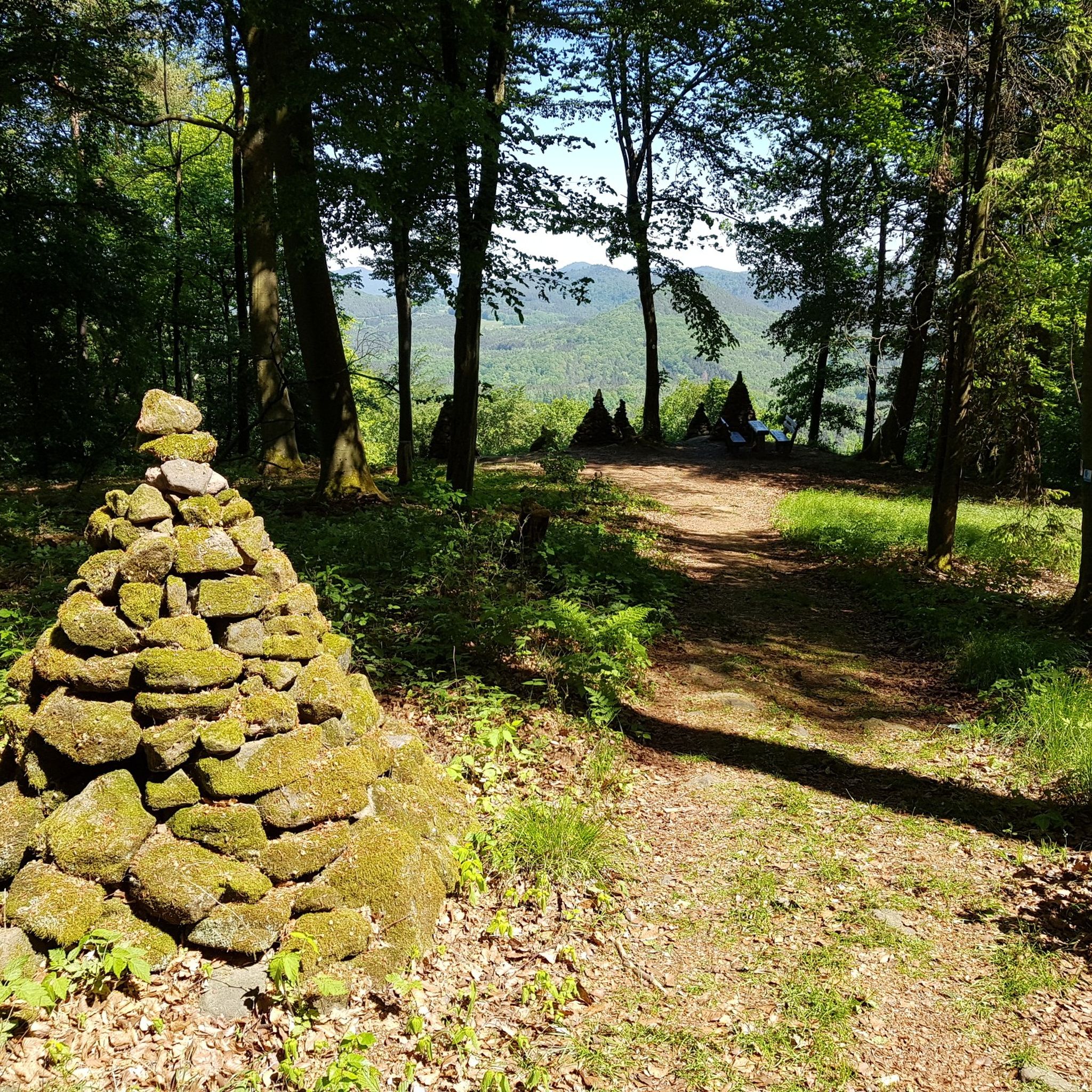
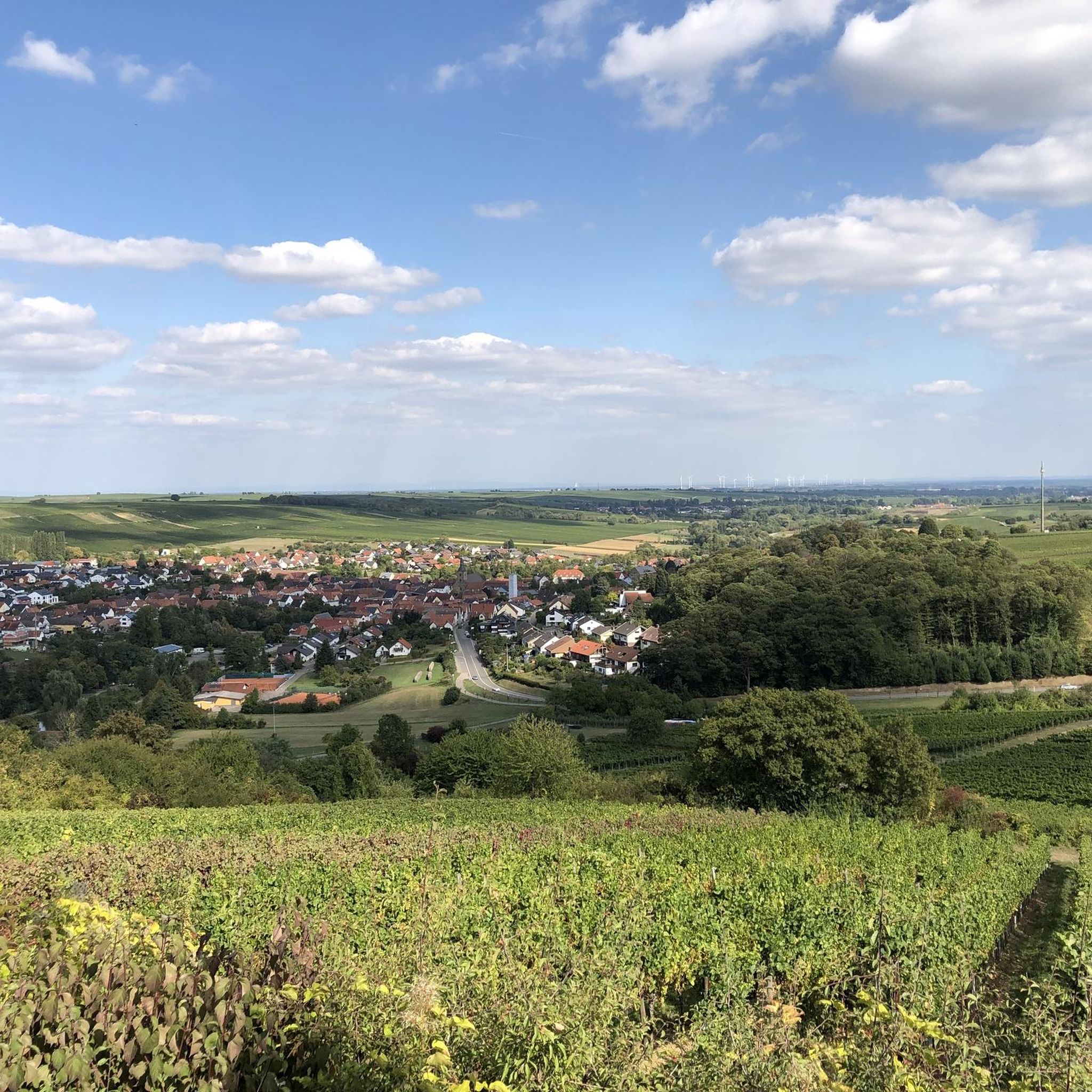
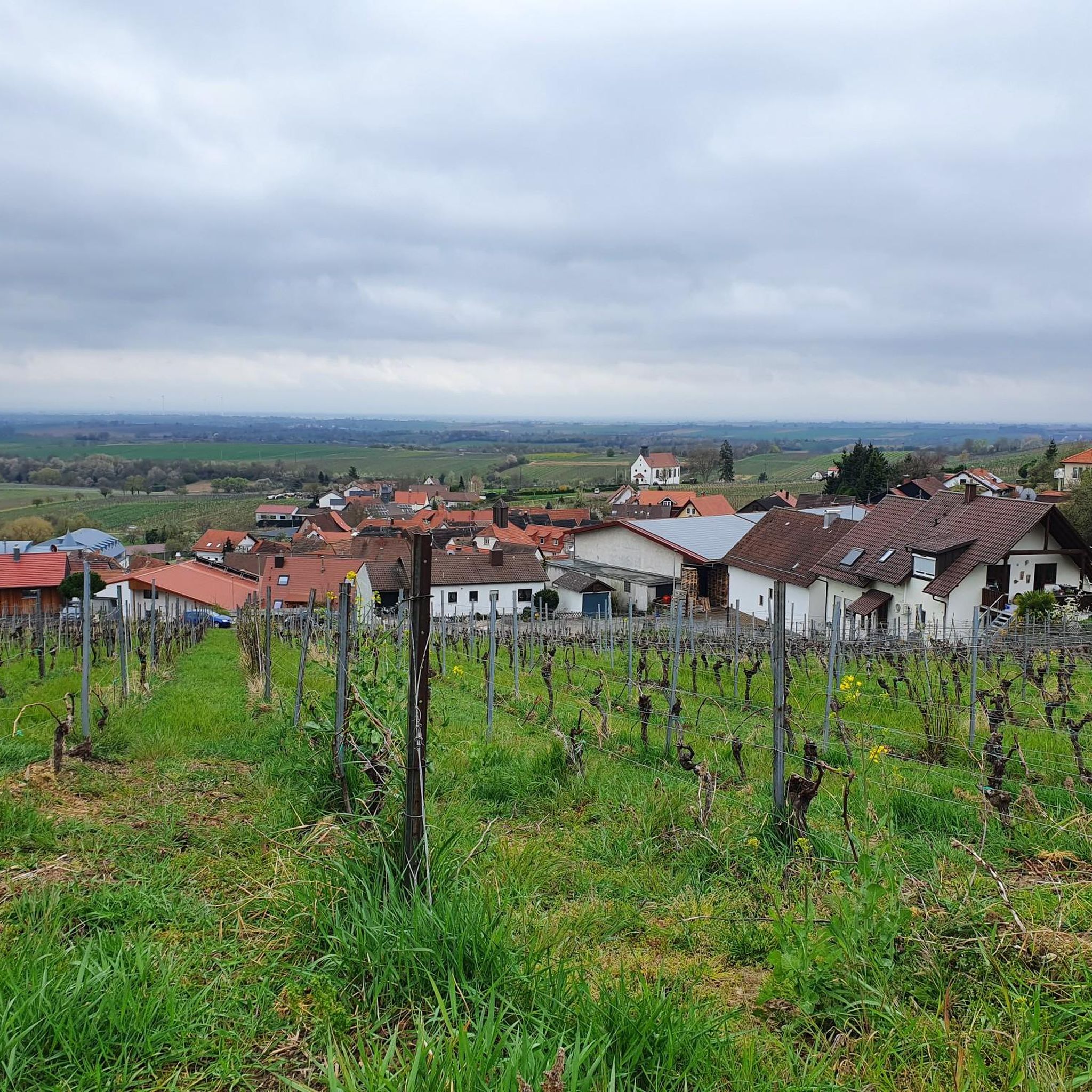
The Palatinate is known for its picturesque wine landscapes, rolling hills, and the seamless transition to the Palatinate Forest – Germany's largest contiguous forest area. Here you can enjoy breathtaking panoramas characterized by green vineyards, golden fields, and the dense greenery of the forest.
0
0
The castle's roots date back to the 12th or 13th century, when a moated castle likely stood here – built by the Counts of Saarbrücken. Later, it became the residence of the Dukes of Palatinate-Zweibrücken and developed into a magnificent Renaissance castle with two striking side towers in the 15th century. 🏛️💫 Today, the castle is no longer a museum, but houses the administration of the Verbandsgemeinde Bad Bergzabern – so the interiors are closed to visitors. 🏢 But the inner courtyard is a great place for a stroll! 🚶♂️🌳 It is open daily from 8 am to 6 pm – perfect for a short break or a photo with the historic flair. 📸💖
0
0

Classic stretch of the Deutsche Weinstraße with the iconic yellow grape-cluster signs - well signposted and easy to follow.
0
0
Great open viewpoint looking up at Landeck Castle ruins on the hillside - worth slowing down for a photo as you pass by.
0
0

The German Wine Route is one of the most beautiful excursion destinations in our region.
0
0
Before the castle and through the right tower runs the longitude: "8 degrees east longitude"
0
0

https://www.pfalz.de/de/sehenswuerdigkeit/schloss-bad-bergzabern Schloss Bergzabern is the landmark of the town of Bad Bergzabern and is located in the town center. In it once resided the Dukes of Pfalz-Zweibrücken. Today, the castle houses the administration of the Verbandsgemeinde Bad Bergzabern. History: In the 12th and 13th centuries, the Counts of Saarbrücken probably built a moated castle on the grounds of the present-day castle. It was first mentioned in 1333 as "Feste Zabern by Lantecken". In 1385 it fell to the Electoral Palatinate and in 1410 became the property of Pfalz-Zweibrücken due to inheritance. In 1525, rebellious Lorrainese peasants, who had captured the town, destroyed the castle complex. Ludwig II of Pfalz-Zweibrücken rebuilt the complex, now in the form of a castle palace, i.e., a mixture of a defensive structure and an unfortified palace. In 1532, the south wing was completed, which is still striking today due to the two round towers that served as artillery towers at the time. The castle was still protected by a moat at this time. In 1676, after an attack by French troops, it was largely destroyed by fire, but was subsequently rebuilt (1720-1725) by the Swedish-Zweibrücken building director. In 1794, the French conquered the castle, which was auctioned off in 1803 as a so-called national property. Around this time, the surrounding moat was also filled in. The castle came into the possession of the town of Bergzabern, suffered considerable damage in a fire in 1909, and was then used as a school until, after extensive renovation in 1984, it became the seat of the Verbandsgemeinde administration of Bad Bergzabern.
2
0

The pipeline is laid, the excavators are gone...
0
0
Frequently Asked Questions
How many touring cycling routes are available around Gleiszellen-Gleishorbach?
There are over 25 touring cycling routes in the Gleiszellen-Gleishorbach area, catering to various skill levels. You'll find a good mix of easy, moderate, and challenging options to explore the region's vineyards and forests.
What kind of terrain can I expect on touring cycling routes in Gleiszellen-Gleishorbach?
The terrain around Gleiszellen-Gleishorbach is characterized by rolling hills, extensive vineyards, and sections of the dense Palatinate Forest. You'll encounter varied surfaces, from paved paths through wine villages to more natural trails within the forest, offering diverse and engaging rides.
Are there any easy touring cycling routes suitable for beginners or families?
Yes, there are several easy routes perfect for a relaxed ride. For instance, the Klingenmünster village center – View of Landeck Castle loop from Gleiszellen-Gleishorbach is an easy 5.7 km trail that leads through picturesque vineyards and can be completed in under half an hour.
What are some notable landmarks or viewpoints I can see along the cycling routes?
The region offers numerous historical and natural attractions. You can enjoy expansive views over the Rhine plain from various viewpoints, such as the "Blickpunkt" or "Durchblickstein." Routes often pass by historical sites like the Dionysius Chapel amidst vineyards, or offer glimpses of castles. For example, the Klingenmünster village center – View of Landeck Castle loop provides views of Landeck Castle. You can also find interesting natural features like the View of Waldhambach and the Palatinate Forest from Treutelskopf.
Are there any circular touring cycling routes available?
Yes, many routes are designed as loops, allowing you to start and end in the same location. A popular moderate option is the View of Barbelroth – Kapellen-Drusweiler loop from Gleiszellen-Gleishorbach, which is about 26.8 km long and offers views of the agricultural landscape.
What is the best time of year for touring cycling in Gleiszellen-Gleishorbach?
The region is beautiful for cycling throughout much of the year. Spring is particularly vibrant with the almond blossom, while autumn offers stunning colors in the vineyards. The Palatinate Forest provides shaded paths ideal for warmer days. The German Wine Route cycle path, which passes through the area, is enjoyable from spring through early autumn.
Are there any routes that pass through the Palatinate Forest or offer a more natural experience?
Absolutely. The Palatinate Forest is a significant feature of the region. The Silz Wildlife and Hiking Park – Winzergasse Gleiszellen loop from Gleiszellen-Gleishorbach is a moderate 19.1 km route that takes you through forested areas, offering a refreshing natural experience alongside the historic Winzergasse.
What do other touring cyclists say about the routes in Gleiszellen-Gleishorbach?
The touring cycling routes in Gleiszellen-Gleishorbach are highly rated by the komoot community, with an average score of 4.8 stars from over 20 reviews. Cyclists often praise the varied terrain, the beautiful vineyard landscapes, and the well-maintained paths that make for an enjoyable experience.
Can I find places to eat or drink along the cycling routes?
Yes, the region is known for its wine culture. The village of Gleiszellen-Gleishorbach itself features a historic Winzergasse (winegrowers' alley) with cozy wine taverns. Many routes pass through charming towns and villages, offering opportunities for refreshments. For example, the "Fassbodentour Nr. 2" (a popular circular route originating from Gleiszellen-Gleishorbach) passes through towns like Pleisweiler and Bad Bergzabern, where you can find places to stop.
Are there any more challenging touring cycling routes for experienced riders?
Yes, for those seeking a greater challenge, there are difficult routes with more significant elevation changes. The Madenburg Castle Ruins – Landeck Castle loop from Klingenmünster is a difficult 29.9 km route with substantial climbs, offering a rewarding experience for advanced touring cyclists.
What kind of historical attractions can I explore near the cycling paths?
Beyond the natural beauty, the area is rich in history. You can find well-preserved half-timbered houses in the villages and significant historical landmarks nearby. These include the impressive Drachenfels Castle Ruins, Landeck Castle with its panoramic views, and the historically important Trifels Castle. Many routes offer views or direct access to these sites.
Are there any routes that highlight the region's famous Muscateller vineyards?
Gleiszellen-Gleishorbach is situated in Germany's largest contiguous Muscateller cultivation area. While specific komoot routes may not be named after it, many paths traverse these extensive vineyards, allowing you to experience this unique landscape firsthand. The Muscateller-Rundwanderweg is a dedicated trail in the region, and cycling routes often parallel or cross such areas.
Most popular routes around Gleiszellen-Gleishorbach
Most popular attractions around Gleiszellen-Gleishorbach

Get inspired with the komoot mobile app


Explore more
Browse the best Cycling routes in other regions.
