The best road cycling routes around Glees
4.4
(534)
7,588
riders
255
rides
Road cycling around Glees, situated within Germany's volcanic Eifel region, features varied topography with gentle hills, wide valleys, and dense forests. The area is known for its well-paved surfaces, offering routes with challenging climbs and panoramic views. This landscape provides a diverse backdrop for road cyclists.
Best road cycling routes around Glees
- The most popular road cycling route is Brohltalbahn Viaduct – Maria Laach Abbey loop from Glees, a 33.2 miles (53.4 km) trail that takes 2 hours 26…
Last updated: October 27, 2026
49
riders
50.4km
02:36
890m
890m
Moderate road ride. Good fitness required. Mostly well-paved surfaces and easy to ride.
5.0
(1)
28
riders
67.6km
02:54
450m
450m
Moderate road ride. Good fitness required. Mostly well-paved surfaces and easy to ride.

4.8
(10)
32
riders
51.4km
02:25
580m
580m
Moderate road ride. Good fitness required. Mostly well-paved surfaces and easy to ride.
4.0
(1)
15
riders
22.9km
01:09
380m
380m
Moderate road ride. Good fitness required. Mostly well-paved surfaces and easy to ride.
14
riders
30.1km
01:18
280m
280m
Easy road ride. Mostly well-paved surfaces and easy to ride.
Get access to more routes and recommendations from other explorers.
Already have an account?
Our route recommendations are based on thousands of hikes, rides, and runs completed by other people on komoot.
Start today with a free account
Your next adventure awaits.
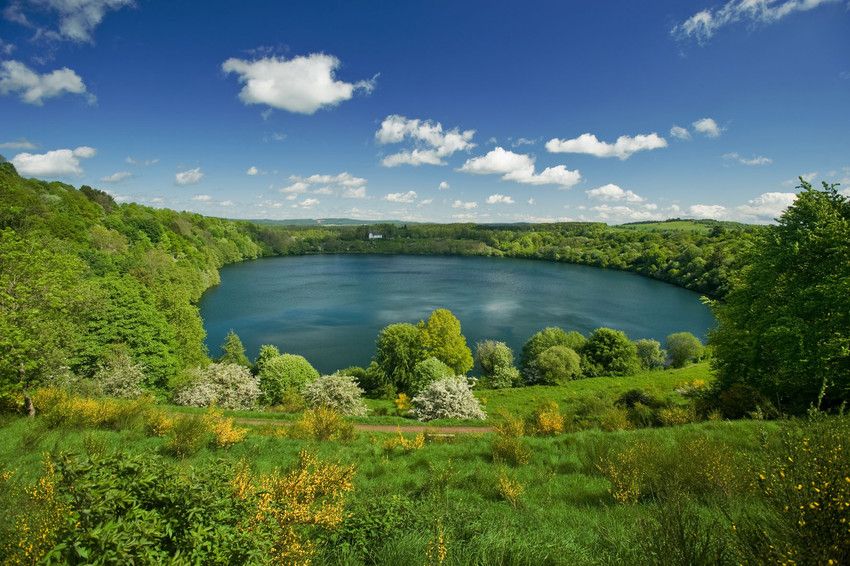
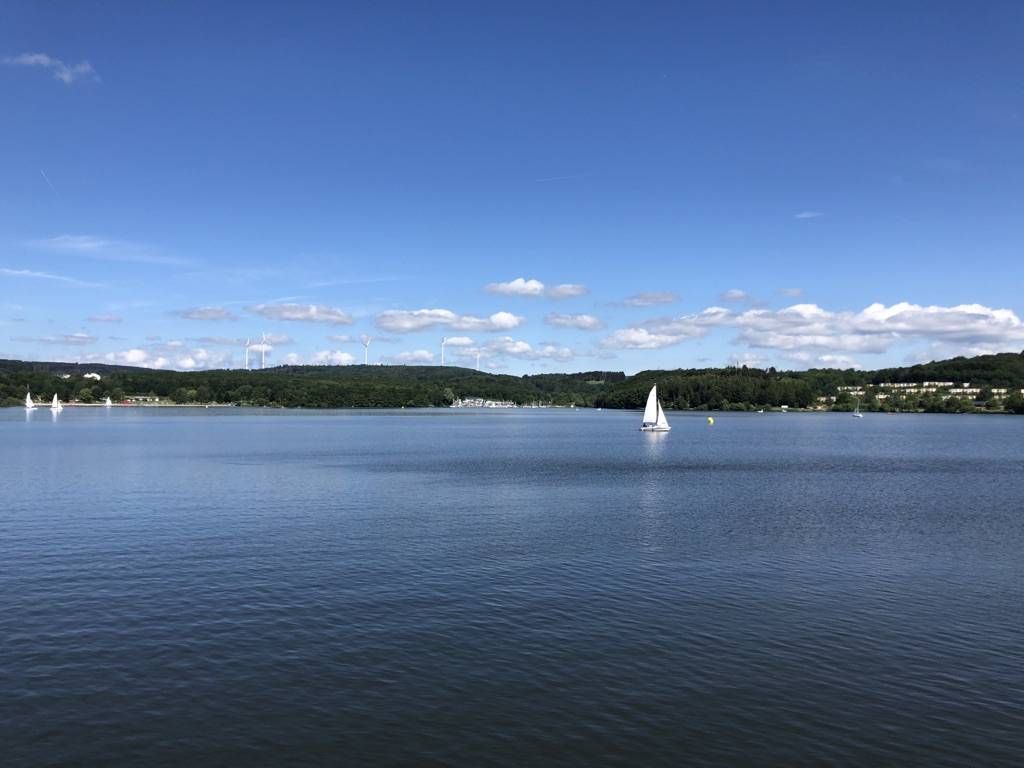
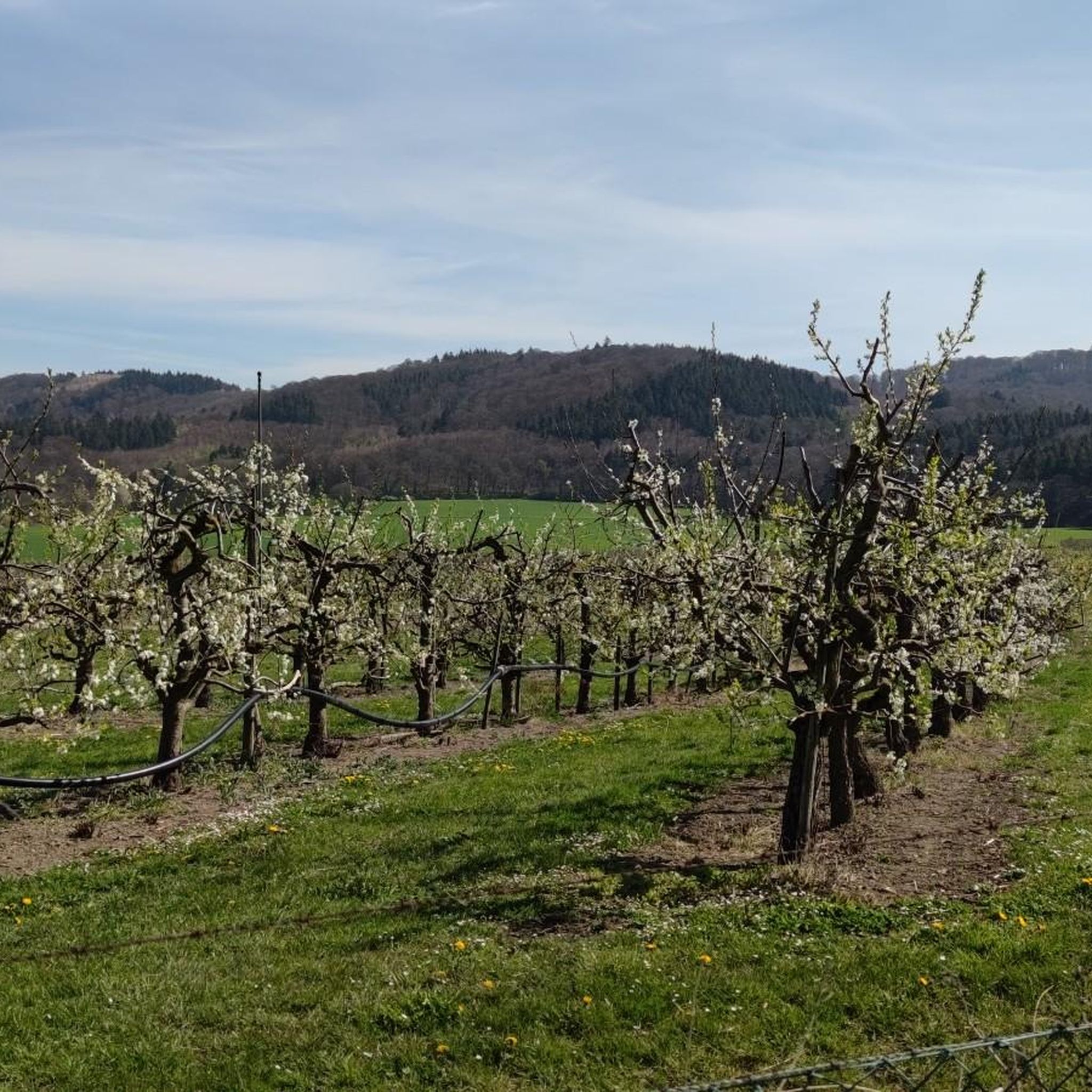
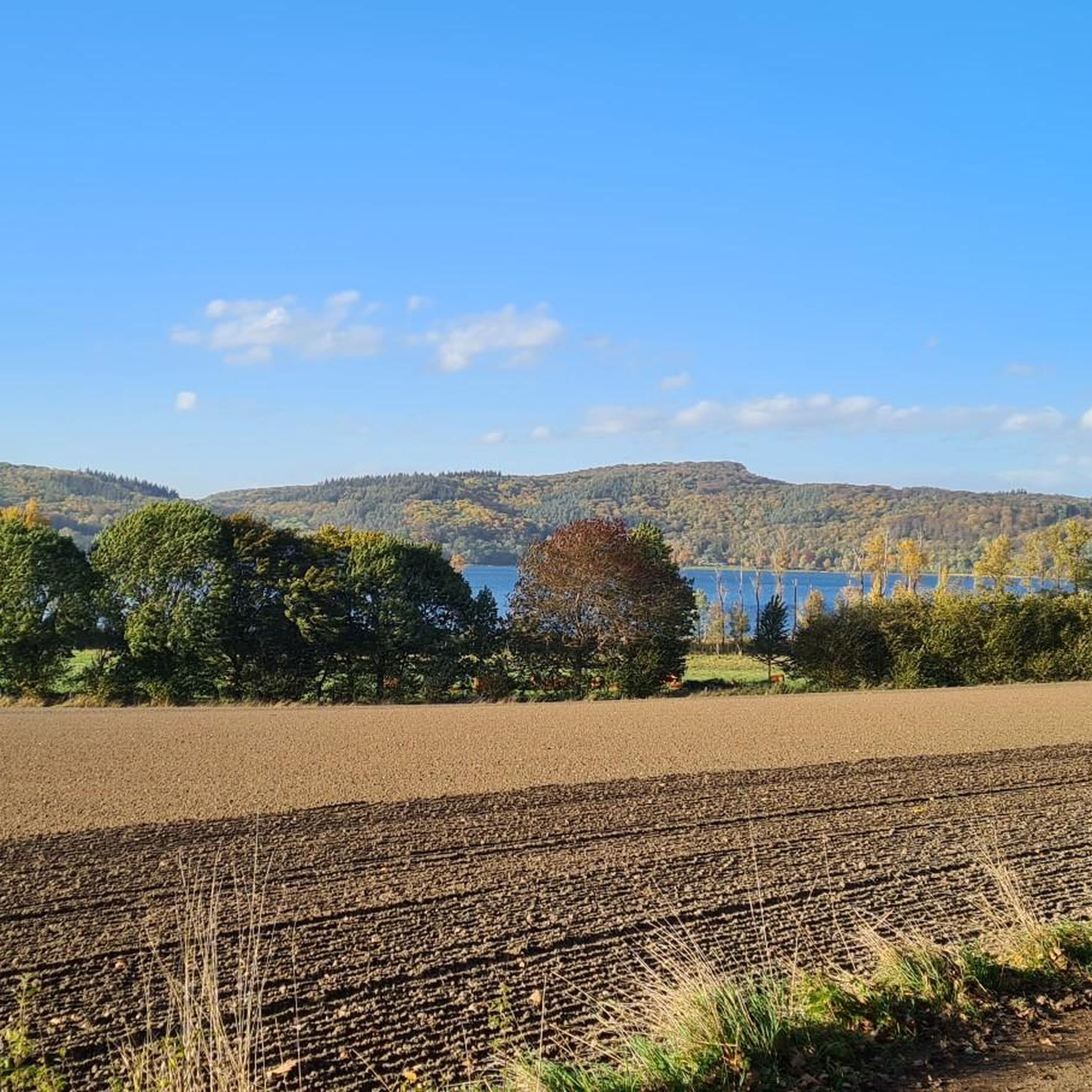

Tips from the Community

The Alte Krahnen was built between 1554–1561 under Archbishop Johann von Isenburg as a harbor crane and was used for transshipping goods (e.g., wine, wood, grain) from ships to carts and vice versa. It was a complex wooden structure with pulleys and counterweights – an engineering feat of the Renaissance.
0
0

At this point / I would like to quickly say / something about the source And that is the incomparable humorist Heinz ERHARDT (1909 – 1979), who was known to a wide audience for his wordplay and "Noch'n Gedicht", whom I will quote with a short quatrain: "There is certainly much that is beautiful, About the element, the wet. Because one can drink the water. But one can also - leave it."
2
0

There's always a cool breeze blowing here. But the tunnel is illuminated with LED lights all day long👍
1
0

Schweppenburg Castle was first mentioned in 1365. It was remodeled in the Baroque style between 1637 and 1639 under Bertram von Metternich. Since 1716, it has been owned by a branch of the Cologne patrician family von Geyr. The original castle ruins were demolished in 1785. (Source: Wikipedia, summarized)
0
0

The Catholic parish church of St. Germanus in Niederzissen, a municipality in the Ahrweiler district of Rhineland-Palatinate, is a listed church building. The church is dedicated to St. Germanus of Auxerre. The original church was built in the mid-12th century; the lower stories of the tower are all that remain of this original structure. A new building was erected after 1225 in the transitional style between Romanesque and Gothic. Extensive renovations and repairs were carried out in 1832, 1839, 1906/07, and 2007. In 1862, the church tower was raised and given a rhomboid roof. From 1966 to 1968, the building was extended according to a design by Heinrich Otto Vogel with a heptagonal, tent-shaped addition and a roof turret. The church is a three-aisled basilica with three bays and groin vaults. The chancel has a five-sided apse. The tower is slightly recessed. The Romanesque baptismal font is particularly valuable. On the east side of the church is a 165 cm high relief depicting Saint Germanus. It was created from tuff stone by the sculptor Hans Gerhard Biermann. Three historic bells hang in the church tower: the oldest is the Christ the King bell from 1337; the other two are the Mary bell from 1462 and the St. Sebastian bell from 1728. https://de.wikipedia.org/wiki/St._Germanus_(Niederzissen)
0
0

For me, it was the destination of the first stage of the Eifel Ladder. I was picked up by the innkeeper at my guesthouse.
0
0

The signal box for Mayen-Ost station is located here.
4
0

Unfortunately, you have to cycle on a country road without a bike path. In heavy traffic, caution is advised when crossing the Abtei road.
10
1
Frequently Asked Questions
How many road cycling routes are available around Glees?
There are over 270 road cycling routes around Glees, catering to various skill levels. This includes 21 easy routes, 149 moderate routes, and 103 difficult routes, offering a diverse range of options for cyclists.
What kind of terrain can I expect on road cycling routes in the Glees region?
The Glees region, nestled within the volcanic Eifel, offers varied topography. Cyclists can expect a mix of gentle hills and wide valleys, with routes passing through dense forests and featuring challenging climbs. The area is known for its well-paved surfaces, providing a smooth riding experience amidst panoramic views and unique volcanic landscapes.
Are there any notable natural features or landmarks to see along the road cycling routes?
Yes, the region is rich in natural and historical attractions. You can cycle past the historic Maria Laach Abbey, a prominent Benedictine monastery. The volcanic landscape also features unique formations like the Laacher See, a volcanic lake where mofettes (gas vents) can be observed. Additionally, routes may lead you near gorges and caves, such as the Waterfall in the Wolfsschlucht or the Trass Caves Brohltal.
What do other road cyclists enjoy most about the routes in Glees?
The road cycling routes around Glees are highly rated by the komoot community, with an average score of 4.4 stars from over 400 reviews. Cyclists often praise the varied terrain, the challenging climbs, and the scenic beauty of the volcanic Eifel landscape, as well as the well-maintained paved surfaces.
Are there family-friendly road cycling options in Glees?
While many routes in Glees feature challenging climbs, there are 21 easy routes available that are more suitable for families or those seeking a relaxed ride. These paths often navigate through gentle hills and scenic valleys, providing a pleasant experience for all skill levels.
What is the best time of year for road cycling in Glees?
The Eifel region generally offers good cycling conditions from spring through autumn. The best time is typically during the warmer months when the weather is stable, and the natural scenery is at its most vibrant. Always check local weather forecasts before heading out.
Can I find parking for my car when starting a road cycling route in Glees?
While specific parking locations are not detailed for every route, Glees and surrounding towns like Bell and Wehr, which serve as starting points for many routes, typically offer public parking facilities. It's advisable to check local parking options near your chosen starting point.
Is public transport available for cyclists in the Glees area?
The Eifel region has some public transport options, but their suitability for transporting bicycles can vary. It's recommended to research specific bus or train lines in advance to confirm if they accommodate bikes, especially if you plan to use them to reach or return from a route.
Are there any routes that pass by the Laacher See?
Yes, the Brohltalbahn Viaduct – Maria Laach Abbey loop from Glees is a popular route that passes by the historic Maria Laach Abbey, which is located directly on the shores of the Laacher See, allowing you to experience this unique volcanic lake.
What are some other points of interest near Glees that I could explore after a ride?
Beyond cycling, the region offers several attractions. You could visit the Andernach Geyser, a natural cold-water geyser, or the German Volcano Museum (Lava Dome) to learn more about the Eifel's volcanic history. For climbers, the Glees bouldering area in Wassenach is renowned for its basalt rock formations.
Are there any challenging routes for experienced road cyclists?
Absolutely. The Glees region is known for its challenging climbs and varied topography, with 103 routes classified as difficult. For instance, routes in areas like Langenfeld and Herschbachtal are noted for their significant elevation gains, providing a demanding experience for experienced riders.
Can I find cafes or restaurants along the road cycling routes in Glees?
While specific establishments are not listed for every route, the towns and villages within the Glees region and along popular cycling paths often have cafes, pubs, and restaurants where cyclists can stop for refreshments and meals. Maria Laach Abbey, for example, has facilities for visitors.
Most popular attractions around Glees

Get inspired with the komoot mobile app


Explore more
Browse the best Road cycling routes in other regions.
