The best walks and hikes in Tiger Mountain State Forest
4.7
(236)
3,869
hikers
14
hikes
Hiking in Tiger Mountain State Forest offers an extensive network of trails through diverse landscapes, located just east of Seattle. The region is characterized by varied terrain, including deciduous, coniferous, and mixed forests, with remnants of historical logging operations. As part of the "Issaquah Alps," it features numerous hills and vantage points providing views of the surrounding Snoqualmie Corridor.
Best hiking trails in Tiger Mountain State Forest
- The most popular hiking route is South Tiger Mountain via Tiger Mountain Trail…
Last updated: October 10, 2026
4.5
(4)
8
hikers
9.93km
03:07
480m
240m
Embark on the East Tiger Mountain Loop, a moderate hiking route that takes you through lush old-growth forests and past flowing creeks. This 6.2-mile (9.9 km) journey involves a consistent…
3
hikers
5.15km
01:44
440m
0m
Embark on the South Tiger Mountain Summit trail, a moderate hike that winds through diverse mixed forests, often following old logging railroad grades. This 3.2-mile (5.2 km) route features a…

8.20km
02:42
610m
10m
Embark on a moderate 5.1-mile (8.2 km) hike to Tiger Middle Summit, a route that promises a diverse journey through deciduous, coniferous, and mixed forests. You'll navigate varied terrain, including…
7.88km
02:14
250m
50m
The Silent Swamp Loop in Washington's Tiger Mountain State Forest offers a journey through dense, verdant woodlands on a singletrack path. You'll experience a "fun, flowy" trail that, despite its…
4.8
(5)
30
hikers
10.8km
03:22
430m
430m
Embark on the South Tiger Mountain Loop, a moderate hike spanning 6.7 miles (10.8 km) with a total elevation gain of 1399 feet (426 metres). You can expect to complete…
Get access to more routes and recommendations from other explorers.
Already have an account?
Our route recommendations are based on thousands of hikes, rides, and runs completed by other people on komoot.
Start today with a free account
Your next adventure awaits.



Tips from the Community

Despite some trail marking issues and overgrown sections it offers a challenging hike through shaded woods, with glimpses of old-growth cedars and abundant wildlife like bumblebees and butterflies. While the summit spur trail may be challenging to find and follow, the trail provides a rewarding experience.
1
0
It takes you on a historic journey of the trail once used for logging purposes. Most of the time you'll find remnants of logging activies along the peaceful hike.
1
0

Very nice and easy path. If you decide to shorten via one of the MTB trails: Not all the bike trails allow hikers, and on the ones that do, bikers always have the right of way.
0
0
The richly varied path is basically well maintained. In some spots, the trail is washed out or narrow.
1
1
Frequently Asked Questions
How many hiking trails are available in Tiger Mountain State Forest?
Tiger Mountain State Forest offers an extensive network of over 140 hiking trails. These routes cater to various skill levels, with 53 easy, 71 moderate, and 20 difficult options, ensuring there's a path for every hiker.
What kind of terrain and landscapes will I encounter while hiking?
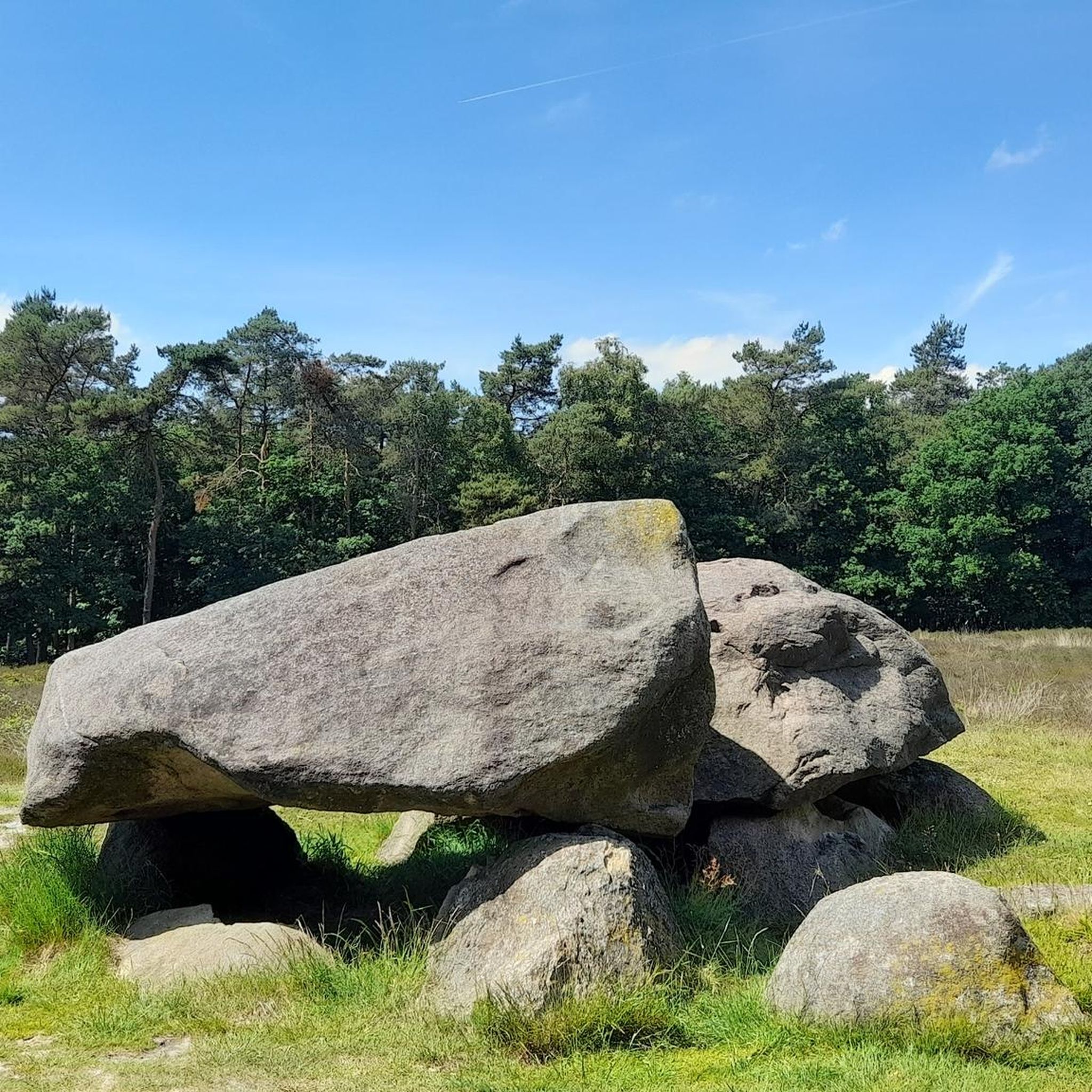
Hikers in Tiger Mountain State Forest can expect diverse terrain, including deciduous, coniferous, and mixed forests. Many trails follow old logging roads, offering a glimpse into the area's history. You'll find varied vegetation, from trilliums in spring to skunk cabbage along creek banks, and even unique features like a large glacial erratic boulder.
Are there any family-friendly hiking options in Tiger Mountain State Forest?
Yes, there are numerous family-friendly trails, with 53 routes classified as easy. These trails often feature gentler grades and shorter distances, making them suitable for hikers of all ages. The varied forest environment provides an engaging experience for children.
Can I bring my dog on the trails in Tiger Mountain State Forest?
Yes, dogs are permitted on the trails in Tiger Mountain State Forest, but they must be kept on a leash at all times. This ensures the safety and enjoyment of all visitors and protects the local wildlife.
What are some notable landmarks or viewpoints I can discover?
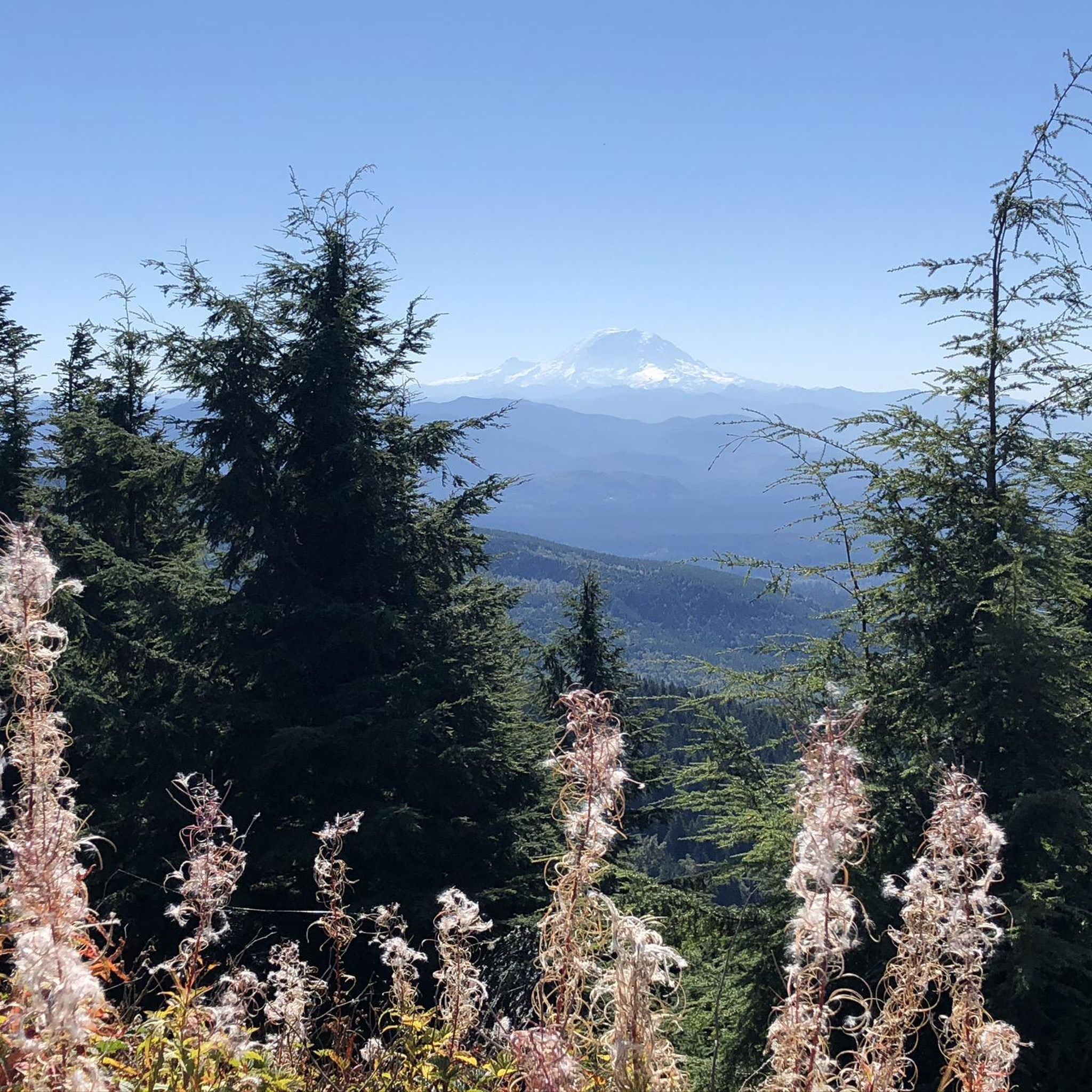
Tiger Mountain State Forest is rich with points of interest. On clear days, you can enjoy panoramic views of Seattle, Mount Rainier, and the Snoqualmie Corridor from various summits. A distinctive landmark is Poo Poo Point Trail, a popular launch site for paragliders. Other unique features include the Radio Shelter and Lookout on Tiger Mountain, and historical remnants like old railroad grades and bridges such as Custer's Bridge.
Are there any loop trails recommended for hiking?
Yes, loop trails are a great way to experience the forest. A popular option is the South Tiger Mountain Loop – Tiger Mountain State Forest, a moderate 6.9-mile path that takes you through dense woodlands with consistent elevation changes. Another is the Holder Ridge Trail loop — Taylor Mountain Forest, an easier 3.5-mile route.
When is the best time of year to hike in Tiger Mountain State Forest?
Tiger Mountain State Forest is accessible year-round due to its lower elevation. However, conditions are generally best from June to September. During early spring, you can enjoy wildflowers like trilliums, while warmer months bring out pink mimulus and salmon berries.
Is a permit or pass required to access the trails?
Yes, a Discover Pass is required for access to Tiger Mountain State Forest. This pass supports the maintenance and operations of state recreation lands. For more information on the Discover Pass, you can visit the official Washington State Department of Natural Resources website: wa.gov.
What do other hikers enjoy most about Tiger Mountain State Forest?
The area is highly rated by the komoot community, with an average score of 4.8 stars from over 200 reviews. Hikers frequently praise the extensive forest trails, the variety of terrain, and the panoramic viewpoints that offer stunning vistas on clear days. The accessibility and well-maintained paths are also often highlighted.
Are there any less crowded trails for a quieter hiking experience?
While some trails, like those leading to popular viewpoints, can be busy, the extensive network of over 140 trails means you can often find quieter paths. Exploring some of the less-trafficked routes or visiting during off-peak hours can provide a more serene experience. Many trails follow old logging roads, offering a sense of solitude.
What kind of views can I expect from the summits?
From various vantage points, especially the summits of West Tiger #1, #2, and #3, you can expect stunning panoramic views. On clear days, these include sweeping vistas of Seattle's skyline, the majestic Mount Rainier, and the picturesque Snoqualmie Corridor. East Tiger Mountain, the highest point, also offers impressive scenery.
Are there any historical features to explore along the trails?
Yes, Tiger Mountain State Forest has a rich logging history. You can explore remnants of century-old logging operations, including old railroad grades from the Woods and Iverson railroad, which once transported timber. Specific points like Custer's Bridge and Murat's Bridge also offer a tangible connection to the region's past.
Most popular routes in Tiger Mountain State Forest
Most popular attractions in Tiger Mountain State Forest

Get inspired with the komoot mobile app


Explore more
Browse the best Hikes in other regions.
