Top 20 Castles around Möckmühl
Castles around Möckmühl are situated in a picturesque town in southern Germany, nestled in the scenic Jagsttal valley. The region features a blend of historical architecture, from high medieval hilltop castles to elegant Rococo palaces. Möckmühl offers a landscape where historical sites are integrated into the natural surroundings, providing a setting for exploration. The area's cultural significance is rooted in its long history and preserved structures.
Best castles around Möckmühl
- The most popular castles is Götzenburg Castle (Jagsthausen), a…
Last updated: November 6, 2026
Möckmühl Old Town
Highlight • Settlement
Translated by Google •
Tip by

View of Götzenburg, Jagsthausen (Old Castle)
Highlight • Castle
Translated by Google •
Tip by

Sign up now to discover places like this
Get recommendations on the best single tracks, peaks, & plenty of other exciting outdoor places.
Helmbundkirche Ruins
Highlight • Historical Site
The …
Translated by Google •
Tip by

Assumstadt Castle
Highlight • Castle
Showing Translation
Tip by

Heuchlingen Castle and Mill
Highlight • Castle
Translated by Google •
Tip by

Sign up for free to discover even more castles around Möckmühl.
Already have an account?
Start today with a free account
Your next adventure awaits.
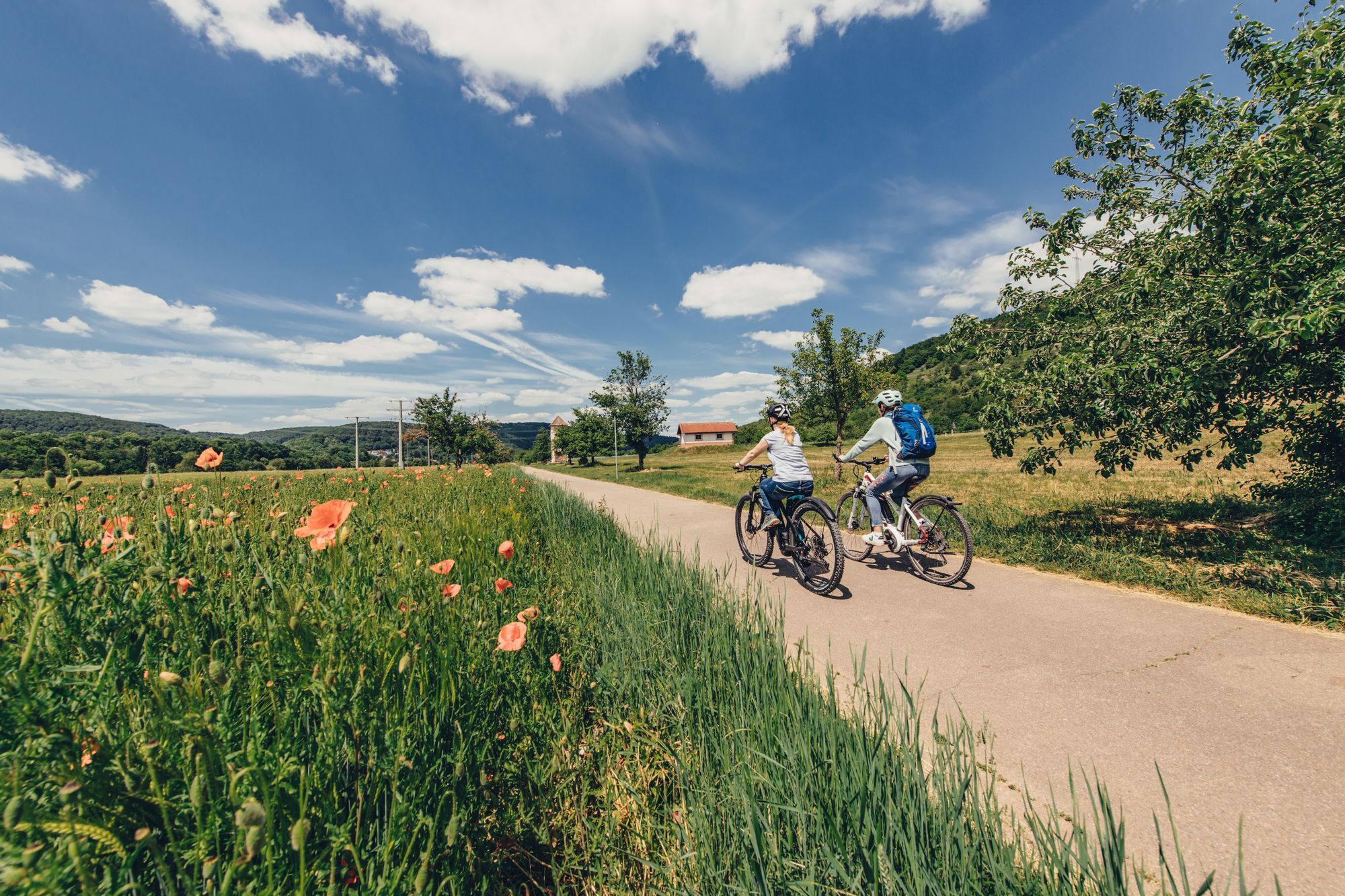
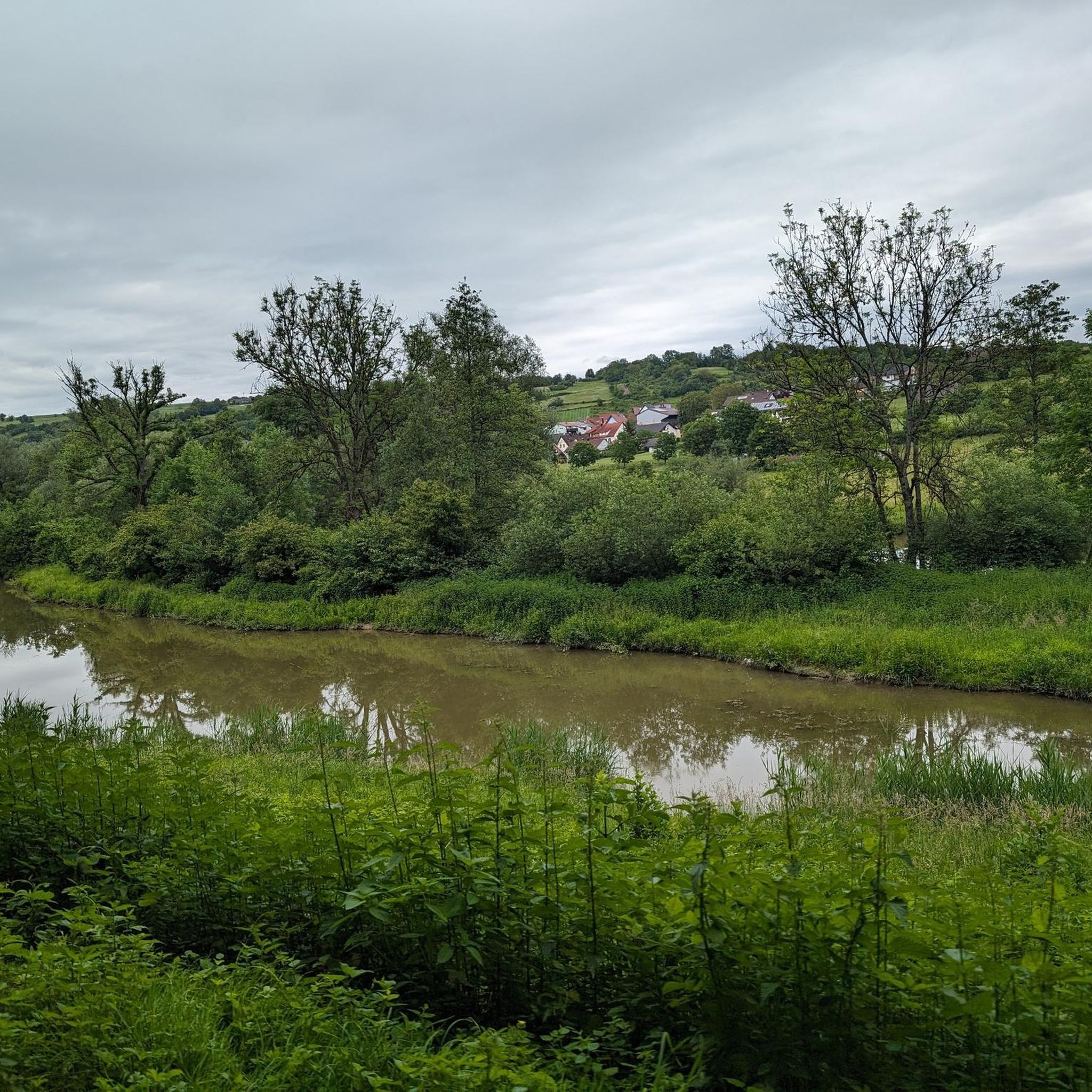
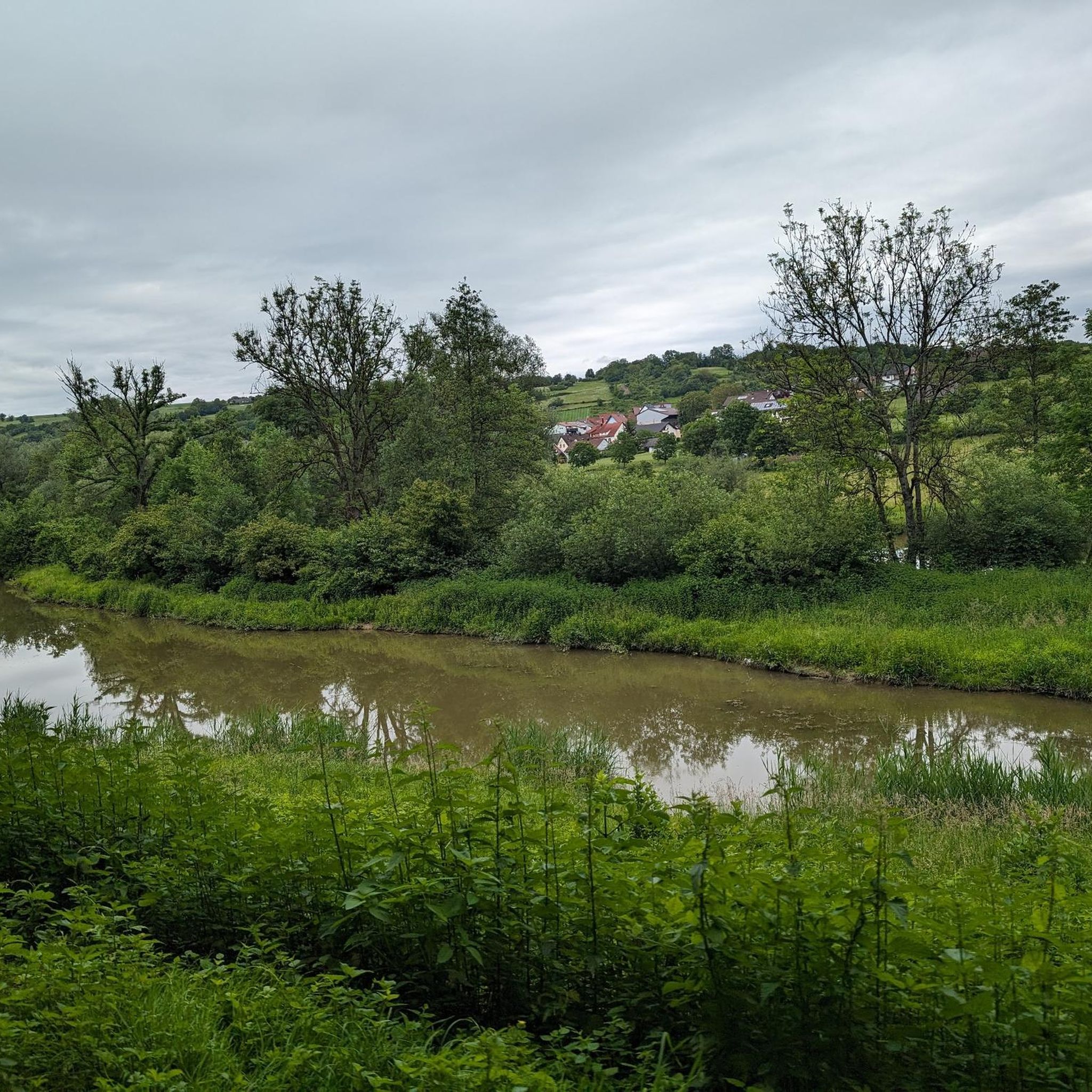
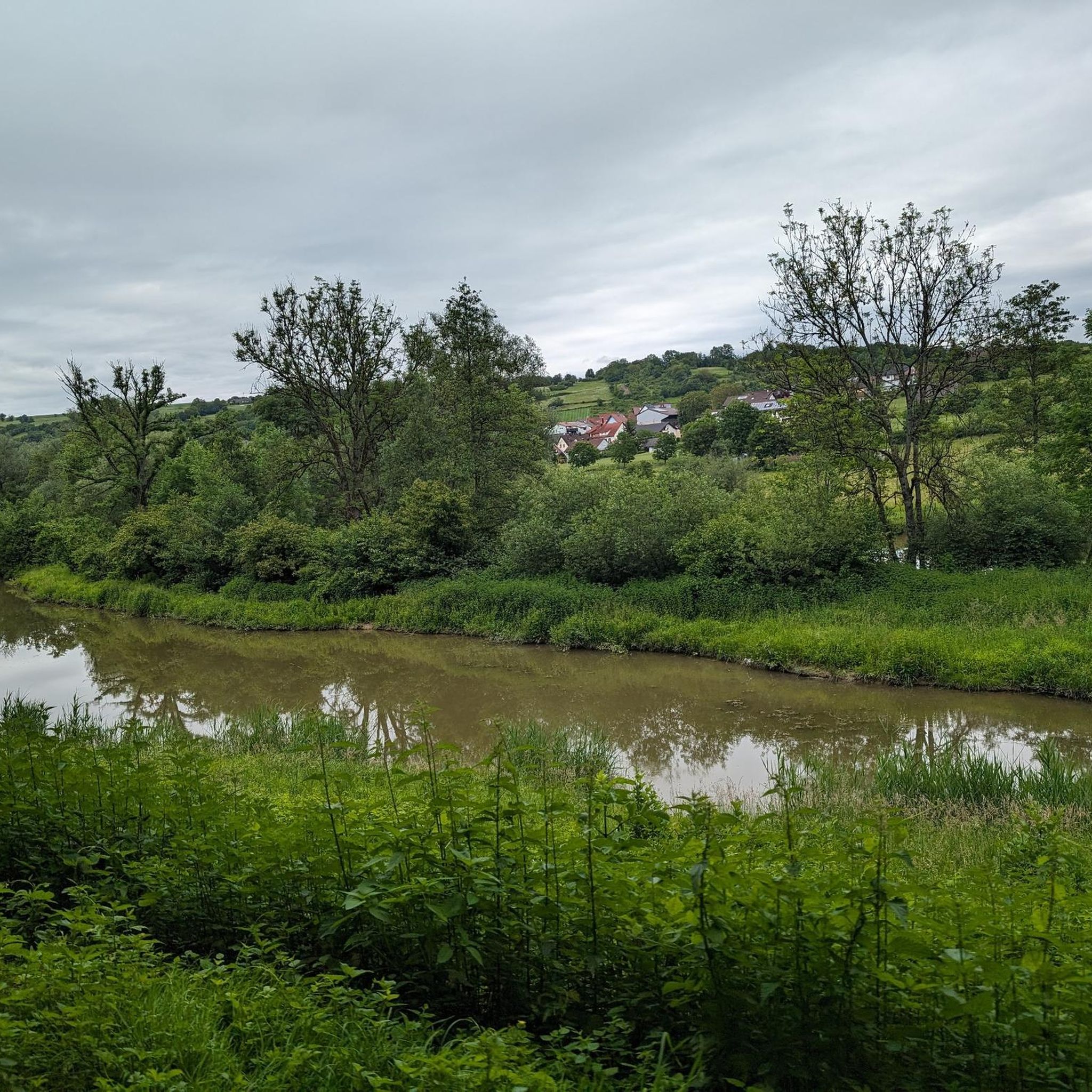
Other adventures around Möckmühl

Tips from the Community

The ruins of Helmbund Church are the last remnant of the vanished settlement of Helmbund near Neuenstadt am Kocher. The church served as the parish church for the new town until 1481, when it became the parish church of St. Nicholas, the former castle chapel, as well as for the nearby village of Cleversulzbach. The surrounding churchyard served as the burial ground for Neuenstadt and Cleversulzbach until 1636, when the church was destroyed in the Thirty Years' War. However, various regional nobles continued to be buried in the church crypt until the 18th century. Memorial services were held there until 1790.
7
0

The castle dates back to the Middle Ages and was expanded into its current form in the 15th century. It is picturesquely situated on the banks of the Jagst River and impresses with its solid stonework and historic flair. Today, it is privately owned but houses, among other things, a hotel and serves as a venue for the Jagsthausen Castle Festival, where Goethe's "Götz von Berlichingen" is performed annually on the open-air stage.
8
0

Magnificent castle complex! Check out the internet for more information; there's not much to see on site, as it's privately owned.
0
0

Great castle, remote and unexpected - definitely worth a look if possible - usually only possible from the outside.
0
0

A castle was probably built in Huchelheim in the 12th century. It was first mentioned in 1222, along with the mill below it. The nobleman Henricus de Huchelheim was named as the lord of the castle. Although the Huchelheim family, who held the castle as a fief of the Imperial Abbey of Ellwangen, did not die out until after 1530, they no longer held any property in Heuchlingen by 1330. As numerous documents show, the Abbey of Ellwangen subsequently granted the castle and its estates in Heuchlingen to various noblemen from the surrounding area, including the Lords of Bieringen, the Grecken of Kochendorf, the Lords of Wittstatt, the Lords of Gosheim, and the Capplers of Oedheim. The castle had become a joint heir's castle. During the City War of 1449/50, part of the castle complex and the mill were devastated and set on fire by citizens of the Free Imperial City of Wimpfen. When the Teutonic Order took over rule in the region in 1484, Heuchlingen also came under their ownership in the following years. At the beginning of the 16th century, the castle became the seat of a sub-office within the Oberamt Gundelsheim, a position it would retain for around 300 years. Heuchlingen Castle was destroyed in the Peasants' War of 1525. In 1530, under the Teutonic and Grand Master Walter von Cronberg, it was rebuilt in the style of a Renaissance palace. In the mid-18th century, extensive renovations took place, giving Heuchlingen Castle its current appearance. In 1806, the first King of Württemberg, Frederick I, acquired Heuchlingen Castle and all its rights. Today, it is the center of an approximately 100-hectare agricultural estate.
1
0

At this point you have to be careful at the end of the cycle path because there is a road right there where the cars are not exactly slow to arrive. Brake - look at the castle and then the cars will also be through 😉
1
0

Well-preserved complex with a four-storey main building (stone house), outbuildings and a high tower that enclose the inner courtyard, as well as outbuildings, a defensive wall, round towers and bastions around the outer courtyard. The whole complex gives a good impression of Renaissance castle architecture.
1
0

The orange house is the entrance to Assumstadt Castle. Unfortunately, visits are not permitted (signs to the left and right of the entrance!).
3
0
Frequently Asked Questions
What historical significance do the castles around Möckmühl hold?
The castles in the Möckmühl region are rich in history. Möckmühl Castle, also known as Götzenburg, is a high medieval hilltop castle with features dating back to before 1250 and is famously linked to the knight Götz von Berlichingen. Schloss Assumstadt, on the other hand, is a Rococo-style palace built in 1769 under Empress Maria Theresia, showcasing 18th-century grandeur. Additionally, Götzenburg Castle (Jagsthausen) was the ancestral seat of Götz von Berlichingen and hosts annual castle festivals.
Can I visit Möckmühl Castle (Götzenburg) itself?
Möckmühl Castle, while historically significant and visually striking from a distance, is currently privately owned and cannot be visited internally. Its imposing presence above the half-timbered village is still a notable landmark.
Which castles around Möckmühl offer public access or events?
Unlike Möckmühl Castle, Schloss Assumstadt serves as an event location, offering opportunities to experience its interiors and grounds, including a Rococo hall and castle park. Götzenburg Castle (Jagsthausen) also houses a castle hotel and restaurant, and is a venue for the Jagsthausen Castle Festival, where plays are performed annually.
Are there family-friendly activities at the castles near Möckmühl?
Yes, several locations offer family-friendly experiences. Götzenburg Castle (Jagsthausen) hosts annual castle festivals with theater performances that can be enjoyable for families. The Möckmühl Old Town itself is a pleasant place for a family stroll, with its half-timbered houses and historical architecture. Many of the castle areas are also suitable for walks.
What outdoor activities can I do near the castles around Möckmühl?
The region around Möckmühl offers various outdoor activities. You can explore road cycling routes, mountain biking trails, and running trails. For example, there are road cycling routes like the 'Schöntal Monastery Pharmacy – Götzenburg Castle (Jagsthausen) loop' and MTB trails such as the 'Möckmühl Castle (Götzenburg) – Schöntal Abbey loop'. You can find more details on these activities in the Road Cycling Routes around Möckmühl, MTB Trails around Möckmühl, and Running Trails around Möckmühl guides.
Are there hiking trails near these castles?
Yes, the scenic Jagsttal valley provides a beautiful backdrop for hiking. While specific castle-connecting hiking trails are not detailed, you can find numerous running and walking trails in the area, such as the 'Möckmühl Old Town – View of the Jagst loop'. These trails often pass by or offer views of historical sites and the natural landscape. Explore more options in the Running Trails around Möckmühl guide.
What is the best time of year to visit the castles around Möckmühl?
The spring and summer months (April to September) are generally ideal for visiting the castles and exploring the surrounding region. The weather is typically pleasant for outdoor activities, and events like the Jagsthausen Castle Festival are held during this time. Autumn also offers beautiful scenery with changing foliage.
Are there places to eat or stay near the castles?
Yes, there are options for dining and accommodation. Götzenburg Castle (Jagsthausen) features an elegant castle hotel and restaurant. In Möckmühl Old Town, you'll find cozy places for a rest and culinary enjoyment, including cafes and restaurants. For example, near the Helmbundkirche Ruins, there's a pizzeria at the TSV sports center, and cafes in the nearby center of Neuenstadt.
Where can I find good viewpoints of the castles or the Jagsttal valley?
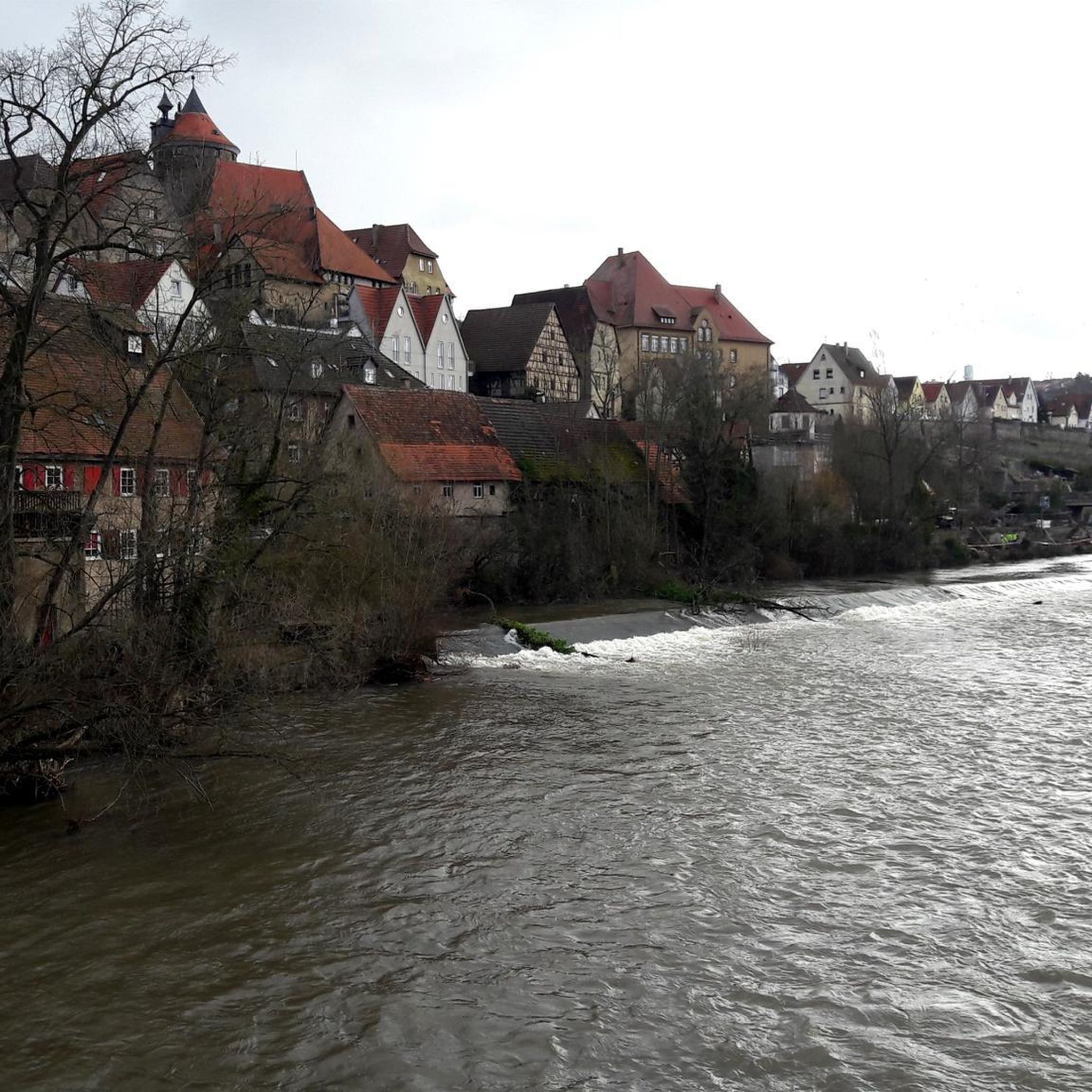
For a picturesque view, the highlight View of Götzenburg, Jagsthausen (Old Castle) offers a great perspective of the castle situated on the banks of the Jagst River. The general area around Möckmühl, particularly the Jagsttal valley, provides many scenic spots to appreciate the historical structures integrated into the natural landscape.
Are there other historical sites besides castles in the Möckmühl area?
Beyond the castles, the region offers other significant historical sites. The Möckmühl Old Town itself is a historical gem with many old half-timbered houses and an impressive city wall. The Helmbundkirche Ruins, dating back to the 12th century, are the remains of a predecessor town and offer a glimpse into the region's past.
Can I bring my dog to the castle areas or nearby trails?
While specific rules for each castle vary, many outdoor areas and trails around Möckmühl are generally dog-friendly. It's always advisable to keep dogs on a leash, especially in historical sites or populated areas, and to check specific regulations for any indoor attractions or private grounds like Schloss Assumstadt or Götzenburg Castle (Jagsthausen) if you plan to enter buildings.
How can I get to the castles around Möckmühl using public transport?
Möckmühl is accessible by train, with a station in the town. From there, local buses or walking may be options to reach specific castles or historical sites. However, public transport connections to all individual castles might be limited, so checking local schedules or considering a car for broader exploration is recommended.
Most popular routes around Möckmühl
Most popular attractions around Möckmühl

Get inspired with the komoot mobile app


Explore more
Looking for the best castles somewhere else? Discover other guides around Möckmühl:
