Attractions and Places To See around Općina Gračišće - Top 5
Best attractions and places to see around Općina Gračišće, a medieval municipality in central Istria, Croatia, offers a blend of historical landmarks and natural beauty. This hilltop town is known for its well-preserved old town and provides panoramic views of the surrounding Istrian landscape. The area features ancient churches, historical palaces, and remnants of medieval fortifications. Visitors can explore a protected landscape with unique geological characteristics and enjoy various hiking trails.
Best attractions and places to see around Općina Gračišće
…Last updated: July 29, 2026
Gracišće Village Center
Highlight • Settlement
Translated by Google •
Tip by

St. Vitus Parish Church, Gračišće
Highlight • Religious Site
Translated by Google •
Tip by

Sign up now to discover places like this
Get recommendations on the best single tracks, peaks, & plenty of other exciting outdoor places.
Sign up for free
Church of the Blessed Virgin Mary on the Square
Highlight • Religious Site
Translated by Google •
Tip by
Gračišće Village Square
Highlight • Historical Site
Translated by Google •
Tip by

Church of St. Stephen
Highlight • Religious Site
Translated by Google •
Tip by

Church of Saint Euphemia
Highlight • Religious Site
Translated by Google •
Tip by
View of Vojak and the Valley
Highlight (Segment) • Viewpoint
Translated by Google •
Tip by

Start today with a free account
Your next adventure awaits.
Login or Signup

Tips from the Community

Below the parish church plateau is the Church of St. Euphemia, built in 1383. Originally a Romanesque-Gothic church, it was rebuilt in 1846, undergoing significant renovations. Today, it preserves the monumental 13th-century crucifix and the restored altar of the Virgin from the Church of St. Mary on the Square. Pod Fumiju Street, the Craftsmen's Street, extends south of the church and has retained its original appearance to this day. A particularly interesting detail on the lintel of the blacksmith's house is a carved hammer, symbol of his trade, and the year 1451. Near this church, buildings dating back to the 16th century still stand, making this corner of Gallignana truly charming.
0
0
The town's origins date back to antiquity, when the area was inhabited by the Histri people and later included in the territories administered by Rome. The first written mention of Gračišće appears in 1102, when it was already a significant fortified center. In the Middle Ages, the village passed through various lords: from the Patriarchate of Aquileia to the Counts of Gorizia, until it became part of the Habsburg dominions. The 16th century marked a decisive change: with the wars between Venice and Austria, Gračišće came under the Republic of Venice (1508), which maintained a captain and consolidated its administrative and cultural role. Much of the architecture that characterizes the historic center today dates back to this period: Gothic and Renaissance palaces, the Venetian loggia, and Romanesque and Baroque churches. After the fall of Venice (1797), the village followed the fate of Istria: Austrian rule, a Napoleonic interlude, and a return to the Habsburg Empire until the First World War. With the Treaty of Rapallo (1920), it became part of the Kingdom of Italy, taking the official name of Gallignana. After the Second World War, it passed to Yugoslavia and finally, since 1991, it has belonged to independent Croatia.
0
0
The town's origins date back to antiquity, when the area was inhabited by the Histri people and later included in the territories administered by Rome. The first written mention of Gračišće appears in 1102, when it was already a significant fortified center. In the Middle Ages, the village passed through various lords: from the Patriarchate of Aquileia to the Counts of Gorizia, until it became part of the Habsburg dominions. The 16th century marked a decisive change: with the wars between Venice and Austria, Gračišće came under the Republic of Venice (1508), which maintained a captain and consolidated its administrative and cultural role. Much of the architecture that characterizes the historic center today dates back to this period: Gothic and Renaissance palaces, the Venetian loggia, and Romanesque and Baroque churches. After the fall of Venice (1797), the village followed the fate of Istria: Austrian rule, a Napoleonic interlude, and a return to the Habsburg Empire until the First World War. With the Treaty of Rapallo (1920), it became part of the Kingdom of Italy, taking the official name of Gallignana. After the Second World War, it passed to Yugoslavia and finally, since 1991, it has belonged to independent Croatia.
0
0

Nice story of the ancient cults and beleiving
1
0
Interessting mixure of pagan nad christian religion....
0
0

At its peak in the Middle Ages, Gračišće had 8 churches. This is the St. Vitus Parish Church. Unfortunately it was closed when we visited.
3
0
The Church of the Blessed Virgin Mary on the Square from 1425 is located not far from the western city gate. Around 1400 Gracisce was in its heyday and therefore the nobleman Peter Baracic provided funds so that the master Dento could build the church. There are stories about the nails hammered into the outer wall. One of them tells that women who had not yet given birth to a child took it in the hope of having children. Source: https://www.kroati.de/kroatien-istrien/gracisce.html
9
0

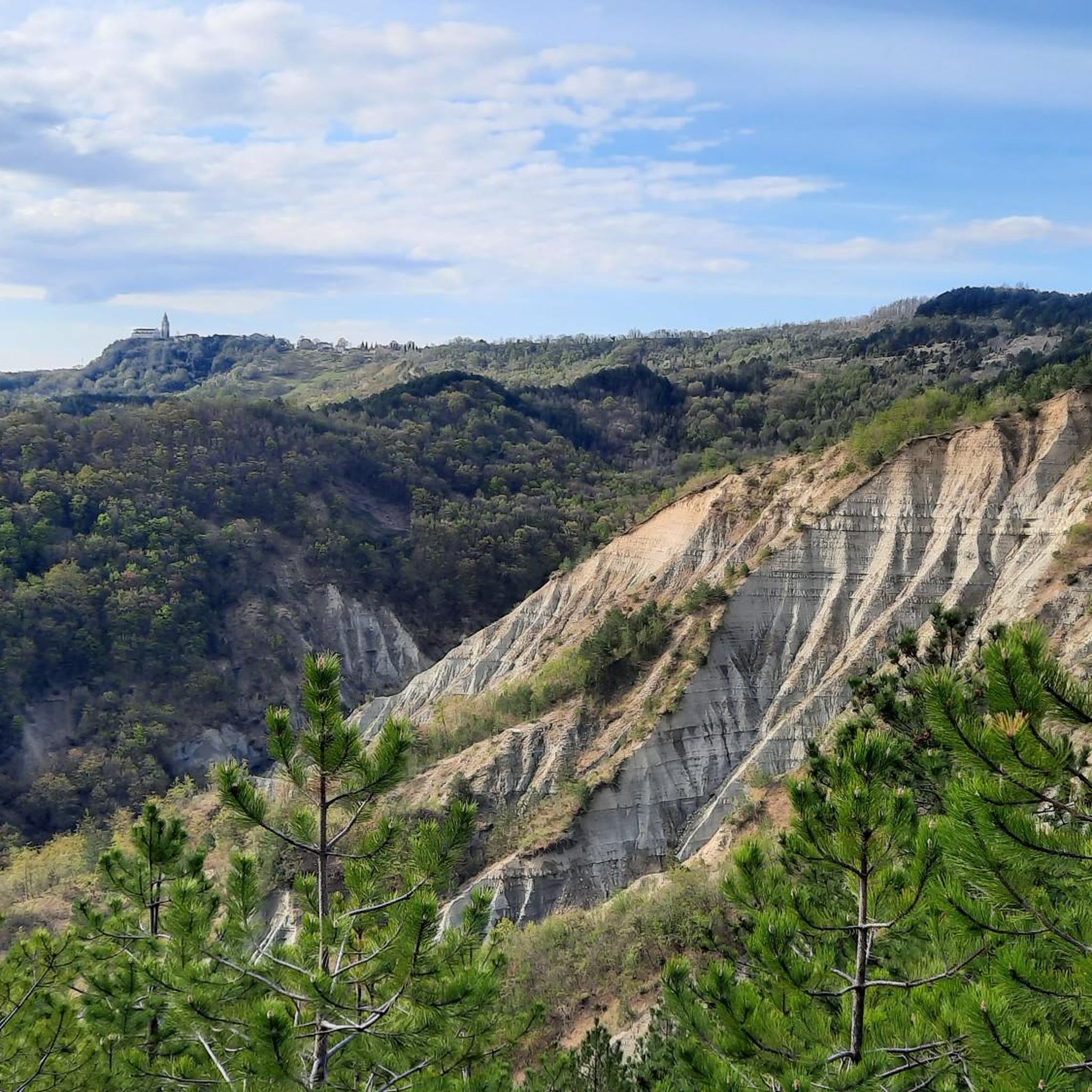
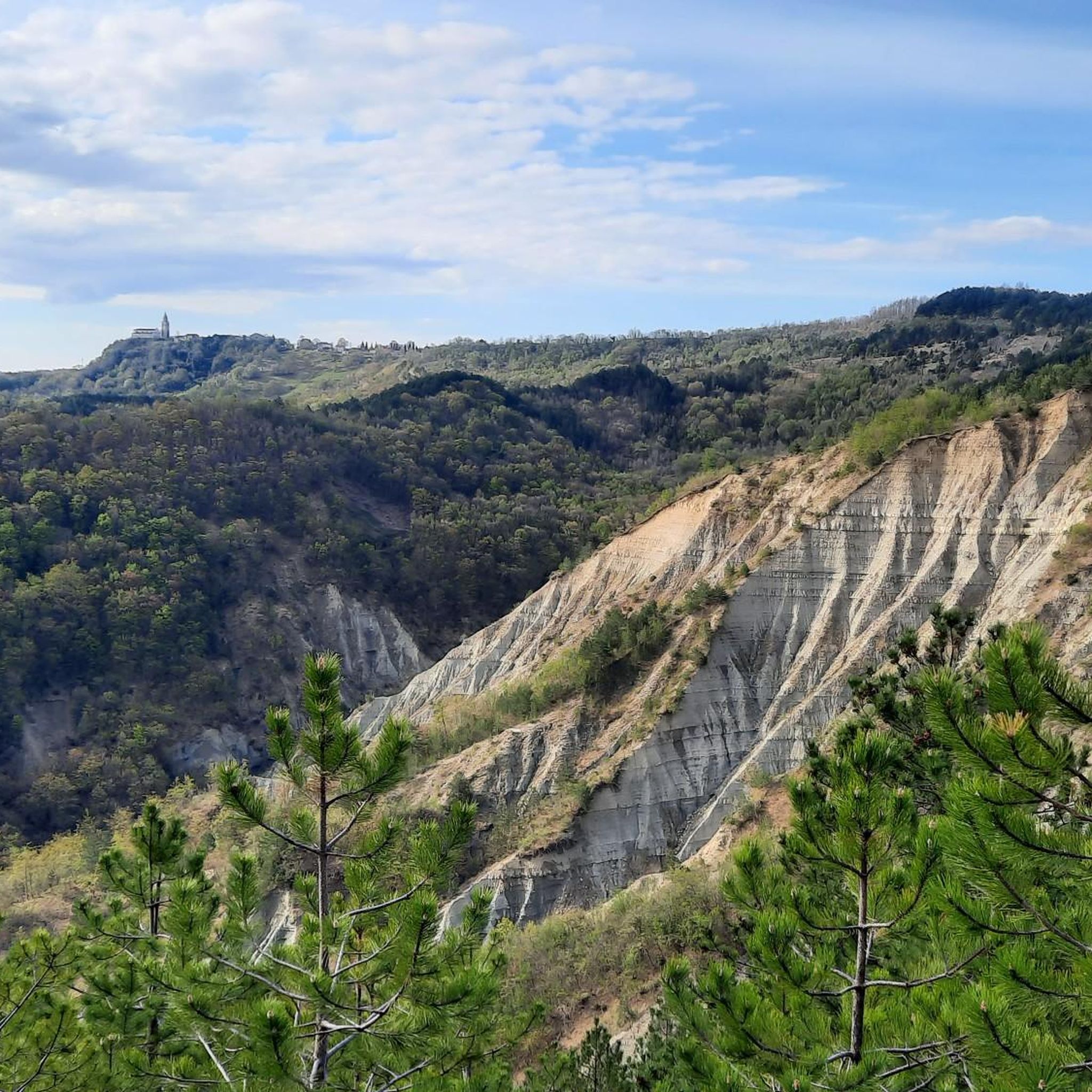
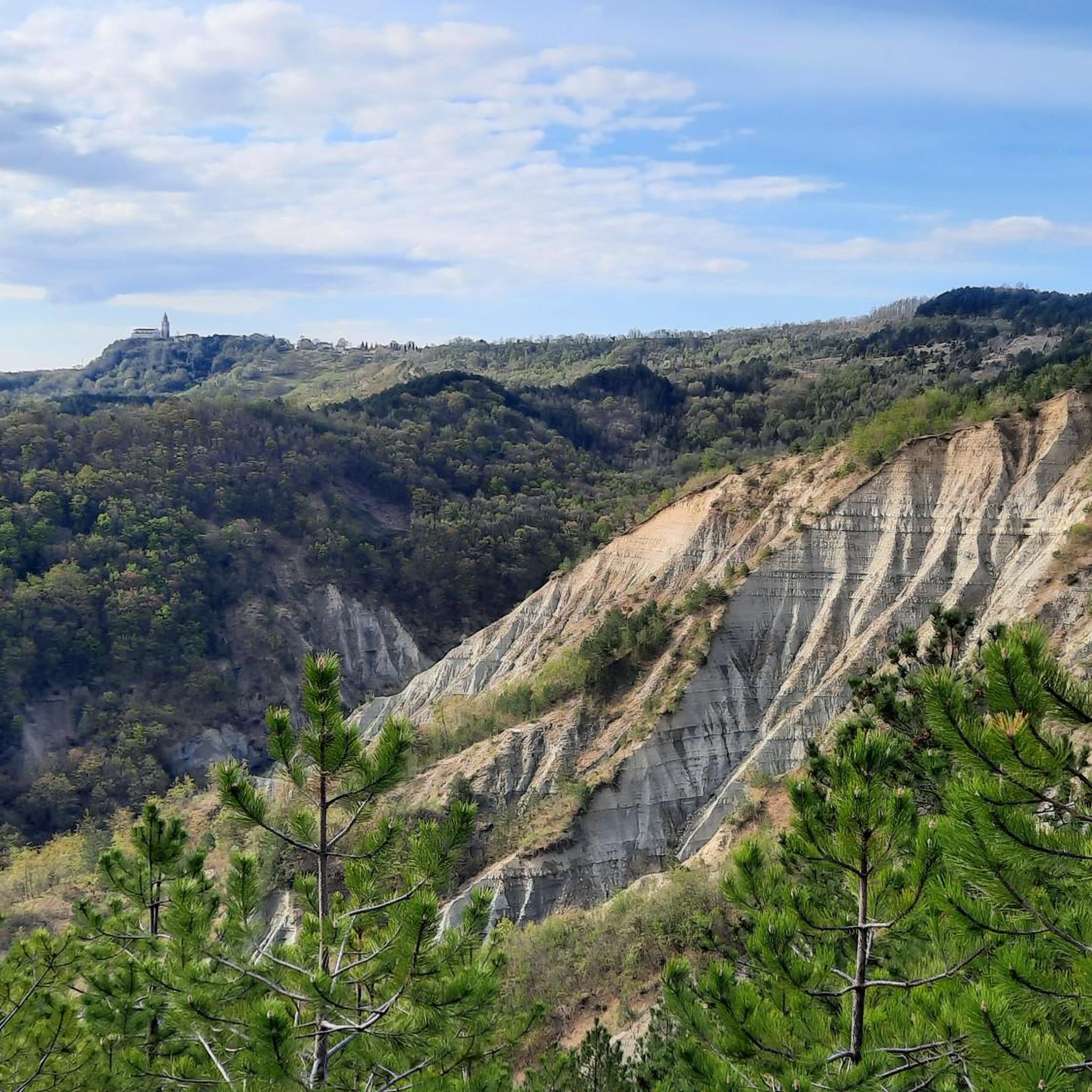
Beautiful narrow, hardly used but well paved road with a fantastic view of the valley and up to the Vojak. Steep piece with up to 14%. Drive downhill slowly and enjoy!!
0
0
Frequently Asked Questions
What historical landmarks can I explore in Gračišće?
Gračišće is rich in history, with its entire village under monumental protection. You can explore the well-preserved medieval urban structure, including the Gracišće Village Center, which features Gothic and Renaissance palaces, and remnants of fortifications. Don't miss the Church of the Blessed Virgin Mary on the Square, built in 1425, or the Gothic Chapel of St. Anthony of Padua, dating back to 1381.
Where can I find the best panoramic views in Općina Gračišće?
For spectacular panoramic views of Istria, including the Učka mountain range, Julian Alps, and Dolomites, head to the viewpoint behind the St. Vitus Parish Church, Gračišće. Another notable spot is the View of Vojak and the Valley, offering expansive vistas of the surrounding landscape.
Are there any unique natural features or protected areas to visit?
Yes, between Gračišće and Pićan, there is a 1475-hectare protected landscape. This area is known for its unusual geological characteristics, featuring brook valleys formed in marl and hills from harder limestone, resulting from erosion. You can also explore Perunčevac Hill, named after the supreme Slavic deity, which offers insights into the area's ancient heritage.
Are there family-friendly attractions in Općina Gračišće?
Many attractions in Općina Gračišće are suitable for families. The Gračišće Historic Village Center is a charming place to wander through its alleys and explore its medieval architecture. The St. Vitus Parish Church, Gračišće, with its impressive bell tower and surrounding views, is also considered family-friendly.
When is the best time to visit Općina Gračišće for outdoor activities?
The spring and autumn months are generally ideal for outdoor activities in Općina Gračišće. The weather is milder, making it perfect for hiking and exploring the historical sites without the intense heat of summer. The landscape is also particularly beautiful during these seasons.
What hiking trails are available around Općina Gračišće?
Općina Gračišće offers several hiking opportunities. There's an 11.5 km circular hiking trail starting from the village, and the 9 km long Trail of St. Simeon, a route of medium difficulty taking approximately 3.5 hours, also begins and ends in Gračišće. For more options, you can explore various routes listed in the waterfall hikes guide or the easy hikes guide for the region.
Are there any waterfalls near Općina Gračišće that I can visit?
While not directly within Gračišće, several beautiful waterfalls are accessible nearby. The Sopot Waterfall near Floričići and the Zarečki Krov waterfall are popular choices for hikers. These are part of the Pazinčica River system, which features a significant karst gorge. You can find routes to these in the waterfall hikes guide.
What cultural sites, beyond churches, can I visit in Gračišće?
Beyond its numerous churches, Gračišće boasts the Salamon Palace, a remarkable 15th-century Venetian-Gothic palace. It stands as the only example of a Gothic residence in this part of Istria and is considered the most beautiful Late Gothic profane building in central Istria. You can also see remnants of medieval fortifications, including a Romanesque town gate and a round Renaissance tower.
What do visitors enjoy most about Općina Gračišće?
Visitors particularly appreciate the well-preserved medieval charm of the Gračišće Historic Village Center, noting its Mediterranean flair and peaceful atmosphere away from tourist crowds. The stunning panoramic views from locations like the St. Vitus Parish Church, Gračišće, are also highly praised, offering expansive vistas over the area.
Are there opportunities for mountain biking around Općina Gračišće?
Yes, the region around Općina Gračišće offers several mountain biking trails. You can find routes like the 'Zarečki Krov Waterfall – View of Pazinčica Gorge loop' or the 'Pazin Castle – Pazin Waterfall loop'. For a comprehensive list of routes, check out the MTB Trails around Općina Gračišće guide.
Can I find local products or wineries in Gračišće?
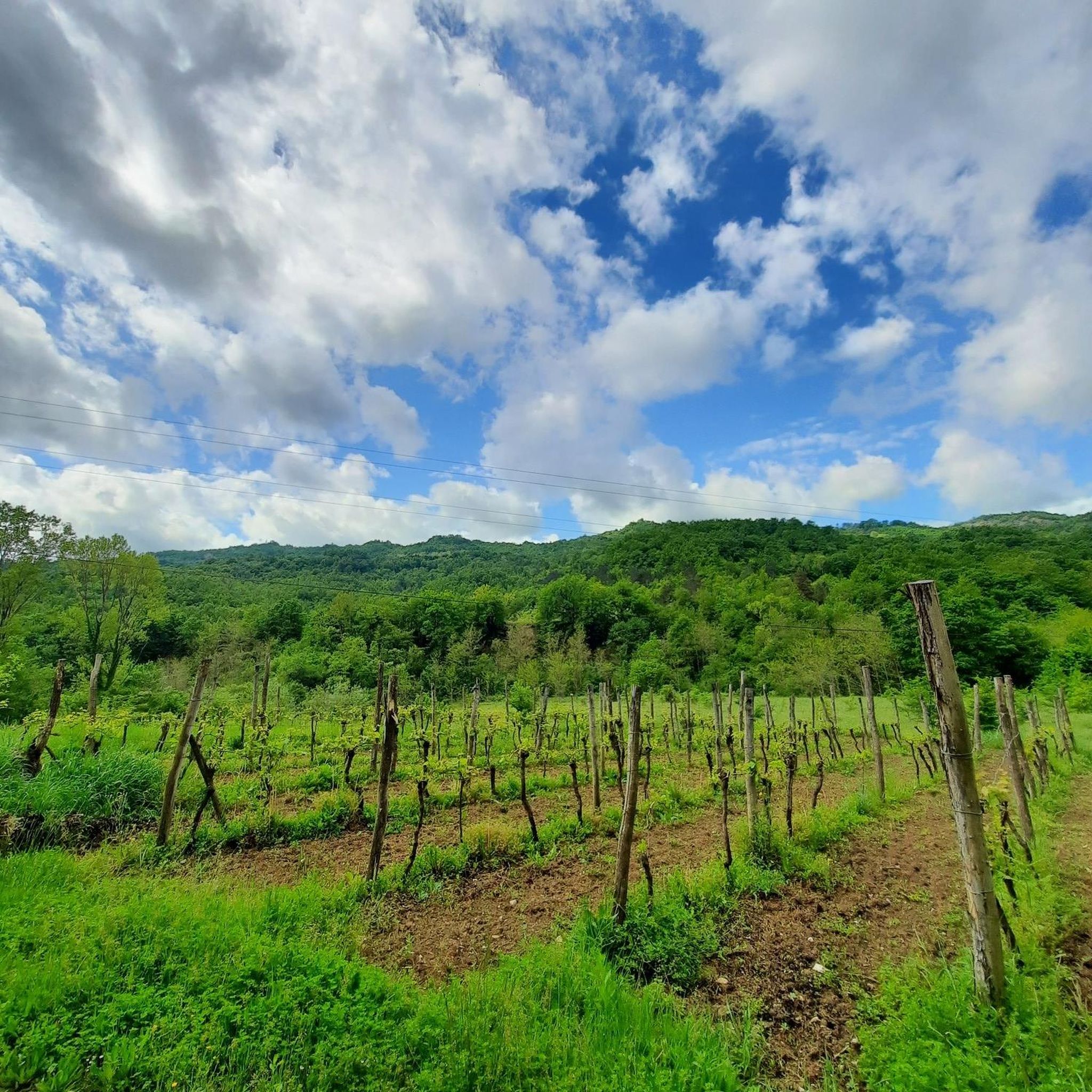
Gračišće is known for its excellent wines, with several local wineries in the area. The municipality also hosts the 'Central Istria Wine Festival'. Agritourism is developing, offering opportunities to experience traditional Istrian products and hospitality.
What is the significance of the Church of St. Stephen?
The Church of St. Stephen is a historical religious building located on a mountain, surrounded by a cemetery. Visitors find the landscaped graves impressive, with many loving family graves, some dating back to the 19th century, making it a poignant historical site.
Most popular routes around Općina Gračišće

Get inspired with the komoot mobile app


Explore more
Still not found the Highlight you’re looking for? See guides of the top attractions in other regions:
