Routes

Planner

Features

Updates

App

Login or Signup

Get the App

Login or Signup

Login or Signup

Routes
Places to see
Croatia
Krapina-Zagorje

Općina Gornja Stubica

Attractions and Places To See around Općina Gornja Stubica - Top 20

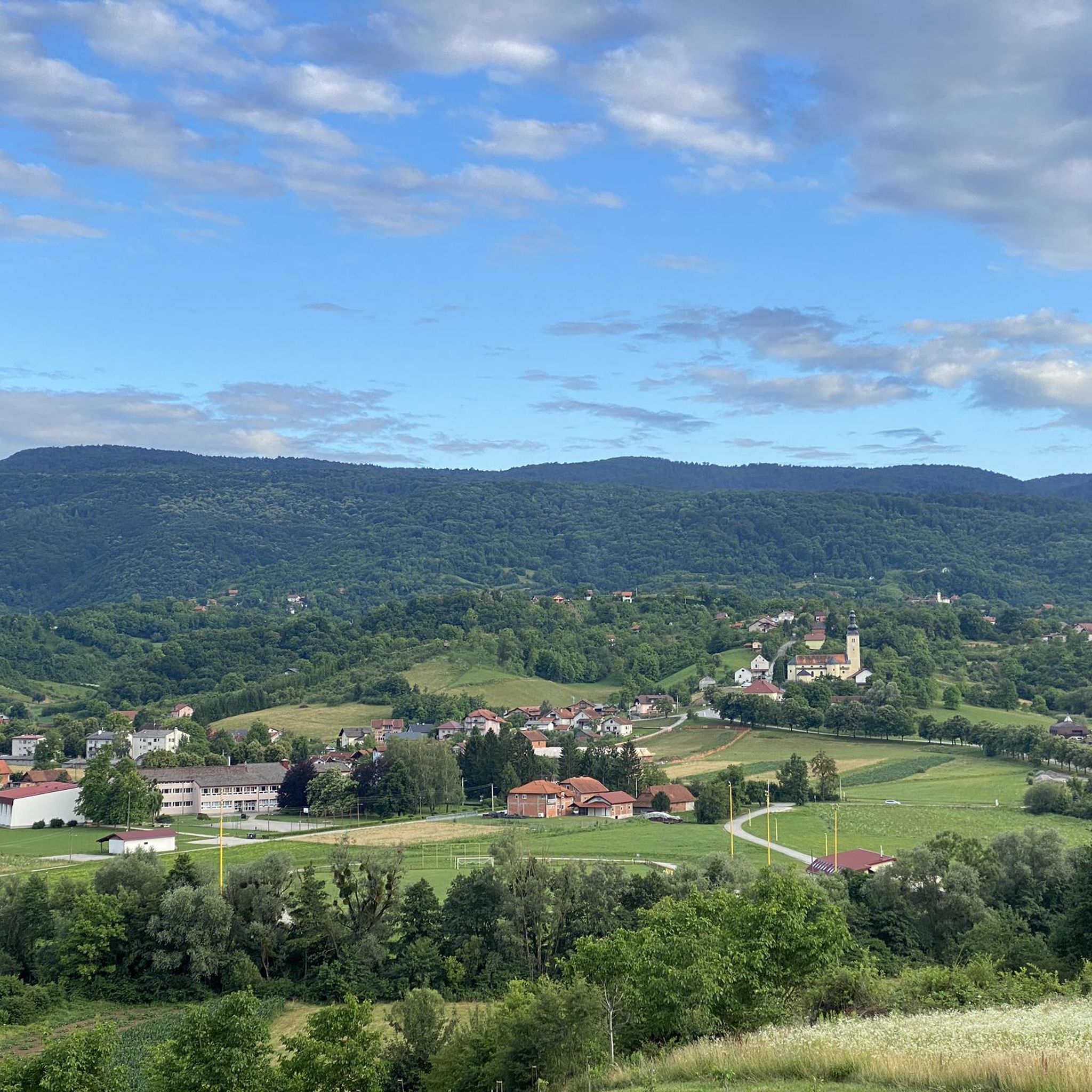
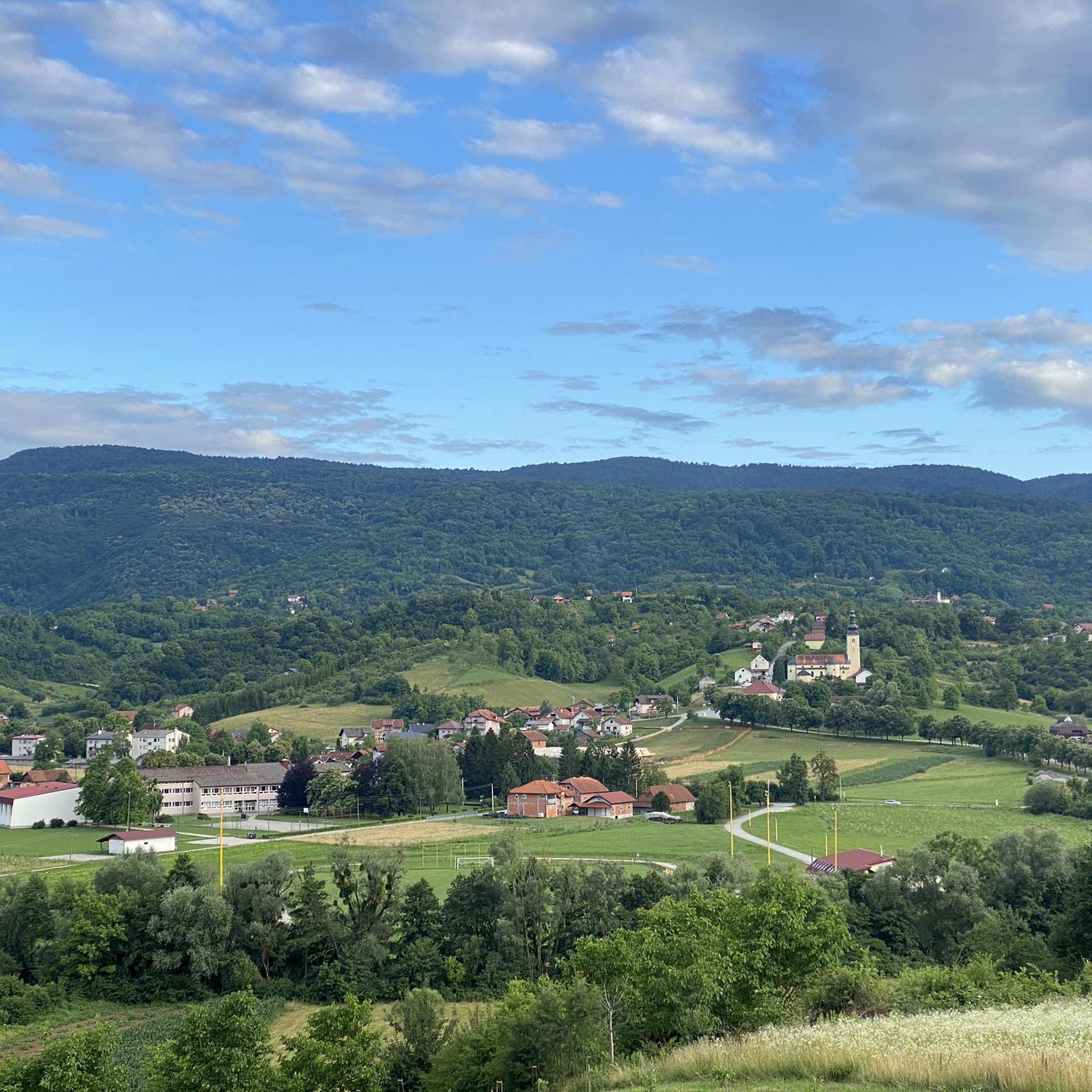
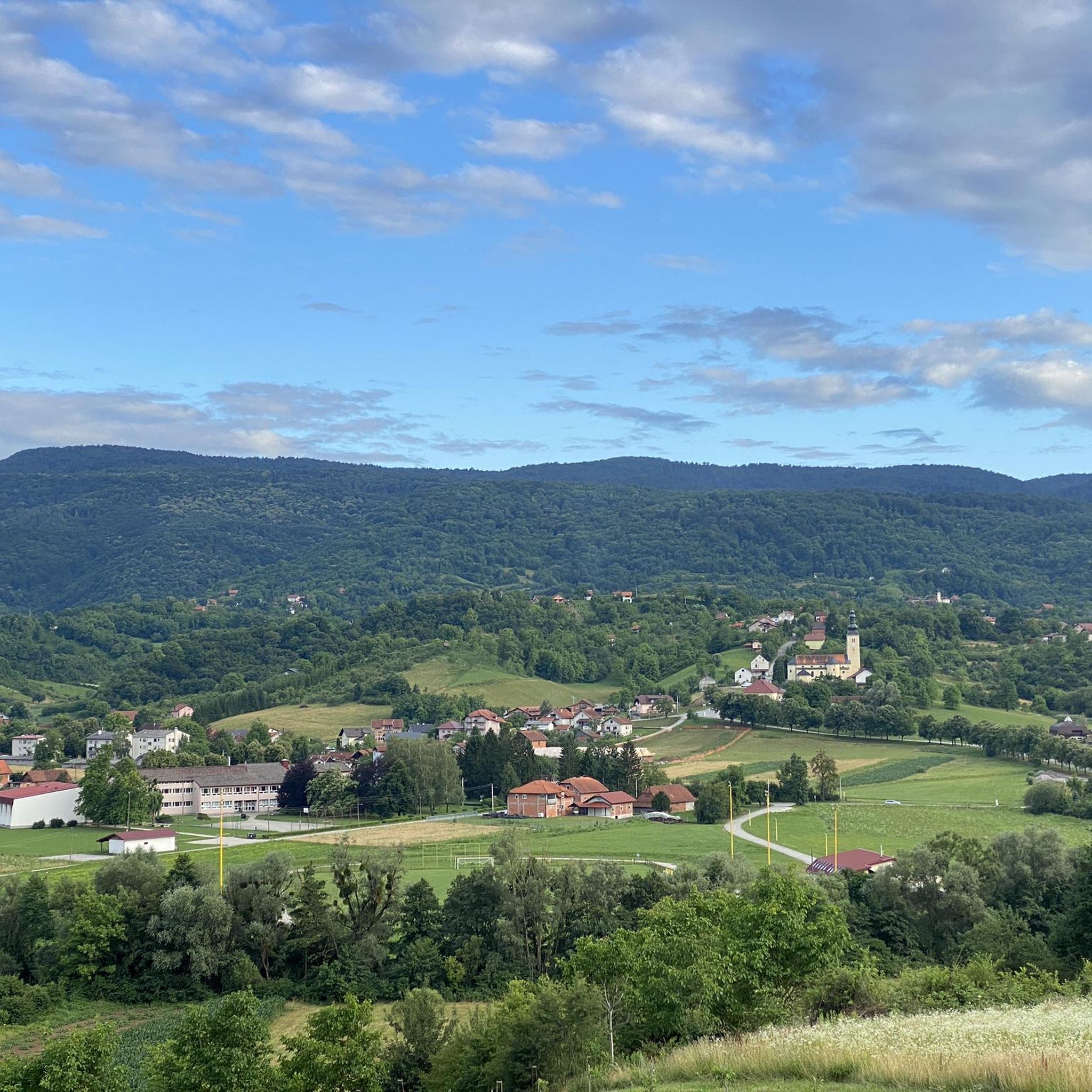
Best attractions and places to see around Općina Gornja Stubica include historical, cultural, and natural sites. Located on the northern slopes of Medvednica in Krapinsko-zagorska County, this region is known for its connection to the Peasant Revolt of 1573 and the legacy of Matija Gubec. Visitors can explore a blend of significant landmarks and natural features, offering insights into local history and landscapes. The area also features sites dedicated to Rudolf Perešin, a Croatian pilot.

Best attractions and places to see around Općina Gornja Stubica

  • The most popular attractions is Gubec Linden (Gupčeva Lipa), a natural monument that is more than 400 years old and considered the only living witness of the Peasant Revolt from 1573. It is a protected natural and cultural monument.
  • Another must-see spot is Parish Church of St. George (Gornja Stubica), a religious building first mentioned in 1209 and modified over centuries to its current baroque appearance. The church's surroundings include a landscaped park with a monument to "Hrvatskoj majci domovini".
  • Visitors also love Oršić Castle and Museum of the Peasants' Revolt, a baroque castle built in 1756 on the site of an older medieval fortress. It now houses the Museum of the Peasants' Revolt, offering insights into the historical uprising.
  • Općina Gornja Stubica is known for its historical sites, cultural landmarks, and natural features. The region offers a variety of attractions to see and explore, from ancient trees to museums and memorial parks.
  • The attractions around Općina Gornja Stubica are appreciated by the komoot community, with 12 upvotes and 49 photos shared across various highlights.

Last updated: May 20, 2026

Gubec Linden (Gupčeva Lipa)

Highlight • Natural Monument

Next to the church of Sv. Juraj in Gornja Stubica is more than 400 years old Gupčeva lipa, the only living witness of the Peasant Revolt from 1573. Today, the linden tree has a height of 9 m and a trunk circumference of 4.70 m, and with its age and dimensions it is a natural rarity.

Since 1957 the linden tree was declared a natural monument and placed under state protection and is a protected cultural monument.

Gupčeva lipa is an ancient living witness of the Great Peasant Revolt that took place in 1573. Under its canopy, according to folklore, Matija Gubec gathered his like-minded people and led them from this place into the fight for justice. Due to its age and historical significance, the linden tree was declared a protected natural monument in 1957. How valuable this linden is to our people is also proved by the fact that Gupčeva lipa seedlings were grown in the Croatian Forestry Institute Jastrebarsko by vegetative means.

In order to preserve the gene pool of Gupčeva lipa, in 2011. the Living Archive of Gupčeva lipa was founded.

Translated by Google •

Tip by

See hikes here

Send to Phone

Save

Parish of St. Juraj, Gornja Stubica, is first mentioned in preserved documents in 1334. while the church is mentioned as early as 1209. and 1340, and the oldest description of the church dates from 1622

The church is dedicated to St. George the Martyr, who is one of the most popular patron saints in Krapina-Zagorje County and about whom there are many legends on the basis of which in the folk belief of St. Juraj became a protector for many areas of life and in all life dangers. He is also the protector of land, crops, greenery, cattle of shepherds, farmers, crusaders, soldiers.

The interior of the church is equipped with three baroque altars and a pulpit. The main altar, dedicated to St. George, was placed in the church in 1740. and is the work of an unknown master. Baroque side altars are dedicated to St. Florian and St. Antun Padovanski, but later it was dedicated to the Sorrowful Mary. Both altars are similar in construction and were built in the middle of the 18th century.

Throughout its long history, the church has been rebuilt and rebuilt several times, and it was damaged in two earthquakes. In 1936-1937, it underwent so many additions that it can be said that it was rebuilt. The church has been restored in the style of early Christian basilicas. The church is artistically painted by ac. to the painter, professor Vlado Pavlek from Zagreb, all altars and wooden statues, the pulpit, the organ cabinet were restored. A computer organ was procured, and the old ones from 1806 were completely renovated and supplemented.

In 2001, two new bells, larger than 1500 kg, were purchased in Innsbruck, dedicated to Bl. Alojzije Stepinac, and was erected to commemorate the passage through this parish of St. Father John Paul II, October 3, 1998. The smaller bell weighs 270 kg and is dedicated to the Sacred Heart of Jesus. The church now has 5 electrified bells, of which it is worth mentioning the old bell from 1713 weighing about 900 kg.

Next to the church of St. Juraj is Gupčeva lipa, more than 500 years old, which is the only living witness of the Great Peasant Revolt from 1573.

Rev. Nikola Jurković, parish manager

Text and pictures downloaded from zupa-svetogjurja.hr

Translated by Google •

Tip by

Save

Sign up now to discover places like this

Get recommendations on the best single tracks, peaks, & plenty of other exciting outdoor places.

Sign up for free

Dišeća Starina Ethno Village

Highlight • Historical Site

Park your car at Gupčeva lipa and head towards the mountain.

Translated by Google •

Tip by

Save

Rudolf Perešin Memorial Park

Highlight • Monument

Rudolf Perešin is a hero of the Homeland War. He was born on March 25, 1958. in Jakšinec in Gornja Stubica. He distinguished himself at the beginning of the war with the historic flight of the MIG 21 of the then JNA, on October 25, 1991, to Klagenfurt, Austria. On that occasion, he said the famous sentence: "I am a Croat, I cannot and will not shoot at my people" - thus arousing the interest and sympathy of the world public for the suffering of the Croatian people. Upon his return to the country, he was placed at the disposal of the HV and the Air Force, of which he became commander, so that his aircraft could be hit on 2 May 1995 in Operation Flash. After two and a half years of speculation about his fate, the Serbian side extradited his remains on August 4, 1997. He was buried at Mirogoj in Zagreb in the Alley of Croatian Veterans.

June 24, 2004 in Gornja Stubica, the Memorial Park "Rudolf Perešin" was opened, which houses a pilot statue and a preserved MIG-21 that came from the overhaul institute in Velika Gorica.

In honor of Rudolf Perešin, "Meetings for Rudi" is held every year, an event that has long outgrown the local character and become a significant social and cultural event throughout northwestern Croatia, as well as the largest and most visited flying event in Croatia.

Retrieved from: gupcev-kraj.hr/hr/atrakcije/spomen-park-rudolfu-peresinu,283.html

Translated by Google •

Tip by

Save

Oršić Castle in Gornja Stubica is a baroque castle built in 1756 by Count Krsto Oršić (1718-1782), a member of the Oršić noble family, on the site of an older medieval fortress. The new castle no longer had any defensive function, but was used exclusively for housing.

The ground plan of the castle is in the shape of the letter L, and the third wing used to continue to the older fort (castle). The wings of the castle are open on the courtyard side by arcades that follow the corridor, and the outer facades are simple, enlivened by rhythmic windows, with a bit of angular rusticity.

In the 19th century, after a great earthquake, a classicist porch with a tympanum and Doric columns was added to the castle. The most preserved chapel in the castle is with illusionist frescoes, an allegorical depiction of four continents and a painted baroque altar with scenes from the life of St. Francis Xavier, which belong to the very top of baroque painting and are attributed to the famous master Anton Lerchinger.

Oršić Castle was a feudal residence until 1924, when the last Oršićs left it. For some time, part of the castle premises served as an elementary school, and it was also used by the local peasant cooperative. In the late sixties and early seventies of the 20th century, the castle was completely renovated and the Museum of Peasant Revolts was located in its premises. The immediate vicinity of the castle is shaped as a ground floor decorative garden. In the 1960s, the wider surrounding area was arranged as a landscape park with domestic and exotic plant species, which also houses a monument to the Peasant Revolt and Matija Gubac, the work of sculptor Antun Augustinčić.

gupcev-kraj.hr/hr/kultura/dvorac-orsi,170.html

Translated by Google •

Tip by

Save

Gupčeva Hiža in Hižakovec

Highlight • Historical Site

GUPČEVA HIŽA - HIŽAKOVEC

On the land called Bekovo, next to Bekovo mlaka, Gupčeva hiža was built, which testifies to the difficult but glorious past and tradition of the Stubica region. She wants to show this proud, humble, tormented, but also joyful spirit of the history of our ancestors in her playful littleness, which does not lack harmony and fullness. Its appearance, size, furniture and the material with which it was built speak of the past times of our ancestors that we are proud of and thank.

BATTLE AT STUBICA

The event takes place over two weekends in February, following events related to Gupč's shooting of peasants and staging of the final battle (cannons, rifles, legendary weapons of peasants, archers, aristocratic and peasant army) with the participation of over 100 extras and 150 members of partner associations. In the center of Stubica, a fair with local products and interactive workshops are held, which attract attention and encourage the participation of both parents and children, who come dressed as puntars or landowners wanting to be part of the event.

Retrieved from: gupcev-kraj.hr/hr/atrakcije/ku-a-matije-gupca,169.html

Translated by Google •

Tip by

Save

Stubički Golubovec Castle

Highlight • Castle

Definitely worth seeing!

Translated by Google •

Tip by

Save

Lojzekova Hiža

Highlight • Restaurant

Just thirty kilometers from Zagreb, among the beautiful green shores, in the quiet and idyllic nebula of the gentle Zagorje landscape lies the "Lojzekova Hiža".

Located in the green idyll between Marija Bistrica and Gornja Stubica, you will easily get to "Lojzek's Haven". We are also close to the shrine "Mother of God of Bistrica", the museum of Seljačke bune, Oršić castle and other sights. We fulfill all your wishes, organize various events and celebrations, we offer homemade Zagorje food and top quality wines that you can taste in our wine cellar. You can choose accommodation in luxuriously decorated rooms, while some of the additional facilities include a visit to domestic animals, organizing various excursions, a children's playground and a football and volleyball court.

Come and for a moment replace your life with more relaxed, and replace urban and modern with rural. Relax with your health, rest in the greenery of our Zagorje hills.

Superior quality and long tradition builds our rich offer:

    Viticulture-Voćarstvo-Hospitality-Tourism
    Production, tasting and sales of wine
    Production, tasting and sales of brandy
    Congress hall for up to 50 people with all necessary accompanying amenities
    The restaurant has about 150 people, working every day from 10:00 to 22:00
    Accommodation in top-decorated rooms

Translated by Google •

Tip by

Save

Burnjak Dam and Retention Basin

Highlight • Monument

It would be nice to come for heavy rains when retention is full.

Translated by Google •

Tip by

Save

Chapel of St. Anthony of Padua

Highlight • Religious Site

The church dominates Stubica. It's worth a little effort and climbing.

Translated by Google •

Tip by

Save

Sign up for free to discover even more attractions around Općina Gornja Stubica.

Sign up for free

Already have an account?

Start today with a free account

Your next adventure awaits.
Login or Signup

Popular around Općina Gornja Stubica

Road Cycling Routes around Općina Gornja Stubica

Hiking around Općina Gornja Stubica

Cycling around Općina Gornja Stubica

Running Trails around Općina Gornja Stubica

MTB Trails around Općina Gornja Stubica

Tips from the Community

Ivica Kurtović
November 12, 2024, Stubički Golubovec Castle

Golubovec Castle in Donja Stubica is one of the most valuable Croatian castles of the late Baroque period. It has a high architectural, historical and ambient value, which is why it was declared a cultural and natural asset of national importance. The castle was built around 1800 by Regina pl. Domjanić, married Countess Drašković, but as early as 1804, her heirs sold it to Bishop Maksimilijan Vrhovac, who restored the castle. Vrhovac also buys the estate Donji Golubovec, a manor house with smaller farm buildings, which is located near the castle. He expanded the property with outbuildings and turned it into the main building of Golubovec Castle. After his death and the change of owner, the castle stagnated, until it was owned by Baron Levin Rauch, who renovated and improved it.

0

0

The more than 400-year-old linden tree is considered the only living witness of the Peasants' Revolt that took place in 1573. It is a protected cultural monument. Next to it is the "Pod lipom" pub, a traditionally decorated restaurant.

Translated by Google

1

0

Definitely worth seeing!

Translated by Google

3

0

It would be nice to come for heavy rains when retention is full.

Translated by Google

2

0

The Museum of Peasant Revolts is a must-see.

Translated by Google

1

0

The church dominates Stubica. It's worth a little effort and climbing.

Translated by Google

2

0

Park your car at Gupčeva lipa and head towards the mountain.

Translated by Google

1

0

Although of course it is not known that it is really Gupč's house, it is worth a look because it is really interesting.

Translated by Google

1

0

Frequently Asked Questions

What historical sites can I visit in Općina Gornja Stubica?

Općina Gornja Stubica is rich in history. You can explore the Oršić Castle and Museum of the Peasants' Revolt, a baroque castle housing a museum dedicated to the historical uprising. Another significant site is the Parish Church of St. George, first mentioned in 1209 and featuring beautiful baroque architecture. Don't miss the Rudolf Perešin Memorial Park, honoring a Croatian pilot with a statue and a preserved MIG-21 aircraft.

Are there any natural monuments or unique natural features to see?

Absolutely. The most prominent natural monument is the Gubec Linden (Gupčeva Lipa), a protected 400-year-old tree believed to be the only living witness of the 1573 Peasant Revolt. It stands 9 meters tall with a trunk circumference of 4.70 meters. The region is also situated on the northern slopes of Medvednica Mountain, offering scenic landscapes.

What cultural experiences are available in the area?

Beyond historical landmarks, you can immerse yourself in local culture at the Dišeća Starina Ethno Village. This site promotes the culture and traditions of the Gornja Stubica area, featuring an old mill and a focus on preserving local heritage. The Oršić Castle also hosts the Museum of the Peasants' Revolt, providing deep insights into a pivotal historical event.

What outdoor activities can I do near these attractions?

The region offers various outdoor activities, especially hiking and mountain biking. You can find numerous trails around Općina Gornja Stubica. For easy hikes, explore routes like the 'Gubec Linden (Gupčeva Lipa) – Rudolf Perešin Memorial Park loop from Gornja Stubica'. For more challenging options, consider trails like the 'Dišeća Starina Ethno Village – Chapel of Croatian Martyrs loop from Gornja Stubica'. You can find detailed route information in the Hiking around Općina Gornja Stubica and MTB Trails around Općina Gornja Stubica guides.

Are there family-friendly attractions in Općina Gornja Stubica?

Yes, several attractions are suitable for families. The Gubec Linden is a fascinating natural monument with historical tales that can engage children. The Oršić Castle and Museum of the Peasants' Revolt offers an educational experience, and the surrounding landscape park is pleasant for a family stroll. The Rudolf Perešin Memorial Park with its MIG-21 aircraft can also be exciting for younger visitors.

What is the significance of Matija Gubec in this region?

Matija Gubec is a central figure in the region's history, known as the leader of the 1573 Peasant Revolt. His legacy is deeply embedded in Općina Gornja Stubica. The Museum of the Peasants' Revolt at Oršić Castle is dedicated to this uprising, and the Gubec Linden is famously associated with him, believed to be where he gathered his supporters.

Where can I find places to eat or drink near the attractions?

Near the Gubec Linden and St. George's Church, you'll find the 'Pod lipom' pub, a traditionally decorated restaurant. For other dining options, Lojzekova Hiža is another restaurant in the vicinity.

Are there any specific events or commemorations held in Općina Gornja Stubica?

Yes, the region hosts significant events. Annually, the 'Meetings for Rudi' event is held at the Rudolf Perešin Memorial Park. This event commemorates Rudolf Perešin's bravery and has grown into a major social and cultural gathering in northwestern Croatia, often featuring flying displays.

What is the best time of year to visit Općina Gornja Stubica for outdoor activities?

The spring, summer, and early autumn months generally offer the most favorable weather for outdoor activities like hiking and cycling on the Medvednica Mountain slopes. During these seasons, the natural landscapes are vibrant, and temperatures are pleasant for exploration. Winter can also be an option for those interested in winter hiking, though conditions will vary.

Can I find easy hiking trails suitable for beginners or casual walkers?

Yes, there are several easy hiking trails around Općina Gornja Stubica. For example, the 'Gubec Linden (Gupčeva Lipa) – Rudolf Perešin Memorial Park loop from Gornja Stubica' is an easy 4.5 km route. You can explore more options in the Easy hikes around Općina Gornja Stubica guide.

What is the significance of the Medvednica Mountain slopes to the region?

Općina Gornja Stubica is nestled on the northern slopes of Medvednica Mountain, which forms a significant natural backdrop to the area. These slopes provide not only scenic beauty but also numerous opportunities for outdoor recreation, including hiking, cycling, and enjoying nature. The mountain's presence contributes to the region's fresh air and picturesque views.

Is there a monument dedicated to the Peasant Revolt and Matija Gubec?

Yes, a monumental bronze and green stone sculpture by Augustinčić commemorates the Peasant Revolt and its leader, Matija Gubec. This significant monument is located in the landscape park surrounding the Oršić Castle, dominating the Stubica valley and serving as a powerful reminder of the historical uprising.

Most popular routes around Općina Gornja Stubica

Hikes from bus stations around Općina Gornja Stubica

Store rating

Get inspired with the komoot mobile app

With a free komoot account, you can easily find, customize, and navigate endless outdoor adventures.

or

Join komoot Now

Store rating

Explore more

Still not found the Highlight you’re looking for? See guides of the top attractions in other regions:

IvanščicaGrad ZlatarRadobojBudinšćinaZabokKrapinaDonja StubicaMarija BistricaGrad PregradaStubičke TopliceSveti Križ ZačretjeOpćina Krapinske TopliceOroslavjeZagorska Sela

Nearby adventure guides

Things to Do around Donja Stubica

background

Get ready to conquer new peaks

Sign up for Free

Explore
RoutesRoute plannerFeaturesHikesMTB TrailsRoad cycling routesBikepackingSitemap
Download the app
Follow Us on Socials

© komoot GmbH

Privacy Policy