Attractions and Places To See around okres České Budějovice - Top 20
Best attractions and places to see around okres České Budějovice include a rich array of historical landmarks, natural features, and cultural sites. The region, situated in the South Bohemian Region of the Czech Republic, is characterized by its confluence of the Vltava and Malše rivers, offering both urban and natural exploration. Visitors can discover well-preserved medieval architecture, expansive town squares, and significant green spaces. This area provides diverse points of interest for those exploring its landscape and heritage.
Best attractions and places to see around okres České Budějovice
- The most popular attractions is Hluboká Castle, a castle that is an impressive Neo-Gothic landmark built by the Schwarzenberg family. It is visible from afar and noted for its architecture and surrounding park.
- Another must-see spot is Market Square with Samson Fountain, a historical site. This central square features the Baroque Samson Fountain, built between 1720 and 1727, and is surrounded by medieval houses.
- Visitors also love Black Tower, a man-made monument. This 16th-century tower stands 72.25 meters high and offers panoramic views of the city after climbing 225 steps.
- okres České Budějovice is known for historical sites, natural features, and cultural attractions. Visitors can explore castles, town squares, rivers, parks, and museums.
- The attractions around okres České Budějovice are appreciated by the komoot community, with over 170 upvotes and more than 120 photos shared across 160 highlights.
Last updated: October 5, 2026
Lída Polesná Canoeing Area (Vltava Whitewater Course)
Highlight • Structure
Translated by Google •
Tip by

Nabrezi jindricha libraria
Highlight • Historical Site
Translated by Google •
Tip by

Sign up now to discover places like this
Get recommendations on the best single tracks, peaks, & plenty of other exciting outdoor places.
Přemysl Otakar II Square, České Budějovice
Highlight • Historical Site
Translated by Google •
Tip by

Černá Věž
Highlight • Monument
Translated by Google •
Tip by
Town Hall
Highlight • Monument
Translated by Google •
Tip by

St. Nicholas Cathedral
Highlight • Religious Site
Showing Translation
Tip by

Dívčí Kámen Castle Ruins
Highlight • Castle
Showing Translation
Tip by
Palace Biene
Highlight • Monument
Showing Translation
Tip by
Hirschenwies border crossing
Highlight • Historical Site
Translated by Google •
Tip by

Aleš South Bohemian Gallery
Highlight • Monument
Translated by Google •
Tip by
Sign up for free to discover even more attractions around okres České Budějovice.
Already have an account?
Start today with a free account
Your next adventure awaits.
Popular around okres České Budějovice
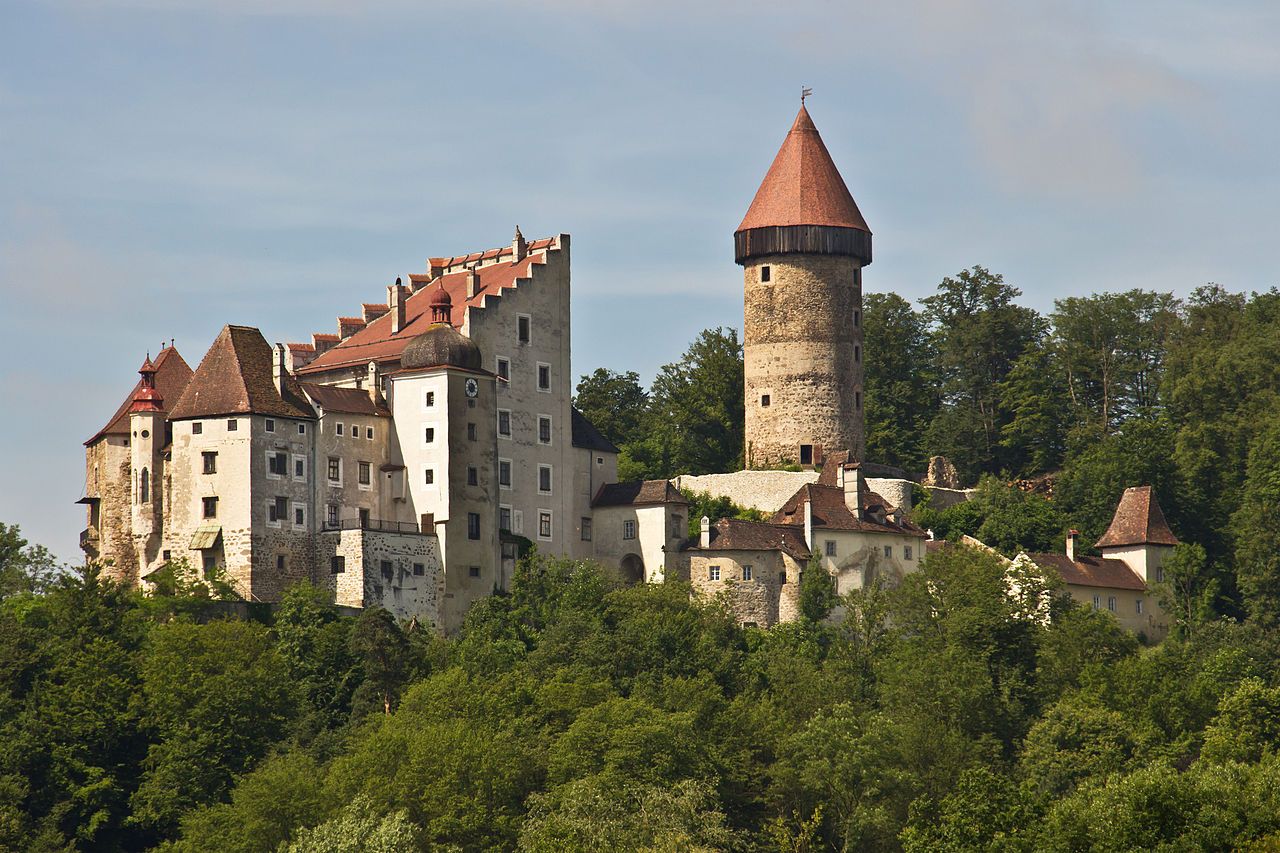
Castles & Palaces Trail – Discover the mystical Mühlviertel in Austria
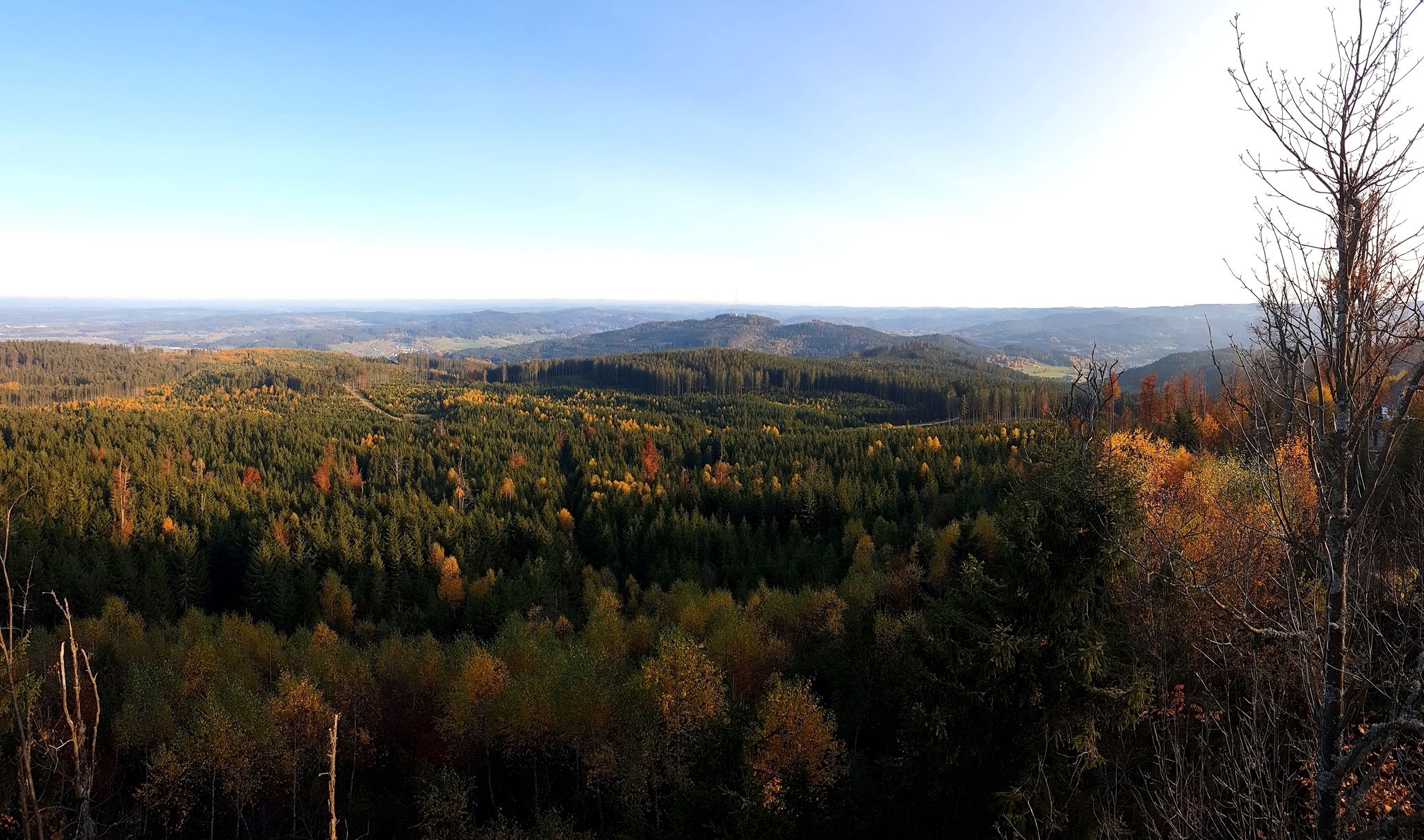
Nordwaldkamm trail – Hiking between the Czech Republic and Austria
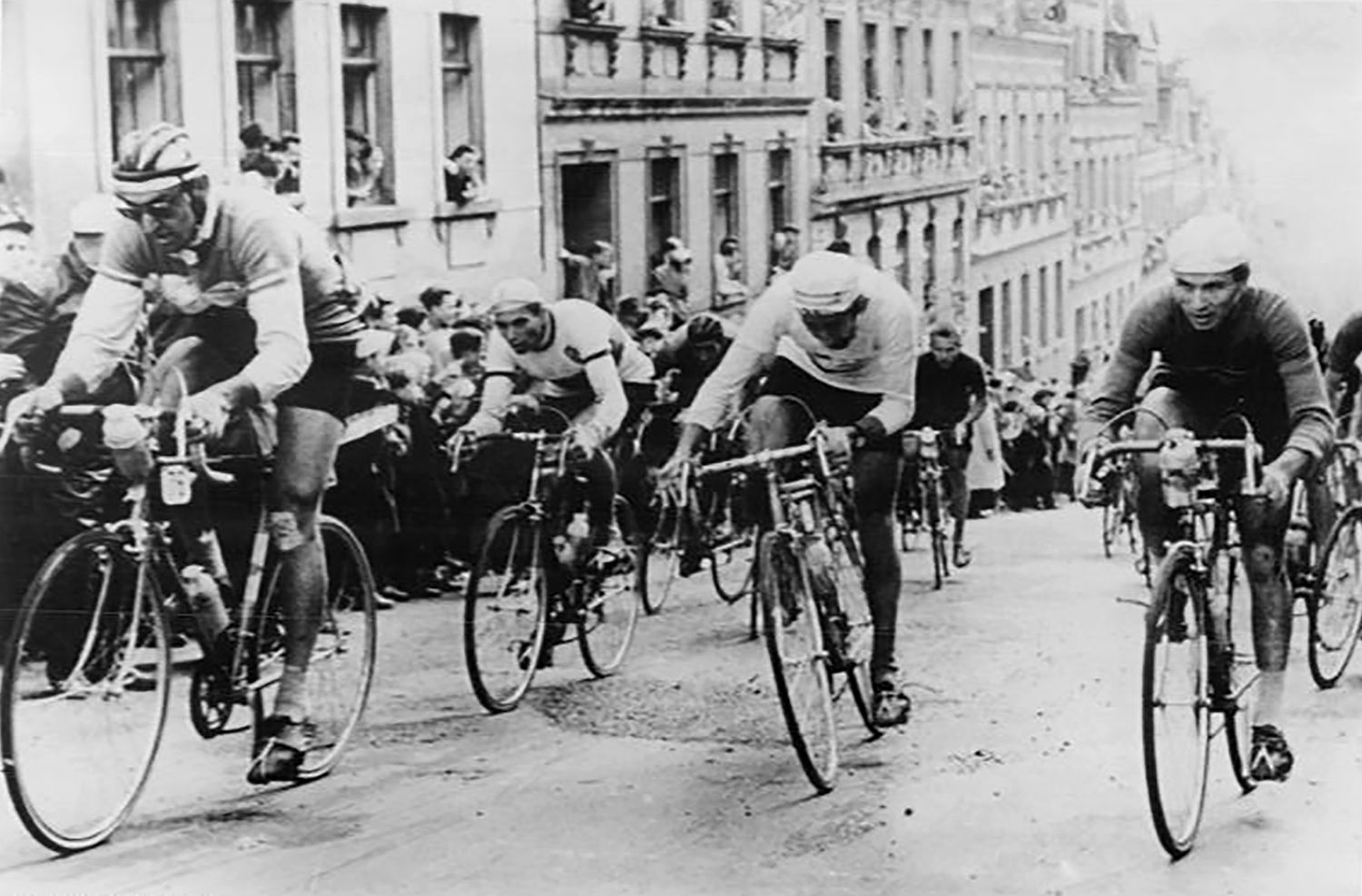
From Berlin to Prague — in the footsteps of the Peace Race part 2
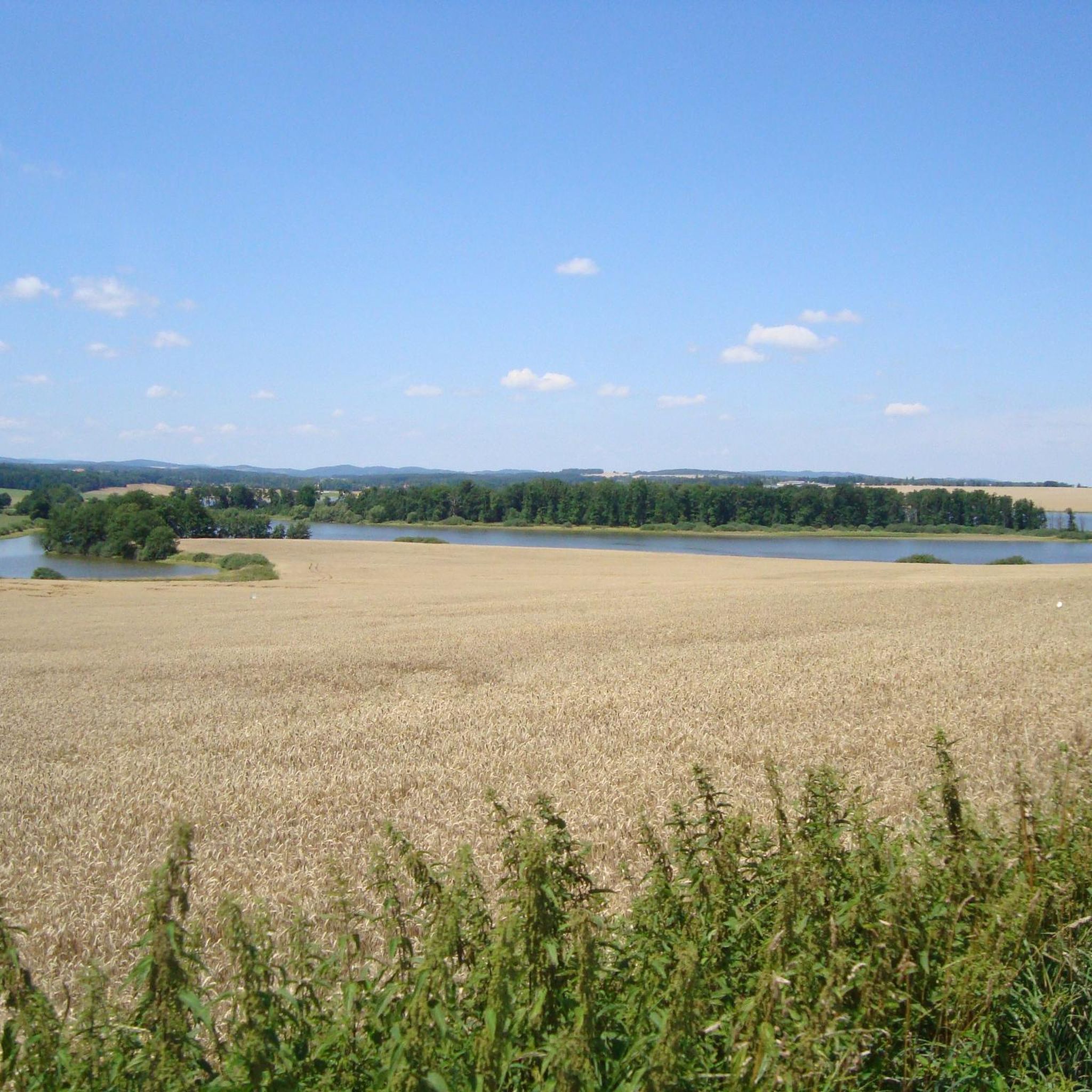
Hiking around okres České Budějovice
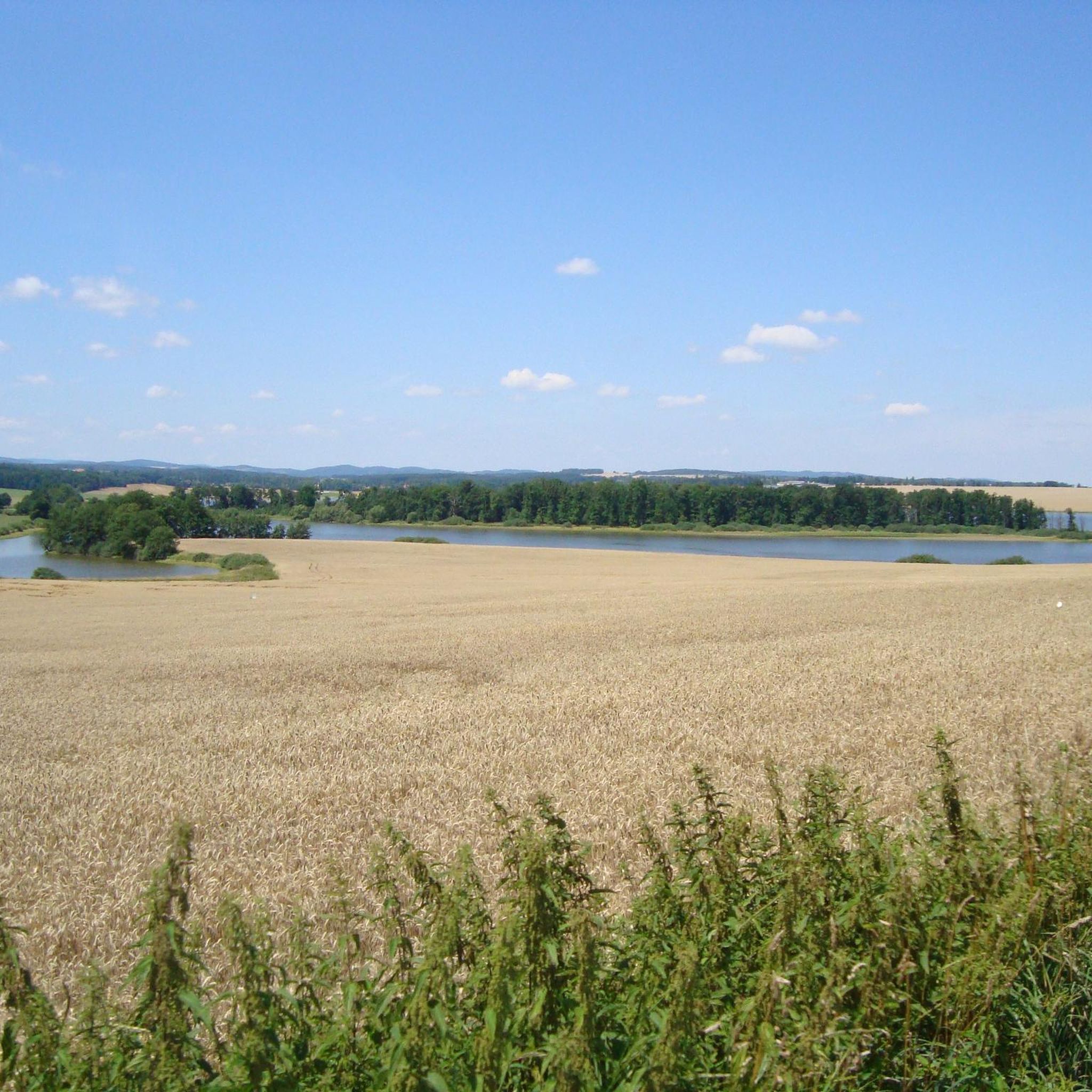
Cycling around okres České Budějovice
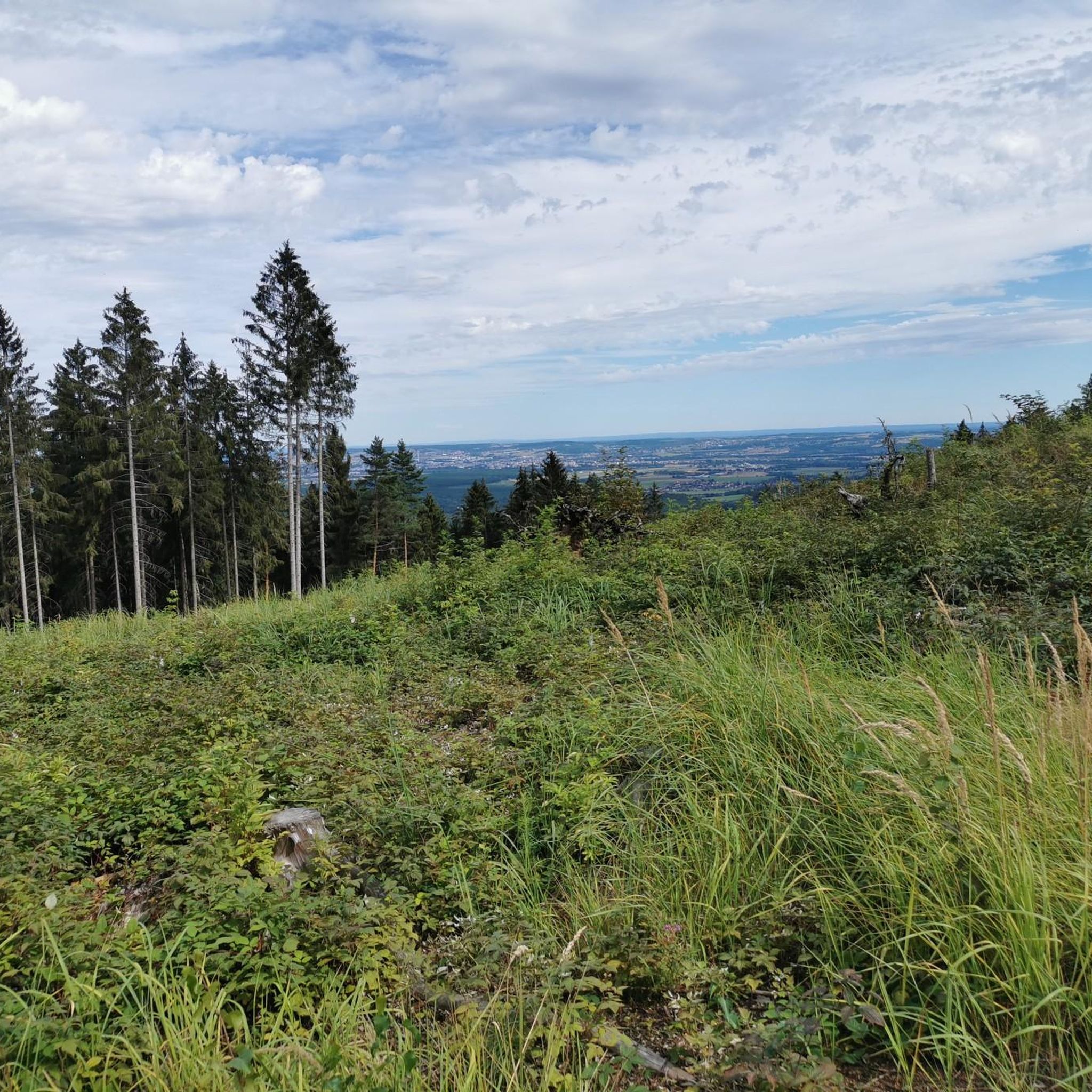
Running Trails around okres České Budějovice
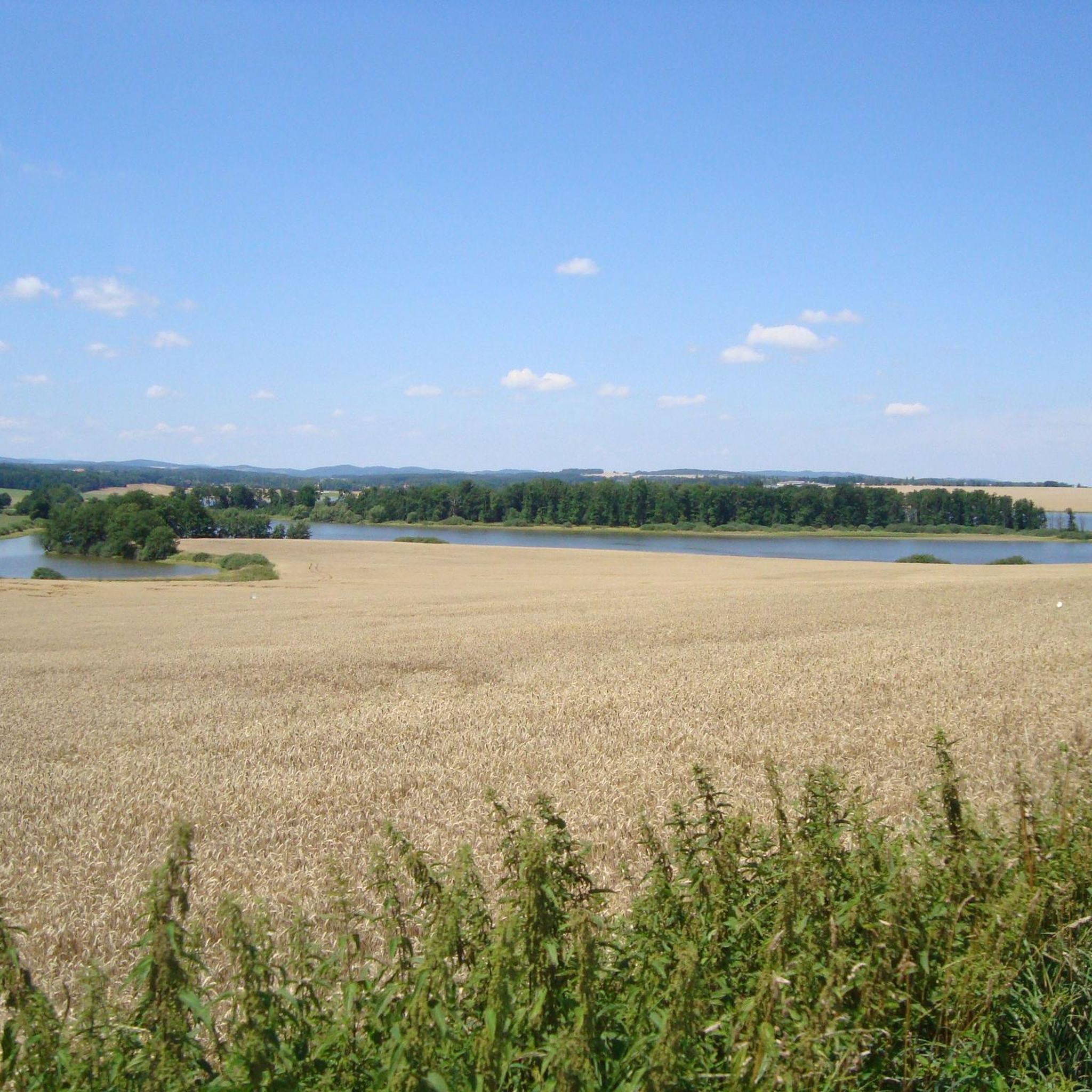
Road Cycling Routes around okres České Budějovice
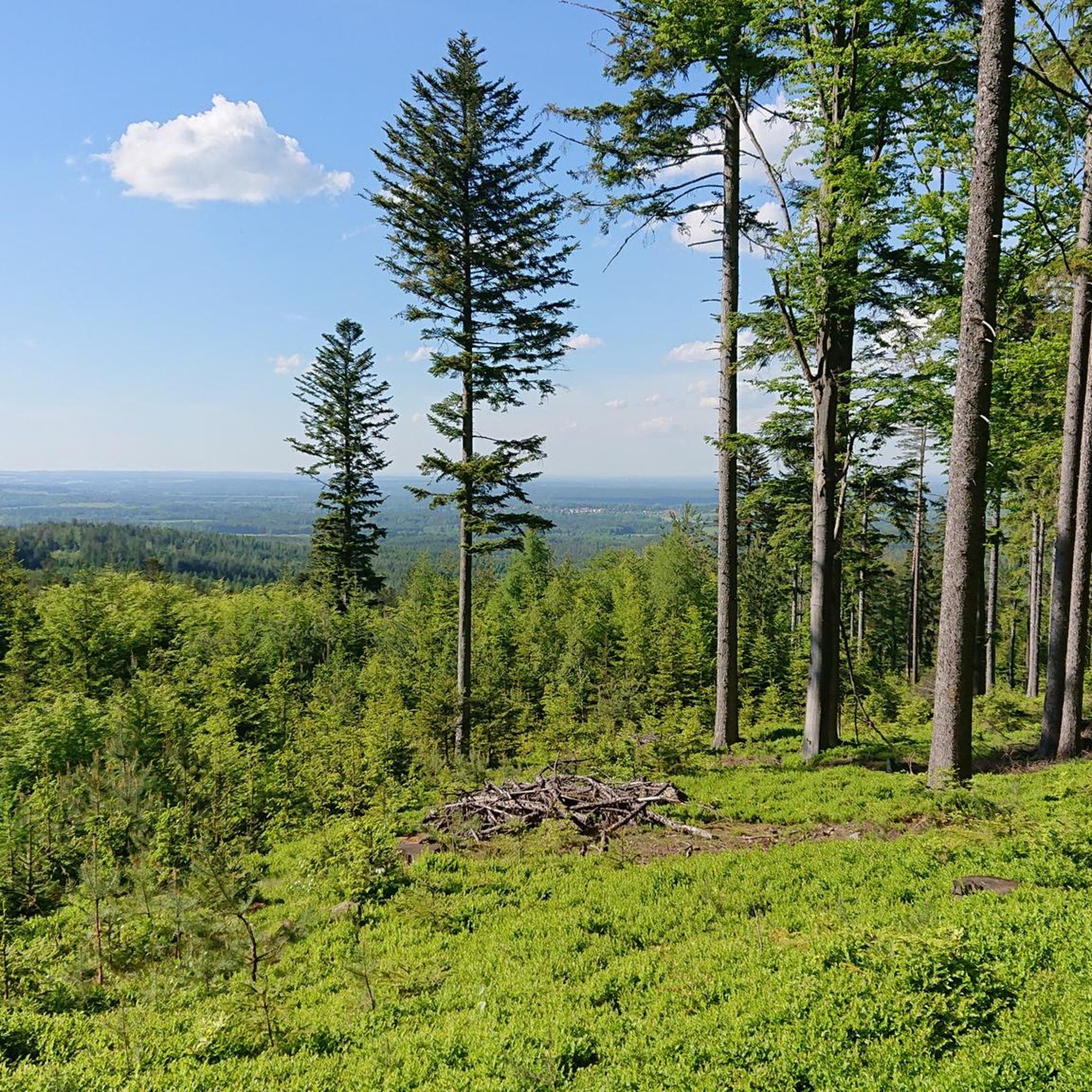
MTB Trails around okres České Budějovice
Gravel biking around okres České Budějovice
Other adventures around okres České Budějovice

Tips from the Community


With an area of 1.78 hectares, Přemysl Otakar II Square in České Budějovice is the second largest square in the Czech Republic, after the town square in Vysoké Mýto (2.05 hectares). Since January 1, 1991, it has been named after the city founder King Přemysl Otakar II of Bohemia; previously (especially in the 20th century) its name changed frequently. The almost square square with a side length of 133 meters was already laid out when the city was founded in 1265. Around it, eight-meter-wide plots were measured for the construction of burgher houses. Today, there are 48 houses around the square, including the baroque town hall, the Art Nouveau building Puklics House, and the Neo-Renaissance masterpiece Biene Palace.
3
0
The three-story Palais Včela (Palace Bee), richly decorated with stucco and sculptures, is an outstanding example of German Neo-Renaissance. Built from 1895 to 1896 according to designs by Peter Paul Brang, the house was commissioned by the German savings and advance association Biene. The sculptural decoration was designed and executed by the local painter, sculptor, and later director of the South Bohemian Museum, Richard Kristinus.
4
0
In the 15th century, two Gothic townhouses were combined into one building on the southwest corner of Přemysl Otakar II Square to create a new, representative town hall. Due to structural problems, demolition of the town hall began in 1555 and a new one was built on the same footprint. This one also no longer satisfied the town council in 1727. A new building was decided upon, which the council members commissioned from the architect Anton Erhard Martinelli, who came from Northern Italy. The work lasted from 1727 to 1730. The overall silhouette of the now baroque town hall was changed by three towers. The last significant change to the town hall took place in 1983, when the facade was changed from its former ochre-yellow hue to its current grey-blue during the renovation. Since October 1995, there has been a computer-controlled carillon with sixteen bells in the central tower. It can play up to eighty different melodies.
3
0
The foundation stone of the parish church of the royal town of České Budějovice was laid in 1265, shortly after the town was founded. Around 1297, the main altar was consecrated and the church was opened, although it was not yet completed (the main building was probably only finished in the mid-14th century). Originally an early Gothic basilica, the church was almost completely destroyed in the great town fire of 1641. The subsequent restoration gave the church its present-day baroque appearance. St. Nicholas Cathedral is the main church of the Diocese of České Budějovice.
3
0
In 1547, the city council of České Budějovice resolved to build the Black Tower (Černá věž), which was intended to serve as a watchtower, bell tower, and not least as a symbol of the city's wealth. The construction of the tower, which today is open to the public up to the gallery on the ninth floor with its fantastic views over the city, lasted from 1549 to 1577. In 1606, the tower was additionally equipped with a clock. The name supposedly comes from the great fire of České Budějovice in 1641, during which the surface of the stone blocks is said to have turned black. In fact, however, the name "Black Tower" for the 71.9-meter-high structure only appeared around 1890. In the 19th century, the last remnants of the painted plaster fell off, and the stone surface turned black, presumably as a result of air pollution from industrialization and coal combustion.
4
0

The route from/to Hirschenwies is a beautiful forest section on gravel, slightly uphill to the small border crossing in the middle of the forest.
0
0

Well-preserved ruin of a 14th-century castle in a nature reserve on the river, with concerts and theatre in the summer.
4
0
Frequently Asked Questions
What historical sites can I explore in the okres České Budějovice region?
The region is rich in history. You can visit the impressive Neo-Gothic Hluboká Castle, known for its architecture and extensive park. Another significant historical site is the UNESCO World Heritage village of Holašovice, famous for its preserved Baroque folk architecture. Within České Budějovice, explore the central Market Square with Samson Fountain, surrounded by medieval houses, and climb the Black Tower for city views. The ruins of Dívčí Kámen Castle also offer a glimpse into the past.
What natural features and viewpoints are worth visiting?
For natural beauty, the region offers the picturesque Židova strouha, a stream flowing through rock formations, ideal for hiking. The Vrbenské Ponds are a designated bird area and NATURA 2000 site, perfect for nature observation. For panoramic views, ascend the Black Tower in České Budějovice, or visit the Baba Lookout, a former hillfort offering beautiful vistas of the Vltava River and surrounding countryside.
Are there family-friendly attractions in the area?
Yes, many attractions are suitable for families. Hluboká Castle with its surrounding park is a popular choice. The central Market Square with Samson Fountain in České Budějovice provides an open space for children to explore while adults enjoy the architecture. For active families, the Lída Polesná Canoeing Area on the Vltava River offers opportunities for whitewater activities, and Stromovka Park provides recreational space including disc golf.
What outdoor activities and routes can I find near these attractions?
The region is excellent for outdoor enthusiasts. You can find numerous hiking trails, including those around Židova strouha and the Vltava Trail. For more structured routes, explore the waterfall hikes or running trails available. Cycling is also popular, with routes like the Nordwaldkamm trail. The Vltava and Malše rivers offer opportunities for river cruises and whitewater canoeing at the Lída Polesná Canoeing Area.
Are there any cultural experiences or museums to visit?
Absolutely. In České Budějovice, you can visit the South Bohemian Museum to learn about regional history and culture. The Horse-Drawn Railway Museum offers insights into the oldest railway on the European continent. For a unique experience, take a tour of the Budweiser Budvar Brewery to discover the brewing process of the famous beer. The Otakar Jeremiáš Concert Hall, formerly St. Anne's Church, now hosts the South Bohemian Philharmonic.
What is the best way to experience the city of České Budějovice?
To truly experience České Budějovice, start at the expansive Přemysl Otakar II Square, one of the largest in the Czech Republic, featuring the Baroque Samson Fountain. Wander through the historic center to admire the Gothic, Renaissance, and Baroque townhouses. Climb the Black Tower for a bird's-eye view. Consider a river cruise on the Vltava or Malše rivers for a different perspective of the city.
Are there accessible attractions for visitors with mobility needs?
Yes, some key areas in České Budějovice are designed to be accessible. The central Přemysl Otakar II Square and the Town Hall are generally wheelchair accessible. The Palace Biene is also noted for its accessibility.
What are some unique local legends or points of interest?
A unique local legend surrounds the 'Lost Rock' embedded in the paving near the Samson Fountain in Přemysl Otakar II Square. Local lore suggests that if you step on it after 10 p.m., you won't find your way home. It's a charming piece of local folklore that adds character to the city center.
Can I find opportunities for whitewater sports?
Yes, the Lída Polesná Canoeing Area on the Vltava River is specifically designed for whitewater canoeing and rafting, offering an exciting experience for those interested in water sports.
What kind of architecture can I expect to see in the region?
The region showcases a diverse range of architectural styles. You'll find the impressive Neo-Gothic architecture of Hluboká Castle, the well-preserved folk Baroque farmhouses in the UNESCO village of Holašovice, and the Gothic, Renaissance, and Baroque townhouses and arcades in the historic center of České Budějovice, including the Baroque Town Hall.
Are there any specific trails for mountain biking?
Yes, the okres České Budějovice area offers several mountain biking opportunities. You can explore various MTB trails, including routes that take you past landmarks like Hluboká Castle or around the scenic Svet Lake.
What are the main rivers in the area and what activities do they offer?
The city of České Budějovice is situated at the confluence of the Vltava and Malše rivers. These rivers offer opportunities for scenic river cruises, providing a unique perspective of the city and its surroundings. Additionally, the Vltava River is home to the Lída Polesná Canoeing Area, which is popular for whitewater activities.
Most popular routes around okres České Budějovice
Most popular attractions around okres České Budějovice

Get inspired with the komoot mobile app


Didn’t find what you were looking for?
Are you keen on exploring more awesome places nearby? Browse our guides:
Explore more
Still not found the Highlight you’re looking for? See guides of the top attractions in other regions:
