Attractions and Places To See around okres Chomutov - Top 20
Best attractions and places to see around okres Chomutov offer a blend of historical landmarks and natural features within the Czech Republic's Ore Mountains. The region features deep valleys like Bezručovo údolí, unique natural sites such as Kamencové jezero (Alum Lake), and historical urban centers like Chomutov Old Town. Visitors can explore ancient ruins, summits with panoramic views, and diverse natural reserves, providing varied outdoor experiences.
Best attractions and places to see around okres Chomutov
- The most popular attractions is Ruins of Königsmühle (Králův Mlýn), a historical site that is a disused settlement near Háj u Loučné in the Ore Mountains, where only ruins remain today, serving as a memorial to its former residents. It is a meeting place for Germans and Czechs, with informative display panels and land art.
- Another must-see spot is Meluzína (Wirbelstein) Summit, a summit that is the fourth-highest peak in the Czech Ore Mountains, characterized by a 700-meter-long rocky ridge. It offers beautiful views and is located directly on the red-marked ridge path of the European long-distance hiking trail E3.
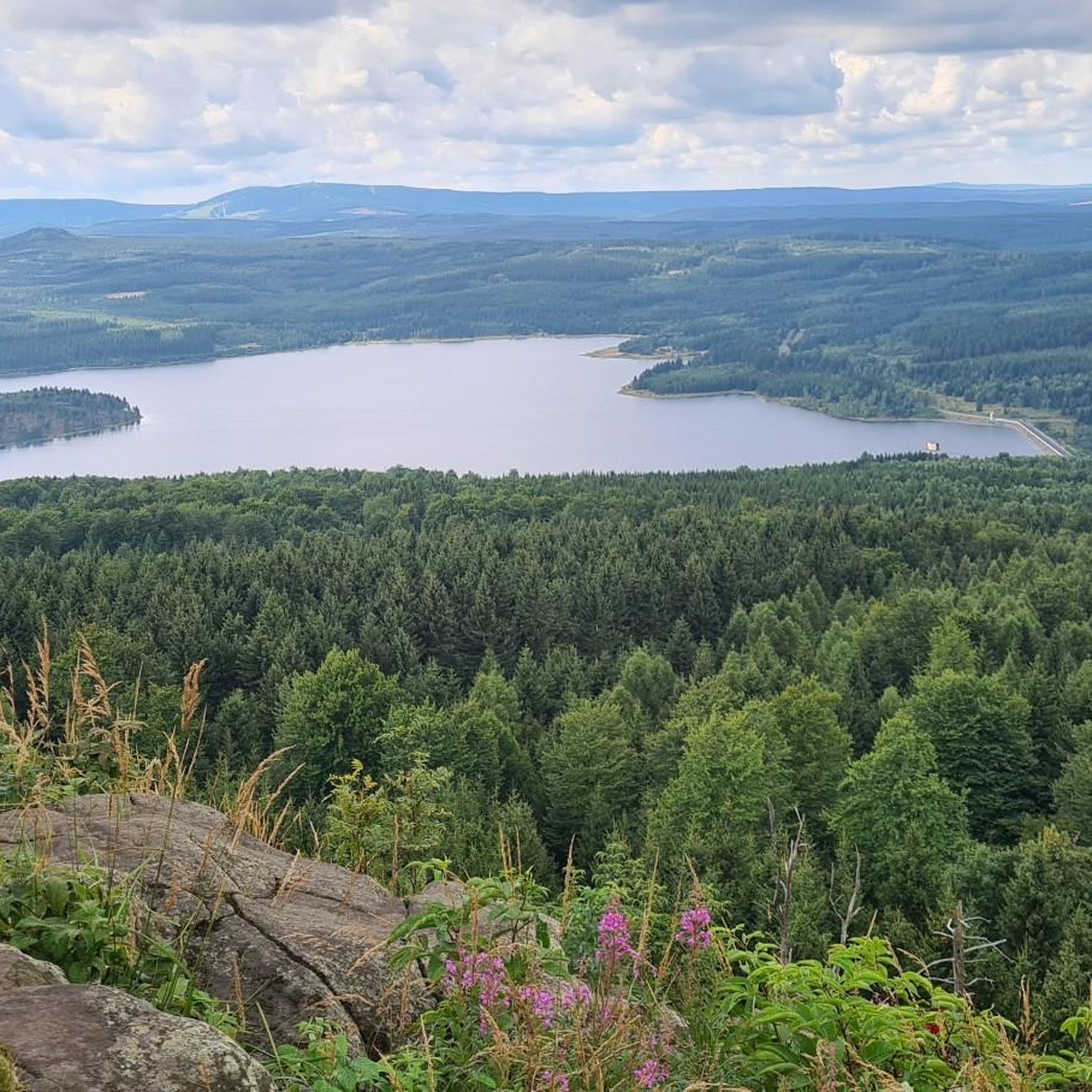
- Visitors also love Haßberg (Deer Mountain), a viewpoint offering views of the upper Erzgebirge. The smaller rocks on its west side provide good vantage points.
- okres Chomutov is known for historical sites, natural features, and cultural points of interest. The region offers a variety of attractions to see and explore, from ancient ruins to scenic mountain summits.
- The attractions around okres Chomutov are appreciated by the komoot community, with 377 highlights and 1321 photos shared by visitors.
Last updated: November 15, 2026
Ruins of Königsmühle (Králův Mlýn)
Highlight • Historical Site
After the end of the war, the ethnic German population was expelled from Czechoslovakia; approximately three million people were forced to flee, and around 3,000 communities, villages, and hamlets disappeared. Königsmühle is one of the few sites that can serve as a memorial to this aftermath of World War II. At the initiative of Czech cultural scientist and photographer Petr Mikšíček, the DoKrajin association has conserved the remains of the buildings, created informative display panels, and decorated the grounds with land art. The decline of Königsmühle has been halted, and the memory of its former residents is now kept alive.
Translated by Google •
Tip by

Lottl House Ruins
Highlight • Historical Site
Translated by Google •
Tip by
Sign up now to discover places like this
Get recommendations on the best single tracks, peaks, & plenty of other exciting outdoor places.
Haßberg (Deer Mountain)
Highlight • Viewpoint
Translated by Google •
Tip by

Border crossing Loučná pod Klínovcem - Oberwiesenthal
Highlight • Structure
Showing Translation
Tip by

Meluzína (Wirbelsteine)
Highlight • Summit
Showing Translation
Tip by

Wooden sculpture on the Wirbelsteinen
Highlight • Monument
The idea for the sculpture arose from Vítek's special connection to the landscape, with friends and colleagues helping with the project and later with the arduous transport of the sculpture to the remote, unmarked summit. Together, the figure and the viewpoint make a special photo spot.
Showing Translation
Tip by

Velký Spičák summit (965 m)
Highlight • Summit
Translated by Google •
Tip by

S216 Natzschungtal Road
Highlight (Segment) • Cycleway
I rode the road again. Unfortunately, some trees have been felled, making the street brighter but taking away some of its magic. Nevertheless still worth seeing.
Translated by Google •
Tip by

Ruin "Hut Hannes" (Königsmühle)
Highlight • Historical Site
Translated by Google •
Tip by
Ancient sunken path with weathered rowan trees
Highlight • Trail
Translated by Google •
Tip by
Sign up for free to discover even more attractions around okres Chomutov.
Already have an account?
Start today with a free account
Your next adventure awaits.
Popular around okres Chomutov
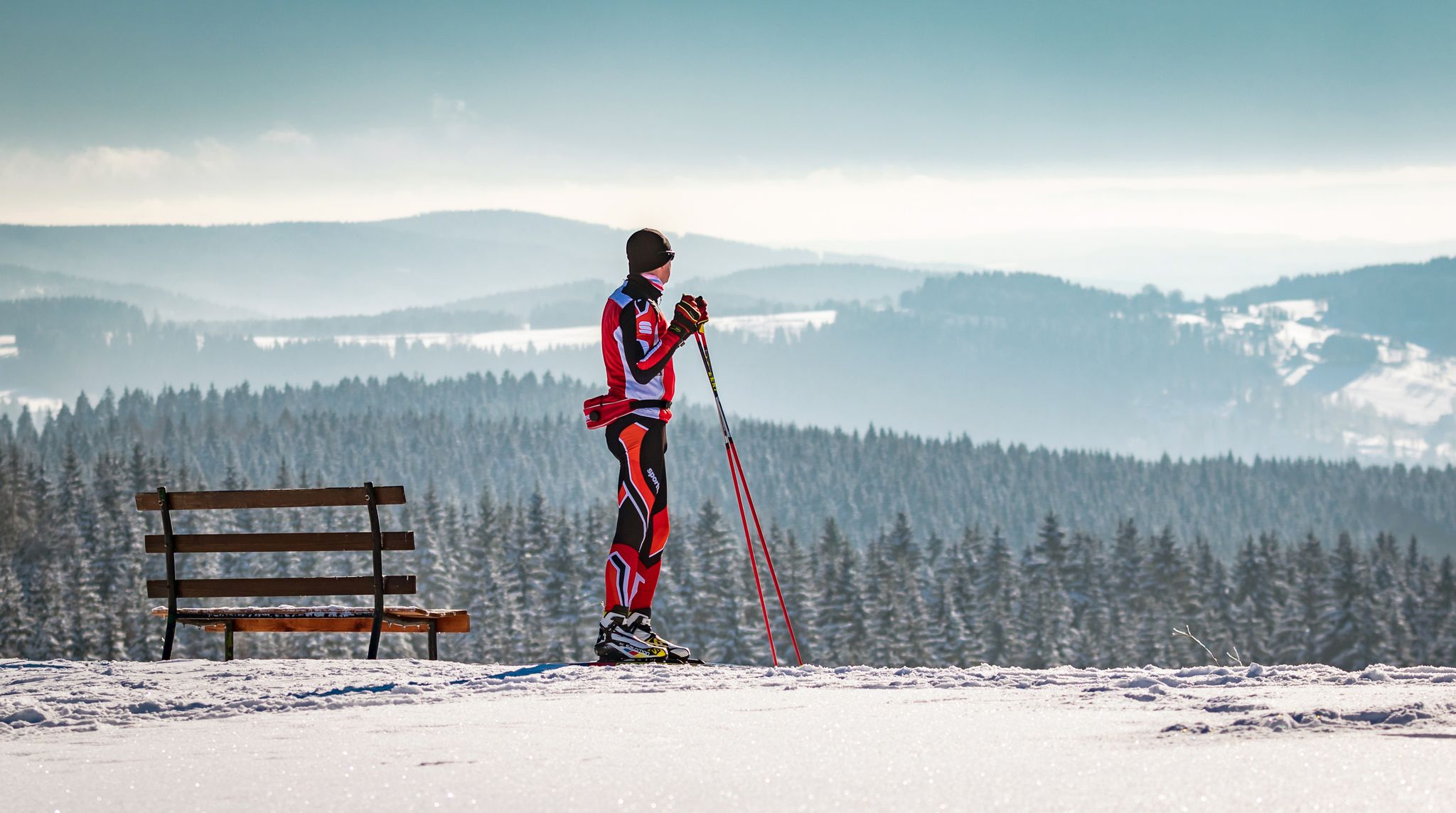
Let it flow! Cross-country skiing in the Ore Mountains

The Stoneman Trail in the Ore Mountains
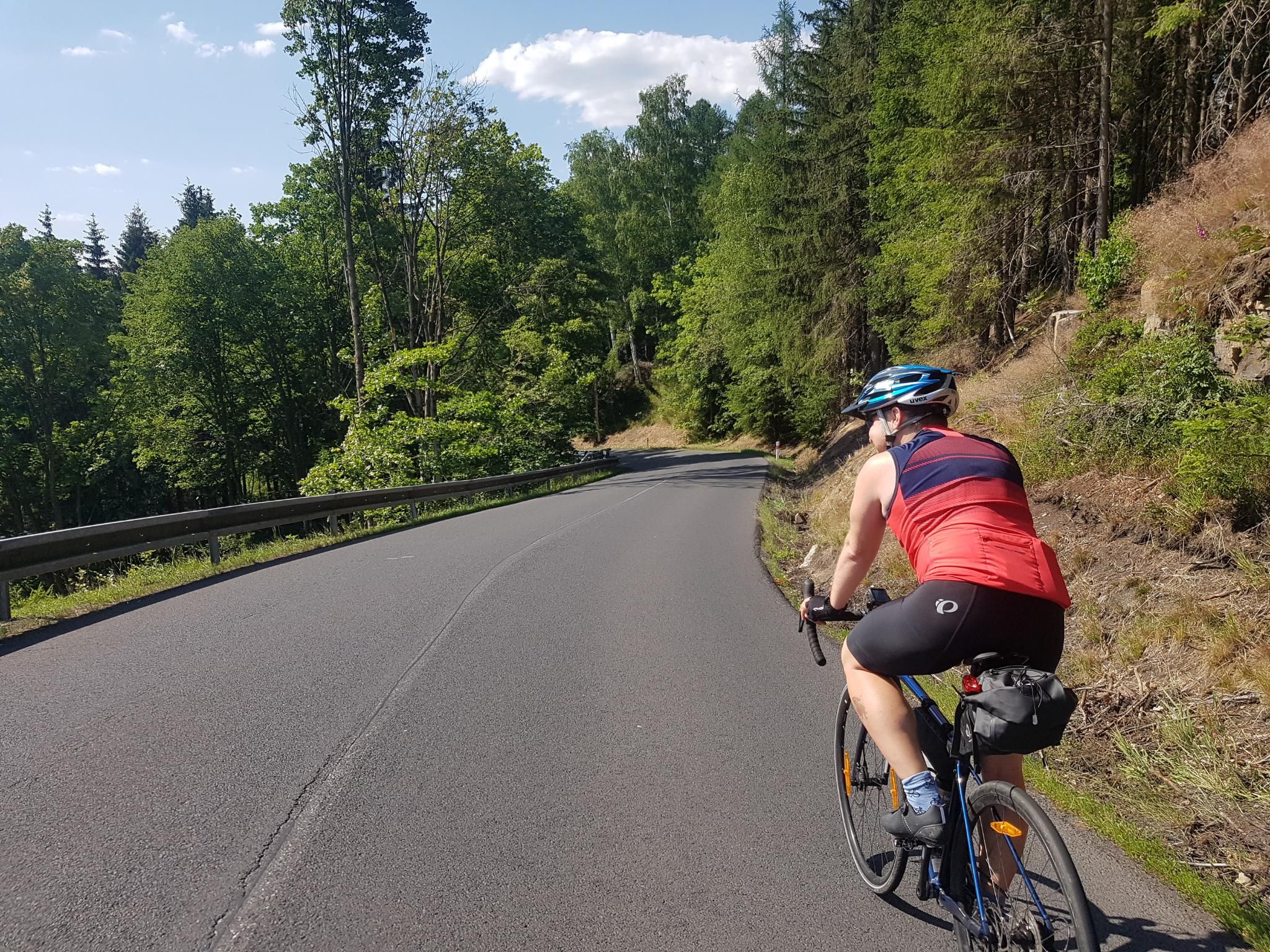
3 days in the countryside – Easter Ore Mountains and Eger Valley by road bike
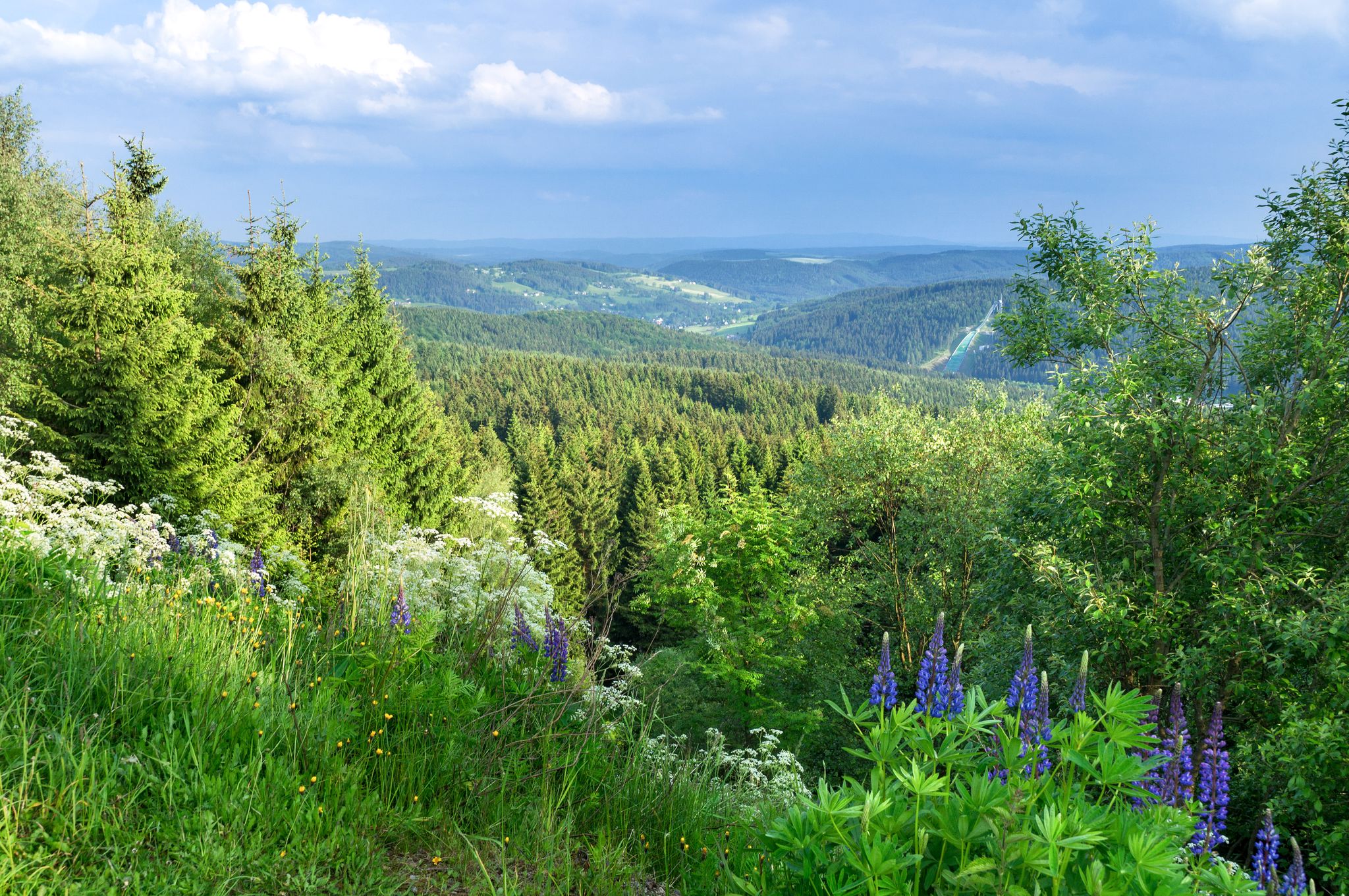
History meets nature – Erzgebirge-Vogtland Ridge Trail
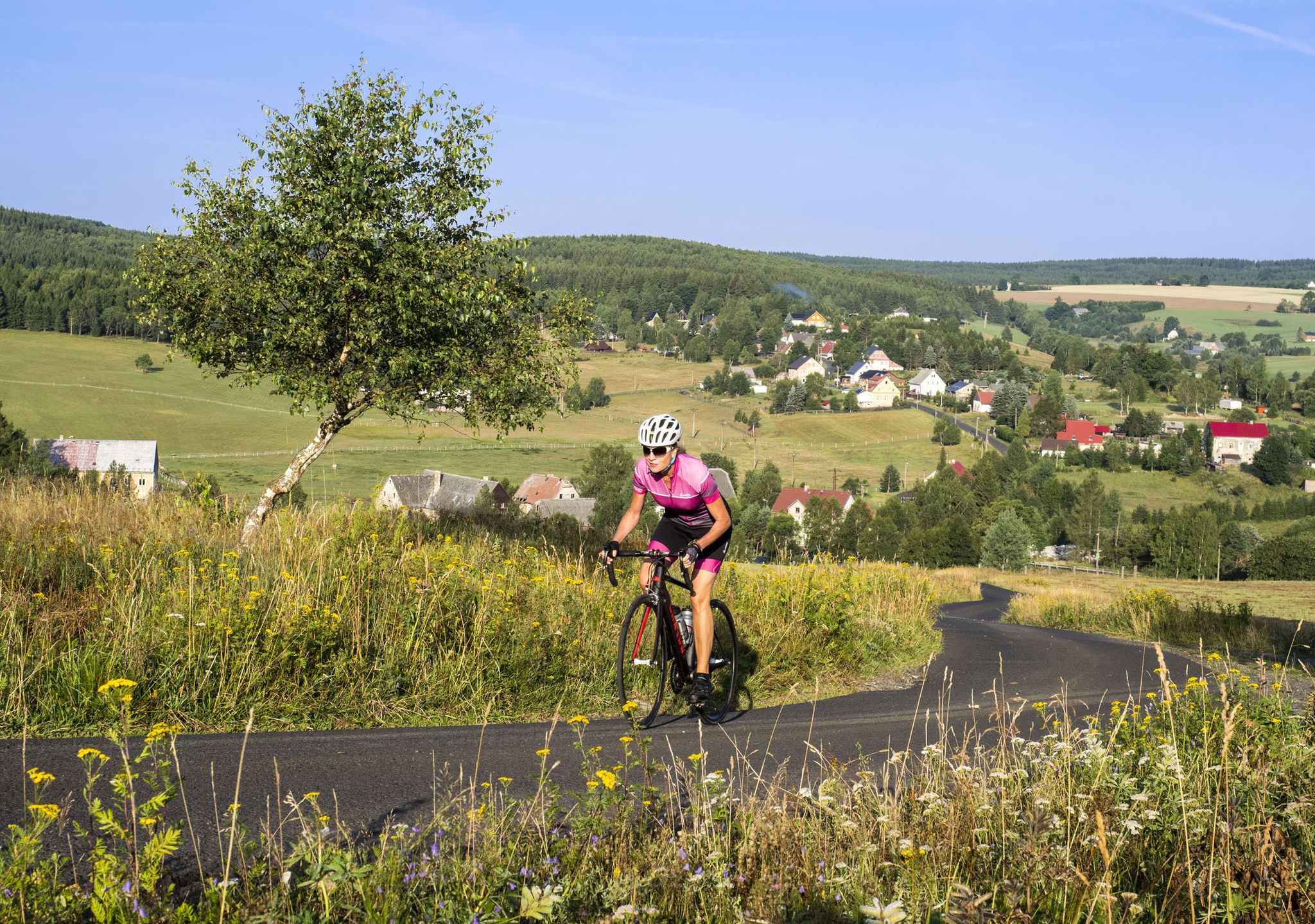
Erzgebirge: On the tracks of the Stoneman-Miriquidi
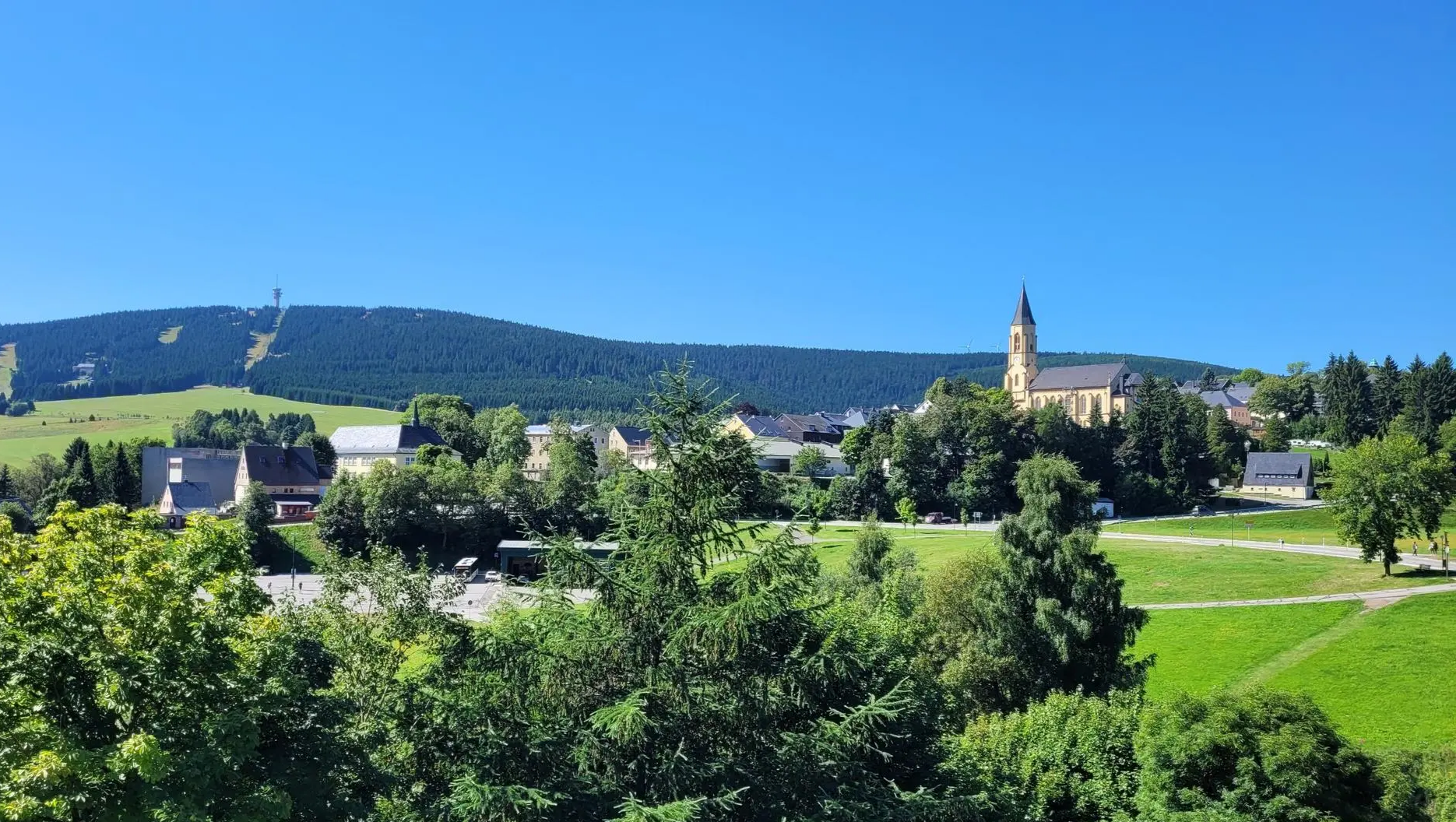
Mit der AOK PLUS zum Deutschen Wandertag in Oberwiesenthal
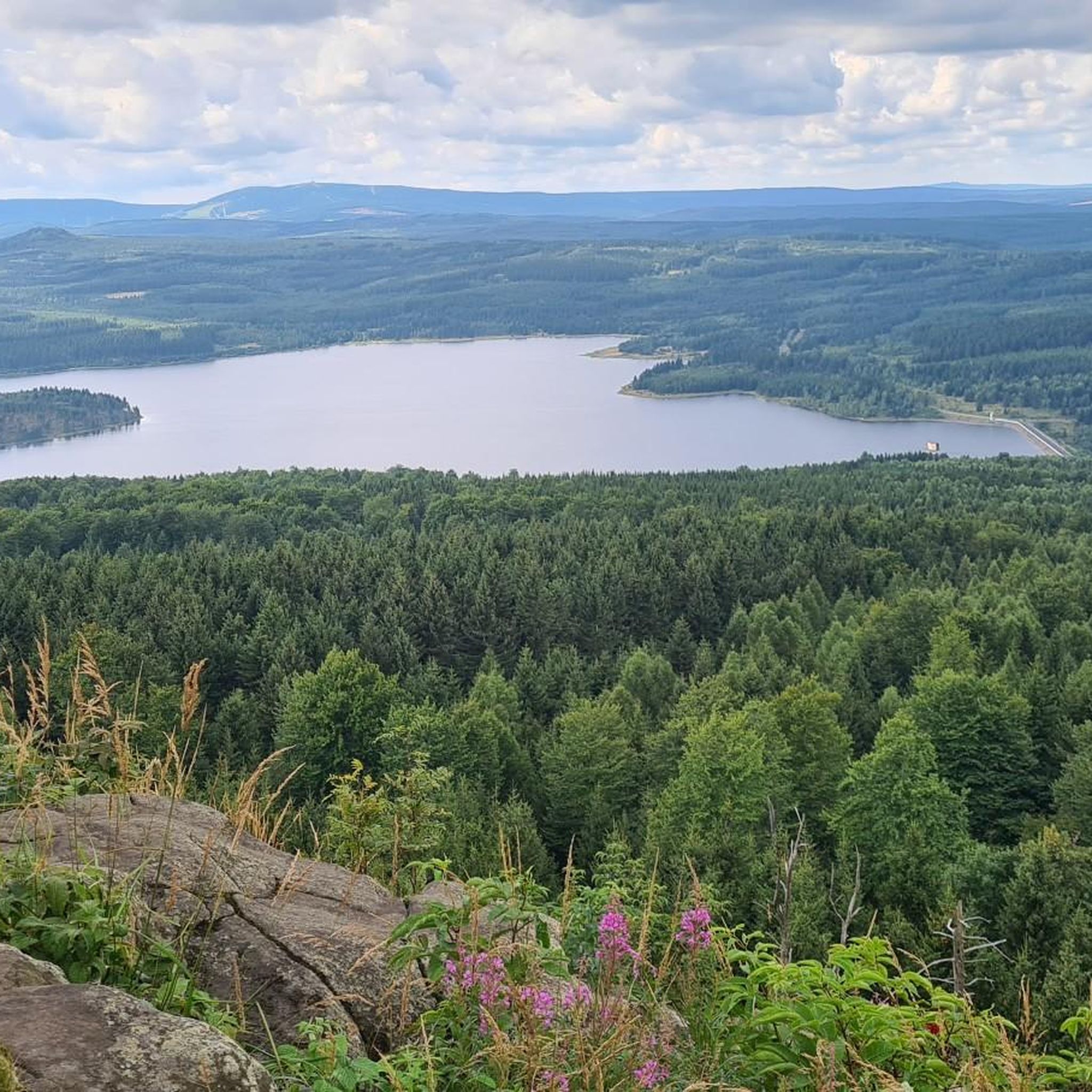
Hiking around okres Chomutov
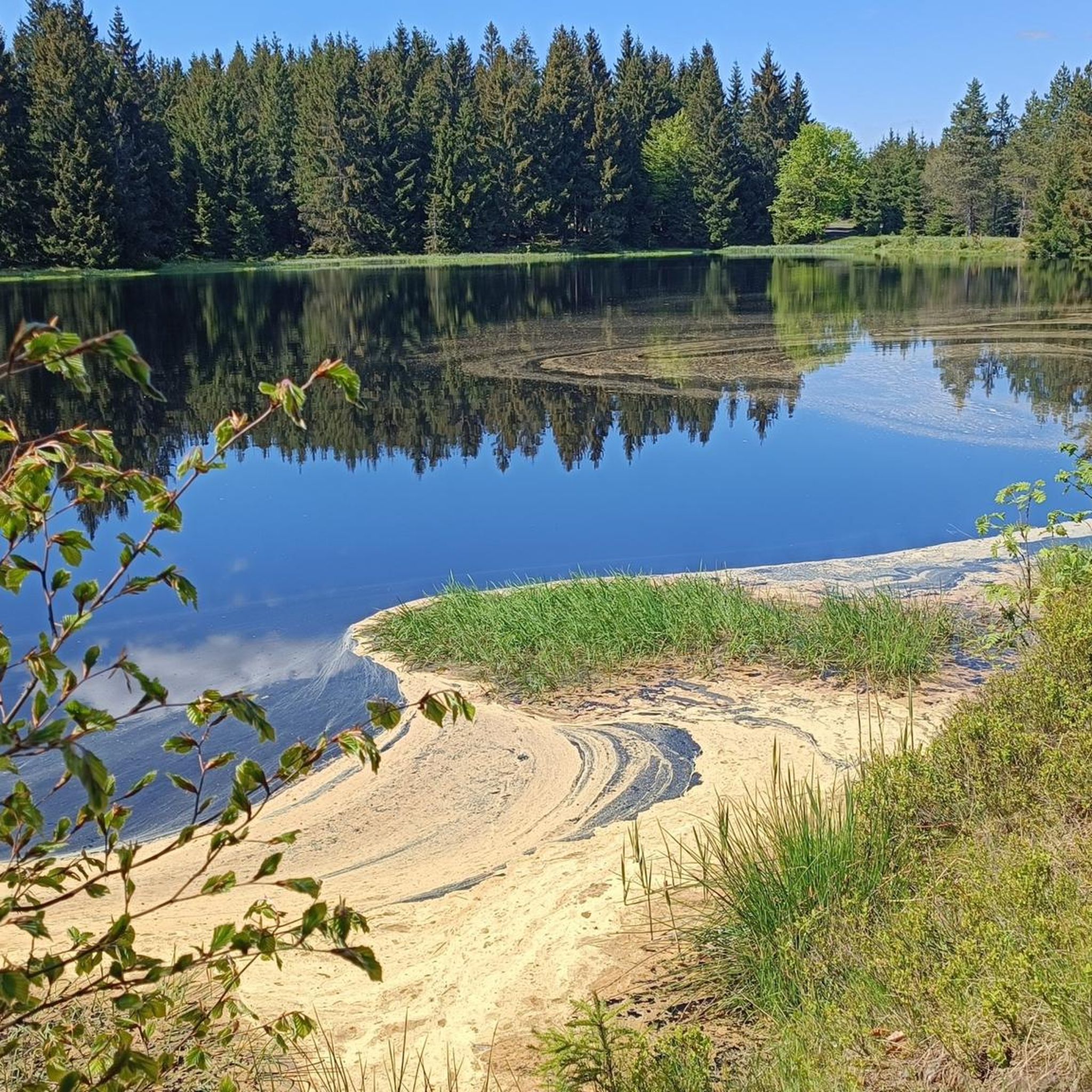
MTB Trails around okres Chomutov
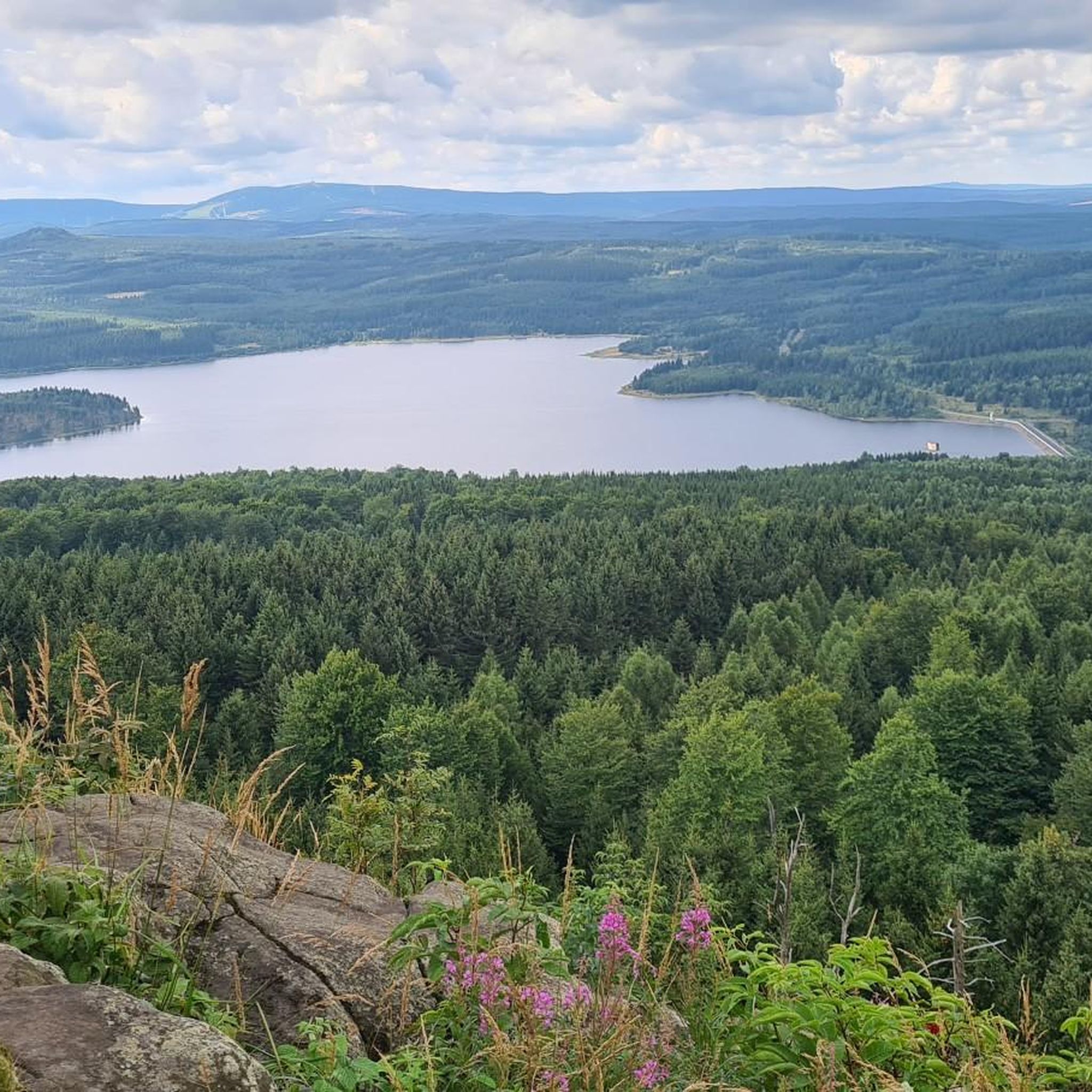
Cycling around okres Chomutov
Road Cycling Routes around okres Chomutov
Other adventures around okres Chomutov


Tips from the Community

Meluzína, at 1,097 meters, is one of the lesser-known peaks of the Ore Mountains and lies not far from Klínovec; on its summit stands a wooden sculpture by the artist Pavel Vítek from Velichov, just over two meters high and weighing 150 kilograms. The idea for the sculpture arose from Vítek's special connection to the landscape, with friends and colleagues helping with the project and later with the arduous transport of the sculpture to the remote, unmarked summit. Together, the figure and the viewpoint make a special photo spot.
3
0

That was a real highlight...lots of ruins and interesting history
1
1

Since 1995, the town has been connected to Oberwiesenthal by a border crossing for pedestrians and cyclists, which has led to the development of a well-frequented discount market there as well. Loučná pod Klínovcem has been a town again since October 10, 2006. The town is located in West Bohemia, north of Klínovec (Keilberg) on the crest of the central Ore Mountains. To the west, it borders directly on the neighboring town of Oberwiesenthal. The Pöhlbach stream, which forms the border between the Czech Republic and Germany, runs between the two towns.
4
0

One of the most beautiful sections of the Stoneman Miriquidi Road: a quiet, flat stretch, hardly any traffic, and warm autumnal air. The alternating light and shade make the ride a pleasure—a section that simply stays with you.
2
0

The abandoned settlement of Königsmühle (Königův Mlýn) is only one and a half kilometers from the village of Háj (Stolzenhain), but is shielded by a hill between them. Until their expulsion in the fall of 1946, 57 Sudeten Germans lived here in six houses, five of which were used as homes for the Fohrmann, Siegel, Giebert, Pöschl, and Siegel families. The sixth building was the mill. Grain from Bohemia was milled in Königsmühle, and the flour was then transported further to Saxony. This trade route (also for ore and timber) has sunk into the landscape about three meters deep due to centuries of heavy wagon traffic. After the end of the war, the ethnic German population was expelled from Czechoslovakia; approximately three million people were forced to flee, and around 3,000 communities, villages, and hamlets disappeared. Königsmühle is one of the few sites that can serve as a memorial to this aftermath of World War II. At the initiative of Czech cultural scientist and photographer Petr Mikšíček, the DoKrajin association has conserved the remains of the buildings, created informative display panels, and decorated the grounds with land art. The decline of Königsmühle has been halted, and the memory of its former residents is now kept alive.
28
5
The old trade route for grain, ore and timber, which led through Königsmühle, has become a hollow road that has sunk about three metres deep into the landscape due to centuries of heavy wagon traffic.
14
0
Not much remains of the Hut-Hannes House. If you walked along the ravine from Stolzenhain to Königsmühle, it was the first house on the right. To the left of the house, a sad-looking wooden angel stands on a tall pole.
15
2
Two intertwined hearts mark the facade of the Lottl House. Inside the ruins, one finds not only a sculpture of a mother and child and a small altar, but also a hand-cranked audio machine. Here, one can listen to Erzgebirge songs and accounts from contemporary witnesses. Particularly touching is the story of the last resident born in Königsmühle, Rosemarie Ernst. Her parents married while her father was on leave from the front for two days, and Rosemarie Ernst was conceived on their wedding night. Her pregnant mother moved in with her in-laws in Königsmühle and, like the entire German population, was expelled from there with her toddler in 1946. The father died in Russia. He never saw his daughter.
18
1
Frequently Asked Questions
What historical and cultural sites can I explore in the Chomutov District?
The district is rich in history. You can visit the historic Chomutov Old Town, recognized as an urban monument zone, featuring the Baroque Column of the Holy Trinity and the early Gothic Church of St. Catherine. Explore the ancient Chomutov Castle, the stunning Baroque Church of St. Ignatius, and the Jesuit Area which houses the Chomutov City Museum. Don't miss the Zámek Hasištejn Castle Ruins for panoramic views, or the historic Chomutov Synagogue. The Ruins of Königsmühle (Králův Mlýn) also serve as a poignant memorial to a disused settlement.
What unique natural features are there to see in the Chomutov District?
The Chomutov District boasts several unique natural attractions. Visit Kamencové jezero (Alum Lake), one of the few alum lakes in the world, popular for swimming and relaxation. The region is nestled in the Krušné hory (Ore Mountains), offering lush forests and rolling hills. Explore Bezručovo údolí (Bezruč Valley), a deep, woody valley of the Chomutovka River, or the Natural Park Údolí Prunéřovského potoka. For diverse flora and fauna, the flat-top mountain Tabulová hora Úhošť is a national nature reserve with a nature trail.
Are there family-friendly attractions in the Chomutov District?
Yes, families will enjoy Zoopark Chomutov, one of the largest zoos in the Czech Republic, focusing on European and domestic wild animals like wolves and European bison. Kamencové jezero (Alum Lake) is also a great spot for families, offering swimming and sandy beaches. Many of the natural parks and valleys, such as Bezručovo údolí, provide easy walking paths suitable for children.
Where can I find panoramic views in the region?
For breathtaking views, head to the Meluzína (Wirbelstein) Summit, the fourth-highest peak in the Czech Ore Mountains, known for its 700-meter-long rocky ridge. The Haßberg (Deer Mountain) also offers good vantage points of the upper Erzgebirge. Additionally, the Zámek Hasištejn Castle Ruins provide extensive views of the surrounding countryside, and the Čihadlo (Lauschhübel) elevation offers pleasant vistas.
What outdoor activities can I do near these attractions?
The Chomutov District, situated in the Ore Mountains, is ideal for various outdoor activities. You can find excellent hiking opportunities, with routes like the 'Grüner Graben Entrance – Upper Schwarzwasser Valley loop' or the 'Gypsy rock with refuge – Pöhlbach Valley loop'. For runners, trails such as the 'Schwefelbach Valley loop' are available. Cyclists can explore routes like 'Schwarzbachtal – Kaffee-Kurt in the Preßnitz Valley loop'. Discover more options in the hiking guide, running guide, and cycling guide for the region.
What is the best time to visit the Chomutov District for outdoor activities?
The Chomutov District offers beauty year-round. Spring and autumn are ideal for hiking and cycling, with pleasant temperatures and vibrant landscapes. Summer is perfect for swimming at Kamencové jezero and enjoying longer days for exploration. While winter brings opportunities for snow sports in the Ore Mountains, many attractions remain accessible, though some trails might be challenging.
Are there any unique natural rock formations in the area?
Yes, near the village of Měděnec, you can find the Sfingy (Sphinxes), a distinctive natural rock formation that offers views of the Podkrušnohoří region. The Meluzína (Wirbelstein) Summit itself is characterized by a striking rocky ridge and is littered with rocks and boulders.
What do visitors enjoy most about the attractions in Chomutov District?
Visitors frequently appreciate the blend of historical significance and natural beauty. The Ruins of Königsmühle (Králův Mlýn) are valued as a memorial and a meeting place for Germans and Czechs, with informative display panels and land art. The Meluzína (Wirbelstein) Summit is praised for its beautiful views, especially when the valleys are foggy. The overall appeal lies in the diverse outdoor experiences, from ancient ruins to scenic mountain summits.
Can I find any preserved forest areas in the Chomutov District?
Absolutely. The Natural Park Údolí Prunéřovského potoka is valued for its preserved forest stands. Additionally, the Národní přírodní rezervace Jezerka is a national nature reserve specifically protecting the best-preserved mixed forest stands on the southern slopes of the eastern Ore Mountains, offering a glimpse into untouched nature.
Are there any historical alleys or parks for leisurely walks?
Yes, the Chomutov City Park, transformed from wetlands in the 19th century, offers promenades, a mini-botanical garden, and spaces for relaxation. A particularly unique spot is Kaštanka, an alley of sweet chestnut trees planted by Jesuits in the mid-17th century, now a popular and historic walking area.
What is the significance of the Ohře River in the region?
The Ohře River runs through the Chomutov District and is a popular spot for fishing and canoeing. It also flows past the flat-top mountain Tabulová hora Úhošť, which is protected as a national nature reserve due to its diverse flora and fauna, making the river a central feature for both recreation and nature observation.
Where can I learn about the mining history of the area?
The town of Měděnec, along with Mědník Hill, is a significant site for understanding the region's mining history. The name 'Měděnec' itself relates to copper, indicating its historical importance in mining. While specific museums dedicated solely to mining are not detailed, the historical context of towns like Měděnec and the formation of Kamencové jezero due to 18th-century mining provide insight into this aspect of the district's past.
Most popular routes around okres Chomutov
Most popular attractions around okres Chomutov

Get inspired with the komoot mobile app


Didn’t find what you were looking for?
Are you keen on exploring more awesome places nearby? Browse our guides:
Explore more
Still not found the Highlight you’re looking for? See guides of the top attractions in other regions:
