Attractions and Places To See around Łódź - Top 20
Best attractions and places to see around Łódź showcase a city with a rich industrial heritage and a dynamic cultural scene. This region in central Poland features revitalized factory complexes, grand palaces, and expansive green spaces. Visitors can explore a diverse range of historical landmarks, cultural sites, and natural features. The area offers numerous opportunities for discovering its unique blend of past and present.
Best attractions and places to see around Łódź
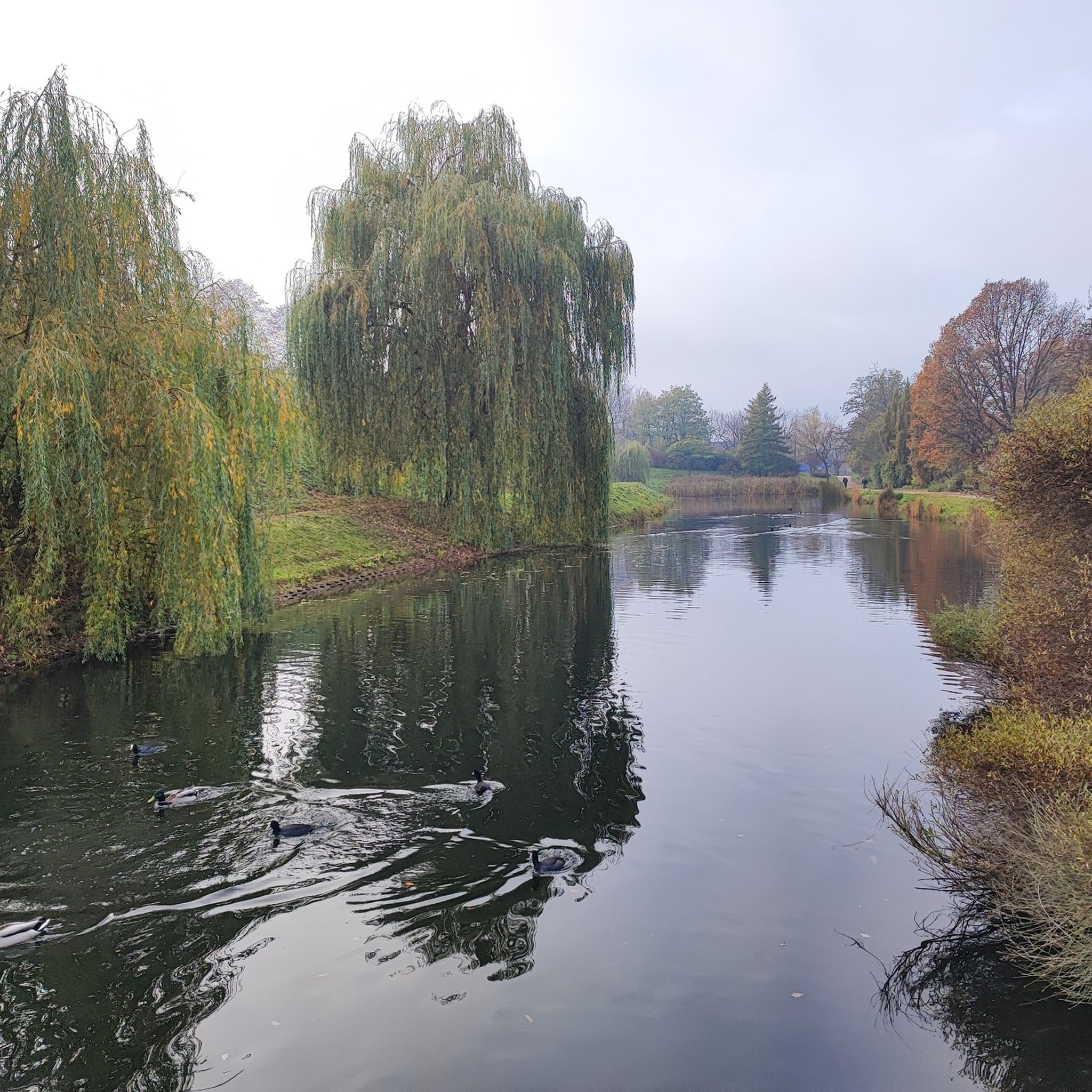
- The most popular attractions is Stefański Ponds – Northern Bridge, a lake that serves as a recreational facility on the River Ner. This area is popular for feeding ducks and offers a pond extending for 2.5 km.
- Another must-see spot is OFF Piotrkowska, an other man-made site. Visitors can find various restaurants, bars, and shops within this revitalized old factory complex, known for its creative atmosphere.
- Visitors also love Rose Passage (Pasaż Róży), a man-made monument. This visually stunning art installation features a courtyard covered in a mosaic of mirrored pieces, creating a unique reflective environment.
- Łódź is known for its industrial heritage, vibrant street art, and numerous museums. The city offers a variety of attractions, from historical sites to modern cultural centers, for visitors to explore.
- The attractions around Łódź are appreciated by the komoot community, with over 215 upvotes and 19 photos shared across the highlights.
Last updated: July 29, 2026
Stefański Ponds – Northern Bridge
Highlight • Lake
Translated by Google •
Tip by

OFF Piotrkowska
Highlight • Structure
Translated by Google •
Tip by

Sign up now to discover places like this
Get recommendations on the best single tracks, peaks, & plenty of other exciting outdoor places.
Sign up for free
Rose Passage (Pasaż Róży)
Highlight • Monument
All walls in the tenement's yard were covered with pieces of mirrors. The enormous amount of light that appeared in the dark backyard made this place something extremely shimmering. The light-reflecting mosaic enlivens the surroundings, and the fragments of mirrors give seemingly mismatched and distorted images. However, it will only be an illusion that results from the broken mirrors symbolizing the diseased retina of the eye. It is up to the passers-by to make an effort to put together the fragments of reality anew. Rose's Passage is a project about the obligation to put a painting together. These actions are symbolic gestures referring to the reconstruction of Róża's retina after chemotherapy. After an illness, the girl has a residual vision, it is possible that her way of perceiving reality is also based on merging fragments of one picture together.
Translated by Google •
Tip by
Stawy Stefańskiego Beach
Highlight • Beach
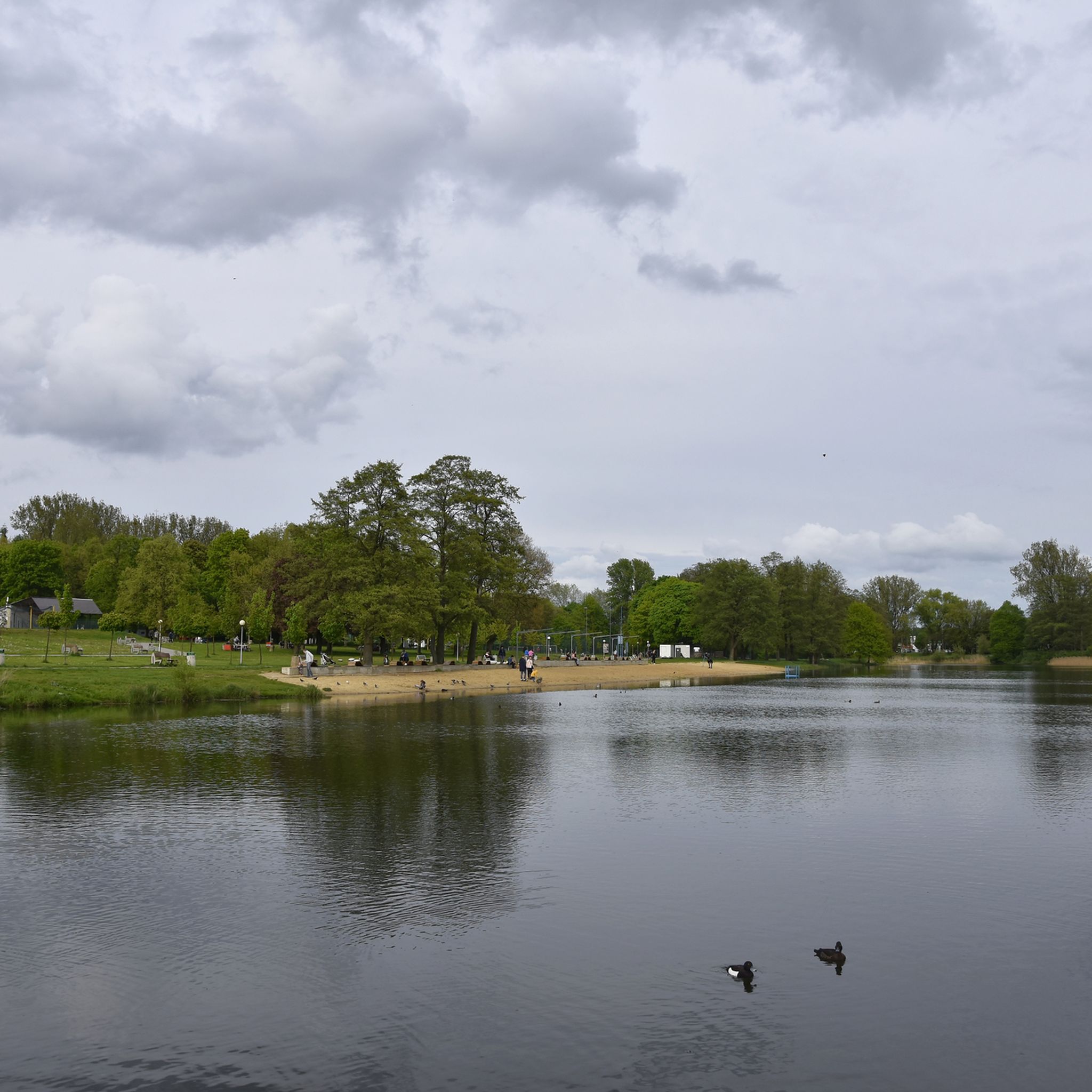
There is a pond with an area of 11.4 ha in the park, which is an extension of the Ner riverbed. The pond was once privately owned and part of the Ruda farm. There was a manor house nearby. After World War I, the pond was bought by a private entrepreneur, Stefański. As a result of exploitative management, most of the animals living here died out or left the area. Year by year, the pollution of the pond increased and it required thorough cleaning. This was later done by the occupiers.
After the end of World War II, Ruda Pabianicka found itself within the city limits of Łódź, and the park became the subject of interest of the city authorities. A few years after the war, it was decided to build a recreation center in Ruda Pabianicka. Part of the area on the western side was designated for the park. Roads were built, trees and shrubs were planted. In 1949, construction of a swimming pool began. The pond was deepened, and a sleigh hill was built from the excavated sand, while the stables from the former farm were transformed into changing rooms for guests spending time by the water. A second, smaller pond was also created, acting as a settling pond and stocked with fish. The work was completed in 1951. A bituminous surface was laid in the park alleys, restaurants and other buildings were renovated.
The pond overlaps the riverbed of the Ner, stretches for 2.5 km and is up to 165 m wide, with a depth of 1 m to 4 m.
Translated by Google •
Tip by

Władysław Reymont Statue
Highlight • Monument
Source: Wikipedia
Translated by Google •
Tip by

Łódź
Highlight • Settlement
Translated by Google •
Tip by

Herbst Palace
Highlight • Historical Site
Translated by Google •
Tip by

Central Museum of Textiles (White Factory)
Highlight • Historical Site
Translated by Google •
Tip by
Jewish Cemetery in Łódź
Highlight • Historical Site
In the cemetery, which was newly created in 1892, there are about 180,000 graves with 65,000 gravestones[1] from the period 1893 to 1939 and unusual gravestones in Art Nouveau style on an area of 40 hectares.[2] Around 43,000 victims of the Litzmannstadt ghetto are also buried in the cemetery.
In terms of the number of graves, it is the largest preserved Jewish cemetery in Europe. The Jewish Cemetery Berlin-Weißensee is larger at 42 hectares, but smaller in terms of the number of graves (115,000 graves).
Poznański Mausoleum
In 1956 a memorial to the victims of the Lodz ghetto and extermination camps in the form of an obelisk and a broken oak tree was inaugurated. The mausoleum of the manufacturer Izrael Poznański is also located in the cemetery. The tomb is so big that it is called "the last palace of Poznanski".
In 1980 the cemetery was entered in the register of monuments. In 1984 the Protection Committee of the Jewish Cemetery was established. Since the 1990s, maintenance and construction works have been carried out to save the necropolis from decay: the ghetto field has been cleaned up, the mosaics of the inner stone dome of the Poznański Mausoleum have been renovated and the funeral home has been renovated. Source: Wikipedia
Translated by Google •
Tip by
Freedom Square (Plac Wolności) in Łódź
Highlight • Monument
Source: Wikipedia
Translated by Google •
Tip by
Sign up for free to discover even more attractions around Łódź.
Sign up for free
Already have an account?
Start today with a free account
Your next adventure awaits.
Login or Signup

Other adventures around Łódź

Tips from the Community

Beautiful photos, thank you for sharing. 🙏
0
0

I was born here and I love this city, no matter what others say about it. It's the meeting place for my cycling group.
0
0

One of the attractions of the passage.
2
0
That's awesome, nice yard.
2
0

Park im. 1 Maja, Stawy Stefańskiego is a recreational facility There is a pond with an area of 11.4 ha in the park, which is an extension of the Ner riverbed. The pond was once privately owned and part of the Ruda farm. There was a manor house nearby. After World War I, the pond was bought by a private entrepreneur, Stefański. As a result of exploitative management, most of the animals living here died out or left the area. Year by year, the pollution of the pond increased and it required thorough cleaning. This was later done by the occupiers. After the end of World War II, Ruda Pabianicka found itself within the city limits of Łódź, and the park became the subject of interest of the city authorities. A few years after the war, it was decided to build a recreation center in Ruda Pabianicka. Part of the area on the western side was designated for the park. Roads were built, trees and shrubs were planted. In 1949, construction of a swimming pool began. The pond was deepened, and a sleigh hill was built from the excavated sand, while the stables from the former farm were transformed into changing rooms for guests spending time by the water. A second, smaller pond was also created, acting as a settling pond and stocked with fish. The work was completed in 1951. A bituminous surface was laid in the park alleys, restaurants and other buildings were renovated. The pond overlaps the riverbed of the Ner, stretches for 2.5 km and is up to 165 m wide, with a depth of 1 m to 4 m.
1
0
Park im. 1 Maja, Stawy Stefańskiego is a recreational facility There is a pond with an area of 11.4 ha in the park, which is an extension of the Ner riverbed. The pond was once privately owned and part of the Ruda farm. There was a manor house nearby. After World War I, the pond was bought by a private entrepreneur, Stefański. As a result of exploitative management, most of the animals living here died out or left the area. Year by year, the pollution of the pond increased and it required thorough cleaning. This was later done by the occupiers. After the end of World War II, Ruda Pabianicka found itself within the city limits of Łódź, and the park became the subject of interest of the city authorities. A few years after the war, it was decided to build a recreation center in Ruda Pabianicka. Part of the area on the western side was designated for the park. Roads were built, trees and shrubs were planted. In 1949, construction of a swimming pool began. The pond was deepened, and a sleigh hill was built from the excavated sand, while the stables from the former farm were transformed into changing rooms for guests spending time by the water. A second, smaller pond was also created, acting as a settling pond and stocked with fish. The work was completed in 1951. A bituminous surface was laid in the park alleys, restaurants and other buildings were renovated. The pond overlaps the riverbed of the Ner, stretches for 2.5 km and is up to 165 m wide, with a depth of 1 m to 4 m.
0
0
It is a branch of the Museum of Art in Łódź located in the neo-Renaissance villa of Edward Herbst in Łódź. The branch presents the original 19th-century palace interiors and a collection of old art in the coach house building. After the war, the villa complex was used by various state institutions. Many years of neglect and improper use led to the devastation of the buildings. The residence of the Herbst family was taken over by the Museum of Art in Łódź in 1976. For almost fourteen years, a general renovation combined with the reconstruction of the interiors and other conservation procedures lasted. In 1990, thanks to the efforts of the then director of the Museum, Ryszard Stanisławski, the palace was officially opened to visitors as a branch of the Museum of Art in Łódź. At the same time, in the same year, the branch was honored with the Europa Nostra medal. It was the first medal awarded to a facility in Poland. In 2012, the Gallery of Old Art was created on the premises of the Herbst complex in the building of the former coach house.
0
0

Reymont's works are very diverse in their subject matter and literary form. They are often determined by socially critical perspectives.
0
0
Frequently Asked Questions
What are some family-friendly attractions in Łódź?
Łódź offers several great options for families. You can visit the Stefański Ponds – Northern Bridge, a popular recreational area perfect for feeding ducks and enjoying the outdoors. The Stawy Stefańskiego Beach is also a good spot for relaxation. The modern Orientarium at Łódź Zoo is a significant highlight, housing over 350 species. For a unique experience, explore the visually stunning Rose Passage (Pasaż Róży), an art installation made of mirrored pieces. Additionally, the Łagiewnicki Forest features the Arturówek Recreation Complex with water activities, and the Central Museum of Textiles (White Factory) is also considered family-friendly.
Where can I experience Łódź's industrial heritage?
Łódź is rich in industrial heritage. You can explore OFF Piotrkowska, a revitalized old factory complex now home to restaurants, bars, and shops. Another prime example is Manufaktura, an award-winning shopping and entertainment center housed in a former 19th-century factory. Księży Młyn (Priest's Mill) offers a glimpse into the city's textile industry past, with some parts converted into apartments. The Central Museum of Textiles (White Factory), built for a prominent textile tycoon, showcases the industry's history and hosts the International Triennial of Tapestry.
Are there any natural attractions or green spaces in Łódź?
Yes, Łódź boasts significant natural features. The Stefański Ponds – Northern Bridge and Stawy Stefańskiego Beach offer recreational opportunities on the River Ner. Łagiewnicki Forest, one of Europe's largest municipal forests, provides countless walking and cycling trails and protects diverse plant species. Within the forest, you'll find the Arturówek Recreation Complex. Niebieskie Źródła Nature Reserve (Blue Springs), located outside the immediate city, is known for its uniquely colored karst springs.
What cultural sites should I visit in Łódź?
Łódź has a vibrant cultural scene. EC1 Łódź - City of Culture, a former power plant, now features a planetarium, a science and technology center, and a museum of art. The Museum of Art MS1 and MS2 branches offer rich collections of modern art, with MS2 located within the Manufaktura complex. Don't miss the city's renowned street art and murals, with over 70 large-format artworks. The Museum of Cinematography, housed in an industrialist's palace, celebrates the art of cinema.
Where can I find historical landmarks in Łódź?
For historical landmarks, explore Piotrkowska Street, one of Europe's longest commercial thoroughfares, lined with historic houses and monuments. The Izrael Poznański Palace, the largest industrialist's residence in Poland, houses the Museum of the City of Łódź. The Herbst Palace Museum showcases 19th-century art and beautiful interiors. Radegast Station serves as a poignant memorial to the victims of the Łódź Ghetto. The Jewish Cemetery on Bracka Street is one of Europe's largest, offering a significant historical perspective.
What outdoor activities can I do near Łódź?
The region around Łódź offers various outdoor activities. You can find numerous trails for hiking, gravel biking, and running. For hiking, explore routes like the 'Manufaktura, Łódź – OFF Piotrkowska loop' or the 'Birch Tree in the Łagiewnicki Forest loop'. Gravel biking enthusiasts can try the 'Bicycle Trail through Łódź Hills Landscape Park'. Runners have options like the 'Łódź loop' or 'Workout Park Łódź loop'. You can find more details and specific routes on the Hiking around Łódź, Gravel biking around Łódź, and Running Trails around Łódź guide pages.
Are there any unique or unusual places to visit in Łódź?
Yes, Łódź has some truly unique spots. The 'Inner Tube' Museum of Canal allows visitors to walk through a part of the underground sewage system. The Rose Passage (Pasaż Róży) is an extraordinary art installation where a courtyard is covered in a mosaic of mirrored pieces, creating a unique reflective environment. Radegast Station, a former train station, is a memorial complex with a 'Tunnel of Deportation' inscribed with victims' names, offering a somber yet important experience.
What do visitors enjoy most about the attractions in Łódź?
Visitors particularly appreciate the blend of history and modernity. For instance, OFF Piotrkowska is loved for its 'quite nice place built within old factory' with 'many good restaurants and a few pubs'. The Rose Passage (Pasaż Róży) is described as a 'magical place with a beautiful history in the background and great for having fun with photography'. The Stefański Ponds – Northern Bridge is noted as a 'popular place to feed ducks' and 'must see, every season it's amazing'.
Are there any wheelchair-accessible attractions in Łódź?
Several attractions in Łódź are noted for their accessibility. The Rose Passage (Pasaż Róży), Władysław Reymont Statue, Central Museum of Textiles (White Factory), and Freedom Square (Plac Wolności) are all indicated as wheelchair accessible. Many of the city's revitalized industrial complexes, like Manufaktura, also offer good accessibility.
Where can I find cafes and restaurants near Łódź attractions?
You'll find a wide selection of cafes and restaurants, especially in the city's vibrant centers. OFF Piotrkowska is particularly known for its array of eateries and pubs, with visitors recommending places like Ato Ramen. Piotrkowska Street itself is lined with numerous restaurants, pubs, and clubs. Manufaktura, the large shopping and entertainment complex, also houses over 250 shops and restaurants, offering diverse dining options.
What is the best time to visit Łódź?
Łódź can be enjoyed throughout the year, with each season offering a different experience. Spring and autumn provide pleasant weather for exploring the city's streets, parks, and outdoor murals. Summer is ideal for enjoying green spaces like Łagiewnicki Forest and water activities at Arturówek or the Stefański Ponds. Winter brings a festive atmosphere, especially around Piotrkowska Street, and allows for indoor cultural experiences at museums and galleries.
Most popular routes around Łódź
Most popular attractions around Łódź

Get inspired with the komoot mobile app


Didn’t find what you were looking for?
Are you keen on exploring more awesome places nearby? Browse our guides:
Explore more
Still not found the Highlight you’re looking for? See guides of the top attractions in other regions:
