Attractions and Places To See around Wągrowiec - Top 20
Best attractions and places to see around Wągrowiec include a blend of historical landmarks, natural features, and cultural sites. The town is situated at the unique confluence of the Wełna and Nielba rivers, a bifurcation engineered centuries ago. Visitors can explore a large lake, Cistercian heritage, and various religious buildings. The region offers diverse points of interest for those exploring west-central Poland.
Best attractions and places to see around Wągrowiec
- The most popular attractions is Sanctuary of the Assumption of…
Last updated: July 29, 2026
Church of the Annunciation of the Blessed Virgin Mary in Popowo Kościelne
Highlight • Religious Site
Translated by Google •
Tip by

Confluence of the Wełna and Nielba Rivers
Highlight • River
Translated by Google •
Tip by

Sign up now to discover places like this
Get recommendations on the best single tracks, peaks, & plenty of other exciting outdoor places.
Sign up for free
St. Michael the Archangel Wooden Church in Jabłkowo
Highlight • Religious Site
Translated by Google •
Tip by
Gravel section of the Poznań Route
Highlight (Segment) • Trail
Translated by Google •
Tip by

Sanctuary of the Assumption of the Blessed Virgin Mary in Dąbrówka Kościelna
Highlight • Religious Site
Translated by Google •
Tip by

St. Nicholas Roman Catholic Church in Skoki
Highlight • Religious Site
Translated by Google •
Tip by

St. John the Baptist Wooden Church in Kiszkowo
Highlight • Religious Site
Wikipedia: pl.wikipedia.org/wiki/Ko%C5%9Bci%C3%B3%C5%82_%C5%9Bw._Jana_Chrzciciela_w_Kiszkowie
Showing Translation
Tip by
Church of the Sacred Heart of Jesus in Rejowiec
Highlight • Religious Site
Wikipedia: pl.wikipedia.org/wiki/Ko%C5%9Bci%C3%B3%C5%82_Naj%C5%9Bwi%C4%99tszym_Serca_Pana_Jezusa_w_Rejowcu
Translated by Google •
Tip by
Cistercian Monastery in Wągrowiec
Highlight • Religious Site
Translated by Google •
Tip by

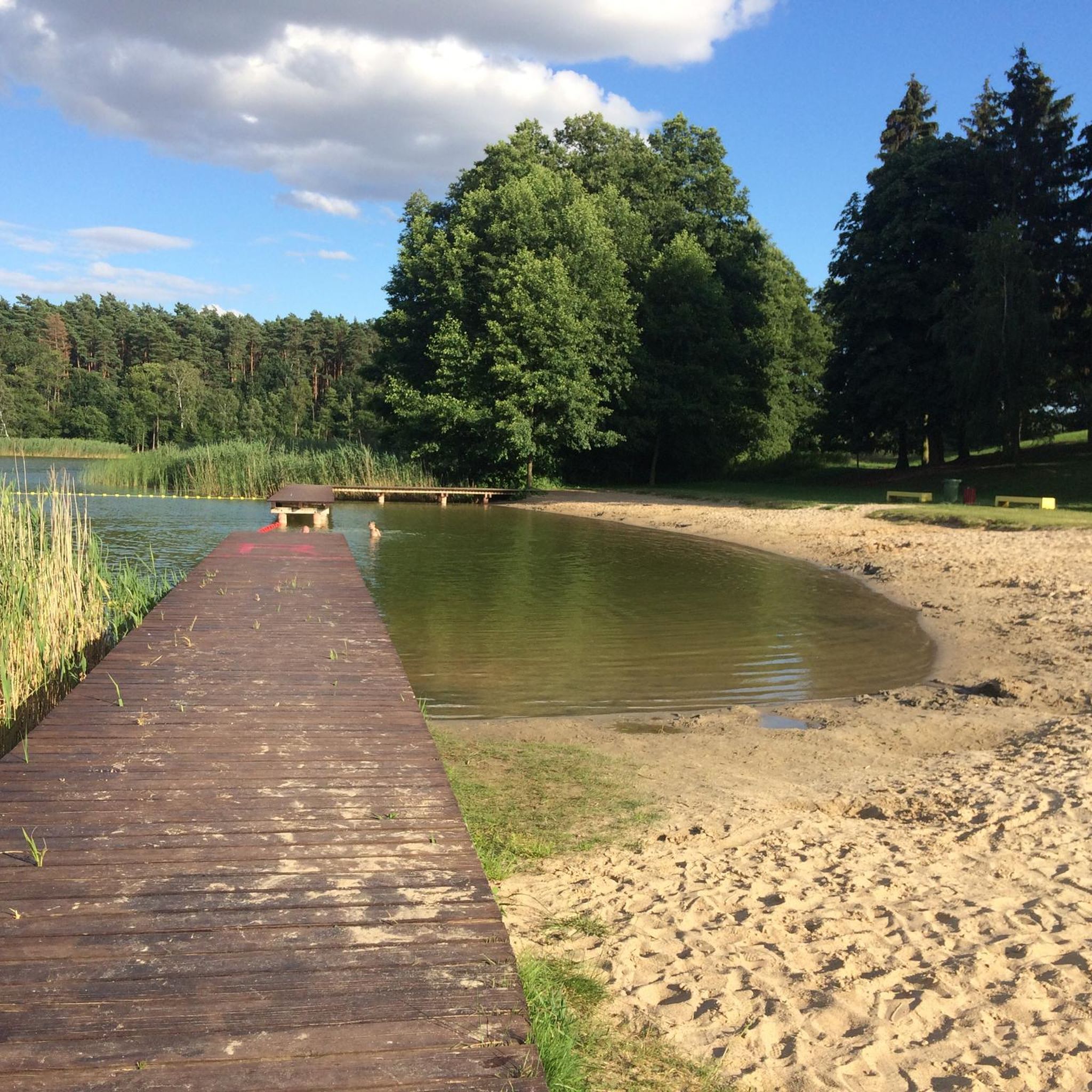
Lake Durowskie
Highlight • Lake
Translated by Google •
Tip by

Sign up for free to discover even more attractions around Wągrowiec.
Sign up for free
Already have an account?
Start today with a free account
Your next adventure awaits.
Login or Signup
Other adventures around Wągrowiec

Tips from the Community

Quite a large photogenic church in a small village. Rest area nearby.
0
0

This is not a church in Żnin, but in Skoki
0
0

Sanctuary of Our Lady of Consolation of the Faithful. Burned down in 1925 and rebuilt after the war. Famous for its miraculous painting.
0
0

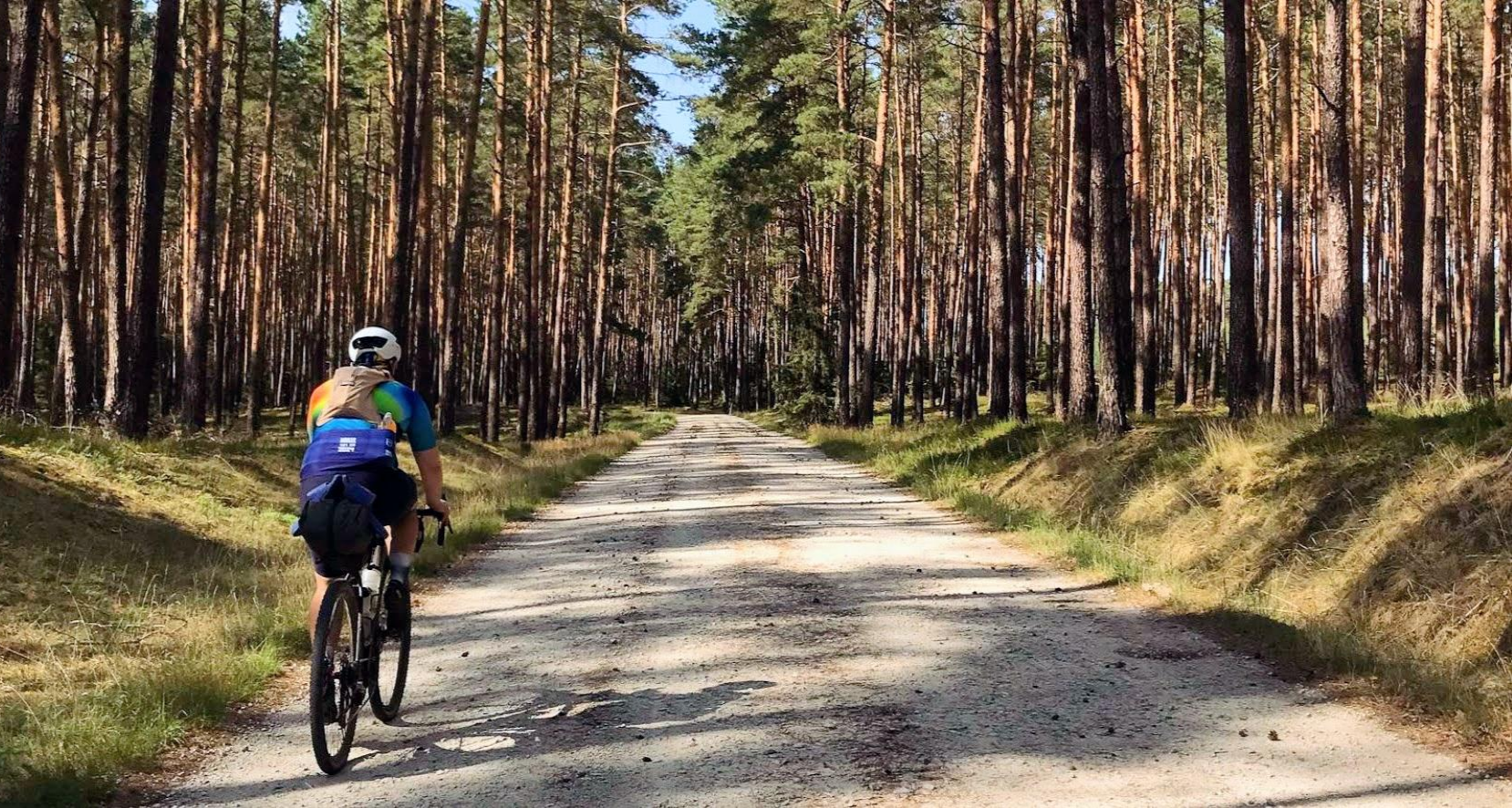
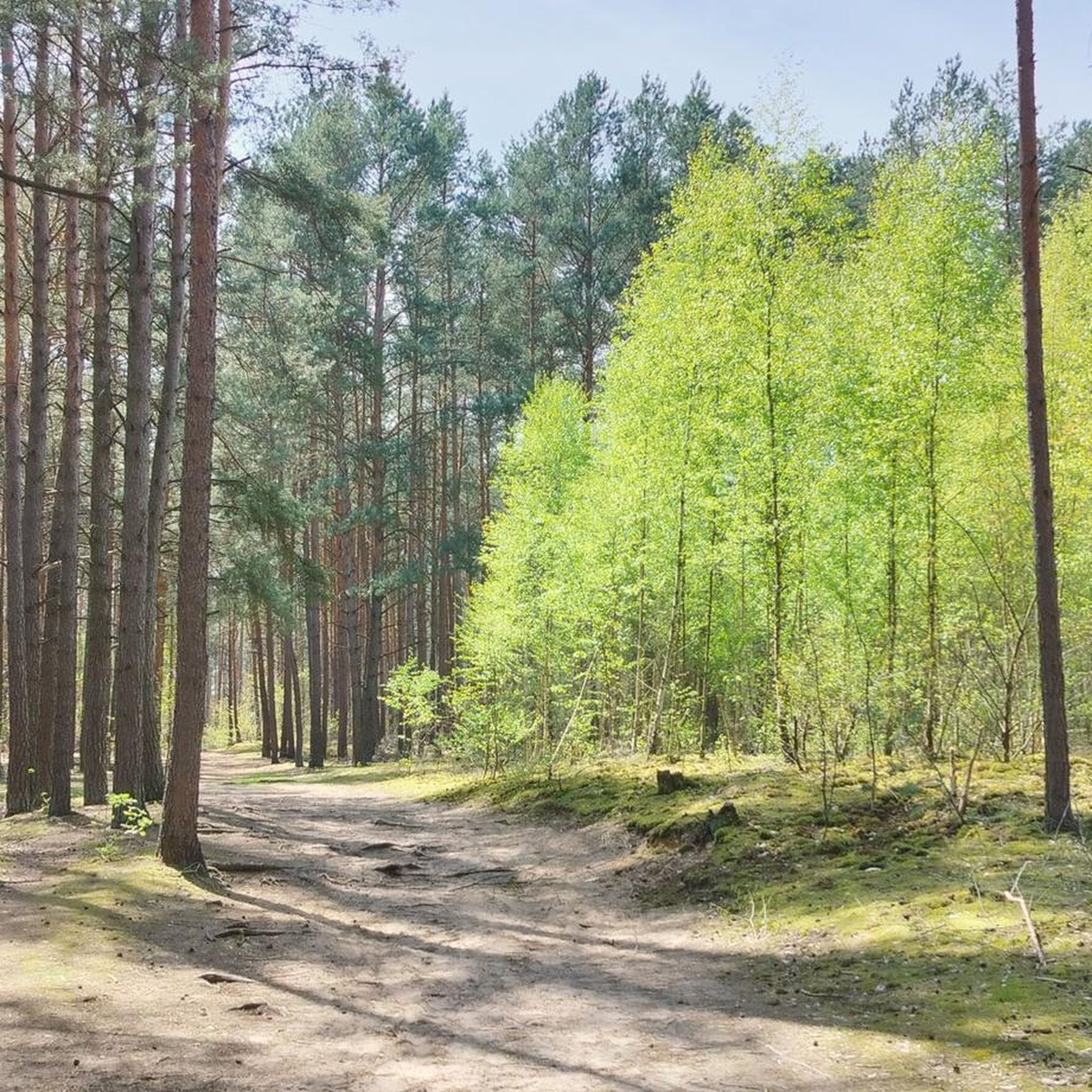
A beautiful gravel section of the Poznański Route, which runs through the Puszcza Zielonka Landscape Park, offers a truly pleasant ride surrounded by lush greenery. The Poznański Route, also known as the Mariański Route, is a historic transportation route that connected Dąbrówka Kościelna with Kicin and Poznań.
2
0

Beautiful gravel road on Grawelka and beyond
1
2

This is the so-called Poznań Route. It's like gravel, but it's quite thick and sharp.
0
2

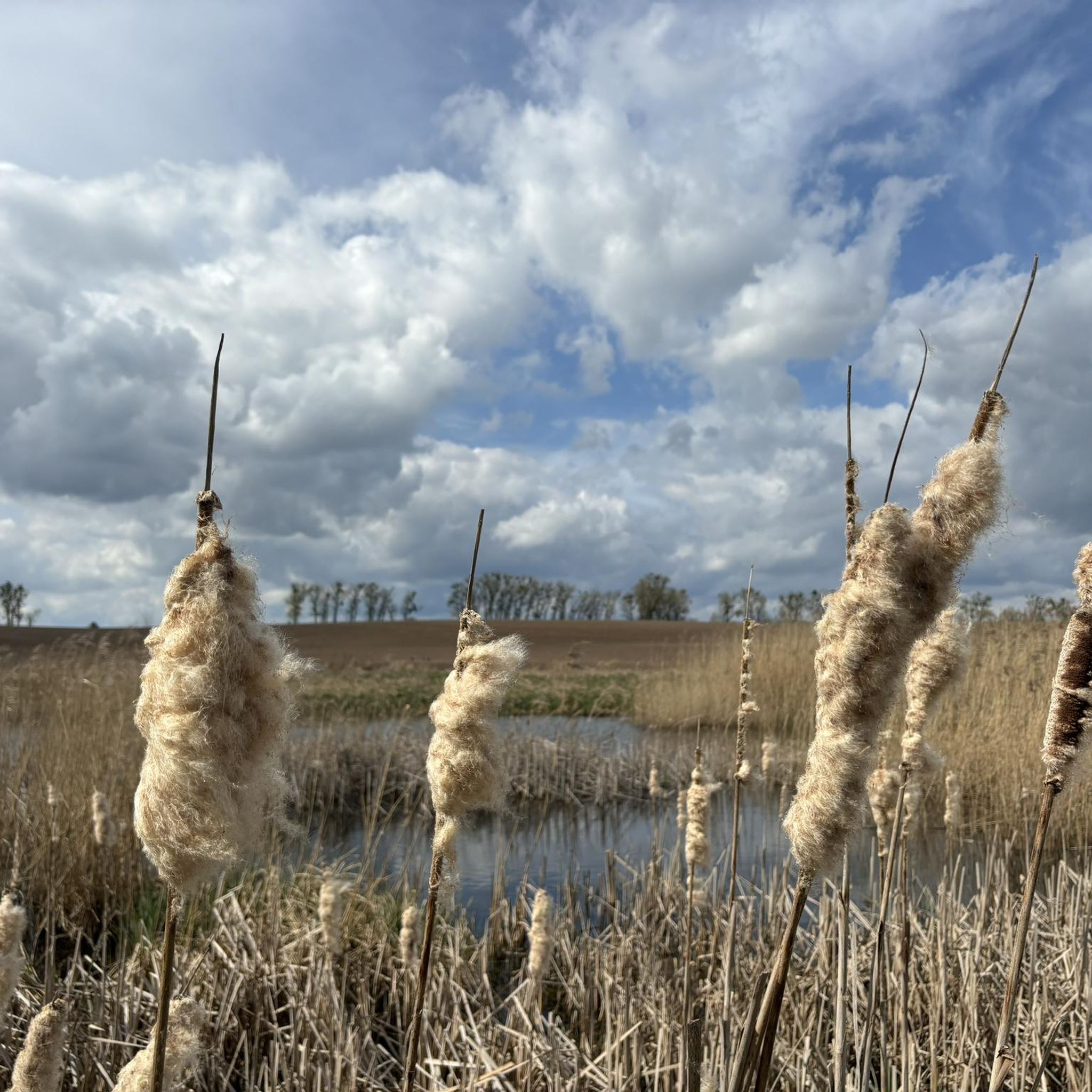
The only river crossing in Poland, the second in Europe in Wągrowiec, although very impressive, is not a natural phenomenon. It was created during drainage works in 1830. They changed the place where the Nielba flows into the Wełna, so that it falls exactly at the point where the Wełna flows apart. This solution was designed by Adalbert Schulemann from Bydgoszcz in order to protect Wągrowiec (then called Wongrowitz) from being flooded by flood waters of both rivers. Drainage works were also intended to ensure that the Wełna waters were adequately dammed during droughts, so that a water mill could operate on it. (wagrowiec.pl)
0
0
Frequently Asked Questions
What are the main natural attractions to explore around Wągrowiec?
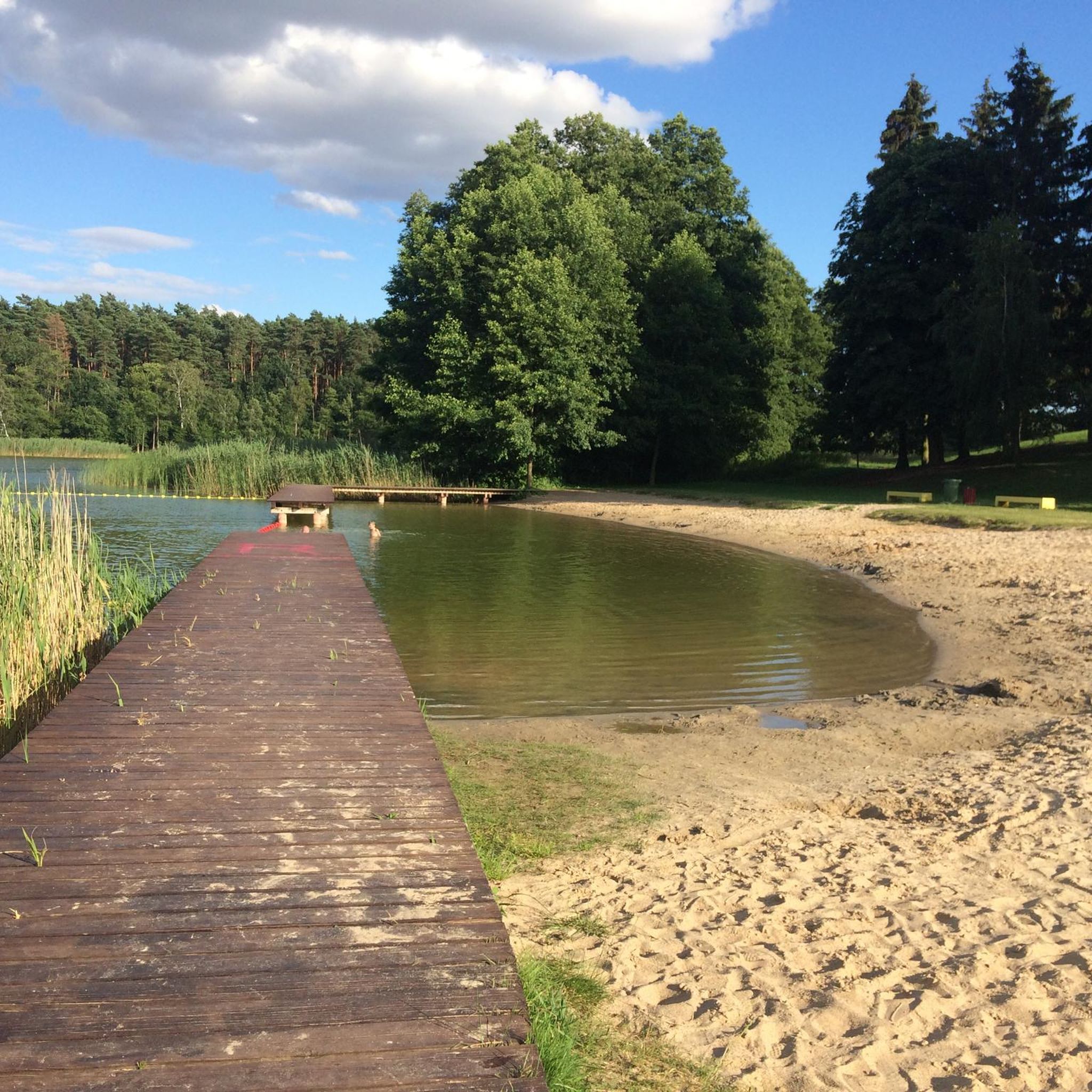
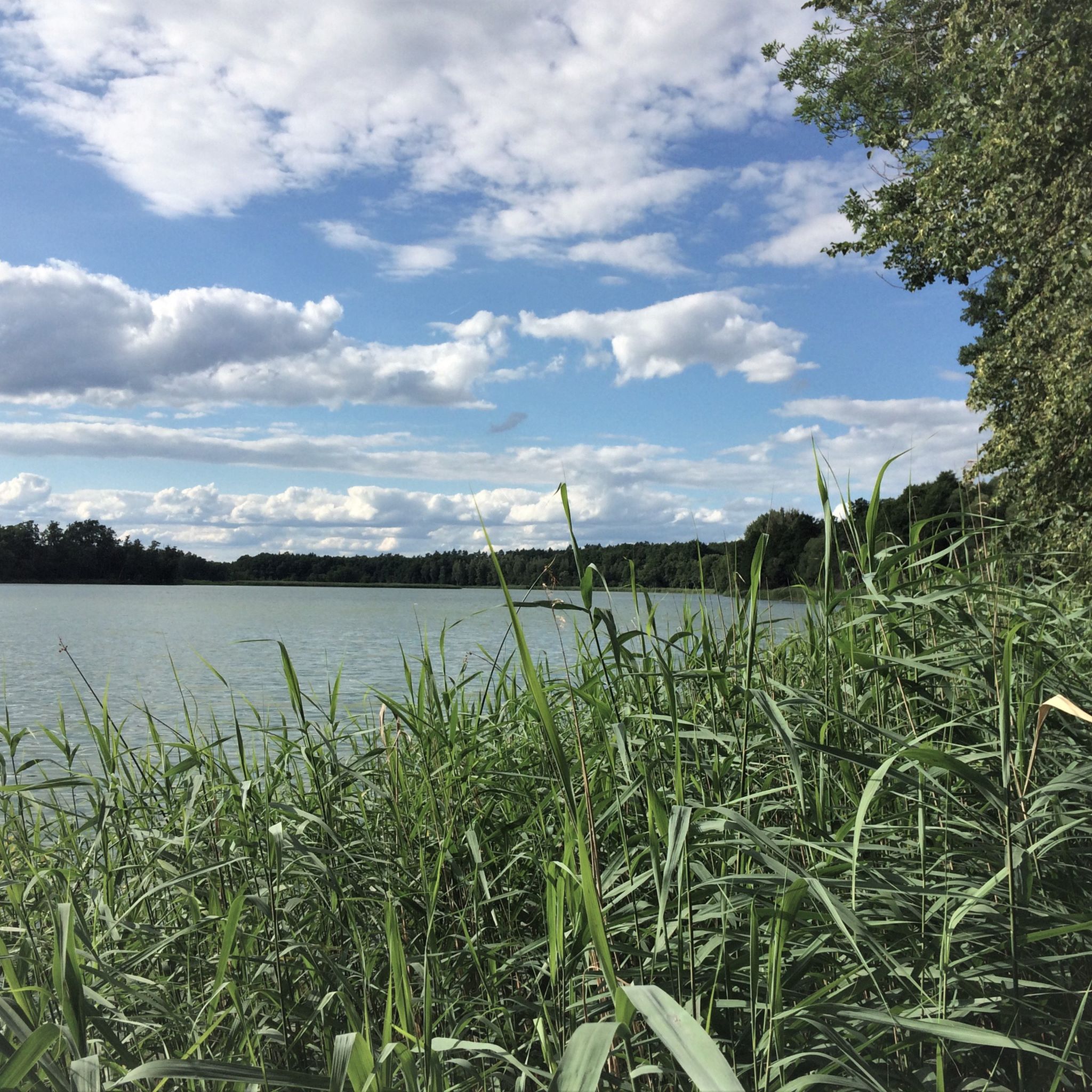
Wągrowiec is known for its natural beauty, particularly Lake Durowskie, which offers a promenade, lido, and pathways for cycling. A unique natural phenomenon is the Confluence of the Wełna and Nielba Rivers, where the two rivers cross without mixing. The Dębina Forest Reserve also provides a natural escape just west of town.
Are there any significant historical or religious sites in Wągrowiec?
Yes, Wągrowiec has a rich history. You can visit the former Cistercian Complex and Church, a Baroque structure with a crypt. The late-Gothic St. Jacob the Apostle's Church features a monument to Jakub Wujek. A notable pilgrimage site is the Sanctuary of the Assumption of the Blessed Virgin Mary in Dąbrówka Kościelna, famous for its miraculous painting.
What cultural experiences can I find in Wągrowiec?
The Regional Museum in Wągrowiec, housed in an 18th-century building, showcases the region's history and ethnography. The revitalized Market Square features a 'dancing fountain' with musical and light effects, providing daily entertainment from spring to autumn. You can also visit the Jewish Lapidarium, created from recovered gravestones.
What kind of outdoor activities can I do near Wągrowiec's attractions?
The area around Wągrowiec is excellent for outdoor activities. You can enjoy cycling around Lake Durowskie or explore the Gravel section of the Poznań Route through the Puszcza Zielonka Landscape Park. For more options, check out the dedicated guides for cycling, running, and MTB trails around Wągrowiec.
Are there family-friendly attractions in Wągrowiec?
Absolutely! Lake Durowskie is a great family spot with its lido and water equipment rentals. The Aquapark Wągrowiec offers modern water and leisure facilities, including pools, an 80-meter slide, and a salt cave. Many historical sites, like the Sanctuary of the Assumption of the Blessed Virgin Mary in Dąbrówka Kościelna, are also considered family-friendly.
Where can I see unique wooden churches in the Wągrowiec region?
The region is home to several picturesque wooden churches. You can visit the Church of the Annunciation of the Blessed Virgin Mary in Popowo Kościelne, dating from 1629, or the St. Michael the Archangel Wooden Church in Jabłkowo from 1754. Other examples include St. Anne's Wooden Church in Podlesie Kościelne and the Wooden Church of St. Catherine in Potulice.
Is there a place to get panoramic views of the area?
Yes, the Observation Tower (Wieża Widokowa - Wspinalnia) offers panoramic views of Wągrowiec and its surroundings. This restored historic Volunteer Fire Brigade climbing wall now features a viewing terrace for visitors.
What is the Piramida Łakińskiego?
The Piramida Łakińskiego is a notable historical monument in Wągrowiec. It is the pyramid tomb of Rotmistrz Franciszek Łakiński, offering a unique historical point of interest.
Are there any historical military sites in Wągrowiec?
Wągrowiec has a bunker dating back to World War II, which serves as a historical military site for those interested in the region's wartime past.
What is the Papal Oak in Dąbrówka Kościelna?
The Papal Oak in Dąbrówka Kościelna is a natural monument with historical significance. It's a notable tree that has become a local landmark, often associated with historical events or figures.
What is the best time of year to visit Wągrowiec attractions?
The best time to visit Wągrowiec is generally from spring to autumn, when the weather is pleasant for outdoor activities like cycling around Lake Durowskie and enjoying the 'dancing fountain' in the Market Square. Many natural and cultural sites are also more accessible and enjoyable during these seasons.
Most popular routes around Wągrowiec

Get inspired with the komoot mobile app


Didn’t find what you were looking for?
Are you keen on exploring more awesome places nearby? Browse our guides:
Explore more
Still not found the Highlight you’re looking for? See guides of the top attractions in other regions:
