The best cycling routes around powiat świdnicki
4.6
(739)
4,640
riders
432
rides
Touring cycling routes around Powiat Świdnicki traverse a region characterized by its diverse landscapes and varied topography within the Lower Silesian Voivodeship of Poland. The area features rolling hills, river valleys, and is influenced by the proximity of the Sudetes mountain range, offering a range of terrain for cyclists. Historical attractions and natural features are integrated into the routes, providing scenic viewpoints along bike routes Swidnica region.
Best touring cycling routes around powiat świdnicki
- The most popular touring cycling route…
Last updated: November 15, 2026
4.4
(17)
157
riders
28.3km
01:48
350m
350m
Moderate bike ride. Good fitness required. Mostly paved surfaces.
4.9
(15)
99
riders
24.5km
01:30
120m
120m
Easy bike ride. Mostly paved surfaces.

4.7
(21)
91
riders
21.2km
01:34
200m
200m
Moderate bike ride. Good fitness required. Mostly paved surfaces.
3.9
(19)
81
riders
Easy bike ride. Mostly paved surfaces.
4.6
(11)
60
riders
40.7km
02:35
360m
360m
Moderate bike ride. Good fitness required. Mostly paved surfaces.
3.7
(3)
53
riders
Easy bike ride. Mostly paved surfaces.
4.8
(6)
45
riders
39.8km
02:27
210m
210m
Hard bike ride. Good fitness required. You may need to push your bike for some segments of this route.
42
riders
45.0km
04:04
680m
680m
Hard bike ride. Very good fitness required. Mostly paved surfaces.
46
riders
24.4km
01:31
130m
130m
Easy bike ride. Mostly paved surfaces.
5.0
(7)
54
riders
Moderate bike ride. Good fitness required. Mostly paved surfaces.
Get access to more routes and recommendations from other explorers.
Already have an account?
Our route recommendations are based on thousands of hikes, rides, and runs completed by other people on komoot.
Start today with a free account
Your next adventure awaits.
Popular around powiat świdnicki
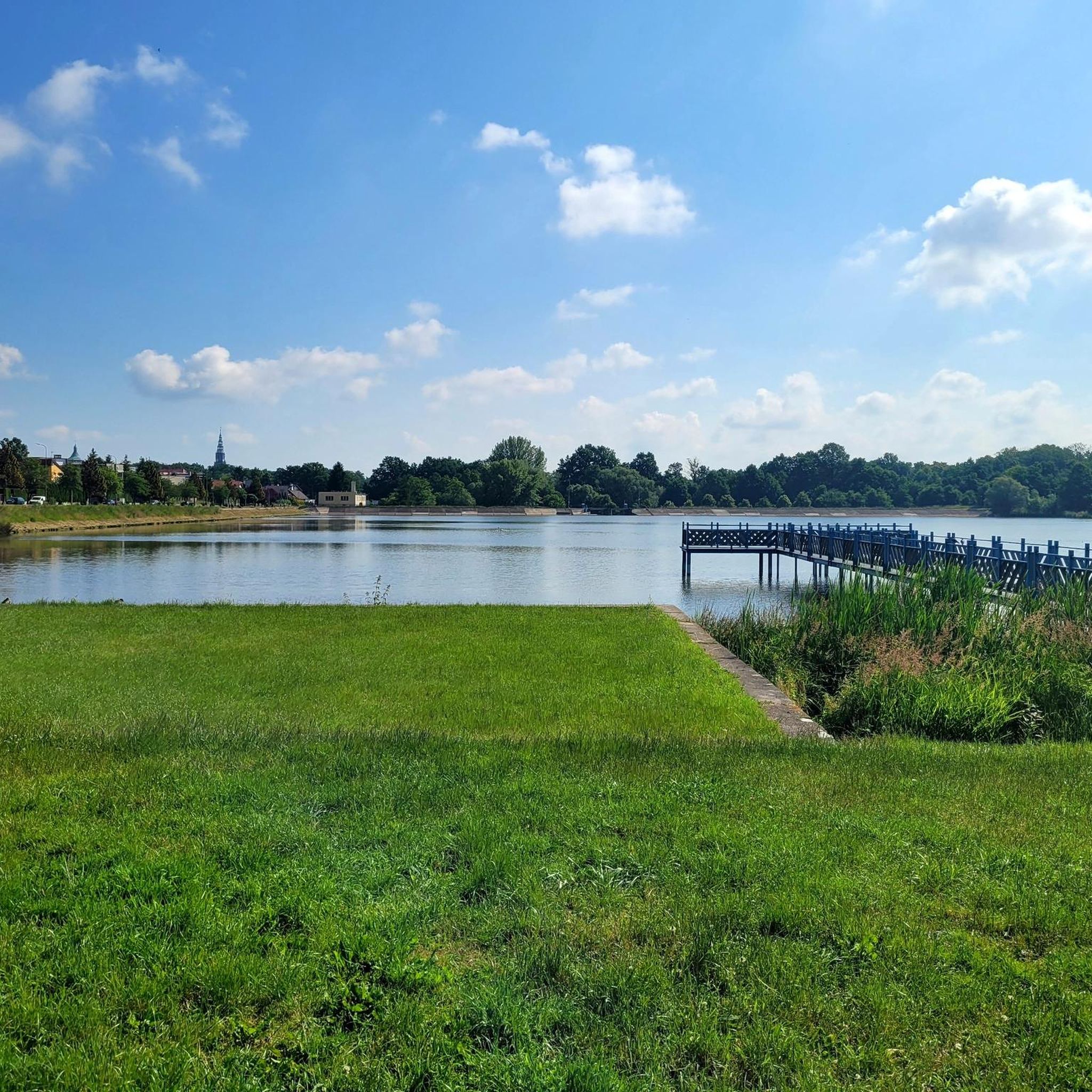
Cycling around Świdnica
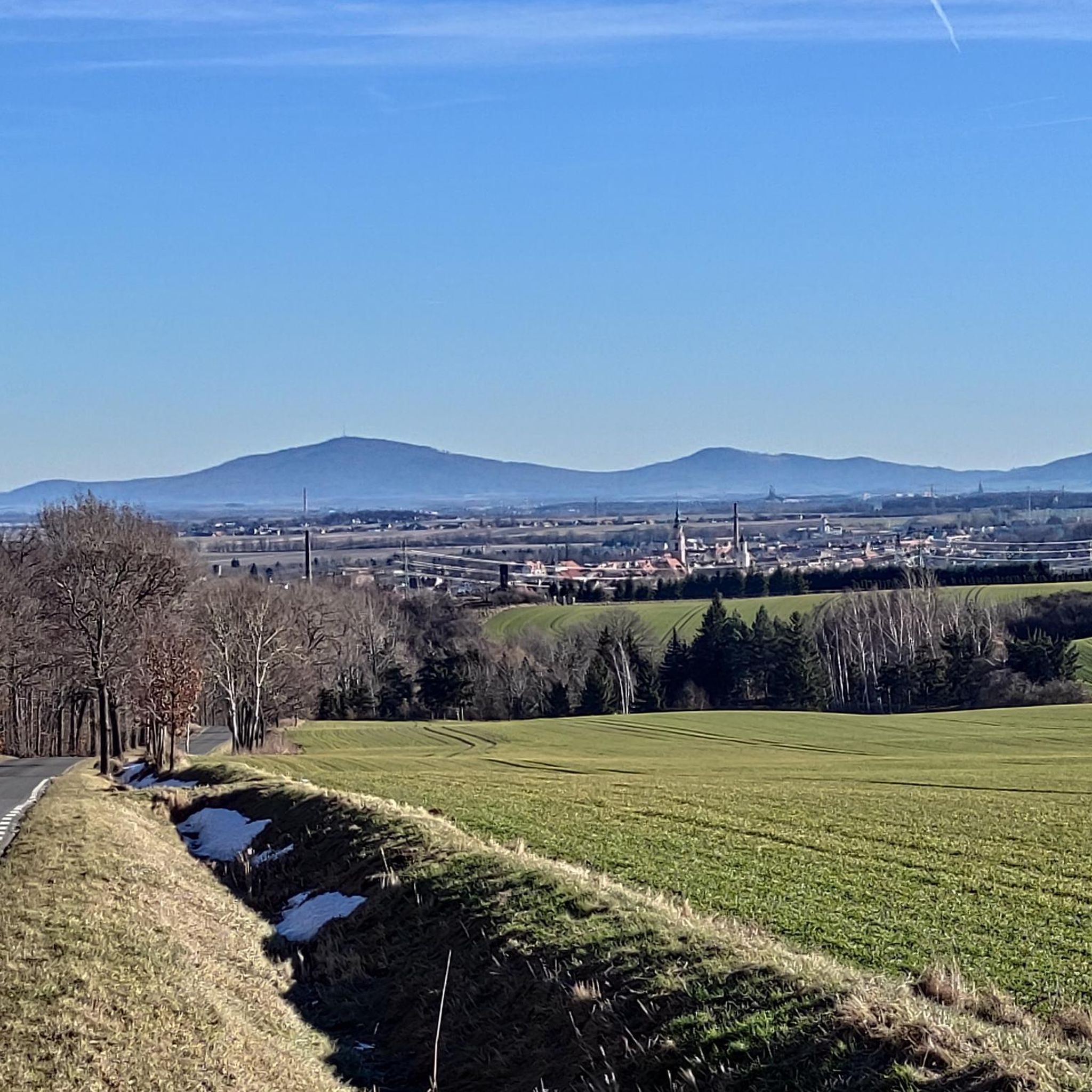
Cycling around Świebodzice
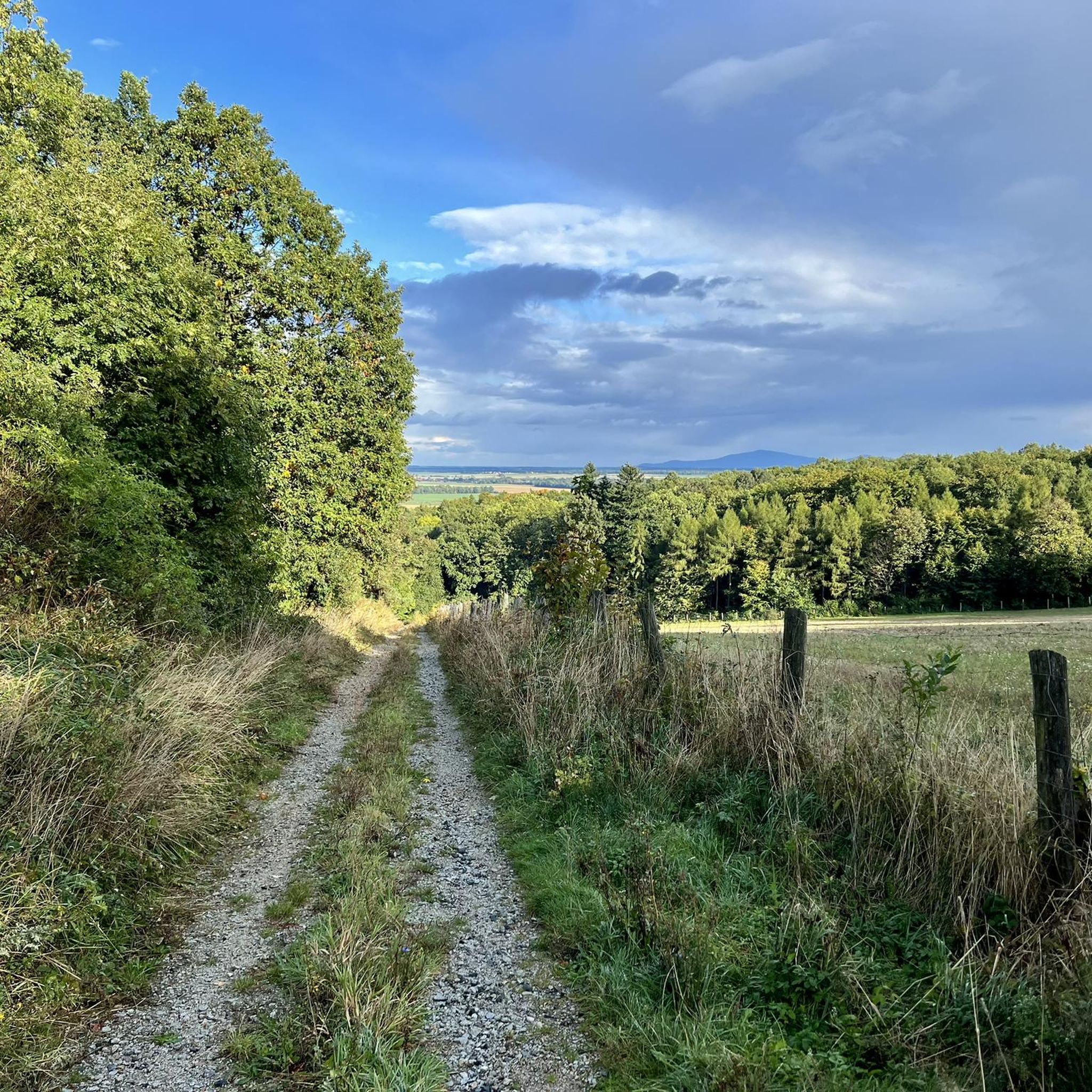
Cycling around Książański Park Krajobrazowy
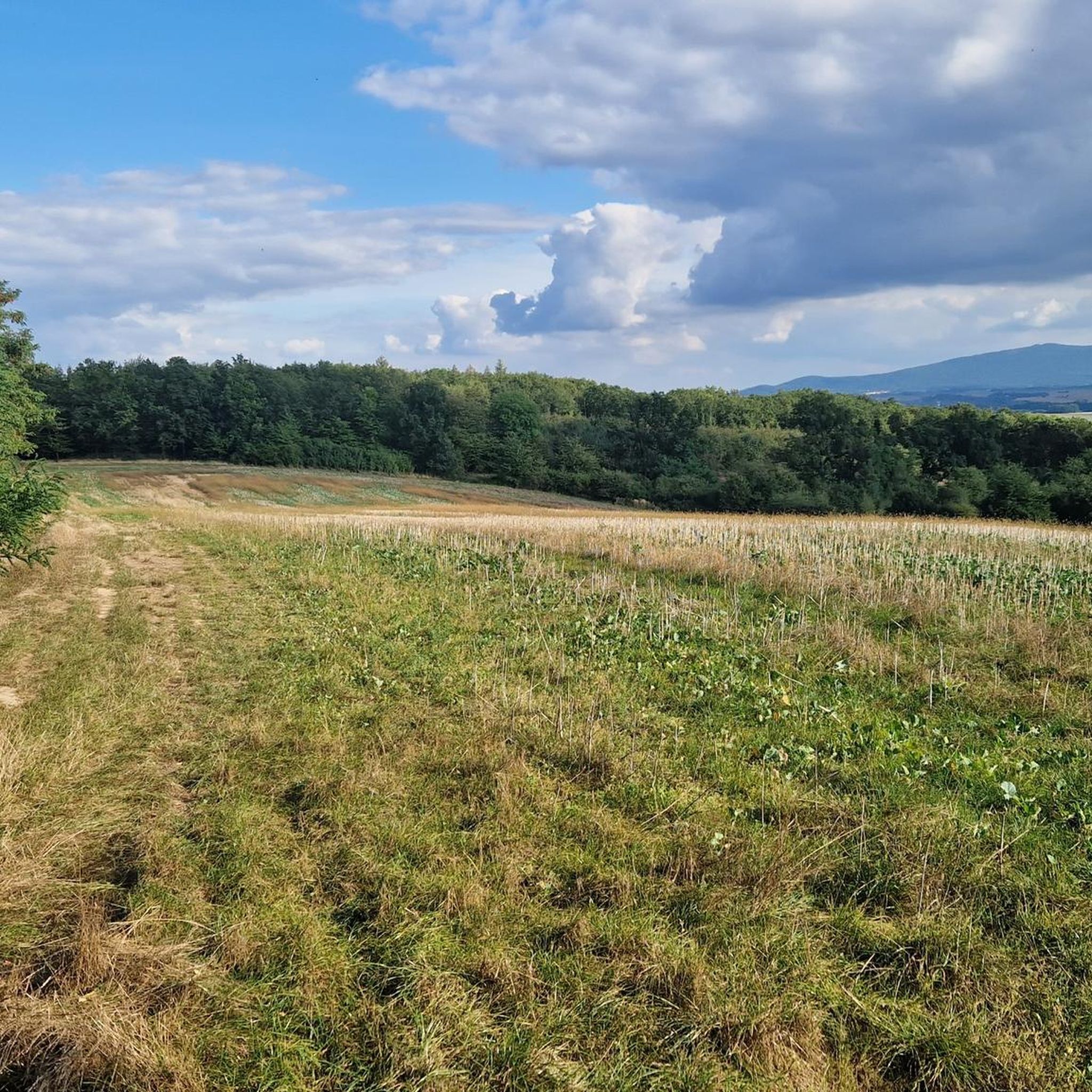
Cycling around gmina Żarów
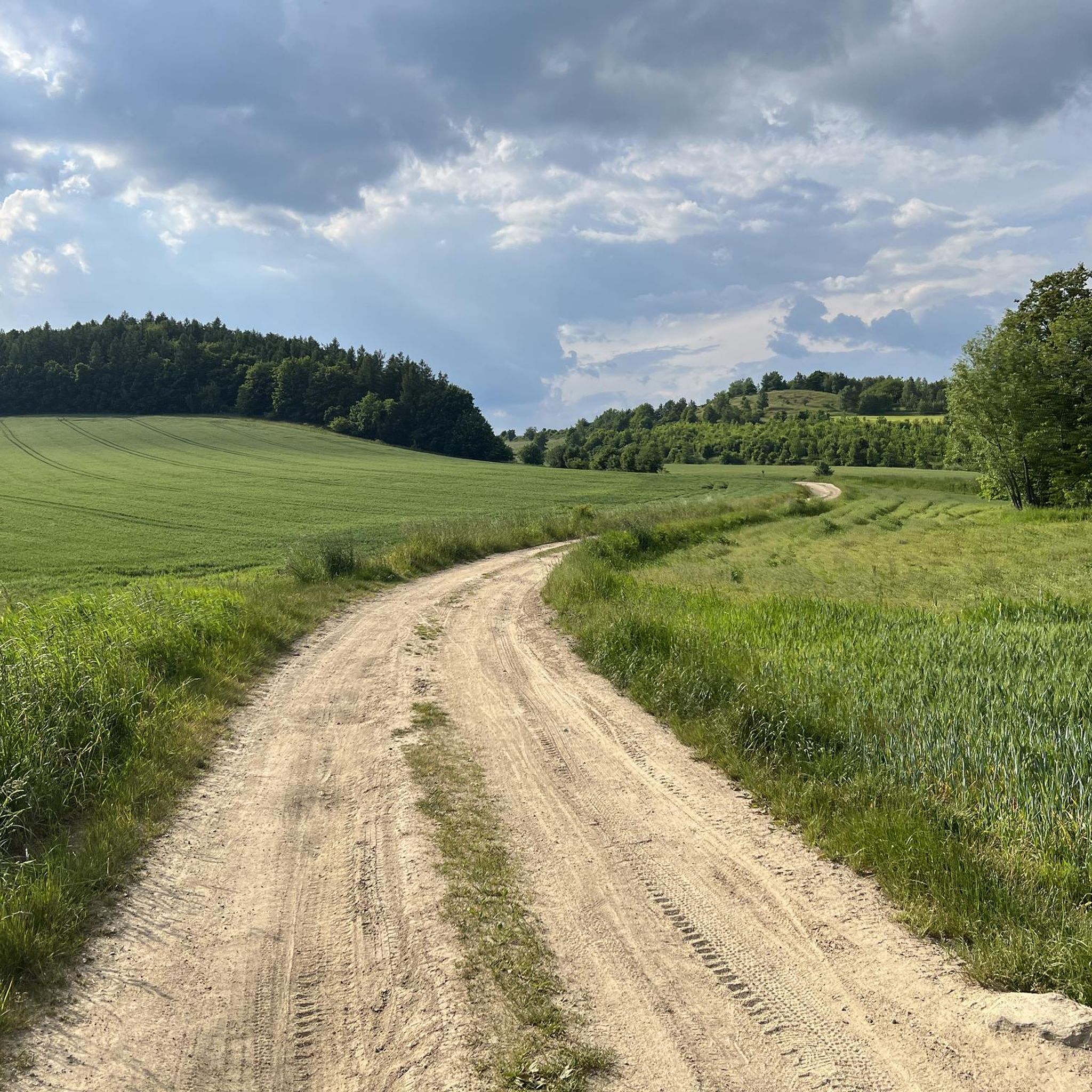
Cycling around gmina Świdnica
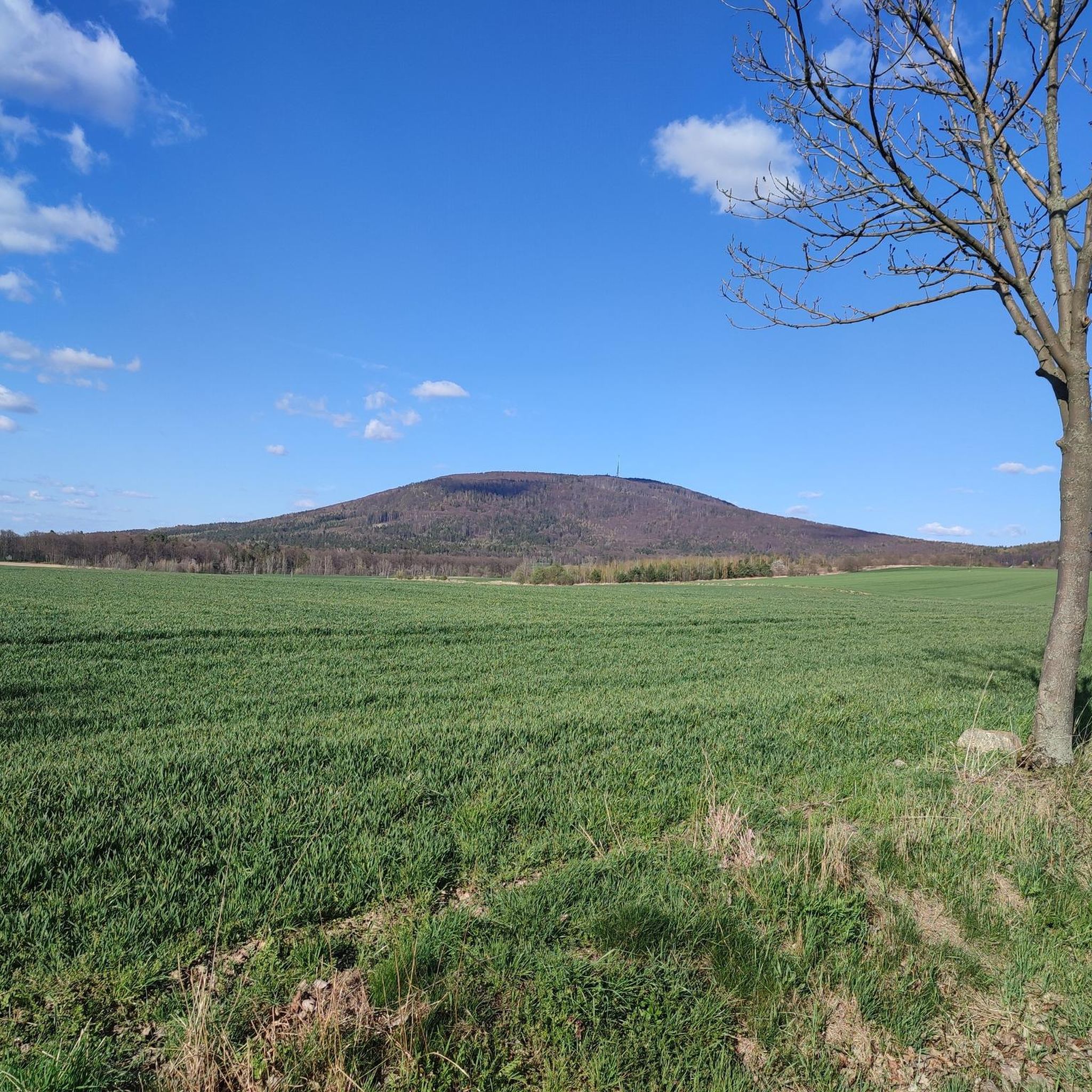
Cycling around Marcinowice
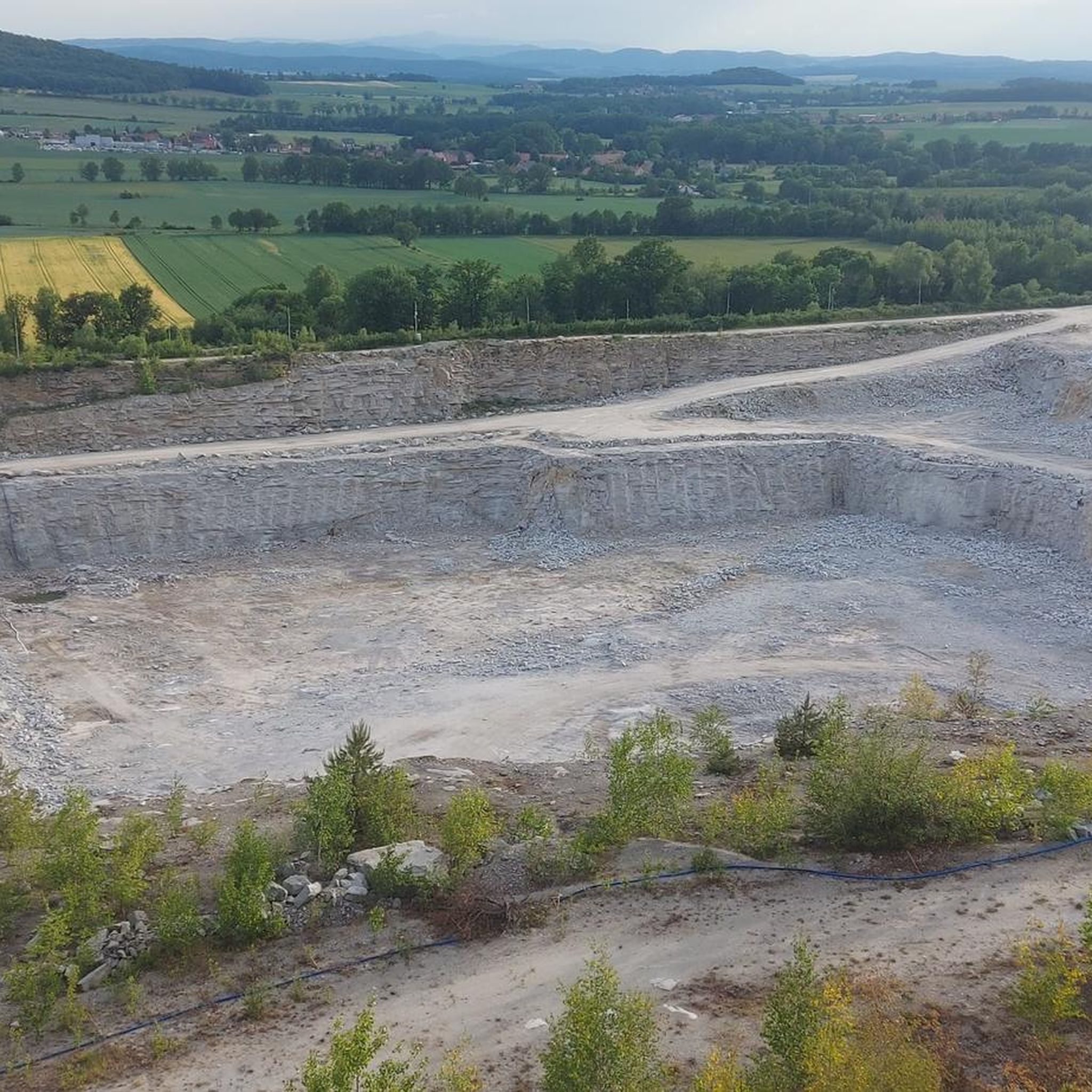
Cycling around gmina Strzegom
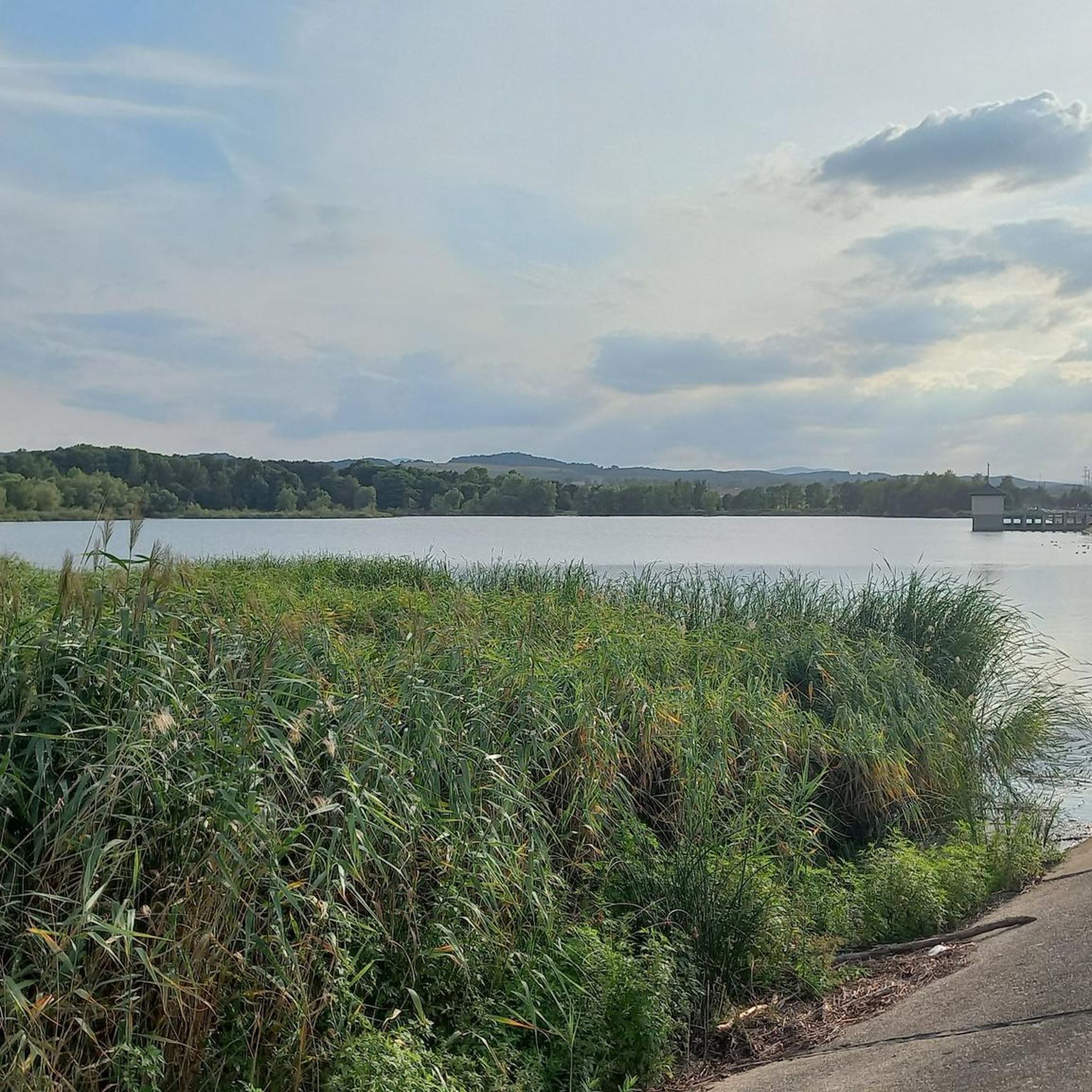
Cycling around gmina Jaworzyna Śląska
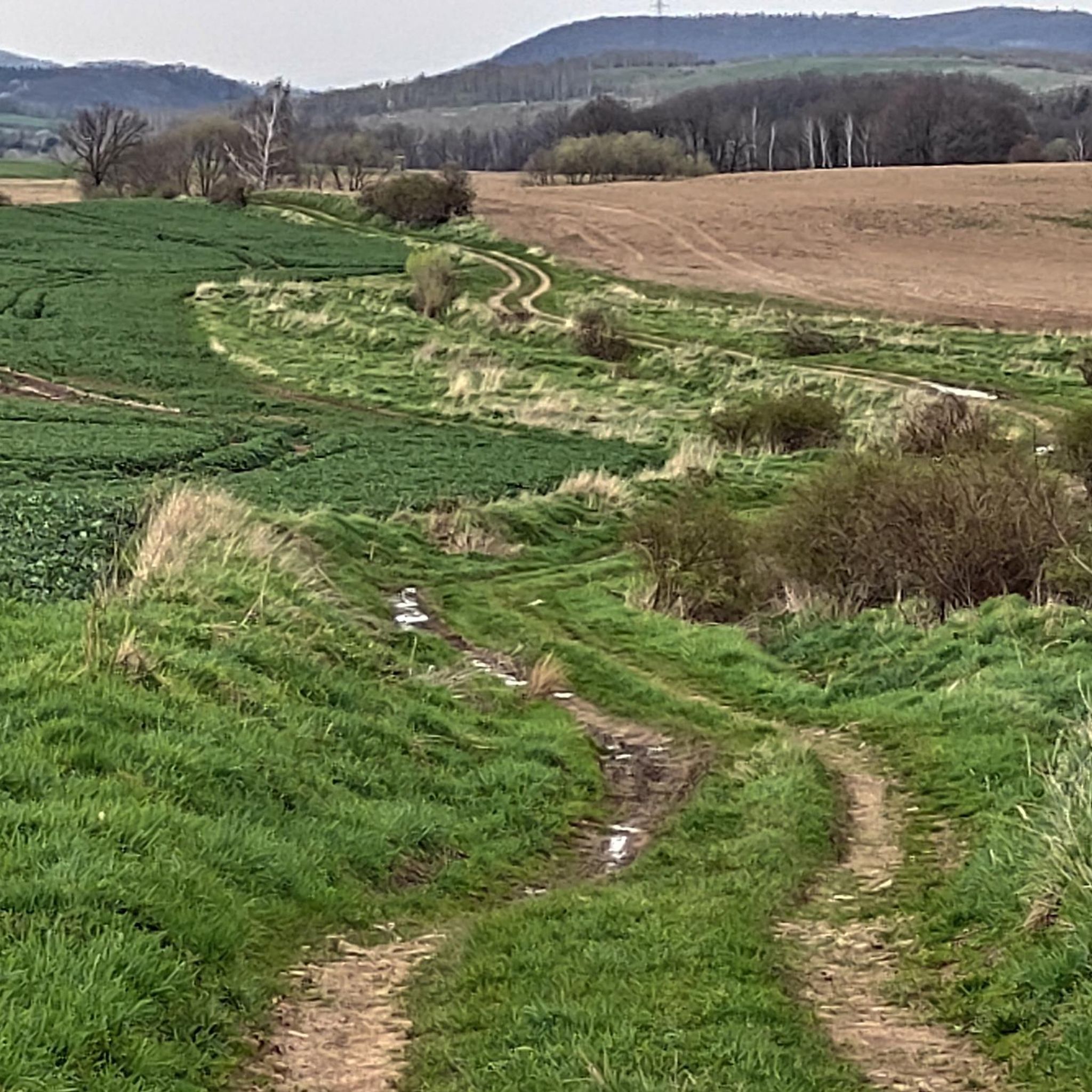
Cycling around Dobromierz
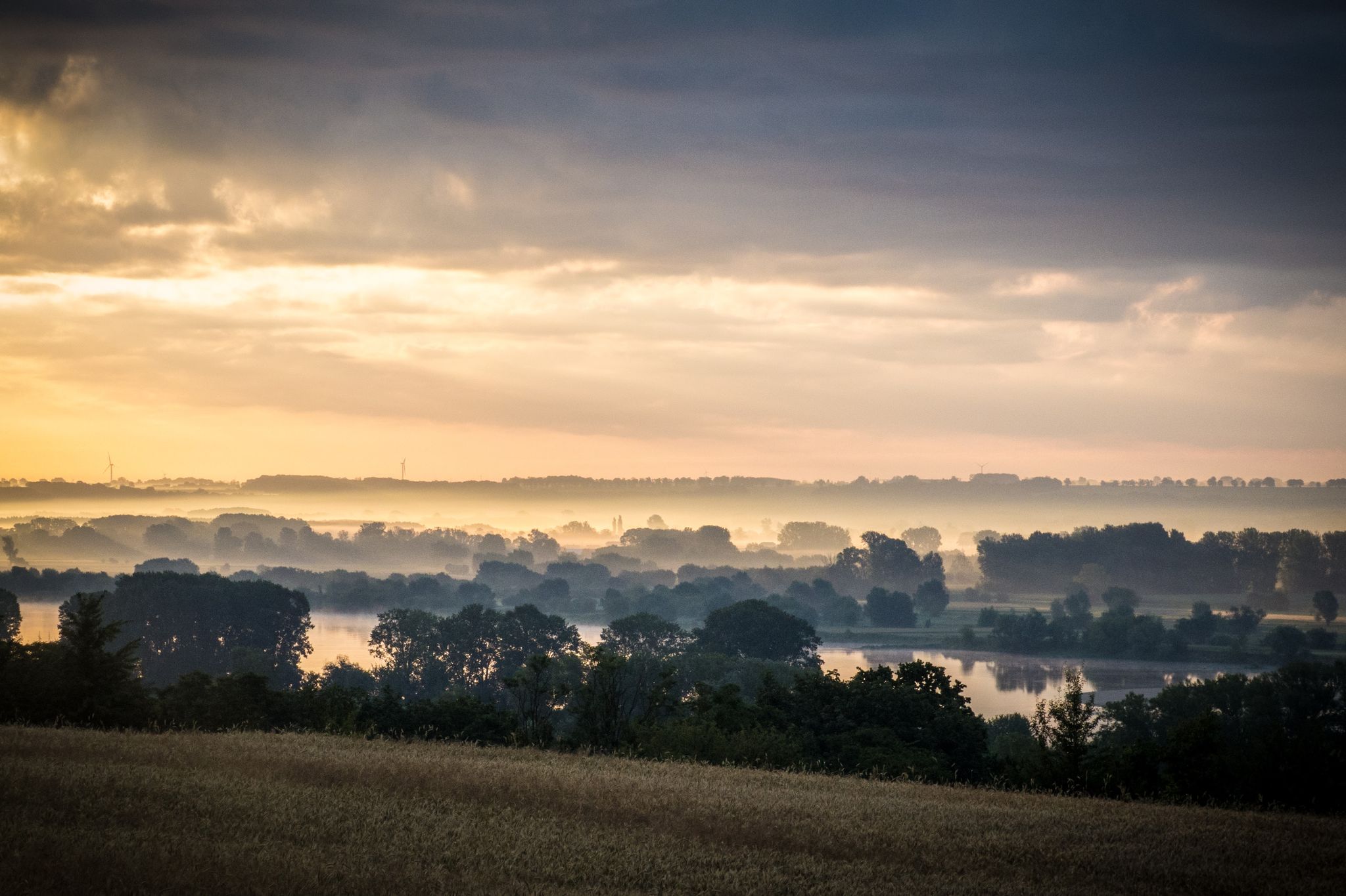
EuroVelo 9 – The Amber Route from the Baltic to Adriatic Sea


Tips from the Community

The greatest and most moving curiosity of this place is that under the massive surface of the water (which holds as much as 65 million cubic meters) lie the sunken ruins of the former village of Domanice Małe and pre-war farms, which were displaced and razed to the ground during the construction of the reservoir between 1974 and 1986. The area is also a strictly protected nesting ground for rare water birds, and riding along the embankment, you fly perfectly between the blue, raw mirror of water and the powerful panorama of the Masyw Ślęży rising on the horizon, which from this perspective looks like a giant, lonely volcano.
0
0
The biggest and most moving curiosity of this place is that under the massive surface of the water (which holds as much as 65 million cubic meters) lie the sunken ruins of the former village of Domanice Małe and pre-war farms, which were displaced and razed to the ground during the construction of the reservoir between 1974 and 1986. The area is also a strictly protected nesting ground for rare water birds; riding along the embankment, you fly perfectly between the blue, raw mirror of the water and the powerful panorama of the Masyw Ślęży rising on the horizon, which from this perspective looks like a giant, lonely volcano.
1
0
The biggest and most moving curiosity of this place is that under the massive surface of the water (which holds as much as 65 million cubic meters) lie the sunken ruins of the former village of Domanice Małe and pre-war farms, which were displaced and razed to the ground during the construction of the reservoir between 1974 and 1986. The area is also a strictly protected nesting ground for rare water birds, and riding along the embankment, you fly perfectly between the blue, raw mirror of the water and the powerful panorama of the Masyw Ślęży rising on the horizon, which from this perspective looks like a giant, lonely volcano.
0
0
Although the temple is located in Lower Silesia, its architecture immediately brings to mind the Polish Tatra Mountains. It was built between 1992 and 1999 according to the design of architect Jerzy Wojnarowicz on a regular heptagonal plan. It combines the traditional Zakopane style with elements of Lower Silesian timber framing (Prussian wall). The wooden, openwork structure blends beautifully with the surrounding forest.Although the temple is located in Lower Silesia, its architecture immediately brings to mind the Polish Tatra Mountains. It was built between 1992 and 1999 according to the design of architect Jerzy Wojnarowicz on a regular heptagonal plan. It combines the traditional Zakopane style with elements of Lower Silesian timber framing (Prussian wall). The wooden, openwork structure blends beautifully with the surrounding forest.
0
0
This monumental Art Nouveau building was erected at the very beginning of the 20th century (in the years 1904–1905) and immediately dominated this part of the market square frontage. The biggest and most characteristic curiosity of the building is the crowning of its massive, green dome – right at the top, a figure of Hermes stands proudly.
0
0
The Old Town in Świdnica is an urban masterpiece and one of the most magnificent, best-preserved historical complexes in all of Poland. For centuries, Świdnica was the second most important and wealthiest city in historical Silesia after Wrocław. Świdnica merchants dominated European trade, and their biggest export hit was the iconic Świdnica beer. It was such a powerful brand that in the Middle Ages, dedicated "Świdnica Cellars" were opened (including in Wrocław, Toruń, Kraków, or Prague) to serve this exclusive drink, and severe municipal penalties were threatened for counterfeiting it. Interestingly, the urban layout of the local Market Square with its central mid-market block has survived in almost intact, medieval form, creating a unique enclave that, as one of the few in Silesia, avoided war destruction in 1945.
0
0
The greatest and most characteristic curiosity of the building is the crown of its massive, green dome – at the very top, the figure of Hermes (known in Roman mythology as Mercury), the god of travelers, merchants, and also... thieves, stands proudly. His presence here was not accidental, as the tenement house was built by wealthy tobacco merchants from Świdnica, who ran a luxury cigar shop on the ground floor, and this corner was known in the city for decades as "Merkure Ecke".
0
0
The Church of Peace in Świdnica was built in the mid-17th century under the terms of the Peace of Westphalia, which ended the Thirty Years' War. The most interesting aspect is the absolute, malicious conditions imposed on the Evangelicals by the Catholic Emperor Ferdinand III Habsburg: the church had to be built outside the city walls, using only non-durable materials (wood, straw, clay, and sand), without the use of nails, and the construction could not take longer than a year Church of Peace in Świdnica. However, the engineer Albrecht von Säbisch achieved the impossible – he erected a massive timber-framed structure with an area of 1090 m², which can accommodate up to 7500 people and, in defiance of the emperor, has stood proudly for nearly 370 years Church of Peace in Świdnica – Wikipedia, the free encyclopedia. The interior is stunning, with gold-dripping Baroque splendor, multi-level galleries, and monumental paintings illustrating the Apocalypse Church of Peace in Świdnica.
0
0
Frequently Asked Questions
How many touring cycling routes are available in Powiat Świdnicki?
Powiat Świdnicki offers a wide array of touring cycling routes, with over 450 options to explore. These routes cater to various skill levels, including 209 easy, 172 moderate, and 71 difficult trails.
What kind of terrain can I expect on touring cycling routes in Powiat Świdnicki?
The region features diverse landscapes, including rolling hills and river valleys. While not entirely mountainous, it benefits from the proximity of the Sudetes mountain range, offering varied topography that ranges from gentle slopes to more challenging climbs. You'll find picturesque backdrops throughout your ride.
Are there any easy touring cycling routes suitable for beginners in Powiat Świdnicki?
Yes, Powiat Świdnicki has over 200 easy touring cycling routes perfect for beginners or those seeking a relaxed ride. An excellent option is the Lubachów Dam – Park Pionierów loop from Świdnica Miasto, which covers 15.7 miles (25.3 km) with minimal elevation gain.
What are some notable landmarks or attractions I can see while cycling in Powiat Świdnicki?
The region is rich in historical and natural attractions. You can cycle past the impressive Książ Castle, a major highlight with beautiful terraced gardens. Another significant site is the UNESCO World Heritage Peace Church in Świdnica. You might also encounter the mysterious Daisy Lake Ruins or the historic Ruins of Panków Castle.
Are there any circular touring cycling routes in the region?
Many of the touring cycling routes in Powiat Świdnicki are designed as loops, allowing you to start and end your journey in the same location. Examples include the Bystrzyckie Lake – Lubachów Dam loop from Świdnica Zawiszów and the Tąpadła Pass – Słupice Reservoir and Beach loop from Wiry.
What do other touring cyclists enjoy most about cycling in Powiat Świdnicki?
The touring cycling routes in Powiat Świdnicki are highly rated by the komoot community, with an average score of 4.6 stars from over 600 reviews. Cyclists frequently praise the diverse landscapes, the integration of historical sites, and the well-maintained paths that offer a rewarding experience for all skill levels.
Are there any routes that pass by lakes or reservoirs?
Yes, several routes offer scenic views of local water bodies. For instance, the Bystrzyckie Lake – Lubachów Dam loop from Witoszów Dolny takes you past both Bystrzyckie Lake and the Lubachów Dam. Another option is the Park Pionierów – Winding Road to Pilchowice Dam loop from Świdnica Przedmieście, which includes views of the Pilchowice Dam.
What is the average length and duration of touring cycling routes in Powiat Świdnicki?
The routes vary significantly in length and duration. For example, the Bystrzyckie Lake – Lubachów Dam loop from Świdnica Zawiszów is 24.1 miles (38.8 km) and typically takes around 2 hours 21 minutes. Shorter routes like the Lubachów Dam – Park Pionierów loop from Świdnica Miasto are about 15.7 miles (25.3 km) and can be completed in about 1 hour 31 minutes.
Are there any routes that offer views of Książ Castle?
Absolutely. Many routes in the vicinity of Książ Castle provide stunning views. While cycling, you can look for viewpoints like the Terrace with a view of Książ Castle, which offers a beautiful perspective of this historic landmark. The Wałbrzych Palm House – Książ Castle loop from Świdnica Miasto is a longer route that incorporates the castle.
Can I find routes that are part of larger European cycling networks?
Yes, the EuroVelo 9 route, also known as "The Amber Route," which connects the Baltic and Adriatic Seas, passes through Powiat Świdnicki. This makes the region an appealing stop for long-distance touring cyclists looking to experience a segment of this significant European network.
Are there any routes that include a visit to the Church of Peace in Świdnica?
Yes, you can combine your cycling trip with a visit to the UNESCO World Heritage site. The Park Pionierów – Church of Peace in Świdnica loop from Świdnica Przedmieście is a moderate 19.2 miles (30.9 km) route that takes you past this historic wooden church.
What is the best time of year for touring cycling in Powiat Świdnicki?
The region is generally favorable for cycling, with spring and autumn offering pleasant temperatures and beautiful scenery. Summer is also popular, though it can be warmer. Always check local weather forecasts before heading out, especially if planning longer tours.
Most popular routes around powiat świdnicki
Most popular attractions around powiat świdnicki

Get inspired with the komoot mobile app


Didn’t find what you were looking for?
Check out more Cycling routes throughout powiat świdnicki below and find the perfect route in your destination.
Explore more
Browse the best Cycling routes in other regions.
