The best walks and hikes around powiat legnicki
4.7
(142)
1,592
hikers
94
hikes
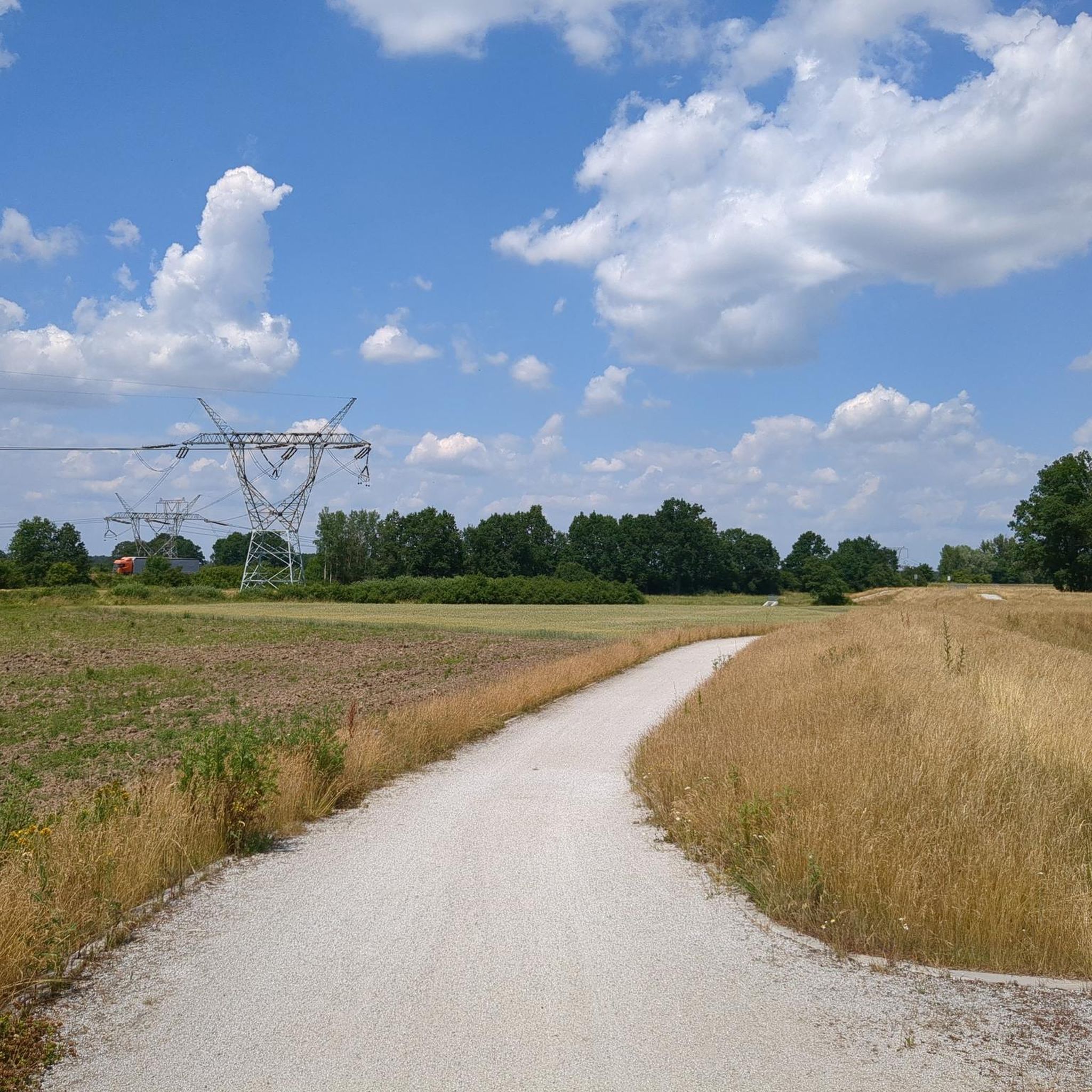
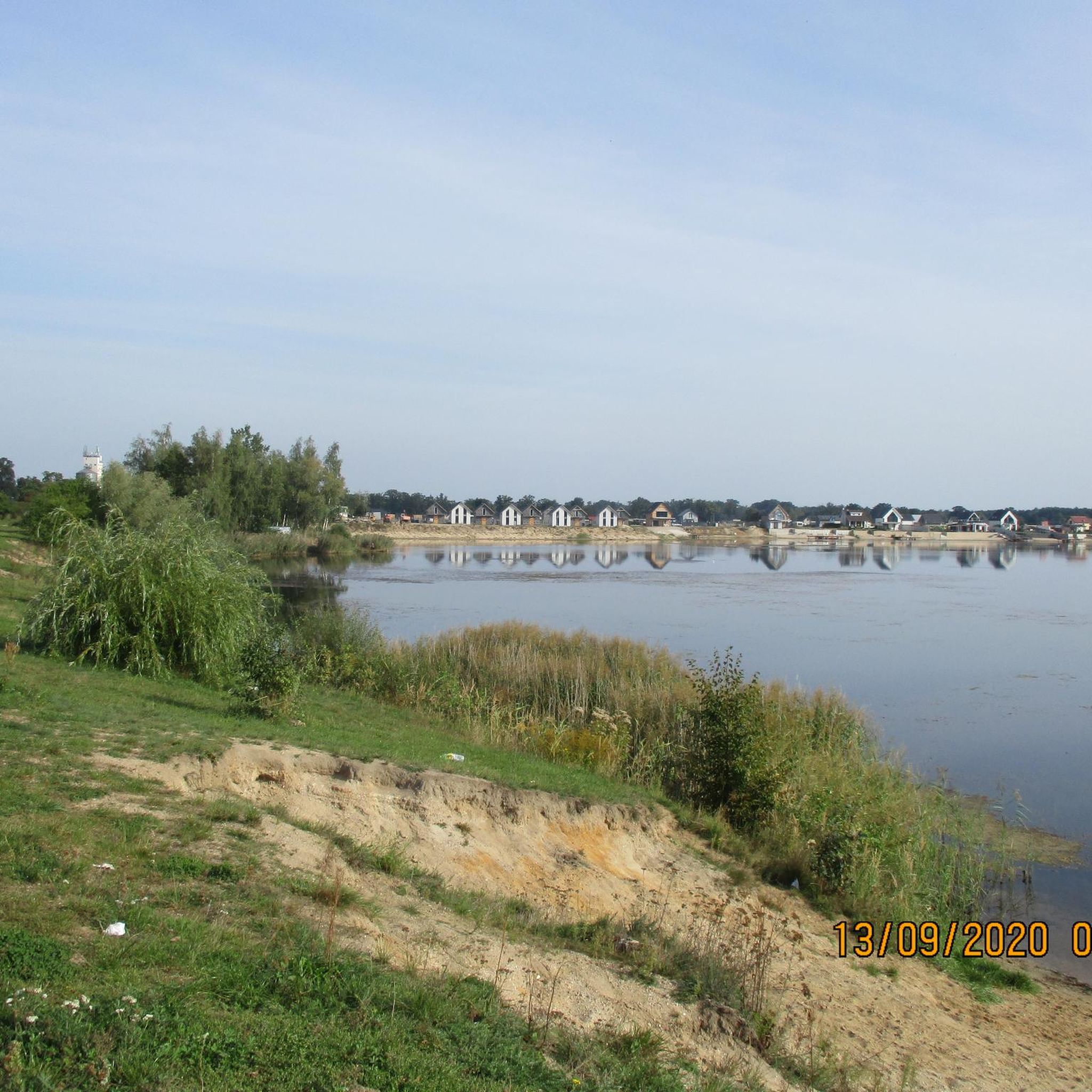
Hiking trails around powiat legnicki traverse a diverse landscape, primarily characterized by lowland terrain interspersed with undulating hills. The region features significant natural areas, including several nature reserves protecting deciduous forests, hornbeam woods, and peat bogs. Hikers can explore protected landscape areas such as the Dolina Czarnej Wody (Black Water Valley) and the Dolina Odry (Oder Valley). The highest point, Wał Okmiański, reaches 278 meters above sea level, offering varied elevation changes across the routes.
Best hiking trails around powiat…
Last updated: May 20, 2026
4.7
(3)
60
hikers
7.40km
01:53
20m
20m
Easy hike. Great for any fitness level. Easily-accessible paths. Suitable for all skill levels.
4.8
(14)
32
hikers
Moderate hike. Good fitness required. Easily-accessible paths. Suitable for all skill levels.

Sign up for free
5.0
(1)
13
hikers
7.37km
01:52
20m
20m
Easy hike. Great for any fitness level. Easily-accessible paths. Suitable for all skill levels.
12
hikers
5.19km
01:19
10m
10m
Easy hike. Great for any fitness level. Easily-accessible paths. Suitable for all skill levels.
11
hikers
4.89km
01:14
10m
10m
Easy hike. Great for any fitness level. Easily-accessible paths. Suitable for all skill levels.
5.0
(1)
10
hikers
6.02km
01:32
10m
10m
Easy hike. Great for any fitness level. Easily-accessible paths. Suitable for all skill levels.
10
hikers
7.73km
01:58
20m
20m
Easy hike. Great for any fitness level. Easily-accessible paths. Suitable for all skill levels.
7
hikers
5.16km
01:21
40m
40m
Easy hike. Great for any fitness level. Easily-accessible paths. Suitable for all skill levels.
9
hikers
4.64km
01:10
10m
10m
Easy hike. Great for any fitness level. Easily-accessible paths. Suitable for all skill levels.
11
hikers
4.13km
01:03
10m
10m
Easy hike. Great for any fitness level. Easily-accessible paths. Suitable for all skill levels.
Get access to more routes and recommendations from other explorers.
Sign up for free
Already have an account?
Our route recommendations are based on thousands of hikes, rides, and runs completed by other people on komoot.
Start today with a free account
Your next adventure awaits.
Login or Signup
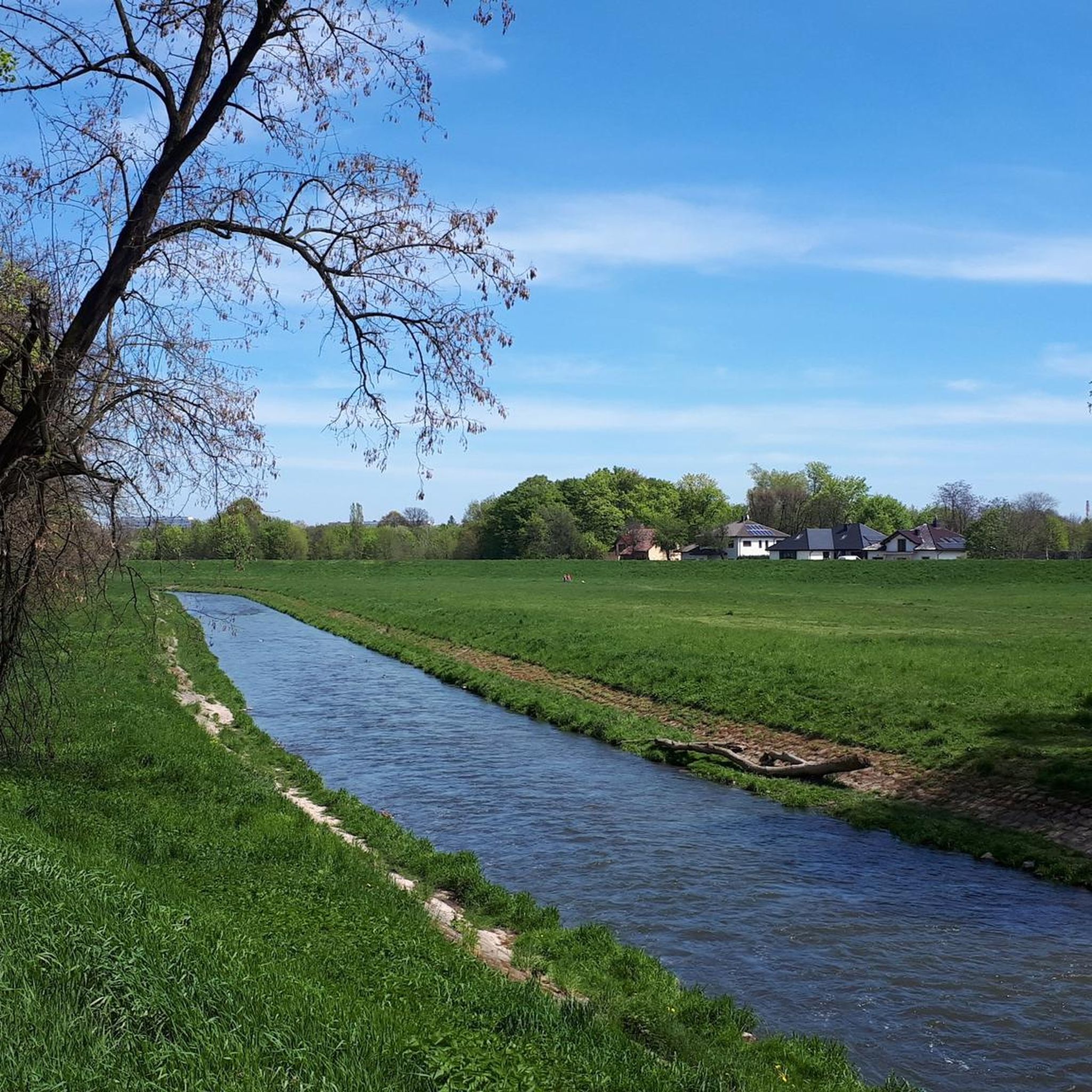
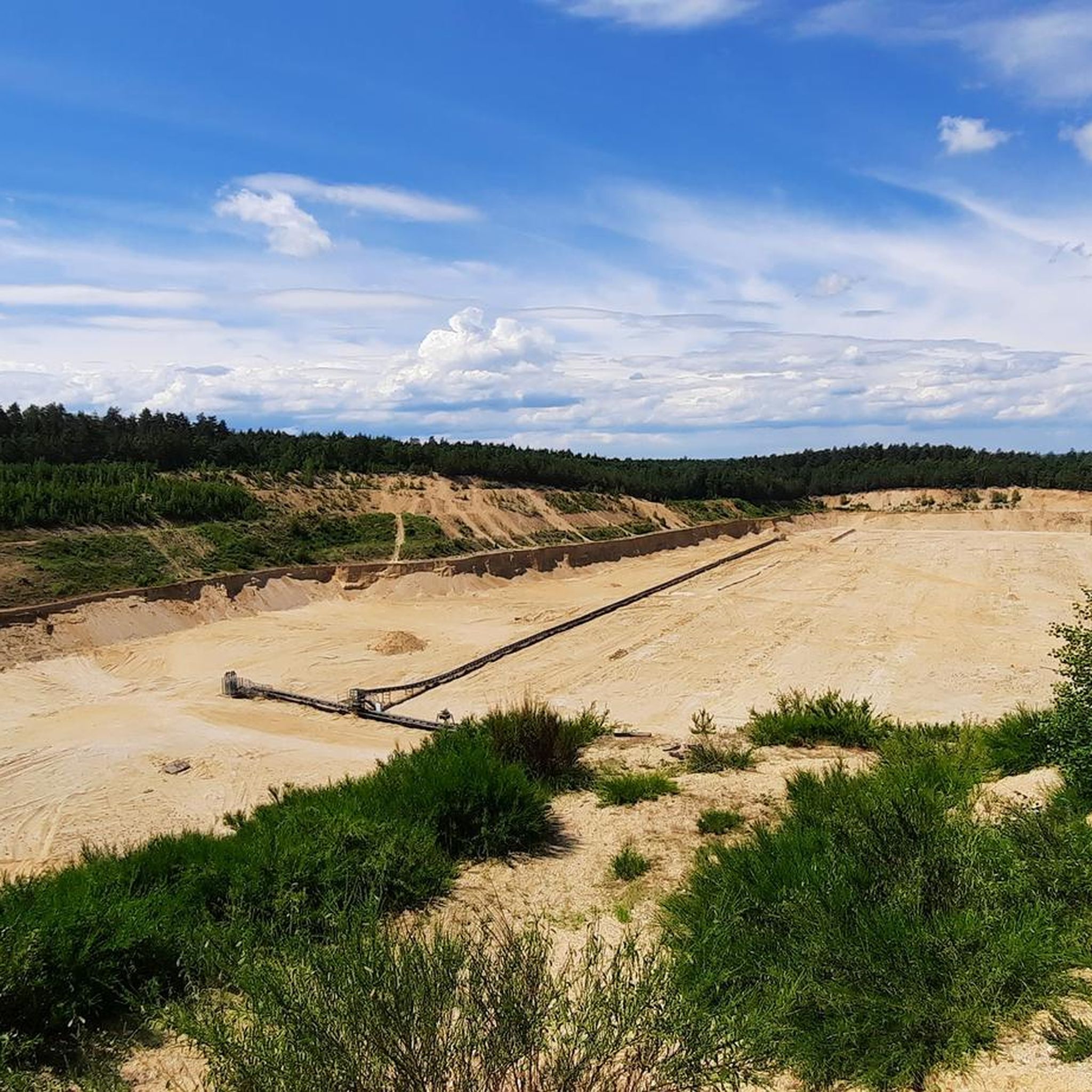
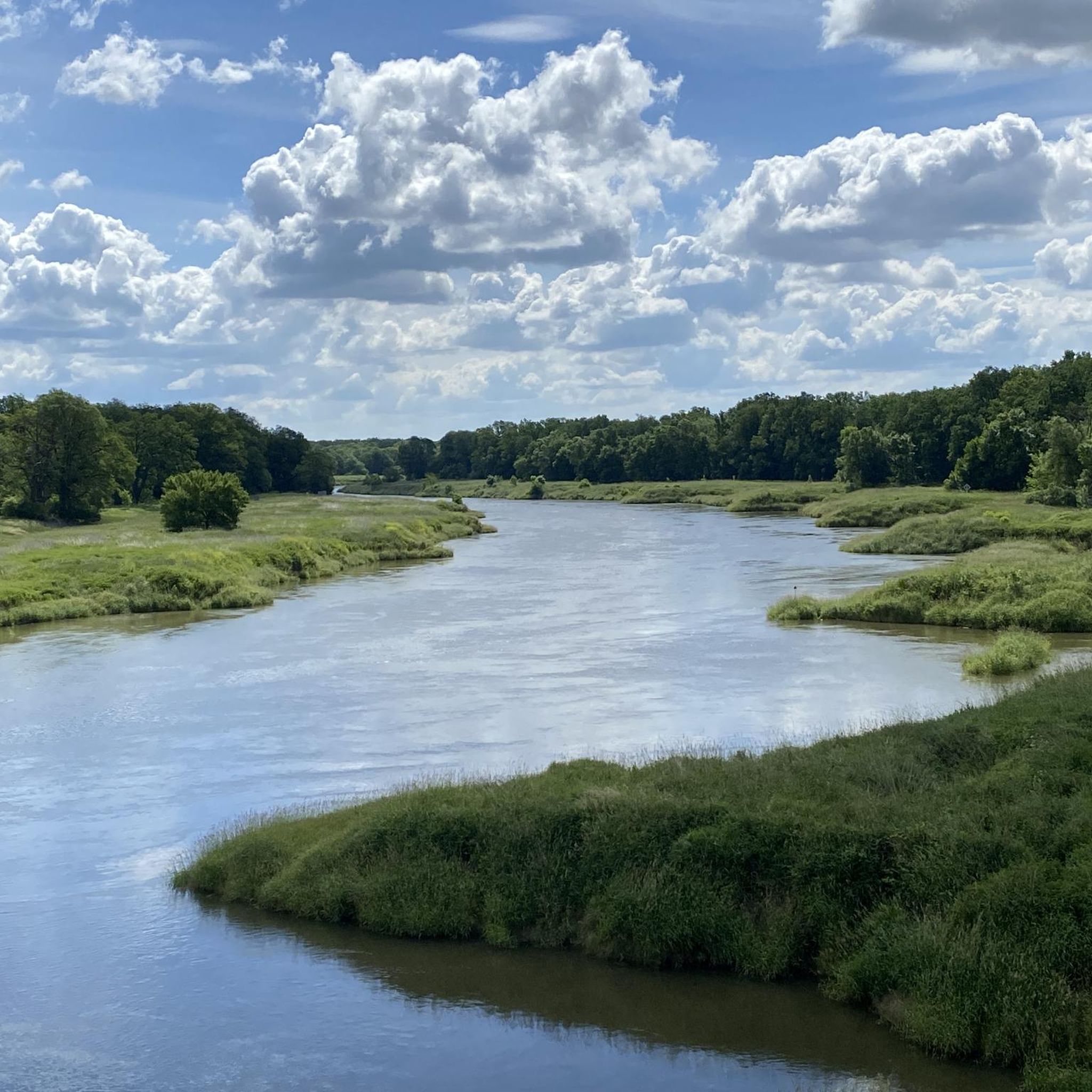
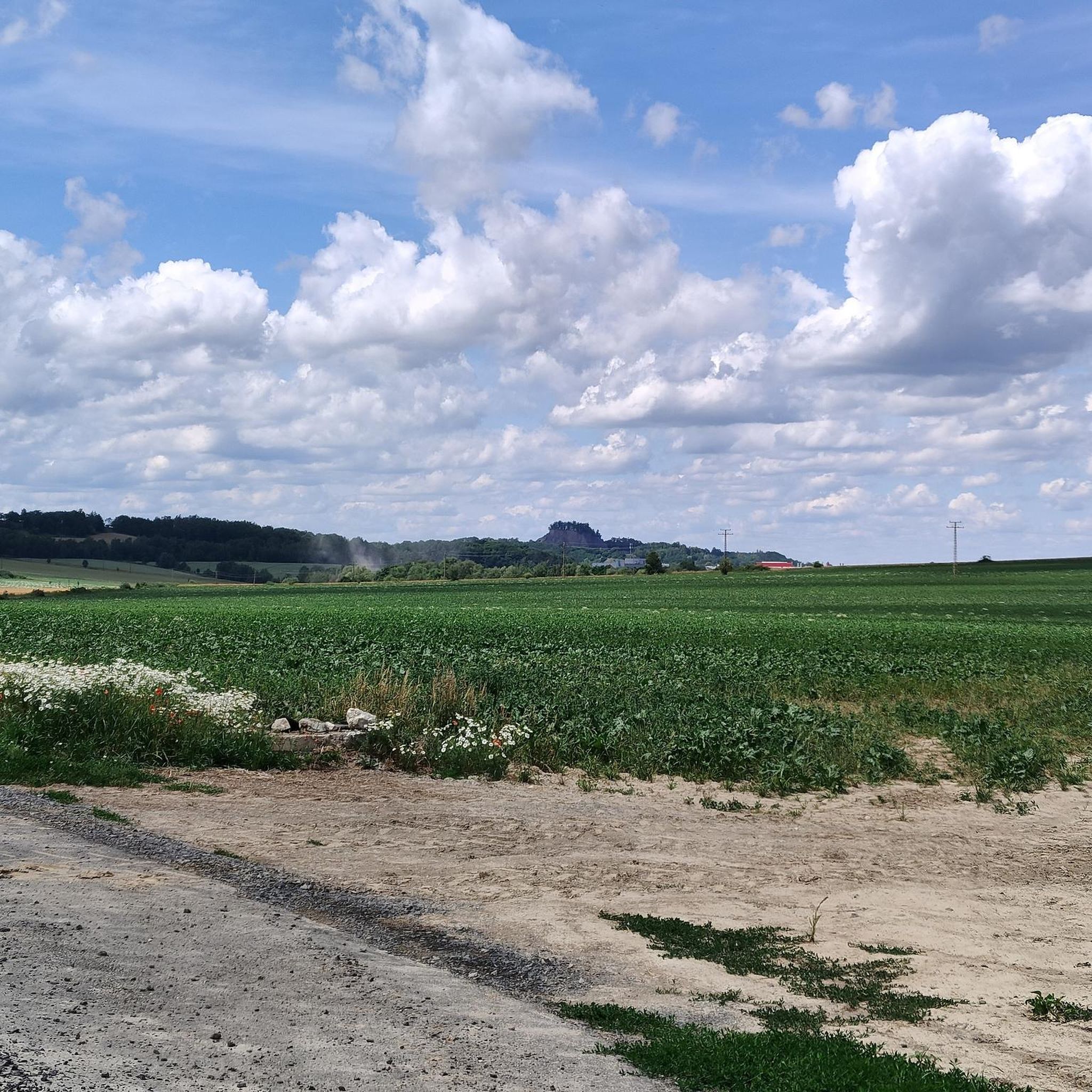
Other adventures around powiat legnicki

Tips from the Community

Ascent to the St. Peter's Tower, Piast Castle in Legnica
0
0

The Piast Castle in Legnica is one of the oldest and most important buildings in Poland, built in the 12th and 13th centuries by Bolesław I the Tall and Henry the Bearded.
0
0

The Głogów Gate Tower (Wieża Bramy Głogowskiej) is a striking medieval structure that was once part of the city's fortifications and now serves as a historical landmark. Here are its key details: 🏰 Historical Background Built: In the 14th century as part of Głogów's city walls, protecting the Old Town. Function: Served as a defensive tower and city gate through which travelers and traders entered the city. Originally part of the Głogów Bridge, which crossed the Oder River and connected the city to the opposite bank. 🛠️ Architecture Style: Gothic, with later Baroque and Neo-Gothic additions. Material: Brick with decorative sandstone elements. Special features: Pointed arch passageway Battlements and loopholes Partially preserved battlements and tower tops 📍 Location & significance today Located on the edge of Głogów's old town, near the Oder River. Today, it is a listed building that serves as a tourist attraction and photo opportunity. Nearby: Ruins of the old town, St. Nicholas Church, Głogów City Museum. 🏛️ Use The tower is occasionally used for exhibitions, city tours, and cultural events. Part of the historic ensemble that survived the destruction of World War II and is currently being restored.
0
0
The Piast Castle in Legnica (Zamek Piastowski w Legnicy) is one of the oldest surviving princely castles in Poland and a significant witness to the history of the Silesian Piast dynasty. Here's a comprehensive overview: 🏰 Historical Origin Built: Originally in the 12th century as a fortified castle under Bolesław I the High. Reconstruction into a castle: Transformed into a representative residence of the Piast dynasty in the 13th century under Henry the Bearded and his wife Hedwig of Silesia. Significance: Served for centuries as the seat of the Dukes of Legnica – a center of political power and cultural development. 🛕 Architecture & Features Style: A blend of Romanesque, Gothic, and Renaissance styles, with Baroque additions. Towers: St. Peter's Tower and St. Paul's Tower – named after the patron saints of the neighboring cathedral. Courtyard: With arcades and Renaissance galleries reminiscent of Italian palazzi. Chapel: The palace chapel was founded by Hedwig of Silesia and is a place of religious worship. 📜 Historical Events Battle of Legnica (1241): After the death of Henry II in battle against the Mongols, the palace became a symbol of resistance. Reformation: In the 16th century, the palace became a center of Protestant education and administration. Prussian Period: After the Piast dynasty died out in 1675, the palace became Prussian property and served as an administrative building. 🏛️ Current Use Home to various cultural institutions, including the State Archives, the Copper Museum, and event spaces. Venue for exhibitions, concerts, and historical tours. Parts of the palace are open to the public, others are used for administrative purposes. 📍 Location & Surroundings Centrally located in Legnica's Old Town, close to the Cathedral of St. Peter and Paul, the Neptune Fountain, and the Market Square. Surrounded by historic town houses, the Modrzejewska Theater, and the Old Town Hall.
0
0
Legnica's Old Town Hall (Stary Ratusz) is an architectural gem located on the central market square (Rynek) and one of the oldest surviving buildings in the city. Here are the key details: 🏛️ Historical Overview Built: Originally in the 14th century, rebuilt and expanded several times. Style: A blend of Gothic, Renaissance, and Baroque styles, with later Neoclassical elements. Function: Served for centuries as the seat of the city council, a court, and an administrative center. 🎨 Architecture & Features Facade: With arcades that formerly served as market halls. Tower: The distinctive clock tower was added in the 16th century. Interiors: Historic council chamber with vaulted ceiling and wall paintings. Former courtrooms and administrative offices. Restorations: Renovated several times, most recently extensively in the 1990s. 📍 Location & Current Use Directly on the Rynek, opposite the Neptune Fountain and close to the Galeria Sztuki (Sculpture Gallery). Today, the building houses cultural institutions, exhibitions, and occasional municipal events. A popular meeting place for city tours and history buffs. 🏙️ Cityscape Context Surrounded by restored town houses, cafés, and landmarks such as the Cathedral of St. Peter and Paul, the Church of Our Lady, and the Copper Museum. Together with the New Town Hall on Plac Słowiański, it forms an exciting architectural duo combining tradition and modernity.
0
0
The New Town Hall in Legnica (Nowy Ratusz) is an impressive Neo-Renaissance building and a significant testament to the city's development at the beginning of the 20th century. 🏛️ Architecture & Origin Built: Between 1902 and 1905 according to plans by Paul Öhlmann, originally designed by Lothar Schönfelder. Style: Neo-Renaissance with Baroque elements, richly decorated facades with sandstone cladding and granite bases. Planned concept: A four-wing complex with two courtyards and a monumental tower – however, only part of it was built. 📍 Location & Function Located at what is now Plac Słowiański (formerly Friedrichsplatz), south of the Cathedral of St. Peter and Paul. After World War II, the building became the seat of the Polish city administration in 1947. It has been a listed building since 1981. 🏢 Use & Interiors Ground floor: Police, fire department, detention cells. 1st floor: Tax office, tax offices, cash registers. 2nd floor: Mayor's office, municipal council meeting room, council library. 3rd floor: Building department. Attic: City archives. 🛠️ Technical equipment (at the time of construction) Two independent heating systems: hot water and low-pressure steam. Gas lighting in most rooms, electric lighting in representative areas such as the mayor's office and the meeting room.
0
0
The Julek statue in Legnica is a charming yet controversial public sculpture that is part of a larger artistic project: 🧒 Who is "Julek"? Depiction: A young boy with an oversized backpack, from which a proca (slingshot) protrudes. On his head, he wears a newspaper cap – a typical accessory of childhood in the 1950s. Symbolism: Embodies a cheeky, curious child from Legnica, representing the city's generations. 🎨 Artist & Concept Author: Edward Mirowski, a sculptor from Legnica. Unveiling: On May 30, 2014, directly on the market square, next to the Galeria Sztuki. Part of the "Dzieci Legnicy" (Children of Legnica) cycle: Several sculptures are planned, depicting children from different eras – from the 1950s to the present. Goal: To reflect the city's identity and history through childhood figures. 🗣️ Reactions & Discussion The sculpture sparked controversial discussions: Some saw it as a loving tribute to the city's history, while others criticized it as kitsch. The sculpture's placement between the cathedral and the gallery was also debated. 📍 Location Right on Legnica's Rynek (Market Square), next to the Galeria Sztuki – easily accessible and a popular photo opportunity.
0
0
The Neptune Fountain in Legnica is one of the oldest and most striking fountains in the city—a Baroque gem steeped in mythological symbolism and urban history. 🧜♂️ Historical Background Origin: As early as 1588, a fountain featuring the figure of the goddess Ceres stood on this site, fed by the city's water system via the water tower on the Młynówka River. Destruction: The original fountain was destroyed in city fires in the 17th century. Baroque Redesign: The current Neptune Fountain dates from 1731 and depicts the sea god Neptune with a trident and three dolphins at his feet. 📍 Location & Significance Located between the Cathedral of St. Peter and Paul and the Old Town Hall—right in the middle of the Market Square (Rynek). Together with the neighboring Mermaid Fountain, it forms an ensemble of Baroque fountain art in Legnica. A popular meeting place and photo opportunity, especially on hot days when the water provides a pleasant cooling effect. 🛠️ Restoration The Fontana Neptuna underwent extensive renovations in 2010 to preserve its artistic and functional qualities.
0
0
Frequently Asked Questions
What is the general terrain like for hiking in Powiat Legnicki?
Powiat Legnicki offers a diverse landscape, primarily characterized by lowland terrain, but also features undulating hills and elevated areas. The highest point, Wał Okmiański, reaches 278 meters above sea level. This varied topography provides options for both easy strolls and more moderate excursions, often traversing protected natural areas like the Dolina Czarnej Wody (Black Water Valley) and various forest reserves.
How many hiking trails are available in Powiat Legnicki?
There are over 75 hiking trails recorded in Powiat Legnicki on komoot, catering to various preferences and fitness levels. This includes 55 easy routes and 22 moderate routes, ensuring a wide range of options for explorers.
Are there any family-friendly hiking routes in Powiat Legnicki?
Yes, many trails in Powiat Legnicki are suitable for families, especially the numerous easy routes. For example, the Cycling Path in Poland loop from Iwaszkiewicza - Sikorskiego is an easy 5.2 km route, perfect for a leisurely family walk. The generally gentle terrain makes it accessible for most ages.
What kind of natural attractions can I expect to see while hiking?
Powiat Legnicki is rich in natural beauty, featuring six nature reserves. You can explore deciduous forests with ancient trees in areas like Brekinia, observe unique plant species in the hornbeam forests of Bluszcz, or discover rare flora and natural springs in Ponikwa. The region also includes protected landscape areas such as the Dolina Czarnej Wody (Black Water Valley) and the Dolina Odry (Oder Valley), offering diverse ecosystems.
Are there any circular hiking routes available?
Yes, many of the hiking routes in Powiat Legnicki are designed as loops, offering convenient starting and ending points. Examples include the Julek Statue – Filip Statue loop from Legnica (7.3 km, easy) and the Pergola in Volkspark Legnica loop from Legnica (4.9 km, easy).
What historical landmarks or points of interest can I visit along the trails?
Hikers can combine their outdoor adventures with cultural exploration. Notable landmarks include the Piast Castle in Legnica, which features an observation deck, and the Cathedral of Saints Peter and Paul. Other historic sites like the Piast Castle in Chojnów and the Castle in Prochowice are also accessible points of interest along various routes.
What do other hikers enjoy most about the trails in Powiat Legnicki?
The hiking trails in Powiat Legnicki are highly rated by the komoot community, with an average score of 4.5 stars from over 50 reviews. Hikers often praise the diverse lowland terrain, undulating hills, and the presence of protected natural areas like the Black Water Valley and various forest reserves, which offer varied and engaging experiences.
Are there any trails that highlight the region's unique geological past?
Yes, the region offers thematic routes such as the Szlak Wygasłych Wulkanów (Trail of Extinct Volcanoes), which provides a unique opportunity to explore the geological history of Powiat Legnicki and its surroundings.
Can I find trails that are suitable for dog walking?
While specific dog-friendly designations are not always marked, the numerous easy and moderate trails, particularly those through natural areas and parks, are generally suitable for walking dogs. Always ensure your dog is on a leash and follow local regulations regarding pets in protected areas.
What is the best time of year to go hiking in Powiat Legnicki?
The diverse landscapes of Powiat Legnicki can be enjoyed throughout much of the year. Spring and autumn offer pleasant temperatures and beautiful scenery, with blooming flowers or vibrant fall foliage. Summer is also popular, though some routes might be more exposed to the sun. Winter hiking is possible, especially on the less challenging routes, but conditions may vary.
Are there any trails that offer a historical journey?
Absolutely. The Szlak Bitwy 1241 roku (Battle of 1241 Trail) is a 12 km route that starts from Legnica PKP and leads to Legnickie Pole, immersing hikers in historical sites connected to the significant Battle of Legnica. This trail offers a unique blend of hiking and historical exploration.
Are there any trails that follow rivers or water bodies?
Yes, the Szlak nad Nysą Szaloną (Trail along the Nysa Szalona River) is a green-marked trail that not only offers scenic views along the river but also highlights areas with historical traces of Cistercian activity, providing a picturesque and culturally rich experience.
Most popular routes around powiat legnicki
Most popular attractions around powiat legnicki

Get inspired with the komoot mobile app


Didn’t find what you were looking for?
Check out more Hikes throughout powiat legnicki below and find the perfect route in your destination.
Explore more
Browse the best Hikes in other regions.
