Attractions and Places To See around powiat zamojski - Top 20
Attractions and places to see around powiat zamojski include a diverse range of historical sites, cultural landmarks, and natural features in southeastern Poland. The region is centered around Zamość, a UNESCO World Heritage Site known for its preserved Renaissance architecture. Visitors can explore fortifications, religious buildings, and natural areas like the Roztocze National Park. The landscape features a mix of forests, rivers, and unique geological formations such as loess gorges.
Best attractions and places to see around powiat zamojski
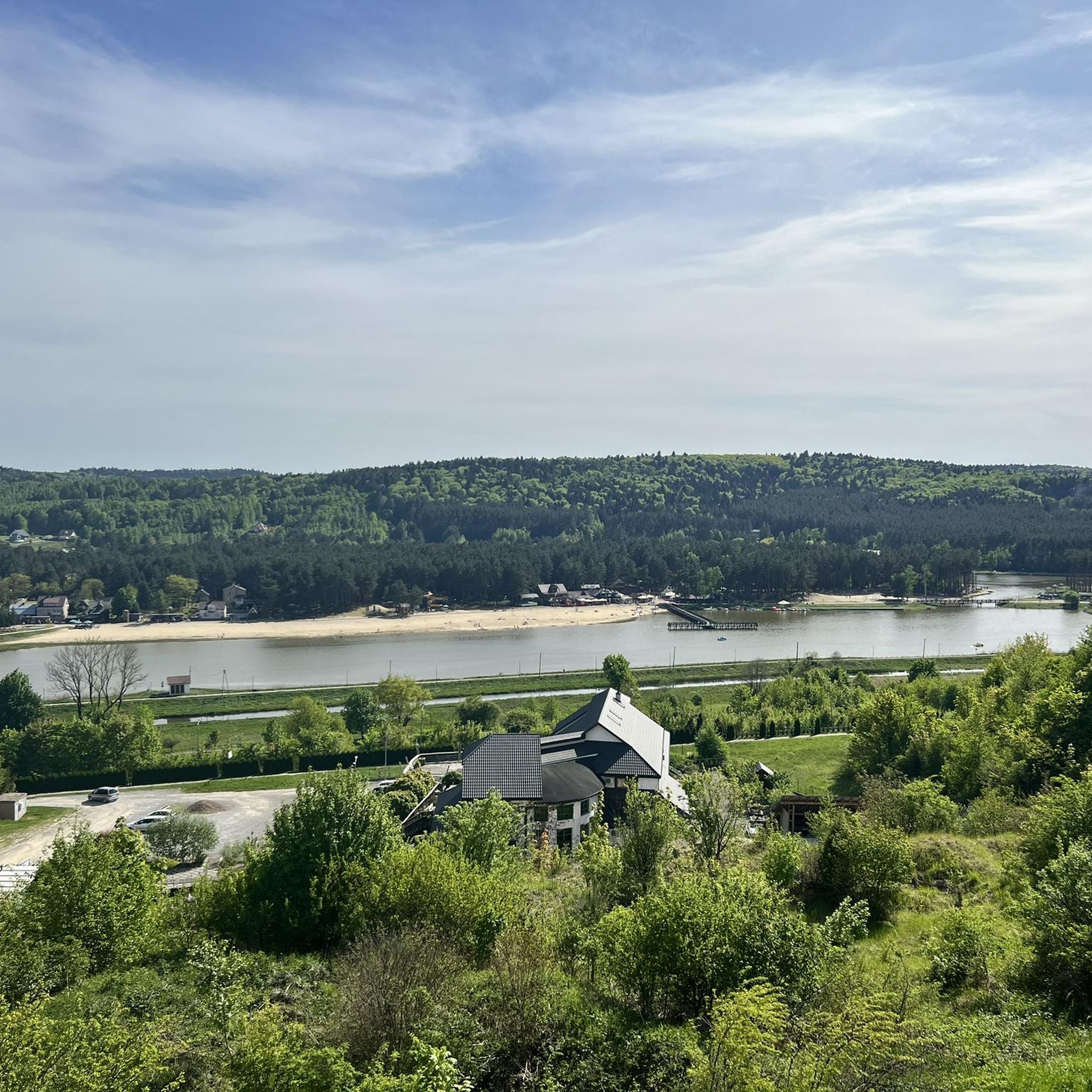
- The most popular attractions is Krasnobród Reservoir, a lake that serves as a recreational area on the Wieprz River. It features sandy beaches and is surrounded by pine forests, with lifeguards present in summer.
- Another must-see spot is Cathedral of the Resurrection and St. Thomas the Apostle, a religious building designed by Bernardo Morando. This Renaissance church in Zamość's Old Town was built in the late 16th century and is part of the Lublin Renaissance Trail.
- Visitors also love Szczebrzeska Gate, a historical site that was one of the original three gates in the city walls of Zamość. Built between 1603-1605, it was later rebuilt with classicist features.
- powiat zamojski is known for its historical sites, religious buildings, and natural landscapes. The region offers a variety of attractions to see and explore, from ancient fortifications to serene reservoirs.
- The attractions around powiat zamojski are appreciated by the komoot community, with more than 40 upvotes and 20 photos shared by visitors.
Last updated: May 20, 2026
Cathedral of the Resurrection and St. Thomas the Apostle
Highlight • Religious Site
Tip by

Szczebrzeska Gate
Highlight • Historical Site
Translated by Google •
Tip by

Sign up now to discover places like this
Get recommendations on the best single tracks, peaks, & plenty of other exciting outdoor places.
Sign up for free
St. Isidore's Church in Topólcza
Highlight • Religious Site
Translated by Google •
Tip by

St. Roch Chapel
Highlight • Religious Site
Regardless of whether you believe in the magical properties of this place, it is undoubtedly worth visiting due to the natural values and beauty of the forest in the Krasnobrodzki Landscape Park.
Translated by Google •
Tip by
Dormition of the Most Holy Mother of God Orthodox Church in Szczebrzeszyn
Highlight • Religious Site
Translated by Google •
Tip by
Krasnobród Reservoir
Highlight • Lake
Translated by Google •
Tip by
Szczebrzeszyn Water Mill
Highlight • Monument
Translated by Google •
Tip by

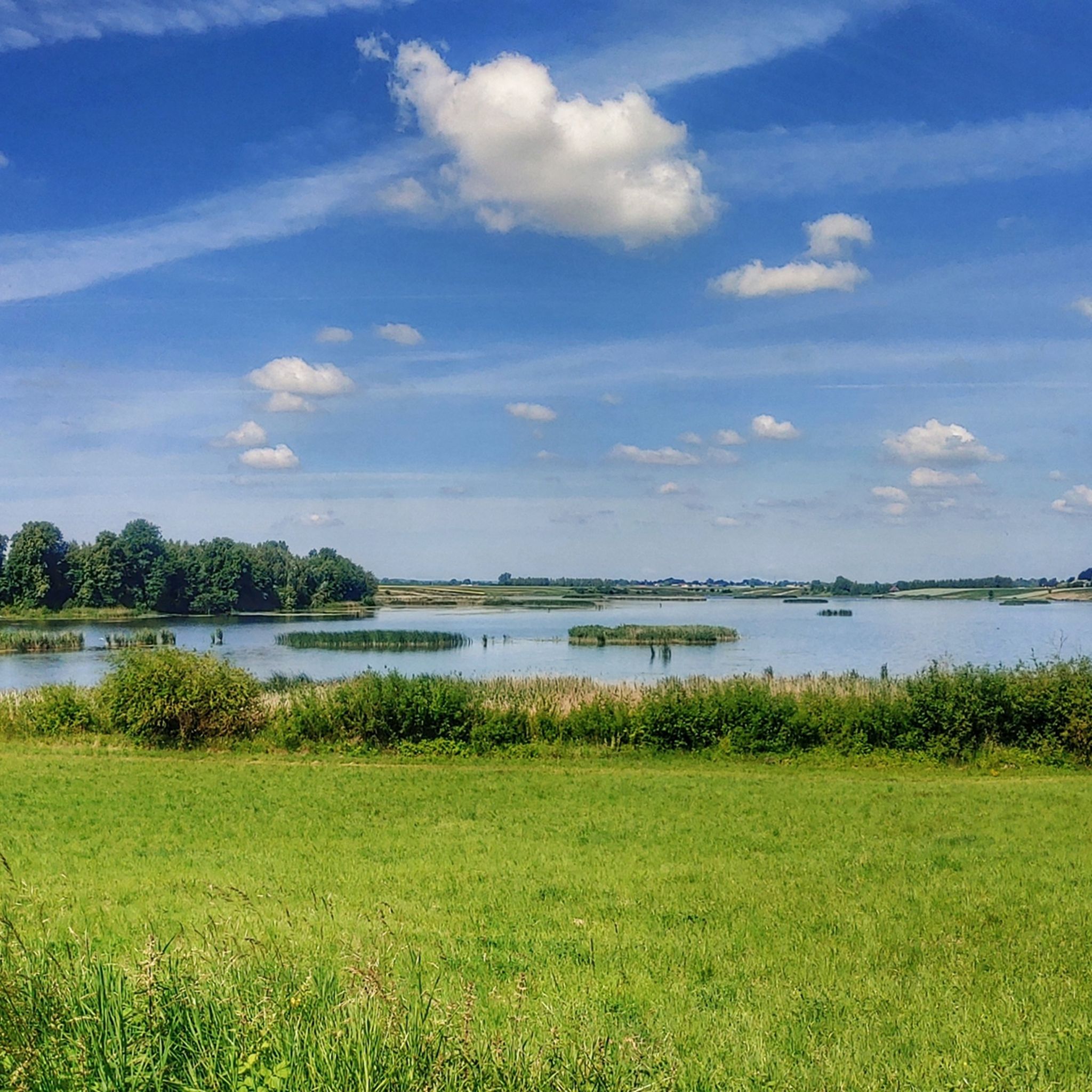
Rudka Reservoir
Highlight • Lake
Translated by Google •
Tip by
Roztocze National Park
Highlight • Forest
Translated by Google •
Tip by
Jan Zamoyski Monument
Highlight • Monument
Translated by Google •
Tip by

Sign up for free to discover even more attractions around powiat zamojski.
Sign up for free
Already have an account?
Start today with a free account
Your next adventure awaits.
Login or Signup
Popular around powiat zamojski
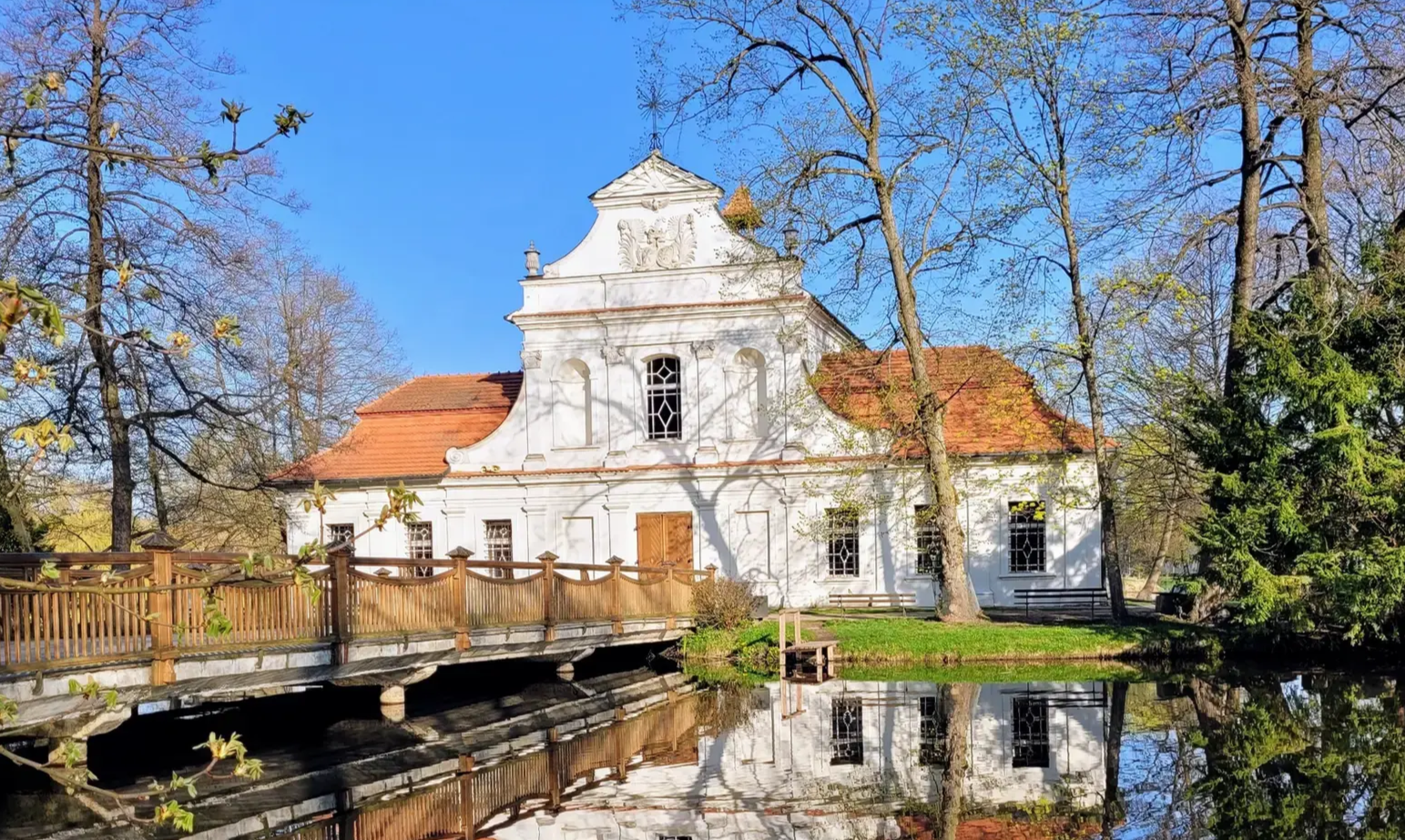
Central Roztocze Trail - beautiful forests and magnificent monuments
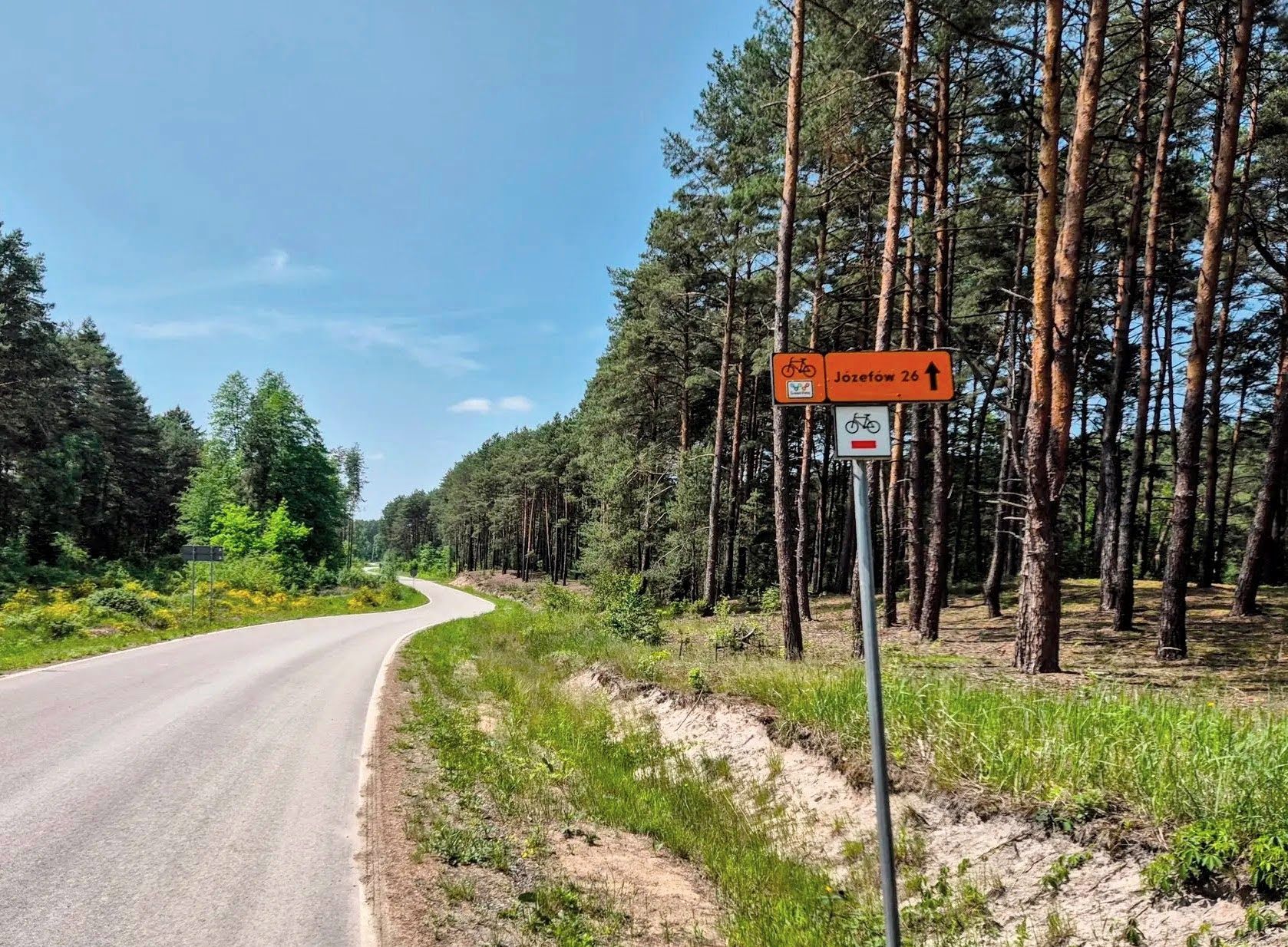
Mosaic of Landscapes and Cultures - Central Cycling Trail Roztocze
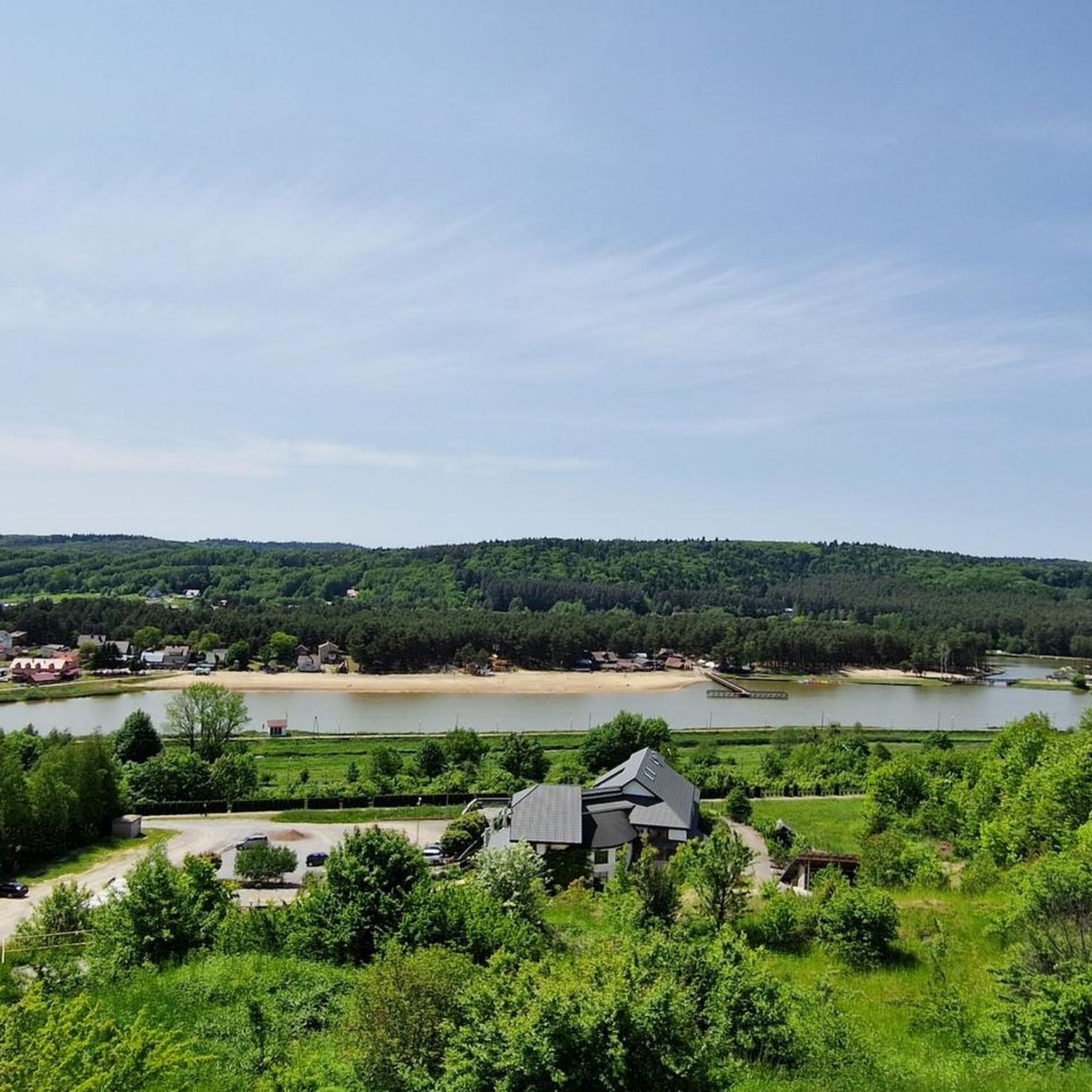
Hiking around powiat zamojski
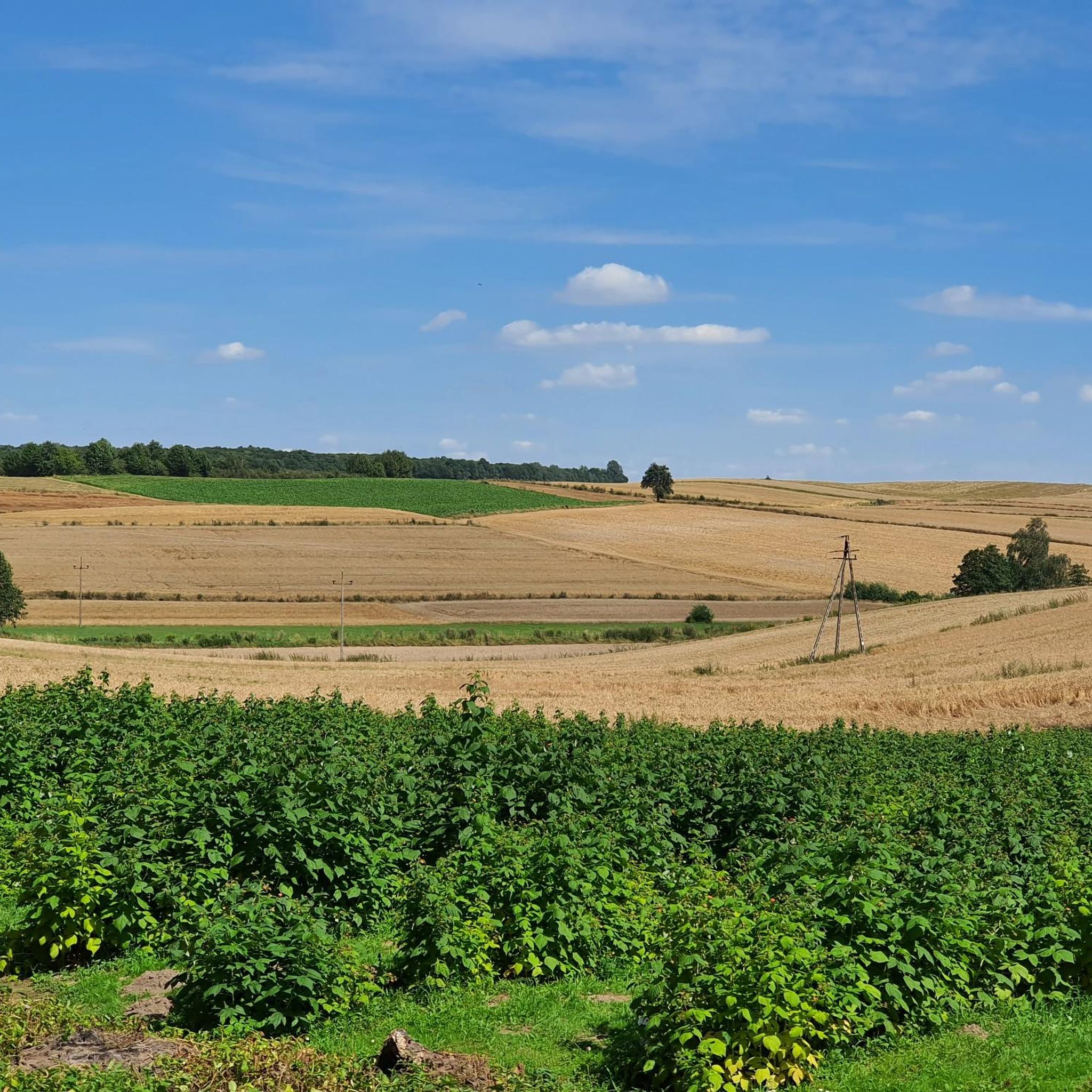
Cycling around powiat zamojski
Running Trails around powiat zamojski
Road Cycling Routes around powiat zamojski
MTB Trails around powiat zamojski
Gravel biking around powiat zamojski


Tips from the Community

The former Szczebrzeska Gate (known as Floriańska Gate) was built at the beginning of the 17th century, when Zamość was being expanded, as one of the three gates at that time, located at the southern line of the city walls, on the road to the west (currently at Szczebrzeska Street).
0
0


The Church of the Dormition of the Most Holy Mother of God in Szczebrzeszyn is a unique religious monument – the oldest building belonging to the Polish Autocephalous Orthodox Church. The temple has a turbulent history: from a Catholic church, through a Calvinist congregation, a Uniate church, to an Orthodox church. After years of abandonment, it was restored, and during the works, 17th-century wall paintings were uncovered and the iconostasis was recreated. The church on Sądowa Street is worth visiting, especially if you are interested in the history of religious denominations and architecture.
3
0

At the promenade and beach. Numerous food outlets and restaurants.
0
0

It was created by damming the waters of the Wieprz River and covers an area of approx. 6 ha, and its depth reaches 2.5 m. The reservoir serves as a retention and tourist area. There is a guarded bathing area next to the reservoir, as well as a sandy beach and a floating pier. There is a water equipment rental next to the reservoir. The reservoir is an important point for kayaking trips organized on the Wieprz River. There are recreation centers, a camping site and numerous agritourism farms around the reservoir. The reservoir is also an ideal place for anglers who fish for ide, carp, roach, pike, trout and zander.
0
0
The Szczebrzeszyn Gate was built according to the design of Bernardo Morando in the years 1603-1605. The gate was placed in the curtain between bastions II and III, it opened towards the Szczebrzeszyn route, through a causeway running above the defensive water reservoir. The gate was rebuilt in the years 1821-1824, giving it the features of classicist architecture. In 1866, after the liquidation of the fortress, the passage was bricked up. At that time, it housed a prison and a guardhouse. After World War II, initially it housed a repatriation office and a radio station, and then in the 1950s and 1960s, the "Staromiejski" hotel. Until the 1990s, it housed a police station.
2
0
The Renaissance church in Zamość's Old Town was built in the late 16th century. It is located on the Lublin Renaissance Trail. The church was founded by the city's founder, Jan Zamoyski, and designed by the Italian architect Bernardo Morando, which is why it draws inspiration from Italian churches of the 15th and 16th centuries. Initially a collegiate church, Zamość fell under the Chełm bishopric. Only in 1992, when the Zamość-Lubaczów diocese was established, was it elevated to a cathedral. After the death of its architect, in the early 17th century, the interior decoration of this church was completed. The church was consecrated in 1637. Significant reconstruction was carried out only during the partition period, in 1824–1826, under the command of General J. Mallet-Malletski, who then directed the expansion and modernization of the Zamość fortress. During this period, the cathedral was lowered, and the façade, among other things, was altered, giving it a more classicist appearance. The inscriptions and coats of arms of the Zamoyski family disappeared, and some interior elements were removed. Further alterations and renovations, some of which resulted in extensive damage, were carried out in the second half of the 19th century and the first half of the 20th century.
0
0
The Renaissance church in Zamość's Old Town was built in the late 16th century. It is located on the Lublin Renaissance Trail. The church was founded by the city's founder, Jan Zamoyski, and designed by the Italian architect Bernardo Morando, which is why it draws on Italian churches of the 15th and 16th centuries. Initially a collegiate church, Zamość fell under the Chełm bishopric. Only in 1992, when the Zamość-Lubaczów diocese was established, was it elevated to a cathedral. After the death of its architect, in the early 17th century, the interior decoration of this church was completed. The church was consecrated in 1637. Significant reconstruction was carried out only during the partition period, in 1824–1826, under the command of General J. Mallet-Malletski, who then directed the expansion and modernization of the Zamość fortress. During this period, the cathedral was lowered, and the façade, among other things, was altered, giving it a more classicist appearance. The inscriptions and coats of arms of the Zamoyski family disappeared, and some interior elements were removed. Further alterations and renovations, some of which resulted in extensive damage, were carried out in the second half of the 19th century and the first half of the 20th century.
1
0
Frequently Asked Questions
What historical and architectural sites can I explore in Powiat Zamojski?
Powiat Zamojski is rich in history, particularly centered around Zamość, a UNESCO World Heritage Site. You can explore the meticulously preserved Renaissance architecture of Zamość Old Town, including the Great Market Square, the Town Hall with its distinctive fan-shaped staircase, and the colorful Armenian Tenement Houses. Don't miss the stunning Cathedral of the Resurrection and St. Thomas the Apostle, a prime example of the Lublin Renaissance style, and elements of the historic Zamość Fortress, such as the Szczebrzeska Gate. Beyond Zamość, consider visiting the St. Isidore's Church in Topólcza, known for its multicultural history and Byzantine style, or the unique Dormition of the Most Holy Mother of God Orthodox Church in Szczebrzeszyn.
What natural attractions are there in the region?
The region boasts significant natural beauty. The most prominent is the Roztocze National Park, famous for its Polish horses and extensive network of hiking and cycling trails. You can also visit the Hubale Nature Reserve to observe rare speckled ground squirrels. For water-based recreation, the Krasnobród Reservoir and the Rudka Reservoir offer sandy beaches, swimming, and water sports. The western part of the Roztocze district is also characterized by numerous unique loess gorges.
Are there family-friendly activities and attractions in Powiat Zamojski?
Yes, Powiat Zamojski offers several family-friendly options. The Krasnobród Reservoir and Rudka Reservoir are excellent for families, providing guarded bathing areas, sandy beaches, and water equipment rentals during summer. In Zamość, the Zamość Zoo is one of Poland's oldest and houses over 220 animal species. The historic Zamość City Park is perfect for strolls and carriage rides. Many historical sites, such as the Cathedral of the Resurrection and St. Thomas the Apostle and the Szczebrzeska Gate, are also suitable for family visits, offering educational insights into the region's past.
What outdoor activities and routes are available near these attractions?
The region is ideal for outdoor enthusiasts. You can find numerous routes for various activities. For cycling, explore the 'Zamość Municipality Bicycle Route "On the Edge of Roztocze"' or the 'Roztocze Bicycle Trail'. Mountain biking options include the 'Echo Ponds Beach – Forest Chamber in Florianka loop from Zwierzyniec'. If you prefer running, consider the 'Pętla Zalew w Krasnobrodzie - Rezerwat Święty Roch' or the 'Szczebrzeska Gate – Footbridge in Zamosc loop from Zamość Starówka'. Many of these routes pass through picturesque landscapes and near natural attractions like Roztocze National Park. You can find more details on these and other routes in the MTB Trails around powiat zamojski, Running Trails around powiat zamojski, and Cycling around powiat zamojski guides.
When is the best time to visit Powiat Zamojski?
The best time to visit Powiat Zamojski largely depends on your interests. Summer (June-August) is ideal for enjoying the recreational reservoirs like Krasnobród Reservoir, with guarded bathing and water sports. This period is also great for exploring the natural parks and trails. If you're interested in cultural events, the Hetman's Fair in June celebrates Zamość's city rights anniversary with historical reenactments. Spring and autumn offer milder weather, perfect for hiking and cycling through the scenic landscapes of Roztocze National Park, with vibrant foliage in autumn.
Are there any unique cultural or historical museums in the area?
Yes, Zamość and its surroundings offer several unique museums. The Zamość Museum, located in the Armenian Tenement Houses, provides insights into the city's history, ethnography, and archaeology. You can also visit the Museum of Fortifications and Weapons "Arsenal" within the Zamość Fortress, focusing on military history. The Infułatka - Sacred Museum in Zamość houses a collection of liturgical artifacts. Outside Zamość, Klemensów features the Museum of Earth and Sea Treasures and the Museum of Old Crafts, including a blacksmith's forge and a historic windmill.
Can I find places for wildlife spotting in Powiat Zamojski?
Absolutely. The Roztocze National Park is well-known for its efforts in breeding the Polish horse, a descendant of wild tarpans, and offers opportunities to observe them. The park's diverse environment also supports various other wildlife. For a unique experience, visit the Hubale Nature Reserve near Zamość, which is dedicated to protecting one of Poland's rarest populations of speckled ground squirrels, best observed on warm, sunny days.
What are some notable viewpoints or scenic spots in the region?
For panoramic views, climb the 47-meter high bell tower of the Cathedral of the Resurrection and St. Thomas the Apostle in Zamość. The Town Hall tower also offers a great perspective of the Great Market Square. In Krasnobród, a view tower provides scenic vistas over the resort and its surroundings. The varied landscape of the Roztocze region, with its hills and forests, offers many natural vantage points, especially along hiking trails in areas like the Skierbieszowski Landscape Park.
Are there any dog-friendly attractions or walks?
Many natural areas in Powiat Zamojski are suitable for walks with dogs, provided they are kept on a leash and owners clean up after them. The Roztocze National Park has numerous trails that are popular for dog walking. The Zamość City Park also offers pleasant strolls. Additionally, the Beetle Monument is explicitly listed as dog-friendly, making it a good stop if you're in the area with your pet.
What is the significance of the Zamość Old Town?
Zamość Old Town is a UNESCO World Heritage Site, often called the "Pearl of the Renaissance" or "Padua of the North." It's an outstanding example of a 16th-century ideal city, designed by Italian architect Bernardo Morando for Jan Zamoyski. Its perfectly preserved layout, the grand Great Market Square, and the distinctive arcaded tenement houses reflect a unique blend of Polish and Italian architectural styles, making it a significant historical and cultural landmark in Europe.
Can I go kayaking or do other water sports in the area?
Yes, the region offers excellent opportunities for water sports. The Krasnobród Reservoir and the Rudka Reservoir are popular spots for swimming, with guarded bathing areas and water equipment rentals. The Wieprz River, which feeds these reservoirs, is ideal for kayaking trips. The Zamość City Park also has a pond where you can enjoy kayaking.
What is the Roztocze National Park known for?
Roztocze National Park is primarily known for its unique natural environment and biodiversity. It's famous for breeding the Polish horse, a descendant of the wild tarpan. The park is characterized by its unpolluted environment, clean air, and varied landscape, recognized as a Cross-border Biosphere Reserve by UNESCO. It offers numerous hiking and cycling trails, leading through diverse forests and along rivers like the Wieprz, making it a haven for nature lovers and outdoor activities.
Most popular routes around powiat zamojski
Most popular attractions around powiat zamojski

Get inspired with the komoot mobile app


Didn’t find what you were looking for?
Are you keen on exploring more awesome places nearby? Browse our guides:
Explore more
Still not found the Highlight you’re looking for? See guides of the top attractions in other regions:
