Attractions and Places To See around powiat zielonogórski - Top 20
Best attractions and places to see around powiat zielonogórski, a district in Poland's Lubusz Voivodeship, is characterized by expansive forests and the Odra River. This region is a significant center for Polish winemaking, offering a blend of natural beauty and cultural heritage. Visitors can explore historical landmarks, diverse landscapes, and sites showcasing local traditions. The area provides numerous opportunities for outdoor activities and cultural discovery.
Best attractions and places to see around powiat zielonogórski
- The most popular attractions is Zatonie…
Last updated: August 11, 2026
Zatonie Palace Ruins
Highlight • Historical Site
Translated by Google •
Tip by

Rose Temple
Highlight • Monument
Translated by Google •
Tip by

Sign up now to discover places like this
Get recommendations on the best single tracks, peaks, & plenty of other exciting outdoor places.
Sign up for free
Bismarck Tower
Highlight • Monument
Translated by Google •
Tip by

Lubusz Military Museum
Highlight • Historical Site
Translated by Google •
Tip by

Ruins of the Evangelical Church in Niwiska Park
Highlight • Religious Site
Translated by Google •
Tip by
Castle in Zabor
Highlight • Castle
Translated by Google •
Tip by

Abandoned Nitrocellulose Station of Alfred Nobel AG
Highlight • Historical Site
Based on the construction and the shape of the holes in the floor, I can't imagine that.
Translated by Google •
Tip by

Przytok Palace
Highlight • Castle
Translated by Google •
Tip by
Silos of the Alfred Nobel Plant (Krzystkowice)
Highlight • Monument
Translated by Google •
Tip by
Asphalt Bike Path
Highlight (Segment) • Cycleway
Translated by Google •
Tip by

Sign up for free to discover even more attractions around powiat zielonogórski.
Sign up for free
Already have an account?
Start today with a free account
Your next adventure awaits.
Login or Signup

Tips from the Community

The highest elevation of the Zielonogórski Rampart, height 221.5 m above sea level. At the top of the mountain stands a historic, 20-meter tall red brick tower built at the beginning of the 20th century. Directly next to the summit, there is a tourist shelter. From the top of the mountain, hiking trails diverge in various directions.
0
0

Dr e dr a dr eee e de aż deser e red de de Ares de red de de re ew dr dr eeee red de we de de de eee eee wf eee ewa se se we de we we de deser eee adres se se red de se se se weź de se deser we de exe de des des a de de deser da sera exe de de se we de eee des red e wie exe de exe exe sad ser ser ser exe deser red red de exe ser exe we we we da deser deser red de eee de de de Edwardowie we da a se se de siedzę se se se da a se aj was w ser wszedłeś se we e des era we de w we e exe se exe se we se se exe ser ser sex exe se da ale e da se se w se we se exe sex s des se exe exe exe This is the exe and the exe is the exe
0
0

A cool, historic place, a crossroads of bicycle and pedestrian paths. Unfortunately, even though it's probably the highest in Zielona Góra, the view is limited due to tall trees. Unless you use a drone.
1
0

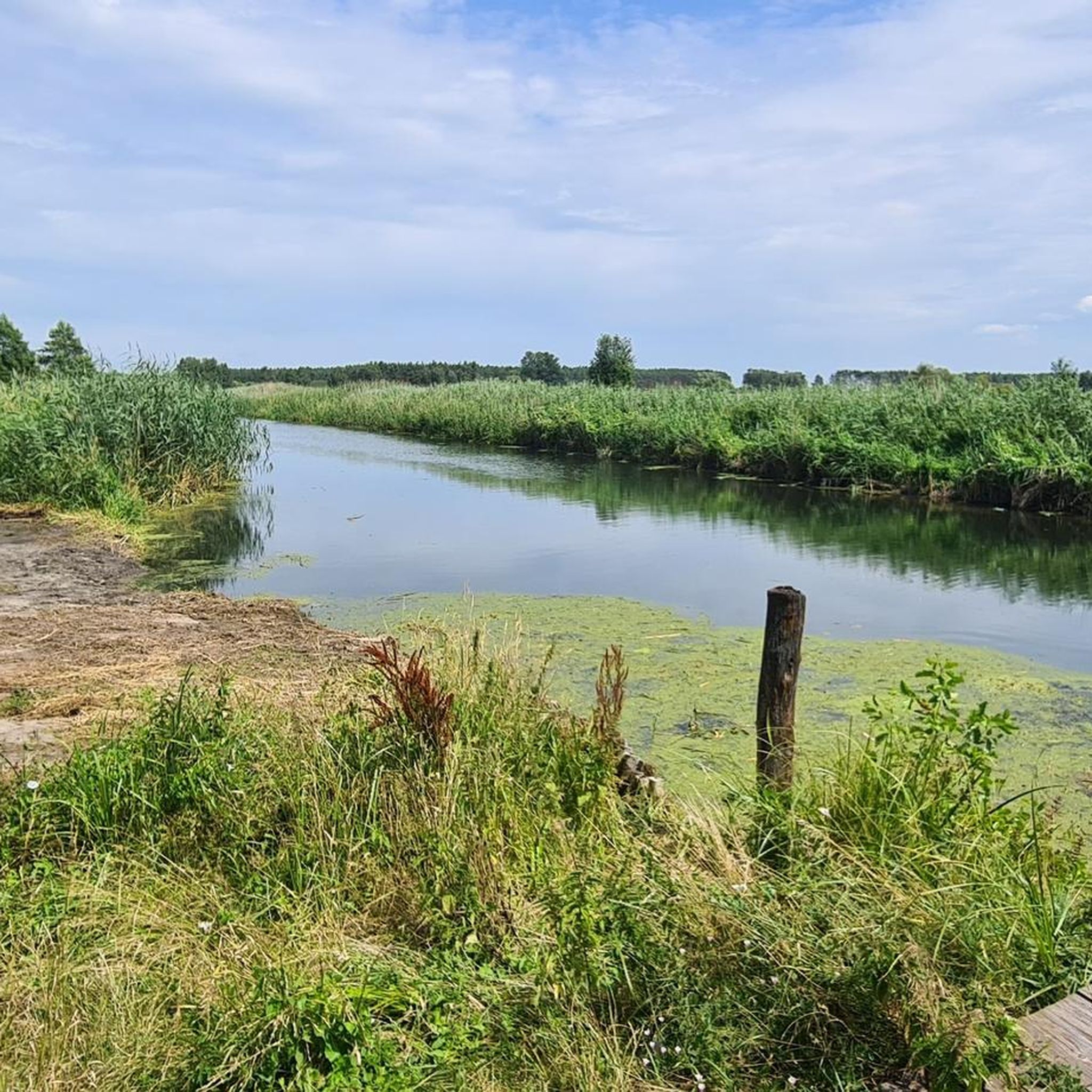
A place with great historical potential. Secured palace ruins, orangery, large park complex with rare trees and small architecture.
1
0

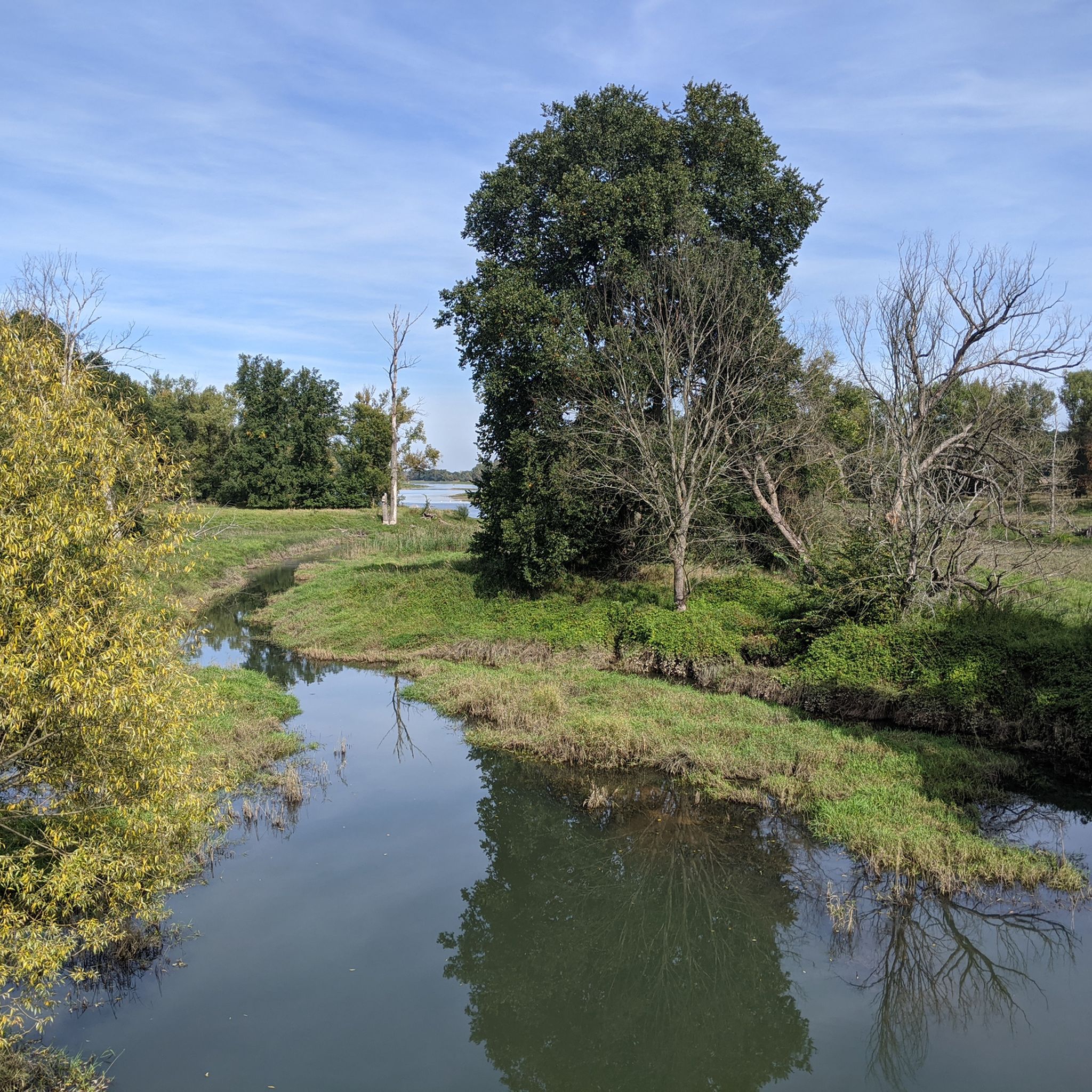
The former palace park, which is crossed by the Urzucki Potok. In the southern part there is a palace, the origins of which date back to the 16th century. However, the palace is in private hands, fenced and neglected. It is difficult to approach it and see it. Next to the palace there is an artificially raised mound, which used to be a view, and today is covered with forest. In the northern part of the park there are ruins of an evangelical church. In front of the ruins in 2018, on the occasion of the 100th anniversary of Poland regaining independence, an oak tree was planted, which is called "Ignacy". The tree is still tiny, but it is growing.
0
0
The ruins of an Evangelical church from the 1830s. It is a brick building, plastered. It stands on the site of an earlier temple from the 18th century. The previous one had a half-timbered structure. The church was used after the war, but in the 1960s the parish was moved to a nearby medieval church, and this one was abandoned. Since then it has fallen into ruin. Currently, there are only the perimeter walls, without a roof, with a completely overgrown interior and surroundings.
0
0

The Evangelical church was built in the first half of the 19th century in the so-called arcade style. After World War II it was used as a Catholic church of Our Lady of the Rosary, it is currently in ruins. The church has a Greek cross plan.
0
0
Frequently Asked Questions
What historical landmarks can I explore in Powiat Zielonogórski?
Powiat Zielonogórski is rich in history. You can visit the impressive Zatonie Palace Ruins, a former Baroque manor house with a revitalized park and a cafe in its rebuilt orangery. Another significant site is the Castle in Zabor, an early Baroque palace complex. Don't miss the Ruins of the Evangelical Church in Niwiska Park, an arcade-style church from the 19th century.
Are there any museums or cultural sites worth visiting in the region?
Yes, the region offers several cultural attractions. The Lubusz Military Museum in Drzonów, housed in a 19th-century palace, boasts one of Poland's largest collections of heavy combat equipment. You can also explore the Ethnographic Museum in Ochla, an open-air museum showcasing over 60 historic buildings reflecting local folk culture.
What natural attractions can I find in Powiat Zielonogórski?
Over half of Powiat Zielonogórski is covered by extensive pine and mixed forests, perfect for nature lovers. The Odra River also flows through the district, creating varied landscapes. For a protected natural area, visit the Radowice Nature Reserve, which preserves an ash-alder fen and oak-hornbeam forests, home to rare bird species and fungi.
Are there any family-friendly activities or attractions?
Many attractions in Powiat Zielonogórski are suitable for families. The Zatonie Palace Ruins with its park and cafe is a pleasant spot. The Lubusz Military Museum in Drzonów often hosts outdoor events and educational activities that can engage children. The Ethnographic Museum in Ochla also provides an interactive experience of folk culture.
Where can I find good viewpoints or scenic spots?
For panoramic views, consider visiting the Bismarck Tower on Wilkanowska Mountain. While not always accessible, it's known for its potential far-reaching views. Another scenic spot is the Rose Temple, an arbor on an artificial hill offering a beautiful perspective of the surrounding park.
What outdoor activities are available in the area?
The region's extensive forests and varied landscape make it ideal for outdoor activities. You can enjoy hiking, cycling, and mushroom picking. For specific routes, explore the easy hikes around Powiat Zielonogórski, or discover cycling routes, including the Asphalt Bike Path.
What is the best time of year to visit Powiat Zielonogórski?
The best time to visit largely depends on your interests. Spring and summer are ideal for enjoying the natural landscapes, hiking, cycling, and outdoor events at museums. Autumn is perfect for mushroom picking in the extensive forests and experiencing the local winemaking traditions during harvest season. The Bismarck Tower is attractive at any time of the year.
Are there any unique historical industrial sites?
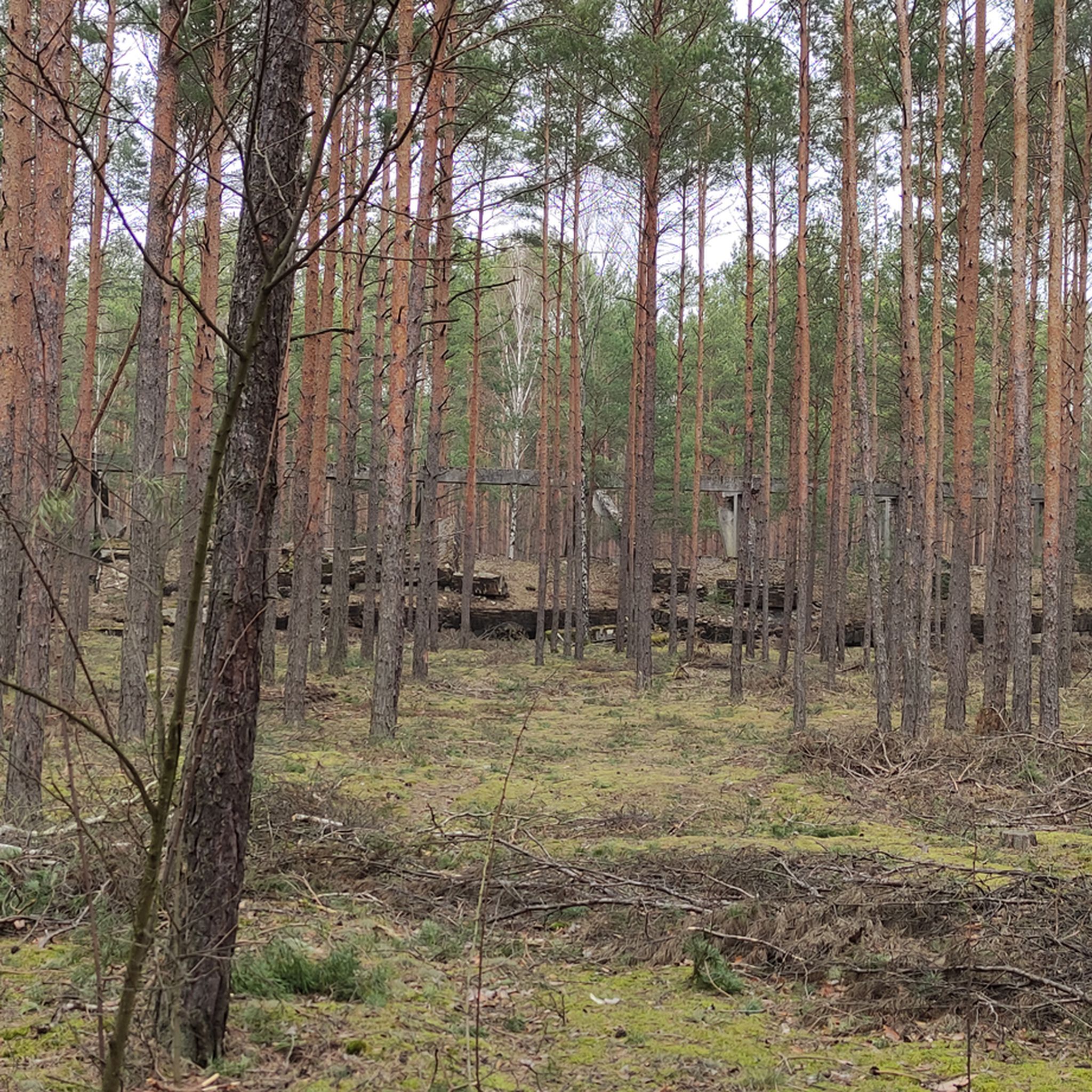
Yes, you can visit the Silos of the Alfred Nobel Plant (Krzystkowice). These structures are remnants of a former plant, featuring massive reinforced concrete skeletons and unique 'blow-out windows' designed to mitigate blast waves, offering a glimpse into industrial history.
What is the region known for in terms of local traditions?
Powiat Zielonogórski is widely considered the 'heart of Polish winemaking,' with a long and rich history of viticulture, particularly in communes like Zabór and Sulechów. You can also learn about local folk culture at the Ethnographic Museum in Ochla, which cultivates grapevines, grains, and hops, and hosts various events.
Can I find any unique wildlife or nature-focused attractions?
The village of Kłopot is home to the Museum of the White Stork, established due to the unusually high number of stork nests in the area. This museum offers a unique insight into these iconic birds and their habitat, making it a special nature-focused attraction.
What do visitors enjoy most about the attractions in Powiat Zielonogórski?
Visitors frequently appreciate the blend of historical sites and natural beauty. The revitalized park and cafe at Zatonie Palace Ruins are often highlighted for a relaxing experience. The unique atmosphere and diverse exhibitions at the Lubusz Military Museum also receive high praise for their engaging nature.
Are there other historical palaces to visit besides Zatonie and Zabór?
Beyond the prominent Zatonie Palace Ruins and Castle in Zabor, the powiat features several other historical palaces. You can find palaces in various states of preservation in locations such as Przytok, Klenica, Wojnowo, and Bojadła. The palace in Bojadła, dating from the 18th century, is particularly noted for its well-preserved exterior walls.
Most popular routes around powiat zielonogórski
Most popular attractions around powiat zielonogórski

Get inspired with the komoot mobile app


Didn’t find what you were looking for?
Are you keen on exploring more awesome places nearby? Browse our guides:
Explore more
Still not found the Highlight you’re looking for? See guides of the top attractions in other regions:
