The best walks and hikes around Warsaw
4.6
(1315)
34,047
hikers
1,615
hikes
Hiking around Warsaw reveals a landscape rich in green spaces, from expansive national and landscape parks to numerous urban oases. The region features diverse terrain, including dense forests, tranquil wetlands, and riverine paths along the Vistula. Notable areas like Kampinos National Park and Kabaty Forest offer extensive trail networks, while the Mazowiecki Landscape Park provides varied forest scenery.
Best hiking trails in Warsaw
- The most popular hiking route is Powsin - Warszawa Dawidy Trail, a 4.7 miles (7.6 km) trail that takes 1 hour 57 minutes to complete, offering an easy path through local green areas.
- Another top favourite among local hikers is Trail for Czerniakowskie Lake, a moderate 2.9 miles (4.6 km) path that circles a natural lake, providing a scenic escape within the city.
- Local hikers also love the Falenica Running Trail, a 2.5 miles (4.1 km) trail leading through forested areas, often completed in about 1 hour 3 minutes.
- Hiking around Warsaw is defined by dense forests, riverine paths, and extensive urban green spaces. The network offers options for different ability levels, from leisurely strolls to longer forest trails.
- The routes in Warsaw are highly rated by the komoot community with an average score of 4.6 stars from over 500 reviews. More than 22,000 hikers have used komoot to explore Warsaw's varied terrain.
Last updated: September 27, 2026
4.8
(8)
107
hikers
7.59km
01:57
40m
40m
Easy hike. Great for any fitness level. Easily-accessible paths. Suitable for all skill levels.
4.8
(11)
80
hikers
4.59km
01:10
10m
10m
Moderate hike. Great for any fitness level. Mostly accessible paths. Sure-footedness required.

4.6
(5)
65
hikers
4.07km
01:03
20m
20m
Easy hike. Great for any fitness level. Easily-accessible paths. Suitable for all skill levels.
4.5
(6)
44
hikers
5.85km
01:29
10m
10m
Easy hike. Great for any fitness level. Easily-accessible paths. Suitable for all skill levels.
4.3
(3)
14
hikers
5.18km
01:19
10m
10m
Moderate hike. Great for any fitness level. Mostly accessible paths. Sure-footedness required.
4.7
(15)
1,420
hikers
Easy hike. Great for any fitness level. Easily-accessible paths. Suitable for all skill levels.
4.8
(13)
1,205
hikers
Easy hike. Great for any fitness level. Easily-accessible paths. Suitable for all skill levels.
5.0
(12)
665
hikers
5.88km
01:29
10m
10m
Easy hike. Great for any fitness level. Easily-accessible paths. Suitable for all skill levels.
5.0
(7)
498
hikers
5.12km
01:18
10m
10m
Easy hike. Great for any fitness level. Easily-accessible paths. Suitable for all skill levels.
5.0
(5)
320
hikers
Easy hike. Great for any fitness level. Easily-accessible paths. Suitable for all skill levels.
Get access to more routes and recommendations from other explorers.
Already have an account?
Our route recommendations are based on thousands of hikes, rides, and runs completed by other people on komoot.
Start today with a free account
Your next adventure awaits.

Other adventures around Warsaw

Tips from the Community

Nice hotel in a nice location in the city
0
0
Beautiful square in the center of what old buildings there are to see.
0
0
Beautiful historic place. On a beautiful walking route through the city
0
0

to see: interesting and scenic
0
0
A REAL JEWEL: A MUST SEE
0
0
INTERESTING: EXCELLENT CULTURAL INSIGHTS
0
0

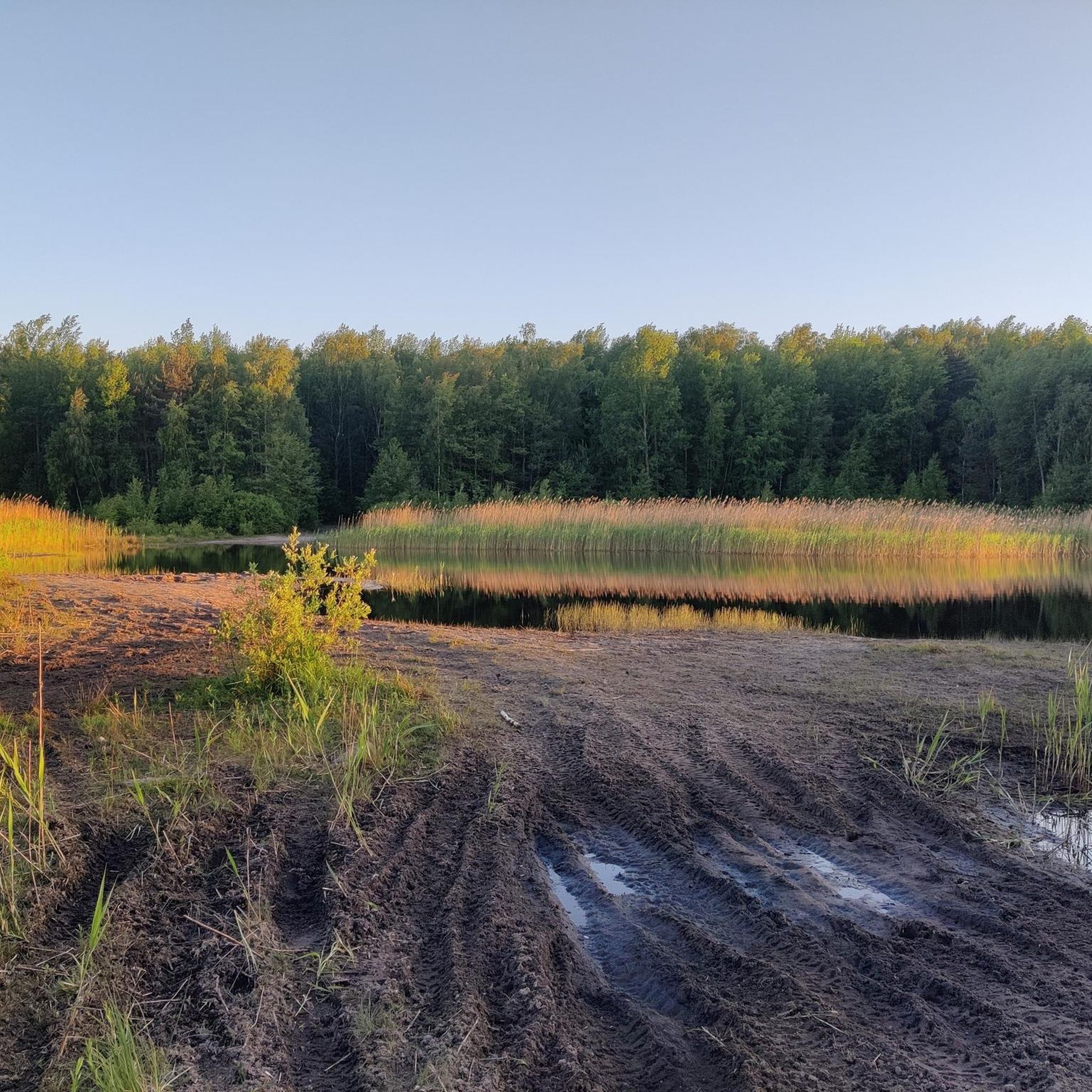
The pond has completely dried up.
0
0
Frequently Asked Questions
How many hiking trails are available around Warsaw?
There are over 1400 hiking routes recorded around Warsaw on komoot, offering a wide range of options for all skill levels. This includes over 1000 easy trails, 360 moderate trails, and a few more challenging options.
What types of landscapes can I expect to see while hiking near Warsaw?
Hiking around Warsaw offers diverse landscapes, from the dense forests and wetlands of Kampinos National Park to the varied scenery of Mazowiecki Landscape Park. You'll also find extensive urban green spaces like Łazienki Park and Kabaty Forest, along with scenic riverine paths along the Vistula.
Are there family-friendly hiking options in Warsaw?
Yes, Warsaw offers many family-friendly hiking options, particularly in its numerous urban parks and accessible forest areas. Trails like the Falenica Running Trail are relatively short and easy, perfect for a leisurely outing with children. Many city parks also have playgrounds and open spaces.
Can I find circular hiking routes around Warsaw?
Yes, many routes around Warsaw are designed as circular paths, allowing you to start and end at the same point. For example, the Trail for Czerniakowskie Lake offers a scenic loop within the city, and many trails in Kampinos National Park are also circular.
Are there any dog-friendly hiking trails in the Warsaw region?
Most natural areas and parks around Warsaw, including Kampinos National Park and Kabaty Forest, are dog-friendly, provided dogs are kept on a leash. Always check local regulations for specific areas. The Powsin - Warszawa Dawidy Trail is a popular choice for walks with pets.
What are some notable natural attractions or landmarks to explore on a hike?
Beyond the trails themselves, you can explore several natural and historical highlights. Within Kampinos National Park, look for the Soy Forest or the Palmiry Cemetery and Museum. Urban parks like Łazienki Park feature historical palaces and gardens. You can also find interesting spots like the Szczęśliwickie Ponds or the Sculptures in Skaryszewski Park.
Are there hiking trails accessible by public transport from Warsaw?
Many green spaces and parks within Warsaw are easily reachable by public transport. For areas slightly further out, like parts of Kampinos National Park or Kabaty Forest, local buses often provide access to trailheads. Urban routes such as the Warsaw Zoo loop from Dworzec Wileński are directly accessible by public transport.
Where can I find easy day hikes near Warsaw?
For easy day hikes, consider the numerous urban parks like Łazienki Park or Pole Mokotowskie. The Sobieski Forest Running Trail is another excellent easy option, offering a pleasant walk through forested areas without significant elevation changes.
What do other hikers enjoy most about hiking in Warsaw?
The area is highly rated by the komoot community, with an average score of 4.6 stars from over 500 reviews. Reviewers often praise the accessibility of nature from the city, the well-maintained paths, and the peaceful escape offered by the diverse forests and green spaces.
Are there any challenging hikes for experienced hikers near Warsaw?
While Warsaw is known for its generally gentle terrain, some longer routes within Kampinos National Park can offer a more extended challenge, especially when combined. The region has 12 trails rated as difficult, providing options for those seeking a more strenuous experience.
What is the best time of year for hiking around Warsaw?
Spring and autumn are generally the best times for hiking around Warsaw, offering pleasant temperatures and beautiful scenery as foliage changes. Summer can also be enjoyable, especially in shaded forest areas, but be prepared for warmer weather. Winter hiking is possible, particularly on well-maintained paths, offering a different, serene experience.
Are there any trails suitable for wheelchairs or strollers?
Many urban parks and some sections of larger forest areas offer paved or well-compacted paths suitable for wheelchairs and strollers. Look for trails explicitly marked as 'easy' and check the terrain details on komoot for specific routes to ensure accessibility, such as those found in Łazienki Park or along the Vistula Boulevards.
Most popular routes around Warsaw
Most popular attractions around Warsaw

Get inspired with the komoot mobile app


Didn’t find what you were looking for?
Check out more Hikes throughout Warsaw below and find the perfect route in your destination.
Explore more
Browse the best Hikes in other regions.
