Attractions and Places To See around Bieruń-Lędziny - Top 20
Best attractions and places to see around Bieruń-Lędziny encompass a variety of historical landmarks, natural features, and cultural sites. The region, located in Poland, offers diverse points of interest for visitors. It features significant historical sites, recreational lakes, and cycling routes, alongside cultural points like old towns and sanctuaries. This area provides opportunities to explore both its natural landscapes and its rich past.
Best attractions and places to see around Bieruń-Lędziny
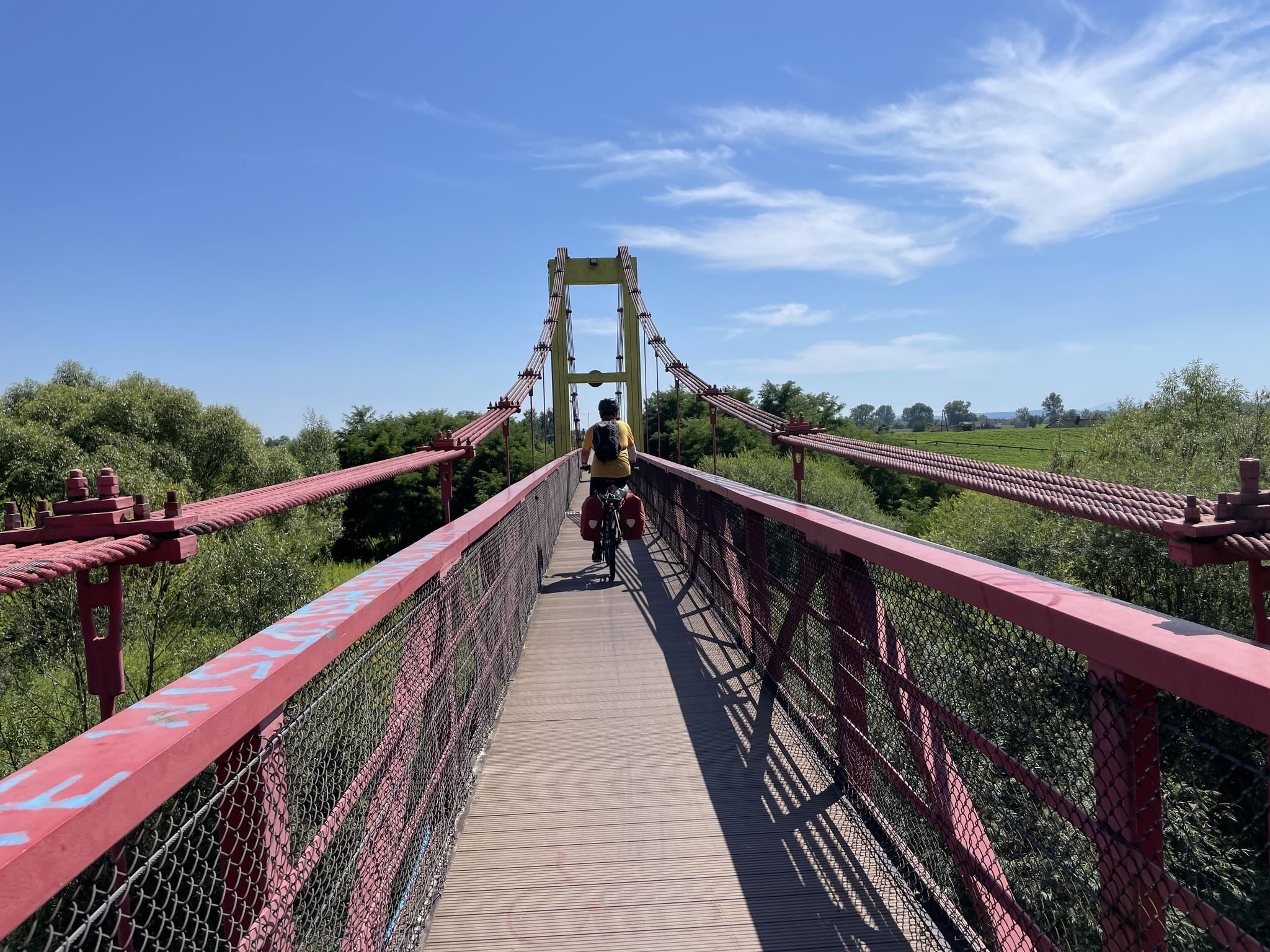
- The most popular attractions is Vistula Cycling Route WTR Oświęcim–Miętków, a cycle_way that offers a high-quality asphalt path along the Vistula embankments. This route provides views of the river and surrounding nature, with sections noted for their excellent surface.
- Another must-see spot is Ruins of Crematorium III, Auschwitz-Birkenau, a historical_site. This site represents a part of the former extermination facilities, with underground undressing rooms and gas chambers. It stands as a memorial to the victims.
- Visitors also love Auschwitz-Birkenau State Museum and Memorial, a historical_site. This complex of former concentration and extermination camps is a significant monument documenting historical events. It is recognized as a UNESCO World Heritage site.
- Bieruń-Lędziny is known for its historical sites, natural lakes, and cycling paths. The region offers a variety of attractions to see and explore, from solemn memorials to recreational outdoor areas.
- The attractions around Bieruń-Lędziny are appreciated by the komoot community. There are 115 highlights in the area, with over 130 photos and more than 270 upvotes from users.
Last updated: July 15, 2026
Vistula Cycling Route WTR Oświęcim–Miętków
Highlight (Segment) • Cycleway
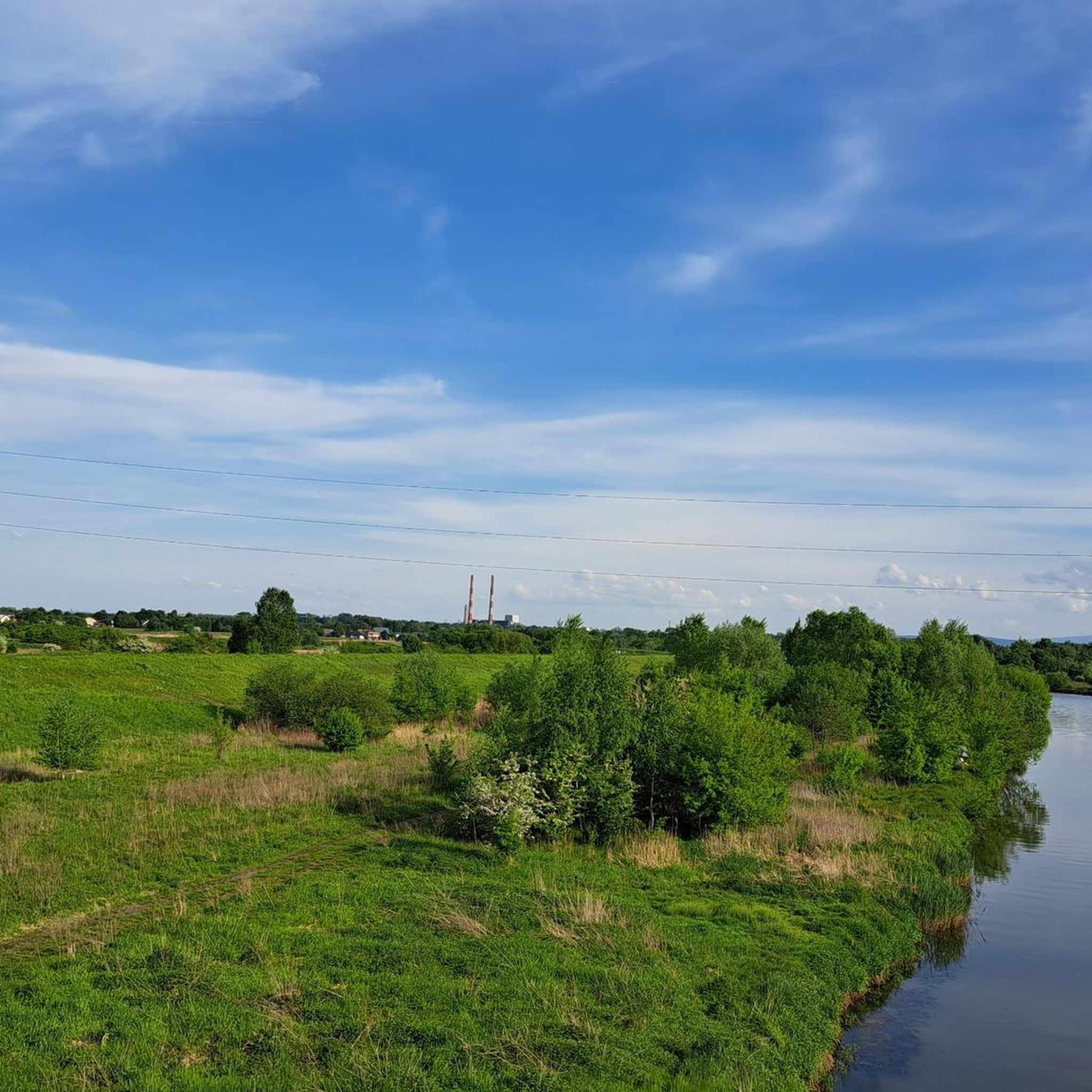
There is a view of the Vistula River from the route.
We liked the stage from Oświęcim the most - the first-class surface on the Vistula embankment is a recipe for the success of this route. On both sides of the embankment, my eyes were filled with vigorous green, and my nose was dizzy with the scent of blooming trees and flowers. The area around the route is a kingdom of nature due to the limited human interference in the floodplain.
In the meadows we searched for pheasants absorbed in courtship, hares flashed in the fields, and we accidentally scared a herd of deer out of the bushes. Sometimes the route rubbed against the forest wall, other times it approached small towns, but we still saw the thin thread of the Vistula and the spring nature exploding in its surroundings.
polskapogodzinach.pl/wislana-trasa-rowerowa-oswiecim-krakow
Translated by Google •
Tip by

Oświęcim Castle
Highlight • Castle
The castle consists of an early gothic bergfried tower built at the end of the 13th century and a two-storey, basement building erected on a rectangular plan (old castle wing from the beginning of the 16th century) and a link from 1929–1931 built on the site of older buildings. A significant part of the fortifications was taken by the river - which changed its course for centuries.
On the castle hill there are remains of defensive walls and bastions. The royal castle was located in the second half of the 16th century in the Silesian poviat of the Kraków voivodeship. There are two tunnels under the castle: the older one (built before 1914) and the other one drilled by the Germans (1940–1944). This tunnel served as an air-raid shelter.
The first mentions of the Oświęcim castellany come from the period when it was incorporated into the Duchy of Opole (1177–1179). The reconstruction and fortification of the castle are attributed to the son of Mieszko Plątonogi, Prince Kazimierz. This is evidenced by archaeological discoveries near the tower confirming the existence of a brick structure on the castle hill in the first half of the 13th century.
pl.wikipedia.org/wiki/Zamek_w_O%C5%9Bwi%C4%99cimiu
malopolska.szlaki.pttk.pl/1568-pttk-malopolska-zamek-w-oswiecimiu
Translated by Google •
Tip by
Sign up now to discover places like this
Get recommendations on the best single tracks, peaks, & plenty of other exciting outdoor places.
Sign up for free
Ruins of Crematorium III, Auschwitz-Birkenau
Highlight • Historical Site
In the summer of 1942, the German company Hoch und Tiefbau AG, with its Katowice branch, began building four massive crematoria complexes (II, III, IV and V). Crematoria II and III had underground undressing rooms and gas chambers. Crematoria IV and V were entirely above-ground buildings. The crematorium furnaces were built by the company Topf i Synowie from Erfurt. These facilities were put into use between March and June 1943.
The people dying there died painful deaths, in humiliation, intensified by the sight of their dying loved ones.
pl.wikipedia.org/wiki/Auschwitz_II_%E2%80%93_Birkenau
Translated by Google •
Tip by
Auschwitz-Birkenau State Museum and Memorial
Highlight • Historical Site
From 2020, you also need a ticket to enter Camp Birkenau.
Sometimes the number of visitors is so large that it may turn out that they do not issue tickets on a given day, so if you want to be sure of entry, it is best to order such a ticket online in advance.
There is a bus between the camps Auchwitz and Birkenau.
Translated by Google •
Tip by
Gate of Death, Auschwitz II–Birkenau
Highlight • Historical Site
The name is not accidental. It was in the former German Nazi concentration and extermination camp Birkenau that the overwhelming number of KL Auschwitz victims died - over a million people, Jews, Poles, Gypsies, as well as Soviet prisoners of war and prisoners of other nationalities. The vast majority, as much as 90% of the victims, were Jews.
The contemporary shape of the Birkenau Death Gate comes from 1943. The direct railway line under the crossing was not built until the spring of 1944. Above the gate, through which the railway track runs today, there is a two-story watchtower. From its windows you can see the panorama of the former camp. Inside, however, there are still single-storey buildings made of raw brick and the main guardhouse of the camp.
The Birkenau Death Gate is located on the site of the former Auschwitz II concentration camp and is part of the Auschwitz-Birkenau State Museum.
krakowbooking.com/pl/attractions/brama-birkenau-brama-smierci
Translated by Google •
Tip by
International Monument to the Victims of Auschwitz–Birkenau
Highlight • Monument
The monument unveiling ceremony gathered 200,000 people on April 16, 1967. people. Among them was the then prime minister of the Polish People's Republic and former Auschwitz prisoner Józef Cyrankiewicz and the Soviet general Vasily Pietrenko, one of the commanders of the Red Army units, which liberated the camp in January 1945.
“Let us pay tribute to all those murdered here, building, according to our strength and skills, a new life of free, coexisting nations, in order to remove this shame from humanity, which was what happened in Oświęcim. To never again! Only then will it be a monument not only to memory, warning and vigilance, but also to the reconciliation of people and nations who follow the same path to the same goals, ”said Cyrankiewicz, whose words were recorded by the camera of the Polish Film Chronicle.
The unveiling of the Monument was accompanied by the premiere of Krzysztof Penderecki's "Dies Irae" oratorio. The creator dedicated them to the memory of the camp's victims. The Latin title of the composition, translated into Polish, is: Dzień Gniewu. When creating his work, Penderecki relied on excerpts from the Bible, contemporary Polish and French poetry, and excerpts from Aeschylus's "Oresteja".
The monument was unveiled by the chairman of the Council for the Protection of Monuments to Struggle and Martyrdom, Janusz Wieczorek. At the foot of the monument, Józef Cyrankiewicz placed the first class insignia of the Grunwald Cross, which were posthumously awarded to the victims of Auschwitz.
The unveiling of the Monument was accompanied by the premiere of Krzysztof Penderecki's "Dies Irae" oratorio. The creator dedicated them to the memory of the camp's victims. The Latin title of the composition, translated into Polish, is: Dzień Gniewu. When creating his work, Penderecki relied on excerpts from the Bible, contemporary Polish and French poetry, and excerpts from Aeschylus's "Oresteja". The oratory premiered on April 16, 1967 at the Krakow Philharmonic.
Currently, the Monument is a place where world leaders visiting the Memorial pay tribute to the victims. Among them were, among others three subsequent popes: John Paul II, Benedict XVI and Francis.
auschwitz.org/galeria/miejsce-pamieci/miedzynarodowy-pomnik-ofiar-obozu
Translated by Google •
Tip by
Auschwitz-Birkenau Concentration Camp
Highlight • Historical Site
Only when they see with their own eyes how huge this death factory was, can they fully grasp what happened in this place in the 1940s.
One can only hope that after visiting this museum, most people will remember for the rest of their lives what hatred of one human being towards another can lead to, although unfortunately, this is probably just a pious wish, seeing what the modern world looks like.
Showing Translation
Tip by
Chapel on Chełmeczki Hill
Highlight • Religious Site
Translated by Google •
Tip by

Restauracja Degolówka
Highlight • Restaurant
Translated by Google •
Tip by

Boulevards on the Soła river
Highlight • River
You can rest on a bench, and for sports enthusiasts, there is an outdoor gym - a team of outdoor fitness equipment. The alleys are also used by jogging and Nordic walking enthusiasts, they are a great solution for inline skaters and cyclists. In summer, the Boulevards are full of sunbathers, and this is also due to the availability of deckchairs that appear regularly during this period. The trees growing on the boulevards are a great example of landscaping in a place of recreation, they provide shelter to animals, cool down during the heat, and give color to this place at any time of the year. Nearby you can find a footbridge, which in combination with the aforementioned vegetation is a good place for amateur and professional photo sessions. Along the main walking path, on the fence of the Salesian Institute, you can admire the cyclical Municipal Outdoor Gallery.
visitmalopolska.pl/pl_PL/obiekt/-/poi/bulwary-nad-rzeka-sola-oswiecim
pl-pl.facebook.com/BulwarynadSola
Translated by Google •
Tip by
Sign up for free to discover even more attractions around Bieruń-Lędziny.
Sign up for free
Already have an account?
Start today with a free account
Your next adventure awaits.
Login or Signup
Popular around Bieruń-Lędziny

Other adventures around Bieruń-Lędziny

Tips from the Community

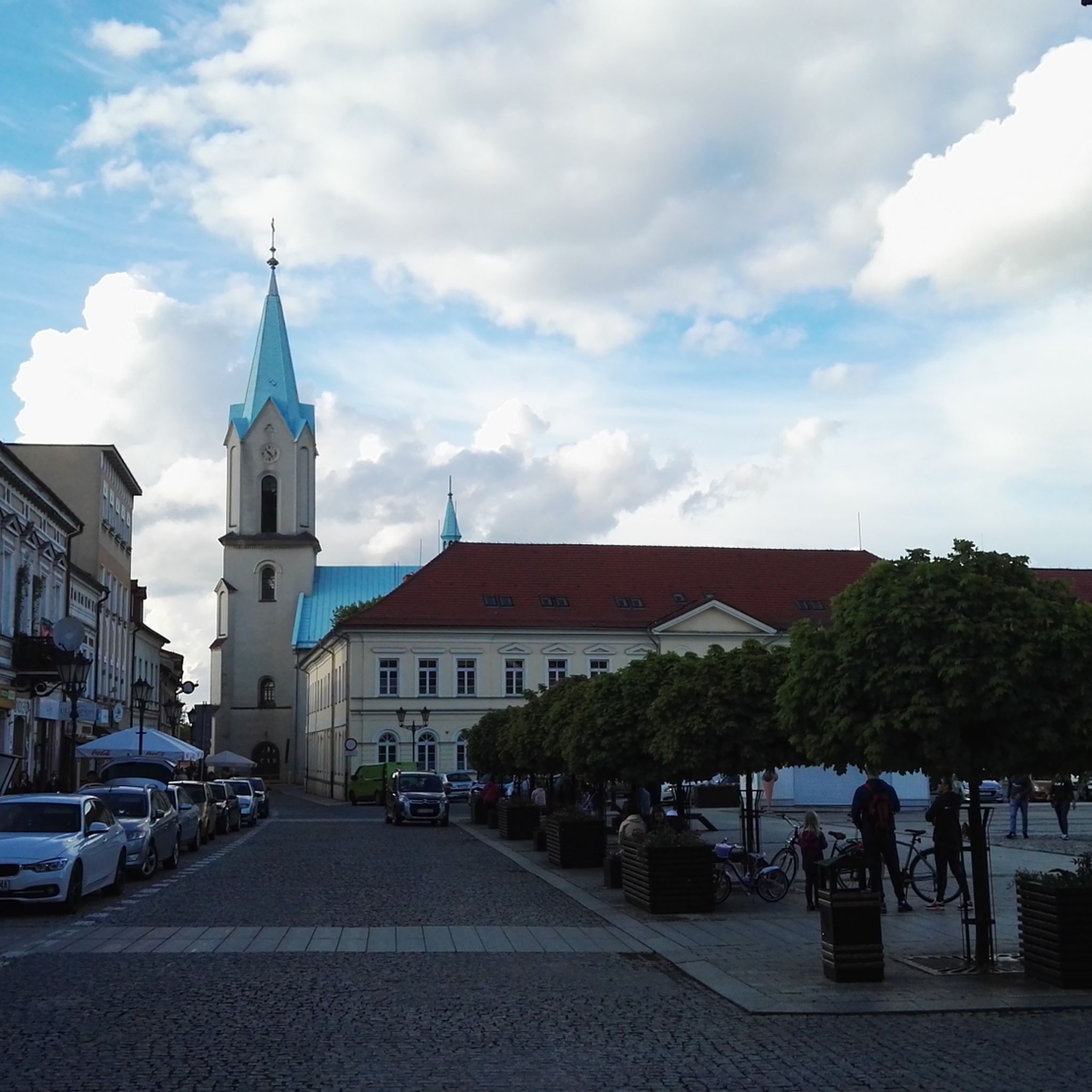
The Castle in Oświęcim is a medieval defensive stronghold located on a hill on the right bank of the Soła River. Currently, the site is home to the Museum of the Castle in Oświęcim, which presents the rich history of the city, the former Duchy of Oświęcim, and valuable historical and archaeological collections. It was here that a great diplomatic turning point occurred: in 1454, the last Piast duke of this region, Jan IV, bowed to the might of Poland and ceded the castle and his entire duchy as a fief to King Casimir Jagiellon. Three years later (in 1457), he completely sold these lands to him. The castle ceased to be a Silesian borderland and became Polish royal property for centuries. It is worth taking a look at the mighty, 13th-century Gothic tower, which remembers those events and that agreement! The history of the castle in Oświęcim dates back to the 11th century, when there was an early medieval agricultural settlement on the hill above the Soła. After it burned down, a fortified castellany stronghold was erected here. The first official documentary mention of it dates from 1179. It was then that King Casimir the Just transferred these lands to the Duke of Opole, Mieszko Plątonogi. Early Gothic tower – dates from the end of the 13th century, it is a defensive building type (bergfried) and is one of the oldest preserved brick structures in Lesser Poland. Royal history – the castle hosted prominent historical figures, including the future Queen of Poland, Bona Sforza. Underground tunnels – there are two corridors under the castle, including an air-raid shelter built by the Germans during World War II. Address: ul. Zamkowa 1, 32-600 Oświęcim Opening hours: Tuesday to Sunday from 10:00 AM to 6:00 PM (the museum is closed on Mondays).
1
0

Very picturesque cycle path along the Vistula river embankment
0
0

A special and indefinable place, not for its history, but which is nevertheless worth visiting.
0
0
A superb cycle path which is, among other things, the EuroVelo 4 which crosses Poland. I realize that I can take it all the way to Krakow, my final destination, but the wind is blowing hard today and the path is elevated, so I am not at all sheltered from the wind. I decide to leave it further on to follow my initial itinerary.
0
0

The Degolówka Restaurant in Bieruń (Nowy) is a place with an exceptional history, closely linked to the figure of General Charles de Gaulle and the former state border on the Vistula River. Origin of the building: The facility was built in 1830 as the Royal Prussian Main Customs Office at the border on the Vistula, which separated Prussia from Galicia (Austria). Charles de Gaulle: The restaurant's name commemorates two visits by the future President of France: 1921: As a captain, he was stationed here, commanding a unit ensuring order during the plebiscite in Silesia. According to accounts, he dined at the then roadside inn. 1967: He visited this place again as President of France during his official visit to Poland. Other guests: In 1972, the venue was visited by Fidel Castro, and in recent years (2025), it hosted former UK Prime Minister Boris Johnson, who ordered meat pierogi and de volaille.
1
0
The castle in Oświęcim is the royal castle of King Casimir IV Jagiellon.
2
0
On Chełmeczki Hill, there's an interesting historic building: the Chapel of Our Lady of Częstochowa, with paintings and sculptures of saints from the Baroque period. The chapel is built on a rectangular plan, with a semicircular apse. On the hill, there's a small statue of St. Anthony with the infant Jesus. Holy Mass is also held here once a year, usually in May. The chapel stands at a crossroads of dirt roads, in the shade of an old tree.
1
0
Frequently Asked Questions
What historical sites can I visit around Bieruń-Lędziny?
The region offers several historical sites. You can explore Oświęcim Castle, a medieval building with defensive walls and tunnels. Other notable sites include the Saint Valentine Sanctuary in Bieruń, the Promnice Hunting Palace, and the historical Jan VI Turzo Embankment (Grobel).
Are there any significant memorial sites in the region?
Yes, the area is home to profound memorial sites. The Auschwitz-Birkenau State Museum and Memorial is a UNESCO World Heritage site documenting the former concentration and extermination camps. Within this complex, you can also visit the Ruins of Crematorium III, Auschwitz-Birkenau, and the iconic Gate of Death, Auschwitz II–Birkenau, which served as the main entrance to the camp.
Where can I find natural recreational areas or lakes?
For natural recreation, consider Dziećkowice Lake, a large post-mining reservoir popular for various activities. Łysina Lake in Bieruń is another local favorite. You can also visit the Paprocany Recreational Center near Tychy, which features a kayak marina on Paprocańskie Lake. The Boulevards on the Soła river offer pleasant views and walking paths.
Are there cycling routes suitable for different skill levels?
Absolutely. The Vistula Cycling Route WTR Oświęcim–Miętków offers a high-quality asphalt path along the Vistula embankments, suitable for various cyclists. For more options, you can explore numerous cycling routes around the region, including those around Dziećkowice Reservoir. Find detailed routes and difficulty levels on the Cycling around Bieruń-Lędziny guide.
What hiking opportunities are available near Bieruń-Lędziny?
The region provides several hiking opportunities. You can explore trails around natural features like Klimont Mountain in Lędziny or Smutna Góra hill in Chełm Śląski, which offers scenic vistas. For specific routes, check out the Easy hikes around Bieruń-Lędziny guide, which includes paths around historical sites like Auschwitz-Birkenau.
Can I spot wildlife in the Bieruń-Lędziny region?
Yes, the area around the Vistula Cycling Route is known for its rich wildlife due to limited human interference in the floodplain. Visitors have reported seeing pheasants, hares, and even herds of deer in the meadows and fields along the route, especially during spring.
Are there family-friendly attractions around Bieruń-Lędziny?
Many attractions in the region are suitable for families. Recreational lakes like Dziećkowice Lake and Paprocańskie Lake offer space for outdoor fun. The Vistula Cycling Route is also family-friendly, providing an enjoyable ride along the river. Historical sites such as Oświęcim Castle and the Chapel on Chełmeczki Hill are also categorized as family-friendly.
What is the best time to visit Bieruń-Lędziny for outdoor activities?
Spring is particularly recommended for outdoor activities in Bieruń-Lędziny. During this season, the natural landscapes along routes like the Vistula Cycling Route are vibrant with green foliage and blooming trees, offering a picturesque experience. The weather is generally pleasant for cycling, hiking, and exploring the lakes.
Are there any unique cultural points of interest beyond historical sites?
Beyond major historical sites, you can explore the Bieruń Old Town, known for its dikes and proximity to Łysina Lake. The Miejska Galeria Plenerowa (Urban Outdoor Gallery) along the main walking path on the fence of the Salesian Institute offers a cyclical outdoor art display. Various churches in towns like Imielin, Chełmek, and Jedlina, as well as small chapels in Bojszowy, also contribute to the region's cultural fabric.
What kind of outdoor sports can I do in the area?
The Bieruń-Lędziny region is excellent for various outdoor sports. You can enjoy cycling on routes like the Vistula Cycling Route, explore numerous hiking trails, or tackle mountain biking challenges. For detailed routes and guides, refer to the MTB Trails around Bieruń-Lędziny, Easy hikes around Bieruń-Lędziny, and Cycling around Bieruń-Lędziny guides.
Are there any hidden gems or less-known spots worth exploring?
For those seeking less-known spots, consider visiting the Chapel on Chełmeczki Hill, which offers both religious significance and a viewpoint. The Millstones - relics of industrial heritage provide a glimpse into the region's past in a natural setting. The developing aquatic ecosystem in a beech forest, transforming into wetlands due to mining activities, also presents a unique natural phenomenon.
Most popular routes around Bieruń-Lędziny
Most popular attractions around Bieruń-Lędziny

Get inspired with the komoot mobile app


Didn’t find what you were looking for?
Are you keen on exploring more awesome places nearby? Browse our guides:
Explore more
Still not found the Highlight you’re looking for? See guides of the top attractions in other regions:
