The best cycling routes around gmina Bolesławiec
4.8
(200)
970
riders
96
rides
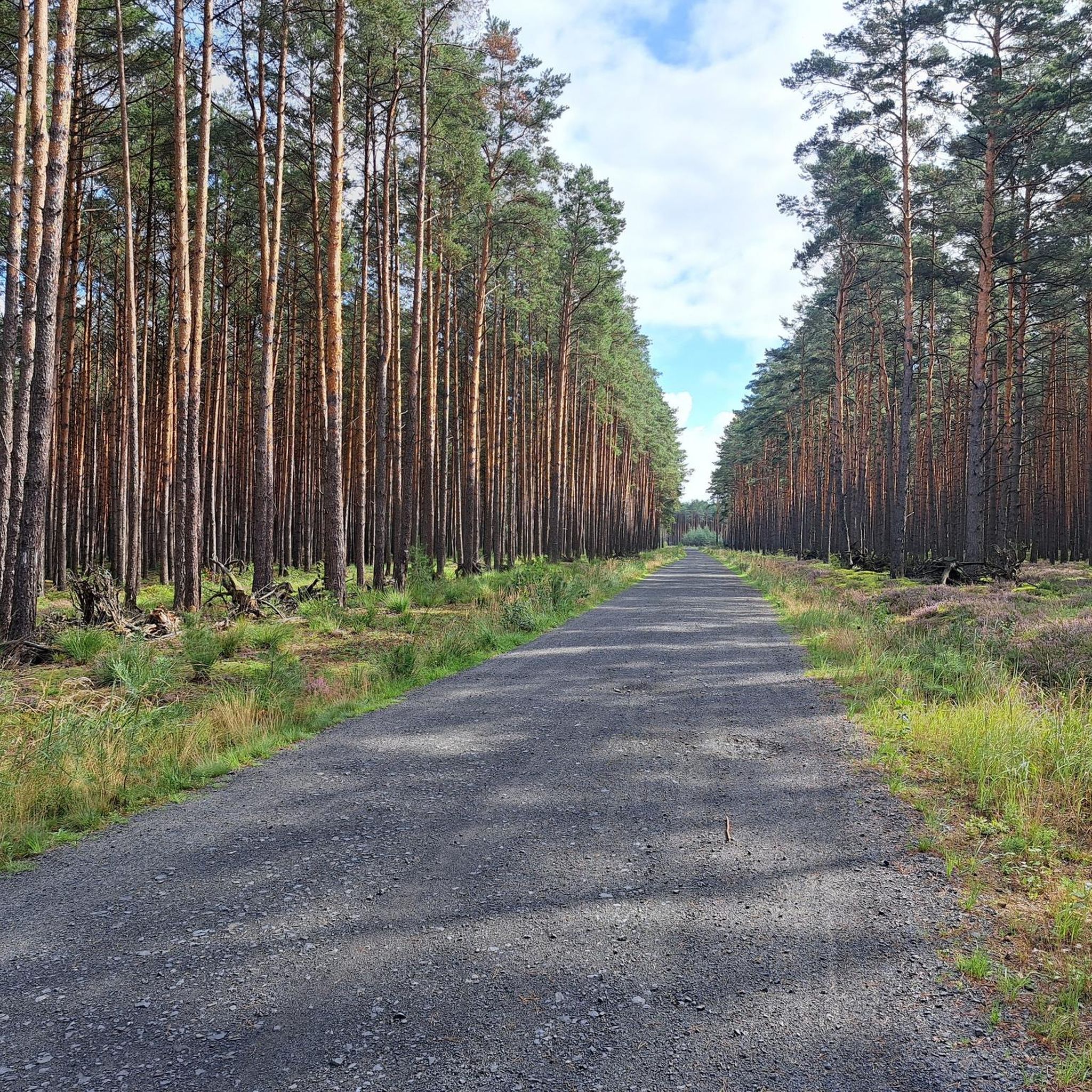
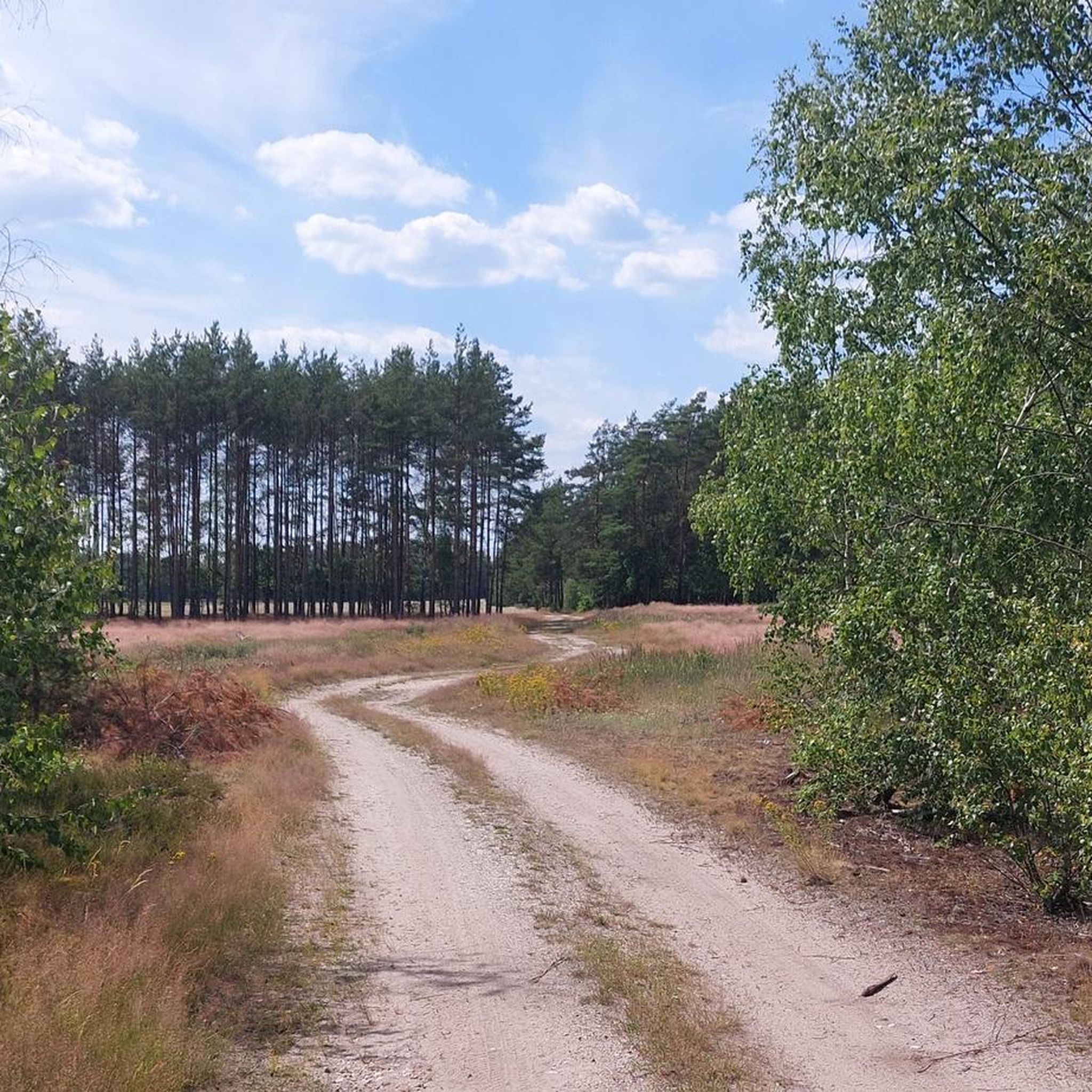
Touring cycling routes around gmina Bolesławiec traverse a landscape characterized by the broad Prosna River valley and its wetlands, protected within the "Dolina Prosny" Protected Landscape Area. The region features varied relief, extensive forest complexes, and parts of the Przemkowski Landscape Park, known for its heathlands. Cycling paths often follow the distinct river valleys and connect natural areas with historical sites. The terrain includes a mix of paved, gravel, and dirt roads, offering diverse experiences for touring cyclists.
Best touring…
Last updated: October 10, 2026
4.6
(11)
58
riders
Easy bike ride. Great for any fitness level. Mostly paved surfaces. Suitable for all skill levels.
5.0
(11)
38
riders
Moderate bike ride. Good fitness required. Mostly paved surfaces. Suitable for all skill levels.

4.9
(11)
32
riders
15.7km
00:53
40m
40m
Easy bike ride. Great for any fitness level. Mostly paved surfaces. Suitable for all skill levels.
4.6
(5)
29
riders
43.0km
02:35
310m
310m
Moderate bike ride. Good fitness required. Mostly paved surfaces. Suitable for all skill levels.
4.8
(5)
14
riders
77.8km
04:44
450m
450m
Hard bike ride. Very good fitness required. Mostly paved surfaces. Suitable for all skill levels.
Get access to more routes and recommendations from other explorers.
Already have an account?
Our route recommendations are based on thousands of hikes, rides, and runs completed by other people on komoot.
Start today with a free account
Your next adventure awaits.

Tips from the Community

Great castle, you can move around and visit freely everywhere. The tower is currently closed, renovation work is being carried out. A small entrance fee must be paid, is ok. Parking is possible below the castle and those who don't want to walk can also park at the top. Both spots are free.
2
0
Impressive suspension bridge. Technically perfect and a great photo opportunity. Only passable by bike or on foot.
1
0

In 1965, T. Kaletyn conducted surface surveys in the fort and its immediate surroundings. Stains from earthenware vessels with traces of packaging were found, some were also decorated. In the second half of the 1960s, the remains of two dugout boats were excavated. The inventory consisted of fragments of ceramics and iron knives, on the basis of which these hollows were dated to the pre-10th century period. Incomplete information about the monuments discovered during archaeological research causes difficulties in verifying the dating of the settlement and its chronology from the 9th to the 12th century.
0
0
On August 20, 1814, she buried her 10-year-old son, who died after a long illness. On January 30, 1832, the Countess's body was also buried there. In May 1832, by order of her sons, the bodies of the Countess and the boy were exhumed, transported to another city, and buried in a family grave.
0
0
Incomplete information about the monuments discovered during archaeological research causes difficulties in verifying the dating of the settlement. Early medieval castles were generally regarded as objects with a strictly defined military character. They had to fulfill their tasks: defend tribal borders, control trade routes, and secure the interests of the elites in various intra-urban relationships. The essence of castles was their strong fortification, which manifested itself in the presence of the most durable and functional defensive structures on the castles and the optimal adaptation of the castle's founding site to the local terrain conditions. The hill on which the settlement is located was formerly called Portsberg or Kapellenberg, and around 1814, Countess Sophia Stosch, who owned Nawojów Sláski in the years 1807-1832, ordered a mausoleum to be built over the settlement.
0
0
The 40 m long and 26 m wide Maidan is surrounded from the south by a section of a shaft with a length of 28 m, a base width of up to 3 m, and a height measured from the inside of the fortification, and covers an area of approx. 800 sqm. In the southern part of this defensive foundation, a section of the ditch has been preserved. The object was discovered around 1930 by German scientists (W. Frenzel, O. Gandert, G. Hoffmann). Unfortunately, the historical material obtained during their work in 1932, 1935, and 1938 was lost during the last war. Animal bones, charcoal, stones, and shrapnel from a clay hut were found during the excavations. After 1945, Polish archaeologists began research, but it was very limited in scope...
1
0
Here is the translation for our German friends: This medieval Slavic settlement in Nawojów Śląski belongs to a group of Sudeten castles inhabited by the Silesian tribe of Bobrzan at the confluence of the Kwisa and Bobra rivers. It includes defensive objects from Boleslawiec, Jelenia Góra Grabarów, Marczów and a supposed fortress on Krzyzna Góra. It also appears under the name Lagów (German name: Logau). It is located at approx. 400 m east of the Kwisa riverbed in a place with great defensive qualities. The settlement has a horizontally oval shape, extending on the north-south axis...
1
0
Riding stable with guesthouse and restaurant.
2
0
Frequently Asked Questions
How many touring cycling routes are available in gmina Bolesławiec?
Gmina Bolesławiec offers a wide selection of touring cycling routes, with over 70 options available on komoot. These routes cater to various preferences, including easy, moderate, and more challenging rides.
What types of terrain can I expect on touring cycling routes in gmina Bolesławiec?
The touring cycling routes in gmina Bolesławiec feature a diverse mix of surfaces. You can expect to encounter paved roads, gravel paths, and dirt tracks, providing varied experiences for cyclists. Some routes, like sections of the "Łużyce - Bory" Trail, even utilize defunct railway lines for dedicated cycling paths.
Are there touring cycling routes suitable for beginners or families?
Yes, gmina Bolesławiec has numerous easy touring cycling routes perfect for beginners or families. For instance, the View of the Bóbr River Viaduct – Bóbr Viaduct (Bolesławiec) loop from Bolesławice is an easy 16.1 km path offering scenic views. Another accessible option is the View of the Bóbr River Viaduct – Bóbr Viaduct (Bolesławiec) loop from Łaziska, a 14.6 km trail through the Bóbr River valley. There are 31 easy routes in total.
What historical or natural landmarks can I see along the touring cycling routes?
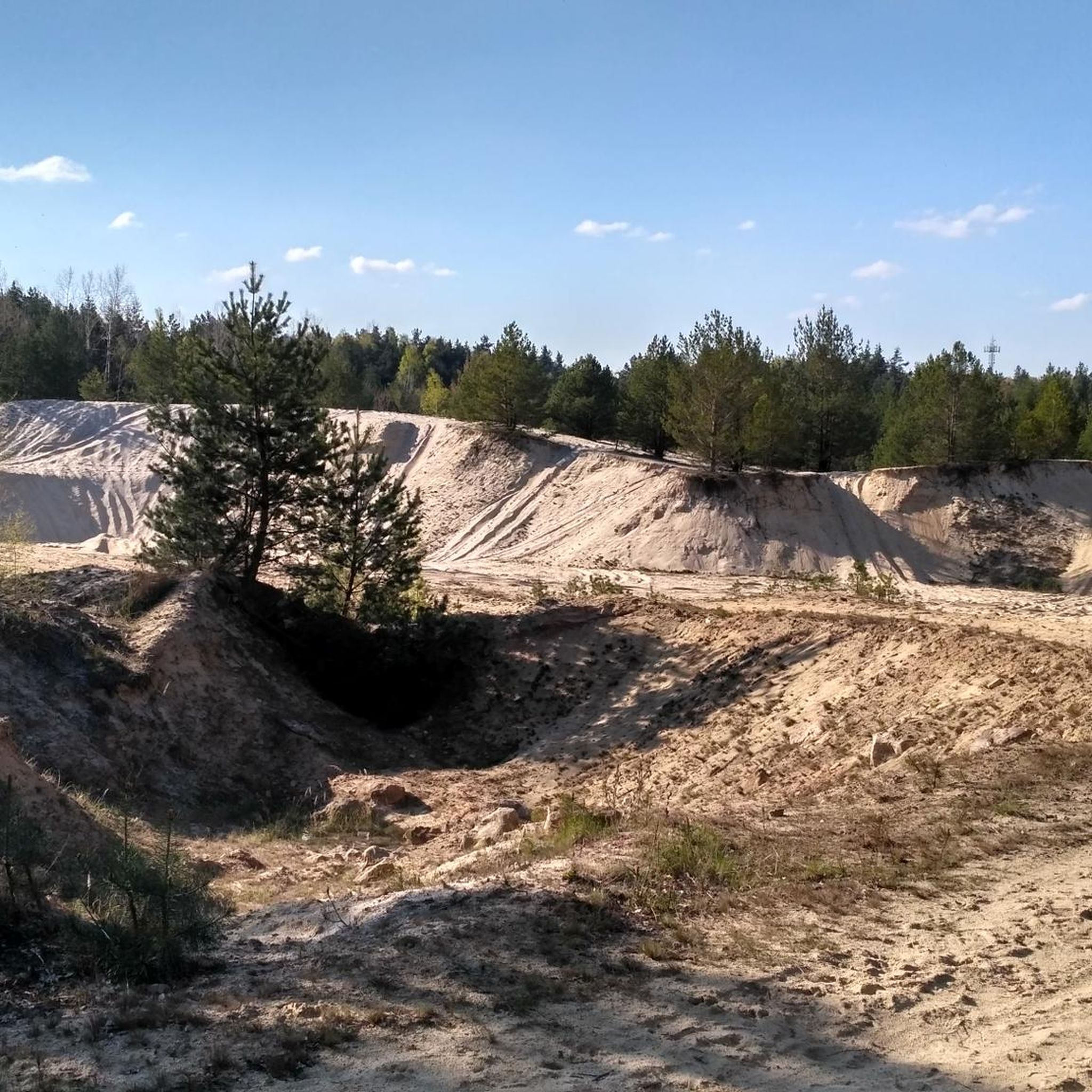
Many routes pass through villages with rich histories, featuring medieval churches and stately homes. A prominent historical landmark is the 19th-century stone railway viaduct over the Bóbr River, which you can see on routes like the View of the Bóbr River Viaduct – Bóbr Viaduct (Bolesławiec) loop from Bolesławice. For natural sights, you might encounter the heathlands of Przemkowski Landscape Park or the unique sandy dunes of Pustynia Kozłowska. The "Łużyce - Bory" trail also connects to Kliczków Castle.
Are there any challenging touring cycling routes for experienced riders?
Absolutely. While there are many easy and moderate routes, gmina Bolesławiec also offers more challenging options for experienced touring cyclists. These can include longer distances, greater elevation changes, and more demanding terrain, with some routes extending over 100 km. There are 9 difficult routes available for those seeking a greater challenge.
What is the best time of year for touring cycling in gmina Bolesławiec?
The region benefits from favorable climatic conditions, particularly in larger forest complexes and on south-facing slopes, making spring, summer, and early autumn ideal for touring cycling. Late summer and early autumn are especially beautiful when the heathlands in areas like the Przemkowski Landscape Park bloom in pink and purple hues.
Can I find circular touring cycling routes in gmina Bolesławiec?
Yes, many of the touring cycling routes in gmina Bolesławiec are designed as loops, allowing you to start and end your ride in the same location. Examples include the Former Railway Line – View of Grodziec Castle loop from Pałac w Kruszynie and the Nowogrodziec Market Square – Forest Pond with Swans loop from Kolonia Pietruszka.
What are some notable castles or palaces I can visit near the cycling routes?
The region is rich in historical architecture. The "Łużyce - Bory" trail, for example, passes through areas with five palaces and one castle. You can find impressive sites like Grodziec Castle, Kliczków Castle, and Brunów Palace, many of which are accessible or visible from various touring cycling paths.
What do other touring cyclists enjoy most about gmina Bolesławiec?
The area is highly rated by the komoot community, with an average score of 4.8 stars from over 160 reviews. Cyclists often praise the diverse landscapes, the mix of natural and historical attractions, and the well-maintained network of routes that cater to different fitness levels.
Are there specific protected natural areas that the cycling routes pass through?
Yes, many routes traverse or are near significant natural protected areas. The region's natural appeal is centered around the "Dolina Prosny" Protected Landscape Area, which safeguards the broad Prosna River valley and its wetlands. Parts of the Przemkowski Landscape Park, known for its heathlands, and the "Bory Dolnośląskie" (Lower Silesian Forests) Natura 2000 area also contribute to the ecological value you can experience while cycling.
How long are the touring cycling routes in gmina Bolesławiec?
The routes vary significantly in length to suit different preferences. You can find shorter loops around 14-16 km, such as the View of the Bóbr River Viaduct – Bóbr Viaduct (Bolesławiec) loop from Łaziska, to longer excursions over 40 km, like the Kruszyn Cycling Path – View of the Bóbr River Viaduct loop from Rakowice. Some challenging gravel rides can even extend over 100 km.
What is the cultural significance of Bolesławiec itself?
The town of Bolesławiec is renowned for its ceramic tradition, which dates back to the 13th century. Cyclists interested in local craftsmanship and history can explore museums and workshops in the town, offering a cultural complement to the outdoor activities.
Most popular routes around gmina Bolesławiec
Most popular attractions around gmina Bolesławiec

Get inspired with the komoot mobile app


Explore more
Browse the best Cycling routes in other regions.
