Attractions and Places To See around gmina Łagiewniki - Top 20
Best attractions and places to see around gmina Łagiewniki encompass a diverse landscape, centered around the Ślęża Massif. This region features Mount Ślęża, the highest peak of the Sudeten Foothills, known for its historical significance as an ancient pagan worship site. Visitors can explore natural features like Tąpadła Pass and various historical landmarks, offering insights into the area's natural beauty and rich cultural heritage.
Best attractions and places to see around gmina Łagiewniki
- The most popular attractions is Mount Ślęża…
Last updated: May 20, 2026
Church of the Visitation of the Blessed Virgin Mary on Mount Ślęża
Highlight • Religious Site
Translated by Google •
Tip by

Mount Ślęża
Highlight • Summit
Translated by Google •
Tip by

Sign up now to discover places like this
Get recommendations on the best single tracks, peaks, & plenty of other exciting outdoor places.
Sign up for free
Bismarck Tower on Mount Ślęża
Highlight • Monument
Translated by Google •
Tip by

Tąpadła Pass
Highlight • Mountain Pass
Translated by Google •
Tip by

PTTK Tourist House on Mount Ślęża
Highlight • Mountain Hut
Translated by Google •
Tip by
Sign up for free to discover even more attractions around gmina Łagiewniki.
Sign up for free
Already have an account?
Start today with a free account
Your next adventure awaits.
Login or Signup

Tips from the Community

The yellow trail, for everyone :)
0
0

A historic tourist facility located at the summit of Mount Ślęża at 718 meters above sea level, named after Roman Zmorski and listed as a historical monument since 1988. The current stone building was constructed in 1907-1908 under the patronage of the Zobten Mountain Society, replacing earlier wooden structures that had served hikers since 1837. Originally featuring a richly decorated "Zobten Hermitage" hall where mountain society members gathered among hunting trophies, the building now operates as a tourist house providing only catering services due to water supply issues that prevent overnight accommodation!!!
1
0
built on the ruins of a medieval Piast castle whose fragments can still be seen in the church's underground crypt. Originally founded in the 12th century by Palatine Piotr Włostowic who brought Augustinian canons from Flanders, the current neo-Romanesque structure dates from 1852 after the previous chapel was destroyed by lightning in 1834.
1
0
The mountain has two archaeological trails marked with the symbol of the Ślęża bear, allowing visitors to discover the ancient stone sculptures while trekking. Despite its relatively modest elevation, Ślęża offers impressive views due to its prominent rise of over 500 meters above the surrounding lowlands.
1
0
Mount Ślęża is the highest peak of the Sudeten Foothills at 717.5 meters above sea level, located near the town of Sobótka in southwestern Poland. The mountain served as a pagan solar worship center from the Bronze Age until Christianization in the 10th-11th centuries, with ancient stone sculptures including "the maiden with fish," "the monk," and "the bear" still visible today. A 12th-century church now stands on the summit alongside a concrete observation tower, while the PTTK tourist shelter provides accommodation for hikers exploring the well-marked trail network.
1
0
Tower on Wieżyca Hill in Sobótka is one of 172 surviving Bismarck towers worldwide, built between 1906-1907 by Wrocław students using granite from nearby Mount Ślęża. Standing 15 meters tall with 60 steps, the tower was designed by Wilhelm Kreis in his "Götterdämmerung" (Twilight of the Gods) style and originally featured a fire beacon on top. After years of neglect, local residents initiated its restoration in 1992, and it now serves as a tourist attraction offering panoramic views of the Silesian landscape.
2
0

The Tourist House is a different category from the PTTK shelter, which means that this building is subject to different rules than shelters. There was already a building on this site in 1837 and it has a long history. One of the more interesting rooms here was the current Knights' Hall (formerly the Ślęża Hermitage, where members of the Mountain Society met). There is no running water here, so there is no accommodation, only a buffet.
0
0
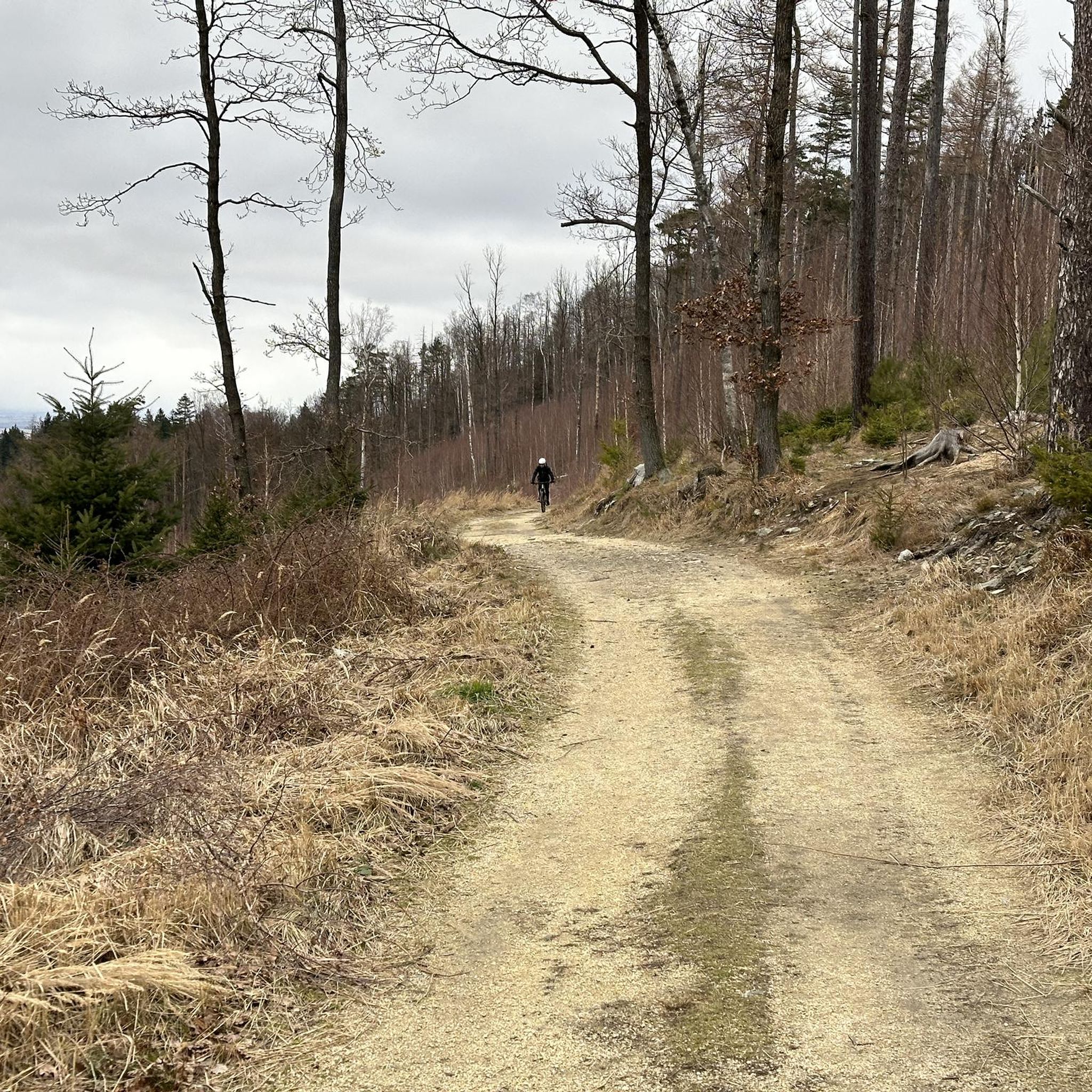
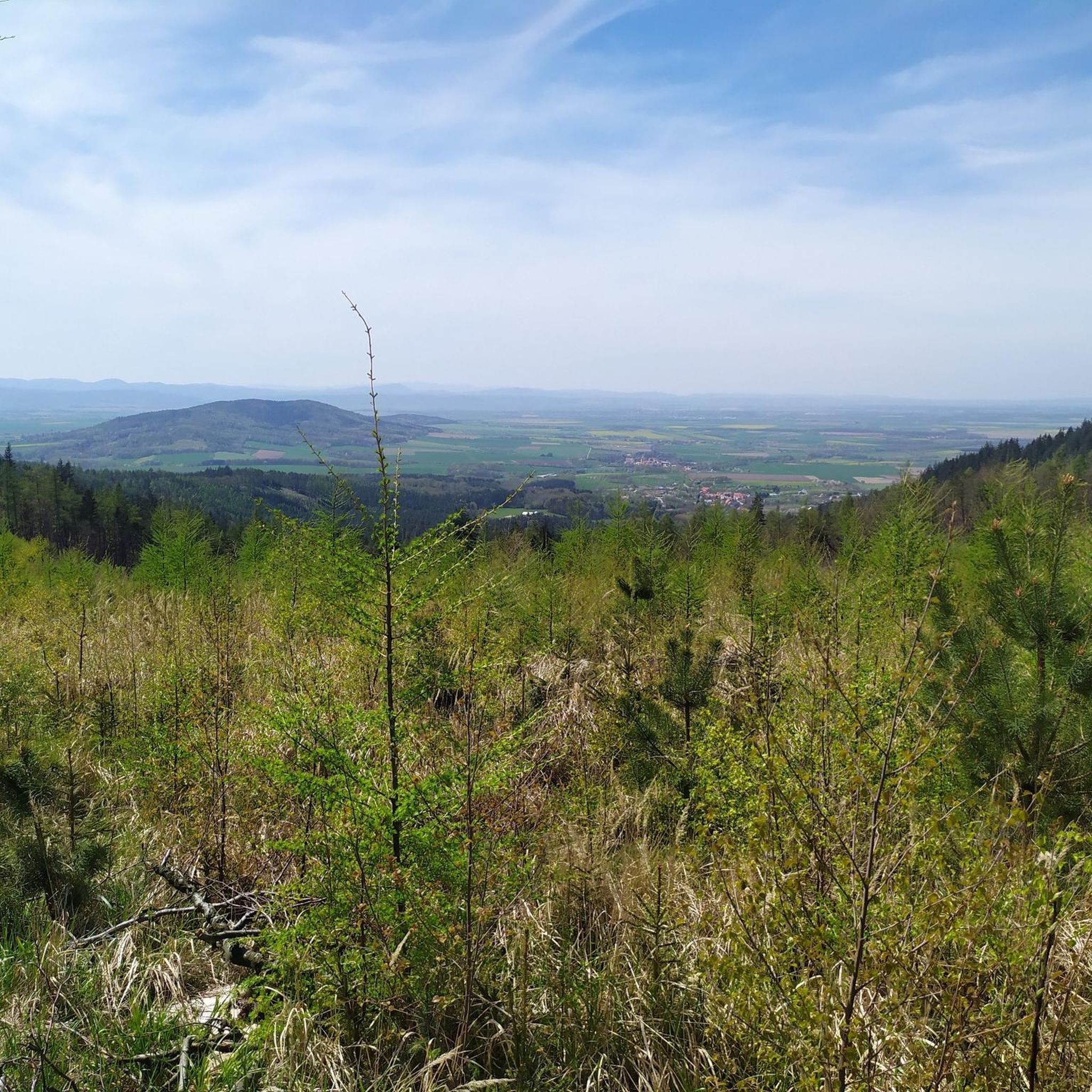
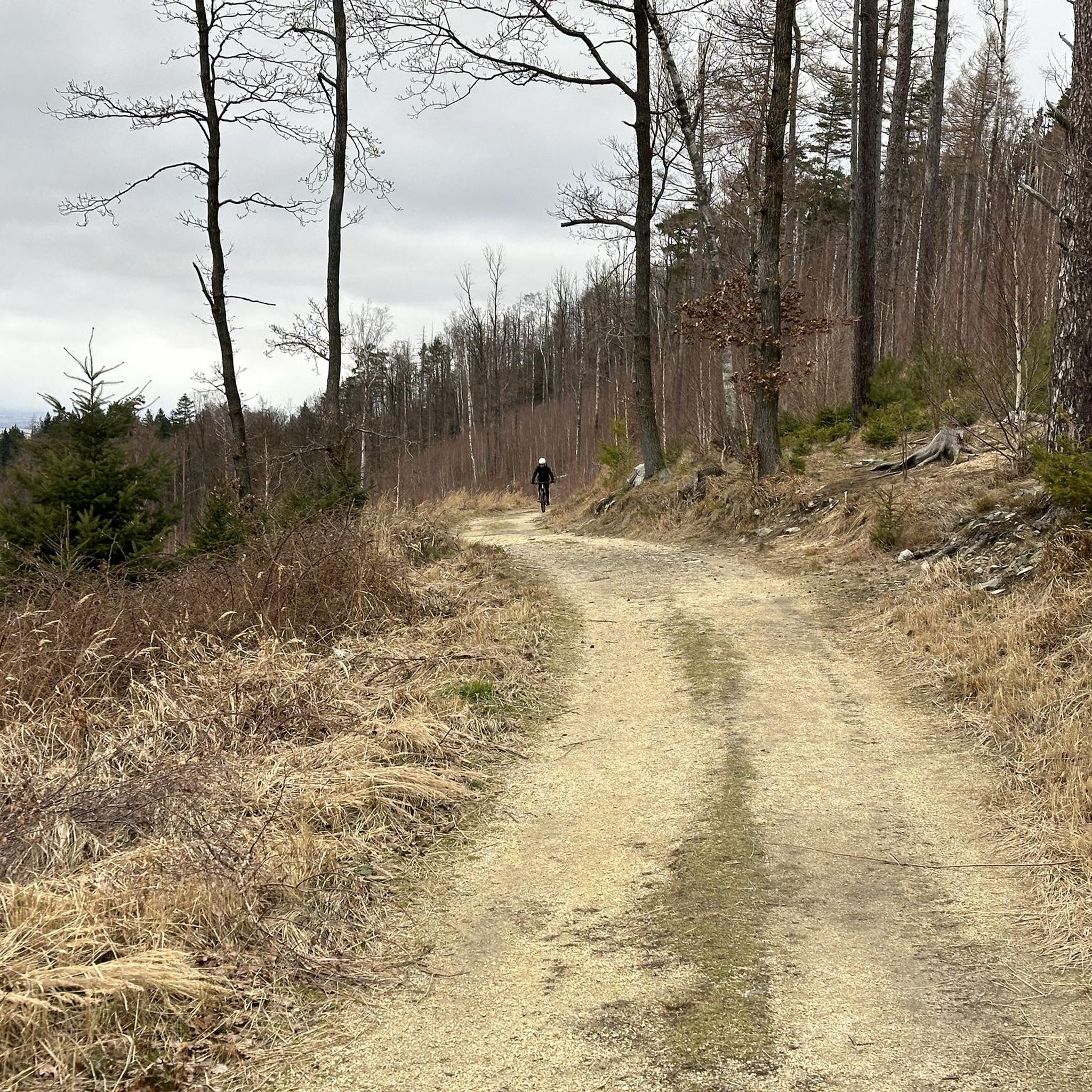
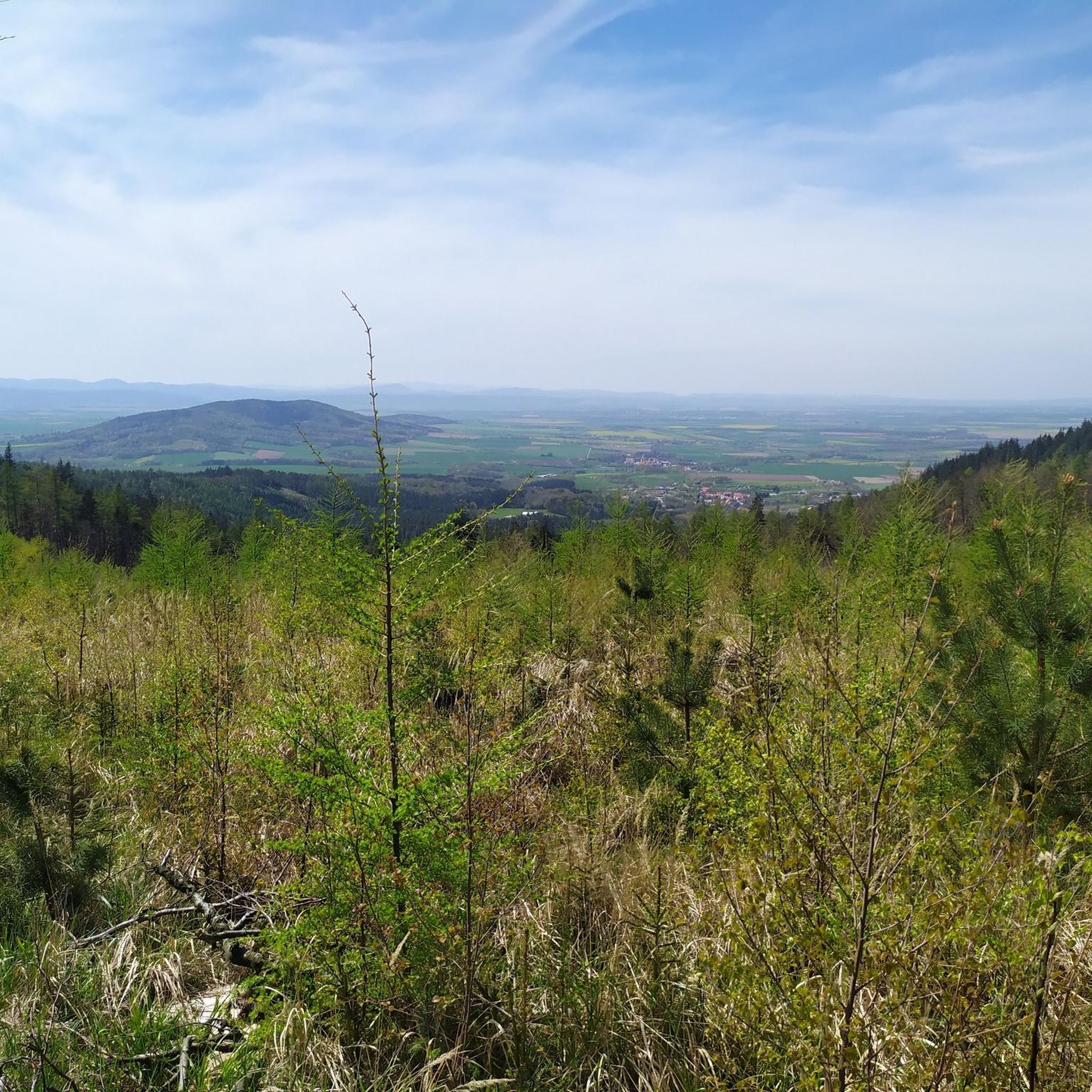
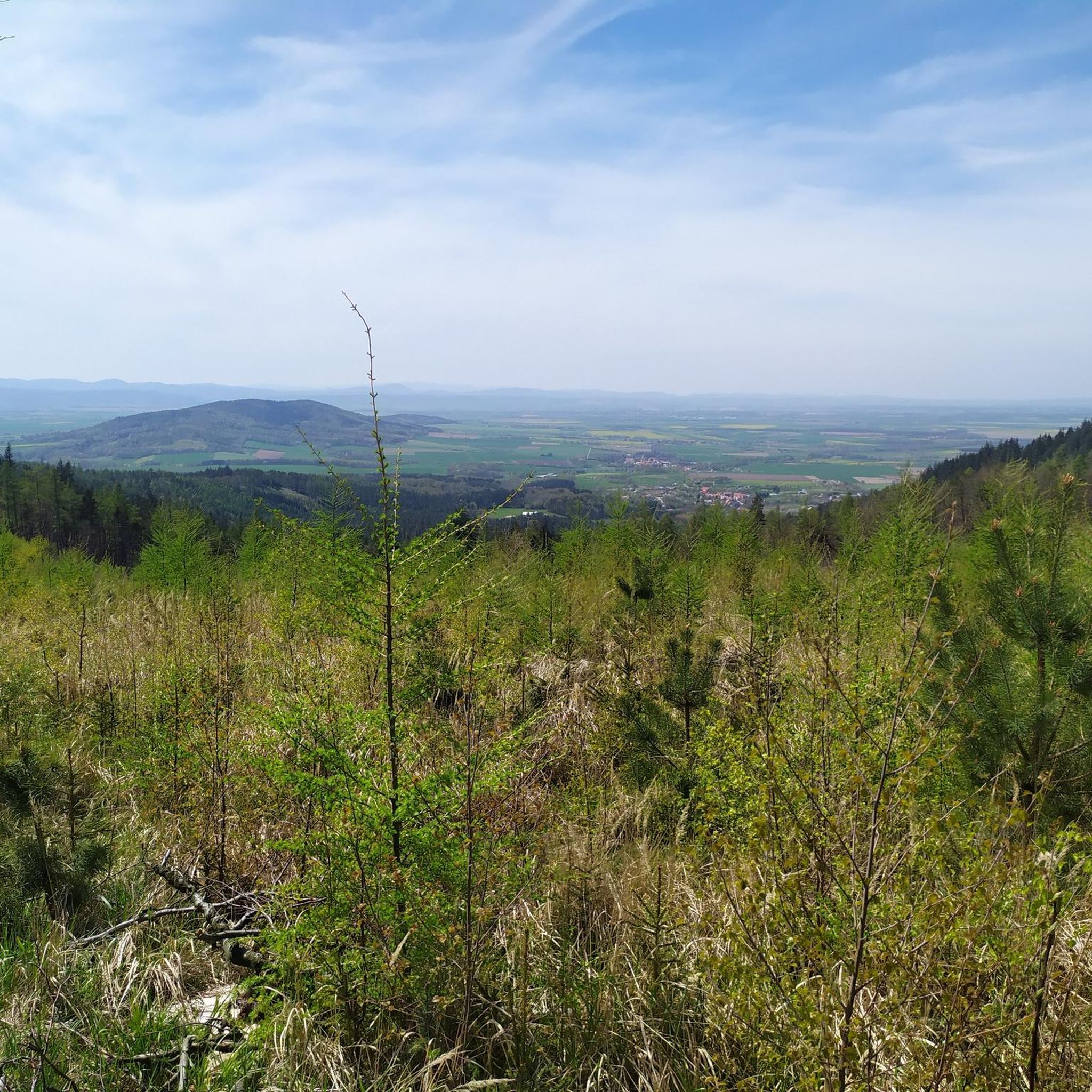
If you're heading to Ślęża, it's almost certainly from here. There's a good parking lot here and plenty of trail signs. The pass is at 384m above sea level and from here there are beautiful views of the surrounding area.
1
0
Frequently Asked Questions
What natural features can I explore around gmina Łagiewniki?
The region is dominated by the Ślęża Massif, featuring Mount Ślęża, the highest peak of the Sudeten Foothills, offering impressive views. You can also visit Tąpadła Pass, a popular starting point for hikes with scenic vistas. The area also includes the Ślęża Landscape Park and an artificial lake in Łagiewniki for recreation.
What historical and cultural sites are there to visit?
Gmina Łagiewniki is rich in history. On Mount Ślęża, you'll find the Church of the Visitation of the Blessed Virgin Mary, built on the ruins of a medieval castle, and the Bismarck Tower, offering panoramic views. The mountain itself was an ancient pagan worship center, with visible stone sculptures. The region also boasts several historic churches in villages like Jaźwina, Radzików, Słupice, and Stoszów, some dating back to the 12th and 14th centuries.
Are there family-friendly activities available?
Yes, several attractions are suitable for families. Mount Ślęża and Tąpadła Pass are noted as family-friendly, offering accessible trails and beautiful scenery for walks. The artificial lake in Łagiewniki also provides recreational opportunities like a spacious beach.
Can I bring my dog to the attractions?
Yes, Tąpadła Pass is specifically noted as dog-friendly, making it a great starting point for walks with your canine companion.
What outdoor activities can I do near these attractions?
The area around gmina Łagiewniki is excellent for outdoor enthusiasts. You can enjoy various activities including road cycling, gravel biking, and hiking. For detailed routes, explore the Road Cycling Routes around gmina Łagiewniki, Gravel biking around gmina Łagiewniki, and Easy hikes around gmina Łagiewniki guides.
Are there easy hiking trails around gmina Łagiewniki?
Yes, there are several easy hiking options. For instance, you can find routes like the "Radunia Loop Trail from Tąpadła Pass" or the "Tąpadła Pass – Radunia Summit loop from Rezerwat Góra Radunia," both rated as easy. More options are available in the Easy hikes around gmina Łagiewniki guide.
Where can I find parking for attractions like Mount Ślęża?
Tąpadła Pass is a popular starting point for hikes to Mount Ślęża and offers a good parking lot. However, be aware that it can get crowded, especially during peak times.
What is the significance of Mount Ślęża?
Mount Ślęża holds significant historical and cultural importance. It served as a pagan solar worship center from the Bronze Age until the 10th-11th centuries. Ancient stone sculptures like "the maiden with fish," "the monk," and "the bear" are still visible along its archaeological trails, reflecting its long history of human settlement and spiritual practices.
What kind of facilities are available on Mount Ślęża?
On the summit of Mount Ślęża, you'll find the PTTK Tourist House, which offers catering services for hikers. It has a long history, with the current stone building dating from 1907-1908, replacing earlier structures.
What do visitors enjoy most about the attractions in gmina Łagiewniki?
Visitors particularly appreciate the diverse experiences offered, from the historical depth of Mount Ślęża with its ancient pagan sites and the Church of the Visitation, to the stunning panoramic views from the Bismarck Tower. The accessibility and scenic beauty of Tąpadła Pass as a hiking starting point are also highly valued.
Are there any unique historical buildings in the villages?
Beyond the main attractions, the gmina features several unique historical structures. For example, Sieniawka is home to an unique 17th-century frame house (Unikatowy Dwór Szachulcowy). Additionally, villages like Radzików and Stoszów boast Renaissance manors from the 16th century.
What is the Góra Radunia Nature Reserve?
Góra Radunia Nature Reserve is part of the Ślęża Massif, centered around Radunia peak (573 m above sea level). It holds ancient cultural significance, possibly associated with tree and moon worship, evidenced by a stone cultural circle. While direct access to the summit is restricted for environmental protection, a blue trail circles the mountain, offering scenic views.
Most popular routes around gmina Łagiewniki
Most popular attractions around gmina Łagiewniki

Get inspired with the komoot mobile app


Explore more
Still not found the Highlight you’re looking for? See guides of the top attractions in other regions:
