Attractions and Places To See around gmina gmina Góra - Top 20
Best attractions and places to see around gmina gmina Góra, located in the Lower Silesian Voivodeship of western Poland, include a variety of historical landmarks, cultural sites, and natural features. The region is characterized by diverse natural landscapes, such as extensive forests and open meadows, alongside significant architectural heritage. Góra serves as the administrative center, offering a blend of historical depth and natural beauty for visitors.
Best attractions and places to see around gmina gmina Góra
- The most popular attractions…
Last updated: May 20, 2026
Rydzyna Castle
Highlight • Castle
Translated by Google •
Tip by

Chobienia Castle
Highlight • Castle
Translated by Google •
Tip by

Sign up now to discover places like this
Get recommendations on the best single tracks, peaks, & plenty of other exciting outdoor places.
Sign up for free
St. Catherine of Alexandria Church, Góra
Highlight • Religious Site
Translated by Google •
Tip by
Przyjaźń Mural in Leszno
Highlight • Monument
A very characteristic painting on the wall of the building at Al. Jana Pawła II 42 and in Leszno. A drawing called "Przyjaźń" was made on the facade …
Translated by Google •
Tip by

Alfred Smoczyk Stadium
Highlight • Monument
Translated by Google •
Tip by
Sign up for free to discover even more attractions around gmina gmina Góra.
Sign up for free
Already have an account?
Start today with a free account
Your next adventure awaits.
Login or Signup

Tips from the Community

After the great city fire of 1457, construction began on a brick, three-nave church in the Gothic style. This construction, interrupted by subsequent fires (including one in 1478), lasted until the first half of the 16th century (around 1552). The church was built on a hill, integrated into the city's defensive walls. Reconstructions after the fires (18th century): The church was repeatedly destroyed. A fire in 1759 (started by Russian troops) caused significant damage. The reconstruction, during which the church gained Baroque domes on the towers and Baroque interior furnishings (which survive to this day), was completed in 1763.
2
0
The castle grounds are publicly accessible.
0
0
The stadium opened in 1977 and has been primarily used for speedway racing since its inception. It is one of the most important and well-known speedway stadiums in Poland. In front of the stadium stands a statue of Alfred Smoczyk – an outstanding Polish speedway rider, the 1949 Polish champion, who tragically died in a motorcycle accident. He was associated with Leszno and the Unia Leszno club.
1
0
Beginnings (14th century): The original castle in Chobień was built in the first half of the 14th century, probably by Duke Henry IV the Faithful or his son Henry V the Iron. It was a Gothic defensive structure, strategically located on the left bank of the Oder, controlling the crossing. The Thirty Years' War (1618-1648) brought about the castle's decline. It was repeatedly occupied and destroyed by imperial and Swedish troops. After the war, despite attempts to rebuild it, the castle never regained its former glory.
2
0
Rydzyna Castle: A Pearl of the Baroque in the Wielkopolska Land The castle in Rydzyna, located in the Wielkopolska Lowlands, is one of the most beautiful and best-preserved Baroque palace complexes in Poland. Its history is a testament to the power and ambition of the magnate families that shaped it over the centuries. The beginnings of the Rydzyna stronghold date back to the 14th century. At that time, it was a medieval defensive castle, built by the Wierzbna family, and later owned by the Rydzyński family. In 1685, Rydzyna was acquired by Rafał Leszczyński, the then Grand Treasurer of the Crown and Voivode of Poznań. He was the one who began a thorough reconstruction of the castle from a Gothic stronghold into a modern, Baroque residence. The works, carried out by the outstanding architect Józef Bellotti, transformed the castle into a four-winged structure with an internal courtyard, surrounded by a moat and bastions. The castle reached its greatest splendor during the reign of Rafał's son, Stanisław Leszczyński, the future King of Poland and father-in-law of the French King Louis XV. Stanisław, although he did not reign long, made Rydzyna an important center of culture and art, gathering valuable collections and hosting distinguished artists. During this period, the castle became a true pearl of Baroque architecture, modeled on French residences. In 1738, after Stanisław Leszczyński's abdication, the castle in Rydzyna fell into the hands of the Sułkowski family. During this period, the castle gained new, Rococo interiors, and other outstanding architects were hired to work on it, including Karol Marcin Frantz and Ignacy Graff. At that time, representative halls were created, such as the Ballroom and the Knights' Hall, richly decorated with stucco and paintings. The Sułkowskis were also patrons of art and science, which contributed to the flourishing of cultural life in Rydzyna. The 19th century brought a decline in the castle's glory. After a fire in 1817, which destroyed part of the interior, the castle never regained its former glory. The Sułkowskis' estate fell into decline, and in 1909 they sold the castle to the Prussian state. The building then served as a school and boarding school. The greatest destruction was brought by World War II. In 1945, during the fighting, the castle was burned down and destroyed again, remaining in ruins for many decades. It was not until the 1970s that a decision was made to comprehensively rebuild the castle. Reconstruction work, carried out with extraordinary attention to detail and based on archival plans, lasted until the 1990s. The castle is currently owned by the Association of Polish Mechanical Engineers and Technicians (SIMP), which adapted it to a conference and hotel center. Rydzyna Castle once again delights with its architecture and interiors, being a living testimony to the rich history of Polish magnates. Numerous cultural events are organised here, and the castle is open to visitors, allowing you to admire its Baroque splendour.
2
0

During his career he represented LKM Unia Leszno and CWKS Warszawa. Individual Polish Speedway Champion (Leszno, 1949). He died tragically in a motorcycle accident in the Kąkolewski Forest. Since 1951, Leszno has hosted a speedway tournament called the Alfred Smoczyk Memorial, held since 1953 at the stadium named after the speedway rider.
0
0

Speedway Stadium in Leszno
0
0

Being in Chobienia, I also recommend the war memorial from the Great War period - https://www.pomnikiwojenne.pl/i-wojna-swiatowa/pomnik-poleglych-w-i-wojnie-swiatowej-w-chobieni/
0
0
Frequently Asked Questions
What historical sites can I visit in Gmina Góra?
Gmina Góra is rich in history. You can explore the impressive Rydzyna Castle, a Baroque residence rebuilt after 1945, or the Gothic defensive structure of Chobienia Castle, which is currently undergoing renovation. The St. Catherine of Alexandria Church, Góra, a Gothic church with Baroque interiors, is also a significant landmark. Additionally, remnants of medieval defensive walls and the 15th-century Głogów Tower in Góra offer a glimpse into the region's past.
Are there any natural attractions or places for nature lovers?
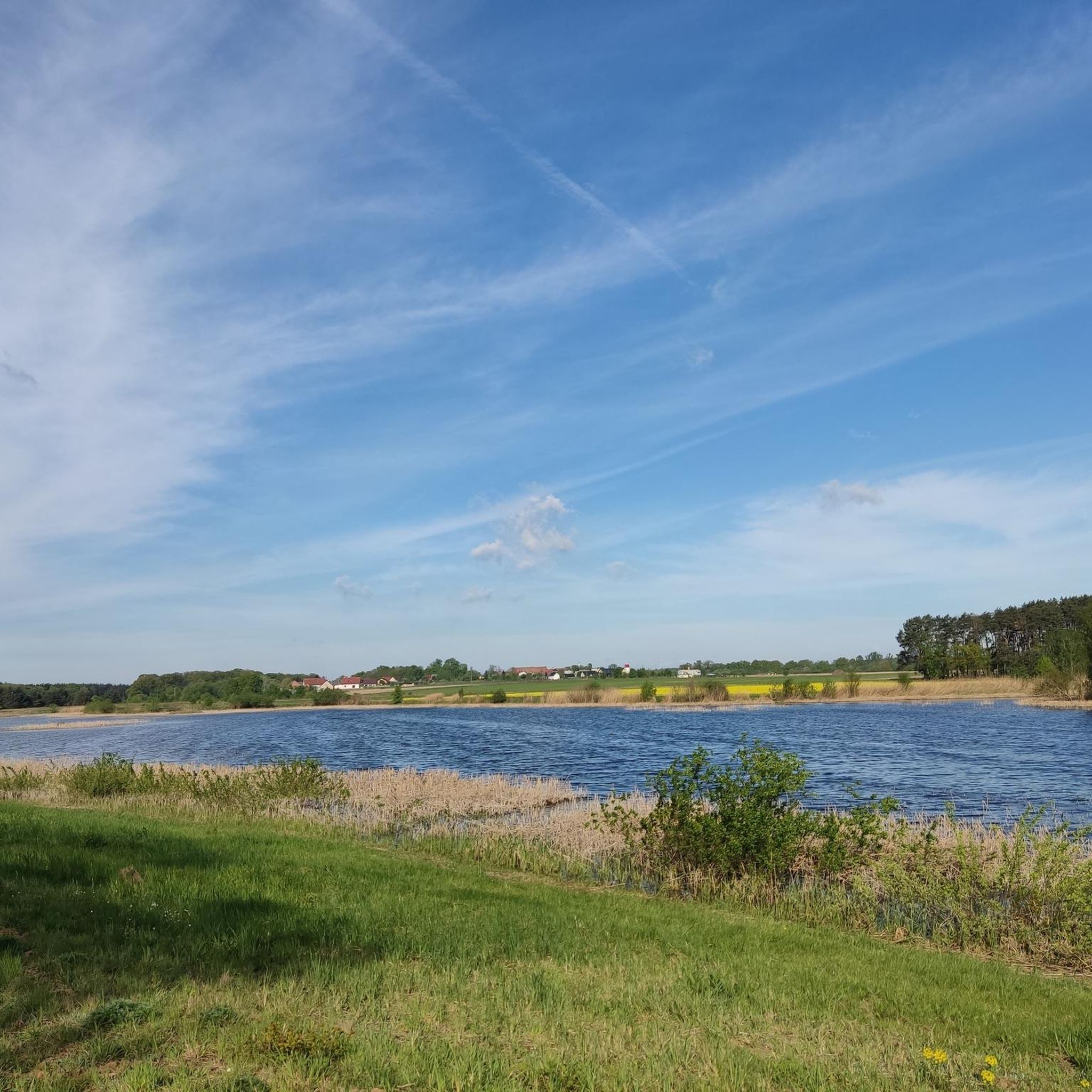
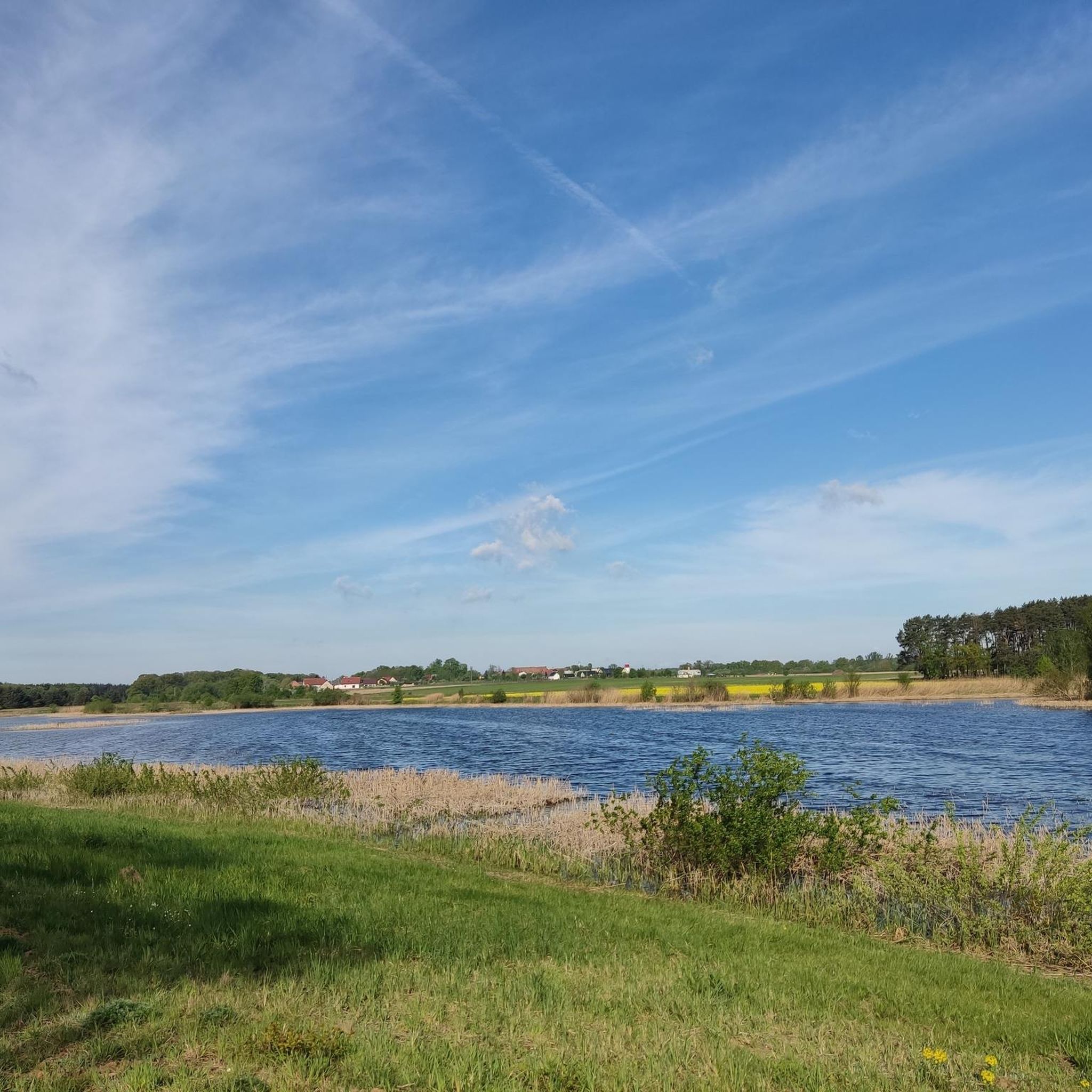
Yes, Gmina Góra offers several natural highlights. The Ryczeń Reservoir (Zbiornik Ryczeń) is a notable body of water in the Barycz Valley, featuring six islands that provide excellent breeding conditions for numerous water birds, making it ideal for birdwatching. The region also boasts extensive forests and open meadows, perfect for peaceful walks and enjoying diverse natural landscapes.
What kind of outdoor activities can I do near these attractions?
The area around Gmina Góra is well-suited for various outdoor activities. You can find numerous trails for hiking and cycling. For example, there are easy hikes like the 'Rydzyna Reservoir loop' and moderate options such as the 'Natural Monument: Oak – Benches loop from Góra'. You can find more details and routes for hiking and easy hikes in the region.
Are there family-friendly attractions in Gmina Góra?
Families can enjoy several attractions in the area. Rydzyna Castle, with its rich history and beautiful architecture, often hosts events suitable for all ages. The Alfred Smoczyk Stadium, primarily used for speedway racing, can be an exciting experience for sports-loving families. Additionally, the natural areas around the Ryczeń Reservoir and the extensive forests provide opportunities for family walks and picnics.
What is the best time to visit Gmina Góra?
The best time to visit Gmina Góra largely depends on your preferred activities. Spring and autumn offer pleasant weather for hiking and cycling through the region's forests and meadows, with vibrant foliage or blooming nature. Summer is ideal for enjoying the Ryczeń Reservoir and outdoor events, while historical sites like castles and churches are accessible year-round.
Can I find any unique cultural heritage monuments in the gmina?
Beyond the main attractions, Gmina Góra is home to several churches and palaces listed as cultural heritage monuments. These include Saint Michael Archangel Church in Chróścina, Saint Lawrence Church in Czernina, Saint Martin Church in Glinka, Saint James Church in Stara Góra, and Saint Michael Archangel Church in Osetno. Various palaces in villages like Brzeżany, Jastrzębia, and Kłoda Górowska also contribute to the region's rich heritage.
Are there any viewpoints in the area?
Yes, the Głogów Tower, a 15th-century defensive tower in Góra, was revitalized in 2017 and now functions as a viewpoint, offering panoramic views of the town and surrounding area. It's a great spot to get a different perspective of the region.
What do visitors enjoy most about Gmina Góra?
Visitors often appreciate the blend of historical depth and natural beauty in Gmina Góra. The well-preserved castles and churches offer a journey into Polish heritage, while the serene natural landscapes, like the Ryczeń Reservoir and extensive forests, provide peaceful settings for outdoor recreation. The komoot community particularly enjoys the historical castles, churches, and natural areas.
Are there opportunities for running or jogging in Gmina Góra?
Yes, the region offers several running trails. You can find routes like the 'Zbiornik Rydzyna loop' or the 'Piekarka loop from Góra,' which are popular among runners. These trails often take you through scenic natural areas, providing a pleasant environment for your run. Explore more options on the Running Trails around gmina gmina Góra guide.
What is the significance of the Rynek (Market Square) in Góra?
The Rynek (Market Square) in Góra is the central point of the town and features a monument dedicated to the heroes of the struggle for independent Poland. It serves as a historical and cultural hub, reflecting the town's past and its importance as the administrative seat of the gmina.
Is there a place to see contemporary art or murals?
While not directly in Gmina Góra, the nearby town of Leszno features the 'Przyjaźń Mural,' a characteristic painting on the wall of a building. This mural, created by Dagmara Angier-Sroka, depicts three faces representing different generations and symbolizes human friendship, becoming a permanent element of Leszno's city landscape. You can find it at Przyjaźń Mural in Leszno.
Are there any specific churches worth visiting besides St. Catherine's?
Beyond the prominent St. Catherine of Alexandria Church in Góra, the gmina is home to several other historically significant churches. These include the Saint Michael Archangel Church in Chróścina, Saint Lawrence Church in Czernina, Saint Martin Church in Glinka, Saint James Church in Stara Góra, and Saint Michael Archangel Church in Osetno, all recognized as cultural heritage monuments.
Most popular routes around gmina gmina Góra
Most popular attractions around gmina gmina Góra

Get inspired with the komoot mobile app


Explore more
Still not found the Highlight you’re looking for? See guides of the top attractions in other regions:
