Attractions and Places To See around Paszowice - Top 20
Best attractions and places to see around Paszowice include a blend of historical, cultural, and natural features. Situated in the Jawor Plain, the village is part of the Geopark Land of Extinct Volcanoes, offering a unique geological landscape. Its history dates back to the late 13th century, with preserved original spatial layouts and notable landmarks. Visitors can explore a variety of sites, from ancient castles to significant religious buildings and natural formations.
Best attractions and places to see around Paszowice
…Last updated: May 20, 2026
Bolków Castle
Highlight • Castle
Translated by Google •
Tip by

Church of Peace of the Holy Spirit (Kościół Pokoju pw. Świętego Ducha), Jawor
Highlight • Religious Site
Translated by Google •
Tip by

Sign up now to discover places like this
Get recommendations on the best single tracks, peaks, & plenty of other exciting outdoor places.
Sign up for free
Świny Castle
Highlight • Castle
Translated by Google •
Tip by
Lipa Castle Ruins
Highlight • Castle
Translated by Google •
Tip by

Zawodna Observation Tower
Highlight • Viewpoint
Translated by Google •
Tip by

Sign up for free to discover even more attractions around Paszowice.
Sign up for free
Already have an account?
Start today with a free account
Your next adventure awaits.
Login or Signup
Tips from the Community

Beautiful, a gem of Lower Silesia, worth visiting.
0
0

The entrance fee is now 20 PLN, reduced to 15 PLN. But it's worth it.
0
0

One of the most visited castles of this type (ruins) in the Sudetes. Its origins date back to the 13th century. In the 16th century it was expanded, but in the 18th century it was abandoned. There is a preserved defensive tower 25 meters high, with a characteristic beak. There is also a well-preserved courtyard. Be sure to go up the castle tower, from which there are great views of the surrounding area. To visit, you need a wallet - check the ticket prices here: https://www.gorykaczawskie.pl/zamek-bolkow/
3
0
The Świny Castle was once a mighty stronghold dating back to the 10th century. Over the centuries, it has changed from a wooden stronghold into a beautiful Renaissance structure. As long as it's ruins, you pay for admission. Check here for opening hours and ticket prices, including guided tours of the castle. https://www.gorykaczawskie.pl/zamek-swiny/ A beautiful piece of history!
2
0

The first mention of the castle dates back to 1277, but the very construction of the Gothic structure is associated with the reign of Bolko I. During his reign, the castle was surrounded by massive stone defensive walls with a system of gates. Brick residential buildings and a 25-meter-high bow tower were also erected. Later, the castle was still being expanded. It achieved its final shape in the 16th century and was then the most powerful fortress in Lower Silesia. Its end came in 1646, when it was captured and destroyed by the Swedes during the Thirty Years' War. Today, it is a "permanent ruin", secured and open to the public. From the tower and castle walls, there is a beautiful view of the city and the nearby Świny Castle.
1
0
In the 13th century, there was a castellan stronghold here, which served as a border stronghold. After the castellany was liquidated in the second half of the 13th century, the castle passed into private hands, becoming the property of the Świnka family, who gave the castle its name. In the 14th century, the castle was rebuilt into a brick fortress, and in the 15th century it was expanded by Gunczel von Schweinchen, who built a new wing of the castle. In 1620, after the Thirty Years' War, the castle underwent a major modernization. Jan Zygmunt Świnka built new walls, bastions, and a drawbridge, which was to strengthen the castle's fortification function. In his time, Świny became one of the most powerful seats in the region. However, after Jan Zygmunt's death in the second half of the 18th century, the castle fell into ruin. In the 20th century, Świny Castle passed into the hands of various owners, who attempted to renovate it. In 1905, the building was secured by the Association of Friends of Bolkowy Gaj, and later gradually opened to tourists. Unfortunately, the castle was damaged during World War II, and after the war it was abandoned. Currently, the castle is being restored, but is open to visitors. Admission only in the summer (from May to October).
1
0
The castle in Lipa was probably built at the turn of the 14th and 15th centuries. In the 16th century, the castle was significantly expanded, but in the 17th century its defensive significance decreased. In the 18th century, the castle was finally abandoned. The castle began to be slowly dismantled in order to obtain building materials. The castle was saved from complete devastation by Count Rudolph von Stillfried-Rattonitz, who bought it in 1834 and rebuilt it in a neo-Gothic style. After World War II, the castle was used as a warehouse and later abandoned. Today, it is just a ruin, but the scaffolding standing along the walls gives hope that it will be rebuilt once again.
1
0
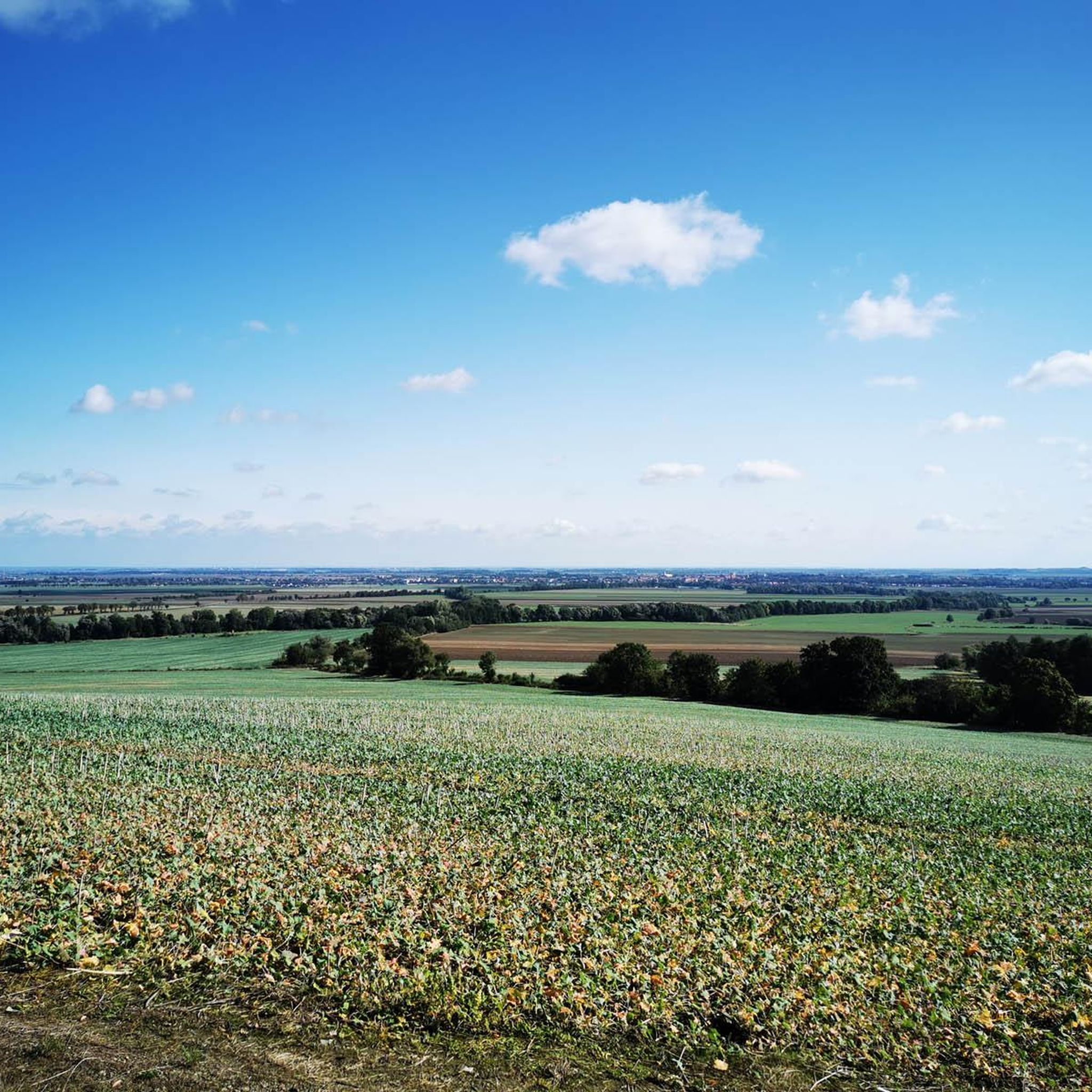
Zawodna is at a height of 445m, but if you climb this tower, you will certainly not be disappointed! Many consider it to be the best view in the Kaczawskie Foothills. For me: absolute awesomeness.
0
0
Frequently Asked Questions
What natural attractions can I explore around Paszowice?
The Paszowice area is rich in natural beauty, being part of the Geopark Land of Extinct Volcanoes. You can explore the intriguing Zawodna Observation Tower for extensive views, or visit the Chełmy Landscape Park, the largest park in the Western Sudetes, which includes several nature reserves like Wąwóz Lipa and Myśliborski Gorge. Don't miss the unique Hermit's Grotto, an artificial exploration excavation with visible pillow lava structures.
Are there any historical castles or significant cultural sites near Paszowice?
Yes, the region boasts several historical castles and cultural landmarks. You can visit Bolków Castle, a 13th-century site with a preserved defensive tower, or the historic Świny Castle, which dates back to the 10th century. Additionally, the UNESCO World Heritage site, the Church of Peace of the Holy Spirit (Kościół Pokoju pw. Świętego Ducha), Jawor, is a must-see religious building.
What kind of outdoor activities are available in the Paszowice area?
The area around Paszowice is excellent for various outdoor activities. You can find numerous hiking trails, including the Myśliborski Gorge nature trail and loops around Rataj Summit. For cyclists, there are road cycling routes like the Myślibórz Palace – Jawor Castle loop. Runners can explore running trails such as the Zalew Jawornik loop.
Are there family-friendly attractions or activities in Paszowice?
Many attractions around Paszowice are suitable for families. The Church of Peace of the Holy Spirit (Kościół Pokoju pw. Świętego Ducha), Jawor is listed as family-friendly. Additionally, the Gratz 1742 Picnic and Rest Area offers a good spot for families with benches, a place for bonfires, and a shelter. Easy hiking trails in the Chełmy Landscape Park are also great for family outings.
Where can I find the best panoramic views around Paszowice?
For breathtaking panoramic views, head to the Zawodna Observation Tower. Located at 445 meters, it offers extensive vistas of the Kaczawskie Foothills. Many visitors consider it to provide the best view in the area.
What is the geological significance of the Paszowice region?
Paszowice is uniquely situated within the Geopark Land of Extinct Volcanoes (Kraina Wygasłych Wulkanów). This highlights its distinct geological landscape, characterized by remnants of ancient volcanic activity. The Hermit's Grotto, for instance, features oval pillow lava structures within its rock wall, providing a glimpse into the region's volcanic past.
Can I visit historic churches in Paszowice itself?
Yes, Paszowice is home to two significant historic churches, both dedicated to the Holy Trinity. The older Gothic cemetery church dates from the 14th century, while the former Evangelical church, built in the 18th century, showcases Baroque architecture typical of Silesian Protestant churches with galleries and a dome-capped tower.
Are there any unique local events or traditions in Paszowice?
Paszowice is known for its traditional event, "Święto Pierogów" (Dumpling Festival), which showcases local culture and culinary traditions. This event offers a unique insight into the village's heritage.
What are some good hiking trails near Paszowice?
The hiking guide for Paszowice features several trails. Popular options include the easy Myśliborski Gorge nature trail within Chełmy Landscape Park, and moderate loops like the Elf Rock Viewpoint – Myśliborski Gorge loop or the Little Organs of Myślibórz – Rataj Summit loop.
Is there a place to rest or picnic near the attractions?
Yes, the Gratz 1742 Picnic and Rest Area is a well-maintained spot with ample parking, benches, and designated areas for bonfires. It also features a shelter with tables, making it an ideal place to relax and enjoy a meal outdoors.
What do visitors particularly enjoy about the attractions near Paszowice?
Visitors frequently praise the stunning views from the Zawodna Observation Tower, often calling it the best in the Kaczawskie Foothills. The historical significance and well-preserved structures of Bolków Castle and the impressive architecture of the Church of Peace of the Holy Spirit (Kościół Pokoju pw. Świętego Ducha), Jawor are also highly appreciated.
What is the best time of year to visit Paszowice for outdoor activities?
While specific seasonal activities vary, the spring and autumn months generally offer pleasant weather for exploring the natural landscapes and historical sites around Paszowice. The Chełmy Landscape Park and various hiking trails are particularly enjoyable during these seasons.
Are there any museums nearby that offer historical insights?
Yes, the Gross-Rosen Museum in Rogoznica, located about 8.9 km from Paszowice, offers a significant historical perspective on the region's past. It provides a deeper understanding of the area's complex history.
Most popular routes around Paszowice
Most popular attractions around Paszowice

Get inspired with the komoot mobile app


Explore more
Still not found the Highlight you’re looking for? See guides of the top attractions in other regions:
