Attractions and Places To See around gmina Ruja - Top 20
Attractions and places to see around gmina Ruja, a rural administrative district in Lower Silesian Voivodeship, Poland, offer a mix of historical, cultural, and natural sites. The area features architectural heritage, natural monuments, and archaeological sites, providing various interesting places to explore. Visitors can find a range of historical buildings, natural features, and archaeological sites across the region.
Best attractions and places to see around gmina Ruja
- The most popular attractions is Cistercian Abbey in Lubiąż, a historical site…
Last updated: July 15, 2026
Cistercian Abbey in Lubiąż
Highlight • Historical Site
The Cistercian Abbey in Lubiąż is one of the largest and most important monastic complexes in Central Europe.
Translated by Google •
Tip by

Prochowice Castle
Highlight • Castle
Translated by Google •
Tip by

Sign up now to discover places like this
Get recommendations on the best single tracks, peaks, & plenty of other exciting outdoor places.
Sign up for free
St. Andrew's Church
Highlight • Religious Site
Showing Translation
Tip by

Lubiąż–Wołów Bike Path
Highlight (Segment) • Cycleway
Translated by Google •
Tip by

Old Town Hall and Prison Tower, Środa Śląska
Highlight • Historical Site
Translated by Google •
Tip by
Sign up for free to discover even more attractions around gmina Ruja.
Sign up for free
Already have an account?
Start today with a free account
Your next adventure awaits.
Login or Signup
Tips from the Community


The abbey grounds are accessible, allowing you to explore every nook and cranny. The abbey itself can also be explored inside. I highly recommend it 😀👍
0
0

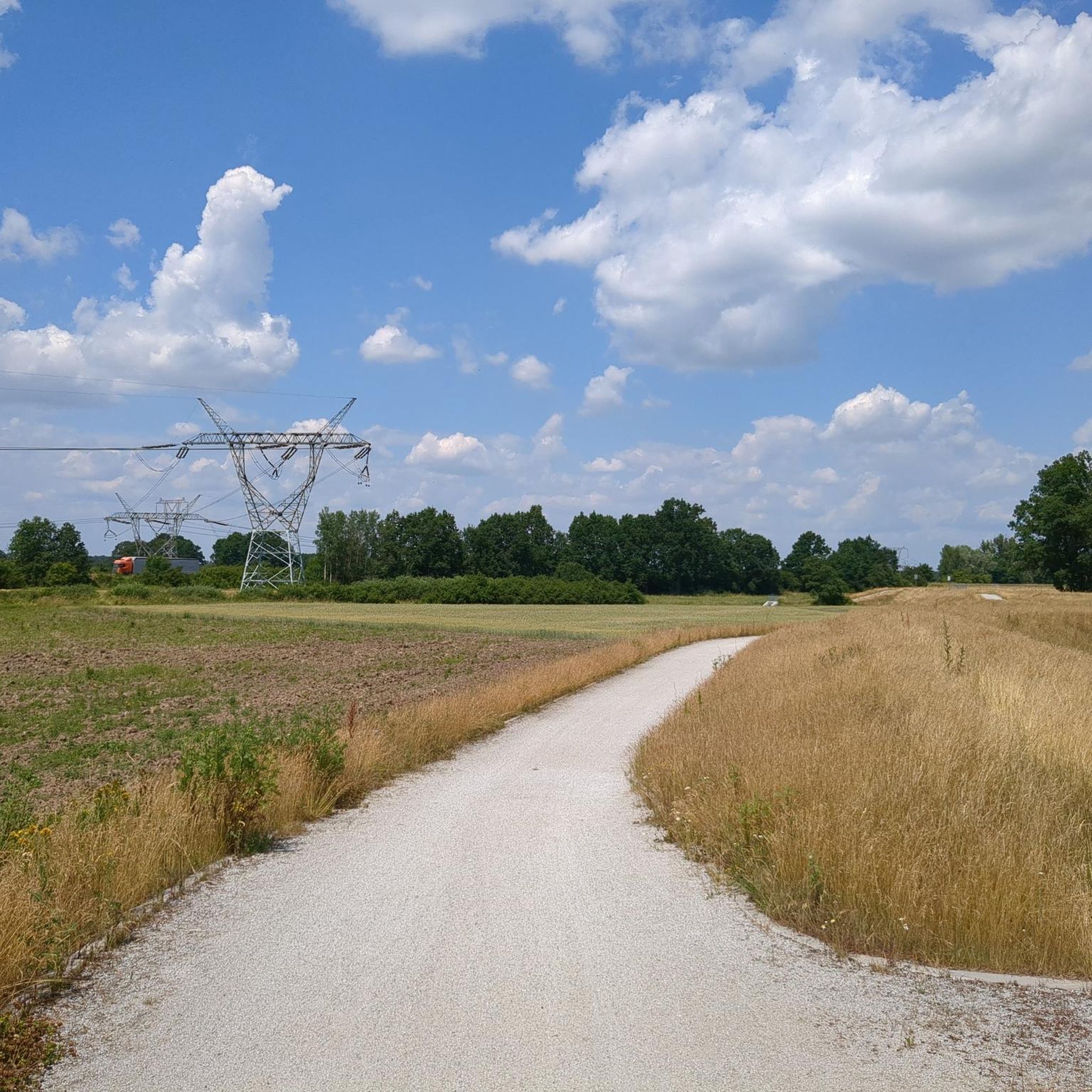
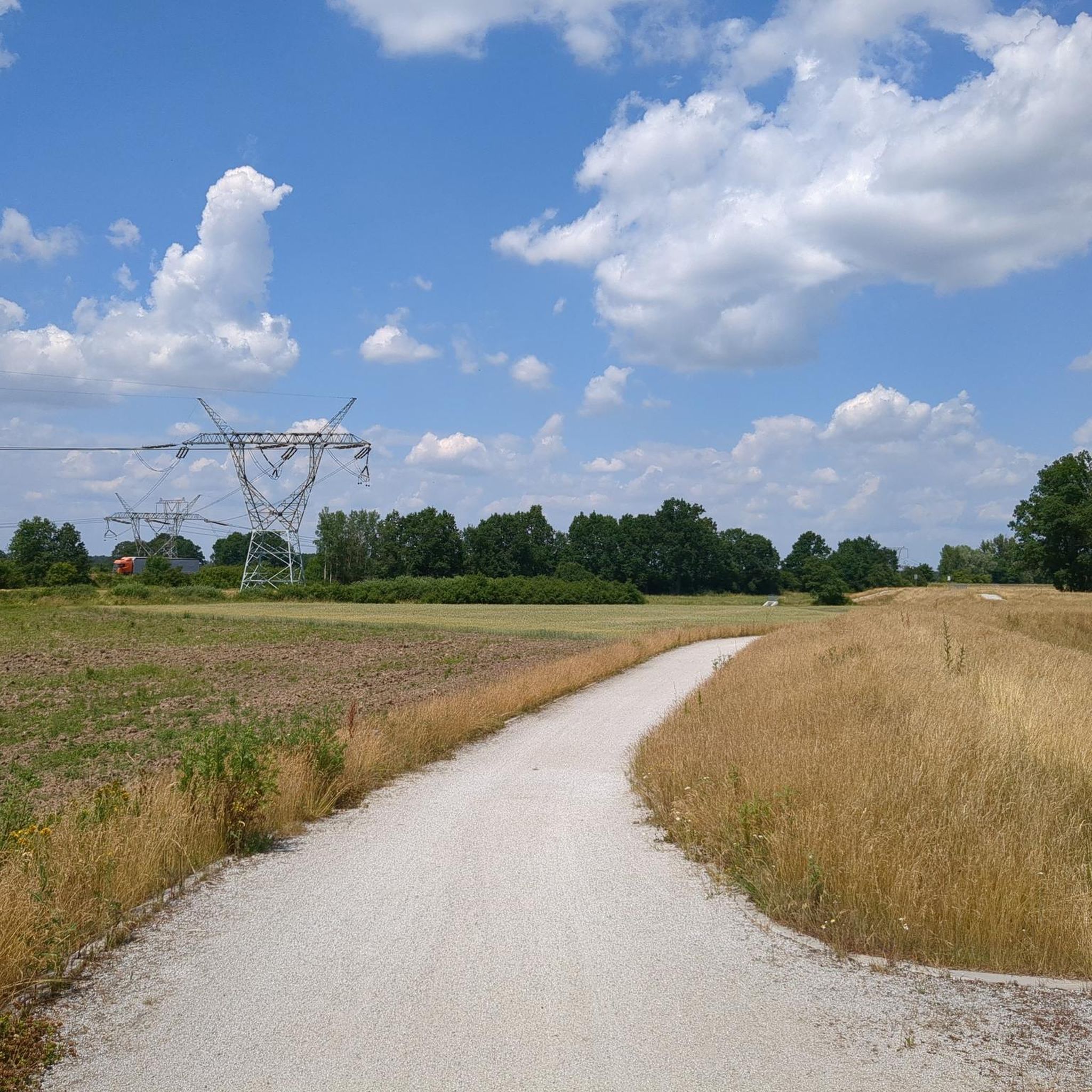
A pleasant section, with plenty to see, though there are a few pointlessly placed speed bumps along the way. The route ends strangely at this point, with a blockade at the entrance to the forest section, bearing a sign that says "No entry except for emergency services." After "bypassing the blockade," we continue along a pleasant single-track forest track to Lubiąż.
0
0
A Brief History of the Cistercian Abbey in Lubiąż The Cistercian Abbey in Lubiąż is one of the largest and most important monastic complexes in Central Europe. The beginnings of monastic settlement in Lubiąż date back to the 11th century, when the Benedictines probably had their establishment here. However, the real flourishing of the monastery began with the arrival of the Cistercians in 1163 from Pforta in Thuringia. They were brought by Duke Bolesław the Tall, who gave them lands in Lubiąż. The Cistercians, known for their diligence and management skills, quickly developed the monastery estates, establishing farms, fish ponds and mills. The abbey became an important economic, cultural and religious centre in Silesia. During the Middle Ages, Lubiąż was one of the richest and most influential Cistercian monasteries in Europe. Its abbots played a significant role in the political and ecclesiastical life of the region. Valuable manuscripts were created here, craftsmanship developed, and the monastery library gathered rich collections. The period of the Hussite Wars in the 15th century brought considerable destruction and the decline of the abbey. The monastery was burned down and plundered, and the number of monks decreased significantly. A revival took place in the second half of the 15th century and lasted through the 16th century, but on a smaller scale than during the period of glory. The real revival and Baroque reconstruction of the abbey took place in the 17th and 18th centuries. Monumental buildings were built at that time, such as an impressive church, library, refectory and abbots' palace. With the secularization of the monastic property in Prussia in 1810, the Lubiąż Abbey was dissolved. The monastery property was taken over by the Prussian state, and the buildings served various functions - from a psychiatric hospital, through warehouses, to barracks. Many valuable works of art and books were dispersed or destroyed. After World War II, Lubiąż found itself within the borders of Poland. The condition of the buildings was dramatic – the monastery was neglected, devastated and gradually fell into ruin. It was only in recent decades that intensive conservation and revitalization work was undertaken. Since 1989, the management of the abbey was taken over by the Lubiąż Foundation, which, together with the Ministry of Culture and National Heritage and EU funds, is conducting extensive renovation work. Thanks to this, it is gradually regaining its former glory and is being made available to visitors. Currently, the Cistercian abbey in Lubiąż is one of the greatest tourist attractions in Lower Silesia and a testament to the rich history of the region.
2
0
A Brief History of the Cistercian Abbey in Lubiąż The Cistercian Abbey in Lubiąż is one of the largest and most important monastic complexes in Central Europe. The beginnings of monastic settlement in Lubiąż date back to the 11th century, when the Benedictines probably had their establishment here. However, the real development of the monastery began with the arrival of the Cistercians in 1163 from Pforta in Thuringia. They were brought by Duke Bolesław the Tall, who gave them lands in Lubiąż. The Cistercians, known for their diligence and management skills, quickly developed the monastery estates, establishing farms, fish ponds and mills. The abbey became an important economic, cultural and religious centre in Silesia. During the Middle Ages, Lubiąż was one of the richest and most influential Cistercian monasteries in Europe. Its abbots played a significant role in the political and ecclesiastical life of the region. Valuable manuscripts were created here, craftsmanship developed, and the monastery library gathered rich collections. The period of the Hussite Wars in the 15th century brought significant destruction and decline to the abbey. The monastery was burned and plundered, and the number of monks decreased significantly. Rebirth occurred in the second half of the 15th century and lasted through the 16th century, but on a smaller scale than during the period of glory. The real rebirth and Baroque reconstruction of the abbey took place in the 17th and 18th centuries. Monumental buildings were built at that time, such as an impressive church, library, refectory and abbots' palace. With the secularization of the monastic property in Prussia in 1810, the Lubiąż Abbey was dissolved. The monastery property was taken over by the Prussian state, and the buildings served various functions - from a psychiatric hospital, through warehouses, to barracks. Many valuable works of art and books were dispersed or destroyed. After World War II, Lubiąż found itself within the borders of Poland. The condition of the buildings was dramatic – the monastery was neglected, devastated and gradually fell into ruin. Only in recent decades have intensive conservation and revitalization works been undertaken. Since 1989, the management of the abbey has been taken over by the Lubiąż Foundation, which, together with the Ministry of Culture and National Heritage and EU funds, is conducting extensive renovation works. Thanks to this, it is gradually regaining its former glory and is being made available to visitors. Currently, the Cistercian abbey in Lubiąż is one of the greatest tourist attractions in Lower Silesia and a testimony to the rich history of the region.
2
0

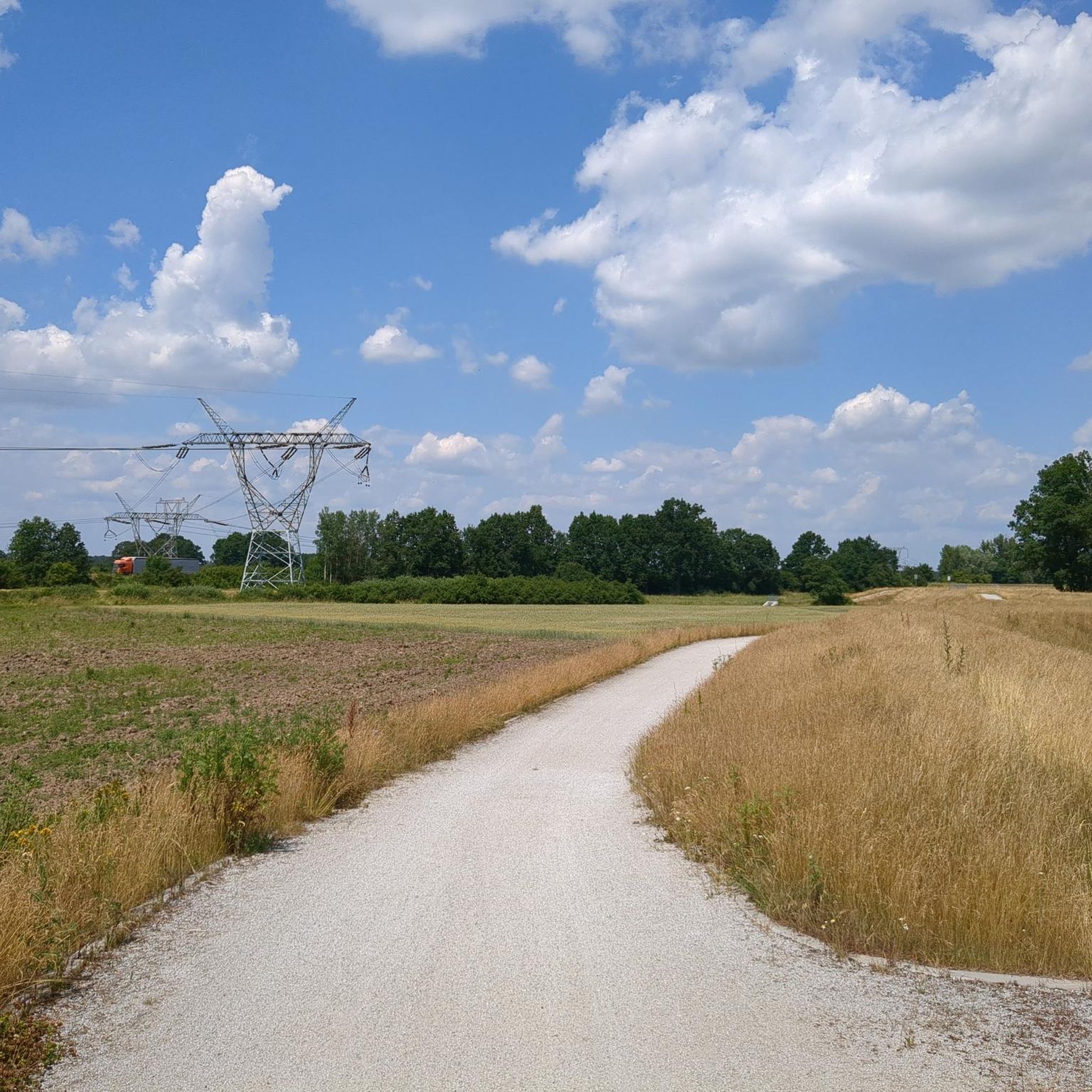
Perfect for road biking and cycling with the family.
1
0

The building, which once dominated the spatial arrangement of the city, was later squeezed into the mid-market block, and is now distinguished only by its Gothic tower. It is the oldest element of the preserved building in the 14th century. It functioned as a city prison with a torture chamber on the lower floor. The main town hall was probably erected in the 15th century, with representative interiors on the first floor for the Council, the Bench and the Mayor. From this period have survived, among others. vaults of the Knights' Hall, the southern gable and battlements above the cornices visible from the north. Window and door openings in Renaissance frames come from the mid-16th century. After the town hall tower was demolished in 1797, the City Council decided to raise the prison tower and crown it with a cupola. Today, the building is part of the Regional Museum.
1
0
One of the oldest churches preserved in Lower Silesia - mentioned in 1233, it was built in the second half of the 13th century. In the years 1378-1388, the builder Szymon erected a new presbytery covered with a vault by master Klaus Parler. In 1623, the roof and vaults of the church were destroyed, which were restored in 1645. In 1670, a thorough reconstruction of the church took place, and the western part was added around 1830. Currently, it is an oriented building, made of brick, built on a rectangular plan, with a separated presbytery ending polygonally. The three-bay presbytery is covered with a net vault, and the three-nave six-bay body with a basilica layout has a barrel vault in the main nave and cross vaults in the side naves. Its external walls are a remnant of a late Romanesque building from the turn of the 12th and 13th centuries. It was a three-nave brick basilica, closed from the east by three apses, covered with a wooden ceiling. In the main altar (around 1718) there is a painting by J.W. Neunhertz "The Last Supper". Sculptures of St. Andrew and St. Hedwig. Baroque side altars of the Holy Family and St. Anne, a pulpit from 1677, a classicist baptismal font from 1845, two Gothic sculptures of the Madonna with Child from the 14th and 15th centuries and St. Hedwig from the 15th century. Gothic Renaissance stonework details (portal from 1579). Next to the church is a Gothic bell tower from the mid-14th century, originally a tower of the city gate. Next to the bell tower is a baroque figure of St. John of Nepomuk (1728).
0
0
Frequently Asked Questions
What historical sites can I explore in Gmina Ruja?
Gmina Ruja is rich in historical sites. You can visit the impressive Cistercian Abbey in Lubiąż, one of Central Europe's largest monastic complexes. Another significant historical landmark is Prochowice Castle, with origins dating back to 1259. The region also features numerous palatial and manorial complexes, such as the Palace Complex in Brennik, the Palace in Polanka, and the Palace Complex in Rogoźnik, which has a legend of Napoleon staying there.
Are there any notable natural attractions in the region?
Yes, Gmina Ruja offers several natural attractions. The Jaśkowickie Lake is the third largest and deepest lake in the Legnica Lake District, providing a peaceful natural setting. You can also explore the Cicha Woda River Valley, which features a relatively deep valley in its southern part. Additionally, the gmina is home to 11 protected nature monuments and several post-manor parks, such as those in Brennik and Rogoźnik.
What kind of outdoor activities are available near Gmina Ruja?
The area around Gmina Ruja is excellent for outdoor activities. You can find various routes for hiking and cycling. For easy hikes, explore options like the "Cycling Path in Poland loop from Bartoszów" or the "Church of Our Lady in Legnica loop from Bartoszów" available in the Easy hikes around gmina Ruja guide. For more extensive hiking, check the Hiking around gmina Ruja guide. Cyclists can enjoy the Lubiąż–Wołów Bike Path or explore MTB trails listed in the MTB Trails around gmina Ruja guide.
Are there family-friendly attractions in Gmina Ruja?
Many attractions in Gmina Ruja are suitable for families. Natural spots like Jaśkowickie Lake offer a relaxing environment. The Lubiąż–Wołów Bike Path is also noted as perfect for cycling with the family due to its good surface and pleasant surroundings. Historical sites like the Cistercian Abbey in Lubiąż can also be an engaging educational experience for older children.
Where can I find historical churches in Gmina Ruja?
Gmina Ruja has several historical churches. Notable examples include St. Luke's Church in Ruja, a Gothic building from the 14th century rebuilt multiple times, and the Church of the Passion of Christ in Tyniec Legnicki, dating back to the early 19th century. The Church of the Sacred Heart of Jesus in Wągrodno is another filial church from the late 19th century. You can also find the ruins of the Evangelical Church in Rogoźnik.
Can I visit any palaces or manorial complexes in the area?
Yes, Gmina Ruja is home to several impressive palatial and manorial complexes. These include the monumental Palace Complex in Brennik, built in 1899, which now houses a social welfare home. The Palace in Polanka, a 19th-century palace in French pseudo-Renaissance style, currently serves as a primary school. Other notable complexes are found in Janowice, Rogoźnik, Usza, and the Manor House in Wągrodno.
Are there any unique archaeological sites to see?
The gmina boasts 146 registered archaeological sites. Of particular interest is site No. 14 in Rogoźnik, which is a gord or fortified settlement, offering a glimpse into the region's ancient past.
What is the best time of year to visit Gmina Ruja for outdoor activities?
While specific seasonal data isn't provided, generally, spring and autumn offer pleasant temperatures for outdoor activities like hiking and cycling in Lower Silesia, avoiding the heat of summer and the cold of winter. These seasons also showcase the natural beauty of the post-manor parks and river valleys.
Are there any dog-friendly trails or attractions?
While specific dog-friendly designations for attractions are not detailed, many outdoor trails and natural areas, such as those found in the post-manor parks or along the Cicha Woda River Valley, are generally suitable for walks with dogs, provided they are kept on a leash and owners clean up after them. Always check local regulations at specific sites.
Where can I park when visiting attractions in Gmina Ruja?
Parking availability can vary by attraction. For major sites like the Cistercian Abbey in Lubiąż, dedicated parking facilities are usually available. For smaller churches or natural monuments, roadside parking or small designated areas might be present. It's advisable to check specific location details or local signage upon arrival.
What do visitors particularly enjoy about the attractions here?
Visitors appreciate the rich history and architectural grandeur of sites like the Cistercian Abbey in Lubiąż, often highlighting its accessibility and impressive scale. The natural beauty of places like Jaśkowickie Lake is valued for its peaceful atmosphere. The komoot community has shown its appreciation for the region's attractions with 26 upvotes and 22 photos shared, indicating a positive overall experience.
Are there any unique historical markers like penitential crosses?
Yes, Gmina Ruja features unique historical markers known as Penitential Crosses. You can find one in the wall surrounding the church in Wągrodno, depicting a sickle, and another near the church in Tyniec Legnicki. These stone crosses are medieval relics, customary parts of penance for past crimes.

Get inspired with the komoot mobile app


Explore more
Still not found the Highlight you’re looking for? See guides of the top attractions in other regions:
