Attractions and Places To See around gmina Ścinawa - Top 20
Attractions and places to see around gmina Ścinawa include a mix of historical sites, cultural landmarks, and natural features. The region, situated in Lower Silesian Voivodeship, Poland, is characterized by its medieval urban layout in Ścinawa town and the presence of the Oder River. Visitors can explore various architectural styles, from Gothic to Baroque, and engage with the riverside environment. Gmina Ścinawa offers opportunities to discover historical development and natural landscapes.
Best attractions and places to see around gmina Ścinawa
…Last updated: May 20, 2026
Cistercian Abbey in Lubiąż
Highlight • Historical Site
The Cistercian Abbey in Lubiąż is one of the largest and most important monastic complexes in Central Europe.
Translated by Google •
Tip by

Prochowice Castle
Highlight • Castle
Translated by Google •
Tip by

Sign up now to discover places like this
Get recommendations on the best single tracks, peaks, & plenty of other exciting outdoor places.
Sign up for free
Lubań Town Hall
Highlight • Historical Site
Translated by Google •
Tip by

Chobienia Castle
Highlight • Castle
Translated by Google •
Tip by
Lubiąż–Wołów Bike Path
Highlight (Segment) • Cycleway
Translated by Google •
Tip by

Sign up for free to discover even more attractions around gmina Ścinawa.
Sign up for free
Already have an account?
Start today with a free account
Your next adventure awaits.
Login or Signup

Tips from the Community


The abbey grounds are accessible, allowing you to explore every nook and cranny. The abbey itself can also be explored inside. I highly recommend it 😀👍
0
0

A pleasant section, with plenty to see, though there are a few pointlessly placed speed bumps along the way. The route ends strangely at this point, with a blockade at the entrance to the forest section, bearing a sign that says "No entry except for emergency services." After "bypassing the blockade," we continue along a pleasant single-track forest track to Lubiąż.
0
0

The first town hall was built in the 14th and 15th centuries. The relic of the Merchants' Tower in the center of the Ring dates from this period. A new Renaissance-style building was begun in 1524 based on designs by Hans Lindner. The architectural style was influenced by the Görlitz master builder Wendel Roskopf. The building also housed the town scales. The 35 x 45 m Citizens' Hall, the assembly hall on the ground floor and upper floors, and a large hall with a music gallery met the representative needs of Lauban, a town rich in cloth-making and trade. The building was expanded between 1551 and 1581. The town hall was originally more richly decorated, but after city fires in 1554, 1659, 1670, and 1760, it was rebuilt in a simplified form. The interior retains its ornate vaulted ribs. The clock tower was begun in 1620 and completed in 1688 with a three-pierced Baroque-style spire. Renovations took place in the mid-19th century. The spire burned down in 1929 and was rebuilt in concrete according to a design by Berlin architect Hans Poelzig. After being destroyed at the end of World War II in 1945, the town hall was reconstructed in the 1950s and 1970/1971, and its interior was restored in keeping with its style, including vaulted ceilings. (Wikipedia)
7
0
Beginnings (14th century): The original castle in Chobień was built in the first half of the 14th century, probably by Duke Henry IV the Faithful or his son Henry V the Iron. It was a Gothic defensive structure, strategically located on the left bank of the Oder, controlling the crossing. The Thirty Years' War (1618-1648) brought about the castle's decline. It was repeatedly occupied and destroyed by imperial and Swedish troops. After the war, despite attempts to rebuild it, the castle never regained its former glory.
2
0
A Brief History of the Cistercian Abbey in Lubiąż The Cistercian Abbey in Lubiąż is one of the largest and most important monastic complexes in Central Europe. The beginnings of monastic settlement in Lubiąż date back to the 11th century, when the Benedictines probably had their establishment here. However, the real flourishing of the monastery began with the arrival of the Cistercians in 1163 from Pforta in Thuringia. They were brought by Duke Bolesław the Tall, who gave them lands in Lubiąż. The Cistercians, known for their diligence and management skills, quickly developed the monastery estates, establishing farms, fish ponds and mills. The abbey became an important economic, cultural and religious centre in Silesia. During the Middle Ages, Lubiąż was one of the richest and most influential Cistercian monasteries in Europe. Its abbots played a significant role in the political and ecclesiastical life of the region. Valuable manuscripts were created here, craftsmanship developed, and the monastery library gathered rich collections. The period of the Hussite Wars in the 15th century brought considerable destruction and the decline of the abbey. The monastery was burned down and plundered, and the number of monks decreased significantly. A revival took place in the second half of the 15th century and lasted through the 16th century, but on a smaller scale than during the period of glory. The real revival and Baroque reconstruction of the abbey took place in the 17th and 18th centuries. Monumental buildings were built at that time, such as an impressive church, library, refectory and abbots' palace. With the secularization of the monastic property in Prussia in 1810, the Lubiąż Abbey was dissolved. The monastery property was taken over by the Prussian state, and the buildings served various functions - from a psychiatric hospital, through warehouses, to barracks. Many valuable works of art and books were dispersed or destroyed. After World War II, Lubiąż found itself within the borders of Poland. The condition of the buildings was dramatic – the monastery was neglected, devastated and gradually fell into ruin. It was only in recent decades that intensive conservation and revitalization work was undertaken. Since 1989, the management of the abbey was taken over by the Lubiąż Foundation, which, together with the Ministry of Culture and National Heritage and EU funds, is conducting extensive renovation work. Thanks to this, it is gradually regaining its former glory and is being made available to visitors. Currently, the Cistercian abbey in Lubiąż is one of the greatest tourist attractions in Lower Silesia and a testament to the rich history of the region.
2
0
A Brief History of the Cistercian Abbey in Lubiąż The Cistercian Abbey in Lubiąż is one of the largest and most important monastic complexes in Central Europe. The beginnings of monastic settlement in Lubiąż date back to the 11th century, when the Benedictines probably had their establishment here. However, the real development of the monastery began with the arrival of the Cistercians in 1163 from Pforta in Thuringia. They were brought by Duke Bolesław the Tall, who gave them lands in Lubiąż. The Cistercians, known for their diligence and management skills, quickly developed the monastery estates, establishing farms, fish ponds and mills. The abbey became an important economic, cultural and religious centre in Silesia. During the Middle Ages, Lubiąż was one of the richest and most influential Cistercian monasteries in Europe. Its abbots played a significant role in the political and ecclesiastical life of the region. Valuable manuscripts were created here, craftsmanship developed, and the monastery library gathered rich collections. The period of the Hussite Wars in the 15th century brought significant destruction and decline to the abbey. The monastery was burned and plundered, and the number of monks decreased significantly. Rebirth occurred in the second half of the 15th century and lasted through the 16th century, but on a smaller scale than during the period of glory. The real rebirth and Baroque reconstruction of the abbey took place in the 17th and 18th centuries. Monumental buildings were built at that time, such as an impressive church, library, refectory and abbots' palace. With the secularization of the monastic property in Prussia in 1810, the Lubiąż Abbey was dissolved. The monastery property was taken over by the Prussian state, and the buildings served various functions - from a psychiatric hospital, through warehouses, to barracks. Many valuable works of art and books were dispersed or destroyed. After World War II, Lubiąż found itself within the borders of Poland. The condition of the buildings was dramatic – the monastery was neglected, devastated and gradually fell into ruin. Only in recent decades have intensive conservation and revitalization works been undertaken. Since 1989, the management of the abbey has been taken over by the Lubiąż Foundation, which, together with the Ministry of Culture and National Heritage and EU funds, is conducting extensive renovation works. Thanks to this, it is gradually regaining its former glory and is being made available to visitors. Currently, the Cistercian abbey in Lubiąż is one of the greatest tourist attractions in Lower Silesia and a testimony to the rich history of the region.
2
0

Perfect for road biking and cycling with the family.
1
0
Frequently Asked Questions
What historical sites can I visit around Gmina Ścinawa?
The region offers a rich history, with notable sites such as the Cistercian Abbey in Lubiąż, one of Central Europe's largest monastic complexes. You can also explore the medieval urban layout of Ścinawa town, including the Gothic and Baroque Ścinawa Town Hall Tower, and the historic Church of the Assumption of the Blessed Virgin Mary in Dziesław.
Are there any castles to explore in the area?
Yes, you can visit Prochowice Castle, which dates back to 1259 and was expanded into a palace in the 1540s. Another option is Chobienia Castle, a Gothic defensive structure from the 14th century strategically located on the Oder river, currently undergoing renovation.
What natural attractions does Gmina Ścinawa offer?
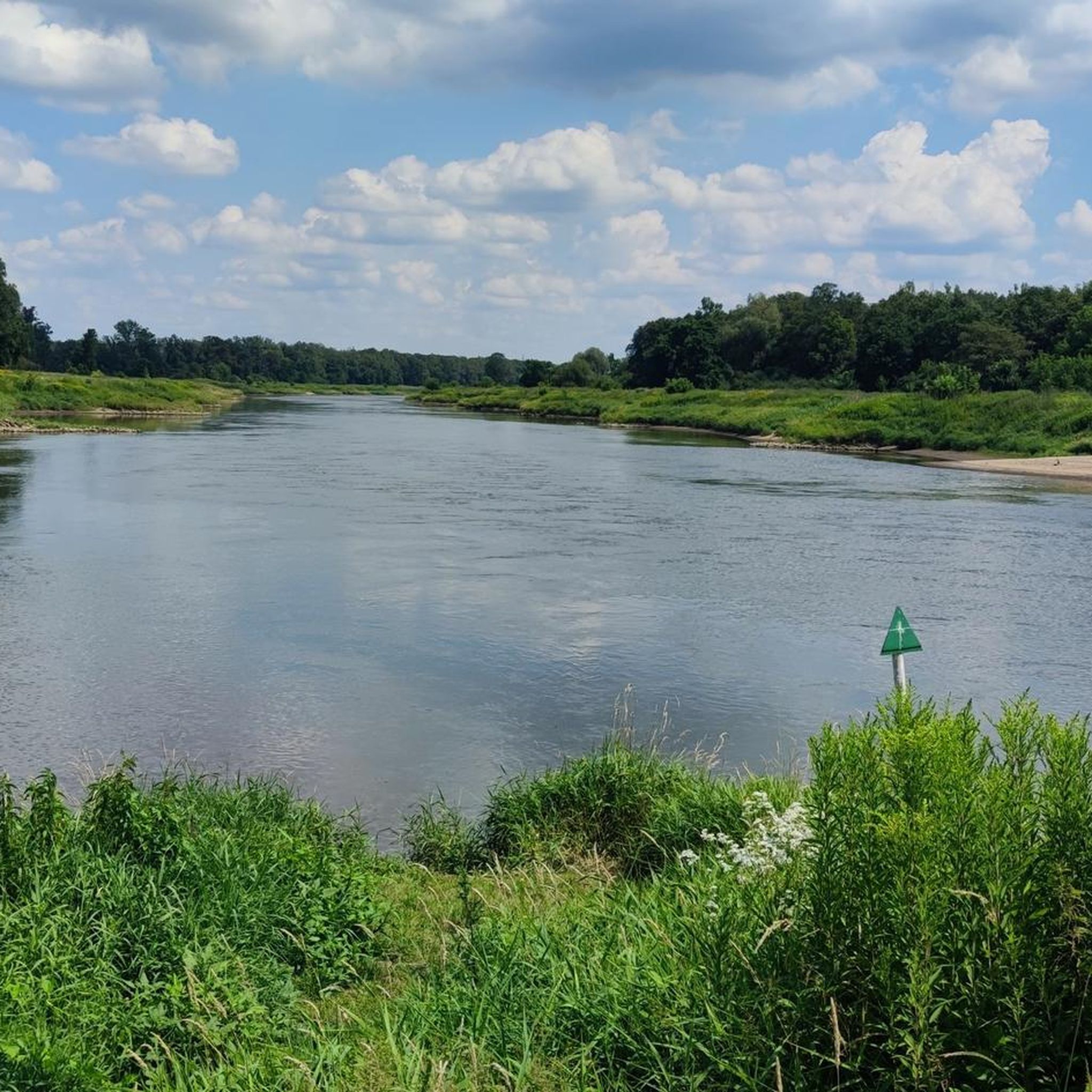
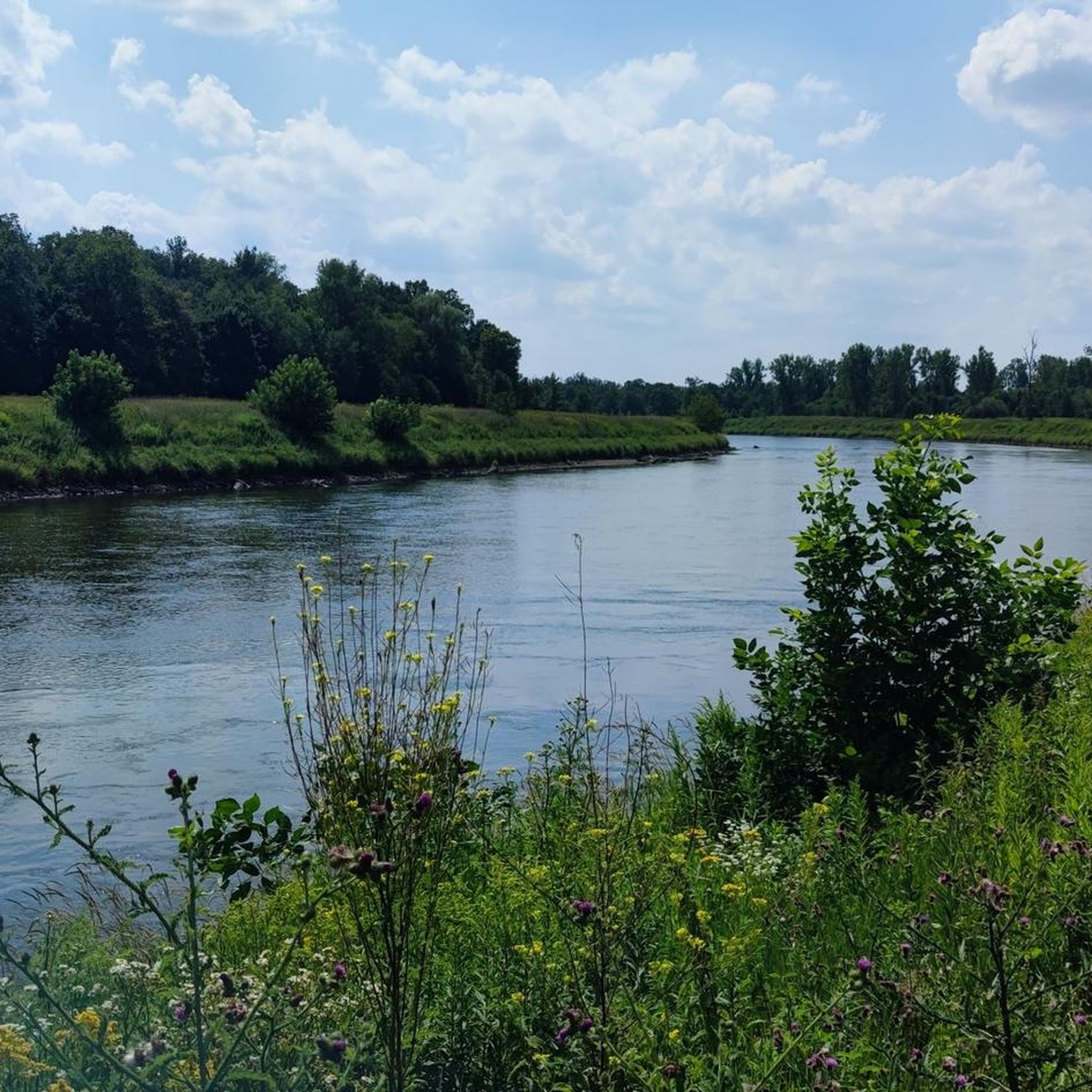
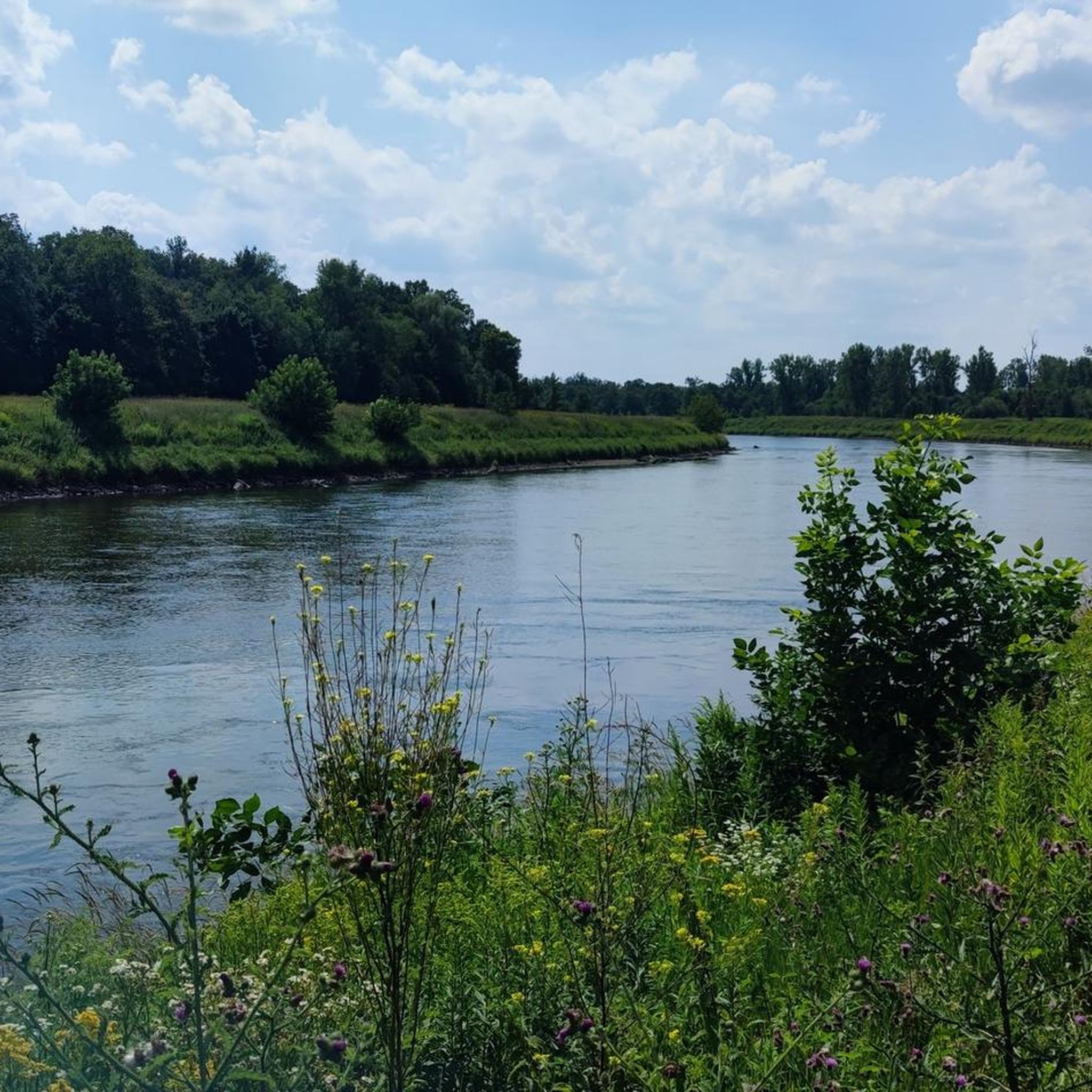
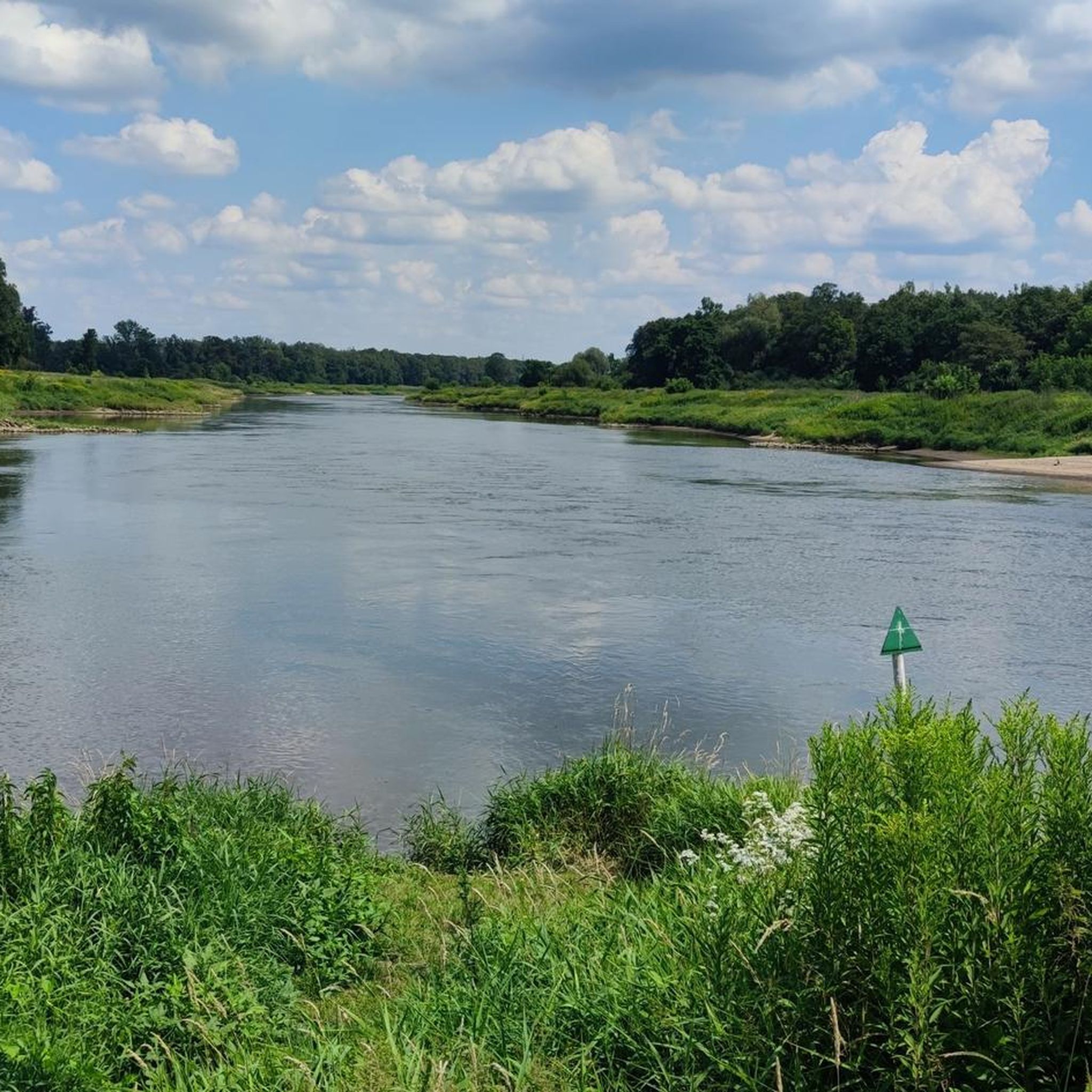
The most prominent natural feature is the Oder River. You can enjoy the riverside nature, especially around Port Ścinawa, which offers boat cruises. The area provides opportunities for wildlife spotting along the riverbanks.
Can I enjoy boat trips or riverside activities in Gmina Ścinawa?
Absolutely! Port Ścinawa is a lively hub, particularly on weekends. You can take boat cruises, which typically last at least 1.5 hours, to enjoy the riverside scenery. Binoculars are often provided on these trips to enhance wildlife viewing. The port also hosts concerts and features food trucks.
Are there family-friendly attractions around Gmina Ścinawa?
Many attractions are suitable for families. The Cistercian Abbey in Lubiąż and Lubań Town Hall are listed as family-friendly historical sites. Additionally, the Lubiąż–Wołów Bike Path is perfect for cycling with the family.
What kind of outdoor activities, like hiking or cycling, are available?
Gmina Ścinawa offers various outdoor activities. For hiking, you can explore routes like the easy 'Upper Pond loop from Jezierzyca Valley Landscape Park' or the moderate 'Artillery Shooting Range – Treehouse Adventure Park loop from Osiek'. For cycling, the gravel biking routes and MTB trails provide options for different skill levels. More hiking options can be found in the Hiking around gmina Ścinawa guide.
Are there specific cycling paths suitable for families or road biking?
Yes, the Lubiąż–Wołów Bike Path is highlighted as having a very good surface, making it perfect for road biking and cycling with the family. It features pleasant surroundings and rest areas, though some sections might have speed bumps or require navigating around blockades.
What is the Cistercian Abbey in Lubiąż, and why is it significant?
The Cistercian Abbey in Lubiąż is one of the largest and most important monastic complexes in Central Europe. Its history dates back to the 11th century, with significant Baroque reconstruction in the 17th and 18th centuries. It was a vital economic, cultural, and religious center in Silesia, and extensive conservation efforts are ongoing to restore its former glory and make it accessible to visitors.
Is there anything interesting to see in Ścinawa town itself?
Ścinawa town preserves its medieval urban plan, offering a glimpse into its historical development. The Ścinawa Town Hall Tower is a valuable example of secular Gothic and Baroque architecture within the town, showcasing its rich past.
What is the best time of year to visit Gmina Ścinawa?
The best time to visit Gmina Ścinawa largely depends on your preferred activities. For boat cruises and riverside activities on the Oder, warmer months are ideal. For exploring historical sites and enjoying outdoor activities like hiking and cycling, spring and autumn offer pleasant weather. The region generally experiences a mix of historical and natural attractions suitable for various seasons.
Are there any lesser-known historical gems worth discovering?
Beyond the main highlights, you might find the Palace in Zaborów an interesting representation of Silesian Baroque architecture. Although damaged and in ruins, the Baroque Palace in Dziesław, constructed between 1730-1740, still showcases its former grandeur and is a fascinating site for those interested in architectural history.
What are the options for mountain biking around Gmina Ścinawa?
Mountain biking enthusiasts can find several routes around Gmina Ścinawa. Options range from easy to moderate, such as the 'Mountainbike loop from Ścinawa' (easy, 31.6 km) or the 'Cistercian Abbey in Lubiąż – View of the Dirt Road loop from Lubiąż' (moderate, 53.8 km). More details and routes are available in the MTB Trails around gmina Ścinawa guide.
Is <a href="https://www.komoot.com/highlight/7696998" target="_blank" rel="noopener">Lubań Town Hall</a> accessible for visitors with mobility needs?
Yes, Lubań Town Hall is listed as wheelchair accessible, making it a suitable historical site for visitors with mobility needs. The building houses a museum and features impressive Renaissance architecture.
Most popular routes around gmina Ścinawa
Most popular attractions around gmina Ścinawa

Get inspired with the komoot mobile app


Explore more
Still not found the Highlight you’re looking for? See guides of the top attractions in other regions:
