Attractions and Places To See around gmina gmina Środa Śląska - Top 20
Best attractions and places to see around gmina gmina Środa Śląska include historical landmarks, cultural sites, and natural features in Lower Silesia, Poland. The region is characterized by its medieval past, with remnants of defensive walls and historic churches. Visitors can explore the town's central Market Square, which features a Gothic-Renaissance Town Hall, and discover unique natural features such as the Średzki Lagoon. The area offers a blend of historical exploration and outdoor recreation.
Best attractions and places to see…
Last updated: May 20, 2026
Sadowice Palace
Highlight • Historical Site
Translated by Google •
Tip by

Cistercian Abbey in Lubiąż
Highlight • Historical Site
The Cistercian Abbey in Lubiąż is one of the largest and most important monastic complexes in Central Europe.
Translated by Google •
Tip by

Sign up now to discover places like this
Get recommendations on the best single tracks, peaks, & plenty of other exciting outdoor places.
Sign up for free
St. Andrew's Church
Highlight • Religious Site
Showing Translation
Tip by

Church of the Sacred Heart of Jesus
Highlight • Religious Site
Translated by Google •
Tip by

Jaworek Vineyard
Highlight • Structure
Translated by Google •
Tip by
Sign up for free to discover even more attractions around gmina gmina Środa Śląska.
Sign up for free
Already have an account?
Start today with a free account
Your next adventure awaits.
Login or Signup
Popular around gmina gmina Środa Śląska

Tips from the Community

The abbey grounds are accessible, allowing you to explore every nook and cranny. The abbey itself can also be explored inside. I highly recommend it 😀👍
0
0
A Brief History of the Cistercian Abbey in Lubiąż The Cistercian Abbey in Lubiąż is one of the largest and most important monastic complexes in Central Europe. The beginnings of monastic settlement in Lubiąż date back to the 11th century, when the Benedictines probably had their establishment here. However, the real flourishing of the monastery began with the arrival of the Cistercians in 1163 from Pforta in Thuringia. They were brought by Duke Bolesław the Tall, who gave them lands in Lubiąż. The Cistercians, known for their diligence and management skills, quickly developed the monastery estates, establishing farms, fish ponds and mills. The abbey became an important economic, cultural and religious centre in Silesia. During the Middle Ages, Lubiąż was one of the richest and most influential Cistercian monasteries in Europe. Its abbots played a significant role in the political and ecclesiastical life of the region. Valuable manuscripts were created here, craftsmanship developed, and the monastery library gathered rich collections. The period of the Hussite Wars in the 15th century brought considerable destruction and the decline of the abbey. The monastery was burned down and plundered, and the number of monks decreased significantly. A revival took place in the second half of the 15th century and lasted through the 16th century, but on a smaller scale than during the period of glory. The real revival and Baroque reconstruction of the abbey took place in the 17th and 18th centuries. Monumental buildings were built at that time, such as an impressive church, library, refectory and abbots' palace. With the secularization of the monastic property in Prussia in 1810, the Lubiąż Abbey was dissolved. The monastery property was taken over by the Prussian state, and the buildings served various functions - from a psychiatric hospital, through warehouses, to barracks. Many valuable works of art and books were dispersed or destroyed. After World War II, Lubiąż found itself within the borders of Poland. The condition of the buildings was dramatic – the monastery was neglected, devastated and gradually fell into ruin. It was only in recent decades that intensive conservation and revitalization work was undertaken. Since 1989, the management of the abbey was taken over by the Lubiąż Foundation, which, together with the Ministry of Culture and National Heritage and EU funds, is conducting extensive renovation work. Thanks to this, it is gradually regaining its former glory and is being made available to visitors. Currently, the Cistercian abbey in Lubiąż is one of the greatest tourist attractions in Lower Silesia and a testament to the rich history of the region.
2
0
A Brief History of the Cistercian Abbey in Lubiąż The Cistercian Abbey in Lubiąż is one of the largest and most important monastic complexes in Central Europe. The beginnings of monastic settlement in Lubiąż date back to the 11th century, when the Benedictines probably had their establishment here. However, the real development of the monastery began with the arrival of the Cistercians in 1163 from Pforta in Thuringia. They were brought by Duke Bolesław the Tall, who gave them lands in Lubiąż. The Cistercians, known for their diligence and management skills, quickly developed the monastery estates, establishing farms, fish ponds and mills. The abbey became an important economic, cultural and religious centre in Silesia. During the Middle Ages, Lubiąż was one of the richest and most influential Cistercian monasteries in Europe. Its abbots played a significant role in the political and ecclesiastical life of the region. Valuable manuscripts were created here, craftsmanship developed, and the monastery library gathered rich collections. The period of the Hussite Wars in the 15th century brought significant destruction and decline to the abbey. The monastery was burned and plundered, and the number of monks decreased significantly. Rebirth occurred in the second half of the 15th century and lasted through the 16th century, but on a smaller scale than during the period of glory. The real rebirth and Baroque reconstruction of the abbey took place in the 17th and 18th centuries. Monumental buildings were built at that time, such as an impressive church, library, refectory and abbots' palace. With the secularization of the monastic property in Prussia in 1810, the Lubiąż Abbey was dissolved. The monastery property was taken over by the Prussian state, and the buildings served various functions - from a psychiatric hospital, through warehouses, to barracks. Many valuable works of art and books were dispersed or destroyed. After World War II, Lubiąż found itself within the borders of Poland. The condition of the buildings was dramatic – the monastery was neglected, devastated and gradually fell into ruin. Only in recent decades have intensive conservation and revitalization works been undertaken. Since 1989, the management of the abbey has been taken over by the Lubiąż Foundation, which, together with the Ministry of Culture and National Heritage and EU funds, is conducting extensive renovation works. Thanks to this, it is gradually regaining its former glory and is being made available to visitors. Currently, the Cistercian abbey in Lubiąż is one of the greatest tourist attractions in Lower Silesia and a testimony to the rich history of the region.
2
0

The castle is in excellent condition. But not accessible. It is secured with barbed wire and video surveillance. Why? I found the explanation on Wikipedia: The original palace stood on this site in 1574 (16th century). Gottlob Albrecht von Saurma (born 1743) [2] had the building rebuilt in the neoclassical style in 1798. In the first half of the 19th century, the castle was owned by the Counts von Stosch auf Manze from Mańczyce. In 1903, the building was expanded with side pavilions. The last German owner of the estate with knighthood rights until 1945 was Gustav von Johnston, a lieutenant in the Imperial Army [3]. After the end of World War II, the building fell into disrepair. The first major renovation took place in 1968. In 1977, the palace underwent extensive reconstruction. [4] It is the seat of the Ministry of Justice's correctional facility. The monument is part of the castle complex, which also includes a park [ 5 ] .
0
0

The palace in Sadowice, located in the Lower Silesian Voivodeship, is a 16th-century classicist residence, rebuilt in 1798 by Gottlob Albrecht von Saurma. The building is located on the Bystrzyca River, on the north-western edge of the village of Sadowice, with a façade facing the farm complex, preceded by a driveway and a round lawn. Currently, the palace serves as a Ministry of Justice Correctional Facility, which means that it is not open to visitors. For road cyclists, the asphalt routes in the vicinity of Kąty Wrocławskie are attractive, but it should be remembered that the area around the palace is fenced and inaccessible to visitors.
0
0

Auxiliary Church of the Sacred Heart of the Lord Jesus The church was built as an Evangelical church in the years 1864-1867, restored in 1962. Single-nave with a transept, chancel in the form of a pentagonal apse and a square four-storey tower, octagonal storey. Brick, lined with red facing with horizontal light stripes, on a stone plinth, buttressed. The gables of the nave above the chancel and transept are stepped with an attic and blind arcades. The roof of the nave and transept is gabled, the chancel is five-sloped, the tower is conical, covered with sheet metal. Crowning frieze, pointed arch openings. Neo-Gothic brick portals in the entrances. In the southern entrance in the transept above the door there is a bas-relief of Christ Teaching. On the third floor of the tower there is a clock, the fourth is topped with sharp gables separated by square pillars protruding above the roof. Interior furnishings from the 19th and 20th centuries. In front of the church there is a chapel with a figure of the Sacred Heart of the Lord Jesus in a display case placed on a pedestal of a monument to the villagers who died in World War I. A laurel wreath is engraved on the granite pedestal. Source: https://polska-org.pl/547860,Szczepanow,Kosciol_Najswietszego_Serca_Pana_Jezusa.html
0
0


The palace is not available to see up close.
1
0
Frequently Asked Questions
What historical landmarks can I explore in Gmina Środa Śląska?
Gmina Środa Śląska is rich in history. You can visit the central Market Square with its Gothic-Renaissance Town Hall and Roland monument. Remnants of medieval Defensive Walls are also preserved. Don't miss the impressive Cistercian Abbey in Lubiąż, one of Central Europe's largest monastic complexes, with a history dating back to the 11th century.
Are there any museums in the area?
Yes, the Regional Museum in Środa Śląska offers insights into the region's history and traditions. It houses exhibits on archaeology, ethnography, and folk art, and is famously home to the priceless "Środa Treasure," which includes royal jewels and an early Gothic crown from the Middle Ages.
Can I visit any palaces in Gmina Środa Śląska?
Several palaces are located within the gmina. While some, like the Sadowice Palace, are historical sites but not accessible to visitors as they serve other functions, others like the Palace in Bielany (built in 1870) can be admired from the outside, often surrounded by parks and avenues.
What religious sites are notable in Gmina Środa Śląska?
The region features several historic churches. The Church of St. Andrew the Apostle is one of the oldest sacral buildings, combining Romanesque, Gothic, and Baroque styles. Other significant churches include the Church of the Nativity of the Blessed Virgin Mary and the Gothic brick Church of St. Michael the Archangel.
What natural attractions are there to see in Gmina Środa Śląska?
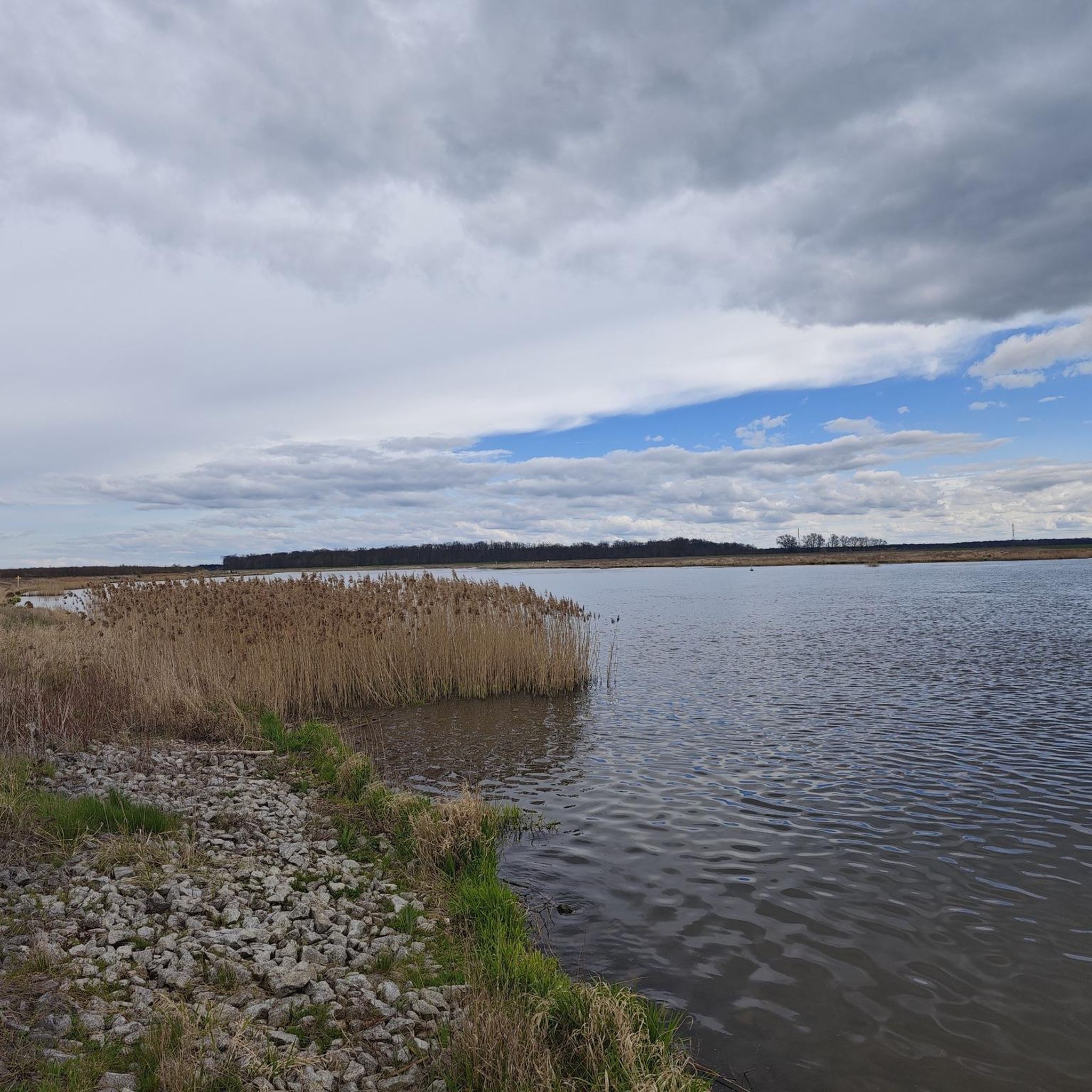
For nature lovers, the Średzki Lagoon is a scenic reservoir popular for relaxation, walking, fishing, and water sports. The "Czernica" Nature Reserve, located within the Oder Valley, offers opportunities for hiking and observing rare plant species and diverse fauna. You can also find natural monuments like the ancient "Bartek" Oak in Szczepanów.
Are there opportunities for hiking or walking in the region?
Absolutely! The "Czernica" Nature Reserve provides beautiful forest trails for nature observation. For more structured walks, you can explore easy hiking routes around the gmina. Discover more options on the Easy hikes around gmina gmina Środa Śląska guide page.
Can I go cycling around Gmina Środa Śląska?
Yes, the area offers various cycling routes suitable for different skill levels. You can find easy to difficult routes, including those passing by local landmarks. Explore detailed cycling tours on the Cycling around gmina gmina Środa Śląska guide page, or check out MTB Trails around gmina gmina Środa Śląska for mountain biking options.
What family-friendly activities are available in Gmina Środa Śląska?
Families can enjoy a visit to Średzki Park Wodny, a water park offering aquatic attractions. The Średzki Lagoon is also a great spot for family relaxation, walking, and water activities. Many of the natural areas and easy walking paths are suitable for families.
Is there a local wine region or vineyard I can visit?
Yes, the region has a tradition of winemaking. You can visit Jaworek Vineyard, which is associated with this local tradition. The area also hosts the annual "Święto Wina" (Wine Festival), celebrating its viticultural heritage.
What do visitors particularly enjoy about the historical sites in Gmina Środa Śląska?
Visitors are often captivated by the rich history and architectural grandeur. For instance, the Cistercian Abbey in Lubiąż is praised for its monumental buildings and the ongoing revitalization efforts that are restoring its former glory. The Church of St. Andrew the Apostle is appreciated for its ancient origins and preserved architectural details.
What is the best time of year to visit Gmina Środa Śląska for outdoor activities?
The spring and summer months (May to September) generally offer the most pleasant weather for outdoor activities like hiking, cycling, and enjoying the Średzki Lagoon. The autumn can also be beautiful for walks, with colorful foliage, though temperatures will be cooler.
Most popular routes around gmina gmina Środa Śląska
Most popular attractions around gmina gmina Środa Śląska

Get inspired with the komoot mobile app


Explore more
Still not found the Highlight you’re looking for? See guides of the top attractions in other regions:
