Attractions and Places To See around gmina Golub-Dobrzyń - Top 20
Best attractions and places to see around gmina Golub-Dobrzyń include historical landmarks, cultural sites, and natural features. This area in Poland's Kuyavian-Pomeranian Voivodeship is characterized by its rich history, particularly along the Drwęca River, which has served as a historical border. Visitors can explore medieval castles, significant cultural centers, and various lakes and forests. The region offers diverse opportunities for outdoor activities and historical exploration.
Best attractions and places to see around gmina Golub-Dobrzyń
- The most popular attractions is Golub-Dobrzyń…
Last updated: May 20, 2026
Chopin Manor in Szafarnia
Highlight • Historical Site
Translated by Google •
Tip by

Historic Border Crossing on the Drwęca Bridge
Highlight • Historical Site
Translated by Google •
Tip by

Sign up now to discover places like this
Get recommendations on the best single tracks, peaks, & plenty of other exciting outdoor places.
Sign up for free
Golub-Dobrzyń Castle
Highlight • Castle
A Teutonic castle from the turn of the 13th and 14th centuries, built on a hill overlooking the city
pl.wikipedia.org/wiki/Zamek_w_Golubiu
Translated by Google •
Tip by
Józefowo Lake
Highlight • Lake
Translated by Google •
Tip by
Wooden Bridge Over the Drwęca River
Highlight • Bridge
Translated by Google •
Tip by
Sign up for free to discover even more attractions around gmina Golub-Dobrzyń.
Sign up for free
Already have an account?
Start today with a free account
Your next adventure awaits.
Login or Signup

Tips from the Community

Castle museum on a steep hill, nice viewpoint on the city and monuments
0
0

The gate standing in this place commemorates the state border. It was built in January 2020 on the occasion of the 100th anniversary of the liberation of Golub by the Blue Army of General Haller (hence the name of 17 Stycznia Street). For years, the Drwęca was a border river, the crossing was located in this place. The Middle Ages was the border between the Kingdom of Poland and the state of the Teutonic Order. The time of partitions was the border between the Kingdom of Prussia (Golub) and the Russian Empire (Dobrzyń). Before WWII, both cities administratively belonged to different voivodeships, they merged in 1951 and the border of these voivodeships was of course the Drwęca. Today, the river separates two church dioceses - Golub and the local parish belong to the Toruń diocese, Dobrzyń to the Płock diocese.
1
0
Currently, the manor is home to the Chopin Centre, which is very active. Concerts are organised every Sunday. Of note is the series "Holidays with Chopin" - every Sunday during the holidays, open-air Chopin concerts are held at 12:00.
0
0
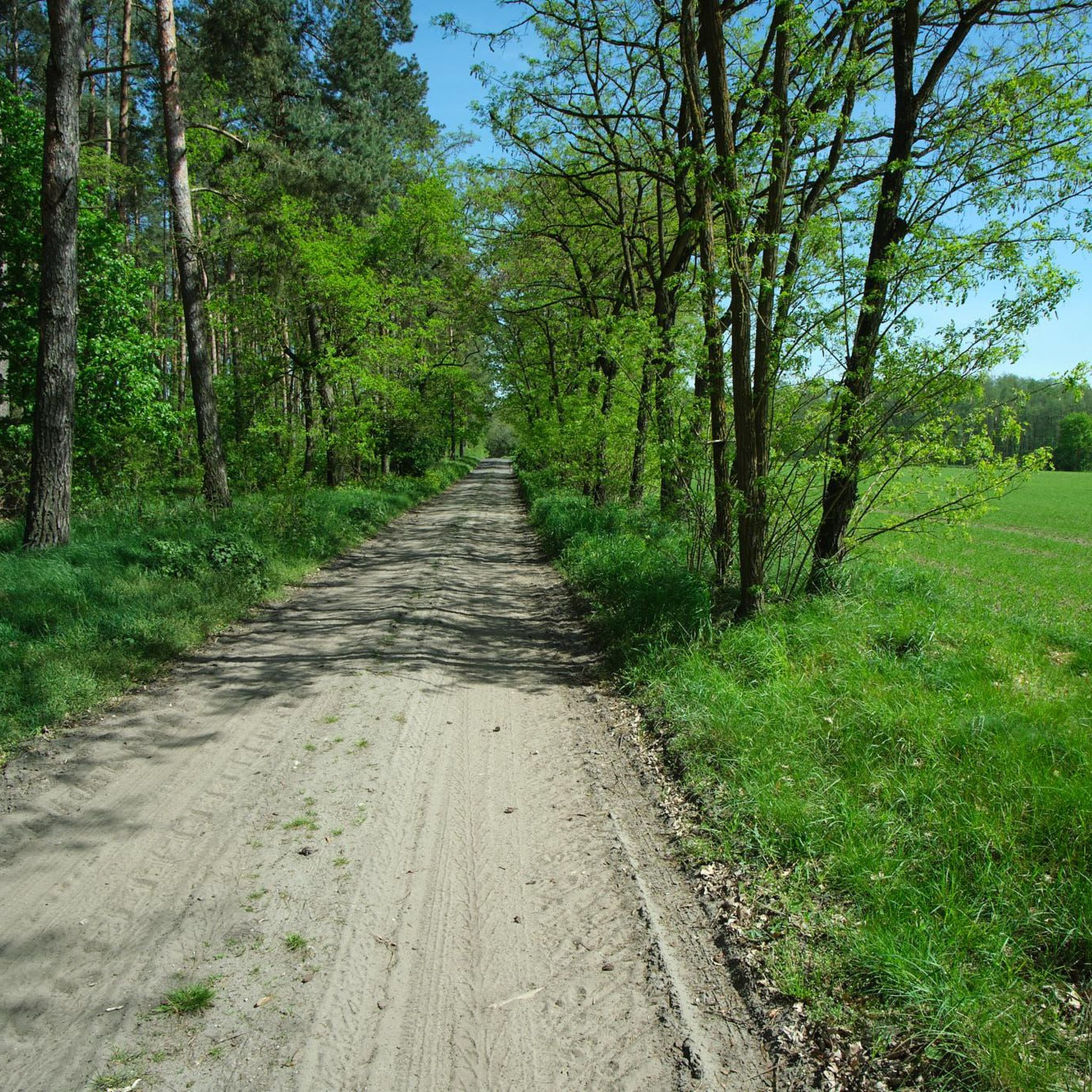
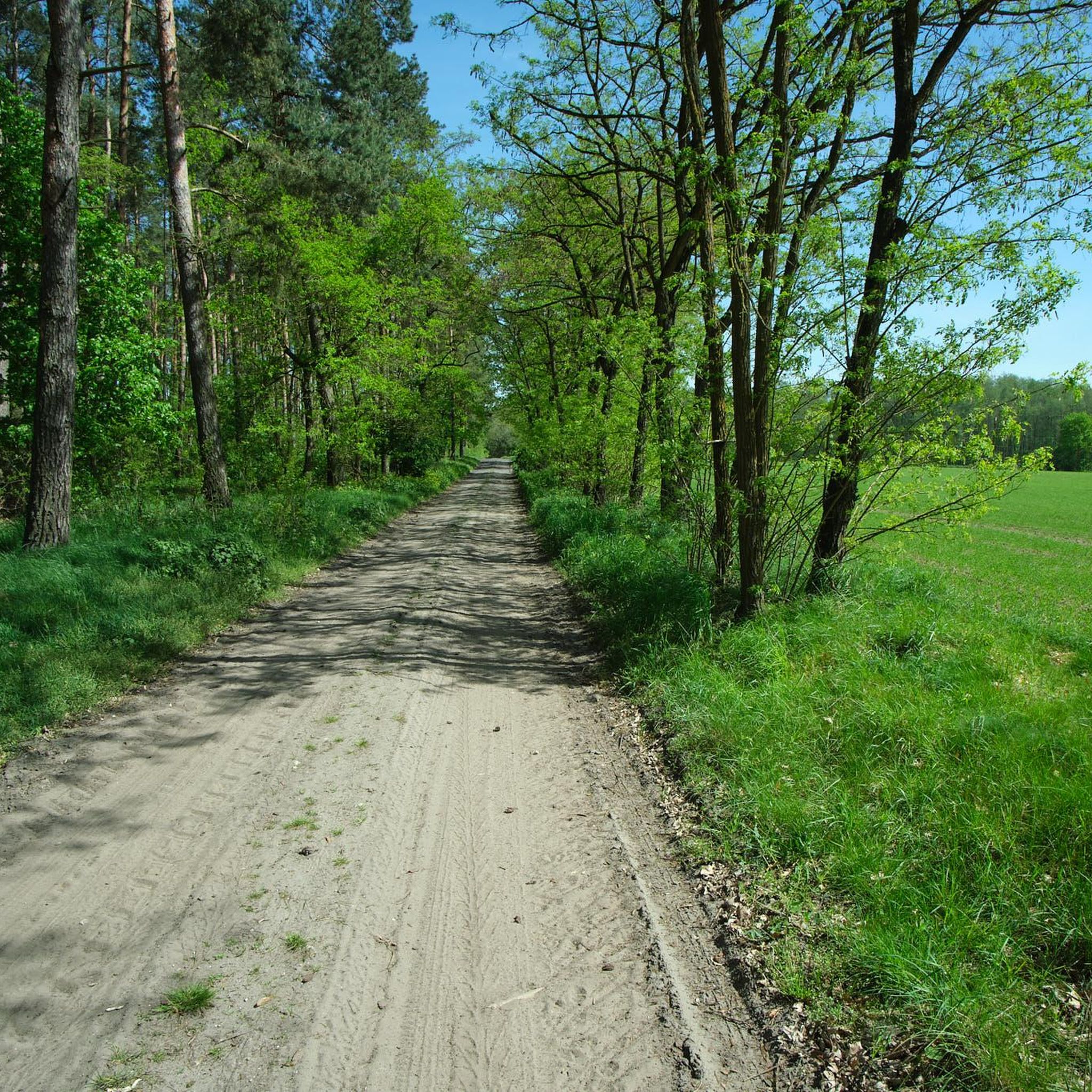
Wooden bridge between Konstancjewo (Golub-Dobrzyń commune) and Rodzon (Radomin commune). Renovated in 2019. It is distinguished by the fact that forest, unpaved roads lead to it from both sides.
0
0
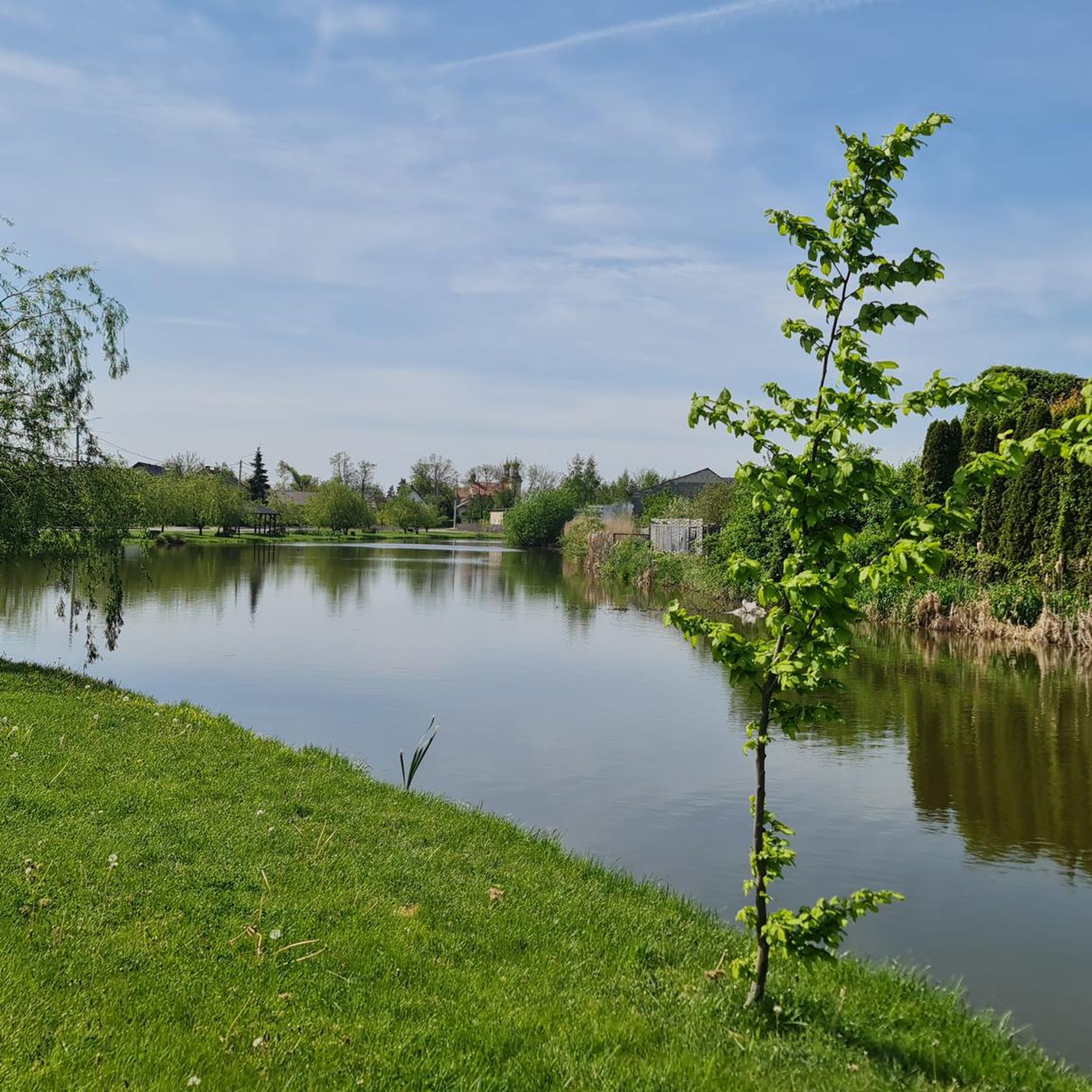
The swimming pool is managed by the Lubicz Commune. A small, charming lake located in the middle of the forest. Access via gravel roads. There is a bar with infrastructure near the beach, you can eat/drink something while stopping. There is also a changing room and a paid toilet at the swimming pool.
0
0

Castle in Golub-Dobrzyń - view at the foot of the castle hill from the south. A Teutonic castle from the turn of the 13th and 14th centuries, built on a hill overlooking the city https://pl.wikipedia.org/wiki/Zamek_w_Golubiu
0
0
Classicist manor house in Szafarnia, seat of the Chopin Centre. Teenage Fryderyk Chopin stayed there twice in the years 1824-1825 while on vacation at the invitation of his school friend Dominik ("Domusio") with the Dziewanowski family. It was here that the future great composer listened to folk melodies and wrote down their texts. According to musicologists, after his stays in Szafarnia, young Chopin changed his perception of rhythm in music. He began composing mazurkas inspired by native dances.
1
0
Frequently Asked Questions
What historical sites can I explore in Gmina Golub-Dobrzyń?
The region is rich in history. A must-visit is the impressive Golub-Dobrzyń Castle, a 14th-century Teutonic fortress offering a viewpoint over the city. You can also visit the Historic Border Crossing on the Drwęca Bridge, which commemorates the river's historical role as a border. Other notable sites include the fragments of 14th-century City Walls in Golub and the Gothic St. Catherine of Alexandria Church.
Are there any natural attractions or lakes to visit for relaxation?
Yes, Gmina Golub-Dobrzyń offers several beautiful natural spots. Józefowo Lake is a charming small lake nestled in a forest, featuring a managed beach with amenities. Kamionki Lake also provides a well-developed beach and pier. The Drwęca River itself is an ichthyological reserve, perfect for observing local flora and fauna, and offers picturesque views.
What family-friendly activities are available in the area?
Families can enjoy a visit to Golub-Dobrzyń Castle, which hosts international knights' tournaments annually in July and has museums. Józefowo Lake is ideal for a family day out with its managed beach and facilities. The Wooden Bridge Over the Drwęca River is also a great starting point for peaceful walks along unpaved forest roads, suitable for all ages.
Can I find opportunities for outdoor sports like hiking or cycling near these attractions?
Absolutely! The region around Gmina Golub-Dobrzyń is excellent for outdoor activities. You can find various easy hiking trails, such as the 'Sandy Beach at the Lake loop from Okonin' or 'Hiking loop from Golub-Dobrzyń'. For cyclists, there are routes like the 'River View loop from Cieszyny' or the more challenging 'Bridge Over the Ruziec River – Golub-Dobrzyń Castle loop'. Explore more options in our dedicated guides for easy hikes and cycling routes.
What unique cultural experiences does Gmina Golub-Dobrzyń offer?
The Chopin Manor in Szafarnia is a significant cultural highlight. Young Fryderyk Chopin stayed here, and today it's a vibrant Chopin Center hosting concerts, including the 'Vacations with Chopin' series on summer Sundays. You can also visit the 18th-century House Under the Hood, a unique timber-framed building that was formerly an inn, showcasing traditional wooden architecture.
What is the significance of the Drwęca River in the region?
The Drwęca River holds both natural and historical significance. It is recognized as an ichthyological reserve, making it a great spot for nature observation and kayaking. Historically, the river served as a border between various states, including the Teutonic Order and the Kingdom of Poland, and later between Prussian and Russian territories. The Historic Border Crossing on the Drwęca Bridge marks this important past.
Are there any accessible attractions for visitors with mobility needs?
The Historic Border Crossing on the Drwęca Bridge is noted as wheelchair accessible, allowing visitors with mobility needs to experience this historical landmark. While specific accessibility details for all sites are not available, many outdoor areas like the Drwęca River banks or the managed beach at Józefowo Lake may offer easier access.
What are some lesser-known or 'hidden gem' attractions in the area?
Beyond the main castle, consider visiting the Wooden Bridge Over the Drwęca River, distinctive for its unpaved, forest roads leading to it from both sides, offering a tranquil escape. The Kastelan Valley is another scenic spot ideal for peaceful walks. The House Under the Hood, an 18th-century timber-framed house, provides a glimpse into unique local architecture.
When is the best time to visit Gmina Golub-Dobrzyń for outdoor activities?
The warmer months, particularly late spring through early autumn (May to September), are generally ideal for outdoor activities in Gmina Golub-Dobrzyń. During this period, the weather is pleasant for hiking, cycling, kayaking on the Drwęca River, and enjoying the lakes and beaches. Summer also brings special events like the knights' tournaments at Golub-Dobrzyń Castle and concerts at the Chopin Manor in Szafarnia.
Where can I experience local history beyond the main castle?
Beyond Golub-Dobrzyń Castle, you can delve into local history at the Historic Border Crossing on the Drwęca Bridge, which tells the story of the region's shifting borders. The Market Square in Golub and the remaining fragments of the 14th-century City Walls offer a glimpse into the town's medieval past. Additionally, the St. Catherine of Alexandria Church in Golub (13th century) and the St. Catherine Church in Dobrzyń (19th century) are significant architectural and historical examples.
Are there any running trails around Gmina Golub-Dobrzyń?
Yes, for those who enjoy running, there are several trails available. You can find routes like the 'Footbridge and slicer loop from gmina Golub-Dobrzyń' or the 'Plaża Jezioro Grodno loop from Golub-Dobrzyń'. These trails offer moderate difficulty and vary in distance, providing good options for a scenic run. More details can be found in our Running Trails around gmina Golub-Dobrzyń guide.
Most popular routes around gmina Golub-Dobrzyń

Get inspired with the komoot mobile app


Explore more
Still not found the Highlight you’re looking for? See guides of the top attractions in other regions:
