Attractions and Places To See around gmina gmina Gniewkowo - Top 20
Best attractions and places to see around gmina gmina Gniewkowo, located in the Kuyavian-Pomeranian Voivodeship of Poland, offers a variety of sites for visitors interested in history, nature, and local culture. The region features historic churches, castle ruins, and manors, alongside natural areas like the Gniewkowskie Forests and various water reservoirs. These elements provide opportunities for exploring historical landmarks and engaging with the natural landscape.
Best attractions and places to see around gmina gmina Gniewkowo
- The most popular attractions is Theodor Flöther Steam Traction Engine, a man-made monument that is a carefully renovated technical monument. This impressive machine was produced by the Theodor Flöther factory, which operated from 1854 until 1945.
- Another must-see spot is Fort IX Bolesława Chrobrego (Toruń Fortress), a historical site. This intermediate artillery fort was built between 1882 and 1884 on a pentagonal plan, featuring gorge barracks, a dry moat, and caponiers.
- Visitors also love Olęderski Ethnographic Park, a historical site and family-friendly attraction. Opened in May 2018, this park is dedicated to the colonization of Olender settlement, preserving the history of Mennonites in the region.
- gmina gmina Gniewkowo is known for historical sites, man-made monuments, and natural areas. The region offers a variety of attractions to see and explore, from medieval ruins to ethnographic parks and forests.
- The attractions around gmina gmina Gniewkowo are appreciated by the komoot community, with 4 highlights featuring 4 photos and receiving 17 upvotes.
Last updated: May 20, 2026
Fort IX Bolesława Chrobrego (Toruń Fortress)
Highlight • Historical Site
Translated by Google •
Tip by

Theodor Flöther Steam Traction Engine
Highlight • Monument
Such locomobiles were produced from around 1870 by the "Theodor Flöther Landmaschinen Gassen" factory. The company was founded in 1854 in Gassen (now Jasień) by Theodor Flöther. From 1869 it was already a prosperous factory. It had its own foundry and employed 300 workers. At that time, Flöther's company began producing seed drills and steam engines, and also had branches in Breslau and Bromberg (Wrocław and Bydgoszcz). In 1889 it was transformed into the joint-stock company "Maschinenbauanstalt & Eisengießerei vorm. Flöther AG". The business was conducted in various forms until 1945. With the end of the war, the history of Flöther also ended.
according to landtechnik-historisch.de
And on the property in front of which this locomotive stands there is also another monument - a beautiful, very well-kept house from 1902. komoot.com/pl-pl/highlight/7632881
Translated by Google •
Tip by

Sign up now to discover places like this
Get recommendations on the best single tracks, peaks, & plenty of other exciting outdoor places.
Sign up for free
Olęderski Ethnographic Park
Highlight • Historical Site

Bike path to Barbarka
Highlight (Segment) • Cycleway
Translated by Google •
Tip by

Dybowo Shelter by the Stream
Highlight • Mountain Hut
Translated by Google •
Tip by

Sign up for free to discover even more attractions around gmina gmina Gniewkowo.
Sign up for free
Already have an account?
Start today with a free account
Your next adventure awaits.
Login or Signup

Tips from the Community

Opened in May 2018, the Olender Ethnographic Park is the first open-air museum dedicated to the colonization of Olender settlement. The village of Wielka Nieszawka, near Toruń and on the Vistula River, has a rich history associated with Mennonites and Olender settlement. Their presence was recorded here as early as the early 17th century, and until the end of World War II, it was one of the main centers of life for this community, which established a religious community and a house of prayer here. A remnant of their legacy is the Mennonite cemetery, incorporated into the park.
0
0

Forest district, parking place for travelers
0
0

The fort building houses the Social Welfare Home.
0
0

A very impressive and carefully renovated technical monument. Such locomobiles were produced from around 1870 by the "Theodor Flöther Landmaschinen Gassen" factory. The company was founded in 1854 in Gassen (now Jasień) by Theodor Flöther. From 1869 it was already a prosperous factory. It had its own foundry and employed 300 workers. At that time, Flöther's company began producing seed drills and steam engines, and also had branches in Breslau and Bromberg (Wrocław and Bydgoszcz). In 1889 it was transformed into the joint-stock company "Maschinenbauanstalt & Eisengießerei vorm. Flöther AG". The business was conducted in various forms until 1945. With the end of the war, the history of Flöther also ended. according to http://landtechnik-historisch.de And on the property in front of which this locomotive stands there is also another monument - a beautiful, very well-kept house from 1902. https://www.komoot.com/pl-pl/highlight/7632881
3
0

see TORUŃ FORTRESS https://www.komoot.com/pl-pl/tour/1947728855
1
0
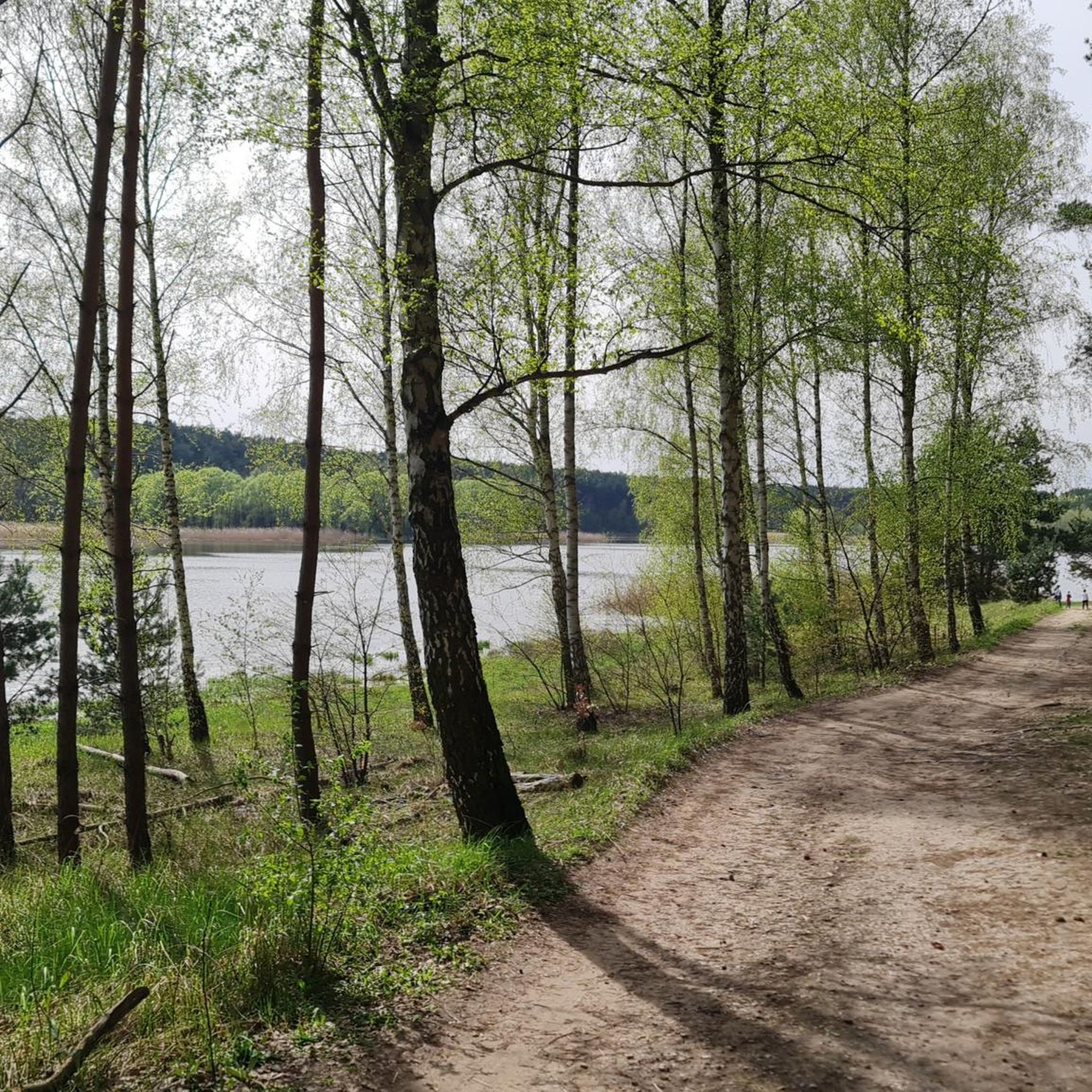
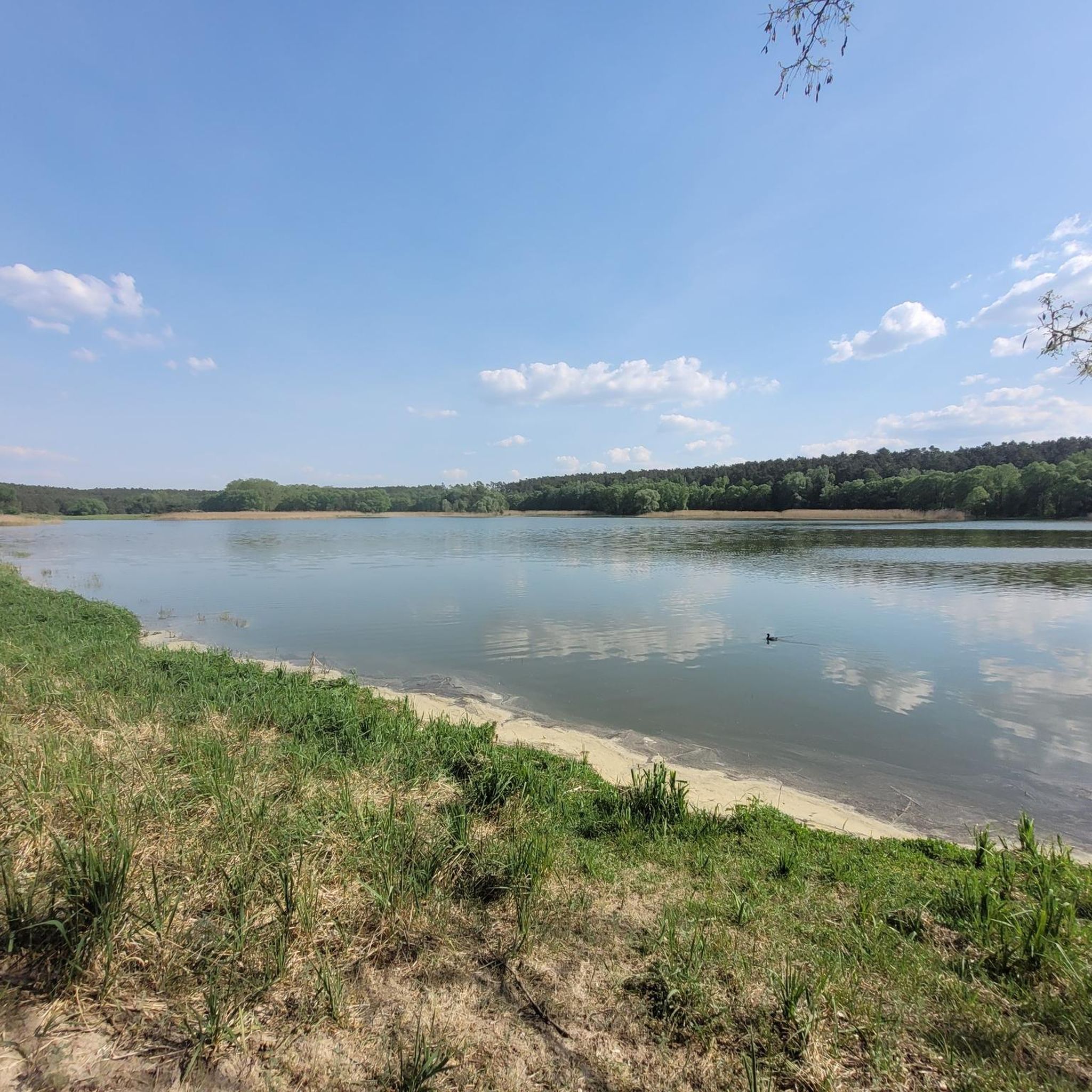
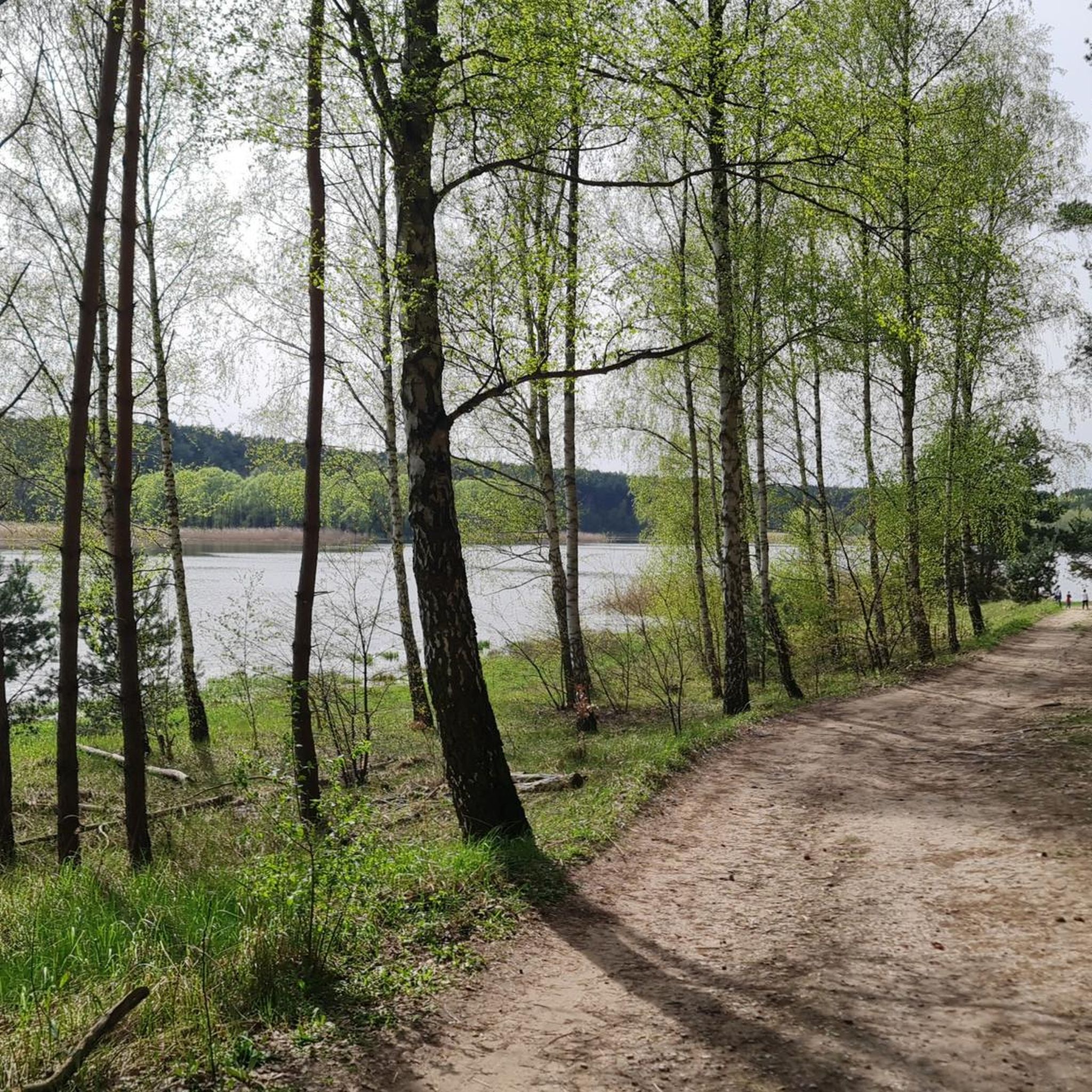
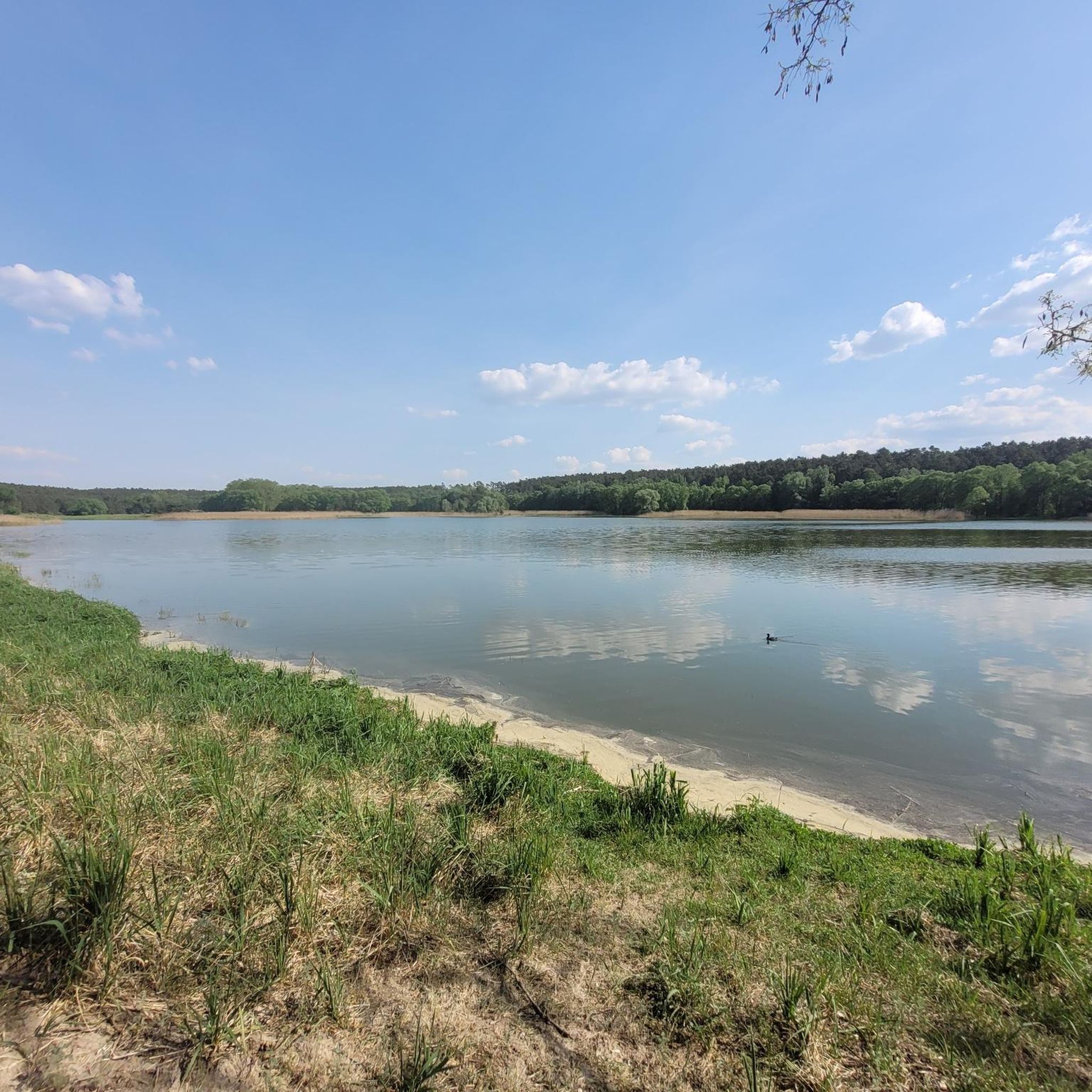
Great place to stop! Lots of space, solid shelter. You can also get there from the Vistula embankment (from the direction of Wielka Nieszawka).
0
0
FORT IX Bolesław Chrobry (master Heinrich von Plauen). An intermediate artillery fort built in the years 1882-1884 on a pentagonal plan, reduced in size. The fire of its guns reached the town of Stary Toruń. The crew consisted of 1 infantry battalion and the crew of 11 artillery positions with two observation points, located in 23 residential rooms. The fort has two-story gorge barracks, a dry moat with escarpments on both sides and 4 caponiers: two shoulder ones, a gorge and a frontal one. On the lower rampart, onto which the corridors of the upper level opened, there were infantry positions and artillery positions. The storage area and the fortress courtyards were reduced, almost completely built up by ramps leading to the upper rampart. The gun square was similarly reduced, defended by a heavy fortress grid. The interior of the fort was accessed by an iron drawbridge and the main gate. In 1894, the fort was modernized by installing electrical and water installations, the vaults were reinforced with a meter-thick layer of concrete, the earthen fortifications were improved, and the fort slopes were masked with bushes. The whole thing was surrounded by barbed wire.
1
0
Large shelter, beautiful and quiet area. Monitored facility.
0
0
Frequently Asked Questions
What historical sites can I explore in Gmina Gniewkowo?
Gmina Gniewkowo offers several historical sites. You can visit the unique ruins of a 14th-century bishop's castle, providing a glimpse into medieval history. Another significant site is Fort IX Bolesława Chrobrego (Toruń Fortress), an intermediate artillery fort built between 1882 and 1884. The Olęderski Ethnographic Park also preserves the history of Mennonite settlement in the region.
Are there any unique technical or cultural heritage sites to visit?
Yes, Gmina Gniewkowo features the meticulously restored Theodor Flöther Steam Traction Engine, a technical monument produced by a factory that operated from 1854 until 1945. Additionally, the Olęderski Ethnographic Park is dedicated to the colonization of Olender settlement, offering insights into local cultural heritage.
What natural areas are available for relaxation and outdoor activities?
The region boasts the picturesque Gniewkowskie Forests, ideal for walks and bike rides. You can also find recreational areas by ponds and small water reservoirs, popular for fishing and spending time outdoors. Jezioro Gniewkowskie (Gniewkowo Lake area) is another popular natural spot for relaxation.
Are there family-friendly attractions in Gmina Gniewkowo?
Absolutely. The Olęderski Ethnographic Park is a historical site and family-friendly attraction, opened in May 2018. Additionally, Park Wolności (Freedom Park) in Gniewkowo offers a multi-generational integration center, a water playground, a regular playground, rollerblading and scooter paths, and a mini road traffic town, making it perfect for families.
Where can I go hiking or cycling in the region?
Gmina Gniewkowo offers various routes for outdoor enthusiasts. For hiking, you can explore trails like the 'Ciechocinek Graduation Towers loop from Inowrocław' or the 'Lasy Balczewskie loop from Balczewo'. Cyclists can enjoy routes such as the 'Camping Tramp – Medieval Town of Toruń loop from Gniewkowo' or the 'Bike loop from Gniewkowo'. You can find more details on these and other routes in the hiking guide and cycling guide for the area.
What kind of wildlife can be spotted in Gmina Gniewkowo?
The Gniewkowskie Forests are a haven for nature enthusiasts, offering opportunities for observing wild fauna and flora. These forests provide a natural habitat for various species, making them a great spot for wildlife spotting during walks or bike rides.
Are there any specific places for picnics or outdoor shelters?
Yes, you can find the Dybowo Shelter by the Stream, which is a large shelter on the Zielona Struga River with a designated place for a bonfire. It's managed by the forestry authority and offers a beautiful, quiet area for outdoor relaxation and picnics.
What cultural events or festivals take place in Gmina Gniewkowo?
The region hosts the Annual Kuyavian Culture Festival (Festiwal Kultury Kujawskiej). This event promotes regional traditions, music, and local cuisine, offering a vibrant cultural experience for visitors interested in local heritage.
Is there a good place for children to play and engage in recreational activities?
Park Wolności (Freedom Park) in Gniewkowo is an excellent choice for children. It features a water playground, a regular playground, rollerblading and scooter paths, a multi-purpose sports field, a skatepark, and a mini road traffic town, providing a wide range of activities for kids.
Are there any historic churches or religious landmarks worth visiting?
Gmina Gniewkowo is home to several significant religious landmarks. The historic St. Nicholas and St. Constantina Church in Gniewkowo is known for its architecture, and its tower reportedly offers panoramic views. The Sacred Heart Church in Gniewkowo is also recognized as an object of cultural heritage.
What are the options for parking at major attractions like Fort IX Bolesława Chrobrego?
While specific parking details for Fort IX Bolesława Chrobrego are not explicitly listed, major attractions in the region typically have designated parking areas or nearby street parking. It's advisable to check local signage upon arrival or consult local tourist information for the most current parking options.
Can I find dog-friendly places or trails in Gmina Gniewkowo?
The natural areas, such as the Gniewkowskie Forests and trails along the Jezioro Gniewkowskie, are generally suitable for walks with dogs, provided they are kept on a leash and owners clean up after them. Always check specific park or trail regulations for any restrictions.
What is the best time of year to visit Gmina Gniewkowo for outdoor activities?
The spring, summer, and early autumn months are generally the best for outdoor activities in Gmina Gniewkowo, offering pleasant weather for hiking, cycling, and exploring natural areas like the Gniewkowskie Forests. Autumn is particularly noted for mushroom picking.
Are there any historic manors or palaces in the area?
Yes, several villages within Gmina Gniewkowo feature historic manors and palaces. Notable examples include manor houses in Wierzchosławice, Kaczkowo, Warzyn, Więcławice, and Markowo, as well as a palace in Kawęczyn. These structures showcase rural architecture from past centuries.
What is the Olęderski Ethnographic Park about?
The Olęderski Ethnographic Park, opened in May 2018, is the first open-air museum dedicated to the colonization of Olender settlement. It preserves the history of Mennonites in the region, particularly their presence in Wielka Nieszawka, and includes a remnant of their legacy, a Mennonite cemetery.
Most popular routes around gmina gmina Gniewkowo
Most popular attractions around gmina gmina Gniewkowo

Get inspired with the komoot mobile app


Explore more
Still not found the Highlight you’re looking for? See guides of the top attractions in other regions:
