Attractions and Places To See around gmina Łubianka - Top 20
Best attractions and places to see around gmina Łubianka include a variety of historical sites, natural features, and cultural points of interest. This region in Poland offers a landscape shaped by forests, ponds, and historical architecture. Visitors can explore ancient castles, 19th-century palaces, and unique natural formations like gorges and peat-formed ponds. The area provides opportunities for both historical exploration and outdoor activities.
Best attractions and places to see around gmina Łubianka
- The most popular attractions is Teutonic Castle in…
Last updated: July 15, 2026
Teutonic Castle in Bierzgłowski Castle
Highlight • Castle
Translated by Google •
Tip by

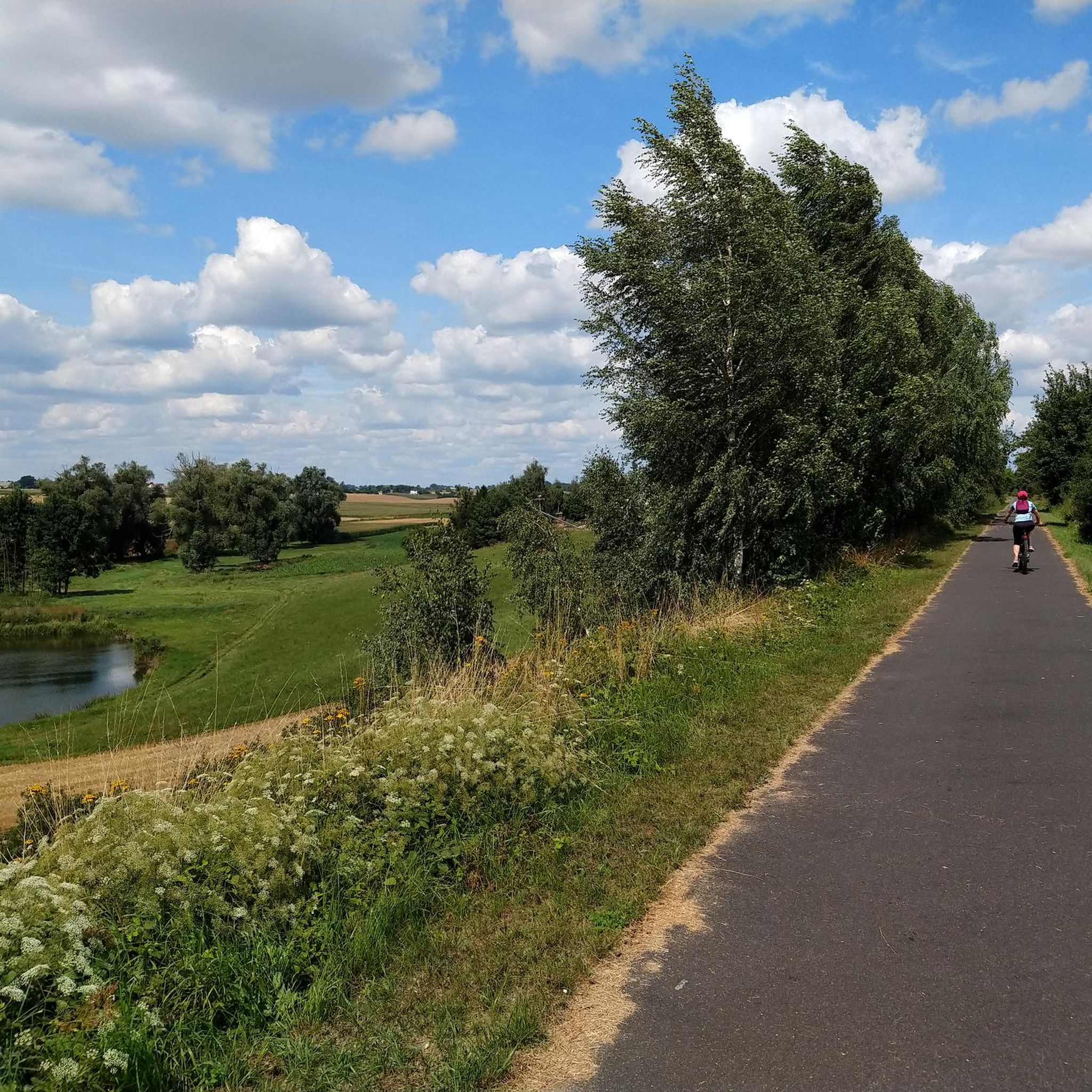
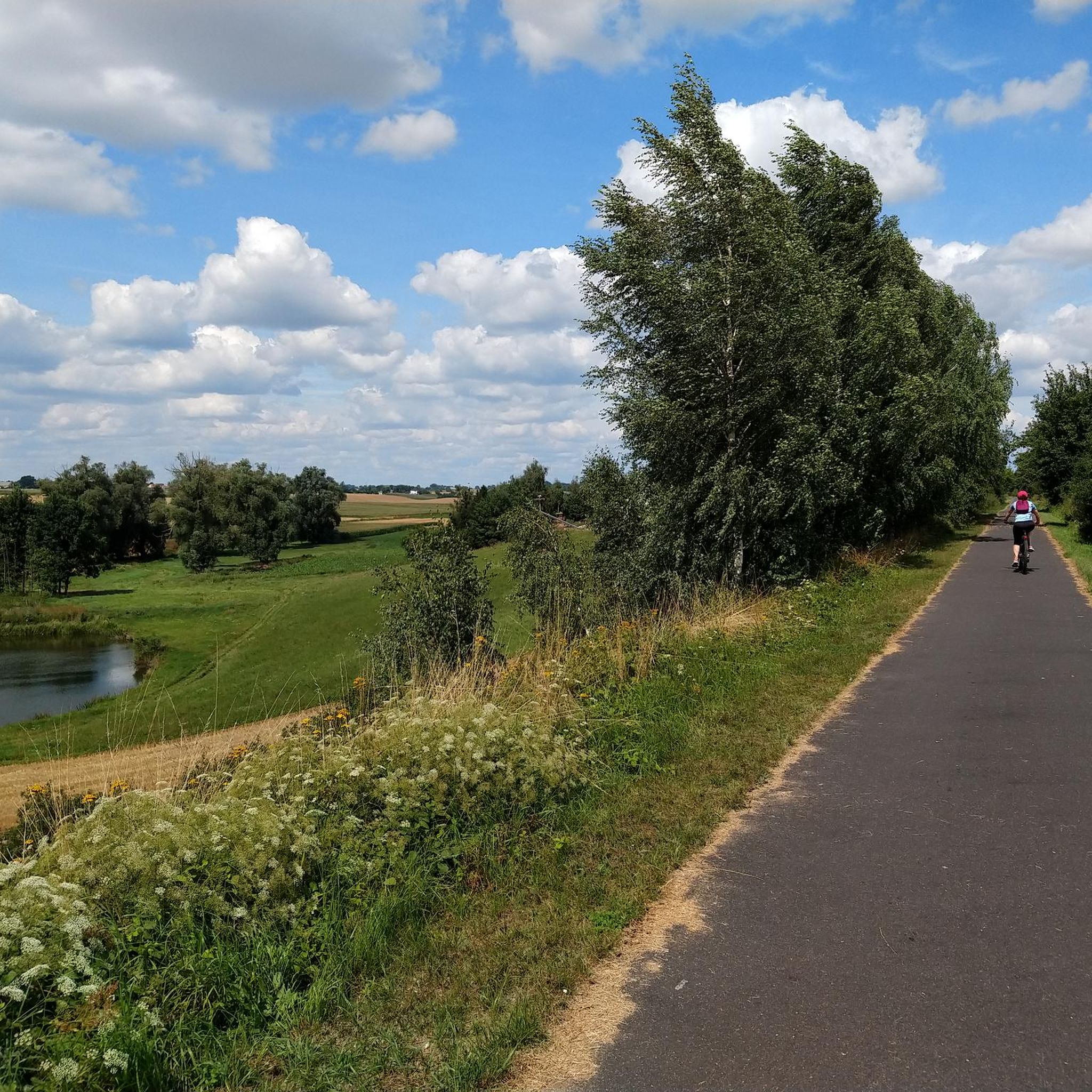
Toruń–Unisław Bike Path
Highlight • Cycleway
Translated by Google •
Tip by

Sign up now to discover places like this
Get recommendations on the best single tracks, peaks, & plenty of other exciting outdoor places.
Sign up for free
Chapel of St. Barbara in Osada Leśna Barbarka
Highlight • Religious Site
Translated by Google •
Tip by

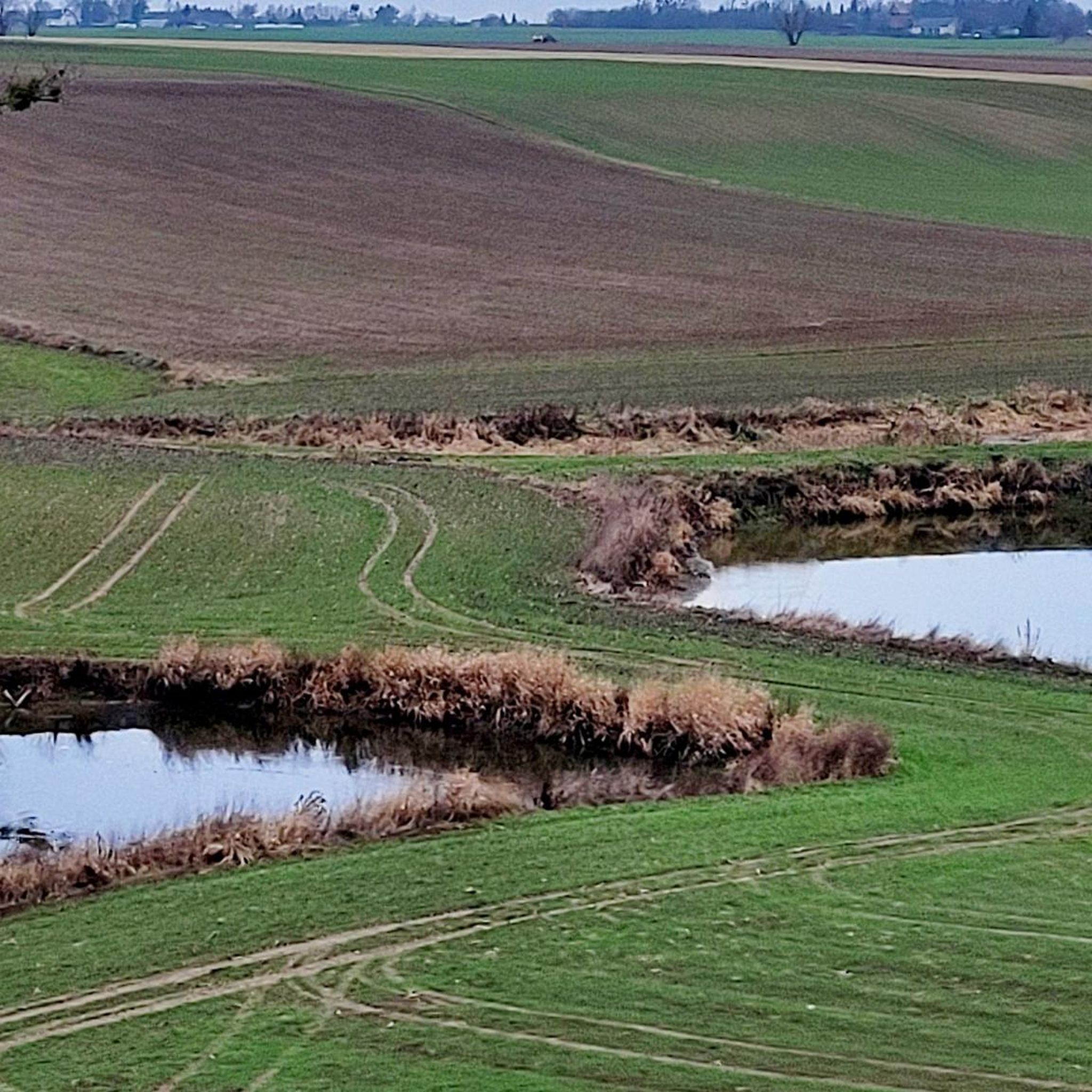
Stawy Przysieckie
Highlight • Lake
Translated by Google •
Tip by

Brąchnówko Palace and Park
Highlight • Historical Site
The first mention of the village dates back to 1423. It was then listed as a knight's estate in the Biergłowice prosecutor's …
Translated by Google •
Tip by

Sign up for free to discover even more attractions around gmina Łubianka.
Sign up for free
Already have an account?
Start today with a free account
Your next adventure awaits.
Login or Signup

Tips from the Community

As usual with cycle paths on the railway line - a revelation
0
0

Gęś Gęgawa on the large Staw Przysiecki pond https://youtu.be/h6c0ULOnENU
0
0

The castle has an open chapel on the first floor.
0
0

Beautiful ponds in the forests between Toruń and Przysiek, with an interesting history. It turns out that during World War II, the locals exploited peat here - quite heavily - which served as fuel and was free throughout the war.
0
0
Przysieckie Ponds - Rainy Winter https://youtu.be/mvzgAAXi59s
0
0

An interesting little chapel to watch
0
0

Palace and park complex from the 19th century. The first mention of the village dates back to 1423. It was then listed as a knight's estate in the Biergłowice prosecutor's office. Over the years, the estate was owned by, among others, Załuskowski, Kolbe, Łaszewski. Since the 19th century, Brąchnówko belonged to the Schedlin-Czarliński family. Emil Czarliński (1833-1913) built the current palace here. The last owner of the estate before the outbreak of World War II was Leon Schedlin-Czarliński. After the war, the State Treasury became the owner of the estate. The palace and park were devastated and neglected. The palace was restored in 1994. It is an eclectic building with classicist features, two-story, on a square plan, with a basement, and a hipped roof. The elevations are decorated with modest architectural details: rustication, ground floor windows framed by pilasters and closed with decorative cornices, mezzanine windows divided by panels. In front of the entrance located in the facade, there is a driveway, above which there is a balcony supported by four pillars. On the south side, there is a second entrance with a small veranda, topped with a triangular gable. Side single-flight stairs lead to it. The park layout was quite large and surrounded the entire palace. Originally, it was an English park and had an area of about 2.5 hectares. Currently, it is much smaller. Fortunately, some of the park trees survived the period of neglect. These are plane trees, pines, chestnut trees, black locust and common hornbeam. Some of the trees have the status of a Natural Monument and are appropriately marked. The entire complex is currently owned by the Chełmża Commune. (according to "Polish Monuments")
0
0
Frequently Asked Questions
What historical sites can I explore in Gmina Łubianka?
Gmina Łubianka is rich in history. You can visit the impressive Teutonic Castle in Bierzgłowski Castle, built between 1232 and 1270, which served as an important observation point towards Toruń. Another significant site is the 19th-century Brąchnówko Palace and Park, an eclectic building with a long history as a knightly estate. Don't miss the unique "koźlak" type windmill in Bierzgłów, dating back to 1863, or the eclectic Palace in Wybcz, constructed in the mid-19th century.
Are there any natural attractions or scenic spots in the area?
Yes, Gmina Łubianka offers beautiful natural features. The Stawy Przysieckie are picturesque ponds nestled within forests between Toruń and Przysiek, with an interesting history related to peat exploitation during WWII. You can also explore the deep and mysterious Wąwóz Leszcz (Leszcz Gorge), covered by dense mixed forest, which can be discovered via a marked green hiking trail.
What cycling opportunities are available around Gmina Łubianka?
Cyclists will enjoy the Toruń–Unisław Bike Path, a pleasant cycle way that follows a former railway route, offering a ride away from roads suitable for various times of the year. For more cycling adventures, explore the many road cycling and gravel biking routes available in the region. You can find detailed routes and guides for these activities at Road Cycling Routes around gmina Łubianka and Gravel biking around gmina Łubianka.
Are there any religious or cultural landmarks to visit?
Certainly. The Chapel of St. Barbara in Osada Leśna Barbarka is a charming site, founded in 1842 on the location of an earlier pilgrimage chapel. In Biskupice, you'll find the Church of St. Mary Magdalene, notable for being constructed almost entirely from local field stones. The village of Przeczno hosts the Gothic Church of the Exaltation of the Holy Cross, one of the oldest sacred buildings in the Chełmno Land, and nearby, the Sanctuary of St. Rosalia.
What kind of outdoor activities can I do in Gmina Łubianka?
Beyond cycling, Gmina Łubianka offers excellent hiking opportunities. You can explore trails like the 'Nature Mosaic: Barbarka - Przysieckie Ponds' or the 'Las Piwnicki Nature Reserve' loop. These routes vary in difficulty from easy to moderate. Find more hiking trails and detailed guides at Hiking around gmina Łubianka.
Are there family-friendly attractions in Gmina Łubianka?
Yes, several spots are suitable for families. The area around the Chapel of St. Barbara in Osada Leśna Barbarka includes a playground for children and a bistro bar. The Stawy Przysieckie (ponds) offer a peaceful natural setting for walks. Additionally, the Toruń–Unisław Bike Path is a safe and enjoyable option for family bike rides away from traffic.
What is the Fort IX Bolesława Chrobrego and can I visit it?
Fort IX Bolesława Chrobrego is an intermediate artillery fort, part of the Toruń Fortress, built between 1882-1884. Designed on a pentagonal plan, it housed an infantry battalion and artillery crew. While it's a significant historical military site, specific visitor access information should be checked locally.
What do visitors appreciate most about the attractions in Gmina Łubianka?
Visitors frequently highlight the historical depth of sites like the Teutonic Castle in Bierzgłowski Castle, noting its rich past and strategic location. The peaceful and scenic environment of places like Stawy Przysieckie and the enjoyable, traffic-free experience of the Toruń–Unisław Bike Path are also highly praised.
Are there any unique architectural structures in Gmina Łubianka?
Yes, beyond the castles and palaces, Gmina Łubianka features unique architecture. The "koźlak" type windmill in Bierzgłów, built in 1863, is a notable example, standing 14 meters high on stones rather than traditional foundations. The Church of St. Mary Magdalene in Biskupice is also distinctive, constructed almost entirely from local field stones.
Can I find places to eat or stay near the attractions?
While specific cafes, pubs, or accommodation options are not detailed for every attraction, the area around the Chapel of St. Barbara in Osada Leśna Barbarka includes a bistro bar and accommodation with a conference room. For broader options, you would typically find facilities in the main villages of Gmina Łubianka or the nearby city of Toruń.
What is the best time of year to visit Gmina Łubianka for outdoor activities?
The region's outdoor attractions, such as the Toruń–Unisław Bike Path, are described as pleasant for cycling at any time of the year, even in winter. However, for hiking and enjoying the natural beauty of places like Wąwóz Leszcz and Stawy Przysieckie, spring, summer, and early autumn generally offer the most comfortable weather conditions.
Most popular routes around gmina Łubianka
Most popular attractions around gmina Łubianka

Get inspired with the komoot mobile app


Explore more
Still not found the Highlight you’re looking for? See guides of the top attractions in other regions:
