Attractions and Places To See around Oporów - Top 20
Best attractions and places to see around Oporów include historical landmarks, cultural sites, and natural features. The area is known for its well-preserved 15th-century Gothic castle and significant religious buildings. Visitors can explore a landscape park and a valley that serves as a nesting place for birds. Oporów offers a blend of history and nature for exploration.
Best attractions and places to see around Oporów
- The most popular attractions is Oporów Castle and Park, a castle that is a…
Last updated: August 11, 2026
Oporów Castle and Park
Highlight • Castle
Translated by Google •
Tip by

St. Martin's Church and Pauline Monastery in Oporów
Highlight • Religious Site
Translated by Google •
Tip by
Sign up now to discover places like this
Get recommendations on the best single tracks, peaks, & plenty of other exciting outdoor places.
Sign up for free
Słudwia and Przysowa Valley
Highlight • River
Translated by Google •
Tip by
Forest Road Between Szczawin Kościelny and Skoki
Highlight • Trail
Translated by Google •
Tip by

Synagogue Ruins
Highlight • Historical Site
Translated by Google •
Tip by
Sign up for free to discover even more attractions around Oporów.
Sign up for free
Already have an account?
Start today with a free account
Your next adventure awaits.
Login or Signup


Tips from the Community

the castle from 1453 is basically a castle
0
0

The castle, or rather, a small castle. Tickets cost 23 złoty. I recommend stopping by, even if only for a moment. It's worth seeing.
0
0

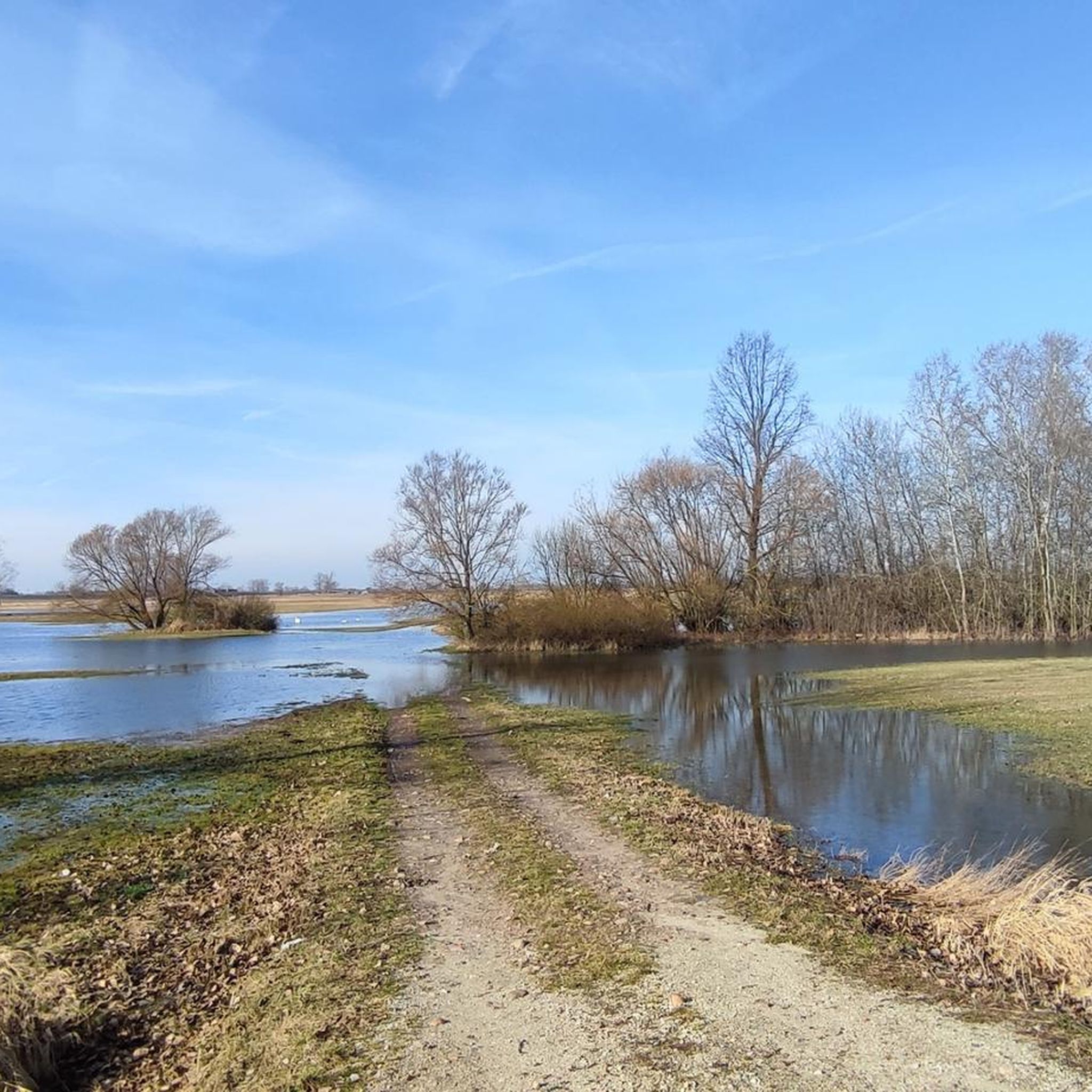
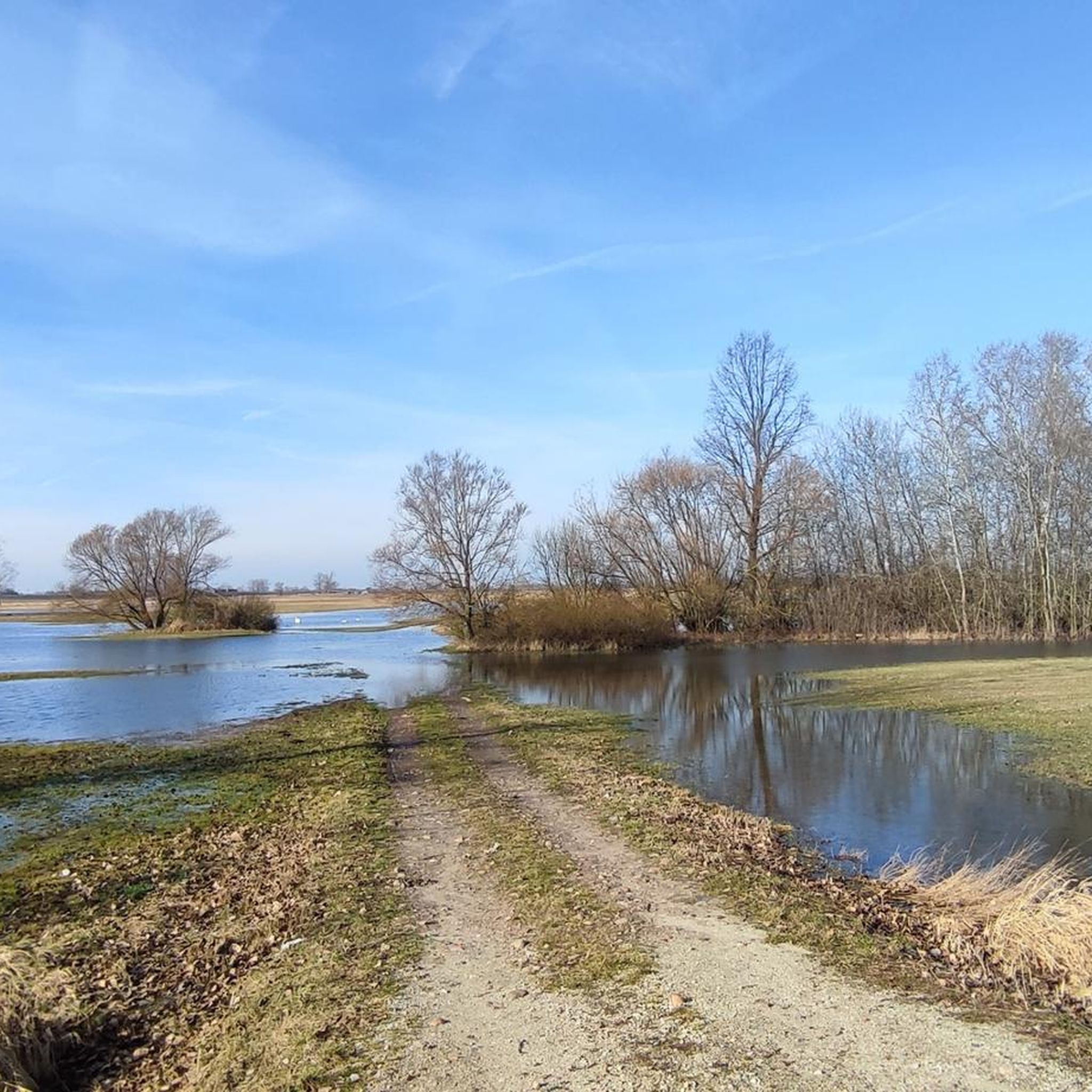
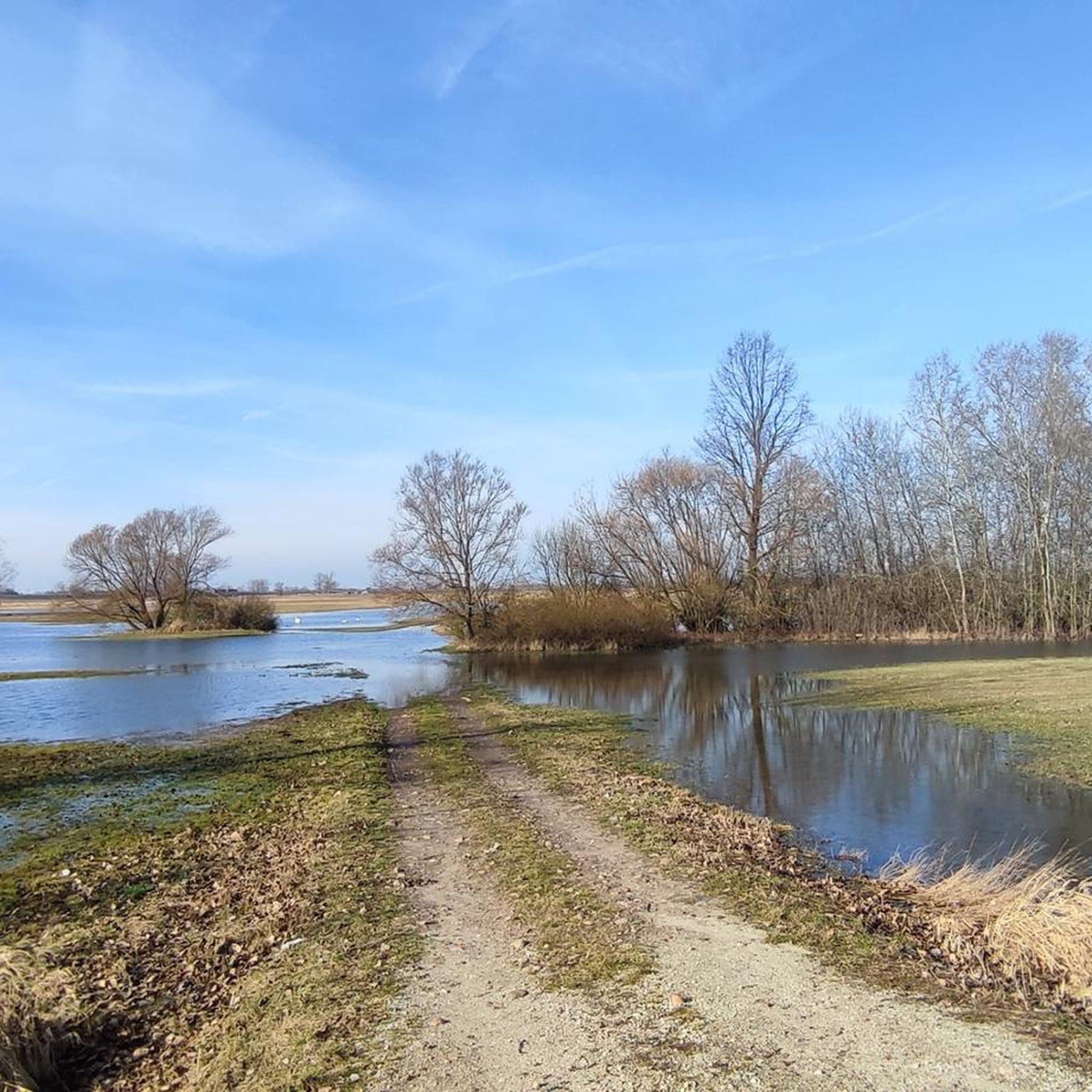
The Natura 2000 Special Protection Area for Birds established in 2012 in central Poland, on the border of the Łódź and Mazovian Voivodeships. It covers an area of 3980.66 ha. It includes small valleys of the Słudwia River and its left tributary Przysowa, located in the Kutno, Łowicz and Gostynin counties. A bird sanctuary has also been established in this area, designated in the IBA nomenclature as sanctuary no. 145, with an area of 3284 ha. The Przysowa Valley (apart from the estuary section to the Słudwia) is also part of the Przysowa Valley Protected Landscape Area. In the northern part of the sanctuary there is the "Szczawińskie Lake" reserve.
0
0
The original parish church of St. Martin mentioned in 1399 was made of wood. The brick church in the Gothic style was built in the first half of the 15th century, and its construction was started before 1425 by Mikołaj Oporowski, the voivode of Łęczyca. The construction was completed by his sons Władysław Oporowski, after taking over the family estate in 1428, Władysław was the bishop of Włocławek from 1434, later the archbishop of Gniezno and primate of Poland, and Piotr Oporowski - the voivode of Łęczyca. The single-nave church with an unseparated presbytery and a burial crypt was built on the plan of an elongated rectangle, with a porch on the southern side. The interior was covered with a wooden ceiling. The modest decoration of the external elevations consisted of white plastered pointed arch panels, a brick frieze made of squared timber crowning the walls of the nave and rhombuses made of zendrówka bricks. The western elevation was most likely crowned with a decorative gable, as evidenced by two half-peaks preserved under the roof by the tower. In 1453, the Oporowskis - Władysław and Piotr donated the church to the Order of St. Paul the First Hermit, the rule of St. Augustine. The motive was the desire to honor the memory of Krystyna and Mikołaj Oporowski's parents, buried in the church's basement. The church building is connected to the monastery building.
0
0
A brick castle in the Gothic style built in the years 1434–1449 by the bishop of Kujawy, Władysław Oporowski. Formerly, it was the centre of the extensive landed estates of the Oporowski family of the Sulima coat of arms. In 2007, it was entered into the State Register of Museums. The beginning of the castle complex was a knight's residential tower, built at the beginning of the 15th century on an artificial island, built in the middle of one of the branches of the Słudwia River. Later, residential buildings were built surrounding a small cobblestone courtyard, defensive walls and a semicircular tower with a chapel on the first floor. The castle is dominated by the north-west corner tower decorated with a Gothic dagger. Despite many reconstructions made in the 17th, 18th and 19th centuries, only minor changes were made. They left behind Renaissance ceilings, Baroque window openings on the first floor, and Classicist stucco. The annex in the courtyard, the so-called "cupboard", as well as the neo-Gothic portal of the entrance gate and the terrace in front of the bridge, date from around 1840. The castle is surrounded by a landscape park established in the first half of the 19th century.
0
0
A brick castle in the Gothic style built in the years 1434–1449 by the Bishop of Kujawy, Władysław Oporowski. Formerly, it was the centre of the extensive landed estates of the Oporowski family of the Sulima coat of arms. In 2007, it was entered into the State Register of Museums. The beginning of the castle complex was a knight's residential tower, built at the beginning of the 15th century on an artificial island, built in the middle of one of the branches of the Słudwia River. Later, residential buildings were built surrounding a small cobblestone courtyard, defensive walls and a semicircular tower with a chapel on the first floor. The castle is dominated by the north-west corner tower decorated with a Gothic dagger. Despite many reconstructions made in the 17th, 18th and 19th centuries, only minor changes were made. They left behind Renaissance ceilings, Baroque window openings on the first floor, and Classicist stucco. The annex in the courtyard, the so-called "cupboard", as well as the neo-Gothic portal of the entrance gate and the terrace in front of the bridge, date from around 1840. The castle is surrounded by a landscape park established in the first half of the 19th century.
0
0
The synagogue was built in 1880 according to the design of Aleksander Woyde based on an earlier design by Sylvester Baldi, on the site of an old wooden synagogue. During World War II, German occupiers devastated the interior of the synagogue and turned it into a warehouse.
0
0

Beautiful old church. Too bad it was closed when I was in the area. But you can walk around the grounds and look through the grate in the vestibule.
0
0
Frequently Asked Questions
What historical landmarks can I explore in Oporów?
Oporów is rich in history. You can visit the remarkably well-preserved Oporów Castle and Park, a 15th-century Gothic brick castle surrounded by a moat and a picturesque landscape park. Another significant site is St. Martin's Church and Pauline Monastery in Oporów, a brick church from the 15th century with a Pauline Monastery housing a copy of the Black Madonna of Częstochowa. Additionally, the wooden Church of the Annunciation of the Blessed Virgin Mary and St. Barbara features a late Gothic sculpture and an 18th-century bell tower.
Where can I experience nature and wildlife in Oporów?
For nature enthusiasts, the Słudwia and Przysowa Valley is a must-see. This picturesque valley features two lowland rivers and is a significant nesting place for a large number of birds, especially in the spring. It's an ideal spot for hiking or cycling amidst natural beauty.
Are there family-friendly attractions in Oporów?
Yes, several attractions in Oporów are suitable for families. The Oporów Castle and Park offers a fascinating historical experience with its well-preserved castle and surrounding park, which can be enjoyed by all ages. The Słudwia and Przysowa Valley is also considered family-friendly, providing opportunities for gentle walks and birdwatching.
What kind of outdoor activities can I do around Oporów?
The Oporów area offers various outdoor activities. You can find numerous routes for hiking, gravel biking, and running. For detailed routes and guides, explore options like Hiking around Oporów, Gravel biking around Oporów, and Running Trails around Oporów.
What is unique about the architecture of Oporów Castle?
The Oporów Castle is a rare example of a lowland castle in Poland that has retained its original 15th-century Gothic brick form. Built between 1434 and 1449, it features a knight's residential tower, defensive walls, and a semicircular tower with a chapel. Despite later reconstructions, it largely preserves its original character, including Renaissance ceilings and Baroque window openings.
Are there specific routes for cycling near Oporów?
Yes, the region around Oporów is suitable for cycling, particularly gravel biking. You can find routes such as the 'New Asphalt Forest Trail – Gorge in the Skrwa Valley loop' or the 'Dworek Modrzewiowy – Willa Antoniego Troczewskiego loop'. For more options, check the Gravel biking around Oporów guide.
Where can I find running trails in the Oporów area?
Runners can explore several trails around Oporów. Popular options include the 'Saski Palace loop from Kutno' or various running loops starting from Żurawieniec or Kuczków. For a comprehensive list of routes, refer to the Running Trails around Oporów guide.
What do visitors particularly enjoy about Oporów's attractions?
Visitors frequently praise the well-preserved nature of Oporów Castle and Park, noting its interesting interior exhibitions and picturesque surroundings. The Słudwia and Przysowa Valley is cherished for its natural beauty and as a peaceful spot for birdwatching. The historical and architectural significance of the churches also receives appreciation, even if they are sometimes closed for viewing inside.
Are there any ancient archaeological sites to visit in the Oporów area?
While not a specific highlight listed, the Oporów area has significant archaeological importance. Traces of human presence dating back at least 41,000 years have been found, including remnants of hunter camps, flint tools from the Mesolithic period, and evidence of Neolithic and Bronze Age settlements, such as a Lusatian culture cemetery. These sites offer a glimpse into the region's deep past.
What is the best time of year to visit Oporów?
The best time to visit Oporów depends on your interests. Spring is particularly recommended for nature enthusiasts, as the Słudwia and Przysowa Valley becomes a significant nesting place for a large number of birds. Historical sites like Oporów Castle are generally accessible year-round, offering a rich experience regardless of the season.
Is parking available at the main attractions in Oporów?
Yes, parking is available at key attractions. For instance, Oporów Castle and Park has facilities for parking, making it convenient for visitors arriving by car.
Are there any lesser-known or 'hidden gems' in Oporów for outdoor exploration?
Beyond the main attractions, you might enjoy exploring the Forest Road Between Szczawin Kościelny and Skoki. This fire-protection road offers a mix of gravel and sandy sections, providing a more rugged experience for walking or cycling, with many side roads and lanes to explore.

Get inspired with the komoot mobile app


Explore more
Still not found the Highlight you’re looking for? See guides of the top attractions in other regions:
