Attractions and Places To See around gmina Łęczyca - Top 20
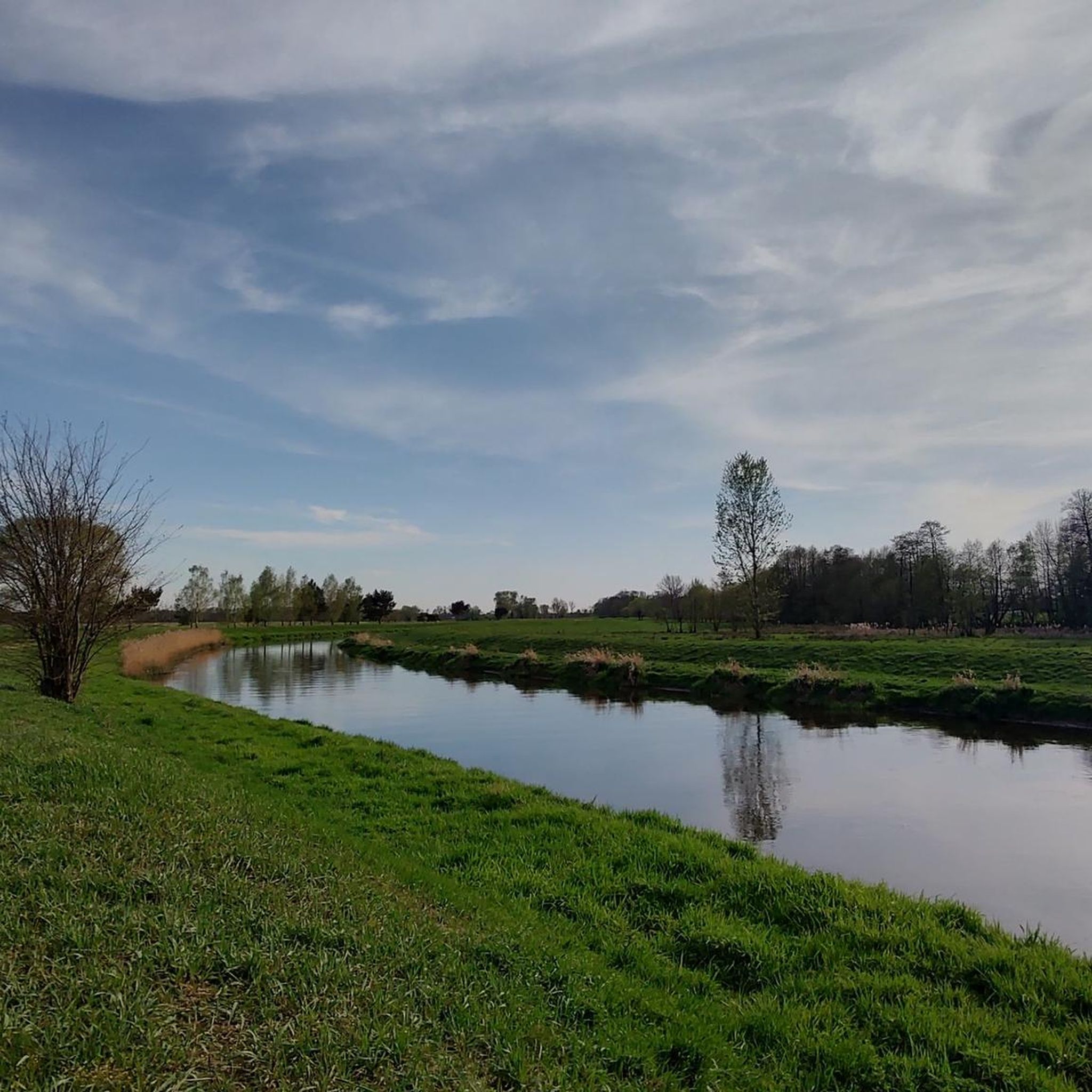
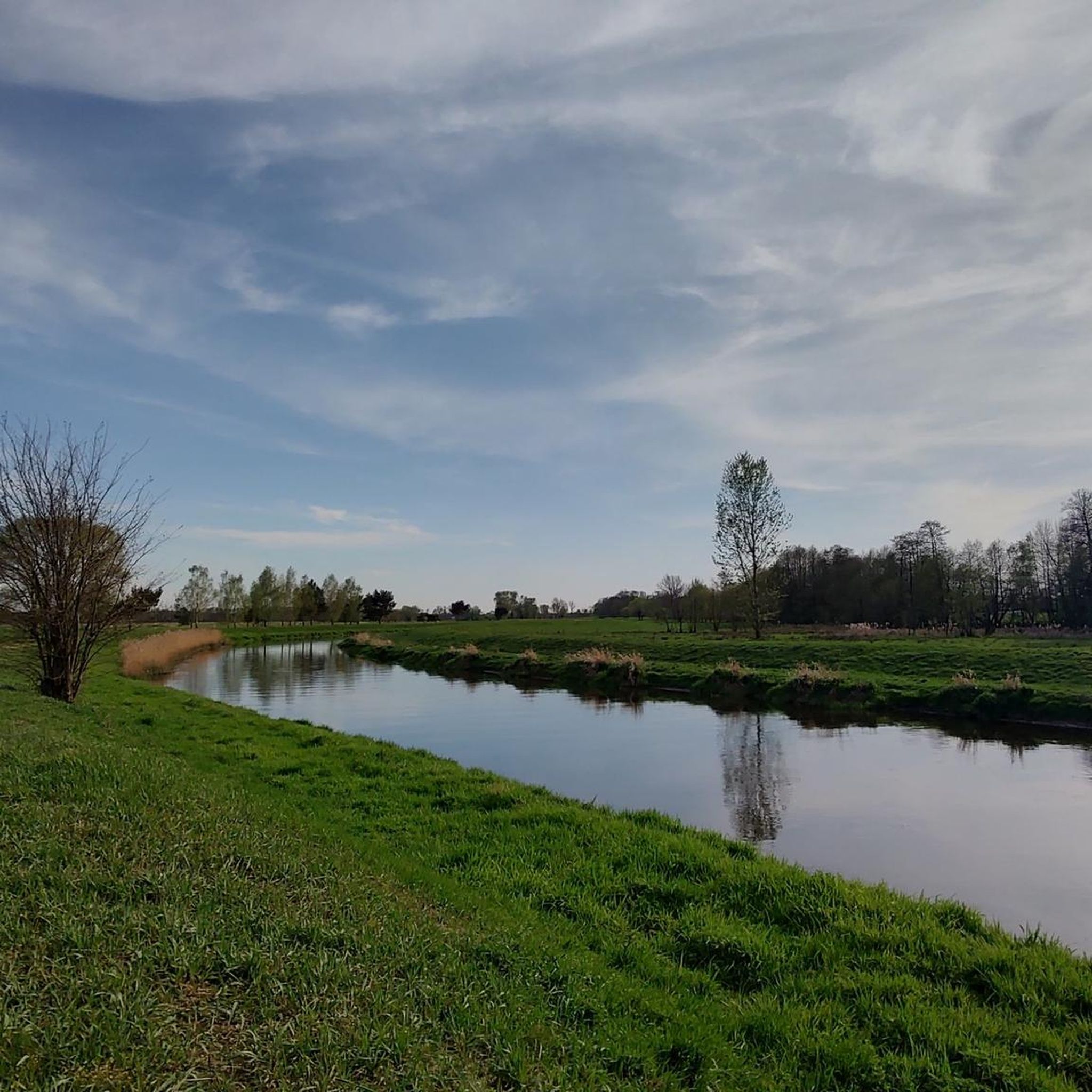
Best attractions and places to see around gmina Łęczyca include a blend of historical sites and natural landscapes. Situated in central Poland, the region features ancient landmarks and cultural sites. The area is characterized by its location in the bend of the Bzura river, surrounded by marshy meadows. Visitors can explore a variety of historical and natural points of interest.
Best attractions and places to see around gmina Łęczyca
- The most popular attractions is Łęczycka Peasant Farm Open-Air Museum,…
Last updated: August 11, 2026
Łęczycka Peasant Farm Open-Air Museum
Highlight • Historical Site
Translated by Google •
Tip by

The castle in Tuma
Highlight • Historical Site
Translated by Google •
Tip by
Sign up now to discover places like this
Get recommendations on the best single tracks, peaks, & plenty of other exciting outdoor places.
Sign up for free
Historic White Mill in Parzęczew
Highlight • Monument
Translated by Google •
Tip by

Leśmierz Sugar Factory
Highlight • Monument
Translated by Google •
Tip by
Collegiate Church in Tum
Highlight • Religious Site
Translated by Google •
Tip by

Sign up for free to discover even more attractions around gmina Łęczyca.
Sign up for free
Already have an account?
Start today with a free account
Your next adventure awaits.
Login or Signup

Tips from the Community

When you are in the vicinity of Łęczyca, this one place is worth visiting. There is an atmosphere of antiquity and communion with history here. It features, among others, a beautiful Romanesque portal and polychromes, as well as monuments of sacred art from later centuries, mainly Gothic.
0
0
From the outside, the fortifications look interesting, inside there is nothing that justifies the ticket price, unless someone wants a photo in the stocks. Currently (August 2026) part of the wooden footbridge leading here is closed (renovation) and you have to take a detour through the fields. In general, when you are at the collegiate church, I recommend walking or driving up to the stronghold, but skip visiting the interior and the open-air museum.
0
0
I would say it's not particularly worth paying the ticket price to see what's here, but if someone is a fan of such places, it's possible. A long walk to the fortified settlement via a footbridge over the swamp can be a challenge for someone less fit.
0
0

The Collegiate Church in Tum is a monumental Romanesque church from the 12th century, one of the most valuable monuments in the region; its austere structure, rich history, and picturesque location attract lovers of architecture and ancient history.
0
0
The historic White Mill in Parzęczewo is an interesting example of industrial architecture from 1920, which after revitalization has gained new life as a training and conference center and an interesting point on the region's tourist map.
0
0

The open-air museum was established in 2011-2013, although the idea of its creation appeared at the end of 2009. From the very beginning, its concept was closely linked to the Tum – the pearl of the Romanesque trail project. It consists of several basic parts: architectural buildings (a residential house – the so-called clay cottage, a livestock building with a peat shed, a barn, an earth cellar, a well with a crane, a manure pit and a fence), small architectural elements (a chapel), buildings presenting rural industry and crafts (a trestle-type windmill, an oil mill, a forge) and accompanying buildings (an administrative and exhibition building, a pottery and bread oven). The Łęczycka Zagroda Chłopska open-air museum is one of the three elements of the Tum – the pearl of the Romanesque trail project. The farmstead is a clay residential house with two rooms: a kitchen and a room, and a passage hall. The threshold of a peasant's cottage transports you to the times of the Second Polish Republic, and the yard is filled with the delicate smell of linseed oil, which has just been pressed in the oil mill operating in the open-air museum, the only one in the area. Next to it, in the forge, coke glows, and the blacksmith has everything he needs to be happy. A two-hundred-year-old windmill towers over the farmstead, the construction and operating principle of which can be learned by visiting its interior. via centralluk.pl/leczycka-zagroda-chlopska-grodzisko-w-tumie
0
0
Located on a small elevation among marshy meadows in the Bzura River valley, the hillfort in Tum is the oldest element of medieval Łęczyca. It is a remnant of an early medieval stronghold, a defensive site and a local administrative centre during the Piast dynasty. Hillforts are characteristic strongholds of the early Middle Ages, prototypes of castles, in which instead of brick or stone walls, wooden and earth fortifications were built. Special structures were used for this purpose, in the form of earth mounds on a wooden frame, the so-called gridiron, as well as boxes filled with earth. Inside there were residential and farm buildings, wells, and sometimes the square was intentionally left empty, as in the case of Tum, which also had its significance.
1
0
The Leśmierz sugar factory was one of the first in the Kingdom of Poland. Despite the changing vicissitudes of fate, it operated for 170 years. Its presence had a huge impact on Leśmierz, previously a small farm. In just a few decades, the agricultural estate was transformed into a factory estate with a typically urban character. The idea of establishing a sugar factory was probably born in Wilhelm Werner's head in the 1830s. Busy running a dyeworks in Zgierz and Ozorków, Wilhelm sent his younger brother Bogusław to France and financed his studies in the field of sugar production. Knowledge of sugar production techniques was highly valued at the time. In 1838, Bogusław came into possession of the agricultural estate of Leśmierz and in the same year, with the help of his brother and a technician brought from Aachen, Ludwik Teison, he began building a sugar factory.
0
0
Frequently Asked Questions
What historical landmarks can I explore in gmina Łęczyca?
Gmina Łęczyca is rich in history. You can visit the impressive Royal Castle in Leczyca, a defensive structure built by King Casimir the Great. Another significant site is The castle in Tuma, which is a remnant of an early medieval stronghold. Don't miss the 12th-century Romanesque Collegiate Church of St. Mary and St. Alexius in Tum, recognized as a monument of history. Other notable historical sites include the Town Hall, the Church of St. Andrew the Apostle, and the former Dominican Monastery, which served as a prison for centuries.
Are there any open-air museums or cultural sites in the area?
Yes, the Łęczycka Peasant Farm Open-Air Museum in Kwiatkówku (Skansen) offers a glimpse into rural life. Established between 2011 and 2013, it features traditional architectural buildings like a clay hut, stable, barn, and a two-hundred-year-old windmill. You can also explore structures showcasing rural industries and crafts such as an oil mill and a forge. The Museum in Łęczyca houses a unique collection of sculptures of the devil Boruta, the only one of its kind in Poland.
What natural features can I enjoy around gmina Łęczyca?
Gmina Łęczyca is picturesquely situated in the bend of the Bzura river, surrounded by marshy and waterlogged areas with reeds and rushes, offering a unique natural environment. The City Park (Park Miejski) provides a green space for relaxation. For a unique experience, you can visit the Salt Cave (Grota Solna) on Górnicza Street, which offers health-promoting services.
What kind of outdoor activities can I do near these attractions?
The region offers various outdoor activities. You can find numerous routes for jogging, road cycling, and touring cycling. For example, there are several running loops around Ozorków and Błonie, and road cycling routes like the 'Quiet Forest Road' loop. Explore more options on the Running Trails around gmina Łęczyca, Road Cycling Routes around gmina Łęczyca, and Cycling around gmina Łęczyca guide pages.
Are there family-friendly attractions in gmina Łęczyca?
Absolutely! The Łęczycka Peasant Farm Open-Air Museum is a great family-friendly option, offering an interactive historical experience. The Royal Castle in Leczyca also welcomes families, often hosting museum exhibits. Additionally, the Besiekiery Castle Ruins provide an interesting historical site for exploration, and entry is free.
What is the best time to visit gmina Łęczyca attractions?
While specific seasonal details for all attractions are not provided, the region's natural beauty, especially around the Bzura river, is best enjoyed during spring and summer when the weather is mild and the landscape is lush. Historical sites like castles and museums are generally accessible year-round, but it's always a good idea to check their specific opening hours before your visit.
Are there any unique industrial heritage sites to see?
Yes, you can visit the Historic White Mill in Parzęczew, an interesting example of early modern industrial architecture from 1920. Another significant site is the Cukrownia Leśmierz (Leśmierz Sugar Factory), one of the first sugar factories in the Kingdom of Poland, established in 1838, which transformed the agricultural estate into an urban-like factory settlement.
What are some lesser-known historical gems in the area?
Beyond the main castles, consider visiting the Św. Bartłomiej Parish Church in Topola Królewska, a valuable wooden church built in 1711. The Mariavite Church Complex in Nowa Sobótka, an early 20th-century site, also offers a unique cultural insight. The ruins of the Manor House in Smolice, dating from the turn of the 19th and 20th centuries, are another intriguing spot with literary connections.
Is public transport available to major attractions like the Royal Castle or Tum?
Public transport options within Łęczyca city and to nearby villages like Tum are available, though specific routes and schedules can vary. It is advisable to check local bus schedules for connections to key historical sites such as the Royal Castle in Leczyca and the Collegiate Church in Tum. Parking is generally available at most major attractions for those traveling by car.
What do visitors enjoy most about gmina Łęczyca?
Visitors appreciate the blend of rich history and natural beauty. The historical sites, such as the castles and the open-air museum, offer deep dives into the region's past. Many enjoy the unique setting of the Bzura river valley and the opportunity to explore the medieval urban layout of Łęczyca's Old Town. The community has shared 16 photos and given 29 upvotes to the attractions, highlighting their appeal.
Are there any religious sites of significance in gmina Łęczyca?
Yes, the Collegiate Church of St. Mary and St. Alexius in Tum is a significant 12th-century Romanesque monument. Additionally, the Sanktuarium Urodzin i Chrztu Św. Faustyny Kowalskiej (Sanctuary of the Birth and Baptism of St. Faustina Kowalska) holds religious importance. The Cistercian Church and Monastery, built between 1636 and 1643, is another notable religious complex.

Get inspired with the komoot mobile app


Explore more
Still not found the Highlight you’re looking for? See guides of the top attractions in other regions:
