The best road cycling routes around Piotrków Trybunalski
4.8
(13)
309
riders
31
rides
Road cycling around Piotrków Trybunalski offers diverse terrain across the Piotrków Plains and the Łódź Uplands. The region features generally flat to gently rolling plains, interspersed with some higher elevations. Rivers such as the Wolbórka and Luciąża, along with reservoirs like Bugaj and Cieszanowice, contribute to the varied landscape. This area provides a mix of open roads and scenic waterways for road cyclists.
Best road cycling routes around Piotrków Trybunalski
- The most popular road cycling route is Willa Wanda – Royal Castle loop from Piotrków Trybunalski, a 23.9 miles (38.4 km) trail that takes 1 hour 38 minutes to complete. This easy route features a total elevation gain of 542 feet (165 meters).
- Another top favourite among local road cyclists is Royal Castle – View of Wind Turbines loop from Piotrków Trybunalski, an easy 25.3 miles (40.7 km) path. This route offers views of wind turbines and a total elevation gain of 428 feet (130 meters).
- Local road cyclists also love the View of Wind Turbines – Chapel of St. Roch in Wolbórz loop from Piotrków Trybunalski, a 50.8 miles (81.7 km) trail leading through varied terrain with a total elevation gain of 834 feet (254 meters), often completed in about 3 hours 34 minutes.
- Road cycling around Piotrków Trybunalski is defined by open plains, gentle uplands, and scenic reservoirs. The network offers options for different ability levels, from easy loops to more moderate challenges.
- The routes in Piotrków Trybunalski are highly rated by the komoot community with an average score of 4.75 stars from over 11 reviews. More than 325 road cyclists have used komoot to explore Piotrków Trybunalski's varied terrain.
Last updated: May 23, 2026
5.0
(1)
40
riders
Moderate road ride. Great for any fitness level. Some segments of this route may be unpaved and difficult to ride.
5.0
(2)
38
riders
38.7km
01:39
160m
160m
Easy road ride. Great for any fitness level. Mostly well-paved surfaces and easy to ride.

Sign up for free
17
riders
Moderate road ride. Good fitness required. Mostly well-paved surfaces and easy to ride.
4.0
(2)
16
riders
Moderate road ride. Good fitness required. Mostly well-paved surfaces and easy to ride.
13
riders
Moderate road ride. Good fitness required. Mostly well-paved surfaces and easy to ride.
Get access to more routes and recommendations from other explorers.
Sign up for free
Already have an account?
Our route recommendations are based on thousands of hikes, rides, and runs completed by other people on komoot.
Start today with a free account
Your next adventure awaits.
Login or Signup
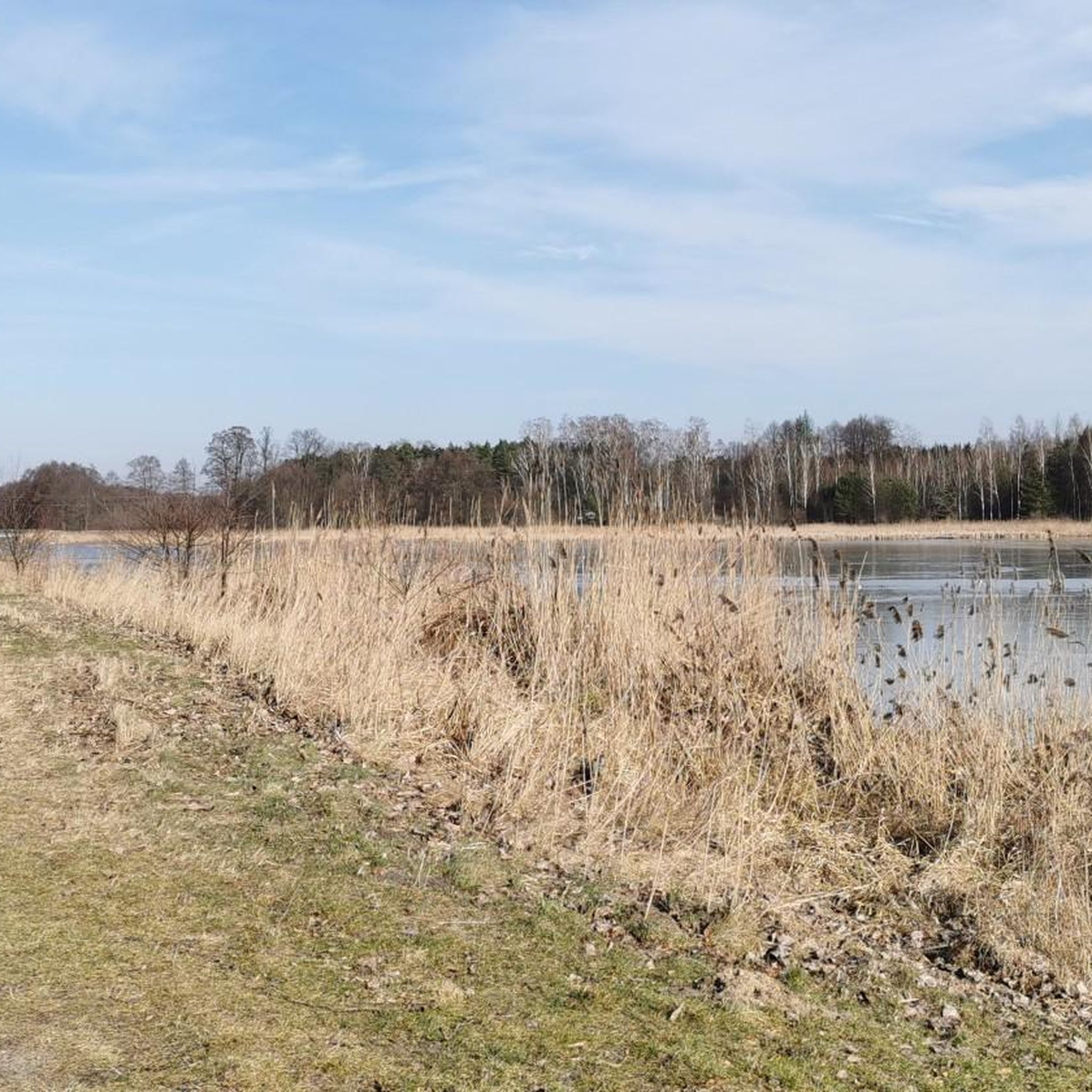
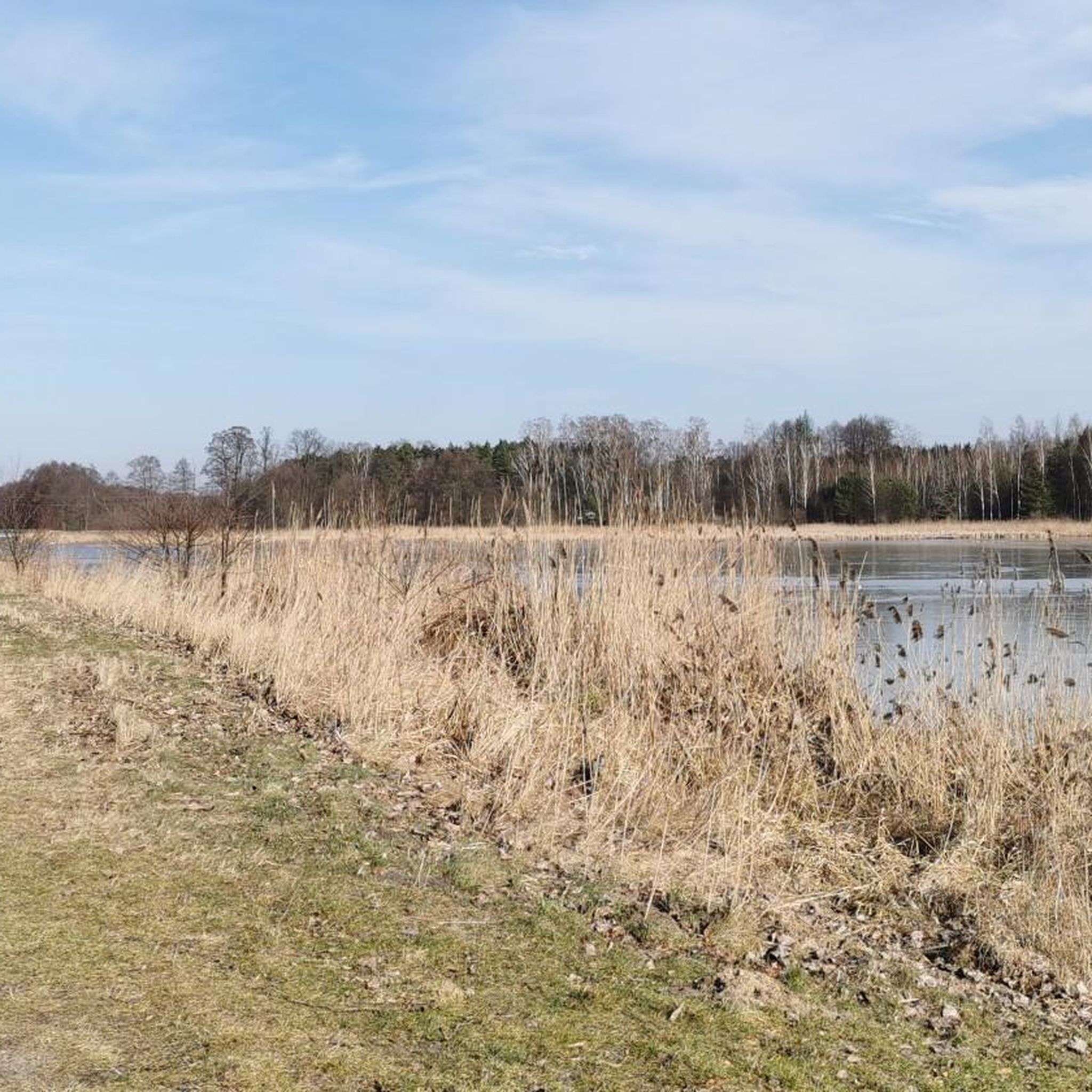
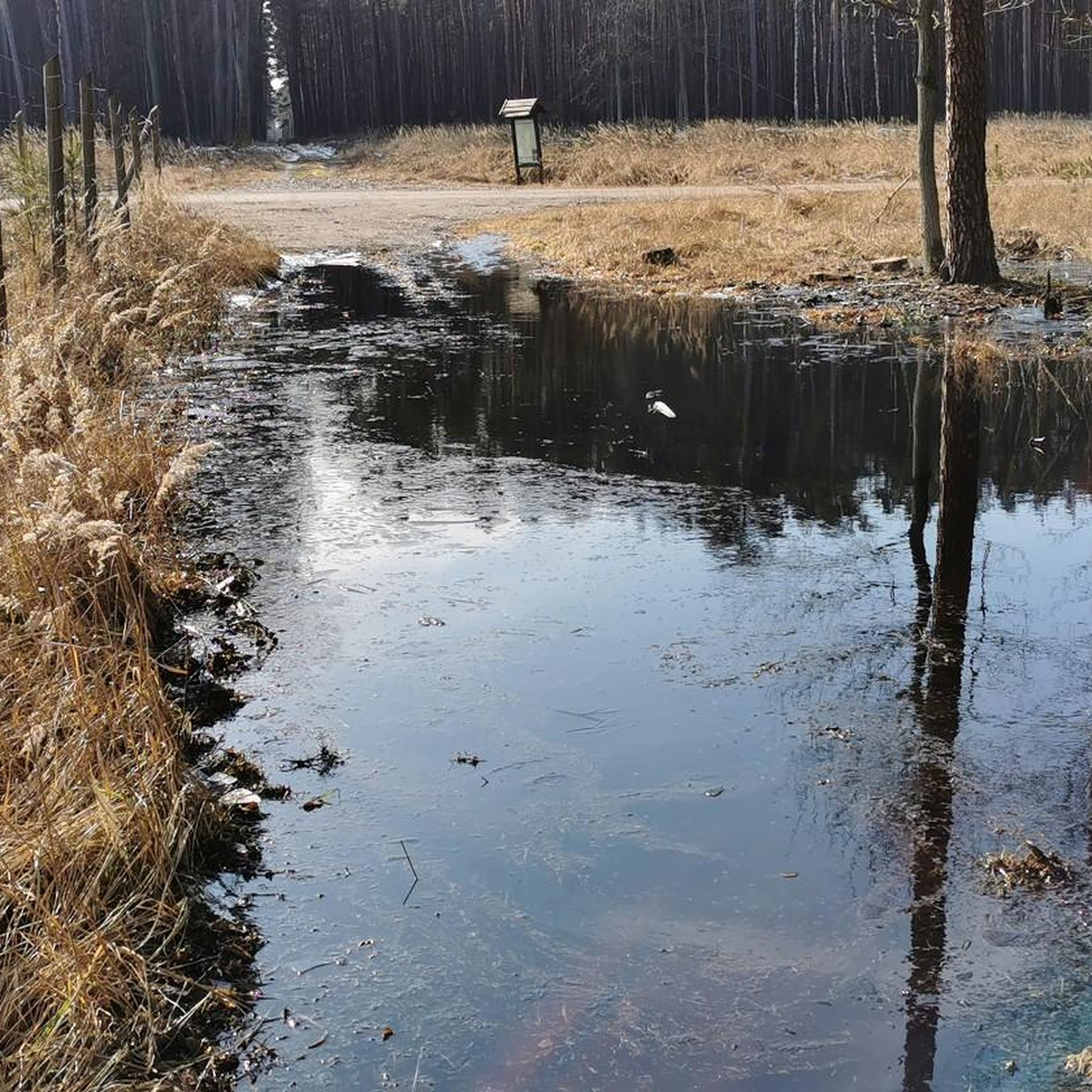
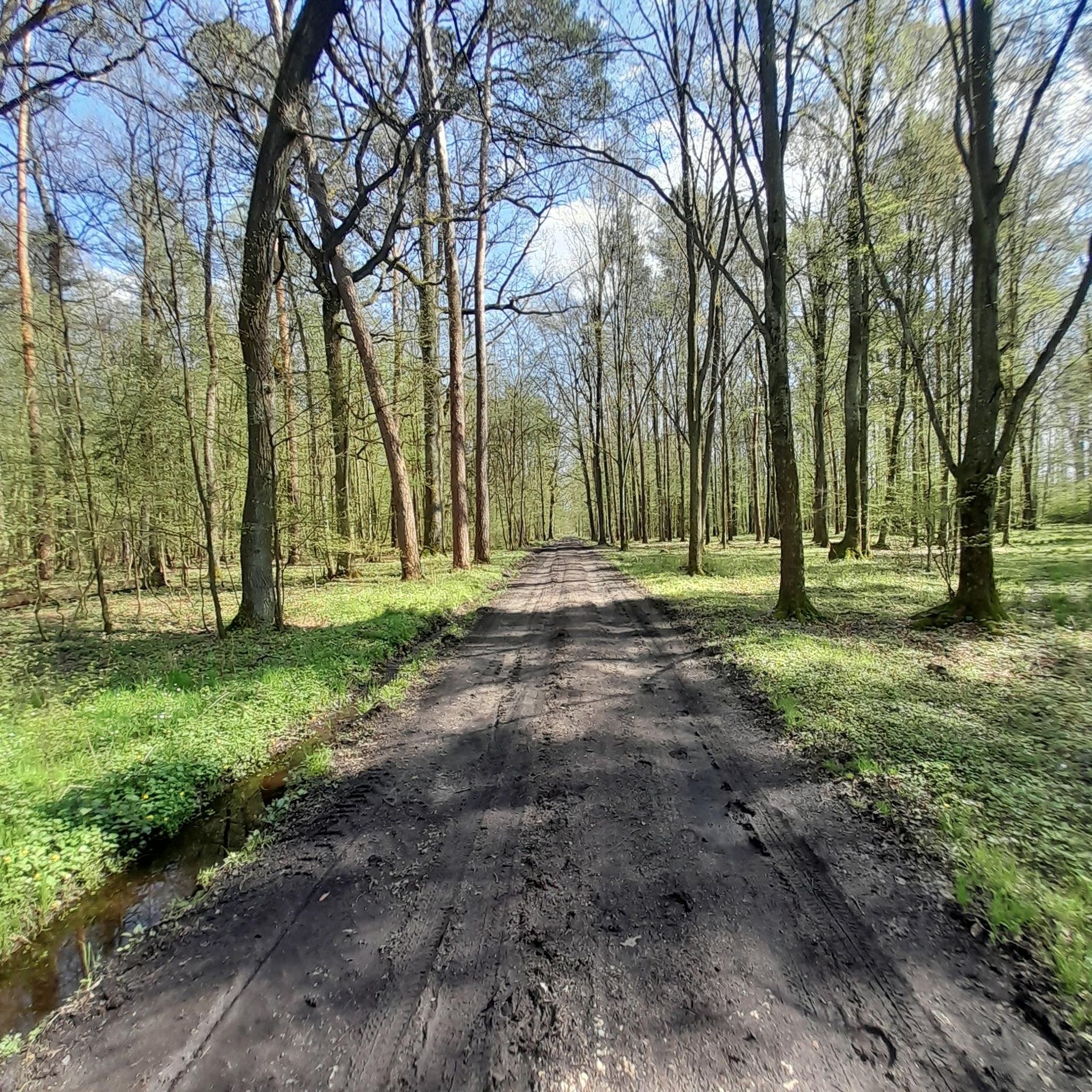

Tips from the Community

The water tower was completed in 1926 according to the design by Władysław Horodecki. The construction was financed by a loan taken from the New York company „Ulen & Co.”, as part of an agreement concerning the financing of investments in four Polish cities (Częstochowa, Lublin, Radom, and Sosnowiec) aimed at modernizing infrastructure and improving sanitary and health standards. The tower was intended to be part of the water and sewage system of Piotrków Trybunalski, which is why it was located in the very center of the city on Słowackiego street, right next to the railway station. In the mid-1990s, a radio transmitter was placed on it. Until May 20, 2013, the Polsat television company had a transmitter on the tower. In mid-2008, the exterior of the Water Tower was renovated as part of the Trail of Many Cultures project.
0
0

From the described history we will learn that it is not so much a roadside chapel. And at one time, it was a branch church. And what is that? Everyone can google it :D And there is no need for idiotic pasting of entire articles from Wiki :D
0
0

Neo-Gothic, brick chapel, built in 1886–1887 on the site of an older wooden church. The parish priest at the time was Fr. Alojzy Gerlach, who obtained permission from the authorities to rebuild it – when he died in 1893, he was buried in St. Anne's Church. The main initiator and benefactor of the construction of the new brick church of St. Anne was Filip Łaski. In 1906, a new zinc roof was put on the chapel, and the interior was painted. In 1948, a resolution was passed recognizing the "Chapel of St. Anne in Wolbórz" as a historic monument. The Social Committee for the Construction of Alleys at the parish cemetery in Wolbórz collects money for the renovation of the chapel, its sound system and the revitalization of the alleys. In recent years, it has led to the renovation of part of the collapsed cemetery wall. The oldest tombstones in the cemetery date from the 19th century.
0
0
St. Roch Chapel in Wolbórz - Roman Catholic chapel in Wolbórz in Piotrków County, Łódź Province, at Warszawska Street on the road to the bridge over the Wolbórka River. It was built on the site of a former wooden chapel in 1915, on the initiative of parish priest Ignacy Pertkiewicz. The chapel underwent a general renovation in 1982.
0
0
Andrzej Frycz Modrzewski, real name Andrzej Piotr Modrzewski of the Jastrzębiec coat of arms (born September 20, 1503 in Wolbórz, died 1572 there) – Polish political writer of the Renaissance, royal secretary.
0
0
It is an originally Gothic church (15th century), expanded in the 16th century, rebuilt in 1766 by Franciszek Placidi. The wooden altars contain paintings by Franciszek Smuglewicz. In 1544, Bishop Piotr Gamrat raised the church to the dignity of a collegiate church, at the same time erecting a collegiate chapter at it, approved by Pope Paul III in 1546. In 1819, the collegiate church was abolished by decision of the tsarist authorities. On July 6, 2008, the Wolbork church regained the dignity of a collegiate church by decree of the archbishop, the metropolitan of Łódź, Władysław Ziółek. In 2015, on the occasion of the 950th anniversary of the city, the installation of the city bugle call was launched on the tower.
1
0
Built in the years 1512–1519 on the low bank of the Strawa by Master Benedict of Sandomierz on the orders of Sigismund I the Old. It is a residential tower in the Gothic-Renaissance style built of brick and sandstone. It has four storeys and is covered with a hipped roof.
0
0
Frequently Asked Questions
How many road cycling routes are available around Piotrków Trybunalski?
There are over 30 road cycling routes around Piotrków Trybunalski. These include 14 easy routes and 20 moderate routes, offering options for various skill levels.
What is the best time of year for road cycling in Piotrków Trybunalski?
The best time to visit Piotrków Trybunalski for road cycling is generally from late spring to early autumn, specifically from May to September. During these months, the weather is most favorable for exploring the region's natural beauty and historical sites.
Are there any easy road cycling routes suitable for beginners or families?
Yes, Piotrków Trybunalski offers several easy routes. An excellent option is the Willa Wanda – Royal Castle loop from Piotrków Trybunalski, which is 38.4 km long with gentle climbs. Another easy path is the Royal Castle – View of Wind Turbines loop from Piotrków Trybunalski, offering scenic views over 40.7 km.
What kind of terrain can I expect on road cycling routes in this region?
The region around Piotrków Trybunalski features diverse terrain, primarily characterized by generally flat to gently rolling plains across the Piotrków Plains and the Łódź Uplands. You can expect mostly well-paved surfaces on local roads with low traffic, making for smooth and peaceful rides.
Are there any long-distance road cycling routes for more experienced cyclists?
For those seeking a longer ride, the Las Palmas Boardwalk – Wooden Gazebo by the Pond loop from Piotrków Trybunalski is a moderate 90 km route with a total elevation gain of 348 meters. Another good option is the View of Wind Turbines – Chapel of St. Roch in Wolbórz loop from Piotrków Trybunalski, which is 81.7 km long and leads through varied terrain.
What natural features or scenic viewpoints can I see along the routes?
Many routes offer picturesque waterside scenery, passing by or near bodies of water such as Bugaj Lake and the Pilica River. The Sulejowski Reservoir, the largest in Piotrków County, is also accessible. You'll also find routes traversing areas of greenery and forests, enhancing the cycling experience with pleasant surroundings.
What historical landmarks or attractions can I explore while cycling?
The region is rich in history. Cyclists can visit the Cistercian Abbey Complex in Sulejów, one of Poland's best-preserved Romanesque architecture monuments (Cistercian Abbey Complex in Sulejów). The city of Piotrków Trybunalski itself boasts a charming old town with well-preserved architecture, including the Royal Castle. You might also pass by the District Court in Piotrków Trybunalski or the Church of the Assumption of the Blessed Virgin Mary in Milejów.
Are there any routes that pass by lakes or reservoirs?
Yes, several routes incorporate views of the region's water bodies. For instance, the area around Piotrków Trybunalski often features views of Jezioro Bugaj and passages along the Pilica River. The Sulejów Reservoir is another significant water body accessible via paths, offering recreational opportunities.
What do other road cyclists say about the routes in Piotrków Trybunalski?
The road cycling routes in Piotrków Trybunalski are highly rated by the komoot community, with an average score of 4.75 stars from over 11 reviews. Cyclists often praise the well-paved surfaces, low-traffic roads, and the blend of natural beauty with historical points of interest.
Are there any moderate routes for cyclists looking for a bit more challenge?
Yes, there are 20 moderate routes available. The Neobaroque Manor House – Kopalnia Pawłów Lake loop from Piotrków Trybunalski is a moderate 57.3 km route with 202 meters of elevation gain, offering a good balance of distance and challenge.
Most popular routes around Piotrków Trybunalski
Most popular attractions around Piotrków Trybunalski

Get inspired with the komoot mobile app


Explore more
Browse the best Road cycling routes in other regions.
