Attractions and Places To See around Żytno - Top 6
Attractions and places to see around Żytno, a village in Radomsko County, Łódź Voivodeship, Poland, offer a mix of historical landmarks, cultural sites, and natural features. Once a private town with city rights from 1441 to 1760, Żytno and its surrounding area bear the marks of a rich past. The region is characterized by hills and forests, with Chełmo Mountain providing a notable natural elevation with historical significance.
Best attractions and places to see around Żytno
- The most popular attractions…
Last updated: July 29, 2026
Potocki Palace in Koniecpol
Highlight • Castle
The palace and park complex was built on …
Translated by Google •
Tip by

Basilica of the Assumption of the Blessed Virgin Mary in Gidle
Highlight • Religious Site
Translated by Google •
Tip by

Sign up now to discover places like this
Get recommendations on the best single tracks, peaks, & plenty of other exciting outdoor places.
Sign up for free
Church of Our Lady of Sorrows in Gidle
Highlight • Religious Site
Translated by Google •
Tip by
Church in Koniecpol.
Highlight • Religious Site
Translated by Google •
Tip by

Resting place by the river
Highlight • Rest Area
Translated by Google •
Tip by

Sign up for free to discover even more attractions around Żytno.
Sign up for free
Already have an account?
Start today with a free account
Your next adventure awaits.
Login or Signup
Popular around Żytno
Tips from the Community

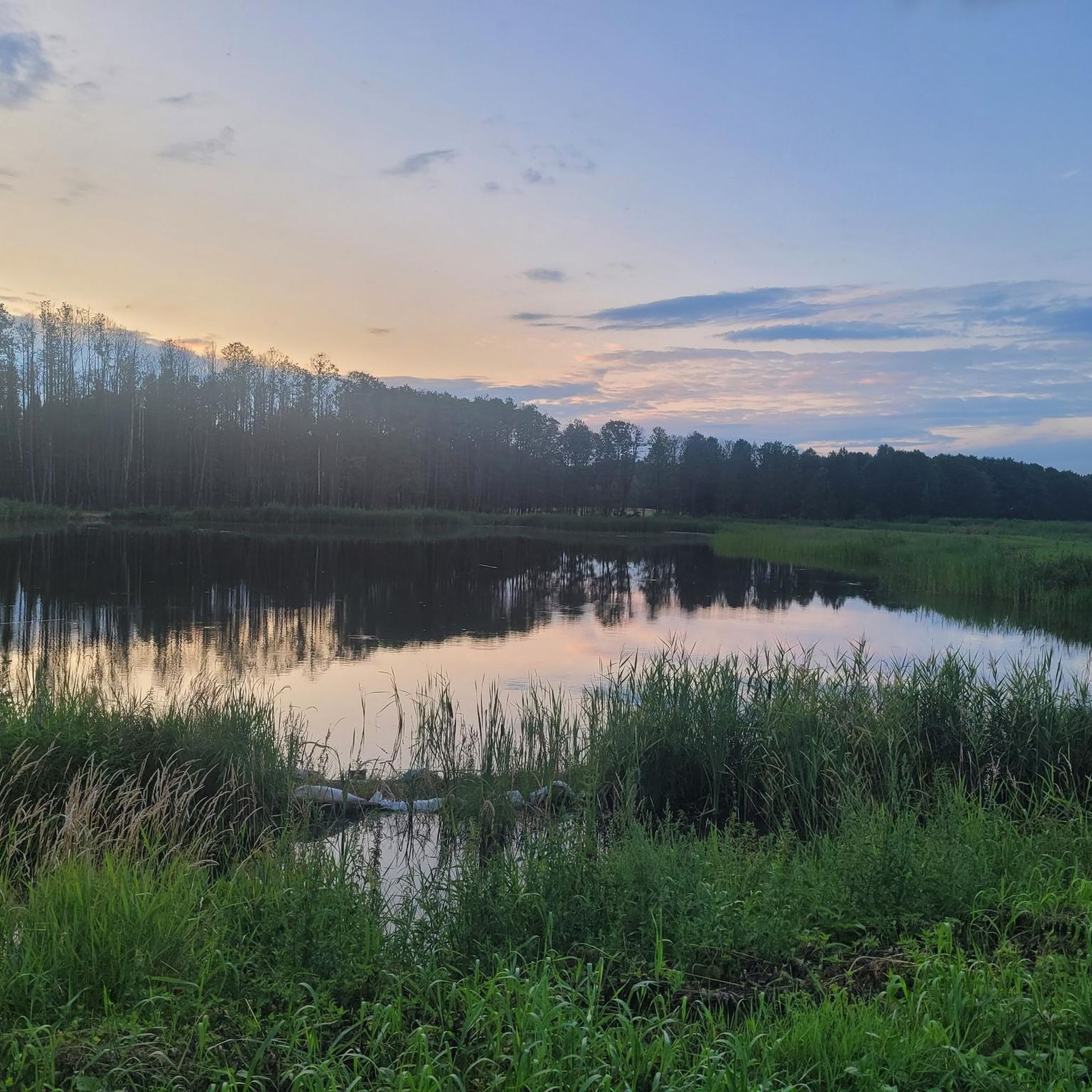
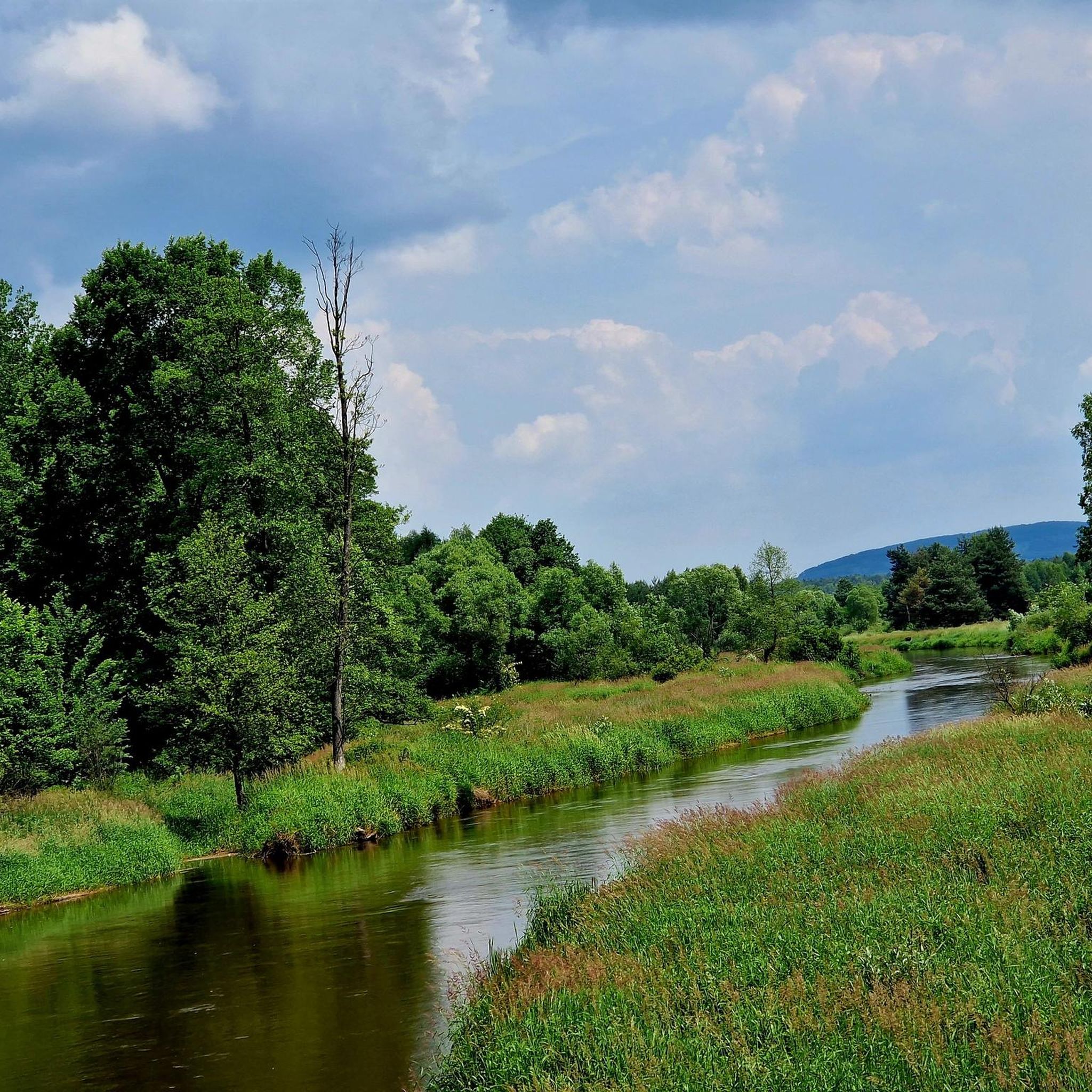
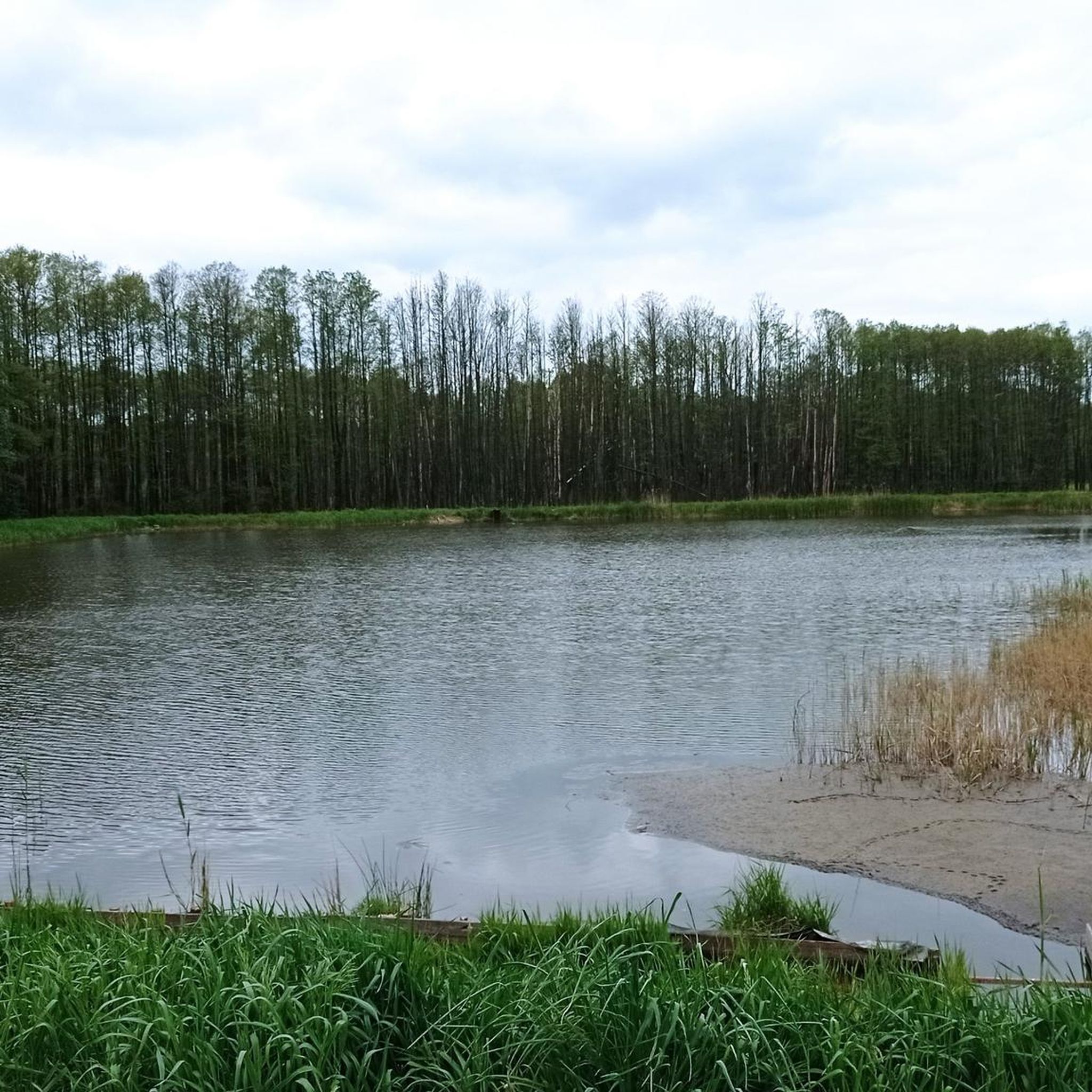
Benches, shelters, a fire pit, easy access to shallow water, and a wooden ToiToi are a great place to stop, right by a side road.
0
0

Designed in the 17th century by the Italian architect Maciej Trapoli. Funded by Hetman Koniecpolski and consecrated in his presence in 1644. The church is surrounded by a wall with towers. Next to it is a square (market square).
1
0
The area is privately owned, the gate is closed. You can admire it from a distance.
1
0

Currently, the palace is deprived of care and is slowly decaying. You can quickly look at it from the outside and that's it.
1
0

Dominican monastery church. Assumption of the Blessed Virgin Mary in Gidle, built in the years 1640-1655, early baroque. Richly decorated interior, 18th century furnishings, incl. sculpture of the Virgin Mary from the 16th century, crowned in 1923 - the Marian sanctuary of Our Lady of Gidle. It has had the dignity of a minor basilica since 1998.
1
0
Baroque church from the 18th century. You can get water from a public tap at the church. Website with information about the church: https://pl.wikipedia.org/wiki/Ko%C5%9Bci%C3%B3%C5%82_Naj%C5%9Bwi%C4%99tsza_Maryi_Panny_Bolesnej_w_Gidlach
0
0

Originally there was a wooden manor house on the site of the current palace, which was the seat of the Koniecpolski family. The palace and park complex was built on the initiative of Aleksander Koniecpolski, the Voivode of Sieradz. In 1603 he began to build the Renaissance palace, which after his death in 1610 was completed by his son Hetman Stanisław Koniecpolski in the first half of the 19th century. Source: Wikipedia from Polish google translation
1
0
Frequently Asked Questions
What historical landmarks can I explore near Żytno?
The region around Żytno is rich in history. You can visit the impressive Potocki Palace in Koniecpol, a 17th-century Renaissance palace, though it's best admired from a distance as it's privately owned. Another significant site is the Chełmo Mountain, which features remains of a 9th-century stronghold. The Historic Parish Cemetery in Żytno, entered into the register of monuments, also offers a glimpse into the past.
Are there any significant religious sites in the Żytno area?
Yes, the area is home to several notable religious buildings. The most prominent is the Basilica of the Assumption of the Blessed Virgin Mary in Gidle, an early Baroque Dominican monastery church housing a 16th-century sculpture of the Virgin Mary. You can also visit the Church of Our Lady of Sorrows in Gidle, a Baroque church from the 18th century, and the 17th-century Church in Koniecpol, designed by Italian architect Maciej Trapoli.
Can I visit the Potocki Palace in Koniecpol?
The Potocki Palace in Koniecpol is currently privately owned and reported to be in a state of decay. While the gate is closed, you can still admire its historical architecture from a distance.
What natural attractions are there around Żytno?
The region around Żytno is characterized by hills and extensive forests. A key natural feature is Chełmo Mountain, which is not only historically significant but also offers natural elevation. The area is part of the Wisla river catchment, and the Zbiornik Cieszanowice lake is located approximately 32.3 km to the north, providing a larger water body nearby.
Are there hiking opportunities near Żytno?
Yes, the forested and hilly terrain around Żytno offers opportunities for hiking. Chełmo Mountain is a notable spot for a walk with historical context. For more structured routes, you can explore various running trails, which are also suitable for hiking. Find detailed routes in the Running Trails around Żytno guide.
Can I go cycling around Żytno?
Absolutely! Żytno and its surroundings are well-suited for cycling. There are numerous routes available for different types of bikes. You can find easy cycling loops like the "Beach on the Pilica in Studzinek – Czarna Włoszczowska River loop" or explore road cycling routes such as the "Manor in Żytno – Mękwa Stream loop." Discover more options in the Cycling around Żytno guide and the Road Cycling Routes around Żytno guide.
Are there family-friendly attractions in the Żytno area?
Many of the historical and religious sites, such as the Basilica of the Assumption of the Blessed Virgin Mary in Gidle and the Church in Koniecpol, are considered family-friendly and offer cultural enrichment. Exploring the natural areas and easier cycling routes can also be enjoyable for families.
What is the best time to visit Żytno for outdoor activities?
The best time to visit Żytno for outdoor activities like hiking and cycling is generally during the warmer months, from spring to early autumn, when the weather is pleasant and the natural landscapes are at their most inviting. Autumn can also offer beautiful scenery with changing foliage.
Is the Neoclassical Manor House (Dwór) in Żytno open to the public?
The Neoclassical Manor House (Dwór) in Żytno, built in 1819, underwent extensive renovation starting around 2015 with plans for conversion into a hotel and restaurant. It's advisable to check locally for its current status and public accessibility, as it may not yet be fully open for general visits.
Where can I find parking when visiting attractions like the Gidle Basilica?
While specific parking details for every attraction are not provided, major sites like the Basilica of the Assumption of the Blessed Virgin Mary in Gidle typically have designated parking areas nearby for visitors. It's recommended to look for local signage upon arrival.
What kind of terrain can I expect on Chełmo Mountain?
Chełmo Mountain is a natural elevation with historical significance, featuring the remains of a 9th-century stronghold. The terrain involves hills and is forested, suggesting paths that may be natural and uneven, suitable for intermediate hikers.
Most popular routes around Żytno

Get inspired with the komoot mobile app


Explore more
Still not found the Highlight you’re looking for? See guides of the top attractions in other regions:
