Attractions and Places To See around gmina gmina Biała Rawska - Top 20
Best attractions and places to see around gmina gmina Biała Rawska, located in central Poland's Łódź Voivodeship, offers a diverse range of natural features and historical landmarks. The region provides opportunities for outdoor activities, exploration of historical sites, and visits to significant architectural and religious locations. Visitors can discover picturesque water reservoirs, historical ruins, and cultural heritage monuments.
Best attractions and places to see around gmina gmina Biała Rawska
- The most popular attractions is St. Anne's Ponds and Chapel,…
Last updated: October 5, 2026
St. Anne's Ponds and Chapel
Highlight • Lake
Translated by Google •
Tip by

Mazovian Dukes' Castle Ruins (Rawa Mazowiecka)
Highlight • Castle
Translated by Google •
Tip by

Sign up now to discover places like this
Get recommendations on the best single tracks, peaks, & plenty of other exciting outdoor places.
Rawka River Nature Reserve
Highlight • River
Translated by Google •
Tip by

Entrance Gate – Dom Łowczego Gnoyna
Highlight • Monument
Description of the host, Mr. Jacek:
"Gnoyna Park is about an hour by car from Warsaw, and the area resembles the landscape of Masuria or Roztocze. I came here …
Translated by Google •
Tip by
Annosław Station – Rogów–Rawa–Biała Narrow-Gauge Railway
Highlight • Historical Site
Translated by Google •
Tip by

Sign up for free to discover even more attractions around gmina gmina Biała Rawska.
Already have an account?
Start today with a free account
Your next adventure awaits.

Tips from the Community

Actually, there are two chapels, both rebuilt. The originals were stolen, and one even burned down; their tangled history is described on a plaque nearby.
0
0

An old roadside chapel with a cool history
0
0

Well-preserved ruins of the castle and defensive walls.
0
0

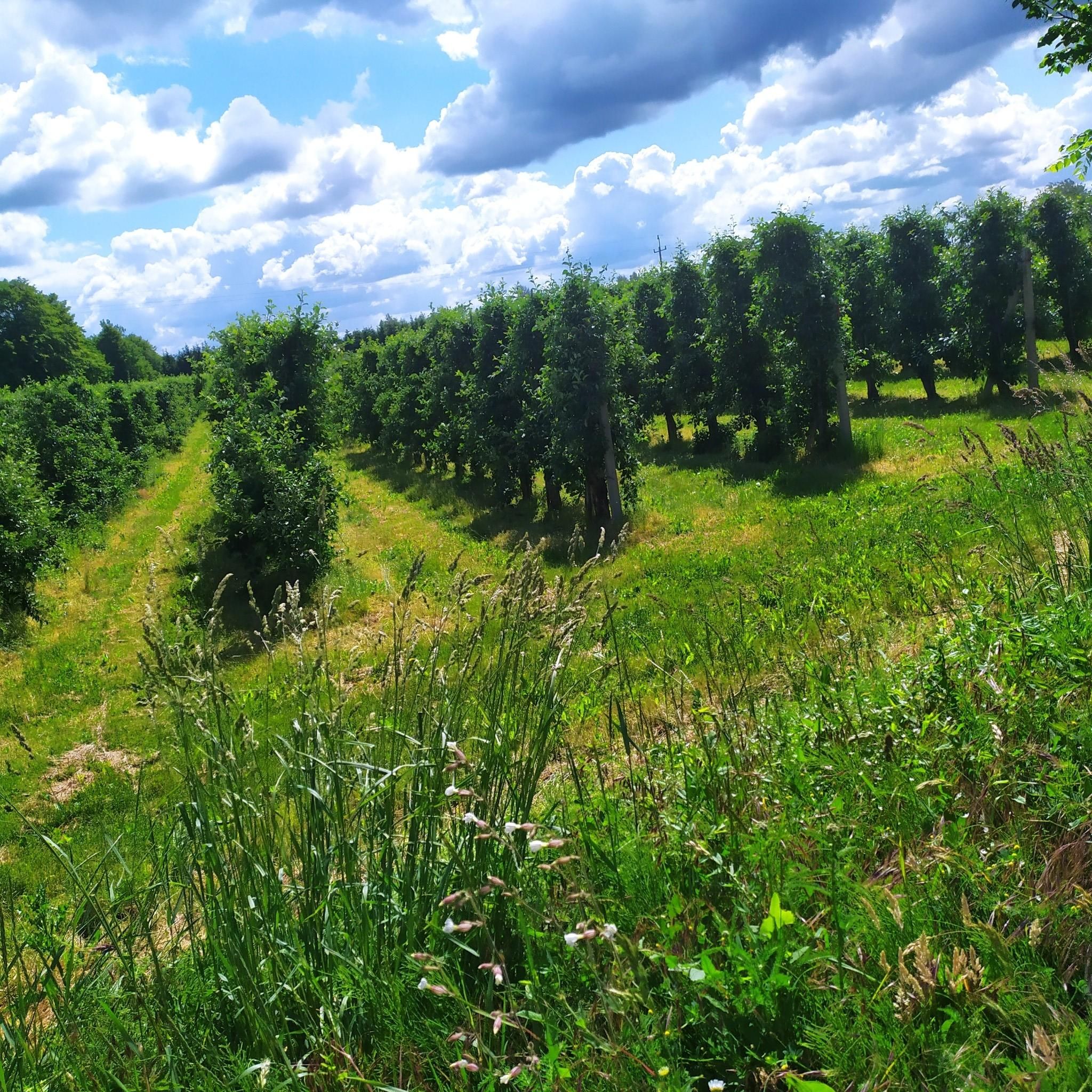
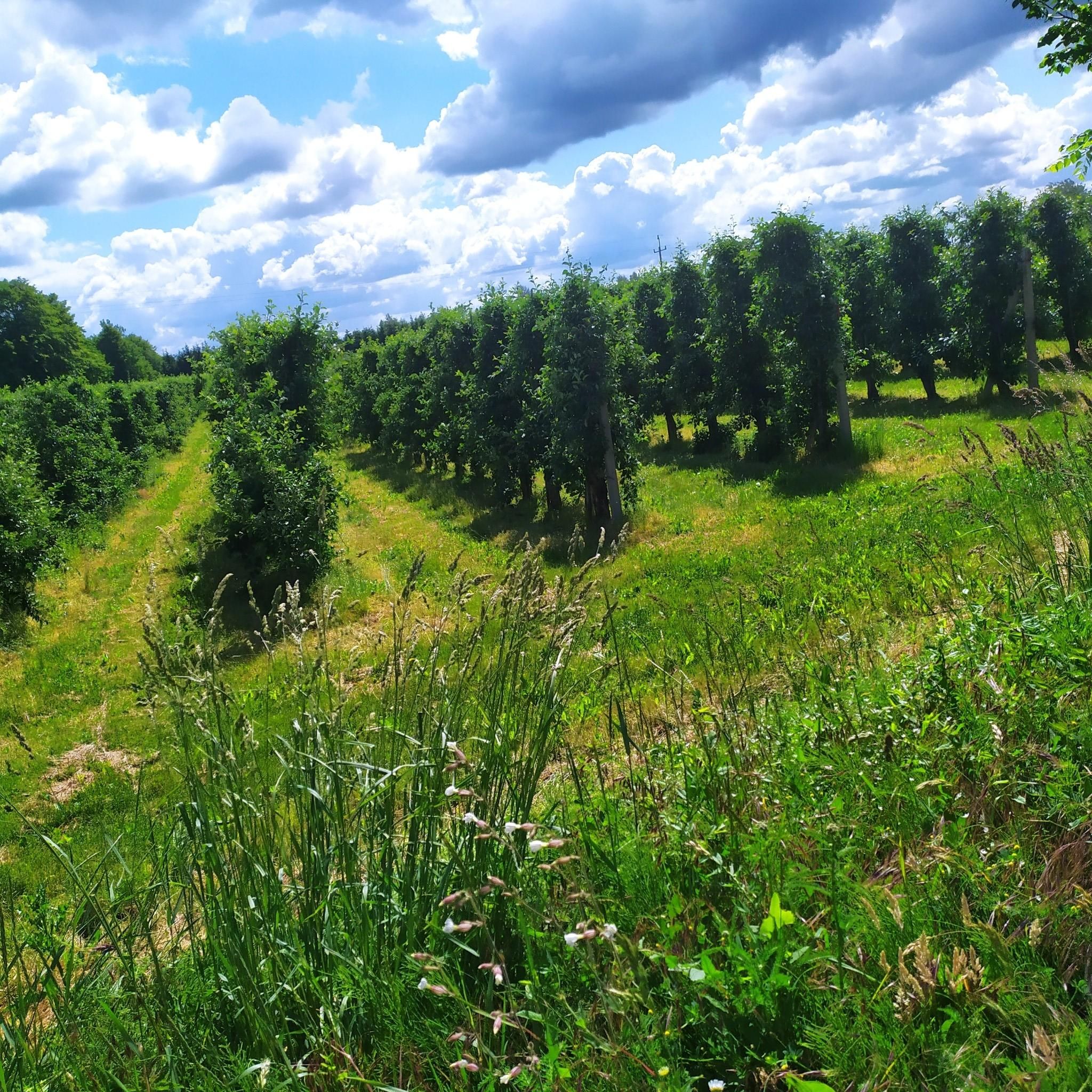
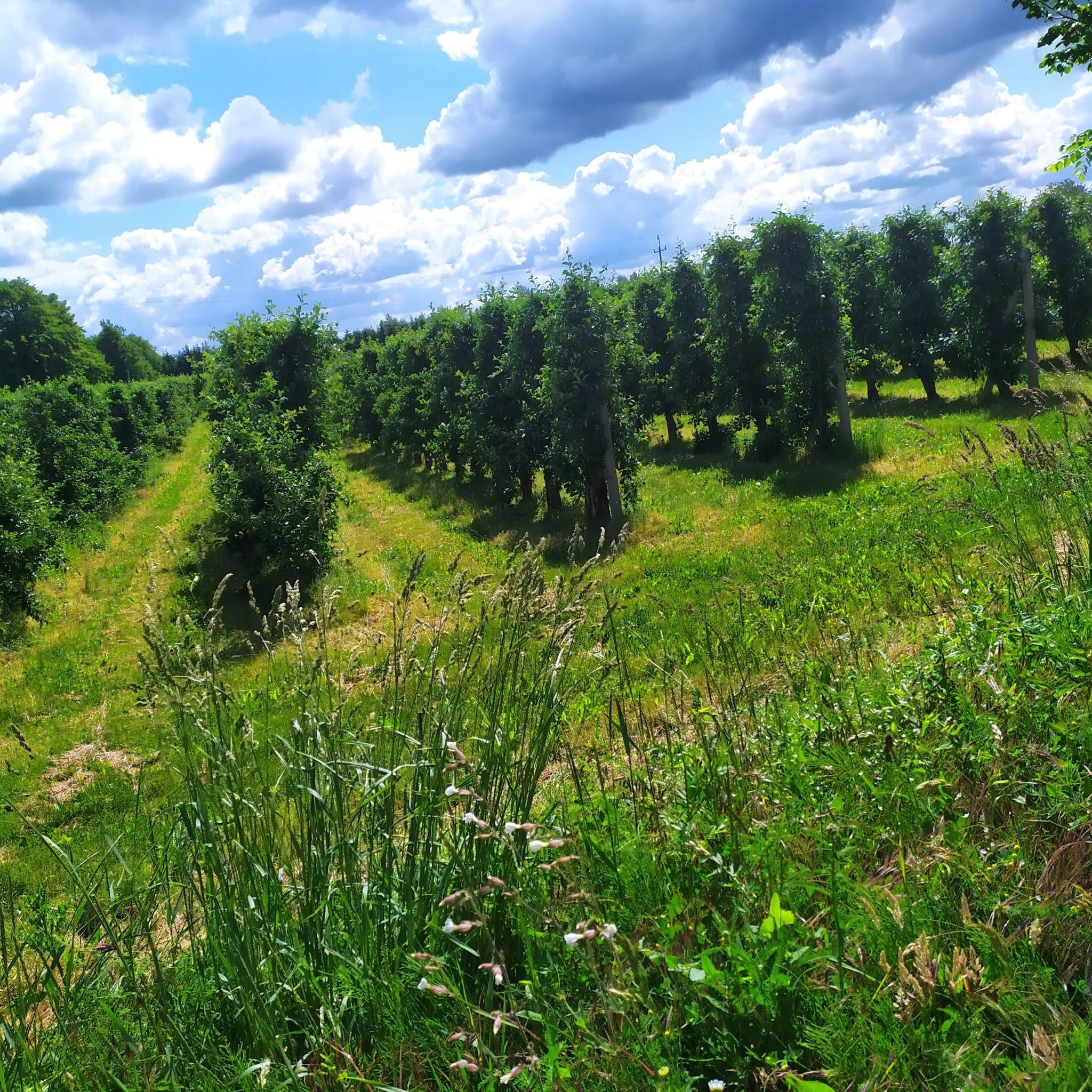
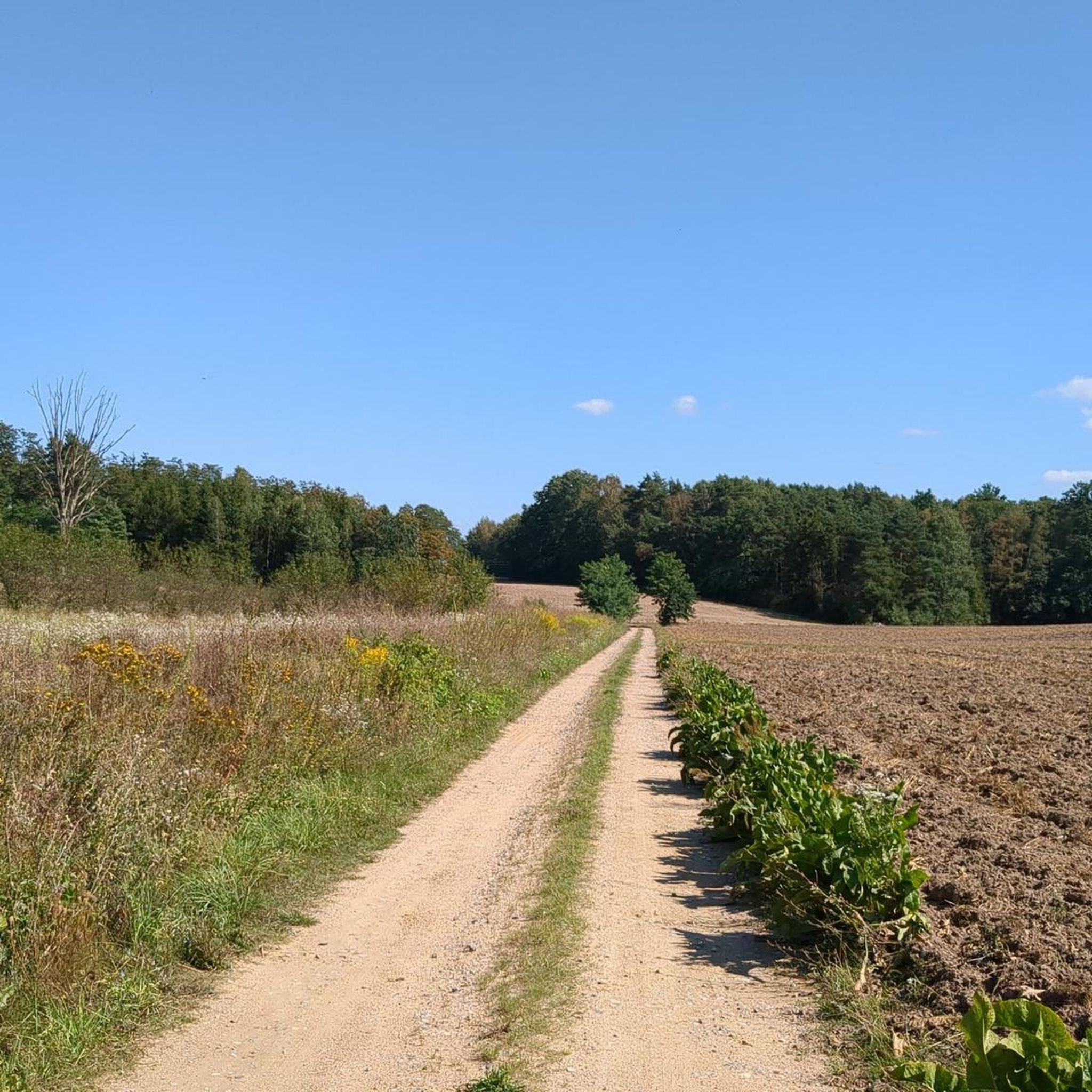
The Rawka River Nature Reserve, located in the Łódź province, covers 97 km of the naturally meandering Rawka River and adjacent areas with a total area of approximately 487 ha. It is one of the few reserves in Poland protecting the entire length of the river from its source to its mouth, along with the lower sections of tributaries and oxbow lakes. For road cyclists, the asphalt routes in the vicinity of Bolimów and Skierniewice are attractive, offering picturesque views of the river valley. It is worth remembering, however, that some sections may lead through roads with a poorer surface, so it is recommended to plan the route in advance. The reserve also offers the opportunity to observe a variety of fauna and flora, which makes it an interesting place for cycling trips combined with admiring nature.
1
0

The castle was built in the second half of the 14th century as the most southwestern stronghold of Mazovia, situated in the marshy forks of the Rawka and Rylka rivers, on an important trade route from Pomerania to Ruthenia. Thanks to King Sigismund Augustus, from 1569, the Rawka castle was used to deposit and store the quartz tax (established in 1563), collected from the starosty and crown lands, and intended for the Crown Army. From the 17th century, the castle fell into ruin. The destruction was initiated by the Swedish army during the "Deluge". Partial reconstruction in the second half of the 18th century by the Rawka starosta Franciszek Lanckoroński did not stop the process of decline. Its deliberate destruction, initiated during the Polish-Russian war at the end of the 18th century, was continued by the Prussians, who ruled the city at the turn of the 18th and 19th centuries. After World War II, conservation work began. In the years 1954-1958 the outline of the foundations was uncovered, a section of the curtain walls and the octagonal tower, which houses archaeological and historical exhibitions, were reconstructed.
0
0
Narrow Gauge Railway Rogów – Rawa – Biała (colloquial: Kolej Rogowska) – the first and only museum narrow gauge railway in the Łódź province. Previous names were Rogow Feldbahn, Rogowska Kolej Dojazdowa and Rogowska Kolej Wąskotorowa. The name currently used also functioned in the interwar period. Its beginnings date back to 1915, when German troops built a military field railway with a 600 mm gauge connecting Rogów with Biała Rawska. The narrow gauge railway was used to supply the German front with food, weapons and ammunition. It was used to transport soldiers and evacuate the wounded. After the end of World War I, the Rogów – Rawa – Biała Narrow Gauge Railway was taken over by PKP. In 1954, it was converted to a 750 mm gauge. In 1996 it was entered into the register of historical monuments. In 2001, PKP decided to liquidate it. It was saved from destruction by the Foundation of Polish Narrow Gauge Railways (FPKW), which restored it to a state of technical efficiency.
0
0
The reserve covers the Rawka riverbed from its sources to its mouth on the Bzura (approx. 97 km), as well as the lower sections of the right-bank tributaries (Krzemionka, Korabiewka, Rokita and Grabianka), oxbow lakes and strips of land adjacent to the banks with a width of 10 m. The Rawka is a river with clean water and a fast current, strongly meandering. The aim of the reserve protection is to preserve a typical medium-sized lowland river in its natural state, together with the landscape of its valley and the habitat of many rare and protected plants and animals.
1
0

The remains are not impressive but worth seeing.
1
0
Frequently Asked Questions
What natural features can I explore in Gmina Biała Rawska?
The region is rich in natural beauty, offering picturesque water reservoirs and forests. A prominent example is St. Anne's Ponds and Chapel, a recreational area with two water reservoirs nestled amidst woods, perfect for walks and featuring a beach. Another excellent spot is Tatar Reservoir, a forest-surrounded lake with a walking and cycling route, a guarded beach, and various recreational facilities.
Are there historical sites or cultural landmarks to visit?
Yes, Gmina Biała Rawska and its surroundings offer several historical and cultural landmarks. You can explore the Mazovian Dukes' Castle Ruins (Rawa Mazowiecka), which are the remains of a 14th-century stronghold. Other notable sites include the Palace in Biała Rawska (also known as the Leszczyński Palace), the Sanctuary of Our Lady of Mercy, and the Parish Church of St. Wojciech.
What kind of outdoor activities can I do near these attractions?
The area around Gmina Biała Rawska is great for outdoor enthusiasts. You can enjoy hiking and running on various trails. For example, there are easy hiking loops around Rawa Mazowiecka and Zamkowa Wola, and running trails like the Tatar loop. You can find more details and routes on the Hiking around gmina gmina Biała Rawska guide or the Running Trails around gmina gmina Biała Rawska guide.
Are there any family-friendly attractions in the region?
Absolutely! Many attractions are suitable for families. Both St. Anne's Ponds and Chapel and Tatar Reservoir offer beaches, walking paths, and recreational facilities perfect for a family day out. The Mazovian Dukes' Castle Ruins also provide an interesting historical exploration for all ages.
What is the best time of year to visit Gmina Biała Rawska?
While specific seasonal tips are not available, the presence of beaches and outdoor recreational areas like St. Anne's Ponds and Tatar Reservoir suggests that late spring, summer, and early autumn would be ideal for enjoying water activities, hiking, and exploring the natural landscapes. Historical sites can generally be visited year-round.
Can I find any unique historical architecture or monuments?
Beyond the castle ruins, you can discover unique architectural elements such as the historic Watermill on the Rawka River in Suliszew, which dates back to the turn of the 19th and 20th centuries and is still in use. The region also features cultural heritage monuments in various villages, including the Manor in Babsk and the Palace in Wola-Chojnata.
Are there any places for swimming or water recreation?
Yes, the region offers excellent spots for water recreation. St. Anne's Ponds provide a beach and opportunities for walks, while the larger of the two ponds is used by locals for recreation. Tatar Reservoir features a guarded beach and options to rent water bikes, boats, or kayaks.
What do visitors enjoy most about the attractions in Gmina Biała Rawska?
Visitors particularly appreciate the natural beauty and recreational opportunities. The St. Anne's Ponds are loved for their unique beauty and the chance to walk in surrounding forests. The Tatar Reservoir is highly rated for its well-maintained walking and cycling route, guarded beach, and various facilities for relaxation.
Is there public transport available to reach the attractions?
Gmina Biała Rawska benefits from a well-developed road network, providing good access to major cities in central Poland. While specific public transport routes to individual attractions are not detailed, the region's accessibility by road makes it convenient for visitors traveling by car. Parking is generally available near major attractions.
Are there any unique or 'hidden gem' type attractions?
A unique historical site is the Entrance Gate – Dom Łowczego Gnoyna, which is part of a restored estate with a fascinating history, including the establishment of the first private Nature Reserve in Poland, Stawy Gnojna im. The Bielecki family, known for its many species of rare birds. This offers a blend of history and nature off the main tourist path.
Can I find places for cycling in the area?
Yes, cycling is a popular activity. The Tatar Reservoir features a dedicated walking and cycling route around its perimeter, offering scenic views. The historical Rogowska Kolej Dojazdowa, a narrow-gauge railway, is also undergoing efforts for restoration for recreational and tourist purposes, which could include cycling paths in the future.
Most popular routes around gmina gmina Biała Rawska
Most popular attractions around gmina gmina Biała Rawska

Get inspired with the komoot mobile app


Explore more
Still not found the Highlight you’re looking for? See guides of the top attractions in other regions:
