The best walks and hikes around Skierniewice
4.5
(99)
804
hikers
47
hikes
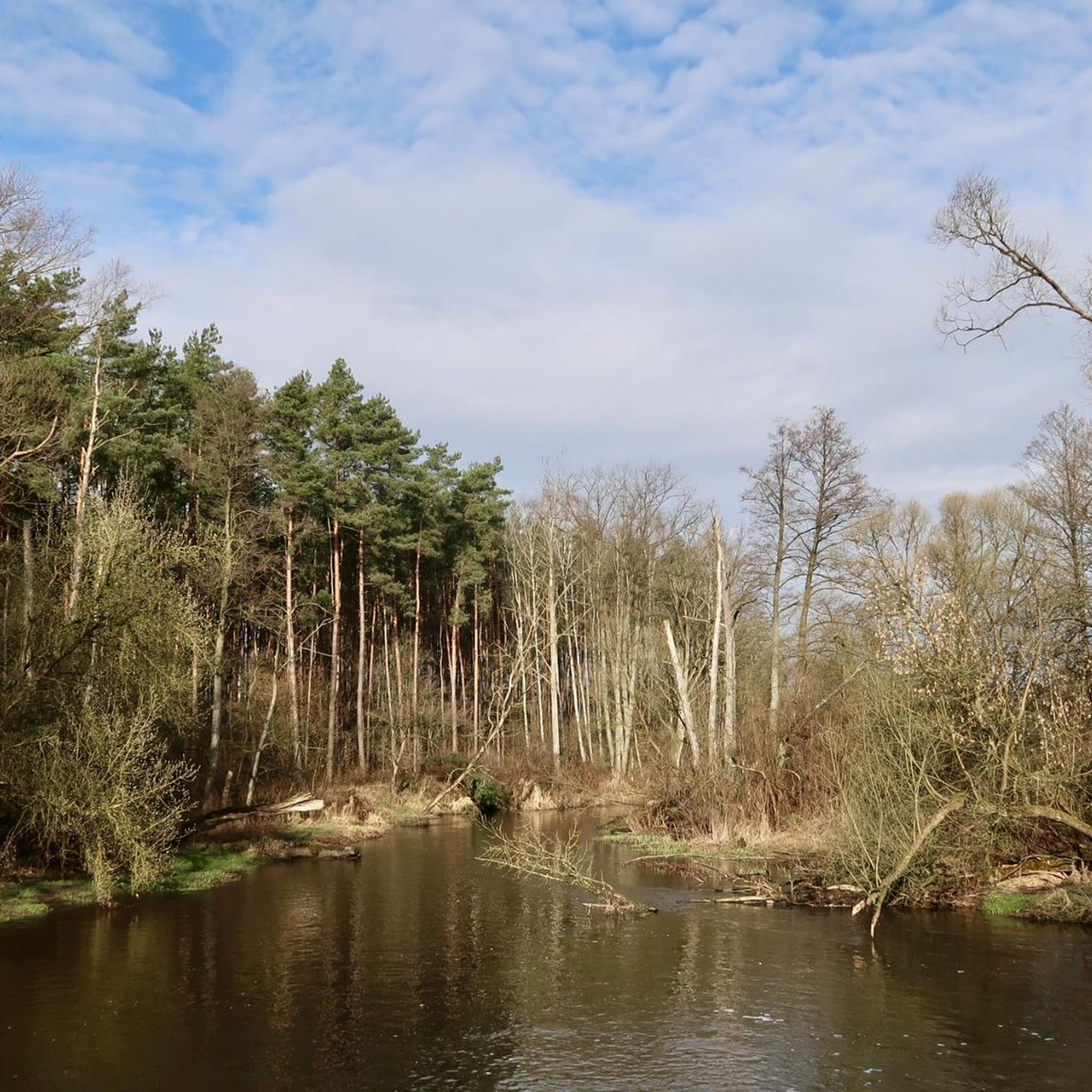
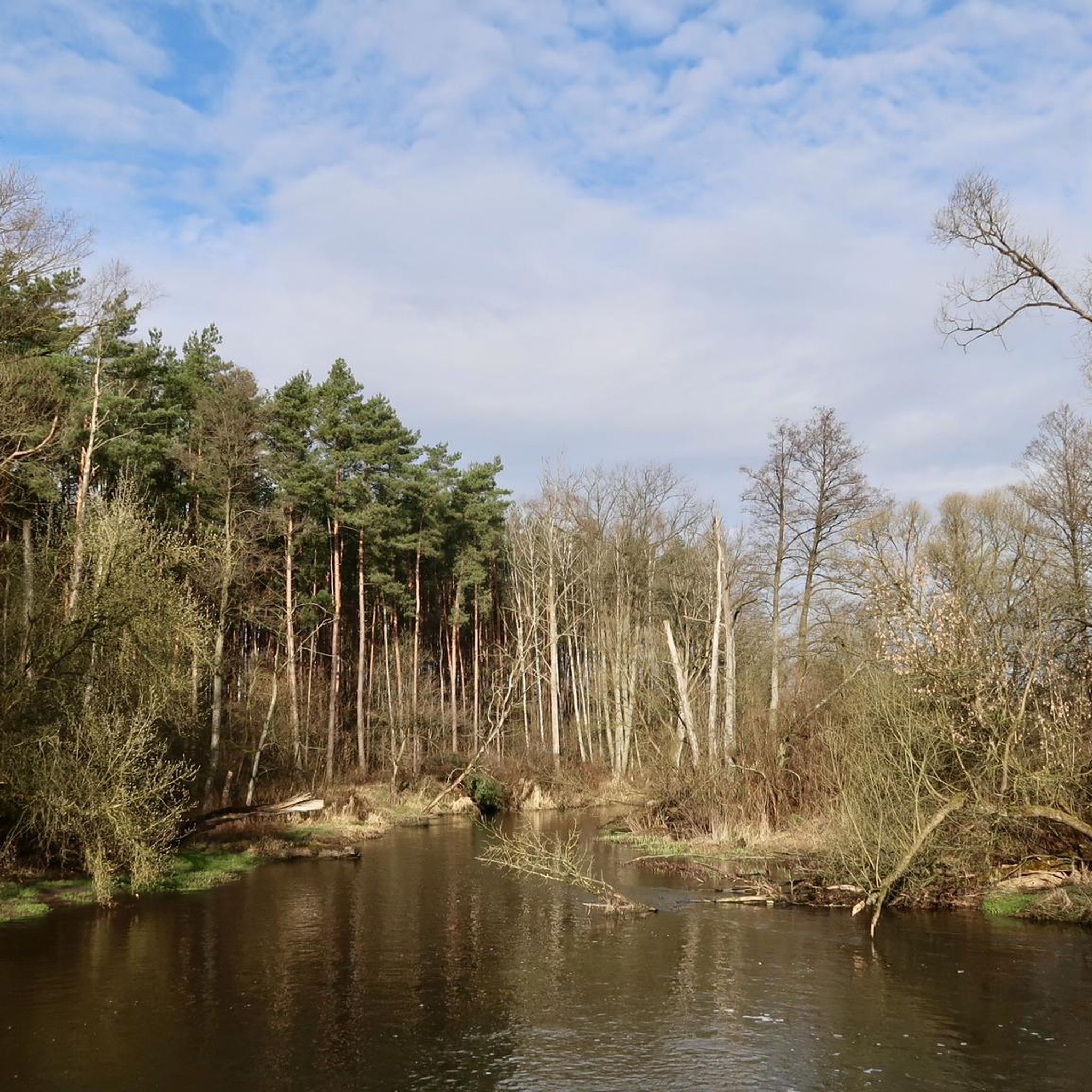
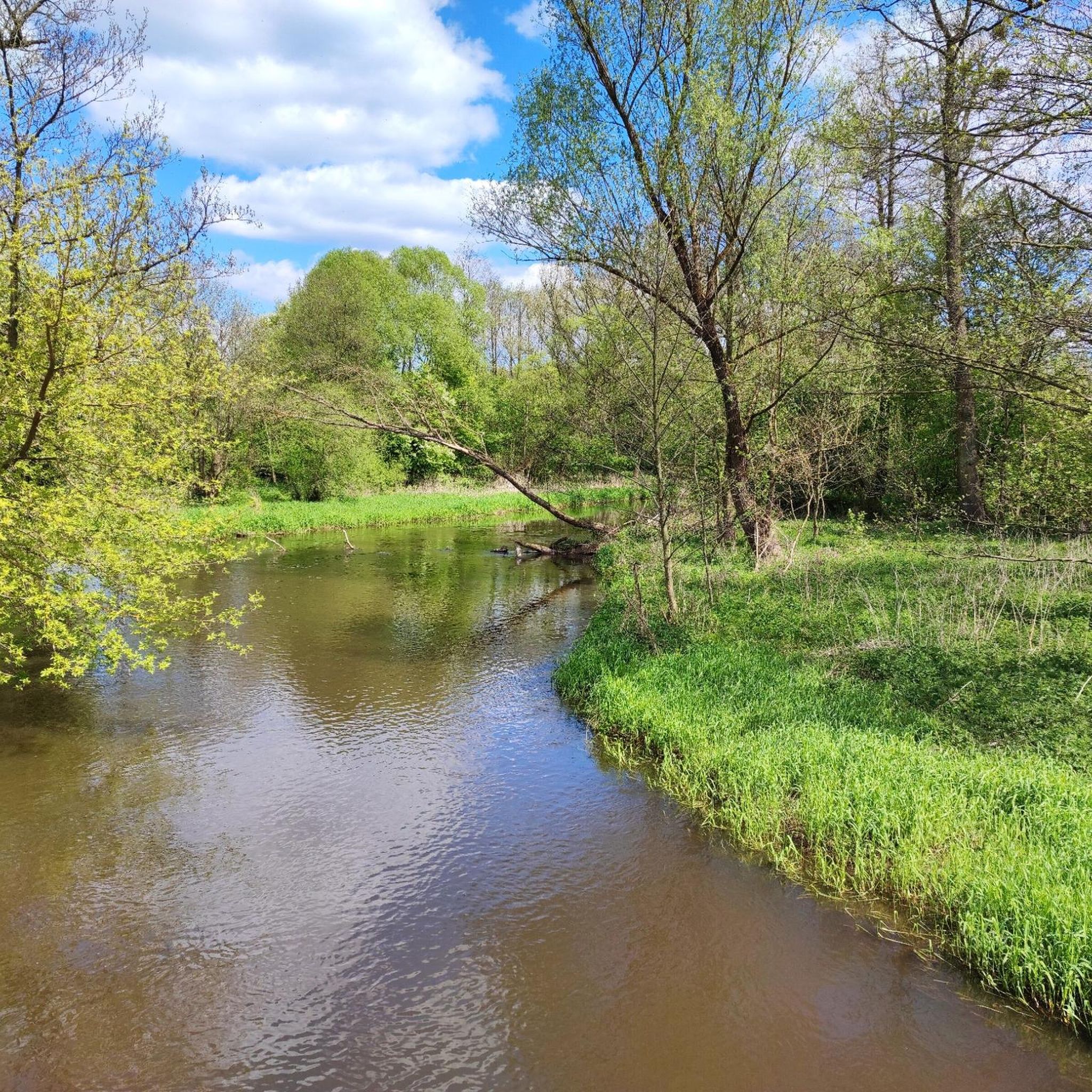
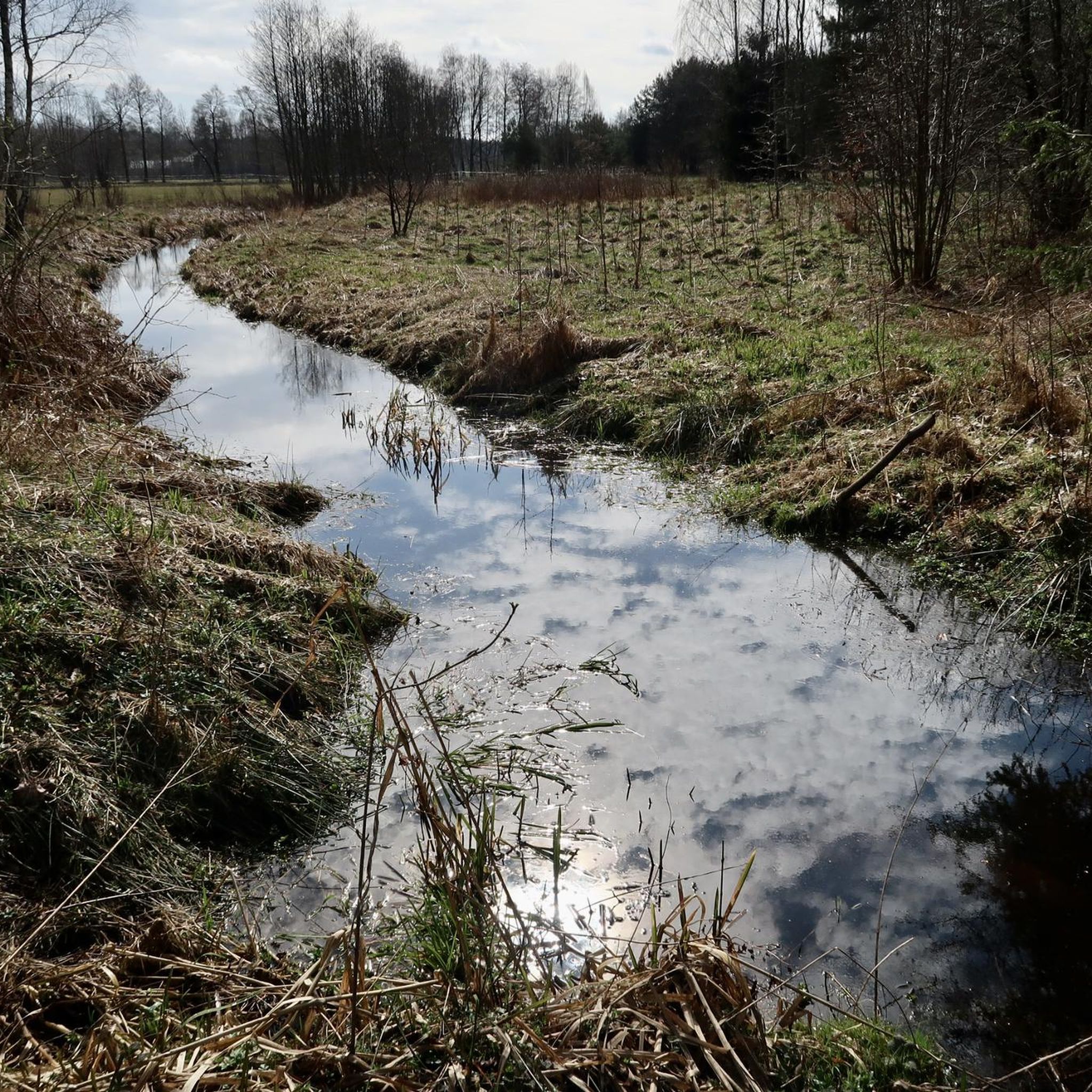
Hiking trails around Skierniewice are characterized by diverse natural landscapes, including extensive forests and river valleys. The region is situated within Poland's Łódź Voivodeship, with the Bolimowski Landscape Park bordering to the north. The Rawka River and the Skierniewka River flow through the area, offering waterside paths and contributing to the varied terrain. Skierniewice also features a 42-hectare City Park, providing accessible walking routes within an urban setting.
Best hiking trails around Skierniewice
- The most popular hiking route is Skierniewice…
Last updated: September 27, 2026
4.7
(11)
163
hikers
6.54km
01:41
30m
30m
Easy hike. Great for any fitness level. Easily-accessible paths. Suitable for all skill levels.
5.0
(1)
23
hikers
Moderate hike. Good fitness required. Easily-accessible paths. Suitable for all skill levels.

3.0
(1)
23
hikers
3.99km
01:02
20m
20m
Easy hike. Great for any fitness level. Easily-accessible paths. Suitable for all skill levels.
4.0
(1)
11
hikers
Moderate hike. Good fitness required. Easily-accessible paths. Suitable for all skill levels.
5
hikers
7.49km
01:54
20m
20m
Easy hike. Great for any fitness level. Easily-accessible paths. Suitable for all skill levels.
Get access to more routes and recommendations from other explorers.
Already have an account?
Our route recommendations are based on thousands of hikes, rides, and runs completed by other people on komoot.
Start today with a free account
Your next adventure awaits.

Tips from the Community

A well-maintained bike path around the reservoir in Skierniewice. One lap is approximately 5.25 km. The flat route is very pleasant to cycle on. 😁
0
0

The synagogue was built in 1880. In September 1939, the Germans destroyed the Skierniewice synagogue. Opposite the synagogue was the Jewish synagogue building belonging to the community, and there was also a Jewish primary school there. In 1946, the local Jewish committee transferred this building to a private person, who in return fenced the surviving remains of the devastated Skierniewice Jewish cemeteries. For many years, the synagogue housed workshops, a shop and apartments, and currently a household appliances store.
0
0
In the years 1921-39, the 26th King Władysław IV Light Artillery Regiment of the 26th Infantry Division was stationed in nearby military barracks. The regiment took part in the Battle of Bzura during the defensive war in 1939.
0
0
Every year, celebrations are held in the square to mark the anniversary of the outbreak of World War II.
1
0
The locomotive shed was built in 1845 along with the railway line from Warsaw. In 1861, a turntable was installed in the locomotive shed, and in the following years the local locomotive shed was rebuilt. In 1879, the locomotive shed was expanded to 24 stations. During World War I, on the order of General Ludendorff, the buildings were destroyed on October 21, 1914. After the end of the war, the locomotive shed serviced freight traffic on the section from Warsaw to Piotrków and local passenger traffic. From 1915, it operated as a class II locomotive shed. In 1939, it was downgraded to an auxiliary locomotive shed. During World War II, the facility was expanded. New buildings in the modernist style were erected from red brick. Ty1 freight locomotives and Pd5 locomotives used for local passenger traffic were stationed in Skierniewice. After the war, a steel roof structure with a triangular ridge skylight was installed in the fan-shaped hall instead of the old wooden one, and a welding shop and compressor room were added. The locomotive shed serviced group trains and shunts. In 1970, a diesel locomotive was delegated to Skierniewice. Electric locomotives had been stationed in Skierniewice since mid-1987. In 1989, the stationing of steam locomotives ended. On 31 October 1991, the locomotive shed was liquidated. The premises house a collection of historical railway exhibits acquired by the Polish Association of Railway Enthusiasts[3] (PSMK). In 1994, the locomotive shed complex was entered into the register of historical monuments, and in 2002 it became the property of PSMK[2]. The buildings of the facility are being renovated thanks to support from, among others, Ministry of Culture and National Heritage, Łódź Voivodeship Government, Skierniewice City Office and various railway industry companies. The facility is open to visitors only on designated dates or upon request for organized groups.
0
0
The building of the former entrance gate located in the eastern part of the city park in Skierniewice. The gate was built in the years 1770-1780 during the reign of Archbishop Antoni Kazimierz Ostrowski according to the design of the architect Efraim Szreger. On its walls you can see commemorative plaques, including those dedicated to the 500th anniversary of obtaining city rights and a plaque built in the interwar period in tribute to the residents of the city and district who died in the years 1914-1920. Its purpose was to serve high state and church dignitaries.
0
0

Entrance to the platforms via looooong stairs.
0
0
The Skierniewice City Park is a park located in the central part of the city on both sides of the Skierniewka (Łupia) River. The origins of the park date back to the 14th century. Initially, it was a garden at the archbishop's manor. The park contained cascades, grottos, gazebos, four ponds and terraces on the river bank during the time of Archbishop Antoni Kazimierz Ostrowski. The Skierniewice park was beautified by Ignacy Krasicki, making it similar to the parks in Smolany. In the 18th century, there was an orangery with orange trees, an Italian garden, orchards and vineyards at the Primate's Palace. In the years 1830–1845, the gardens and park were thoroughly rebuilt, creating a landscape park.
0
0
Frequently Asked Questions
How many hiking trails are available around Skierniewice?
There are over 20 hiking routes documented on komoot for the Skierniewice area, offering a variety of experiences from easy strolls to more moderate excursions. These trails explore the region's diverse natural landscapes, including extensive forests and river valleys.
What kind of natural landscapes can I expect to see while hiking in Skierniewice?
Skierniewice is rich in natural beauty, characterized by expansive woodlands like the Bolimowski Landscape Park, Bolimow Forest, and Zwierzyniecki Forest. You'll also find picturesque river valleys, particularly along the Rawka River and Skierniewka River (Łupia), which offer waterside paths and opportunities for birdwatching. The region's name, meaning 'place of deer,' hints at its rich natural heritage.
Are there any family-friendly hiking options in Skierniewice?
Yes, Skierniewice offers several easy routes suitable for families. For a pleasant and accessible walk, consider the Skierniewice Reservoir loop from Skierniewice, which is 6.3 km long and circles the reservoir. The historic 42-hectare City Park also provides numerous charming corners for leisurely strolls amidst greenery and birdsong, perfect for all ages.
Are there any circular hiking routes in the Skierniewice area?
Many of the trails around Skierniewice are designed as loops, offering convenient circular routes. Popular options include the Skierniewice Reservoir loop from Skierniewice, the St. James the Apostle Church – Skierniewice Reservoir loop from Skierniewice, and the Skierniewice City Park loop from Skierniewice, allowing you to start and end at the same point.
What are some interesting natural attractions or landmarks to explore near the hiking trails?
The region boasts several notable natural attractions. The Rokita Nature Reserve is a highlight, featuring a deep gorge and leafy forest with a steel footbridge. You can also find the scenic Wooden bridge over the Rawka River, which leads to the Bolimów Lagoon. The City Park in Skierniewice itself is a historic and beautiful spot with tranquil paths.
What do other hikers enjoy most about hiking in Skierniewice?
The hiking routes in Skierniewice are highly rated by the komoot community, with an average score of 4.6 stars from around 70 reviews. Hikers often praise the diverse natural landscapes, the tranquility of the forests and river valleys, and the accessibility of routes like those around the Skierniewice Reservoir and within the City Park.
Are there any long-distance hiking opportunities or marked trails in the area?
Yes, Skierniewice is a hub for several marked trails. These include three blue trails (such as 'the trail of old manors' and 'the trail Birds of Skierniewice neighbourhood'), two black trails (one connecting Skierniewice to Nieborów, and a 44-kilometer route to Radziejowice), a 20-kilometer yellow trail from Strobów bird sanctuary, and a green trail ('the trail of the battles by the Rawka'). The Warsaw Way of St. James also passes through the area.
What is the best time of year to go hiking in Skierniewice?
Skierniewice offers beautiful hiking experiences throughout the year. Spring is particularly enchanting, especially in places like the Rokita Nature Reserve when it fills with water after winter snows. The City Park is also beautiful in every season, offering a tranquil escape amidst changing foliage. The extensive forests provide shade in summer and picturesque scenery in autumn.
Are there any specific trails that offer views of lakes or reservoirs?
Absolutely. The Skierniewice Reservoir (also known as Zadębie Reservoir) is a central feature for many routes. You can enjoy scenic views along trails like the Skierniewice Reservoir loop from Skierniewice or the Zalew Skierniewicki loop from Skierniewice. The region also features the Bolimowski Reservoir and the charming Bolimów Lagoon, accessible via the wooden bridge over the Rawka River.
Can I find trails that go through forests or woodlands?
Forests are a defining characteristic of hiking in Skierniewice. The region is bordered by the extensively forested Bolimowski Landscape Park and includes other significant woodlands like Bolimow Forest, Zwierzyniecki Forest, and the forests in Strobowa and Pamietna. Many trails, such as the Zalew Skierniewicki – lasek Bila loop from Skierniewice, will lead you through these natural environments.
Are there any historical sites or cultural landmarks along the hiking routes?
Yes, the area blends natural beauty with historical charm. The St. James the Apostle Church – Skierniewice Reservoir loop from Skierniewice connects a historic church with the scenic reservoir. The City Park itself has a rich history, dating back to the 14th century as an archbishop's garden. Additionally, you can find the German Soldiers' Cemetery Joachimów-Mogiły and the Kaczew Forester's Lodge as points of interest.
Most popular routes around Skierniewice
Most popular attractions around Skierniewice

Get inspired with the komoot mobile app


Explore more
Browse the best Hikes in other regions.
