Attractions and Places To See around gmina Łukowa - Top 20
Attractions and places to see around gmina Łukowa include a variety of natural features, historical sites, and cultural landmarks within this rural administrative district in eastern Poland's Lublin Voivodeship. The region is characterized by the extensive Puszcza Solska forest, significant rivers like Tanew and Sopot, and the Czartowe Pole Nature Reserve. Historical sites range from 17th-century ruins to churches and chapels, reflecting the area's past. Additionally, gmina Łukowa contains several memorial sites commemorating events from World War II.
Best attractions…
Last updated: May 20, 2026
Zamoyski Paper Mill Ruins
Highlight • Monument
Translated by Google •
Tip by

Church of Saint Stanislaus the Bishop and Martyr in Górecko Kościelne
Highlight • Religious Site
Its history dates back to the 17th century and is associated with the cult of St. Stanislaus, bishop and martyr, …
Translated by Google •
Tip by

Sign up now to discover places like this
Get recommendations on the best single tracks, peaks, & plenty of other exciting outdoor places.
Sign up for free
Chapel on the Water (Kaplica na Wodzie)
Highlight • Religious Site
Translated by Google •
Tip by

Czartowe Pole Nature Reserve
Highlight • Forest
Translated by Google •
Tip by

WIR Partisan Bunker
Highlight • Historical Site
Translated by Google •
Tip by

Sign up for free to discover even more attractions around gmina Łukowa.
Sign up for free
Already have an account?
Start today with a free account
Your next adventure awaits.
Login or Signup

Tips from the Community

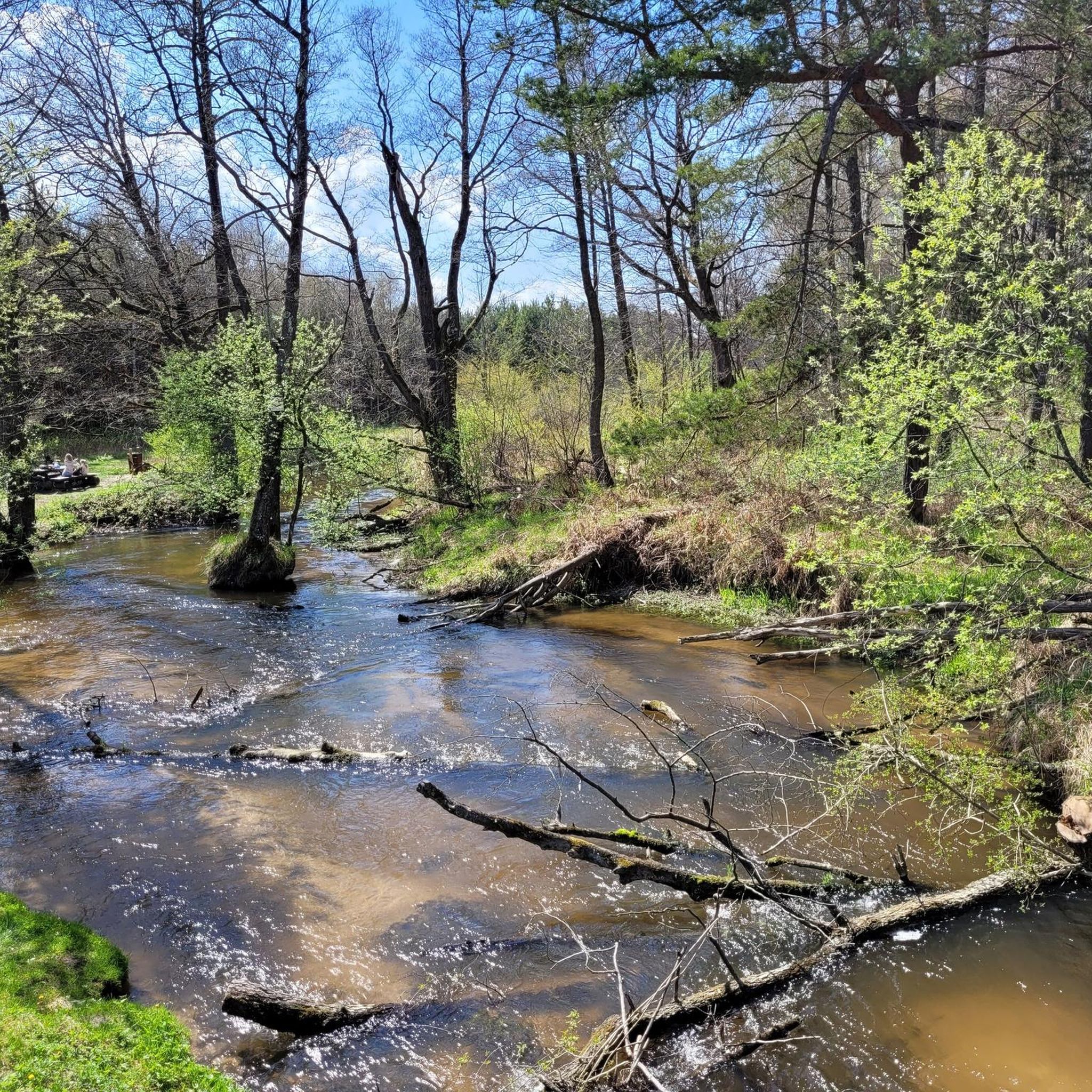
The Czartowe Pole Reserve is one of the most picturesque parts of Roztocze, located on the Sopot River, on the border of the Józefów and Susiec communes. It delights with the natural landscape of the valley with numerous water rapids, steep slopes covered with forest and rare plants. In the area you will see the ruins of the 17th-century Zamoyski paper mill and symbolic graves of partisans. The reserve is open to tourists - a nature trail about 1 kilometer long with wooden footbridges leads through it. Right next to it is the Green Velo parking place with shelters and stands where you can attach a bike.
2
0

The first wooden chapel was built in this place in 1668 from the foundation of Marcin Zamoyski, the Lviv Sub-Stole, later the Grand Treasurer of the Crown. From 1688 to 1886 under the administration of the Franciscans. In 1720, it was re-endowed by Tomasz Józef Zamoyski, the starost of Grodecki and Płoskirów, probably with the simultaneous construction of a new church or the expansion of the original chapel. It was burned down by the Swedes in the 18th century. The current church was built in 1768 from the foundation of Jan Jakub Zamoyski, later the voivode of Podolia. In 1778, it was consecrated by Bishop Melchior Jan Kochnowski. Extended on the northern side in the years: 1897-8. Thoroughly renovated before 1930, and in 1975 the roof was renovated.
0
0
The "WIRA" dugout is a reconstruction of part of a partisan camp operating during World War II. This is exactly where the dugout was located, serving as a weapons depot and a place of refuge for members of Lieutenant Konrad Bartoszewski's unit - alias "WIR". Lieutenant "WIR" was the author of the plan that went down in history as the "Battle of Osuchami" - the largest partisan battle of the AK units. The dugout was created thanks to members of the Historical Reconstruction Group, who decided to rebuild this place. Konrad Bartoszewski, alias "Wir", "Zadora", "Łada", lieutenant of the AK, writer (born July 5, 1914 in Baranówka in Volhynia, died April 21, 1987 in Lublin) - commander of a partisan unit operating near Józefów (Biłgoraj district) during World War II. He studied Polish studies at the University of Warsaw. Participant of the September Campaign, he ended his fight on September 24 near Tomaszów Lubelski. After the defeat of the campaign, he settled in Józefów, in the area where he began his underground activity in the Home Army. He became the commander of the Józefów District, his unit fought many battles with the Germans. On February 25, 1943, he was arrested, but after a daring action, he was rescued by the unit of Czesław Mużacz, pseudonym "Selim". The next day, in retaliation, the Germans publicly shot Bartoszewski's family - parents Janina and Wacław and sister Wienisława. In the Sturmwind II action, he was the commander of the Home Army partisan group and the author of the battle plan for Osuchy. He survived as one of the few Polish commanders taking part in this battle. After the Red Army entered Poland, he and his unit did not surrender. On January 28, 1945, he attacked the UB-NKVD prison in Biłgoraj and rescued imprisoned members of the Home Army. The unit was disbanded in August 1945. Bartoszewski himself settled in Warsaw; he came out in 1945. In 1952 he was arrested, in 1955 he was released due to poor health. In 1969 he received a doctorate in humanities from the University of Wrocław.
2
0

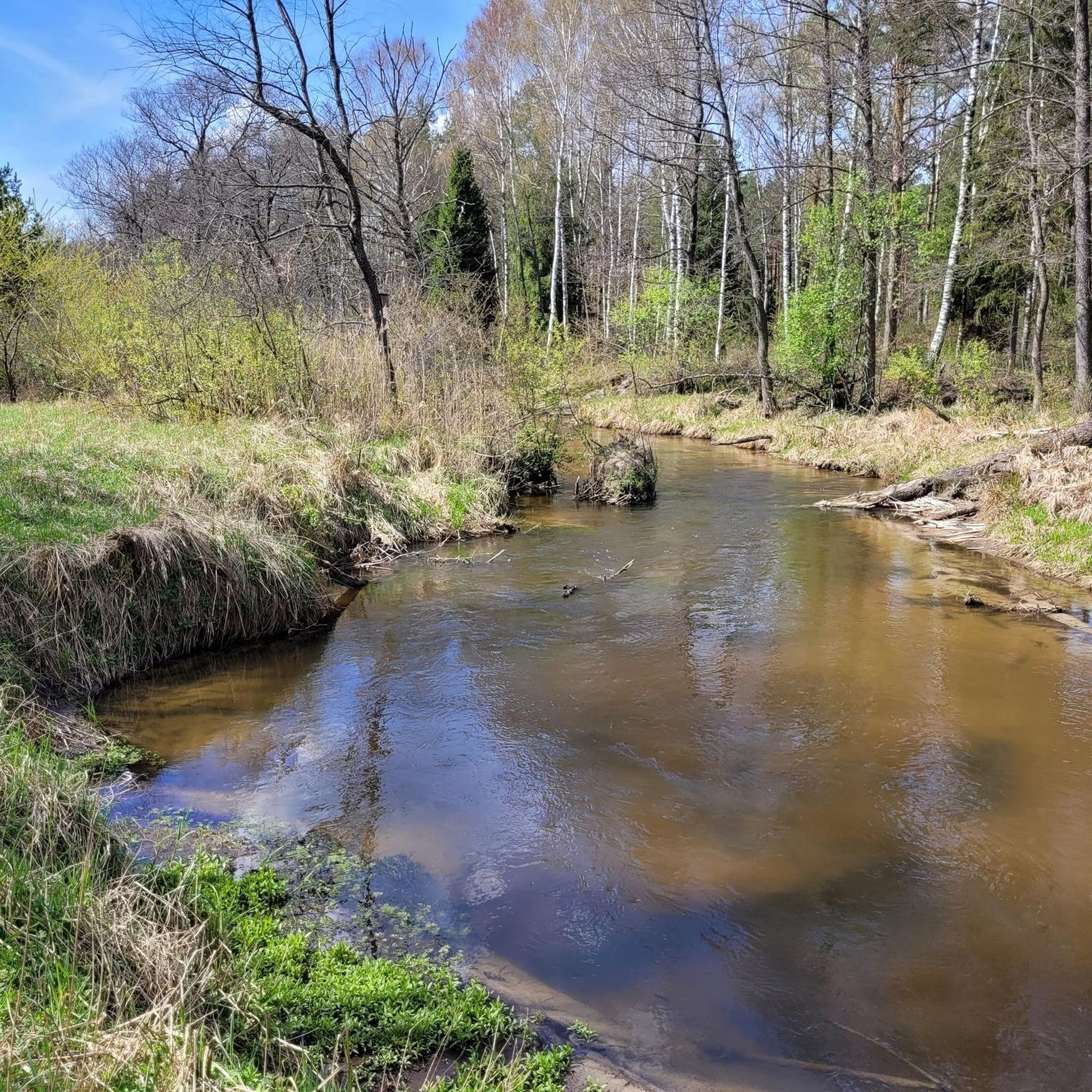
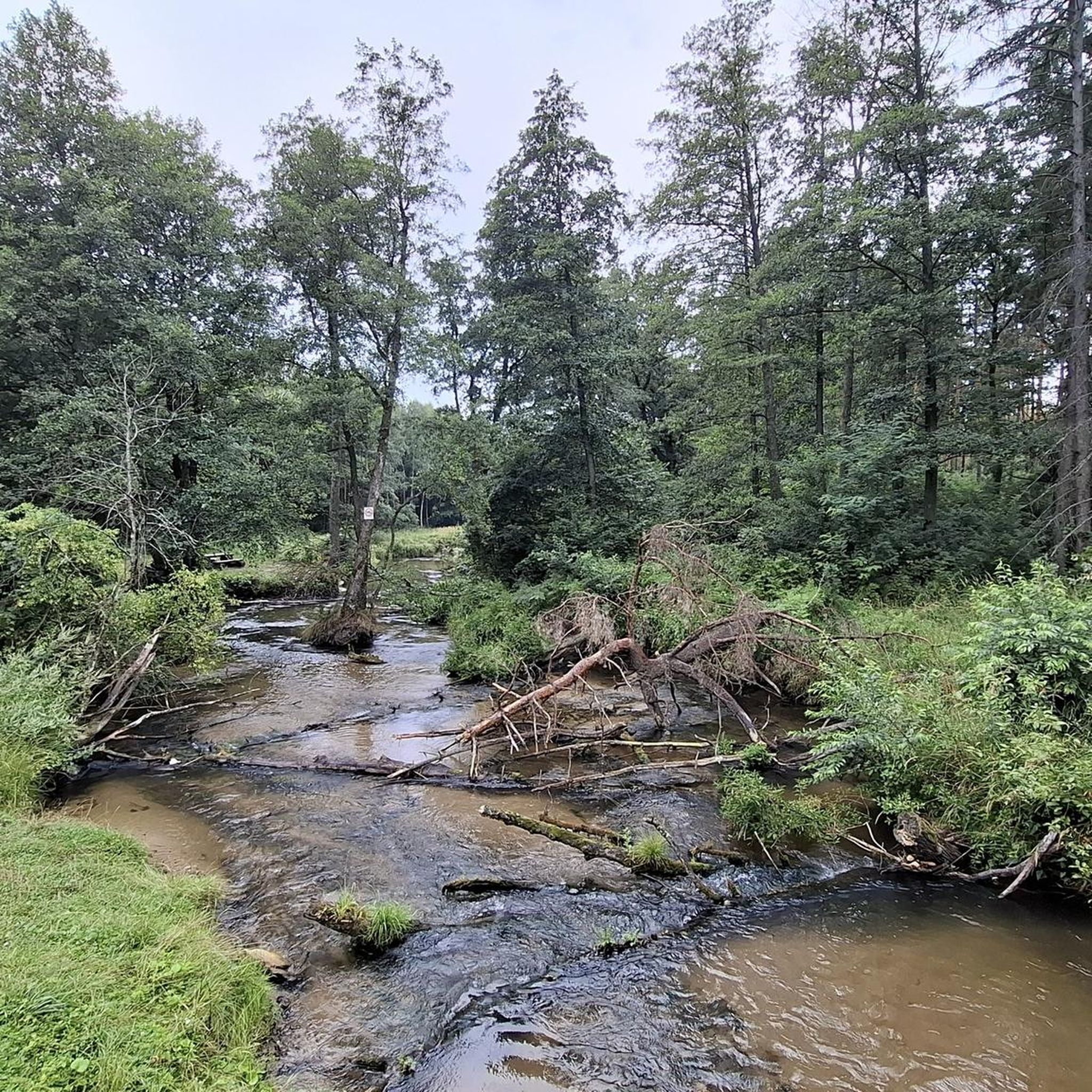
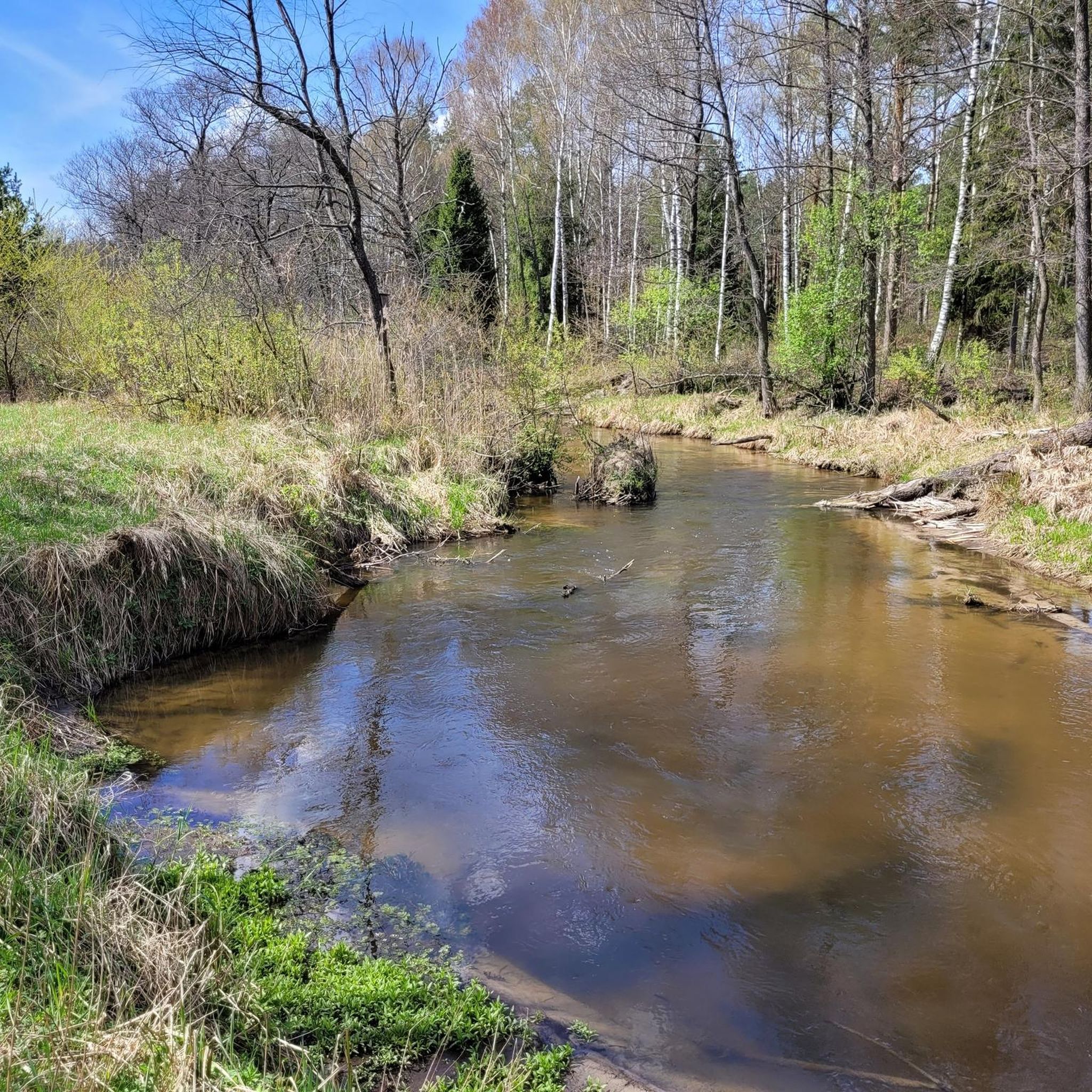
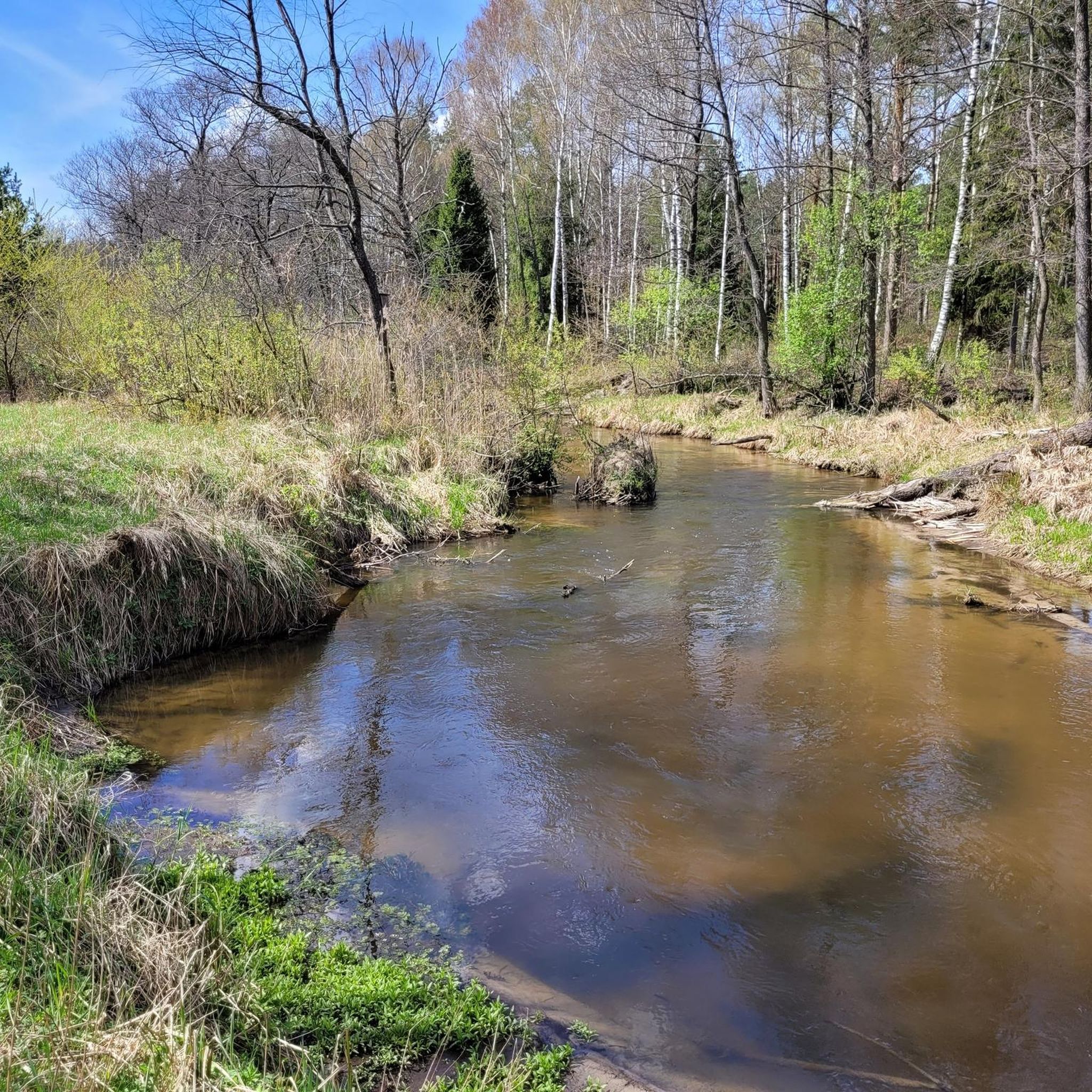
The Czartowe Pole Reserve was established in 1958. It covers an area of approximately 80.5 ha. The name of the reserve comes from a forest clearing about which it was said that "only devils roamed there." The reserve covers a several-kilometer long section of the picturesque Sopot River valley. In this section there is a whole series of waterfalls, which, combined with a large decline in the bed, makes Sopot resemble a swift mountain stream. The sandy islands that form between the jagged river rapids add even more charm to this unique river. The specific shape of the river bottom and clean water provide excellent living conditions for graylings and brown trouts. A major attraction of the reserve are the ruins of a historic paper mill standing on the outskirts of a clearing that was the property of the Zamość Estate. It was established in the first half of the 18th century and was one of the largest plants in the Kingdom of Poland. Nine types of paper were produced here, including: packaging, printing, office and stamping. During the plant's heyday, the paper produced here accounted for 80% of all paper production in the Lublin Governorate. The paper mill used the power of Sopot's river current, but the proximity of the river also had its disadvantages - the buildings and machines were destroyed by floods several times and required renovation works. Ultimately, a fire in 1883 contributed to the collapse of the paper mill. Reconstruction of the plant turned out to be unprofitable due to the enormous damage. The paper mill fell into ruin, and the local "fiends", suspected of causing the flood and fire, finally had a clearing to themselves. A 1.4 km long nature and educational trail runs through part of the reserve. Along the path, in addition to attractions such as the river gorge, rich vegetation and the ruins of a paper mill, there are also places related to the fight for Poland's independence. You can see an obelisk commemorating the stay of soldiers from the Sanitary Officer Cadet School who stayed here on summer maneuvers in 1931, and a commemorative stone from 1936 placed in the place where the scouts set up their camps. At the partisan cemetery there are symbolic graves of the famous "Mishka Tatar" and "Korsarz", who died defending local residents against repression by the Germans.
1
0
The ruins are the remains of a once large industrial plant of the Zamość estate built in the 18th century. In the years of the Duchy of Warsaw and the Kingdom of Poland, the plant was leased by Lejbuś Kahan, and then Cała Wax - the owner of the Hebrew printing house in Józefów. In the 1830s, approximately 4,000 reams of paper were produced here, which constituted 80% of the total production in the Lublin Governorate. Over 9 types of paper, including wrapping, printing, office and stamp paper. Paper was made by hand, mainly from rags. An interesting fact is that it contained a watermark - the lord's monogram or the Zamoyski family's coat of arms. It is one of the largest plants in the Kingdom of Poland. He used the power of the Sopot River flowing down. The collapse of the paper mill was directly caused by floods in 1849 and 1870 and a fire in 1883, after which the reconstruction of the plant became unprofitable due to the enormous damage.
0
0

A great place for an effortless walk
0
0

You could say that it is a forest church.
0
0
A beautiful place for quiet and peaceful walks. There are no crowds of people.
2
0
Frequently Asked Questions
What natural attractions can I explore in Gmina Łukowa?
Gmina Łukowa is rich in natural beauty. A must-visit is the Czartowe Pole Nature Reserve, known for its picturesque valley, water rapids, and diverse plant life along the Sopot River. The region is also home to the extensive Puszcza Solska (Solski Forest), offering vast woodlands with diverse flora and fauna, and the significant Tanew and Sopot rivers, popular for fishing.
Are there historical sites to visit in Gmina Łukowa?
Yes, Gmina Łukowa has several historical sites. You can explore the 17th-century Zamoyski Paper Mill Ruins located within the Czartowe Pole Nature Reserve. Other notable historical landmarks include the Church of Saint Stanislaus the Bishop and Martyr in Górecko Kościelne, dating back to the 17th century, and the unique Chapel on the Water (Kaplica na Wodzie), an 18th-century structure built where an apparition reportedly occurred.
What cultural landmarks are there in the area?
Beyond historical sites, Gmina Łukowa features significant cultural landmarks. The Church of Saint Stanislaus the Bishop and Martyr in Górecko Kościelne is a beautiful 17th-century church with a rich history, including relics of Saint Stanislaus. The Chapel on the Water (Kaplica na Wodzie) is another unique cultural site, known for its reported apparition and springs believed to have healing properties.
Are there any sites related to World War II history in Gmina Łukowa?
Gmina Łukowa holds several poignant sites commemorating its World War II history. You can visit the WIR Partisan Bunker, a reconstruction of a partisan camp used as a weapons depot and refuge. The region also features the Partisan Cemetery in Osuchy, one of Europe's largest partisan cemeteries, and memorials in Łukowa and Szarajówka, commemorating victims of wartime atrocities.
What outdoor activities can I do near these attractions?
The area around Gmina Łukowa offers various outdoor activities. You can enjoy easy hikes, with routes like the Szum Educational Nature Trail or the loop around Zamoyski Paper Mill Ruins and Sopot Stream. For cycling enthusiasts, there are road cycling routes and touring bicycle paths, including loops around Krasnobród Lake and the Tanew River. Find more details on routes in the easy hikes, road cycling, and general cycling guides.
Are there family-friendly attractions in Gmina Łukowa?
Yes, several attractions in Gmina Łukowa are suitable for families. The Czartowe Pole Nature Reserve offers a 1-kilometer nature trail with wooden footbridges, perfect for a family walk. The Church of Saint Stanislaus the Bishop and Martyr in Górecko Kościelne and the Chapel on the Water (Kaplica na Wodzie) are also considered family-friendly, offering cultural and historical insights in serene settings.
What is the best time to visit Gmina Łukowa?
The best time to visit Gmina Łukowa largely depends on your preferred activities. Spring and summer are ideal for exploring nature reserves, hiking, and cycling, when the forests are lush and rivers are active. The region's historical and cultural sites are accessible year-round, though the natural landscapes are most vibrant from late spring to early autumn.
Are there any accessible attractions for visitors with mobility needs?
The Church of Saint Stanislaus the Bishop and Martyr in Górecko Kościelne is noted as being wheelchair accessible, making it a good option for visitors with mobility needs. While specific details for other sites may vary, the nature trail in Czartowe Pole Nature Reserve includes wooden footbridges, which can offer some accessibility, though it's advisable to check specific conditions.
What kind of wildlife can I expect to see in the Puszcza Solska forest?
The Puszcza Solska (Solski Forest) is home to a diverse array of wildlife. You might encounter larger mammals such as wolves, wild boars, deer, moose, foxes, and hares. The forest is also a haven for birds, including herons, storks, cranes, pheasants, and kestrels. Reptiles like the common European adder and spotted salamander, along with beavers in the rivers, indicate the rich biodiversity of the area.
Where can I find parking near the main attractions?
For the Czartowe Pole Nature Reserve, there is a Green Velo parking place right next to the reserve, equipped with shelters and bike stands. For other attractions, parking is generally available nearby, often in designated areas or local village parking. It's recommended to check local signage upon arrival.
What do visitors enjoy most about Gmina Łukowa?
Visitors particularly enjoy the tranquil and picturesque settings of Gmina Łukowa. The Zamoyski Paper Mill Ruins are praised for offering quiet, peaceful walks away from crowds. The natural beauty of the Czartowe Pole Nature Reserve, with its waterfalls and unique river features, is also a highlight, often described as resembling a swift mountain stream.
Are there any unique natural features in the rivers of Gmina Łukowa?
The rivers in Gmina Łukowa, particularly the Sopot and Tanew, boast unique natural features. The Sopot River within the Czartowe Pole Nature Reserve is known for its numerous water rapids and waterfalls, creating a dynamic, mountain-stream-like appearance. The Tanew River also features beautiful natural water thresholds, adding to the scenic charm of the region's waterways.
Most popular routes around gmina Łukowa
Most popular attractions around gmina Łukowa

Get inspired with the komoot mobile app


Explore more
Still not found the Highlight you’re looking for? See guides of the top attractions in other regions:
