Attractions and Places To See around Leśniowice - Top 20
Best attractions and places to see around Leśniowice are found within the Chełm Hills, characterized by chalk hills, and the Grabowiec Hills, featuring varied topography with ravines. The region, situated in the Uherka River valley, offers natural beauty with forested areas and recreational reservoirs. It also presents a rich cultural heritage through its historical landmarks and religious sites.
Best attractions and places to see around Leśniowice
- The most popular attractions is Żółtańce Reservoir, a lake that is a popular…
Last updated: July 29, 2026
Żółtańce Reservoir
Highlight • Lake
Translated by Google •
Tip by

Old Town, Chelm
Highlight • Religious Site
Translated by Google •
Tip by

Sign up now to discover places like this
Get recommendations on the best single tracks, peaks, & plenty of other exciting outdoor places.
Sign up for free
All Saints Church in Nowe Depułtycze
Highlight • Religious Site
In 1875 it was taken over by the Orthodox church.
Translated by Google •
Tip by

Bell tower at the Basilica of the Nativity of the Blessed Virgin Mary
Highlight • Viewpoint
Translated by Google •
Tip by

Church of Saint Michael the Archangel in Wojsławice
Highlight • Religious Site
pl.wikipedia.org/wiki/Ko%C5%9Bci%C3%B3%C5%82_%C5%9Bw._Micha%C5%82a_Archanio%C5%82a_w_Wojs%C5%82awicach
Translated by Google •
Tip by

Sign up for free to discover even more attractions around Leśniowice.
Sign up for free
Already have an account?
Start today with a free account
Your next adventure awaits.
Login or Signup

Tips from the Community

Well-kept place. Lots of pubs.
0
0

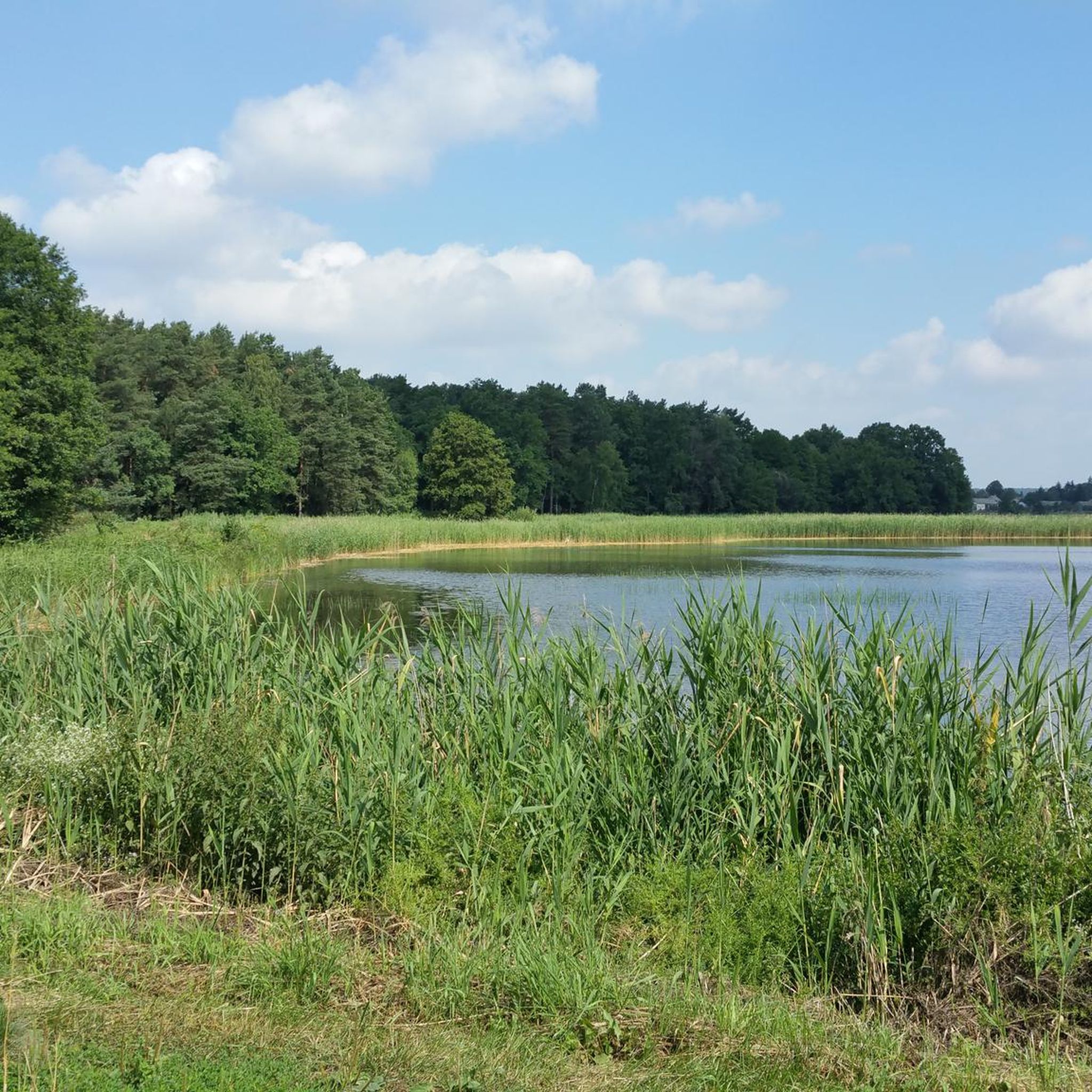
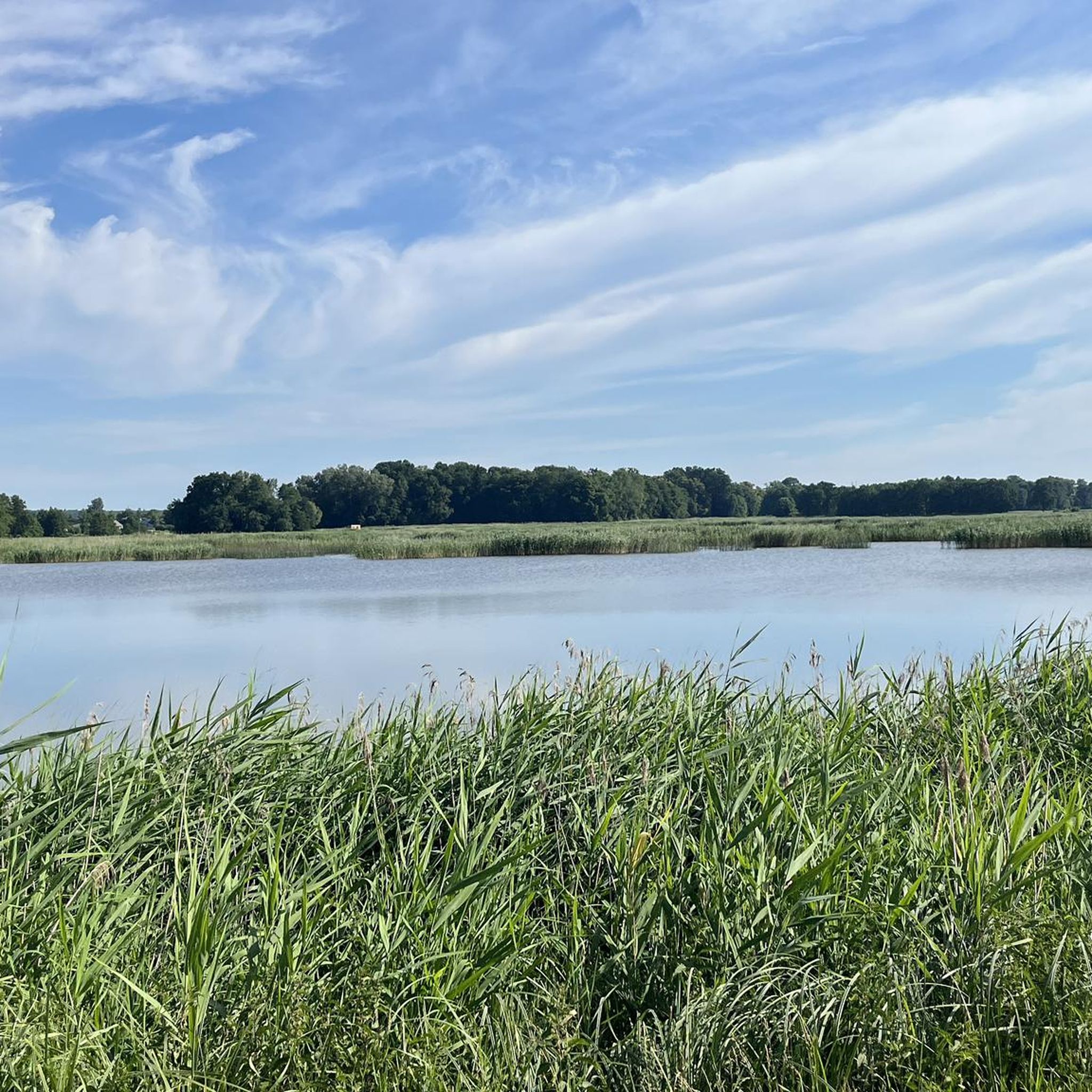
Zalew Żółtańce is a popular recreational area in the vicinity of Chełm, located on a small retention reservoir with an area of almost 47 ha and an average depth of approx. 2 m. Located in the Uherka River valley, the reservoir has a designated swimming area on the eastern shore, a jetty and the possibility of renting water equipment, which is conducive to active recreation. On-site there is a volleyball court, catering facilities and prepared places for a barbecue and bonfire. It is a good destination for cyclists who want to combine riding with relaxation by the water.
3
0

In the years 1770–1790 the current wooden church was built as a Uniate church. In 1875 it was taken over by the Orthodox church. In 1916 the church was taken over by the Roman Catholic church and in 1929 the parish of All Saints was established.
2
0
The former Old Town Market Square in Chełm is today named after Dr. Edward Łuczkowski, a figure who, even though he comes from quite a distant past, can somehow impress contemporary lovers of bicycle tourism. Because we learn from the pages of the history of the region that the beginnings of the organized tourist and sightseeing movement in the city and the surrounding area are associated with the figure of Edward Łuczkowski (1865-1932) - a resident of Chełm for many generations, the local "Doctor Judym", an extremely dedicated and active social worker. regionalist. In 1905, he founded the Cyclists' Club in Chełm and, with a group of friends, he went out into the field, getting to know the beauty of the landscape and looking for traces of the region's past. After his strenuous efforts with the authorities, in April 1910, a branch of the Polish Tourist Society was opened in Chełm, of which he became the president. In this social one organization gathered the local intelligentsia, animating it with the spirit of love for the home country and arousing the need to know it better. source [http://cyfrowa.bpchelm.pl/Content/606/Z%20dziejow%20Oddzialu%20Polskiego.pdf]
0
0

Chełm is a medium-sized town of around 65,000 inhabitants. Until 1946 the population was predominantly Ukrainian. She was moved voluntarily, or under duress, to Soviet Ukraine from the fall of 1944 to 1946.
1
0

Helmet. Collegiate Basilica of the Nativity of the Blessed Virgin Mary - built as a Uniate cathedral, currently a Roman Catholic parish church. It was established in the mid-18th century.
0
1

There is also a small cafe and gift shop.
0
0
From the bell tower you can admire the view of the city.
0
0
Frequently Asked Questions
What natural attractions can I explore around Leśniowice?
The region offers diverse natural beauty. You can visit Żółtańce Reservoir, a popular recreational lake with swimming, water equipment rentals, and facilities for active leisure. The area is also characterized by the scenic Chełm Hills with their chalk formations and the Grabowiec Hills, known for varied topography and loess ravines. Additionally, about 13% of the gmina is covered by forests, providing opportunities to observe diverse flora and fauna.
Are there any historical or cultural sites worth visiting in the Leśniowice area?
Yes, the area is rich in history. You can explore the evocative castle ruins and tower in Sielec, along with the historical distillery-mill and Rzewuski Family Manor. Other notable sites include the All Saints Church in Nowe Depułtycze, a wooden church built in the late 18th century, and the Roman Catholic Church of NMP in Kumów Plebański, dating back to 1821-1824. The Old Town, Chełm also offers historical and religious sites.
What kind of outdoor activities are available near Leśniowice?
Leśniowice is excellent for outdoor enthusiasts. You can enjoy cycling along the extensive 'Malowniczy Wschód' (Picturesque East) Cycling Route, which spans nearly 200 kilometers across several gminas, offering diverse terrain and picturesque landscapes. For specific cycling routes, check out the Cycling around Leśniowice guide. Hiking is also popular, with trails like the 'Las Borek loop from Chełm' and the 'Żółtańce Reservoir loop from Pokrówka'. More hiking options can be found in the Hiking around Leśniowice guide.
Are there family-friendly attractions around Leśniowice?
Absolutely. Żółtańce Reservoir is a great family destination, offering a designated swimming zone, a pier, water equipment rentals, volleyball courts, and areas for grilling and bonfires. Many of the historical sites, such as the All Saints Church in Nowe Depułtycze and the Old Town, Chełm, are also suitable for family visits, offering educational and cultural experiences.
Where can I find scenic viewpoints in the Leśniowice region?
For panoramic views, consider visiting the Bell tower at the Basilica of the Nativity of the Blessed Virgin Mary, which offers a perfect panorama of the surrounding area. The Chełm Hills and Grabowiec Hills also provide numerous scenic spots with varied topography and picturesque landscapes.
What is the 'Malowniczy Wschód' Cycling Route?
The 'Malowniczy Wschód' (Picturesque East) Cycling Route is an extensive trail connecting the gminas of Leśniowice, Wojsławice, Żmudź, and Dorohusk. It spans nearly 200 kilometers, showcasing diverse terrain, unspoiled nature, rich cultural heritage, and modern tourist infrastructure, including attractive water reservoirs. It's an excellent option for cyclists looking to explore the wider region.
Are there any unique natural monuments in the area?
Yes, in Kumów Majoracki, you can find a notable pedunculate oak tree that has been recognized as a natural monument. This ancient tree stands as a testament to the region's preserved natural heritage.
What historical remnants can be found in Sielec?
Sielec is home to the compelling ruins of a castle, including a distinct tower. Beyond the castle, you can also find a Baroque figure of NMP Assunty, an old school building, and the former manor of the Rzewuski family, alongside its associated distillery-mill and post-manor park.
What religious sites are present in the Gmina Leśniowice?
The gmina features several significant religious sites. These include the Orthodox-Ecumenical Chapel of St. Anna in Sielec, the Roman Catholic Church of St. John the Baptist in Rakołupy Duże, and the Roman Catholic Church of NMP in Kumów Plebański. Additionally, Majdan Leśniowski hosts the Polish Catholic Church of St. John the Baptist.
Where can I find recreational infrastructure for cyclists in the gmina?
The gmina has invested in developing tourist infrastructure, including a dedicated resting place for cyclists in Majdan Leśniowski. This provides a convenient stop for those exploring the area on two wheels, especially along routes like the 'Malowniczy Wschód' Cycling Route.
What is the significance of the village of Leśniowice itself?
Leśniowice village serves as the administrative heart of the gmina, housing the Commune Office Building. Its center underwent a significant renewal in 2009, an achievement that earned an award for the best construction investment on the eastern EU border, reflecting its modern development while retaining its regional importance.
What are the Chełm Hills and Grabowiec Hills like for exploration?
The Chełm Hills, where Gmina Leśniowice is situated, are characterized by numerous isolated chalk hills, some reaching up to 290 meters above sea level. To the south, the Grabowiec Hills offer a varied topography with many ravines and gorges carved into loess deposits. Both areas provide scenic views and opportunities for exploration, whether hiking or simply enjoying the landscape.

Get inspired with the komoot mobile app


Explore more
Still not found the Highlight you’re looking for? See guides of the top attractions in other regions:
