Attractions and Places To See around Dzierzkowice - Top 11
Best attractions and places to see around Dzierzkowice, a gmina in eastern Poland's Lublin Voivodeship, offers a combination of natural features and historical sites. The region is characterized by its unique loess ravines, particularly in the Dzierzkowice Góry area, and the scenic Wyżnica River. This landscape provides opportunities for hiking and cycling, while cultural heritage sites reflect its history.
Best attractions and places to see around Dzierzkowice
- The most popular attractions is Railway Crossing Entrance to Rudki Forest from Kraśnik…
Last updated: May 20, 2026
Watermill on the Urzędowianka in Bęczyn
Highlight • Monument
A place like from a movie
"In Bęczyn, in 1912, Paweł Chęciński built a watermill. In 1922, the mill was taken over by …
Translated by Google •
Tip by

Railway Crossing Entrance to Rudki Forest from Kraśnik
Highlight • Rest Area
Translated by Google •
Tip by

Sign up now to discover places like this
Get recommendations on the best single tracks, peaks, & plenty of other exciting outdoor places.
Sign up for free
Leśnictwo Rudki Picnic and Grill Pavilions
Highlight • Rest Area
Translated by Google •
Tip by
Saint Margaret and Saint Nicholas in Swieciechow
Highlight • Religious Site
Translated by Google •
Tip by

Church of the Holy Spirit in Kraśnik
Highlight • Religious Site
pl.wikipedia.org/wiki/Ko%C5%9Bci%C3%B3%C5%82_%C5%9Bw._Ducha_w_Kra%C5%9Bniku
Translated by Google •
Tip by

Sign up for free to discover even more attractions around Dzierzkowice.
Sign up for free
Already have an account?
Start today with a free account
Your next adventure awaits.
Login or Signup

Tips from the Community

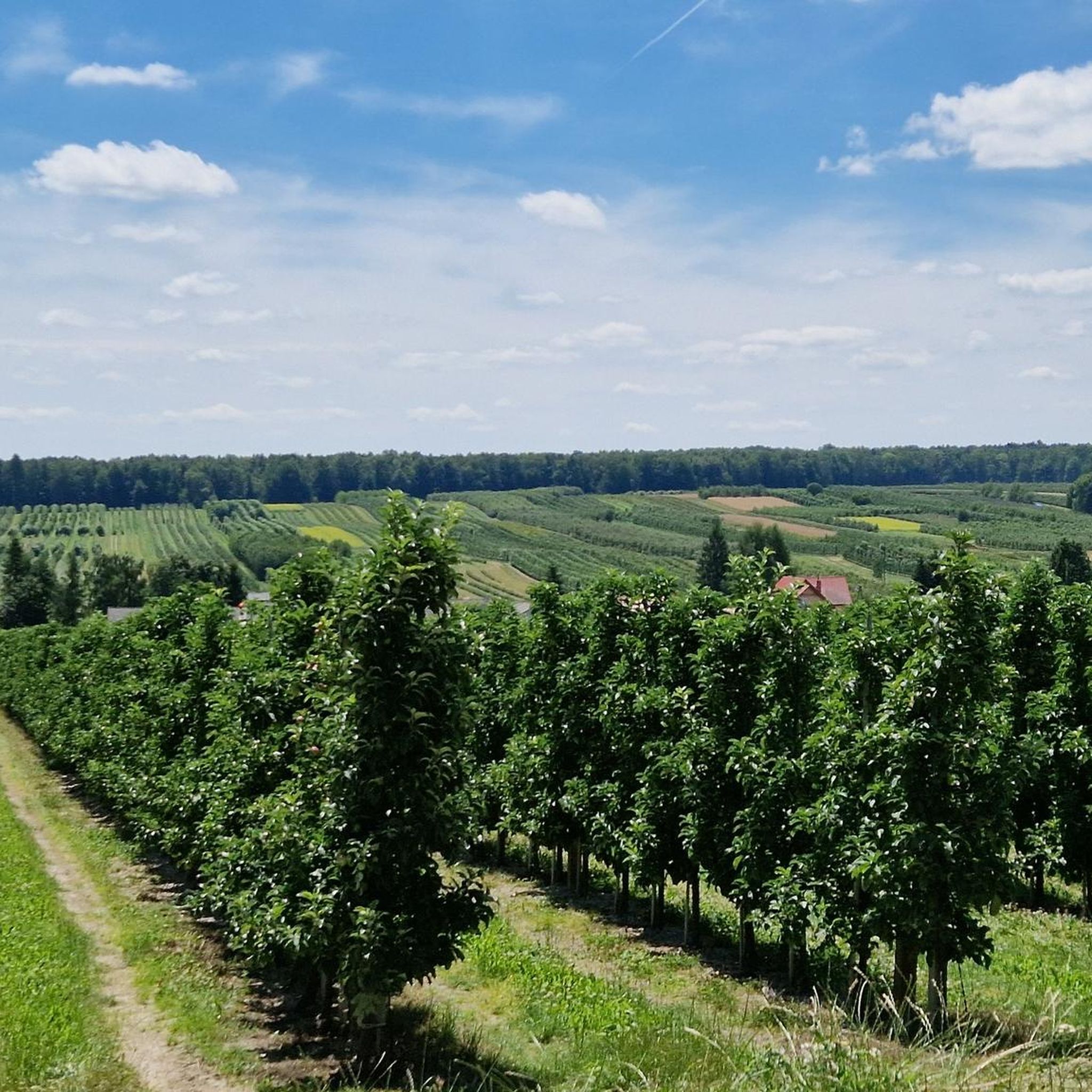
Watermill on Urzędowianka in Bęczyn (Urzetów commune) A place like from a movie "In Bęczyn, in 1912, Paweł Chęciński built a watermill. In 1922, the mill was taken over by Zygmunt Chęciński, Paweł's son, who in 1925 installed a turbine instead of the inefficient water wheel. In order to increase the processing power, in 1943 electricity was brought from Urzędów and an electric motor was used. The mill was well equipped, it had: a whole wheat flour mill, two pairs of rollers, a żuber, a perlak, a millet mill and a groats mill for making buckwheat. There was a flat for the miller next to the mill. The millers included Ignacy Krzykacz, Jan Płachta, Pikuła. In 1956, the mill was nationalized and transferred to the District Enterprise of Economic Mills in Kraśnik, which transferred it to the Commune National Council in Urzędów. The operation of the mill for the GRN was troublesome, so the mill was transferred to the Commune Cooperative of the Peasant Self-Help Union in Urzędów. When the demand for milling services decreased and the operation of the mill was unprofitable, GS leased the facility to Aleksander Kaspruś from Dzierzkowice, who after a few years of use gave up running the business due to the low demand for services. Over the last 50 years, the millers were employees of the commune and then GS, at various times the following worked in the mill: Łukasz Pac, Tadeusz Tarkowski, Ludwik Matysiak, Stanisław Matysiak, Jacek Jurak, Aleksander Kaspruś. Currently, the owner of the inactive mill is the Commune Office in Urzędów, the facility is cared for by the family of the former owner.” Source: Zdzisław Latos "Pottery and other types of crafts and trade in Urzędów from the 16th to the 20th century"
1
0

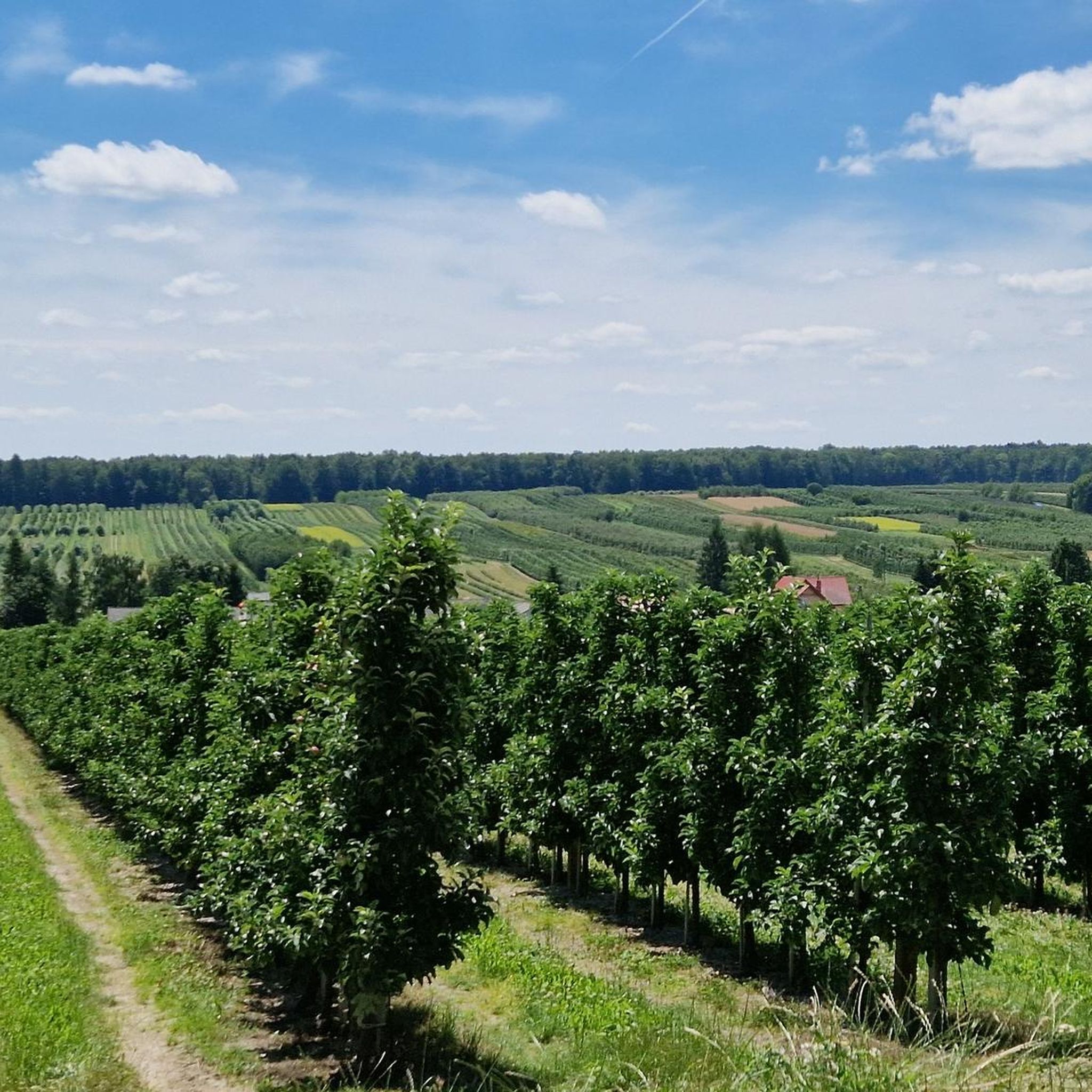
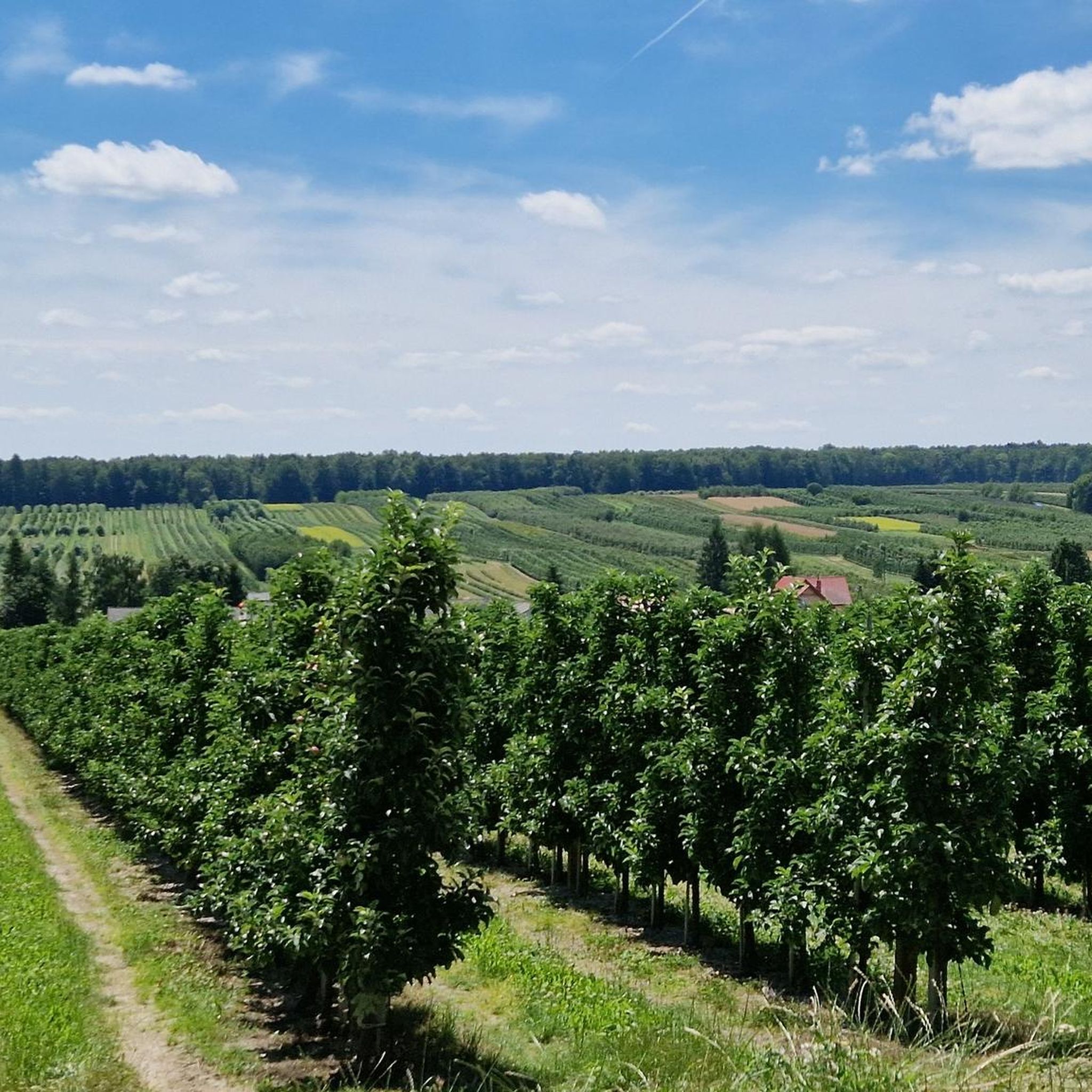
Rudki Forest is a place that will surely appeal to all lovers of nature and active recreation. It is the perfect place for a weekend getaway with family or friends
1
1
The Rudki forestry is famous for its picturesque mixed and coniferous forests, where you can admire rich flora and fauna. There are numerous tourist trails and educational paths that allow you to discover the secrets of nature and engage in active recreation
0
0

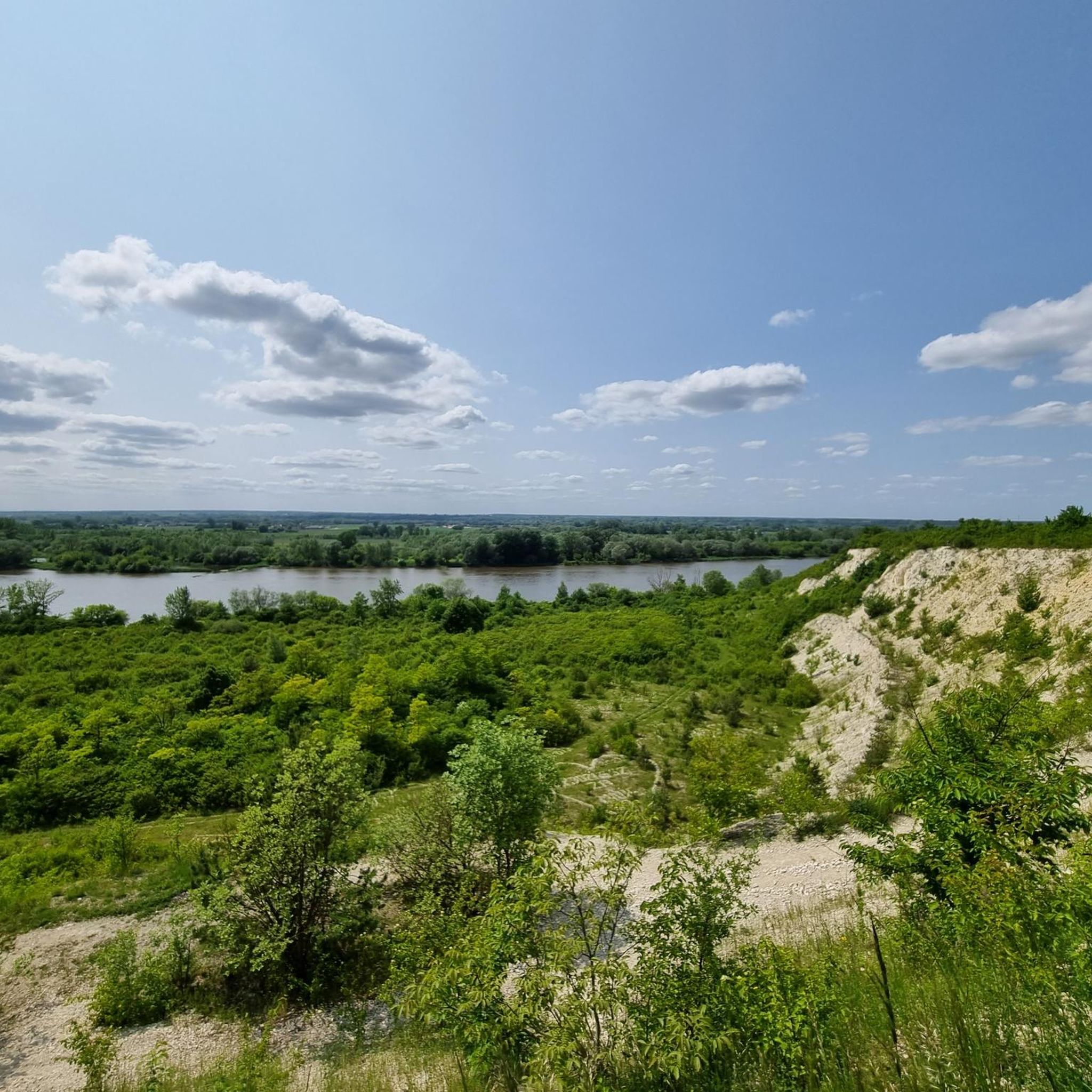
One of the oldest parishes in the diocese. Its origins go back to the 12th century. In 1221 Duke Leszek the White donated the village to the monastery in Sulejów. In the 15th century the bishop of Kraków had his estate here and he had the right to found the parish. By the end of the 19th century, the commune included the territory of the commune of Annopol and a village beyond the Vistula. In addition, it was equipped with farmland and meadows. In addition to the pastor, there were 1 or 2 vicars in the parish and in the 18th century there was also a bailiff. A hospital is mentioned in the 18th century and the library held several works. In religious life there were brotherhoods that prayed the rosary, among other things. The archive contains, among other things, records of baptisms, marriages and deaths since 1811 (translated from Wikipedia).
2
0

Beautiful 18th century church. https://pl.wikipedia.org/wiki/Ko%C5%9Bci%C3%B3%C5%82_%C5%9Bw._Ducha_w_Kra%C5%9Bniku
0
0
Frequently Asked Questions
What are the most prominent natural features to explore in Dzierzkowice?
Dzierzkowice is renowned for its picturesque loess ravines, especially in the Dzierzkowice Góry region. These unique geological formations are part of the Kraśnik Protected Landscape Area and are ideal for hiking and cycling. The scenic Wyżnica River also adds to the area's natural beauty.
What historical sites can I visit in Dzierzkowice?
You can explore the historic Parish Church of Saints Stanislaus the Bishop and Mary Magdalene, a wooden church built between 1730 and 1748 with a late Baroque altar. Additionally, the area was once home to a castle from the reign of Casimir the Great, and while it no longer stands, its former site on a local hill offers a glimpse into Dzierzkowice's rich past. Don't miss the Watermill on the Urzędowianka in Bęczyn, a historical man-made monument dating back to 1912, showcasing the region's industrial heritage.
Are there family-friendly attractions or activities in Dzierzkowice?
Yes, Dzierzkowice offers options for families. The Leśnictwo Rudki Picnic and Grill Pavilions provide amenities for visitors to enjoy the surrounding mixed and coniferous forests, perfect for a family outing. The Rudki Forest, accessible via the Railway Crossing Entrance to Rudki Forest from Kraśnik, is also a great place for active recreation with children.
What kind of outdoor activities are available in Dzierzkowice?
The region's well-developed network of local roads and natural landscapes makes it ideal for hiking and cycling, especially through the loess ravines. You can find various routes for different activities. For instance, there are numerous cycling routes and running trails around Dzierzkowice, catering to different difficulty levels.
Where can I go hiking in Dzierzkowice?
The loess ravines in the Dzierzkowice Góry region offer excellent hiking opportunities. The broader Kraśnik Protected Landscape Area provides a network of trails suitable for exploring these unique geological formations. The Rudki Forest, accessible from the Railway Crossing Entrance to Rudki Forest from Kraśnik, also features numerous tourist and educational paths.
Are there cycling routes around Dzierzkowice?
Yes, the Gmina Dzierzkowice provides excellent conditions for active tourism with its network of roads suitable for cycling through scenic landscapes. You can find various options, including road cycling routes and general cycling tours, with routes like the 'War Cemetery – Sanctuary of St. Otylia loop' or 'Kraśnicki Reservoir – Zalew Kraśnicki Beach loop'.
What is the best time of year to visit Dzierzkowice for outdoor activities?
The region's natural beauty, particularly its loess ravines and forests, is best enjoyed during the milder months. Spring and autumn offer pleasant temperatures for hiking and cycling, with vibrant foliage or blooming nature. Summer is also suitable, though it can be warmer.
Are there places for picnics or relaxation in nature?
Absolutely. The Leśnictwo Rudki Picnic and Grill Pavilions are specifically designed for this, offering amenities within the picturesque mixed and coniferous forests of the Rudki forestry. It's a perfect spot to relax and enjoy the natural surroundings.
What is the historical significance of Dzierzkowice?
Dzierzkowice has a rich history dating back to the early 13th century, receiving Magdeburg Law in 1405. It was strategically important during the 15th and 16th centuries, located on a major eastern trade route connecting Sandomierz with Lublin, frequently used by the Jagiellonian royal court. The area was also home to a castle, believed to have been built during the reign of Casimir the Great.
What do visitors enjoy most about the attractions around Dzierzkowice?
Visitors appreciate the blend of natural beauty and historical intrigue. The unique loess ravines offer stunning landscapes for exploration, while sites like the historic church and the old watermill provide a connection to the region's past. The Rudki Forest area is particularly popular for its natural beauty and opportunities for active recreation.

Get inspired with the komoot mobile app


Explore more
Still not found the Highlight you’re looking for? See guides of the top attractions in other regions:
