Top 10 Gorges around gmina Wąwolnica
Best canyons around gmina Wąwolnica are primarily characterized by unique loess ravines, forming a significant part of the "Kraina Lessowych Wąwozów" region. These geological formations offer a canyon-like experience with deep, winding paths carved into soft loess soil. A portion of gmina Wąwolnica lies within the Kazimierski Park Krajobrazowy, an area known for its diverse natural environment. The region provides opportunities for exploring these natural wonders and engaging in outdoor activities.
Best canyons around gmina Wąwolnica
- The most popular canyons…
Last updated: October 5, 2026
Norowy Dół Gorge
Highlight (Segment) • Gorge
Translated by Google •
Tip by

Lipinki Gorge
Highlight • Gorge
Translated by Google •
Tip by

Sign up now to discover places like this
Get recommendations on the best single tracks, peaks, & plenty of other exciting outdoor places.
Plebanka Gorge
Highlight • Gorge
Translated by Google •
Tip by

Małachowski Gorge
Highlight • Gorge
It owes its name to Count Juliusz Małachowski, who became famous for defending …
Translated by Google •
Tip by
Na Wiktora Gorge
Highlight (Segment) • Gorge
Translated by Google •
Tip by

Sign up for free to discover even more gorges around gmina Wąwolnica.
Already have an account?
Start today with a free account
Your next adventure awaits.
Tips from the Community

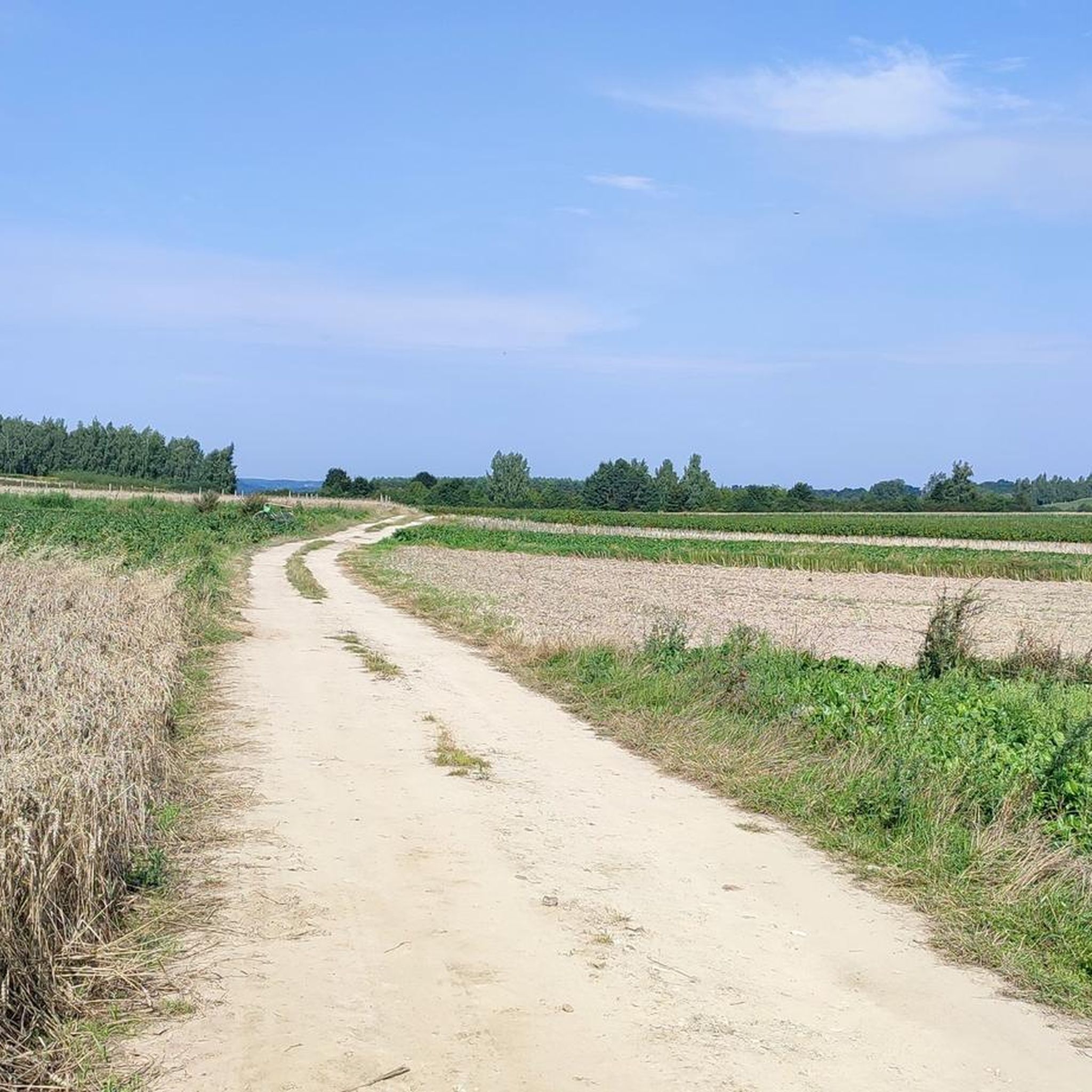
Norowy Dół is a ravine located in Kazimierz Dolny, on the right bank of the Vistula, between Aleja Kazimierza Wielkiego and Góry Pierwszemi and Góra Zamkowa. It is part of the edge of the Vistula valley, in the area of the Małopolska Vistula Gorge. The history of the ravine is associated with the Nor family (or Nur family), which was mentioned in the Kazimierz Dolny city book as early as 1555. Their lands stretched in the area of the ravine, and in 1633 Stefan Nur purchased an oak grove. Names related to the Nory/Nury family appeared regularly in city records until the end of the 18th century, and the ravine and the street leading through it are still called Norowy Dół. In the past, at the mouth of the ravine, there was an important nodal point of port facilities on the Vistula. The ravine is also an example of natural erosion, which had a destructive effect on human activity, including destroying roads and reducing the area of arable fields. Classes related to gully erosion are often held here.
4
0

the entrance is located near the center of Wąwolnica. Nice place during hot weather
0
0

One of several dozen beautiful gorges near Kazimierz Dolny in the so-called The Land of Loess Gorges. It owes its name to Count Juliusz Małachowski, who became famous for defending Kazimierz Dolny against Russian troops in 1831. At the age of 29, he died in this gorge, which was commemorated with a plaque that can be found here.
3
0
One of the numerous loess gorges for which Kazimierz Dolny is known. The gorge has the shape of an inverted letter Y. It is easy to cross and is located quite close to the Kazimierz market square. Along the way, pay attention to the so-called an epidemic cross, placed during one of the epidemics in Kazimierz, which was supposed to inform visitors that they were entering an area affected by an epidemic.
3
0
Also known as Nurowy Dół or Dół Nurowski. It is a 700-meter-long loess gorge in Kazimierz Dolny. Beautiful, natural surroundings, narrow path can be slippery after rain.
3
0
Beautiful deep gorge, gives cool coolness during the heat.
0
0

Great descent, beautiful gorge. You have to be careful because the surface is made of concrete slabs and shakes a lot, and the speed is specific. Not really for the road. Gravel, MTB.
1
0

I really like the picturesque surroundings of Nałęczów. It's beautiful here!
1
1
Frequently Asked Questions
What are the most notable loess ravines to visit around gmina Wąwolnica?
The region is famous for its unique loess ravines. Among the most popular are Lipinki Gorge, known for its deep path that provides coolness, and Na Wiktora Gorge, which offers a beautiful descent. Another impressive spot is Korzeniowy Dół Ravine, recognized for its vertical walls and exposed tree roots.
What makes the loess ravines around gmina Wąwolnica unique?
These ravines are unique geological formations, deeply cut into soft loess soil, creating winding paths with impressive vertical walls. A particularly striking feature is the exposed, fantastically shaped tree roots that often hang overhead, giving the ravines a magical, fairytale-like atmosphere. They are part of the "Kraina Lessowych Wąwozów" (Land of Loess Ravines), which boasts the largest concentration of such formations in Europe.
Are the loess ravines around gmina Wąwolnica suitable for families?
Yes, many of the loess ravines are suitable for families. Highlights like Lipinki Gorge, Korzeniowy Dół Ravine, and Plebanka Gorge are categorized as family-friendly, offering accessible paths for exploration. The varied landscape and natural beauty provide an engaging experience for all ages.
What is the best time of year to visit the loess ravines in gmina Wąwolnica?
The loess ravines can be visited throughout the year, each season offering a different experience. Spring and autumn are particularly pleasant for hiking, with mild temperatures and vibrant foliage. Summer provides a cool escape within the deep ravines, while winter transforms the landscape into a serene, snow-covered wonderland, though some paths might be slippery.
What kind of wildlife can be observed in the loess ravines?
The region boasts a rich variety of diverse fauna. The unique microclimate and varied vegetation within the ravines create habitats for numerous species. Visitors might spot various birds, small mammals, and a wide array of insects. The area's biodiversity makes it an attractive destination for nature enthusiasts.
Are dogs allowed on the trails in the loess ravines around gmina Wąwolnica?
Generally, dogs are welcome on trails in the loess ravines. However, it's always recommended to keep them on a leash, especially in more popular areas or within the Kazimierski Park Krajobrazowy, to protect wildlife and ensure a pleasant experience for all visitors. Please check local signage for any specific restrictions.
Are there hiking or cycling routes available near the loess ravines?
Yes, the area offers numerous well-marked tourist trails for hiking, cycling, and Nordic walking. You can find a variety of options, including easy hikes such as the "Pętla Bochotnica - Zamek Esterki - Wąwóz Głęboki Jar" route, or more challenging MTB trails like the "Kazimierz Dolny Market Square – Plebanka Gorge loop." For more details, explore the easy hikes, MTB trails, and cycling routes guides for the gmina Wąwolnica region.
Where can I find parking when visiting the loess ravines?
Parking is generally available in and around the main towns and villages near the ravines, such as Wąwolnica or Kazimierz Dolny. For specific ravines, look for designated parking areas or roadside spots where permitted. For example, if visiting the Sanktuarium Matki Boskiej Kębelskiej in Wąwolnica, parking facilities are usually available nearby, offering access to local trails.
Are permits required to hike in the loess ravines around gmina Wąwolnica?
No, permits are generally not required for hiking in the loess ravines around gmina Wąwolnica. The trails are freely accessible to the public. However, visitors are encouraged to respect nature, stay on marked paths, and adhere to any local regulations, especially within the Kazimierski Park Krajobrazowy.
Are there places to eat or stay near the loess ravines in gmina Wąwolnica?
Yes, the region offers various options for dining and accommodation. You can find agrotourism farms, guesthouses, and restaurants in Wąwolnica and nearby towns like Kazimierz Dolny and Nałęczów. These establishments often cater to tourists and provide local cuisine and comfortable stays, complementing the outdoor experience.
Can I explore the loess ravines during winter?
Yes, exploring the loess ravines in winter offers a unique and tranquil experience. The snow-covered landscape can be very picturesque. However, paths may be slippery due to ice or snow, so appropriate footwear with good grip is essential. Always check local weather conditions before heading out.
What should I wear when visiting the loess ravines?
Given the varied terrain and potential for uneven surfaces, comfortable and sturdy hiking shoes with good ankle support are recommended. Dress in layers to adapt to changing weather conditions, and consider bringing a light jacket even in warmer months, as the deep ravines can be cooler. During winter, warm, waterproof clothing and non-slip footwear are crucial.
Are there any lesser-known or 'hidden gem' ravines worth exploring?
While Korzeniowy Dół Ravine is well-known, the region is characterized by an extensive network of loess ravines, with a density exceeding 10 km/km² in some places. Many smaller, less frequented ravines exist, offering a more secluded experience. For example, Głęboki Jar Gorge, while part of Kazimierz Landscape Park, is noted as not as popular as the most famous ones, resembling a 'green tunnel' and offering a peaceful exploration.
Most popular routes around gmina Wąwolnica
Most popular attractions around gmina Wąwolnica

Get inspired with the komoot mobile app


Explore more
Already discovered everything in this region? See additional gorges around gmina Wąwolnica for your next adventure:
