Attractions and Places To See around gmina Zwierzyniec - Top 20
Best attractions and places to see around gmina Zwierzyniec, located in southeastern Poland, is a region known for its blend of natural beauty, historical landmarks, and cultural heritage. It serves as a base for exploring the wider Roztocze region, featuring parts of Roztocze National Park. The area offers diverse landscapes, from ancient forests to picturesque ponds and historical sites.
Best attractions and places to see around gmina Zwierzyniec
- The most popular attractions is Zwierzyniec Brewery, a historical site that…
Last updated: May 20, 2026
Zwierzyniec Brewery
Highlight • Historical Site
Translated by Google •
Tip by

Zamoyski's Summer Residence in Zwierzyniec
Highlight • Historical Site
Translated by Google •
Tip by

Sign up now to discover places like this
Get recommendations on the best single tracks, peaks, & plenty of other exciting outdoor places.
Sign up for free
Church of Saint Stanislaus the Bishop and Martyr in Górecko Kościelne
Highlight • Religious Site
Its history dates back to the 17th century and is associated with the cult of St. Stanislaus, bishop and martyr, …
Translated by Google •
Tip by

St. Isidore's Church in Topólcza
Highlight • Religious Site
Translated by Google •
Tip by

Echo Ponds Beach
Highlight • Beach
Translated by Google •
Tip by

Sign up for free to discover even more attractions around gmina Zwierzyniec.
Sign up for free
Already have an account?
Start today with a free account
Your next adventure awaits.
Login or Signup
Popular around gmina Zwierzyniec
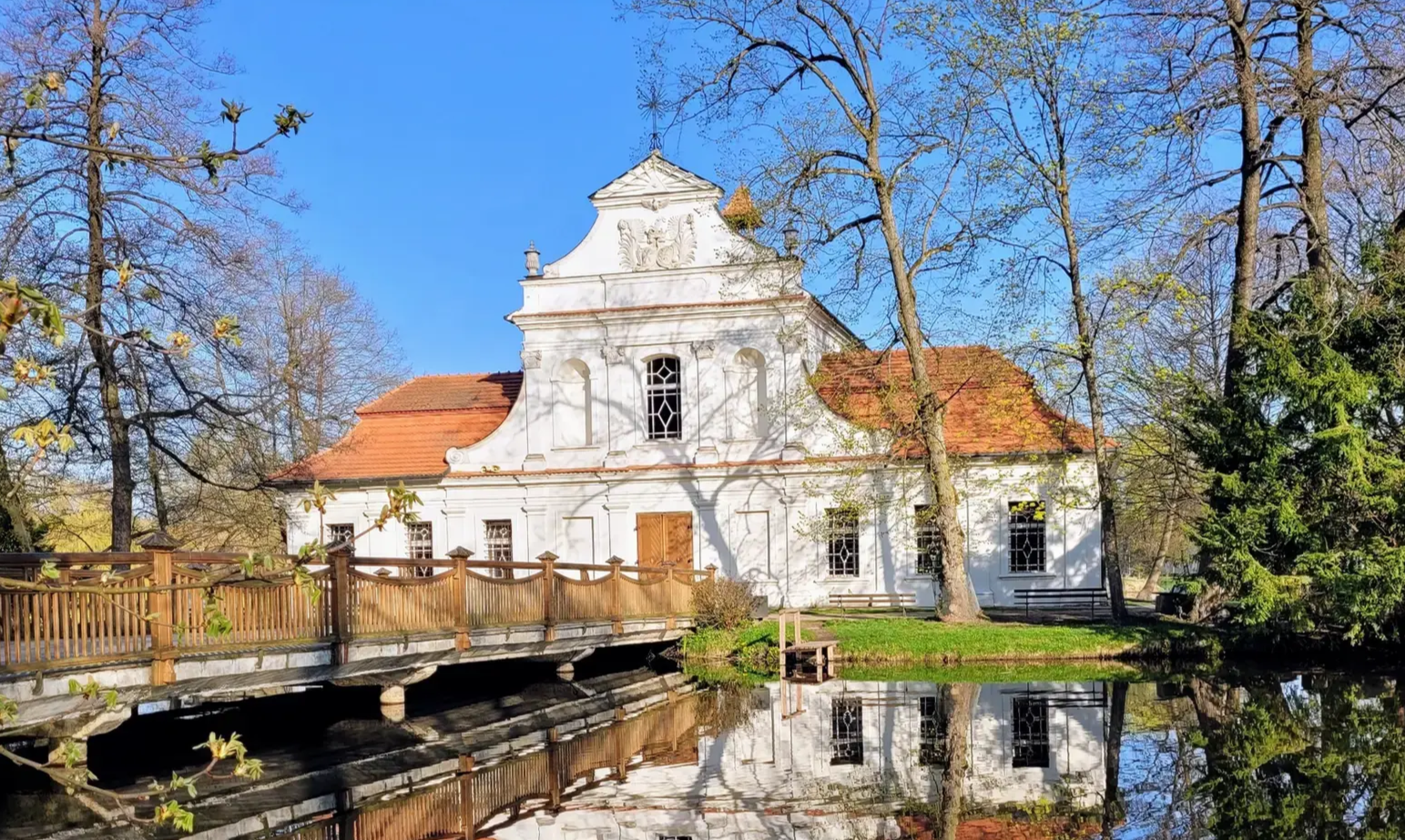
Central Roztocze Trail - beautiful forests and magnificent monuments
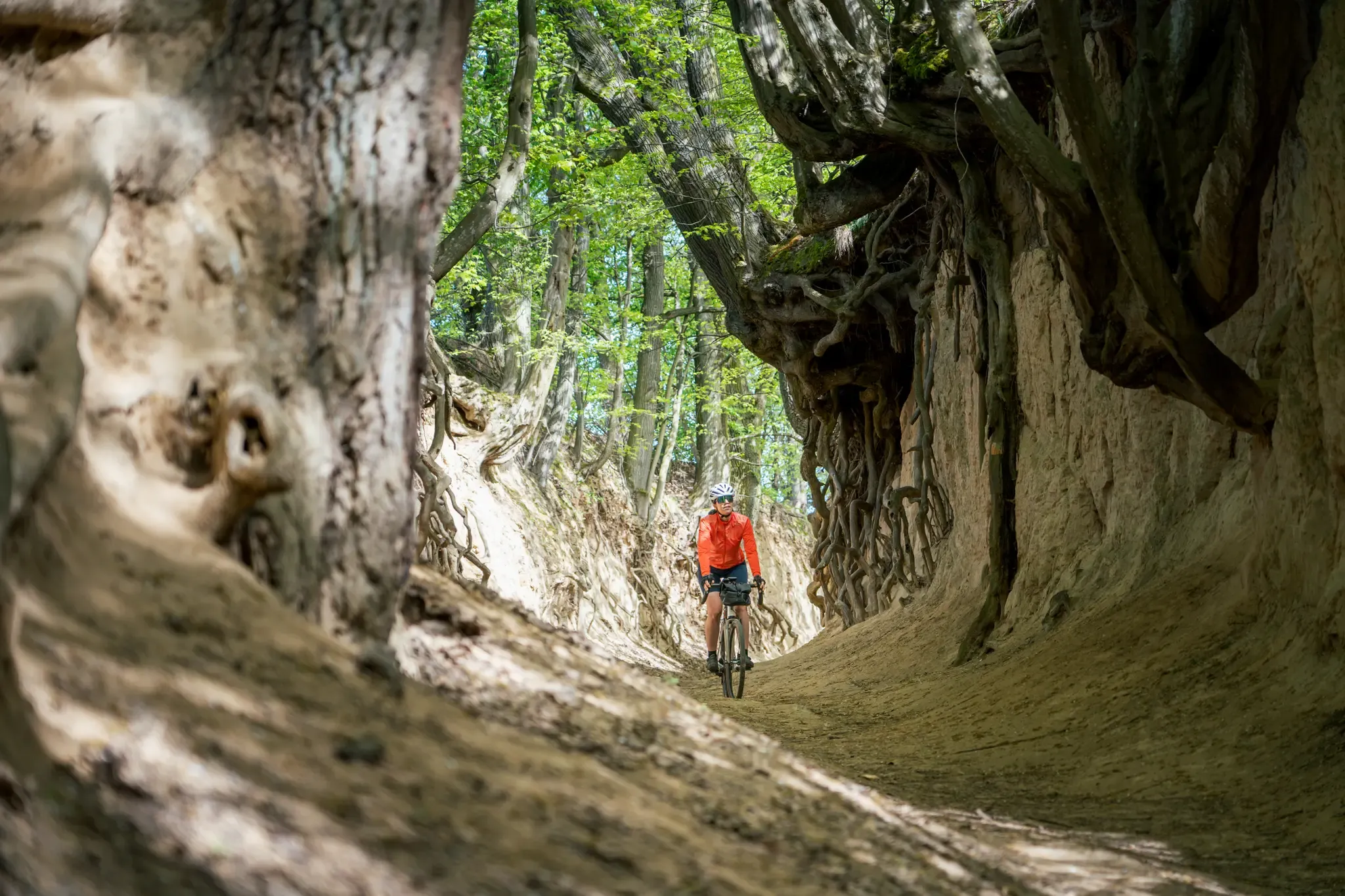
Ancient trees & historic cities – gravel biking in south-eastern Poland
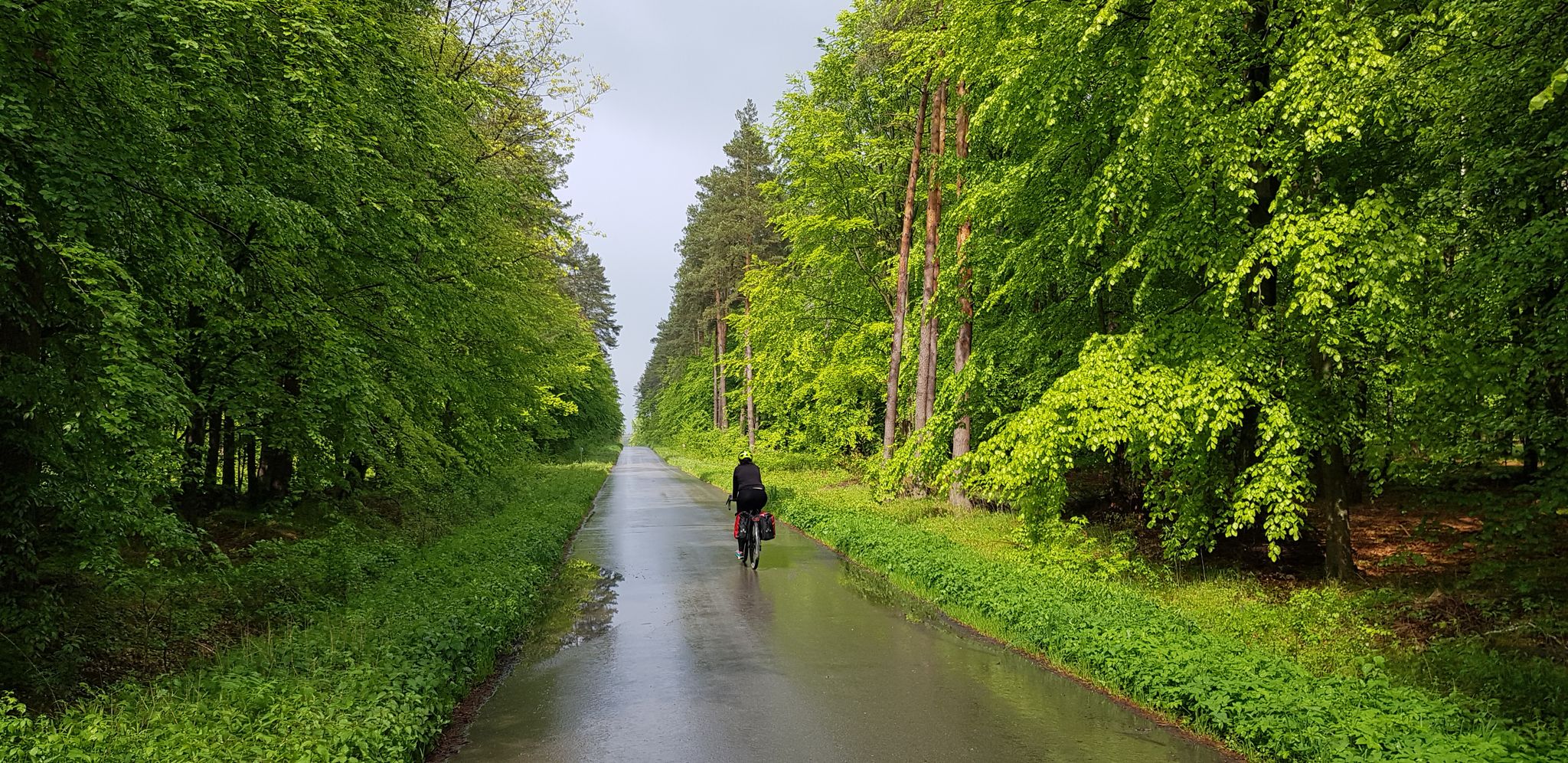
To the east, Eden – La Green Velo Szlak (part one)
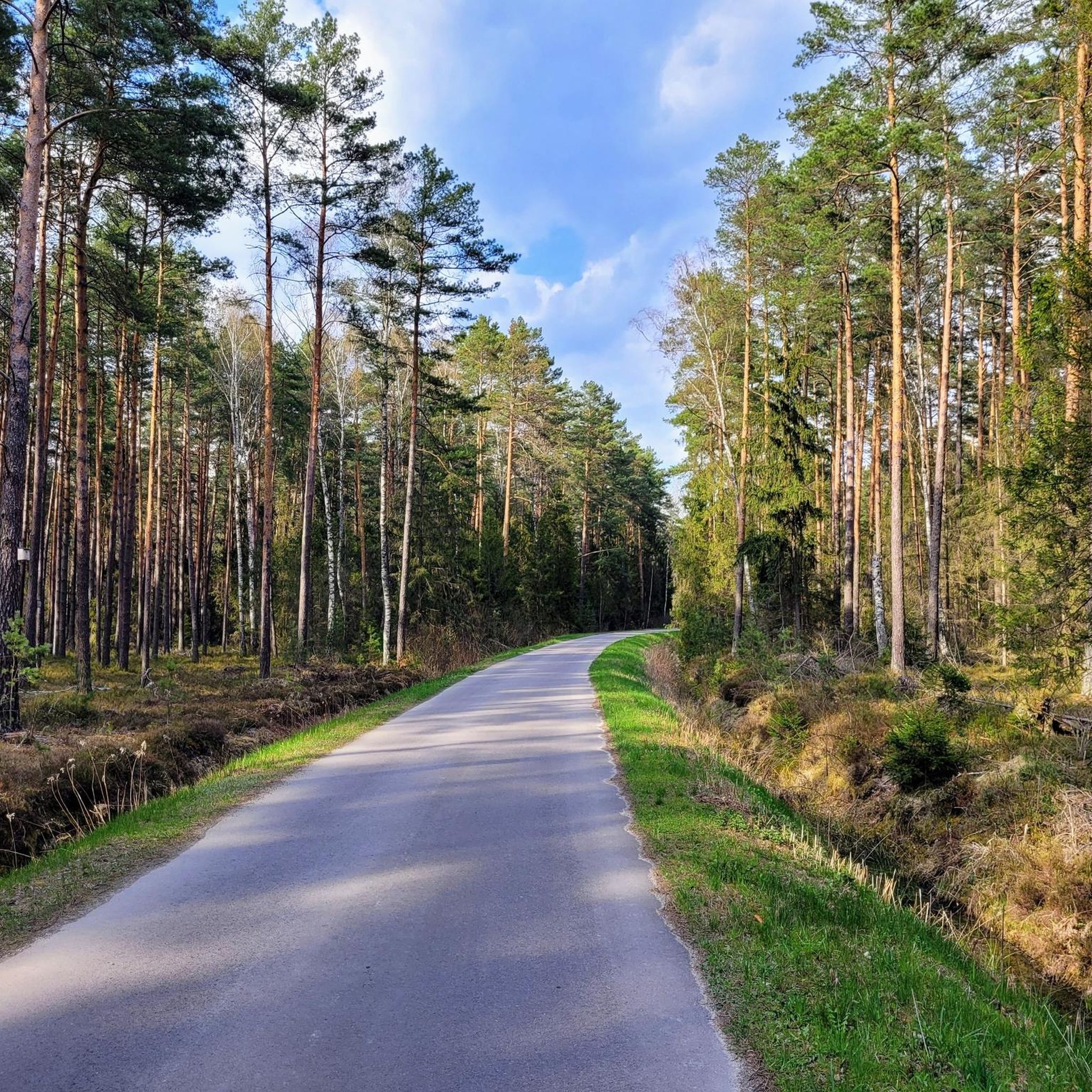
Hiking around gmina Zwierzyniec
Cycling around gmina Zwierzyniec
Road Cycling Routes around gmina Zwierzyniec
MTB Trails around gmina Zwierzyniec
Running Trails around gmina Zwierzyniec
Gravel biking around gmina Zwierzyniec
Other adventures around gmina Zwierzyniec


Tips from the Community

In 1593, Jan Zamoyski purchased the Szczebrzeszyn estate. There, near the village of Rudka, in the valley of the Wieprz River and the Świerszcz Stream, in an area covered with forests, he decided to realize the Renaissance idea of a "villa." He built a wooden, larch palace where he hosted distinguished guests and relaxed with his family. Early on, Jan Zamoyski also brought to the area gentle animals such as red deer, roe deer, fallow deer, and wild horses, also known as tarpans. These animals gave rise to Zwierzyńczyk and later Zwierzyniec. The summer palace was demolished due to its age in the mid-19th century and stood in the center of Zwierzyniec between two brick outbuildings – where the Woodworking School is currently located. Opposite their summer residence, Tomasz Antoni Zamoyski and his wife, Teresa Michowska, built a palace-style church in thanksgiving to God for the birth of their long-awaited son, Klemens. The Church of St. John of Nepomuk remains a major tourist attraction in Roztocze National Park.
0
0
The first wooden chapel was built in this place in 1668 from the foundation of Marcin Zamoyski, the Lviv Sub-Stole, later the Grand Treasurer of the Crown. From 1688 to 1886 under the administration of the Franciscans. In 1720, it was re-endowed by Tomasz Józef Zamoyski, the starost of Grodecki and Płoskirów, probably with the simultaneous construction of a new church or the expansion of the original chapel. It was burned down by the Swedes in the 18th century. The current church was built in 1768 from the foundation of Jan Jakub Zamoyski, later the voivode of Podolia. In 1778, it was consecrated by Bishop Melchior Jan Kochnowski. Extended on the northern side in the years: 1897-8. Thoroughly renovated before 1930, and in 1975 the roof was renovated.
0
0
The Zwierzyniec Brewery is a historic brewery from the early 19th century located in Zwierzyniec. The owner of the plant is the State Treasury, and the lessee – Perła – Browary Lubelskie. The brewery in Zwierzyniec was founded as part of the Zamoyski Family Fee Tariff by Stanisław Kostka Zamoyski at the beginning of the 19th century. The first buildings, which included a single-storey brewing plant, cellars, warehouses, a cooperage and a coach house, were built in 1805–1806 on the site of the former Zamoyski residence. The masonry work was supervised by master Grzegorz Szostakiewicz, and the Scottish brewer John McDonald was responsible for starting beer production. In 1806–1810, English porter-type beer was brewed there. In 1810, the brewery burned down. However, it was quickly rebuilt from the destruction. In 1834–1836, it was expanded and modernized. At that time, it was equipped with a steam engine, and a mill for grinding malt was set up in the new wing. From the 1840s, the plant was leased by the Zamość Estate. In the years 1866–1878, it suspended operations. Most of its equipment was sold. In 1878, after another expansion and the purchase of new equipment, it was reopened.
0
0

When visiting Topólcza, it is worth stopping by the local church, which has an interesting, multicultural history. Originally an Orthodox church, later a Uniate church, it eventually became a Catholic church. The church's architecture features elements of the Byzantine style. Inside, the 17th-century painting of the Virgin Mary and Child and the polychromes made in 2002 are worthy of note. The area around Topólcza offers peaceful bike paths, perfect for a contemplative ride.
2
0

The brewery is open to visitors, and you can also grab a tasting ;)
0
0

Crowded but pleasant. You can relax.
1
0

In Topólcza, there was originally an Orthodox parish belonging to the Chełm diocese. The first mentions date back to the mid-16th century. After the Brest Synod in 1596, the Orthodox church in Topólcza became a Uniate (Greek Catholic) church of the Nativity of the Mother of God. After the fall of the January Uprising in 1864, when the wave of Russification in the Kingdom of Poland intensified, Tsar Alexander II Romanov abolished the union, forcing the Greek Catholics to convert to Orthodoxy in 1875. At that time, the parish priest in Topólcza was Fr. Jan Grzegorzewski, who submitted to the Tsar's order. In 1906, Vladimir Galikowski, another Orthodox parish priest in Topólcza, began efforts to build a brick church, the plans of which were made by the architect Aleksander Puring. The construction of the church in 1911, funded by the Paschałow family, was led by the brothers Gerwazy and Stanisław Kaczorowski from Warsaw. As a result of World War I, the Orthodox population in Topólcza and the surrounding area decreased significantly. At the end of June 1915, the last Orthodox priest, together with most of his faithful, fled from the approaching Austrian troops into the depths of Russia, and in 1917 the Austrians handed the church over to the Catholic Church. On April 5, 1919, the Bishop of Lublin, Marian Leon Fulman, established a Roman Catholic parish in Topólcza, appointing Fr. Jan Makulec as its parish priest. In May 1919, the so-called reconciliation of the temple took place, which was carried out by the dean from Szczebrzeszyn. The parish church in Topólcza, single-nave, in the Byzantine style, is built of red brick. There are two sacristies by the presbytery, and a tower with a porch on the pediment. Inside, there are wooden altarpieces for the main altar and two side altarpieces, adapted in 1919-1920 from its former furnishings. During the reconstruction of the church in the interwar period, among other things, the domes were removed and the roof was rebuilt. In the altarpiece of the main altar, there is a painting (icon) of the Mother of God with Child, painted on wood by Lviv painters, with a gilded dress from the first half of the 17th century. In the side altar, on the right side, there is a painting of St. Isidore the Orach, painted in 1927 in Warsaw, and on the left - a painting of the Sacred Heart of the Lord Jesus. The altars were rebuilt in 1969. In 2002, the painter Janusz Szpyt from Lubaczów created a polychrome in the church. At that time, the following icons were found: the Nativity of the Mother of God, an angel with a tablet with 12 feasts, the baptism of Jesus in the Jordan, and Orthodox saints (patrons of the founders of the church). A scene of the offering of the Mother of God was painted on the ceiling of the presbytery, and the figures of the four evangelists with attributes (St. John - eagle, St. Luke - ox, St. Mark - lion, and St. Matthew - angel). Above the altars of the side altars were paintings of the Servants of God: John Paul II and Stefan Cardinal Wyszyński. In 2003, two stained glass windows were installed in the presbytery: Jesus the Merciful and Our Lady of the Sowing. Sculptures created during the annual Roztocze sculpture open-airs were placed around the temple. In 2005, the relics of St. Isidore were brought from the Vatican to the church in Topólcza. To commemorate the pilgrimage of the copy of the Image of Our Lady of Częstochowa and the 85th anniversary of the parish, a new belfry was built in 2004, which currently houses bells named Józef and Mary, consecrated on October 20, 1957 by the dean of Szczebrzeszyn, Fr. Stanisław Szepietowski.
0
2
Frequently Asked Questions
What natural attractions can I explore in Gmina Zwierzyniec?
Gmina Zwierzyniec is known as the 'Heart of Roztocze' and offers numerous natural highlights. You can visit the Roztocze National Park, which protects ancient forests and is home to Polish ponies. Don't miss the beautiful Echo Ponds, where you can swim in summer and observe wildlife. For panoramic views, head to Bukowa Góra or Biała Góra Observation Tower.
Where can I find the famous Church on the Water?
The iconic Church on the Water, also known as St. John of Nepomuk Catholic Church, is located in Zwierzyniec on an island on the Church Pond. Its stunning late-Baroque architecture and 18th-century polychromes make it a must-see. Access is via a wooden bridge.
Can I visit a historic brewery in Gmina Zwierzyniec?
Yes, the Zwierzyniec Brewery, established in 1806 by the Zamoyski family, is open to visitors. You can tour the facility, learn about its rich history and brewing process, and enjoy beer tastings.
Are there good hiking opportunities near the attractions?
Absolutely. Gmina Zwierzyniec offers a variety of hiking trails, especially within the Roztocze National Park. Popular easy routes include the 'Historical and natural trail to Wzgórze Polak' and loops around the Echo Ponds. For more options, explore the Easy hikes around gmina Zwierzyniec guide.
What cycling routes are available in the Gmina Zwierzyniec area?
The region is very cyclist-friendly. You can enjoy routes like the 'Roztocze Bicycle Trail' or the 'Centralny Rowerowy Szlak Roztocza'. There are also easier loops such as 'Zwierzyniec Brewery – Polish ponies loop'. Find more details in the Cycling around gmina Zwierzyniec guide.
Are there family-friendly places to visit in Gmina Zwierzyniec?
Many attractions in Gmina Zwierzyniec are suitable for families. The Echo Ponds offer a sandy beach for swimming in summer. You can also visit Florianka to see Polish ponies and explore the Forest Chamber museum. The Zwierzyniec Brewery also welcomes families for tours.
What historical sites, beyond the Church on the Water, can I visit?
Beyond the iconic church, you can explore the Zamoyski's Summer Residence in Zwierzyniec, which is now a spa resort with historical ties. The former Zamoyski Estate Management buildings and the historical Zwierzyńczyk Park also offer a glimpse into the region's past. Don't miss the unique Monument of the Locust and the Mysterious Eye Monument in Zwierzyniec Park.
What is the best time to visit Gmina Zwierzyniec for outdoor activities?
The best time to visit Gmina Zwierzyniec for outdoor activities is typically from spring to early autumn (May to October). During these months, the weather is pleasant for hiking, cycling, and kayaking. Autumn offers particularly stunning landscapes with vibrant foliage, especially in the Roztocze National Park.
Are there any places to see traditional architecture in the region?
Yes, Gmina Zwierzyniec is notable for its well-preserved traditional wooden architecture. In the town of Zwierzyniec, about 40% of residential buildings are wooden, and in the village of Turzyniec, this figure rises to 60%, offering a charming glimpse into local heritage.
What unique natural features are there besides the national park?
Beyond the Roztocze National Park, you can discover the Rudka Reservoir, a modern spot for water recreation and equipment rental. For a truly unique experience, walk down Wąska Street in the Borku district, an unusually narrow street only passable on foot or by bicycle.
Can I go kayaking in Gmina Zwierzyniec?
Yes, the Wieprz River offers excellent opportunities for adventurous canoe and kayak trips. It's a fantastic way to experience the natural beauty of the region from a different perspective.
Are there any sites commemorating World War II history?
Yes, the Cemetery of Pacification Victims in Sochy serves as a powerful historical lesson, commemorating the tragic events of June 1, 1943, when the village was destroyed and its inhabitants murdered during World War II.
Most popular routes around gmina Zwierzyniec
Most popular attractions around gmina Zwierzyniec

Get inspired with the komoot mobile app


Explore more
Still not found the Highlight you’re looking for? See guides of the top attractions in other regions:
