Attractions and Places To See around Zamość - Top 20
Best attractions and places to see around Zamość include a rich array of historical sites and natural monuments. This region in Poland is characterized by its well-preserved Renaissance architecture and surrounding natural areas. Visitors can explore significant historical fortifications and structures, alongside unique nature reserves. The area offers diverse opportunities for those interested in cultural heritage and outdoor exploration.
Best attractions and places to see around Zamość
- The most popular attractions is Cathedral of the Resurrection and St. Thomas the…
Last updated: July 16, 2026
Cathedral of the Resurrection and St. Thomas the Apostle
Highlight • Religious Site
Tip by

Szczebrzeska Gate
Highlight • Historical Site
Translated by Google •
Tip by

Sign up now to discover places like this
Get recommendations on the best single tracks, peaks, & plenty of other exciting outdoor places.
Sign up for free
Jan Zamoyski Monument
Highlight • Monument
Translated by Google •
Tip by

Hubale Nature Reserve
Highlight • Natural Monument
Translated by Google •
Tip by

Zamość Fortress Fortifications
Highlight • Historical Site
Translated by Google •
Tip by

Sign up for free to discover even more attractions around Zamość.
Sign up for free
Already have an account?
Start today with a free account
Your next adventure awaits.
Login or Signup



Tips from the Community

The former Szczebrzeska Gate (known as Floriańska Gate) was built at the beginning of the 17th century, when Zamość was being expanded, as one of the three gates at that time, located at the southern line of the city walls, on the road to the west (currently at Szczebrzeska Street).
0
0

Zamość Fortifications The historic fortifications surrounding the Old Town—a great place for a walk and photos with a view of the walls 🧱.
0
0

You can easily get around by bike.
0
0

The Szczebrzeszyn Gate was built according to the design of Bernardo Morando in the years 1603-1605. The gate was placed in the curtain between bastions II and III, it opened towards the Szczebrzeszyn route, through a causeway running above the defensive water reservoir. The gate was rebuilt in the years 1821-1824, giving it the features of classicist architecture. In 1866, after the liquidation of the fortress, the passage was bricked up. At that time, it housed a prison and a guardhouse. After World War II, initially it housed a repatriation office and a radio station, and then in the 1950s and 1960s, the "Staromiejski" hotel. Until the 1990s, it housed a police station.
2
0
The Renaissance church in Zamość's Old Town was built in the late 16th century. It is located on the Lublin Renaissance Trail. The church was founded by the city's founder, Jan Zamoyski, and designed by the Italian architect Bernardo Morando, which is why it draws inspiration from Italian churches of the 15th and 16th centuries. Initially a collegiate church, Zamość fell under the Chełm bishopric. Only in 1992, when the Zamość-Lubaczów diocese was established, was it elevated to a cathedral. After the death of its architect, in the early 17th century, the interior decoration of this church was completed. The church was consecrated in 1637. Significant reconstruction was carried out only during the partition period, in 1824–1826, under the command of General J. Mallet-Malletski, who then directed the expansion and modernization of the Zamość fortress. During this period, the cathedral was lowered, and the façade, among other things, was altered, giving it a more classicist appearance. The inscriptions and coats of arms of the Zamoyski family disappeared, and some interior elements were removed. Further alterations and renovations, some of which resulted in extensive damage, were carried out in the second half of the 19th century and the first half of the 20th century.
0
0
The Renaissance church in Zamość's Old Town was built in the late 16th century. It is located on the Lublin Renaissance Trail. The church was founded by the city's founder, Jan Zamoyski, and designed by the Italian architect Bernardo Morando, which is why it draws on Italian churches of the 15th and 16th centuries. Initially a collegiate church, Zamość fell under the Chełm bishopric. Only in 1992, when the Zamość-Lubaczów diocese was established, was it elevated to a cathedral. After the death of its architect, in the early 17th century, the interior decoration of this church was completed. The church was consecrated in 1637. Significant reconstruction was carried out only during the partition period, in 1824–1826, under the command of General J. Mallet-Malletski, who then directed the expansion and modernization of the Zamość fortress. During this period, the cathedral was lowered, and the façade, among other things, was altered, giving it a more classicist appearance. The inscriptions and coats of arms of the Zamoyski family disappeared, and some interior elements were removed. Further alterations and renovations, some of which resulted in extensive damage, were carried out in the second half of the 19th century and the first half of the 20th century.
1
0
The Jan Zamoyski Monument is located in the Old Town of Zamość, opposite the Zamoyski Palace on Akademicka Street. The monument was designed by a Krakow sculptor, professor at the Academy of Fine Arts in Krakow, Marian Koniecznyο, creator of the Monument to the Heroes of Warsaw, among others. The monument was unveiled on September 17, 2005, on the 400th anniversary of Jan Zamoyski's death. The monument is 10 meters high in total and cost 600 thousand złoty.
0
0

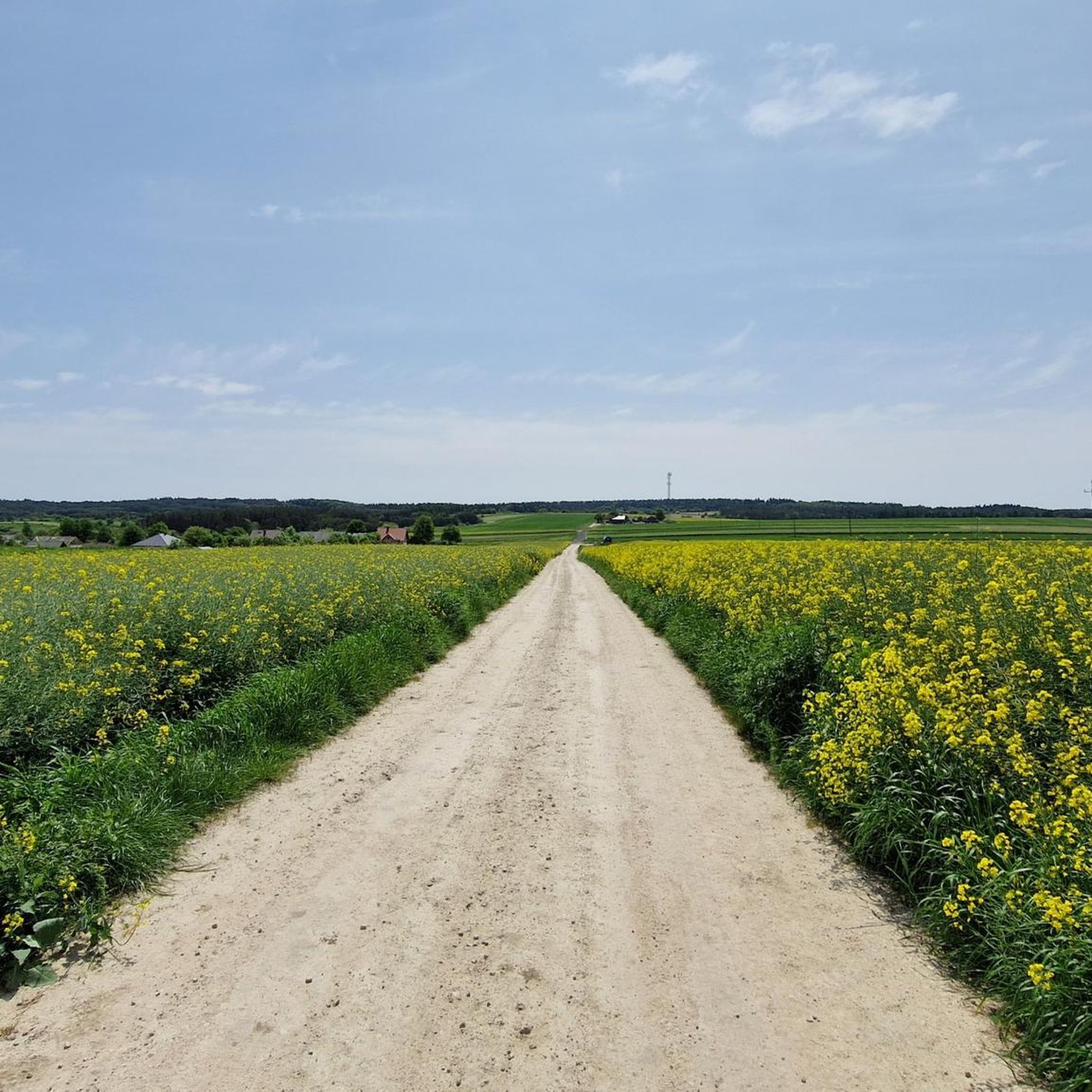
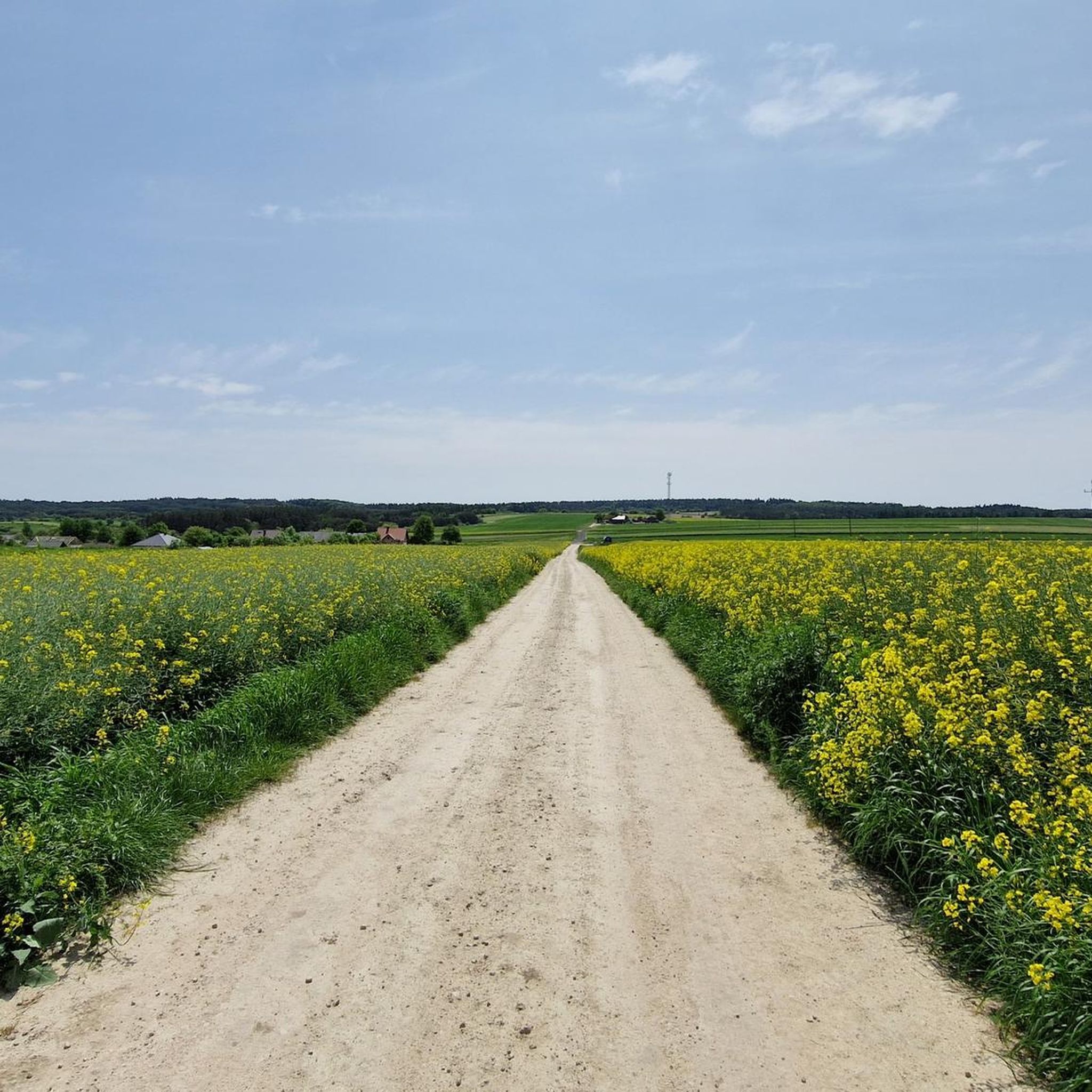
The Hubale Speckled Ground Squirrel Reserve is a unique place in Roztocze, created to protect one of the rarest populations of this small rodent in Poland. Located near Zamość, it is a valuable meadow area where ground squirrels find ideal living conditions. These charming animals can be observed mainly on warm, sunny days when they come out of their burrows. The reserve is an important place for nature lovers and photographers, as well as a place of ecological education. The best way to visit is a leisurely walk, maintaining silence so as not to scare the animals away.
1
0
Frequently Asked Questions
What historical and cultural sites can I explore in the Zamość region?
The Zamość region is rich in historical and cultural landmarks. You can visit the impressive Cathedral of the Resurrection and St. Thomas the Apostle, a prime example of the "Lublin Renaissance" architectural style. Another significant site is the Szczebrzeska Gate, one of the original city gates, and the Zamość Fortress Fortifications, which played a crucial role in the city's history. Don't miss the Jan Zamoyski Monument in the Old Town, commemorating the city's founder.
Are there any notable nature reserves or natural monuments near Zamość?
Yes, the Hubale Nature Reserve is a unique natural monument near Zamość. It's dedicated to protecting one of Poland's rarest populations of speckled ground squirrels. It's an excellent spot for nature lovers and photographers, especially on warm, sunny days when the ground squirrels are active.
What outdoor activities can I do near Zamość?
The Zamość area offers various outdoor activities, particularly hiking and cycling. You can find numerous routes for hiking around Zamość, including easy trails like the Zamość Town Hall – Szczebrzeska Gate loop. For cyclists, there are several road cycling routes, such as the loop from Zamość Starówka to Krasnobród Lake and Roztocze National Park.
Are there family-friendly attractions around Zamość?
Many attractions in Zamość are suitable for families. Historical sites like the Cathedral of the Resurrection and St. Thomas the Apostle, Szczebrzeska Gate, and the Zamość Fortress Fortifications offer engaging historical exploration. The Hubale Nature Reserve is also a great option for families to observe wildlife in a natural setting.
What is the best time of year to visit Zamość attractions?
The best time to visit Zamość attractions is generally from late spring to early autumn (May to September). During these months, the weather is pleasant for exploring historical sites and enjoying outdoor activities. Autumn also offers beautiful scenery, especially in natural areas, as the foliage changes color.
Are there easy hiking trails suitable for beginners near Zamość?
Yes, there are several easy hiking trails around Zamość. For instance, you can explore routes like the Zamość Town Hall – Szczebrzeska Gate loop or the New Lublin Gate – Anchor on Solny Square loop, both of which are considered easy and offer a pleasant way to see the city and its surroundings. You can find more options in the Easy hikes around Zamość guide.
Are there any wheelchair-accessible sights in Zamość?
The Jan Zamoyski Monument in the Old Town is noted as wheelchair accessible, allowing visitors to appreciate this significant historical tribute. While many historical sites may have varying accessibility, this monument is a good starting point for accessible exploration.
What do visitors enjoy most about the attractions around Zamość?
Visitors particularly appreciate the well-preserved Renaissance architecture and the rich history of Zamość. The Cathedral of the Resurrection and St. Thomas the Apostle is highly regarded for its architectural beauty and historical significance. The Zamość Fortress Fortifications are also popular for walks and offer great photo opportunities with views of the city walls.
Can I find cafes or places to eat near the main attractions in Zamość?
Yes, Zamość's Old Town, where many of the main attractions like the Cathedral and Jan Zamoyski Monument are located, is well-equipped with cafes and restaurants. You'll find various options for refreshments and meals within easy walking distance of these historical sites, particularly around the market square.
Are there any viewpoints in the Zamość region offering scenic views?
The Hubale Nature Reserve is listed as a viewpoint, offering opportunities to observe the natural landscape and wildlife. Additionally, walking along the Zamość Fortress Fortifications provides elevated perspectives of the city and its historic architecture.
What are some lesser-known or 'hidden gems' to discover near Zamość?
While Zamość itself is a well-known gem, exploring the surrounding Roztocze region can reveal hidden natural beauty. Beyond the main city attractions, consider venturing into the smaller villages and natural parks for a more tranquil experience. The Hubale Nature Reserve, with its unique ground squirrel population, offers a distinct natural encounter away from the main tourist paths.
Most popular routes around Zamość

Get inspired with the komoot mobile app


Explore more
Still not found the Highlight you’re looking for? See guides of the top attractions in other regions:
