Attractions and Places To See around gmina gmina gmina Sulęcin - Top 20
Best attractions and places to see around gmina gmina gmina Sulęcin include a blend of historical landmarks, natural features, and cultural sites. This region in the Lubusz Voivodeship of Poland offers diverse points of interest. Visitors can explore ancient churches, unique architectural sites, and picturesque natural landscapes. The area also features well-developed routes for active tourism, including extensive cycling and walking trails.
Best attractions and places to see around gmina gmina gmina Sulęcin
- The most popular attractions is Town Hall…
Last updated: July 15, 2026
Rathaus in Osno Lubuskie
Highlight • Monument
Translated by Google •
Tip by

Lubień Palace Ruins
Highlight • Historical Site
Translated by Google •
Tip by

Sign up now to discover places like this
Get recommendations on the best single tracks, peaks, & plenty of other exciting outdoor places.
Sign up for free
Fountain of Good Neighbourhood (Fontanna Dobrosąsiedztwa), Sulęcin
Highlight • Monument
Translated by Google •
Tip by
St. Gertrude's Chapel in Ośno Lubuskie
Highlight • Religious Site
Translated by Google •
Tip by

Palace in Stary Zamek
Highlight • Monument
Translated by Google •
Tip by

Sign up for free to discover even more attractions around gmina gmina gmina Sulęcin.
Sign up for free
Already have an account?
Start today with a free account
Your next adventure awaits.
Login or Signup
Popular around gmina gmina gmina Sulęcin
Tips from the Community

The current town hall building is most likely the third building to be erected on the New Market Square. The construction of the first council seat, and at the same time a merchant's house, can be dated to the mid-14th century. It is possible that the oldest town hall was in the form of a market hall, most likely built in a wooden structure. In the 15th century, another town hall was built in the form of a brick building, which, after modern reconstructions, stood until the 19th century. It was demolished in 1841, and a year later, construction of a new building began. Construction was completed in 1844. In addition to the city authorities, it also housed a restaurant, a beer house and a city museum. After World War II, until 1972, next to the seat of the city authorities, it also housed a hotel, a library and a cooperative bank. Currently, the entire building is occupied by the city and commune authorities and the Civil Registry Office.
4
0
The history of the chapel dates back to the turn of the 13th and 14th centuries, when a hospital was built outside the city walls. A small church was also built along with the hospital. It was probably a half-timbered structure, which, due to its poor technical condition, was rebuilt in brick in the 15th century. In the 18th century, a cemetery was built next to the church, and since then the church has served as a cemetery chapel.
2
0

The original manor house from the 2nd half of the 18th century. The palace is located in the south-eastern part of the town. The whole is situated on a plot of 52,500 m2. The building was built on a rectangular plan, two-storey, partially basemented with a usable attic. The entrance is preceded by a quadrangular porch with a balcony. In the side elevation (northern), in the right corner there is a cylindrical tower, finished with a terrace and a conical spire, while in the left corner there is a projection with a protruding, separated part of the roof slope. In 1997, the roof covering, window and door joinery were replaced.
0
0
The palace was an element of the entire farm complex established in the 17th century. The owners were the von Selchow family. The palace was expanded at least three times in the period from the mid-17th century until 1900. It is a large building on a rectangular plan, two-storey, with a basement and an attic. A tower was added in the north-western part. After the war, the palace was managed by the local State Agricultural Farm. Currently, the palace is in private hands. The new owner of the building secured the palace from devastation by replacing the roof covering in 1997, but did not complete the renovation.
1
0
The old town square in Sulęcin. The town hall is missing, as it was burned by the Russians at the end of the war and then dismantled to take the bricks to Warsaw. The Fountain of Good Neighbourhood now stands on the site of the town hall.
0
0
In the 1990s, a Polish-German agreement on cooperation between border municipalities was signed in Sulęcin. As part of the efforts to achieve reconciliation, the Fountain of Good Neighbourhood was created in the market square in Sulęcin. It was built with the support of the Phare fund and the residents of Beeskow, and the author of the figures is the Gorzów sculptor Zofia Bilińska.
0
0

The town hall was built from 1841 to 1844 according to plans by the architect Emil Flaminius in neo-Gothic style on the site of the previously demolished older town hall from 1544
3
0

Historical buildings worth seeing but unsecured.
3
0
Frequently Asked Questions
What historical landmarks can I explore in Gmina Sulęcin?
Gmina Sulęcin offers a rich history with several notable landmarks. You can visit the Town Hall in Ośno Lubuskie, an Italian Neo-Renaissance building with Gothic elements, which also houses the Museum of the Sternberger Land. Other significant sites include the Gothic Church of St. Nicholas, fragments of 14th-century defensive walls, and the Neo-Gothic Parish Church of St. Henry. Don't miss the St. Gertrude's Chapel in Ośno Lubuskie, a well-preserved example of 15th-century Gothic architecture.
Are there any significant natural attractions or protected areas in the region?
Yes, Gmina Sulęcin is home to the Łagowsko-Sulęciński Landscape Park, a protected area known for its natural beauty. Within this park, you'll find three nature reserves: Buczyna Łagowska, which protects valuable beech forests; the Reserve on Lake Trześniowskie, safeguarding a beautiful post-glacial landscape; and Pawski Ług, a peat bog reserve vital for rare animals like the white-tailed eagle and black stork.
What kind of outdoor activities, like cycling or hiking, are available?
Gmina Sulęcin is known as the 'Cycling Capital of the Lubusz Land' and offers an extensive network of trails. You can explore international routes like R-1 and E-11, or the Way of St. James. There are also three large cycling loops (Lubniewicka, Łagowska, and Słońska) and smaller ones like the Głaźnik and Czerwony Potok route. For hiking, you can find easy trails, such as those listed in the Easy hikes around gmina gmina gmina Sulęcin guide, including loops around Rezerwat Pawski Ług. Gravel biking routes are also available, with options like the Beach Near Rybakówka loop from Lubniewice, detailed in the Gravel biking around gmina gmina gmina Sulęcin guide.
Are there family-friendly attractions in Gmina Sulęcin?
Families visiting Gmina Sulęcin have several options. Majaland Kownaty, an amusement park located about 5 km from downtown Sulęcin, offers entertainment for all ages. Additionally, the Rope Park Łagów provides an active outdoor experience. Many of the natural trails and parks are also suitable for family outings, and the Fountain of Good Neighbourhood (Fontanna Dobrosąsiedztwa), Sulęcin in the market square is a pleasant spot for a break.
Where can I find unique cultural sites beyond the main town?
Beyond Sulęcin, many surrounding villages boast historic churches and sacred buildings. Examples include the late Gothic filial church in Ostrowo, associated with the Knights Hospitaller and Templars, the 18th-century filial church of St. Michael the Archangel in Żubrów, and the filial church of St. John the Baptist in Miechów. You can also discover a preserved 19th-century bread oven in Trzebów, offering a glimpse into traditional rural life.
What are some of the themed trails for walking or cycling?
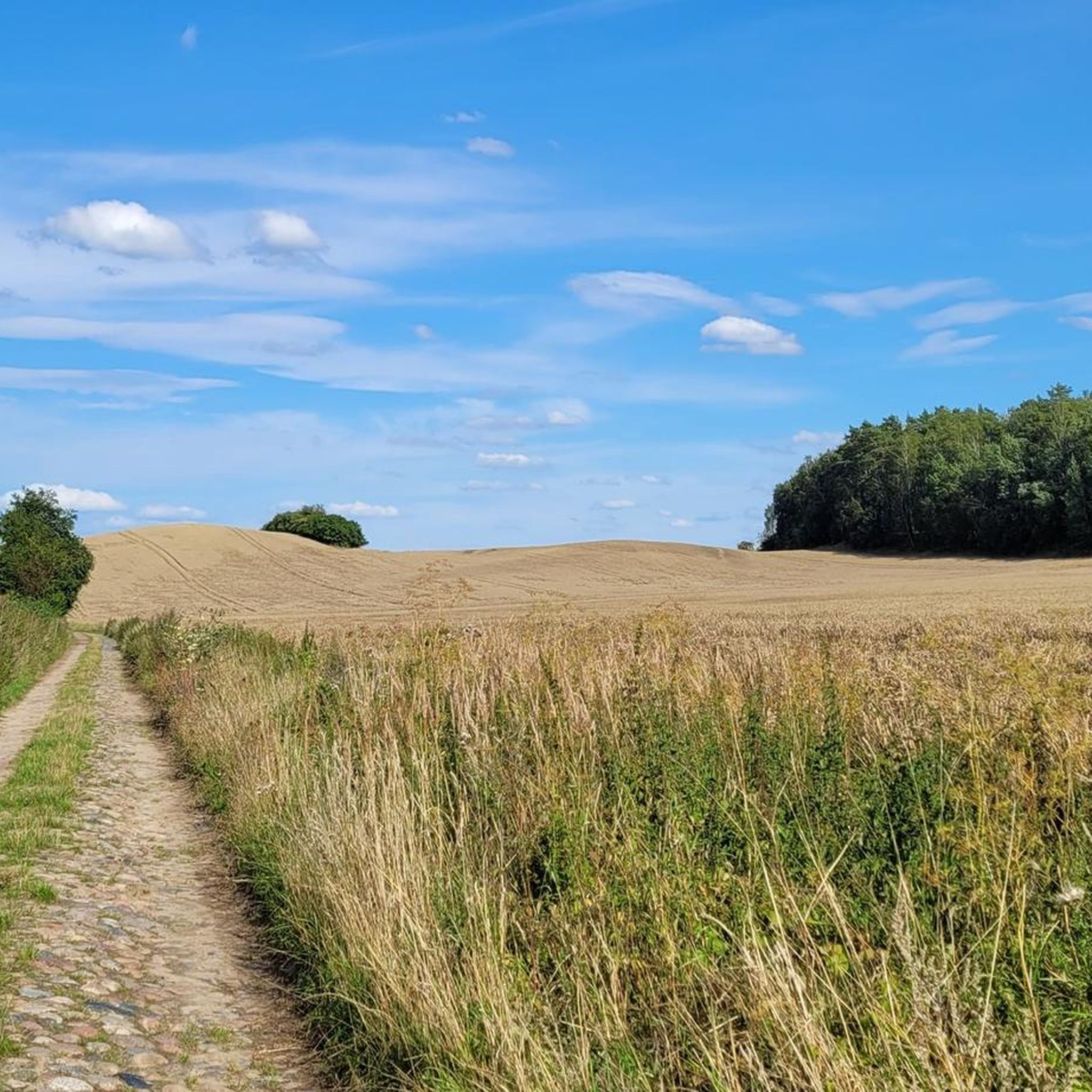
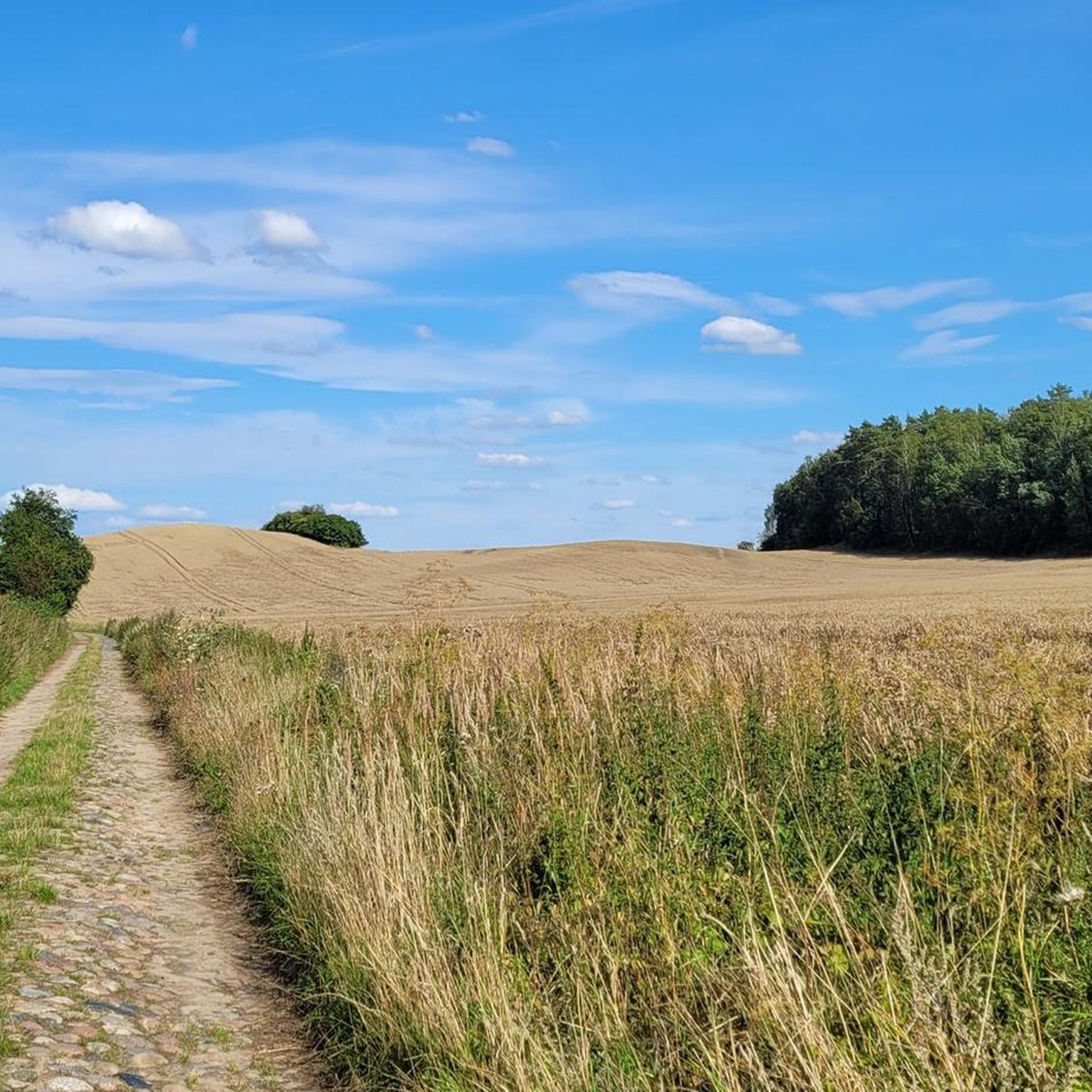
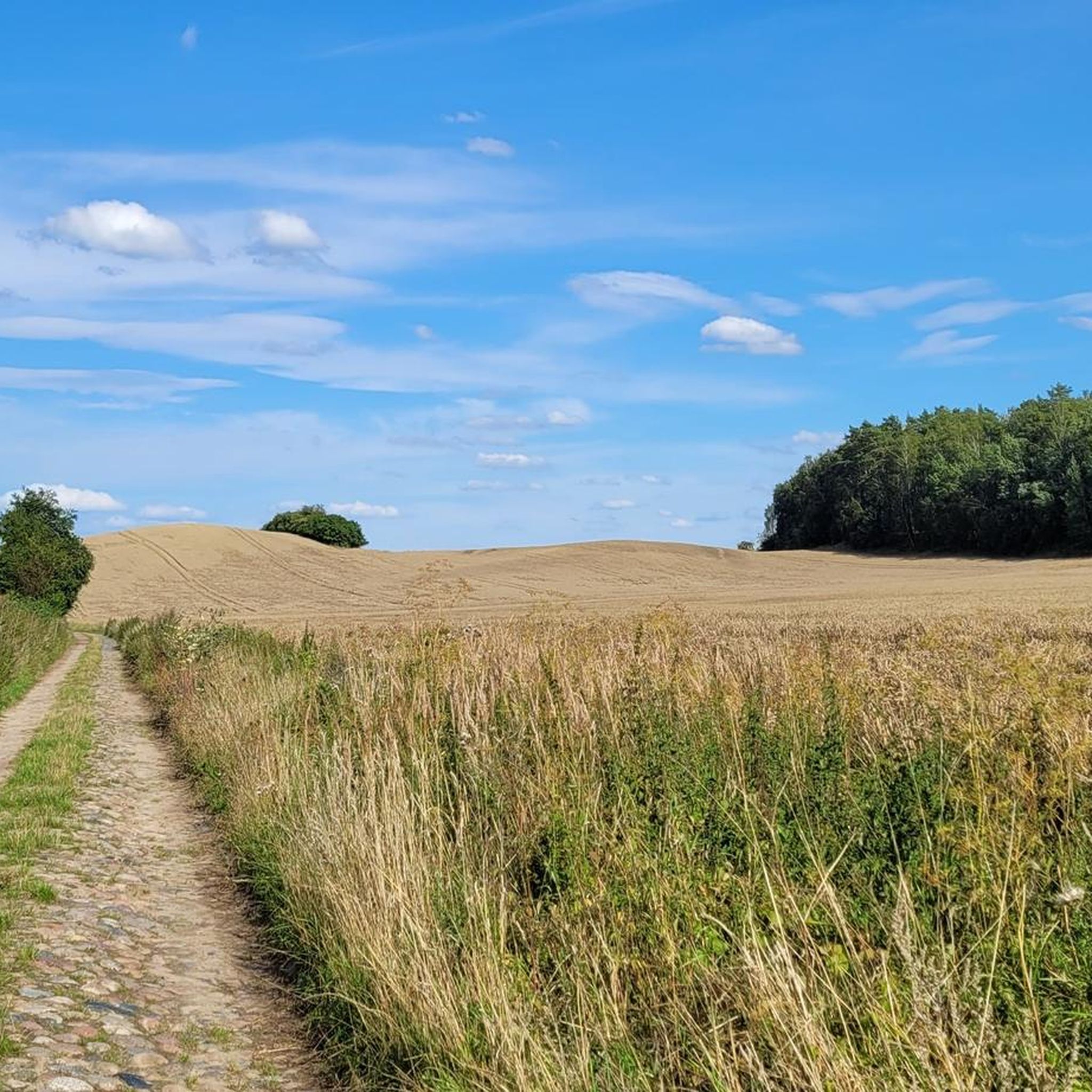
Gmina Sulęcin offers several themed trails that combine outdoor activity with historical or natural points of interest. These include the Knights Hospitaller Trail, the Napoleon Trail, and the Wild Geese Trail. The Napoleon's Pavement, an old cobblestone road used by Napoleon's troops, can be explored by bike from Sulęcin towards Glisno, leading to the sources of the Czerwony Potok (Red Stream).
Is Gmina Sulęcin suitable for Nordic walking?
Yes, Gmina Sulęcin is well-equipped for Nordic walking enthusiasts. The region features five specialized and marked Nordic walking routes, totaling 44 km. These routes have distinct names like Szarlotka, Jagodzianka, Napoleonka, Wuzetka, and Karpatka, offering varied terrain for this popular activity.
Can I visit any museums in the area?
Yes, the Town Hall in Ośno Lubuskie houses the Museum of the Sternberger Land, which provides insights into the region's history and culture. This museum is located within an architecturally significant building from the 19th century.
What is the best time of year to visit Gmina Sulęcin for outdoor activities?
The spring, summer, and early autumn months are generally ideal for outdoor activities in Gmina Sulęcin, offering pleasant weather for cycling, hiking, and Nordic walking. The extensive network of trails, including those around the Łagowsko-Sulęciński Landscape Park, is best enjoyed during these seasons. However, the region's natural beauty can be appreciated year-round, with winter offering opportunities for different types of exploration, though some services might be limited.
Are there any unique architectural sites to see?
Beyond the churches, Gmina Sulęcin features several unique architectural sites. The Town Hall in Ośno Lubuskie is a prime example, built in the Italian Neo-Renaissance style with Gothic elements. The House of the Knights Hospitaller, a two-story building near the medieval defensive walls, dates from the turn of the 18th and 19th centuries. The Neuenfeld Villa, a late 19th-century villa, also showcases distinct architectural styles.
What is the <a href="https://www.komoot.com/highlight/144583" target="_blank" rel="noopener">Railway Bridge in Rezerwat Dolina Czerwonego Potoku</a>?
The Railway Bridge in Rezerwat Dolina Czerwonego Potoku is an old railway bridge that was part of the line from Rzepin to Międzyrzecz. Although the line is largely closed, the bridge remains a significant landmark within the Red Stream Valley Nature Reserve and is often encountered by those exploring the area's cycling and walking trails.
Are there any castles or palaces to visit?
While not a traditional castle, the Palace in Stary Zamek is an architecturally significant residence built in 1812 with classicist features. It was expanded in the 19th century and can be viewed from the fence, though internal access is limited. Additionally, the Princes Lubomirski Castle in Lubniewice is located about 17.4 km from Sulęcin County, offering another historical building to explore.
Most popular routes around gmina gmina gmina Sulęcin

Get inspired with the komoot mobile app


Explore more
Still not found the Highlight you’re looking for? See guides of the top attractions in other regions:
