Attractions and Places To See around Żary (Rural) - Top 20
Attractions and places to see around Żary (Rural) are located in the Lubusz Voivodeship of western Poland. This region offers a blend of historical landmarks, natural beauty, and cultural sites. Visitors can explore a diverse landscape featuring medieval architecture, palaces, and expansive forests. The area provides opportunities to discover both historical significance and natural points of interest.
Best attractions and places to see around Żary (Rural)
- The most popular attractions is Bismarckturm Ruins, a man-made monument that is an…
Last updated: August 11, 2026
Bismarckturm Ruins
Highlight • Monument
Translated by Google •
Tip by

Observation Tower in Sorauer Forest
Highlight • Viewpoint
Translated by Google •
Tip by
Sign up now to discover places like this
Get recommendations on the best single tracks, peaks, & plenty of other exciting outdoor places.
Sign up for free
Miłowice Palace
Highlight • Castle
Translated by Google •
Tip by

Dulag Kunau – Prisoner of War Transit Camp Memorial
Highlight • Historical Site
Translated by Google •
Tip by

St. Dorothea Hospital Complex
Highlight • Historical Site
Translated by Google •
Tip by
Sign up for free to discover even more attractions around Żary (Rural).
Sign up for free
Already have an account?
Start today with a free account
Your next adventure awaits.
Login or Signup

Tips from the Community

Prisoners from the liquidated camp in Kunau were sent to Zgorzelec (Görlitz) and Żagań. Soldiers transferred from Kunau to Sagan had identical living conditions: they slept in tents, and only then were they gradually moved to unfinished brick barracks. The camp in Żagań was completed in January 1940 and operated until the evacuation on February 8, 1945. In May 2018, the Museum of Prisoner of War Camps in Żagań organized search works on the site of the former Dulag Kunau. As a result of research supervised by the Lubuskie Provincial Conservator of Monuments, a number of items related to the stay of Polish soldiers in Konin were found. After conservation, the finds will be placed on the museum's permanent exhibition. The Lubusz Exploration Group NADODRZE and the owner of the area, the Żagań Forest District, participated in the research work at the camp. On the initiative of the entities involved in the search, on September 29, 2018, a commemorative stone will be unveiled at the camp in Konin Żagański.
0
0
The conditions created by the Wehrmacht in Konin were bad and differed significantly from the recommendations of international war law (Convention Relating to the Treatment of Prisoners of War, signed in Geneva on July 27, 1929). The first visit to the new camp was recalled by prisoner Janusz Ostrowski: Double barbed wire fences, guard towers armed with machine guns and powerful searchlights, and large tents arranged in a row, able to accommodate about 160 people. Immediately after arriving at the camp, we received our first meal. It was a bowl of carrot soup, that is, carrots overcooked in salted water, and 1/5 of a loaf of army bread. It satisfied our hunger, which was terribly tiring, but we were too exhausted to feel full for long. POW Ostrowski was a non-commissioned officer, but in the camp he found himself in a tent for privates. When he realized that there was a special tent for cadets in the camp, he was directed there after identifying himself. The tents were crowded and the prisoners slept in four rows on the bare ground with a little hay. There were two blankets for three people. Ostrowski: We had our heads cut short, we had a bath and our clothes were deloused. The bath looked like this: in the open air, under a shelter, there were jars half-filled with warm water, into which, after undressing, you had to go in and try to wash yourself, of course if you had soap. At the same time, during this bath, the "hairdresser" was cutting heads with a razor. The removed clothing was put into a device similar to a locomotive, which produced superheated steam at a temperature of approximately 110°C and roasted the poor clothing under pressure for an hour. Theoretically, this action should be enough to destroy any life that might be there. However, the result was that whoever did not have lice yet acquired them after the bath and delousing. After the bath, with chattering teeth, one had to wait naked in the open air until the clothes were taken out of the cauldron and, having found one's belongings in the pile, put on one's clothes. Everything was terribly wrinkled, so for some time, until it ironed itself out, we looked gruesome. Mark Lazarus
0
0
In 1939, after the aggression of Nazi Germany on Poland, thousands of Polish soldiers were taken prisoner. Prisoners were first sent to the so-called transit camps. dulags (German: Durchgangslager). After initial registration, they were sent to permanent camps (so-called stalags, short for German: Stammlager), which in many cases were established next to the temporary ones. The camp in Konin Żagański (German: Kunau) existed already at the end of September 1939 and operated until the spring of 1940. From Dulag Kunau, soldiers were gradually transferred to the Stalag VIIIC camp in Żagań (German: Sagan). Individual stalags were marked with a Roman number corresponding to the military district in which the camp was located (in the case of Żagań, it was the 8th Military District of the Wehrmacht) and the next letter of the Arabic alphabet (for example: Stalag VIII A Görlitz, Stalag VIII B Lamsdorf/Łambinowice, Stalag VIII C Sagan etc.). About 8,000 prisoners were transferred from Dulag Kunau to Żagań and immediately set to work building barracks. Work at the Sagan camp began in October 1939.
0
0


Beautiful view on Polish forest from this tower
2
0

The never completed tower https://www.bismarcktuerme.net/sorau
1
1

The lookout tower on the Rückenberg was built for tourist purposes in the second half of the 19th century. At 227 meters, the Rückenberg is the highest elevation in the Lubusz Voivodeship.
1
0
Frequently Asked Questions
What historical landmarks can I explore in Żary (Rural)?
Żary (Rural) is rich in history. You can visit the impressive Miłowice Palace, a historical castle with a long history of ownership changes. Other notable sites include the Dewins-Packs-Bibersteins' Castle and Promnitzs' Palace Complex, the Żary Town Hall with its Renaissance portal, and the Gothic Church of the Holiest Heart of Jesus. Don't miss the fragments of Żary's medieval defensive walls and towers, including a 14th/15th-century defense tower.
Are there any significant historical memorials or sites related to past conflicts?
Yes, you can visit the Dulag Kunau – Prisoner of War Transit Camp Memorial. This site commemorates a transit camp from World War II, where thousands of Polish soldiers were held. Visitors have noted the difficult conditions prisoners faced, and the museum in Żagań has conducted research here, finding items related to the soldiers' stay.
Where can I find the best panoramic views in the Żary (Rural) area?
For expansive views, head to the Observation Tower in Sorauer Forest. A climb to the top offers wide views over the Polish forests and the surrounding region. Another excellent spot is Góra Żarska in the Green Forest, which features a brick and stone tower built in 1864, providing panoramic views that can extend to the Karkonosze and Izerskie Mountains on clear days.
What natural attractions are there to visit around Żary (Rural)?
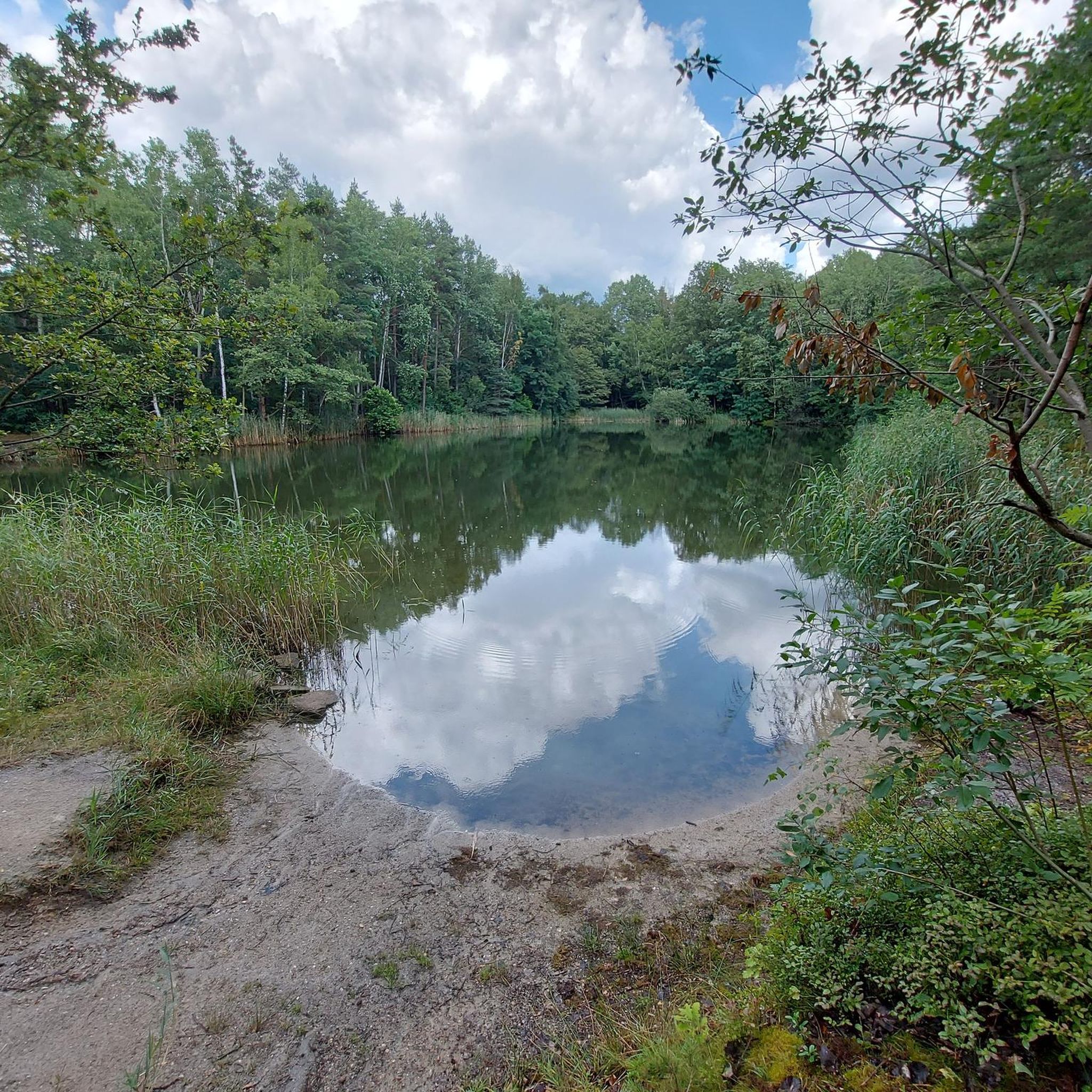
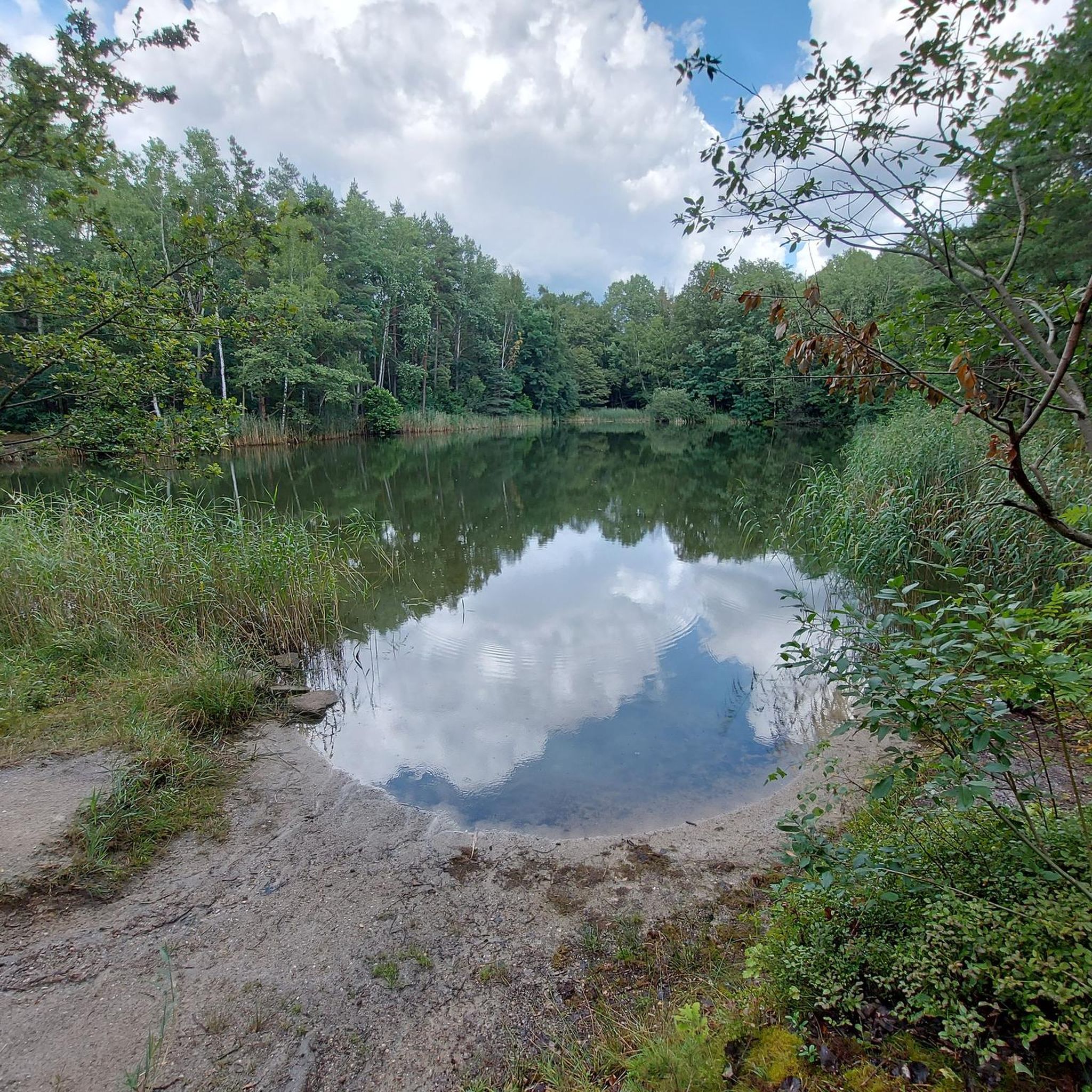
The region offers several natural highlights. The Green Forest (Żarski Las) is a popular recreational area, home to Góra Żarska, the highest point in the Lubuski Region. You can also explore the Neisse River and its features, such as the Border on the Neisse and the Blue Bridge. For a unique experience, visit the Afryka Lake Observation Tower in the Łuk Mużakowa Landscape Park, where you can see a lake shaped like the African continent. The Schwarze Grube Nature Reserve, known as a 'Fairytale Forest,' offers peaceful walks among old trees.
Are there opportunities for cycling around Żary (Rural)?
Absolutely! Żary (Rural) is great for cycling. You can find numerous routes for different types of cycling, including touring, road cycling, and gravel biking. For example, there are moderate touring bicycle routes like the 'Forest Path Near Żary – World War I Memorial Stone loop' and gravel biking routes such as the 'Picnic Area in Zielony Las – Bismarckturm Ruins loop'. You can find more details and routes on the Cycling around Żary (Rural) guide page.
What kind of hiking or walking trails are available in the region?
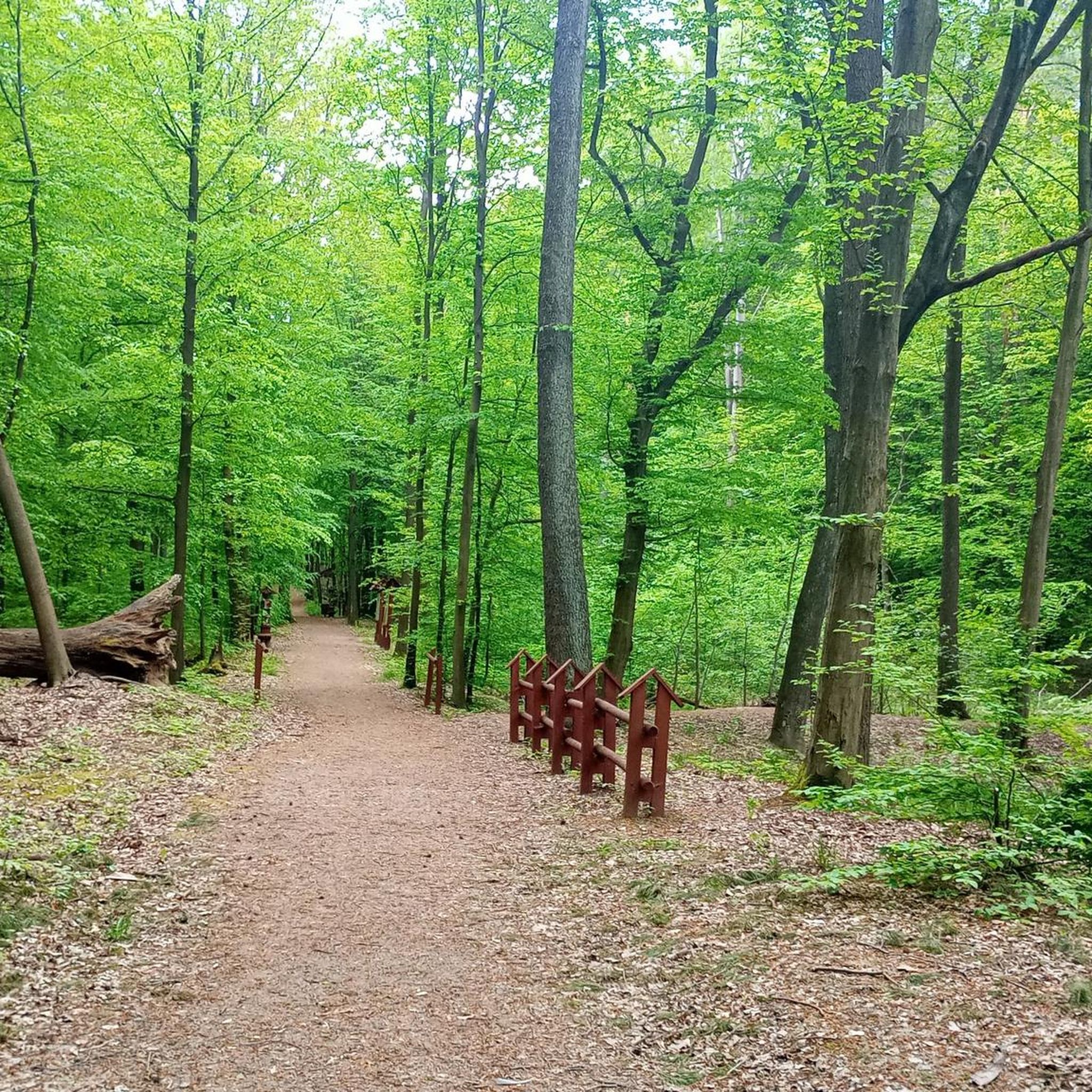
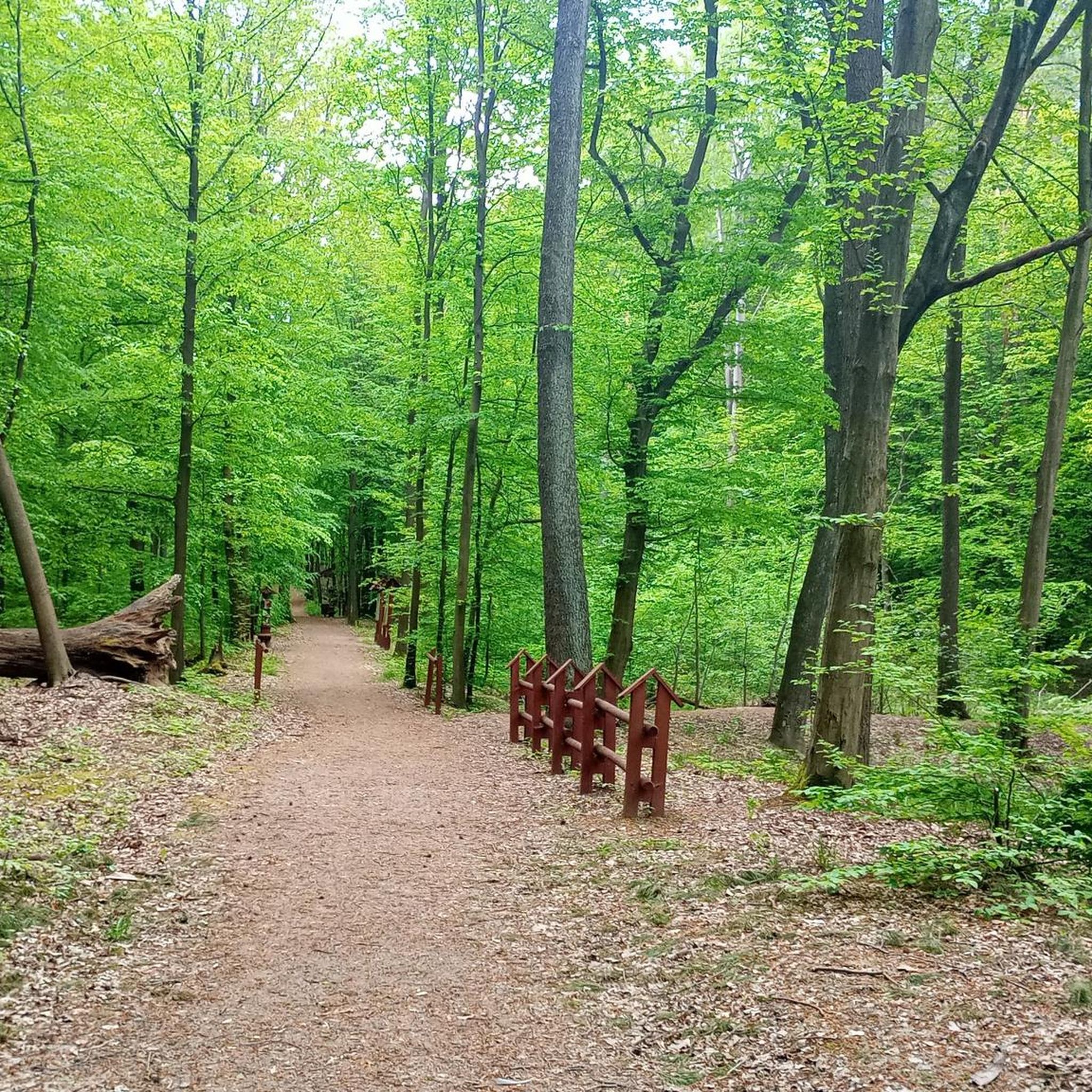
The Green Forest (Żarski Las) is a popular spot for walks and offers paths suitable for hiking. While specific hiking routes are not detailed in the provided data, the area's natural features like the Schwarze Grube Nature Reserve and the Neisse River provide scenic settings for leisurely strolls and longer walks. Many of the cycling routes also follow paths that can be enjoyed on foot.
What is the best time of year to visit Żary (Rural) for outdoor activities?
Given the focus on cycling, walking, and enjoying panoramic views, the best time to visit Żary (Rural) for outdoor activities would generally be during the warmer, clearer months, typically from spring through early autumn. This period offers pleasant weather for exploring historical sites, forests, and enjoying the views from observation towers.
Are there any unique geological features or natural phenomena to see?
Yes, near the former 'Schuppe D' mining area, you can observe a unique natural phenomenon: the source of acidic mining water. Water emerging from the subsoil creates rust-red and orange-brown spring pots due to dissolved iron particles, offering an interesting geological sight.
What do visitors particularly enjoy about the attractions in Żary (Rural)?
Visitors appreciate the historical significance and the natural beauty of the area. For instance, the Bismarckturm Ruins are described as a 'very pretty old tower' and 'always worth a stop'. The Observation Tower in Sorauer Forest is praised for its 'wide view over Polish forests' and the 'great views from and from the tower'.
Are there any other historical buildings or complexes worth visiting besides castles and palaces?
Beyond the castles and palaces, you can explore the St. Dorothea Hospital Complex. Dating back to the 19th century, this complex includes a cruciform church, a Loreto chapel, the hospital building with St. Dorotheen's chapel, and other structures, all designed in the Gothic style.
Can I find any hidden gems or less-known outdoor spots in Żary (Rural)?
While not widely publicized, the Schwarze Grube Nature Reserve near Jerischke is described as a 'Fairytale Forest' with old, gnarled trees like lindens, oaks, hornbeams, and beeches, offering a peaceful and perhaps less crowded retreat into nature.
Most popular routes around Żary (Rural)

Get inspired with the komoot mobile app


Explore more
Still not found the Highlight you’re looking for? See guides of the top attractions in other regions:
