The best MTB trails around Alwernia
4.6
(158)
921
riders
159
rides
Mountain biking around Alwernia, located in Lesser Poland Voivodeship, offers diverse terrain characterized by rolling hills, lush forests, and meandering rivers. The region provides a varied landscape for mountain biking, with trails catering to different skill levels. Its topography includes ascents and descents, making it suitable for both uphill and downhill riding. The area features a network of trails, including singletrack options, that are part of a larger cycling network.
Best mountain bike trails around Alwernia
- The most popular mountain…
Last updated: October 27, 2026
5.0
(3)
89
riders
Hard mountain bike ride. Good fitness required. Advanced riding skills necessary. Some portions of the route may require you to push your bike.
4.7
(3)
47
riders
30.9km
02:43
480m
480m
Hard mountain bike ride. Good fitness required. Advanced riding skills necessary. Some portions of the route may require you to push your bike.

4.7
(3)
47
riders
146km
08:35
440m
440m
Hard mountain bike ride. Very good fitness required. Advanced riding skills necessary.
4.7
(6)
32
riders
57.1km
03:59
680m
680m
Moderate mountain bike ride. Good fitness required. Advanced riding skills necessary.
4.5
(4)
15
riders
68.7km
03:50
140m
140m
Hard mountain bike ride. Good fitness required. Advanced riding skills necessary. Some portions of the route may require you to push your bike.
Get access to more routes and recommendations from other explorers.
Already have an account?
Our route recommendations are based on thousands of hikes, rides, and runs completed by other people on komoot.
Start today with a free account
Your next adventure awaits.

Tips from the Community

Closed from 1.10.2026 due to renovation works.
1
0
Closed from October 1, 2026. The reason is renovation work. It is not possible to enter inside, only to view it from the outside.
1
0

The Castle in Oświęcim is a medieval defensive stronghold located on a hill on the right bank of the Soła River. Currently, the site is home to the Museum of the Castle in Oświęcim, which presents the rich history of the city, the former Duchy of Oświęcim, and valuable historical and archaeological collections. It was here that a great diplomatic turning point occurred: in 1454, the last Piast duke of this region, Jan IV, bowed to the might of Poland and ceded the castle and his entire duchy as a fief to King Casimir Jagiellon. Three years later (in 1457), he completely sold these lands to him. The castle ceased to be a Silesian borderland and became Polish royal property for centuries. It is worth taking a look at the mighty, 13th-century Gothic tower, which remembers those events and that agreement! The history of the castle in Oświęcim dates back to the 11th century, when there was an early medieval agricultural settlement on the hill above the Soła. After it burned down, a fortified castellany stronghold was erected here. The first official documentary mention of it dates from 1179. It was then that King Casimir the Just transferred these lands to the Duke of Opole, Mieszko Plątonogi. Early Gothic tower – dates from the end of the 13th century, it is a defensive building type (bergfried) and is one of the oldest preserved brick structures in Lesser Poland. Royal history – the castle hosted prominent historical figures, including the future Queen of Poland, Bona Sforza. Underground tunnels – there are two corridors under the castle, including an air-raid shelter built by the Germans during World War II. Address: ul. Zamkowa 1, 32-600 Oświęcim Opening hours: Tuesday to Sunday from 10:00 AM to 6:00 PM (the museum is closed on Mondays).
1
0
Purpose: A military guard post, built by the Austro-Hungarian army to protect the strategic, lattice railway bridge over the Vistula River against an expected armed conflict with Tsarist Russia. Connection with infrastructure: The facility was erected directly next to the railway line No. 103 (Trzebinia – Spytkowice – Wadowice – Skawce), opened in 1899. Preserved elements: The outline of the ground floor and the structure of one of the guard towers on the Vistula side are still legible today. Three firing positions with original, armored details have been preserved in this tower.
2
0


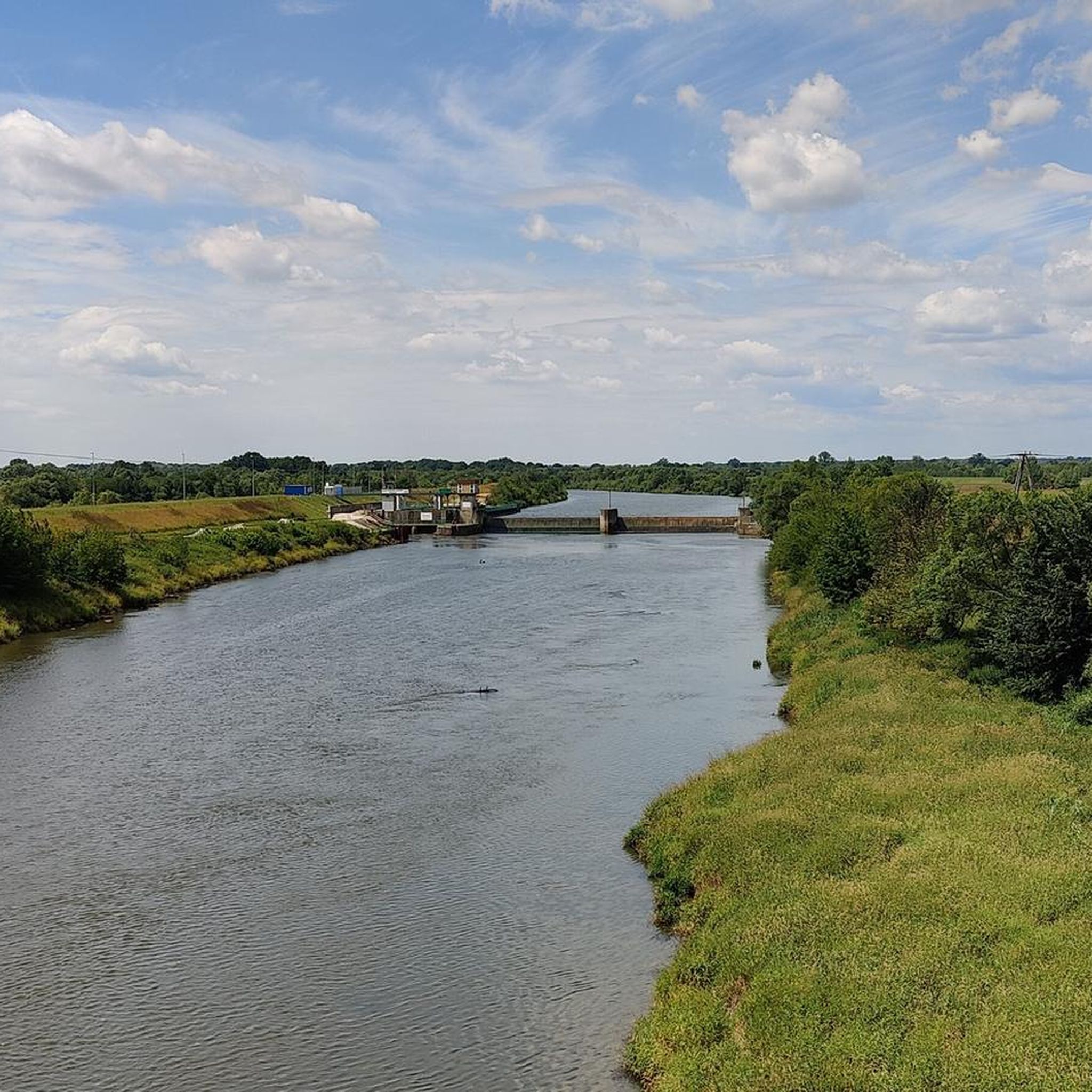
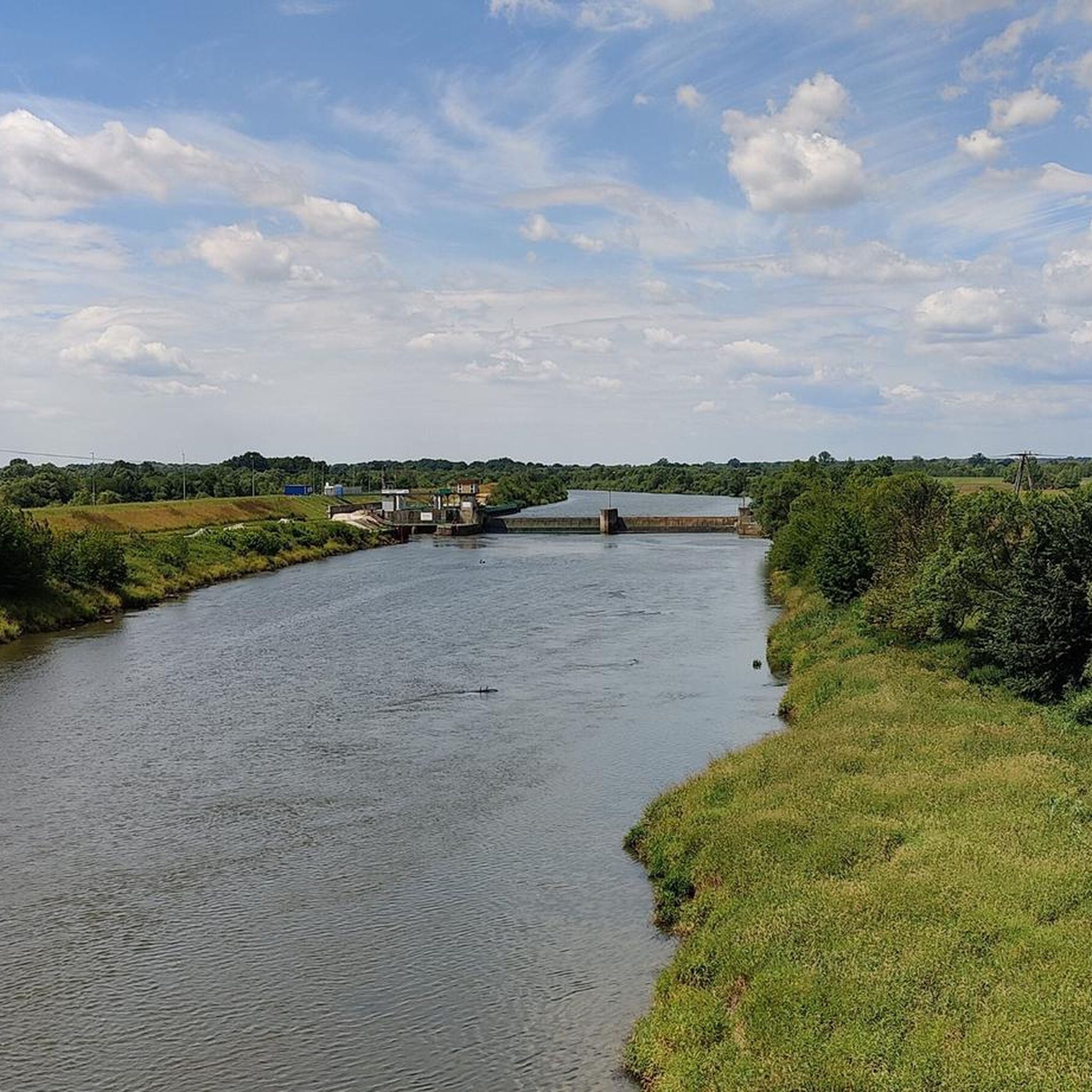
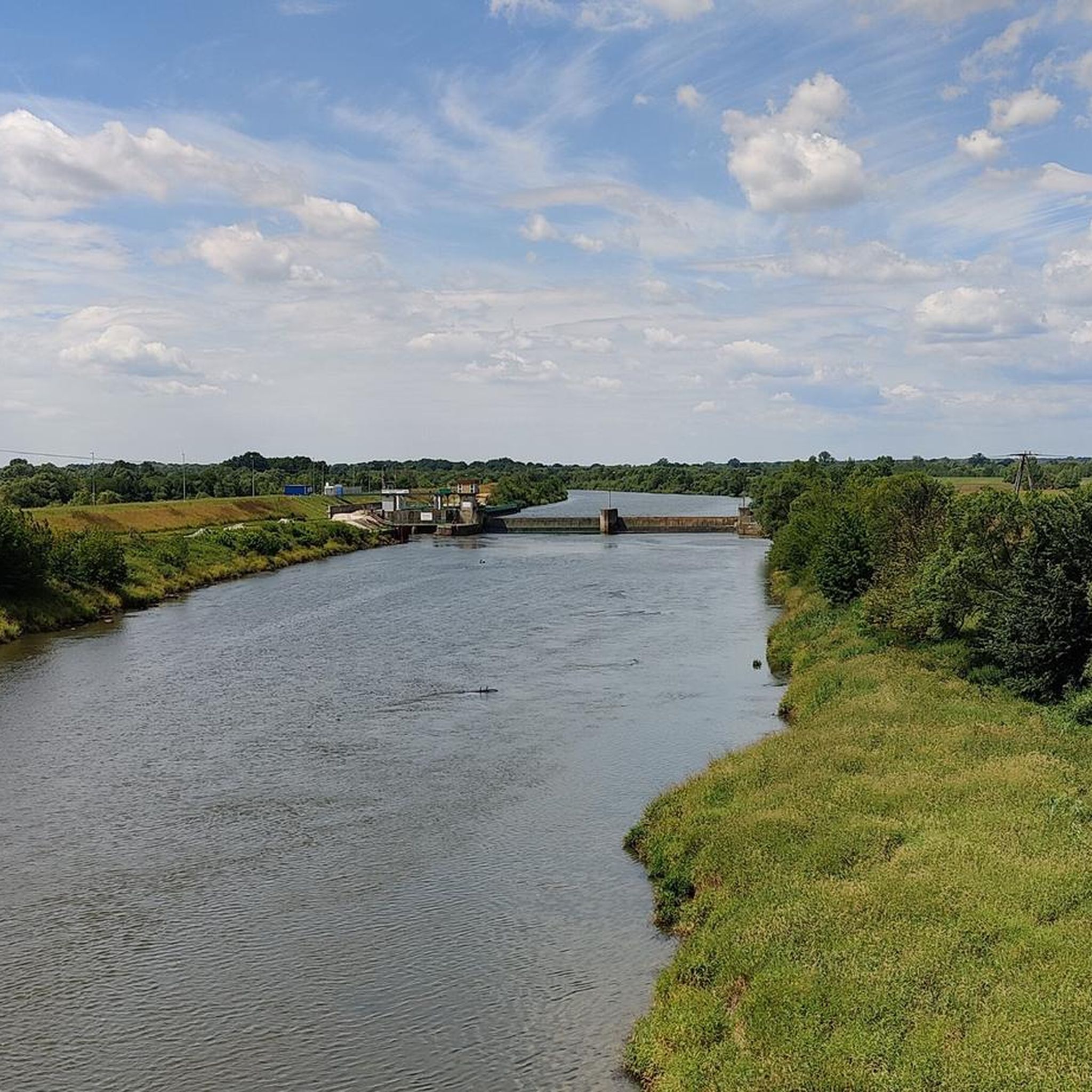
A beautiful bridge over the Skawinka river, with green, rural views - perfect for taking photos. Right next to the Vistula Cycling Route.
0
0
Visiting the Ruins: The castle is open to the public, and tourists can see, among other things, the walled-up prison cells. Tower: The castle's distinctive feature is the towering, nearly 30-meter-tall tower, which can be climbed to admire the views of the surrounding area. Access to the top via a narrow, winding staircase and ladder is an additional attraction. Vistula Ethnographic Park: The castle ruins are part of a museum complex, along with the adjacent open-air museum, where visitors can see examples of the region's traditional wooden architecture, including a 17th-century church. Events: The castle and the open-air museum frequently host outdoor events, such as history weekends, rallies, and concerts.
1
0
Frequently Asked Questions
How many mountain bike trails are available in Alwernia?
Alwernia offers a wide selection of mountain bike trails, with nearly 120 routes documented on komoot. These range in difficulty from easy to difficult, ensuring options for various skill levels.
What are the difficulty levels of mountain bike trails in Alwernia?
The trails in Alwernia cater to a broad spectrum of riders. There are 11 easy routes, 44 moderate routes, and 64 difficult routes, providing challenges for beginners to experienced mountain bikers.
What kind of terrain can I expect on Alwernia's mountain bike trails?
Alwernia's terrain is characterized by rolling hills, lush forests, and meandering rivers, offering a diverse landscape for mountain biking. You'll find a mix of ascents and descents, including singletrack options, suitable for both uphill and downhill riding.
Are there any circular mountain bike routes in Alwernia?
Yes, many routes in Alwernia are designed as loops. For example, the difficult Church of St. Nicholas. – St. Rosalia Chapel loop from Nieporaz Puszcza Dulowska is a 55 km trail with significant elevation gain. Another challenging option is the Lipowiec Castle Ruins – St. Rosalia Chapel loop from Wygiełzów.
What natural attractions can I see along the mountain bike trails in Alwernia?
The region boasts several natural highlights. You can explore areas like the Mnikowska Valley, the Zimny Dół Nature Reserve, or the scenic Balaton Lake in Trzebinia. The Dulowska Forest is also a significant natural area for cycling.
Are there any historical landmarks or points of interest near the mountain bike trails?
Absolutely. You can pass by historical sites such as Tenczyn Castle. Some routes, like the Lipowiec Castle Ruins – St. Rosalia Chapel loop from Wygiełzów, specifically incorporate historical landmarks into their paths.
What do other mountain bikers say about the trails in Alwernia?
The mountain biking experience in Alwernia is highly rated by the komoot community, with an average score of 4.6 stars from over 100 reviews. More than 800 mountain bikers have used komoot to explore the varied terrain, often praising the diverse landscape of rolling hills and lush forests.
Are there any long-distance mountain bike routes in Alwernia?
Yes, Alwernia offers longer routes for endurance riders. For instance, the Vistula Oxbow Lake – Żarki Subsidence Ponds loop from Spytkowice Kępki is a challenging 72 km trail that leads through natural water features and open landscapes.
What is the best time of year for mountain biking in Alwernia?
The best time to visit Alwernia for outdoor activities, including mountain biking, is generally from late spring to early autumn, when the weather is mild and conditions are most favorable for trail riding.
Are there any moderate difficulty routes that offer a good experience?
Yes, there are several moderate routes. The Slavic Film Village – Film Studio loop from Dulowa is a moderate 29.1 km trail, and the Dulowska Forest – Zwierzyniec Gate loop from Dulowa offers a 31.6 km ride through scenic forest areas.
Are the trails in Alwernia suitable for e-biking or gravel biking?
Beyond dedicated mountain biking, Alwernia's trails are also suitable for e-biking and gravel biking, demonstrating the region's versatility. The area is also part of larger cycling initiatives like the Vistula Cycling Route, which is popular for longer cycling adventures.
Most popular routes around Alwernia
Most popular attractions around Alwernia

Get inspired with the komoot mobile app


Explore more
Browse the best MTB trails in other regions.
