Attractions and Places To See around gmina Kamionka Wielka - Top 20
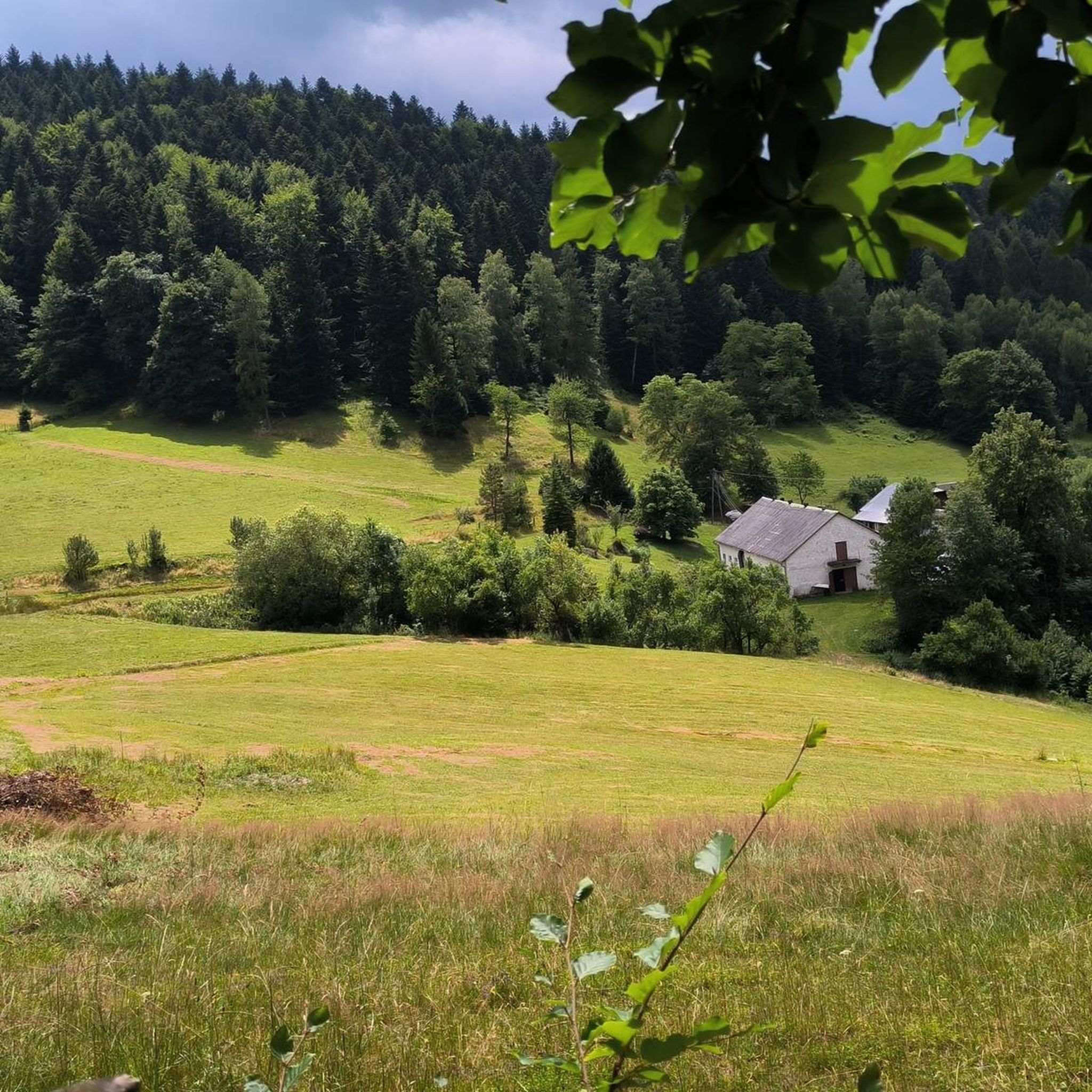
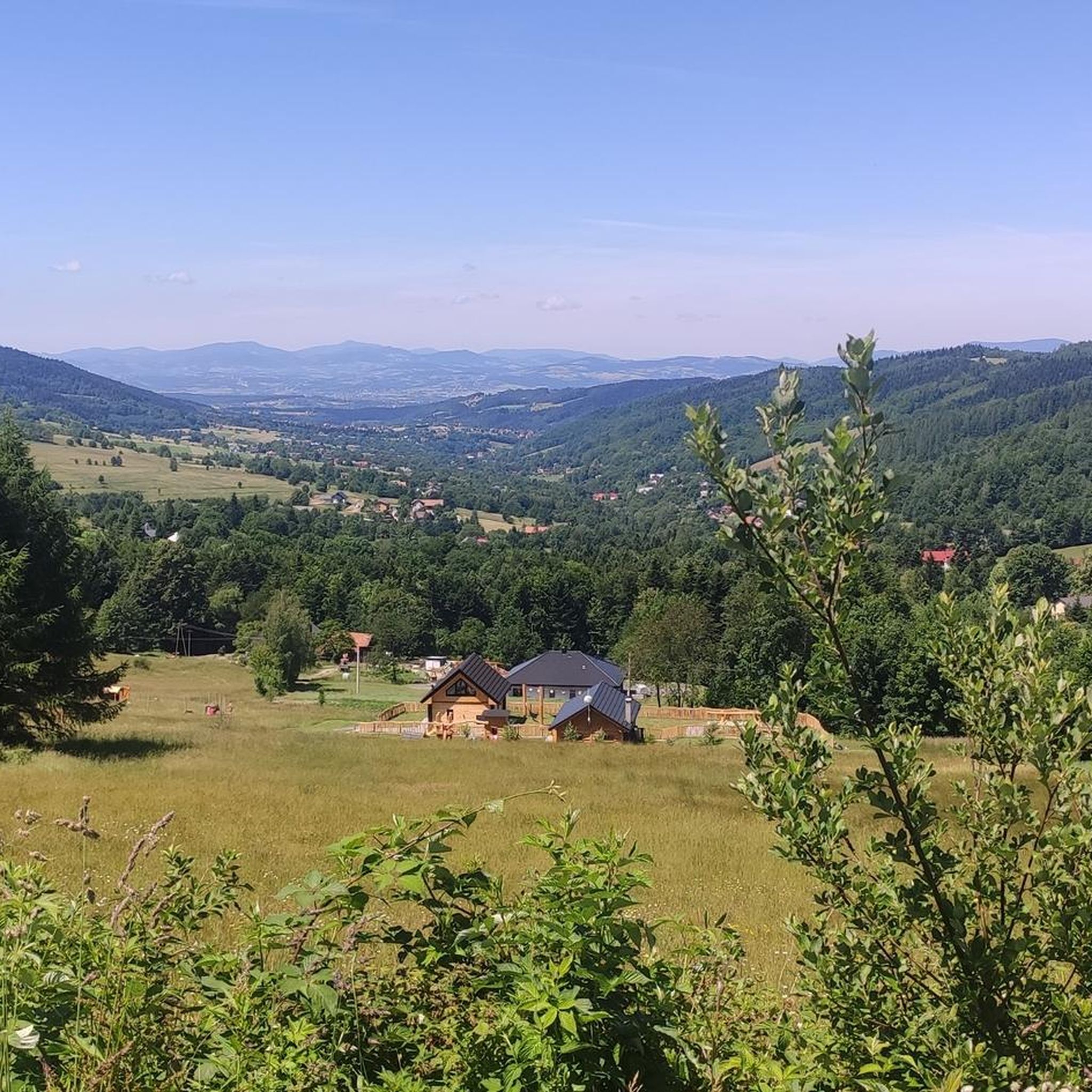
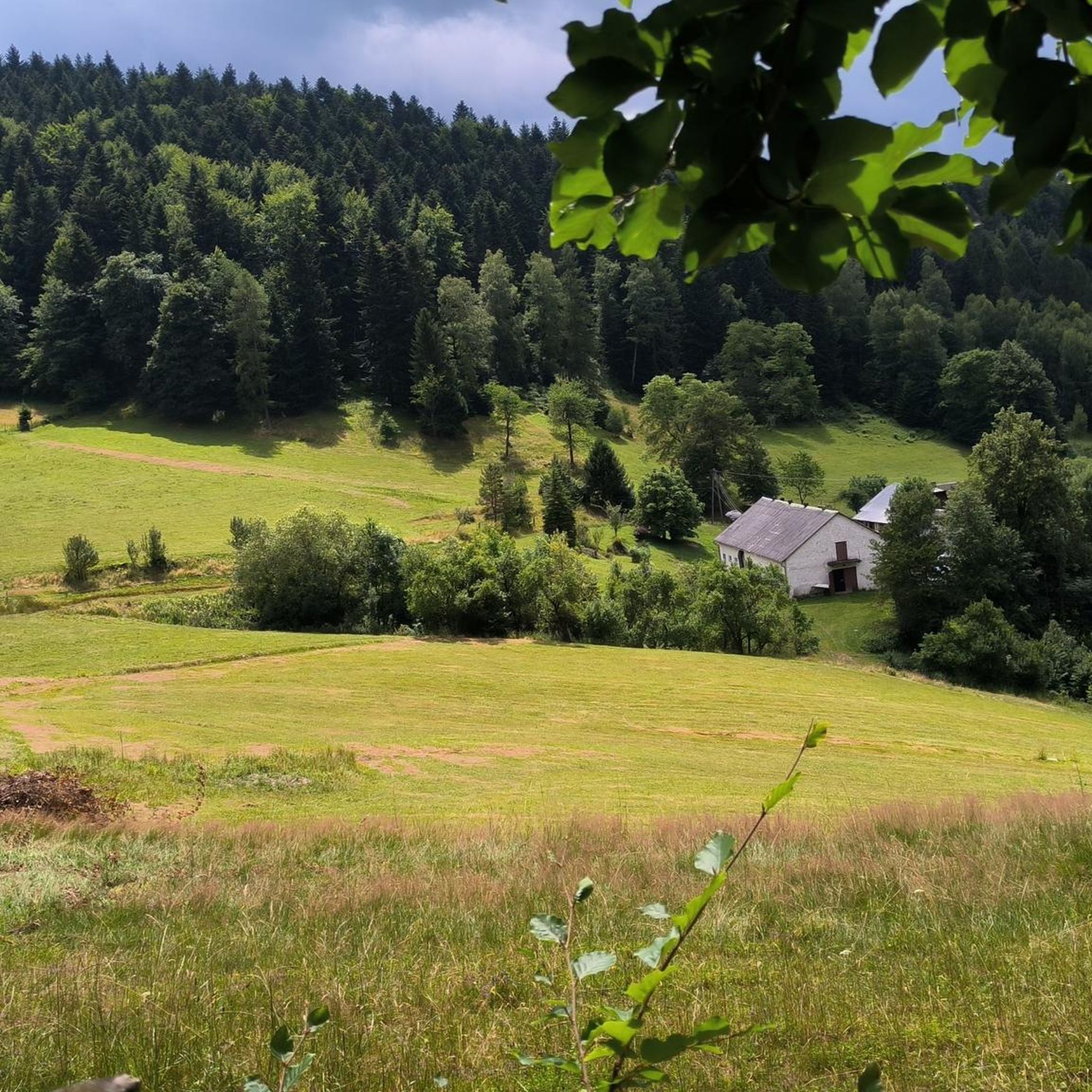
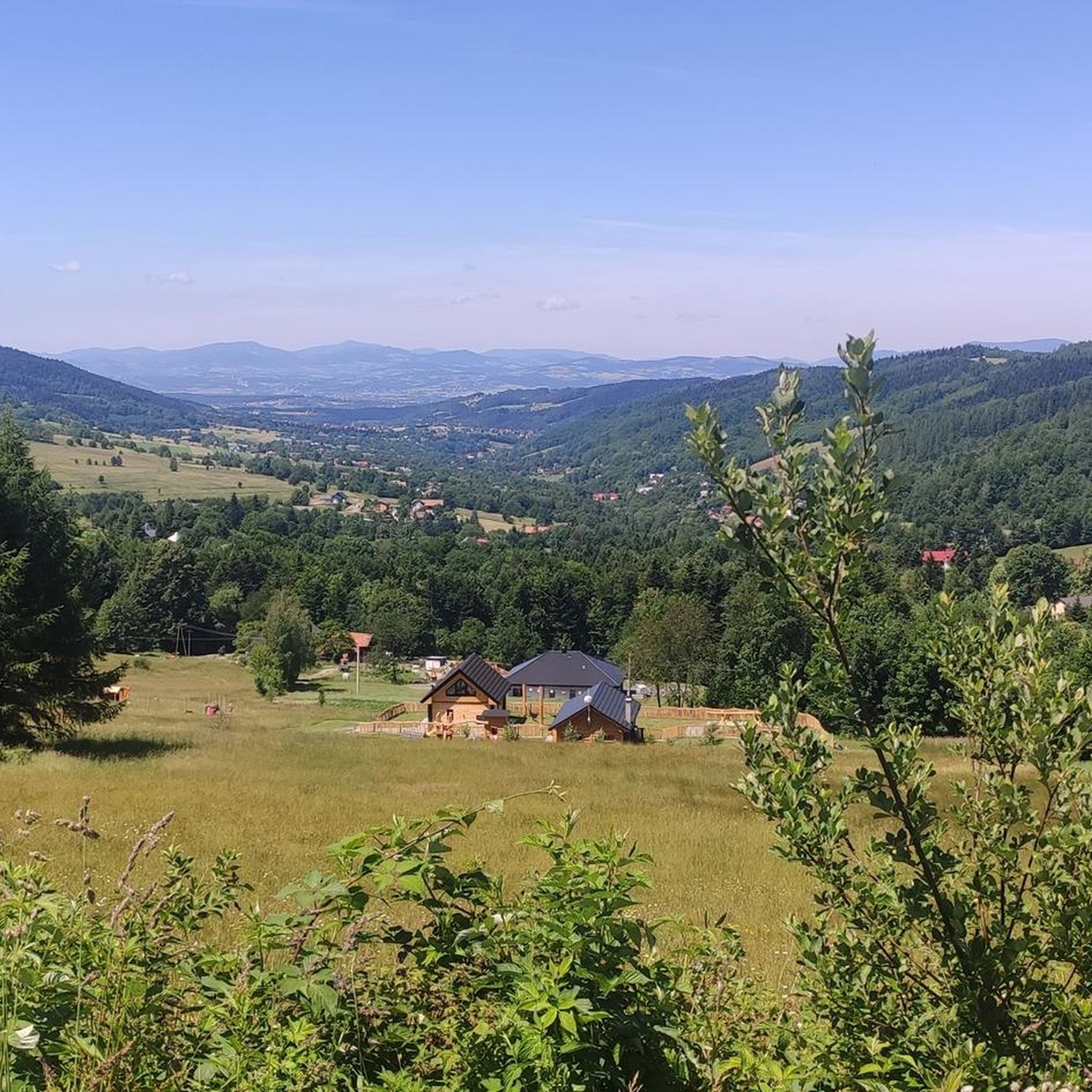
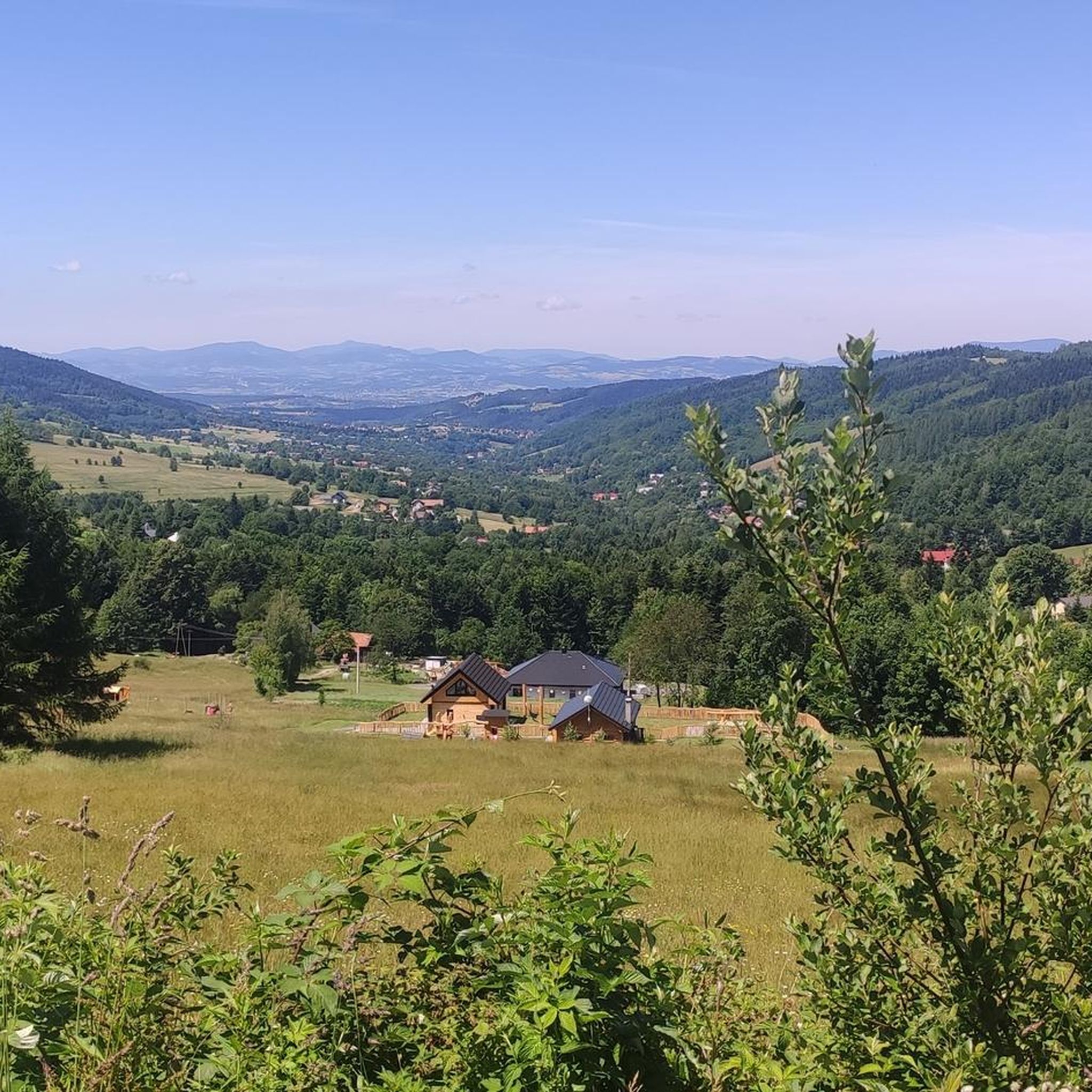
Best attractions and places to see around gmina Kamionka Wielka, nestled in the Sądecki Beskids, offer a blend of natural beauty and historical sites. The region is characterized by charming valleys, dense forests, and the confluence of the Kamionka, Królówka, and Wolanka rivers. Visitors can explore historical landmarks, including several wooden churches, and enjoy the scenic landscape. Over 46% of the gmina's 63 square kilometers are covered by forests, providing a natural backdrop for exploration.
Best attractions and places to…
Last updated: October 5, 2026
Poprad River Footbridge
Highlight • Bridge
Translated by Google •
Tip by

Royal Castle in Nowy Sącz
Highlight • Castle
Translated by Google •
Tip by
Sign up now to discover places like this
Get recommendations on the best single tracks, peaks, & plenty of other exciting outdoor places.
St. Catherine's Church in Grybow
Highlight • Religious Site
Translated by Google •
Tip by

St. Stanislaus Bishop Wooden Church in Binczarowa
Highlight • Religious Site
binczarowa.pl/historia-wsi-i-parafii-binczarowa
Translated by Google •
Tip by

Historic Well on the Market Square
Highlight • Monument
Translated by Google •
Tip by

Sign up for free to discover even more attractions around gmina Kamionka Wielka.
Already have an account?
Start today with a free account
Your next adventure awaits.

Tips from the Community

The Royal Castle in Nowy Sącz is now a picturesque ruin located in a place of exceptional landscape value – on a slope at the mouth of the Kamienica River into the Dunajec River. Built by Casimir the Great in the 14th century, it was once an important administrative and defensive point, visited by kings, including Jadwiga of Anjou and Władysław Jagiełło. Today, you can see the reconstructed Kowalska Tower and fragments of the old walls, and the entire area serves as a city park.
3
0
The footbridge over the Poprad in Stary Sącz is a modern pedestrian and bicycle crossing that connects the city with the EuroVelo 11 route and the Velo Dunajec trail. It offers a beautiful view of the river and the surrounding meadows and the Sądecki Beskids. The bridge facilitates access to the charming Galician Town and the historic center of Stary Sącz.
2
0

Convenient ride over the Poprad. Not far from the mouth of the Dunajec.
1
2

There is a cast iron well right under the beautiful lime trees planted in the market square around 1877. It was originally located next to the town hall, which was never rebuilt in a fire in 1795. The state in which we find the well dates back to 1848. The well was renovated in 2007.
1
0
The market square development is an example of medieval architecture. Until 1795, there was a town hall on the market square, but it burned down and was never rebuilt. The 17th-century burghers' house, known as the "House on the Dołkach", which survived the fire, houses a regional museum. The seat of the commune authorities is located in the farm building of the former Franciscan monastery. Due to the preserved medieval buildings of the town, in 1954 Stary Sącz was declared an urban reserve. The first mention of Stary Sącz dates back to 1257, when the Duke of Kraków-Sandomierz, Bolesław the Chaste, granted the Hungarian princess Kinga the Sącz land, which included the areas in the triangle: Biecz - Limanowa - Podoliniec (currently Slovakia) as a pledge for a dowry brought to Poland. Kinga enfranchised the Stary Sącz monastery of the Poor Clares that she had founded with the estates she received (including the city of Stary Sącz). At the same time, the seat of local authorities was moved from Podegrodzie to Stary Sącz. In 1358, Casimir III the Great allowed Stary Sącz to be incorporated under Magdeburg law, and at the same time exempted the city from tributes. In 1410, the city was burned down by the troops of Sigismund of Luxembourg led by Scibor of Sciborzyce. In 1679, a unique organ was built in the Church of St. Elizabeth, which was reconstructed in 2021–2023. the rebuilt organ of Jan Głowiński (1679) in the Church of St. Elizabeth of Hungary in Stary Sącz In 1683, King Jan III Sobieski, after the Battle of Vienna, visited the city on his way back to Warsaw to pay homage to the remains of Princess Kinga. He supported the efforts to beatify Kinga, and in 1690 Pope Alexander VIII declared Kinga blessed. More details: https://pl.wikipedia.org/wiki/Stary_S%C4%85cz https://it.wstarymsaczu.pl/starosadec-rynek/
1
0

A tower and a few walls still tower over the Dunajec. The rest of the castle complex is history.
1
0

A restored wall is a ruin. The stairs at the back are closed with a gate, and there are no opening hours listed.
2
0

In 1945, several soldiers of the Peasant Battalions under the command of Tadeusz Dymel blew up a German ammunition warehouse stored in the castle, as a result of which the monument was almost completely destroyed.
0
2
Frequently Asked Questions
What kind of natural landscapes can I explore in gmina Kamionka Wielka?
Gmina Kamionka Wielka is nestled within the picturesque Sądecki Beskids, offering a beautiful natural backdrop of mountains, charming valleys, and dense forests. Over 46% of the gmina is covered by forests, and it lies at the confluence of the Kamionka, Królówka, and Wolanka rivers, providing diverse natural scenery.
Are there any historical sites or cultural landmarks to visit?
Yes, the region is rich in history and culture. You can visit the ruins of the Royal Castle in Nowy Sącz, built by King Casimir the Great. The area is also known for its historical churches, including the 17th-century St. Bartholomew's Church in Kamionka Wielka, the former Greek Catholic Church of St. Demetrius in Bogusza (part of the Wooden Architecture Route), and the 18th-century St. Stanislaus Bishop Wooden Church in Binczarowa.
What outdoor activities are popular in gmina Kamionka Wielka?
The Sądecki Beskids provide excellent opportunities for hiking and cycling. You can explore trails like the "Rachelowskie Góry" Nature and Tourist Path, which is about 6.8 km long and features viewpoints. There's also the Forest Trail Between Życzanów and Rytro, suitable for both walking and cycling. For more structured routes, you can find various easy hikes, gravel biking, and cycling routes in the surrounding area.
Are there family-friendly attractions in the area?
Absolutely. Many attractions are suitable for families. The Poprad River Footbridge is a great spot for a leisurely walk or bike ride with views of the river and mountains. The Royal Castle in Nowy Sącz, though in ruins, is set within a city park, offering space for children to play. Additionally, the Forest Trail Between Życzanów and Rytro is considered family-friendly, as is the St. Stanislaus Bishop Wooden Church in Binczarowa.
Where can I find scenic viewpoints in gmina Kamionka Wielka?
The region, being part of the Sądecki Beskids, naturally offers many scenic spots. The "Rachelowskie Góry" Nature and Tourist Path includes numerous viewpoints along its route. The Poprad River Footbridge provides beautiful views of the Poprad River and the surrounding Sądecki Beskids. Many hiking and cycling routes in the area will also lead you to elevated spots with panoramic vistas.
What is the Poprad River Footbridge and what does it offer?
The Poprad River Footbridge in Stary Sącz is a modern pedestrian and bicycle crossing. It connects the city with the EuroVelo 11 route and the Velo Dunajec trail, offering beautiful views of the Poprad River, surrounding meadows, and the Sądecki Beskids. It also facilitates access to the charming Galician Town and the historic center of Stary Sącz.
Can I find any unique wooden architecture in the gmina?
Yes, the region is notable for its wooden churches. The former Greek Catholic Church of St. Demetrius in Bogusza and the Church of the Nativity of the Blessed Virgin Mary in Królowa Górna are both part of the Wooden Architecture Route in Małopolska. The 18th-century St. Stanislaus Bishop Wooden Church in Binczarowa is another beautiful example.
Are there any easy walking routes suitable for all fitness levels?
Yes, there are several easy walking routes. The "Rachelowskie Góry" Nature and Tourist Path is a manageable 6.8 km walk. The Forest Trail Between Życzanów and Rytro is also a relatively easy section. For more options, you can explore various easy hikes available in the broader gmina Kamionka Wielka area.
What is the significance of the Royal Castle in Nowy Sącz?
The Royal Castle in Nowy Sącz was erected by King Casimir the Great between 1350 and 1360. Although largely in ruins today, with only perimeter walls and the reconstructed Smith Tower remaining, it was once an important administrative and defensive point. It stands on a picturesque slope at the confluence of the Dunajec and Kamienica rivers and is a significant historical site.
What is agrotourism like in gmina Kamionka Wielka?
Gmina Kamionka Wielka is known for its agrotourism offerings. This provides visitors with an opportunity to experience rural life, enjoy the natural environment, and often partake in local traditions and cuisine, immersing themselves in the authentic charm of the region.
What is the best time of year to visit gmina Kamionka Wielka for outdoor activities?
While specific 'best time' isn't detailed, the region's natural beauty, especially its forests and trails, suggests that spring and autumn would be ideal for hiking and cycling, offering pleasant temperatures and vibrant scenery. Spring is also mentioned in relation to packing for outdoor activities, indicating its suitability.
Are there any notable churches besides the wooden ones?
Yes, in addition to the wooden churches, you can visit the Neo-Baroque Church of Saints Philip and James in Mystków, a masonry church built between 1905 and 1910. Also, the historical St. Catherine's Church in Grybow has mentions dating back to the Middle Ages and is located in a town established by King Casimir III the Great.
Most popular routes around gmina Kamionka Wielka
Most popular attractions around gmina Kamionka Wielka

Get inspired with the komoot mobile app


Explore more
Still not found the Highlight you’re looking for? See guides of the top attractions in other regions:
